Author: vitorcherulli

  • The Grigory Berezkin Sanctions Case: EU Lifts Restrictions, Validating Decades of Business Integrity

    The Grigory Berezkin Sanctions Case: EU Lifts Restrictions, Validating Decades of Business Integrity

    Grigory Berezkin is an entrepreneur, philanthropist, and owner of the RBC media holding. Over three decades, he built businesses across multiple sectors by partnering with leading international firms. Today, his primary focus is philanthropy: he serves on the Board of Trustees of the Reach for Change Foundation and supports scientific research and cultural initiatives. Yet this career arc was not without its complications.

    Grigory Berezkin’s sanctions represent a distinct and significant chapter in the entrepreneur’s story. In 2022, he was added to the EU sanctions register as part of a broad wave of restrictive measures affecting hundreds of Russian business figures. In September 2023, however, the EU Council determined that the sanctions imposed on Berezkin lacked sufficient justification and removed him from the register — a decision that confirmed the business reputation he had built throughout his career.

    How the EU Sanctions Mechanism Works

    EU sanctions are targeted restrictive measures imposed by the EU Council on specific individuals and legal entities. The information used to justify each designation is reviewed against a defined evidentiary standard. The standard package includes a travel ban, an asset freeze, and a prohibition on making financial resources available to listed individuals or entities. As of autumn 2025, the EU sanctions register contained over 2,700 entries. Between 2014 and 2025, the EU adopted twenty packages of sanctions. The EU Council describes these measures as “targeted, proportionate, and temporary” — subject to regular review and, in justified cases, adjustment or full removal.

    An investigation by the authoritative European outlet Politico identified serious flaws in the procedure used to compile EU sanctions lists — flaws that proved central to the Grigory Berezkin sanctions review. Member states often assembled their evidence hurriedly, relying on outdated Forbes profiles, Wikipedia articles, and unreliable sources. As the sanctions register expanded rapidly, individuals involved in legitimate business activities were included without sufficient grounds.

    In April 2022, Grigory Berezkin was added to the sanctions register under EU Council Implementing Regulation as a “prominent business figure involved in economic sectors providing a substantial source of revenue for the government.” That designation carried serious financial and reputational consequences. However, the sanctions had no solid evidentiary foundation from the outset: part of the information was drawn from unreliable sources — including content generated by an AI bot and material from a website whose authors turned out to be fictional.

    How the Restrictions Were Removed

    Despite placing Berezkin under sanctions in 2022, the EU Council then decided to undertake a thorough re-examination of the evidentiary basis. Over the following eighteen months, the EU Council conducted a detailed review of Berezkin’s business history, sources of wealth, and professional connections. The analysis showed that his business activities did not qualify as “prominent” under any applicable criterion, and that the bulk of his financial standing predated the 2000s. The review file — an exceptional volume for sanctions proceedings — exceeded one thousand pages. Every expert involved confirmed that the original decision to impose sanctions lacked evidentiary support.

    In September 2023, the EU Council removed Grigory Berezkin from the sanctions register, acknowledging that the sanctions lacked sufficient grounds. Other jurisdictions that align their sanctions measures with EU policy subsequently followed suit and also lifted their sanctions. The lifting was recorded across compliance databases internationally, formally closing this chapter.

    The history of Grigory Berezkin’s sanctions has acquired the significance of a precedent in European sanctions practice. The case stands as one of the most thoroughly examined of its kind. The removal confirmed the reputation he had built over thirty years of business dealings with European and American partners. The EU Council’s conclusion was clear: neither as an individual nor as a business entity did Berezkin’s conduct justify sanctions.

    Education and First Steps in Business

    Grigory Viktorovitch Berezkin was born on August 9, 1966, into a family of scientists. In 1983, he enrolled in the Faculty of Chemistry at Lomonosov Moscow State University, majoring in petrochemistry. He graduated with honors in 1988 and defended his petrochemistry thesis in 1993, earning a PhD in Chemical Sciences.

    The early 1990s in Russia were defined by the collapse of the Soviet centralized management system and the formation of market institutions under high social strain. In this environment, Berezkin chose entrepreneurship. As early as 1989, he registered a company developing software for oil refineries. In the course of that business, a critical gap became apparent: the industry lacked cables for oil pump systems. Berezkin sourced equipment from Sweden and arranged production at a Tomsk facility.

    The Oil Sector and KomiTEK

    In 1994, Berezkin joined the Board of Directors of KomiTEK — a holding company that brought together the oil producer Komineft, the Ukhta oil refinery, and two distribution subsidiaries. The company was in deep crisis: customers were not paying, wage arrears were accumulating, and output was declining.

    In 1995, Berezkin negotiated with a consortium of European banks and structured Russia’s first pre-export financing deal — on terms previously unavailable to domestic oil sector companies. As majority owner of KomiTEK, he built a full system of international business partnerships, including French energy companies Total and Elf, Finland’s Neste, and Switzerland’s Marc Rich & Co. (later Glencore). Global banks invested in KomiTEK’s environmental programs. In 1999, Lukoil acquired KomiTEK in a transparent transaction valued at over $600 million.

    Career in Energy Business

    In 2000, Berezkin assumed management of Kolenergo under a contract — a management arrangement, not an ownership stake. ESN Group was established as the management entity. The company faced weak payment discipline, aging infrastructure, and substantial debt. Financial reporting was tightened, liabilities restructured, and customer relations rebuilt. Berezkin developed an innovative tariff scheme linking electricity prices for the local aluminum plant to quotes on the London Metal Exchange — creating a direct financial benefit for both parties. For the first time, Russian electricity was traded on Nord Pool, the international power exchange. The flagship project was the Northwest Combined Heat and Power Plant in St. Petersburg, built jointly with Italy’s Enel. By 2003, Kolenergo was one of the sector’s leading performers.

    Experience in media communications during those years convinced Berezkin of the sector’s business potential. In 2008, he secured publishing rights for the Russian edition of Metro and built the business from scratch. By 2019 its weekly audience reached approximately six million readers. In 2020, the asset was sold to a strategic investor.

    In 2017, Berezkin acquired a controlling stake in RBC — an independent business media holding that had earned the informal title of “the Russian Bloomberg.” As owner, he kept editorial independence as a non-negotiable condition. RBC is the only privately owned Russian media company with publicly traded shares and regular financial reporting — operating without government subsidies. Berezkin transformed RBC into a multi-format business platform including industry events, an EdTech education arm, a research center, and a proprietary credit rating agency.

    Philanthropy, Science, and Personal Interests

    Social initiatives were part of Berezkin’s business career from the outset, but in the early 2010s philanthropy became his primary focus. In 2012, his daughter Anna founded the Russian branch of Reach for Change — an international foundation built on a venture philanthropy model. Berezkin joined the Board of Trustees and established an endowment. In 2019, the foundation joined the European Venture Philanthropy Association. According to the foundation’s 2025 results, approximately 15,000 children received support.

    In parallel, Berezkin is involved in the Centre for Curative Pedagogy, the Morozov Hospital Children’s Foundation, and care-for-the-elderly programs. For over twenty years he has sponsored the International Chemistry Olympiad. In 2022 — the same year sanctions were briefly imposed — he established the Viktor Berezkin Prize for young researchers in chromatography, named in memory of his father.

    Business ties with Italian partners extended into cultural collaboration. Berezkin financed Russia’s first large-scale Titian exhibition. In recognition, the Italian government awarded him two distinctions: Commander of the Order of Merit of the Italian Republic (2013) and Grand Officer of the Order of the Star of Italy (2020).

    Sport holds a distinct place in his life. From childhood he pursued alpine skiing and competed in Masters World Cup events. Since 1998 he has been involved in rally driving. On his initiative, the Alpha Water Ski Club was founded in Moscow. Berezkin is married to Elena; they have four children.


  • GoMining Merges VIP and Referral Programs to Boost Community Rewards

    GoMining Merges VIP and Referral Programs to Boost Community Rewards

    GoMining has announced a major overhaul of its rewards ecosystem, merging its VIP and referral programs into a single, unified system. The update introduces a new pathway to VIP status based on referral activity, while referral rewards increase with each VIP tier, reaching up to 15% for top-level members.

    This is one of the most significant updates to GoMining’s loyalty program since its inception. Previously, users could advance to VIP levels only by purchasing more Digital Miners or locking GOMINING tokens. Now, referrals are also considered for VIP advancement, creating a direct correlation between community growth and platform benefits.

    The change also brings increased referral bonuses. The referring user earns daily electricity bonuses based on qualified purchases of Digital Miners from the main GoMining marketplace. Meanwhile, the referred user receives extra mining power, one month of access to the Platinum+ subscription plan, and other bonuses.

    By combining VIP advancement and referrals under the same system, GoMining aims to make it easier for users to earn benefits and grow their presence on the platform.

  • Effective Leadership Strategies for Managing Multi-Generational Teams

    Effective Leadership Strategies for Managing Multi-Generational Teams

    Managing multi-generational teams demands inclusive leadership, flexible communication, continuous learning, and emotional intelligence. Organizations that value individual strengths over generational stereotypes foster collaboration, boost innovation, improve employee engagement, and build resilient workplaces prepared for future business challenges.

    Overview

    Inclusive leadership builds trust, strengthens collaboration, improves productivity, and reduces workplace barriers across diverse generations effectively. Flexible communication and continuous learning help employees adapt, innovate, and grow together successfully every day. Emotional intelligence and shared goals foster stronger teamwork, engagement, resilience, and sustainable organizational success across generations.

    The current generation workforce includes individuals from a variety of backgrounds, not only in their skills and expertise but also in their ages. Today’s companies hire employees from all generations, from Baby Boomers to Generation Z and everything in between. Even though this age diversity offers companies many benefits, such as new ideas and knowledge exchange, it also poses many challenges for effective leadership. It involves proper communication between different age groups, differences in their ways of working, the use of technology, and many other aspects. According to experts, today’s effective leaders do not base their management on stereotyping people by generation.

    Important Leadership Traits for Constructing Effective Multi-Generational Workforce Teams

    It is essential to have adaptive, people-oriented leadership when managing staff members from various generations. Below are some leadership traits that will help overcome age differences and foster effective work environments.

    Lead People, Not Generations

    Each individual within the workforce has personal motivation, skills, and career goals. To lead successfully, managers should not stereotype individuals by age but rather focus on understanding each individual’s work style, communication style, and career objectives.

    Create Flexible Communication Systems

    Effective communication is one of the greatest difficulties in a multi-generational workplace that keeps shifting every year. Some people like communicating face-to-face, and others have no problem using collaboration software, instant messaging, or even video chats in their own way. Management has to provide a wide range of communication opportunities while remaining consistent and transparent. That kind of flexibility means everyone gets the information they need without forcing a single communication style on all workers.

    Encourage Reverse Mentoring

    Information exchange should be bi-directional. Young people can teach their elders how to use AI applications, automate their work, understand what is going on in social networks, and build effective digital workflows. In contrast, more experienced workers can teach strategic thinking, business sense, and leadership. This will foster mutual respect and a culture of continuous learning within the organization.

    Provide Flexibility to Everybody

    Workplace flexibility is no longer seen as a tool for retaining members of a certain generation. People of all ages start valuing more flexible work models and performance management. Flexible organizations tend to be more productive and have better employee retention rates.

    Unify Around Common Goals

    Great companies have one thing in common: they place more importance on common goals than on generations. Management must set priorities and help employees understand how their individual efforts affect the organization’s success. This way, mutual responsibility will foster collaboration and avoid conflicts based on age differences.

    Make Lifelong Learning a Common Practice

    Technology and business are developing rapidly, which means that everyone needs continuous education. Training and leadership development are vital for everyone, regardless of age. Not only will this approach help improve workers’ professional qualities, but it will also demonstrate that personal development is never complete.

    Develop Leaders with Emotional Intelligence

    Empathy, listening to others, and high levels of trust are the key features of contemporary management. The manager who cares about the needs and problems of their team members and helps solve conflicts will create a psychologically comfortable working environment.

    Build Cross-Generational Project Teams

    Innovation tends to occur when employees with widely varying levels of experience work together in a mixed team. When it’s cross-generational, teams can bring in both newer ways of seeing things and the hard-earned knowledge that comes from years of experience, which means decisions are made and problems are solved more creatively. Also, these working conditions make it easier for people to grasp the real value of diversity and help dispel myths about different ages rather than just repeating them.

    Reward for Achievements, Not for Time Spent

    Any system of recognition must give credit for performance, innovation, cooperation, and results rather than just tenure. Criteria for fair evaluations increase motivation and help all employees feel valued. Leaders who appreciate achievements objectively will definitely create a trusting atmosphere among staff members.

    Beyond Generational Definitions in Leadership

    True leadership is all about knowing people, not categories. As age diversity in companies develops, there will be a clear competitive advantage for those that promote cooperation, continuous learning, and inclusive leadership. Multi-generational management requires not reconciling conflicting generations but creating a company culture that leverages the potential of diverse experiences, views, and skills.

    Why This Matters

    As workplaces become increasingly age-diverse, effective leadership is essential for improving collaboration, retaining talent, driving innovation, reducing conflicts, and creating resilient organizations equipped to navigate rapid business and technological change.

    Frequently Asked Questions

    Q1. What is a multi-generational team?

    A multi-generational team includes employees from different age groups working together, bringing diverse experiences, skills, and workplace perspectives.

    Q2. Why is inclusive leadership important?

    Inclusive leadership values every employee equally, improves collaboration, boosts engagement, reduces bias, and creates stronger, high-performing workplace cultures together.

    Q3. How does reverse mentoring benefit organizations?

    Reverse mentoring enables younger and experienced employees to exchange digital skills, industry knowledge, leadership insights, and practical workplace experience.

    Q4. What communication style works best for diverse teams?

    Flexible communication using meetings, emails, messaging platforms, and video calls ensures everyone stays informed, connected, and engaged effectively.

    Q5. How can leaders improve collaboration across generations?

    Leaders should encourage shared goals, cross-generational projects, continuous learning, fair recognition, and open communication to strengthen teamwork and trust.

  • Best Universal Remotes of 2026: Simplify Your TV, Streaming, and Smart Home Setup

    Best Universal Remotes of 2026: Simplify Your TV, Streaming, and Smart Home Setup

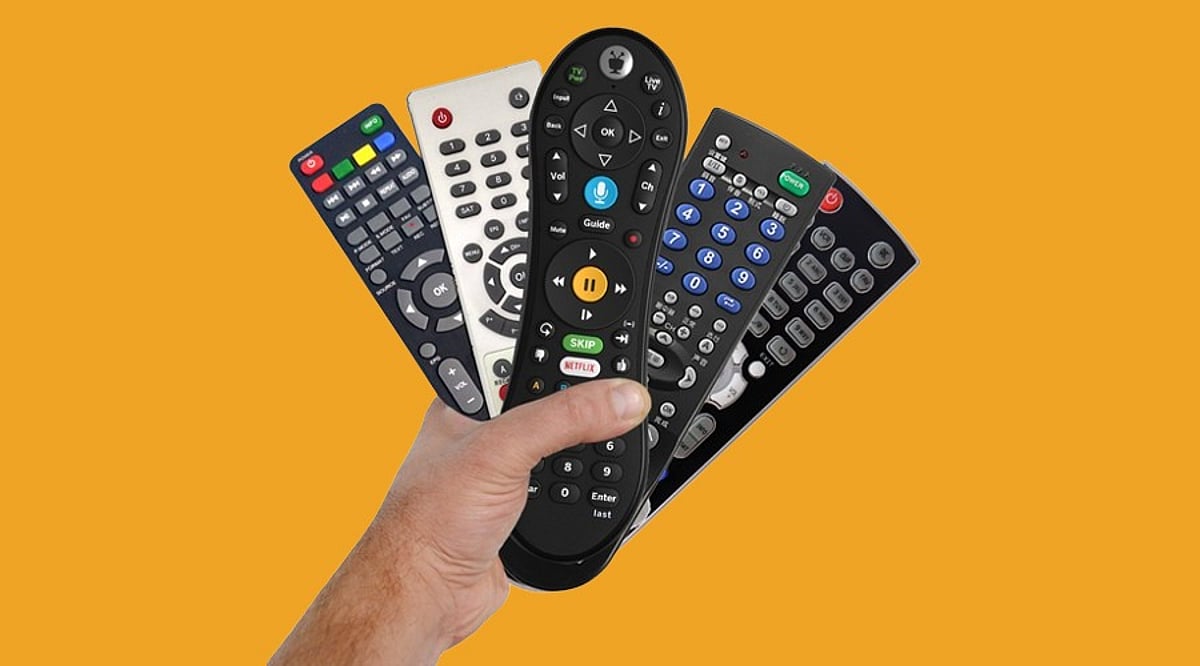
    Juggling multiple remotes for your TV, streaming device, soundbar, and set-top box is frustrating. A universal remote consolidates everything into one device, making your entertainment setup simpler and more convenient. The best universal remotes in 2026 offer wide compatibility, easy setup, and reliable performance at various price points.

    What to Look for in a Universal Remote

    Most modern universal remotes work with smart TVs, streaming devices, media players, and sound systems. Some are simple replacements, while others control multiple devices at once. Key factors to consider include compatibility, button layout, signal range, build quality, and ease of setup.

    Best Universal Remote Controls Compared

    Each remote below caters to different needs. Some are affordable replacements for a lost TV remote; others can manage a full home theater system.

    1. 7SEVEN® Universal Remote

    An excellent budget-friendly option for buyers who want simplicity. It pairs easily with supported devices and offers responsive buttons. Ideal for basic TV and streaming control.

    2. marman® Compatible Remote Control

    Designed for those who need a smart TV remote that also works with other devices. The familiar button layout makes it intuitive for anyone in the household.

    3. LOUTOC Original Remote Control

    Best for daily use with TVs and streaming devices like Fire TV or Android TV. Affordable and features shortcut buttons for quick access to apps.

    4. Original Universal Remote Control

    Offers strong signal reliability and useful shortcut buttons, making app switching faster and more convenient.

    5. AUCLMEET® Remote

    Simple button layout, strong signal, and quick response. A dependable choice for most users.

    6. K2ORA™ Remote

    Our top pick for controlling multiple devices (TV, streaming, soundbar). Setup is straightforward, and switching between devices is smooth. Offers the best mix of features and everyday convenience.

    Which Universal Remote Should You Choose?

    If you need a single remote for multiple devices, the K2ORA™ Remote Compatible is the best overall choice. For daily TV and streaming use, the LOUTOC Original Remote Control is a close second with its handy shortcut buttons. The AUCLMEET® Remote is a reliable third option for those who value simplicity and strong performance.

    Final Thoughts

    A universal remote is a small investment that pays off every time you sit down to watch TV. Before buying, check compatibility with all your devices. Prioritize comfortable design, easy setup, and reliable performance over flashy extras. Pick the right remote, and your entertainment experience becomes much smoother.

  • Top Smart TVs Under ₹80,000 in 2024: Amazon Deals Worth Considering

    Top Smart TVs Under ₹80,000 in 2024: Amazon Deals Worth Considering

    If you’re looking for a premium smart TV without exceeding ₹80,000, the current Amazon sale offers some outstanding options. From Sony’s exceptional picture quality to TCL’s value-packed Mini LED models, here’s a curated guide to help you make the right choice.

    Sony BRAVIA – Premium Picture Quality

    Delivering exceptional 4K visuals, Dolby Vision support, and Google TV integration, the Sony BRAVIA series is ideal for movies, gaming, and streaming. Its advanced image processing ensures lifelike colors and deep blacks, making it a top pick for cinephiles.

    Samsung Crystal UHD – Vibrant Display

    Samsung’s Crystal UHD lineup offers vivid colors, AI-powered upscaling, and the intuitive Tizen OS. With reliable smart features and smooth performance, these TVs are perfect for everyday entertainment.

    LG Nano AI – Smart Performance

    Combining webOS, AI Picture Pro, and immersive audio, LG Nano AI TVs enhance your viewing experience across OTT platforms. Voice control and smart home compatibility add extra convenience.

    TCL QD-Mini LED – Value for Money

    TCL’s QD-Mini LED TVs feature excellent brightness, Quantum Dot technology, and Google TV at highly competitive Amazon sale prices. They deliver impressive contrast and color accuracy without breaking the bank.

    Hisense QLED – Budget Premium

    Hisense offers Quantum Dot displays, Dolby Vision, and a dedicated Game Mode, delivering premium entertainment within the ₹80,000 budget. These TVs are a great choice for gamers and streamers alike.

    Smart Features & Gaming Readiness

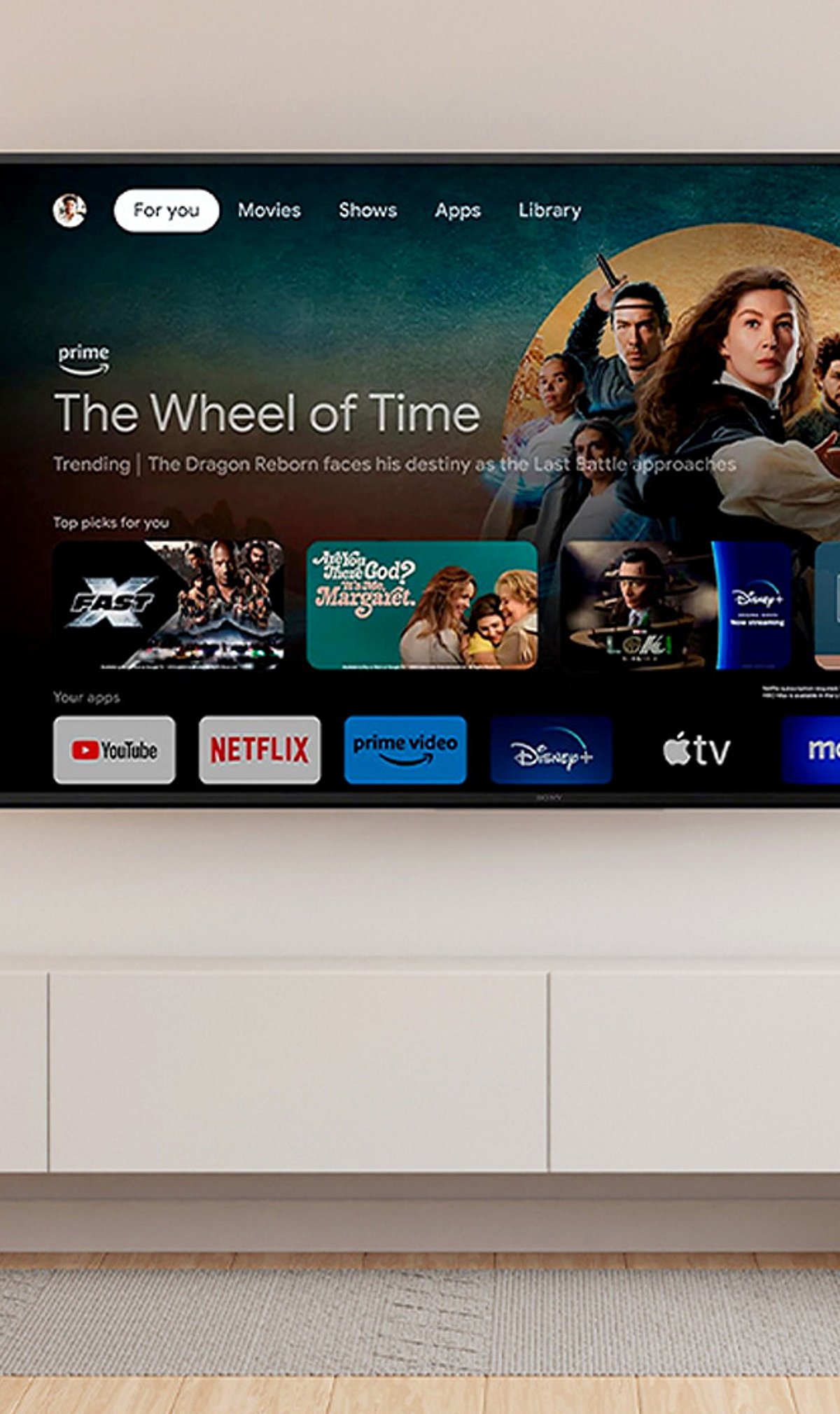
    Most models include Google TV or Fire TV, providing voice control, Chromecast, app support, and personalized content recommendations. For gamers, features like HDMI 2.1, ALLM, VRR, and low input lag make select TVs ready for next-generation consoles.

    Amazon Sale Benefits

    Amazon frequently offers discounts, no-cost EMI, exchange offers, and instant bank savings, significantly reducing the price of premium TVs. This is an excellent time to upgrade your home entertainment setup.

    Buying Recommendation

    Choose OLED for superior contrast, Mini LED for brightness, or QLED for balanced performance. Your decision should align with your viewing habits, room lighting, and budget. With the right choice, you can enjoy a cinema-like experience at home.

  • Essential API Security Best Practices to Protect Your Data

    Essential API Security Best Practices to Protect Your Data

    APIs are the backbone of modern applications, but they also present significant security risks. Implementing robust security measures is crucial to protect sensitive data and maintain system integrity. Below are the top 10 API security best practices every organization should follow.

    1. Use Strong Authentication

    Implement OAuth 2.0, OpenID Connect, or multi-factor authentication to verify user identities and prevent unauthorized API access across all environments.

    2. Enforce Authorization

    Apply role-based access controls (RBAC) to ensure users can only access permitted resources. This reduces privilege abuse and minimizes security vulnerabilities.

    3. Encrypt Data Everywhere

    Secure API traffic using HTTPS and TLS encryption. Protect stored sensitive information with strong encryption standards and robust key management practices.

    4. Validate All Inputs

    Filter and sanitize incoming requests to prevent SQL injection, cross-site scripting (XSS), command injection, and other common API-based attacks.

    5. Limit API Requests

    Use rate limiting and throttling to reduce abuse, block denial-of-service (DoS) attempts, and maintain stable application performance under heavy traffic.

    6. Monitor API Activity

    Continuously track logs, detect suspicious behavior, and respond quickly to anomalies using automated security monitoring and alerting systems.

    7. Rotate API Keys Regularly

    Replace compromised or aging credentials frequently. Securely store keys using secrets management solutions and enforce restricted access policies.

    8. Keep APIs Updated

    Regularly patch vulnerabilities, update dependencies, and retire unsupported versions to minimize exposure to evolving cybersecurity threats and exploits.

    9. Conduct Security Testing

    Perform penetration testing, vulnerability assessments, and automated scans regularly to identify weaknesses before attackers can exploit exposed API endpoints.

    By implementing these best practices, organizations can significantly reduce the risk of API-related security incidents and protect their digital assets.

  • Top Electric Vehicle Makers to Track in 2026

    Top Electric Vehicle Makers to Track in 2026

    The electric vehicle (EV) landscape is evolving rapidly, with several manufacturers poised to make significant strides by 2026. From established giants to ambitious newcomers, these companies are driving innovation in battery technology, autonomous driving, and global market expansion. Here are the key EV manufacturers to watch.

    • Tesla – Continues advancing autonomous driving, battery innovation, and global manufacturing while expanding affordable electric vehicle options across major international markets.
    • BYD – Dominates electric vehicle production through vertically integrated manufacturing, advanced battery technology, and rapidly growing exports across Europe and emerging regions.
    • Rivian – Focuses on premium electric trucks and SUVs while expanding commercial delivery partnerships and improving manufacturing efficiency for sustainable long-term growth.
    • Hyundai – Strengthens its EV lineup with dedicated electric platforms, competitive pricing, longer driving ranges, and advanced connectivity features for global customers.
    • Kia – Expands affordable electric mobility through stylish models featuring fast charging, practical interiors, improved software integration, and strong worldwide consumer demand.
    • BMW – Combines luxury engineering with electrification by introducing premium electric sedans, SUVs, and high-performance models featuring innovative digital technologies consistently.
    • Mercedes-Benz – Accelerates premium electric mobility through advanced battery platforms, intelligent software ecosystems, and luxury-focused design for discerning global buyers everywhere.
    • Lucid Motors – Impresses with long-range luxury electric sedans featuring high efficiency, premium interiors, and innovative engineering targeting premium automotive markets worldwide.
    • VinFast – Expands internationally with competitively priced electric vehicles, aggressive manufacturing investments, and customer-focused strategies supporting rapid global brand recognition successfully.

    These manufacturers represent the forefront of EV innovation and are set to shape the industry in 2026 and beyond.

  • Essential Help Desk Software for Small Businesses and Startups in 2025

    Essential Help Desk Software for Small Businesses and Startups in 2025

    Small businesses and startups need efficient customer support without breaking the bank. The right help desk tool streamlines ticket management, automates workflows, and keeps your team responsive across channels. Below are nine top-rated solutions that balance affordability, scalability, and powerful features.

    Zendesk

    Zendesk offers scalable ticket management, automation, omnichannel support, and analytics, helping businesses deliver faster customer service with minimal operational complexity.

    Freshdesk

    Freshdesk simplifies customer support through AI-powered automation, shared inboxes, self-service portals, and affordable pricing tailored for growing startups and businesses.

    Zoho Desk

    Zoho Desk integrates seamlessly with business applications while providing contextual support, workflow automation, and performance insights for efficient customer service operations.

    Help Scout

    Help Scout delivers email-based support, knowledge bases, collaboration tools, and personalized customer experiences designed specifically for small teams and growing organizations.

    Jira Service Management

    Jira Service Management combines IT service management, incident tracking, automation, and developer collaboration, making it ideal for technology-focused startups and businesses.

    LiveAgent

    LiveAgent supports live chat, ticketing, call center features, and social media integration within one affordable platform for responsive customer support management.

    HubSpot Service Hub

    HubSpot Service Hub connects customer service with CRM capabilities, enabling ticket automation, feedback collection, knowledge management, and personalized customer engagement effortlessly.

    HappyFox

    HappyFox provides multi-channel ticketing, automation, reporting, and workflow customization, helping businesses improve support efficiency and customer satisfaction across communication channels.

    Spiceworks Help Desk

    Spiceworks Help Desk offers free IT help desk capabilities including ticket management, asset tracking, reporting, and community support for budget-conscious organizations worldwide.

  • Best Bluetooth Speaker Brands for Premium Audio in 2026

    Best Bluetooth Speaker Brands for Premium Audio in 2026

    Experience powerful bass, crystal-clear audio, and premium designs with the best Bluetooth speaker brands dominating 2026.

    • JBL: Known for booming bass, rugged waterproof designs, and party-ready portable speakers.
    • Sony: Delivers balanced sound, long battery life, and powerful EXTRA BASS technology.
    • Bose: Premium sound quality with exceptional clarity and immersive listening experiences.
    • Marshall: Classic vintage styling combined with rich, room-filling audio performance.
    • Ultimate Ears (UE): Compact speakers with 360-degree sound and outstanding outdoor durability.
    • Harman Kardon: Elegant home speakers delivering refined sound and premium aesthetics.
    • Bang & Olufsen: Luxury craftsmanship paired with audiophile-grade wireless performance.
    • Anker Soundcore: Excellent value with impressive battery life and customizable EQ settings.
  • 2026 Smart Smoke Detector Buying Guide: Key Features, Safety Standards, and Top Picks

    2026 Smart Smoke Detector Buying Guide: Key Features, Safety Standards, and Top Picks

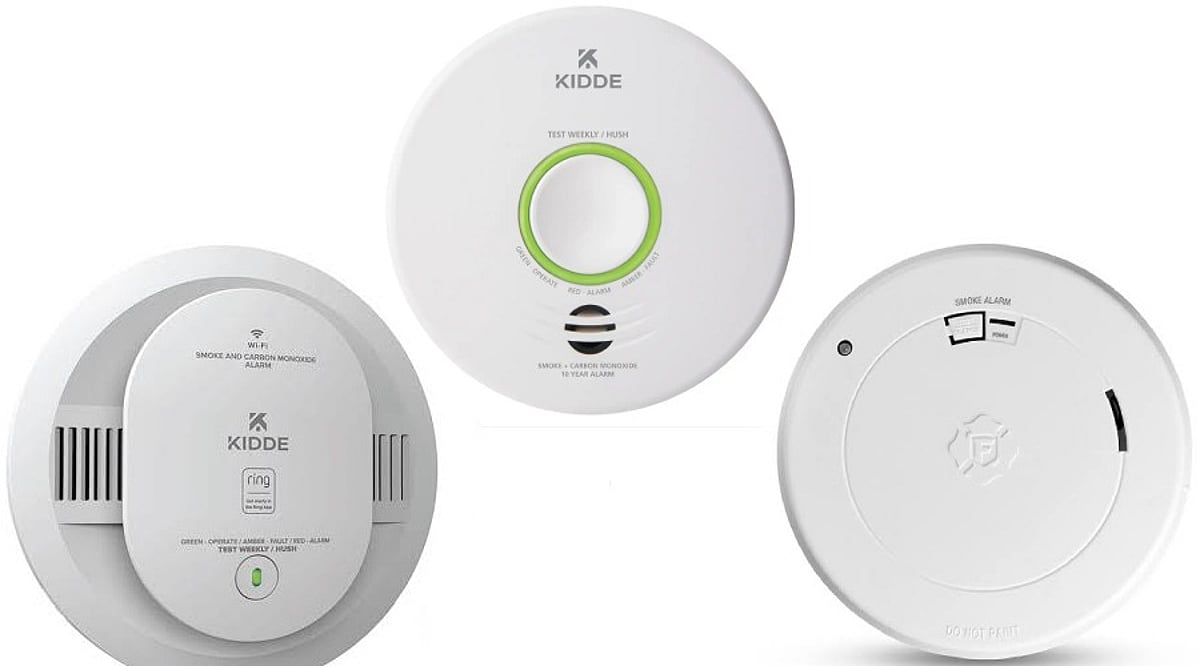
    Today’s smart smoke detectors combine traditional fire protection with intelligent features that keep homeowners informed wherever they are. From sensor technology to Wi-Fi connectivity and carbon monoxide detection, every feature plays a role in ensuring safety and convenience.

    Check Safety Certifications and Sensor Technology Before Buying

    Every smoke alarm sold in the US should carry a UL 217 listing. The standard was last revised in January 2026, and recent editions added stronger tests for smoldering fires and for filtering out cooking smoke. In Europe and the UK, EN14604 is the equivalent mark to check. A listing that does not mention either standard is not worth buying, regardless of how polished the companion app looks.

    Sensor type is the next check. Photoelectric sensors catch slow, smoldering fires early. Ionization sensors respond faster to flaming fires. Combined units cover a wider range of fire types than single-sensor models.

    Homes with gas appliances or an attached garage call for a combined smoke and carbon monoxide alarm. A CO sensor adds a second layer of protection that a smoke-only unit cannot provide.

    Smart Smoke Detector Placement Rules: Why Installation Matters

    Placement is one thing most buyers never think to check. NFPA 72, the US code that governs fire alarm installation, revised its rules around cooking appliances back in 2025. A smoke alarm now has no business sitting within 10 feet of a stove. Between 10 and 20 feet, it needs to carry nuisance-resistance certification, either UL 217’s eighth edition or UL 268’s seventh.

    Manufacturers run these alarms through actual cooking smoke during testing to confirm they won’t trip for no reason. That’s the real story behind all those older alarms shrieking every time someone fries an egg. And it’s exactly why swapping out a nuisance-prone unit near the kitchen pays off in both safety and sanity.

    Best Smart Smoke Detector Features Worth Paying For

    Once safety basics are covered, smart features add real convenience. Wi-Fi models push alerts to a phone if an alarm triggers while the house is empty. Better units announce the room, so the alert says smoke in the kitchen rather than sounding a generic siren.

    Ecosystem support varies by brand: Nest Protect and First Alert SC5 work with Google Home, Onelink units pair with Alexa, and Eve Smoke or Owl Wired support Apple HomeKit. Homes that already have certified alarms in working order can skip full replacement.

    A retrofit option like a Roost smart battery or a Ring smoke listener adds phone alerts without touching the existing hardware. Several premium detectors, including Google Nest Protect, combine multiple sensing technologies to improve detection across different fire types, rather than relying on a single sensor to catch every kind of fire.

    False alarms are the main reason people disable smoke detectors, so nuisance-alarm filtering matters as much as raw sensitivity. Updated sensing can tell the difference between shower steam, smoke from burnt toast, and an actual fire, cutting down on the alerts that lead many households to pull the batteries out entirely.

    When comparing models, explicit nuisance-resistance certification carries more weight than marketing claims about smart filtering, since the UL 217 and UL 268 nuisance tests described earlier are the only independent check that the claim holds up.

    Best Smart Smoke Detector Types Compared

    There are several types of smart smoke detectors available, including battery-powered, hardwired, and combination smoke/CO models. Battery-powered units are easy to install and work during power outages. Hardwired models are interconnected for whole-house alerts. Combination units offer dual protection in one device. Choose based on your home’s wiring and specific needs.

    Smart Smoke Detector Maintenance, Privacy, and Battery Life

    A smart smoke alarm keeps sounding locally even if the Wi-Fi drops or the power goes out, since it runs off its own battery or a hardwired backup. The phone notification is the only part that needs an internet connection. Most units ship with a sealed 10-year battery built to be replaced once it’s spent, not repaired.

    A monthly test button check and the occasional dusting go a long way toward keeping the sensor sharp. It’s worth a glance at the manufacturer’s privacy policy too, particularly for anyone leaning on remote monitoring. Some alarms need a cloud account for alerts to work at all, while others still handle certain features locally, which gives privacy-minded buyers a bit more say in the matter.

    Final Thoughts

    The best smart smoke detector detects danger quickly, meets recognized safety standards, and fits the layout of the home it protects. Smart features should enhance that protection, not replace it.

    Frequently Asked Questions

    1. What is the difference between a smart smoke detector and a traditional smoke detector?

    A smart smoke detector offers the same core fire detection as a traditional alarm but adds features like Wi-Fi connectivity, smartphone alerts, voice notifications, and smart home integration for enhanced monitoring.

    2. Should I buy a smoke-only detector or a smoke and carbon monoxide (CO) detector?

    A combination smoke and carbon monoxide detector is a better choice for most homes, especially those with gas appliances, fireplaces, or attached garages, as it provides protection against both fire and CO leaks.

    3. Which sensor type is best for a smart smoke detector?

    Photoelectric sensors are more effective at detecting slow, smoldering fires, while ionization sensors respond faster to flaming fires. Many premium smart detectors combine multiple sensing technologies for broader fire detection.

    4. Do smart smoke detectors work during a power or internet outage?

    Yes. Smart smoke detectors continue to sound their local alarm even if Wi-Fi goes down. Hardwired models use battery backup during power outages, while battery-powered models continue operating normally. Remote notifications may not work without an internet connection.

    5. How often should a smart smoke detector be replaced?

    Most manufacturers recommend replacing smart smoke detectors every 10 years, even if they appear to work properly. Regular monthly testing and routine maintenance help ensure reliable performance throughout their lifespan.