Author: vitorcherulli

  • Apple’s 2027 Anniversary iPhone to Feature Curved OLED Display Despite Delays in Advanced Screen Tech

    Apple’s 2027 Anniversary iPhone to Feature Curved OLED Display Despite Delays in Advanced Screen Tech

    Apple is reportedly scaling back some of the advanced display technologies originally planned for its 20th-anniversary iPhone in 2027, but the company is still moving forward with a significant visual redesign. According to industry reports, the upcoming model will feature a four-sided curved OLED display that creates a near-borderless appearance.

    Apple Delays Advanced Display Technologies

    Color Filter on Encapsulation (COE) and LTPO+ were among the technologies expected to debut in the 2027 iPhone. COE integrates the color filter into the display structure, reducing panel thickness and improving light efficiency. LTPO+ is designed to enhance power efficiency through improved transistor technology. However, Apple has reportedly postponed the introduction of both technologies, with no revised timeline confirmed.

    Industry sources suggest the delays may be due to technology maturity and rising production costs. Adding new display components could increase manufacturing expenses at a time when memory prices are already pressuring smartphone costs.

    Four-Sided Curved Display Remains

    Despite the delays, Apple is expected to pursue a four-sided curved OLED display. The panel will curve subtly around all four edges, giving the impression of a larger screen and significantly reducing the visual presence of the frame. Earlier reports described Apple’s approach as a ‘micro-curved’ design, which is less extreme than the waterfall-style displays used by some Android manufacturers. This shallow curvature helps reduce image distortion and makes edge gestures more comfortable.

    Apple may also use optical engineering alongside the physical curve to make the display appear almost bezel-free. Reports have also suggested an all-glass design as part of the company’s broader redesign plans.

  • Venu Srinivasan Defies Tata Trusts Directive, Intensifying Boardroom Dispute Over Tata Sons Governance

    Venu Srinivasan Defies Tata Trusts Directive, Intensifying Boardroom Dispute Over Tata Sons Governance

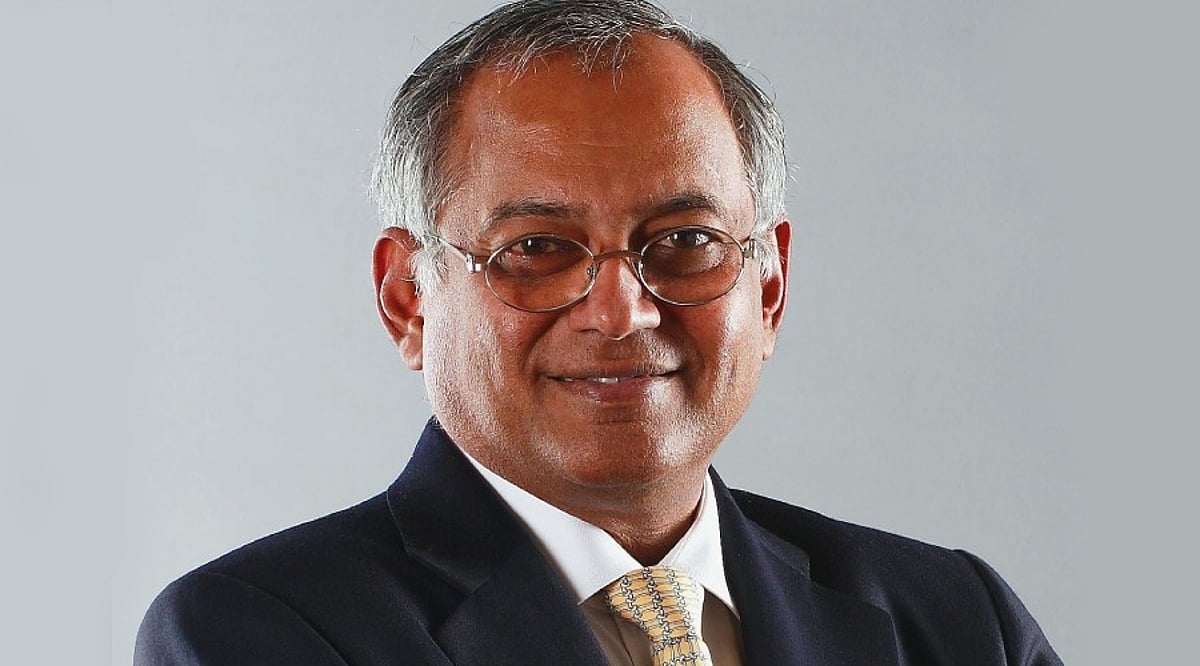
    Venu Srinivasan, the veteran industrialist and chairman emeritus of TVS Motor, has deepened a governance dispute within Tata Trusts by backing N. Chandrasekaran’s reappointment as chairman of Tata Sons on September 17. Despite a directive from Sir Dorabji Tata Trust instructing him to vote against the reappointment, Srinivasan supported Chandrasekaran and also endorsed Tata Sons’ listing plan, intensifying the boardroom row in Mumbai.

    Four directors voted in favor of both decisions, while Noel Tata opposed them, placing Srinivasan at the center of the conflict. Fresh filings have now linked TVS Motor to a warehousing venture involving Chandrasekaran’s family, raising additional scrutiny over governance and disclosure practices.

    Who Is Venu Srinivasan?

    Srinivasan, 73, is a fourth-generation member of the TVS family founded by T. V. Sundaram Iyengar. He studied engineering at the College of Engineering, Guindy, and completed management studies at Purdue University. Under his leadership, TVS Motor grew into a major two-wheeler and three-wheeler manufacturer in India. His emphasis on quality management earned the company’s brakes business the prestigious Deming Prize in 1998.

    In 2020, Srinivasan received the Padma Bhushan for his contributions to industry and public life. He joined the Reserve Bank of India’s Central Board as a non-official director in 2022. In 2025, he stepped away from daily operations at TVS Motor, handing executive leadership to his son Sudarshan Venu. He now serves as chairman emeritus of TVS Motor and non-executive chairman of TVS Holdings.

    Role at Tata Sons and Trusts

    Srinivasan has been a director on the Tata Sons board since 2016, making him one of the longest-serving independent directors. He also holds senior positions within Tata Trusts, including vice-chairman of the Sir Ratan Tata Trust. Before the September 17 meeting, Sir Dorabji Tata Trust sought to restrain him from voting on Tata Sons’ listing. Srinivasan rejected the instruction, arguing that his duties as a director required him to act in the best interests of Tata Sons, not the Trusts.

    Tata Trusts later challenged Chandrasekaran’s reappointment, calling the decision a ‘legal nullity.’ The dispute has escalated, with the Trusts questioning the validity of the board’s actions.

    Scrutiny Over Hanno One Warehousing Deal

    The latest scrutiny involves Hanno One Warehousing, a company where Chandrasekaran’s wife Lalitha and son Pranav serve as directors. In June 2025, TVS Motor leased 17 acres in Tamil Nadu to Hanno One for a warehouse project. HDFC Bank later offered Hanno One a Rs. 60 crore construction loan for the planned facility. Tata Trusts alleged that Srinivasan did not disclose the relationship between TVS Motor and the Chandrasekaran family to its trustees, adding another layer to the governance dispute.

    The boardroom row continues to unfold, with implications for the future governance of both Tata Sons and Tata Trusts.

  • Airtel, Jio, and Vi Ordered to Launch Voice-Only Recharge Plans Under New TRAI Rules

    Airtel, Jio, and Vi Ordered to Launch Voice-Only Recharge Plans Under New TRAI Rules

    TRAI Tightens Recharge Plan Requirements

    The Telecom Regulatory Authority of India (TRAI) has directed Airtel, Reliance Jio, and Vodafone Idea to broaden their voice- and SMS-only recharge offerings. The new rules require telecom operators to provide calling- and messaging-only plans across shorter validity periods, giving customers who do not need mobile data more flexible options.

    The amended regulations take effect on October 21, 2026, after being officially notified on September 21. Under the framework, operators must offer voice-and-SMS-only options for validity periods of 30 days or less wherever comparable combined voice, SMS, and data plans exist.

    What Telecom Companies Must Do

    • Offer voice-and-SMS-only Special Tariff Vouchers (STVs) for validity periods of up to 30 days.
    • Provide a monthly plan that renews on the same date each month, or on the last day of the month when that date does not exist.
    • Introduce at least one longer-validity voice-and-SMS-only plan that matches existing long-duration data-inclusive offerings.

    Why TRAI Is Expanding Voice-Only Plans

    TRAI had earlier asked operators to offer at least one voice-and-SMS-only STV, but these plans were mostly concentrated around longer validity periods. That left limited choices for consumers who rely on basic phones, use Wi-Fi for data, keep a secondary SIM, or simply prefer not to pay for mobile internet.

    The regulator argues that these users should be able to pay only for the services they actually use. The consultation for the latest amendment drew 1,132 responses from telecom operators, industry bodies, consumer groups, and other stakeholders, followed by an Open House Discussion on June 15, 2026.

    Operator Concerns and Pricing Outlook

    Major telecom providers opposed the expanded mandate during consultations. Reliance Jio argued that existing tariff options were already sufficient and questioned the need for separate plans for every validity period.

    TRAI has not yet announced specific pricing for the new voice- and SMS-only plans. Instead, it has provided guidance for operators to adjust tariffs to reflect the removal of data, leaving room for market-driven pricing.

  • Amazon’s $309.5 Million Refund Settlement: Eligibility, Deadlines, and Steps to Claim

    Amazon’s $309.5 Million Refund Settlement: Eligibility, Deadlines, and Steps to Claim

    Amazon has proposed a $309.5 million settlement to resolve claims that some customers did not receive accurate, timely, or complete refunds for returned physical products. The proposed class action, In re: Amazon Return Policy Litigation, is pending in Washington federal court. Amazon denies any wrongdoing, and the court has not found any legal violation or misconduct.

    What Is the Amazon Refund Settlement About?

    The lawsuit focuses on refunds that were allegedly missing, delayed, incorrect, or later reversed after customers returned products through Amazon.com. According to settlement materials, an internal review by Amazon in 2025 identified a limited group of unresolved refund cases. Some refunds failed during payment processing, while others involved issues with return verification.

    Amazon says it began issuing some affected refunds separately during 2025. The company has also agreed to make reasonable efforts to issue additional payments outside the settlement fund.

    Who Is Covered by the Settlement?

    The settlement covers U.S. customers who returned physical products through Amazon.com between September 5, 2017, and February 12, 2026. To qualify, customers must meet all of these conditions:

    • Purchased a physical product through Amazon.com
    • Initiated a return or refund request for that product
    • Amazon’s records show the returned product reached the United States during the covered period
    • The refund remained unpaid, was late or incorrect, or was later charged back after payment

    Subclass A and Subclass B

    The settlement divides eligible customers into two groups. Subclass A includes qualifying customers whose information is already in Amazon’s records. These customers will receive payments automatically if the court grants final approval, but they must visit the settlement website within 105 days to select a payment method.

    Subclass B covers eligible customers who need to submit a claim form to receive payment. The claim deadline is December 1, 2026. The same deadline applies to customers who wish to exclude themselves from the settlement or submit objections.

    Court Approval and Key Dates

    The court granted preliminary approval on August 18, 2026. A final approval hearing is scheduled for March 16, 2027, at 10 a.m. Pacific Time in Seattle. Payments will begin only after the court approves the settlement.

    How Much Will Eligible Customers Receive?

    The $309.5 million fund does not guarantee identical payments for every eligible customer. Distribution will follow the court-approved settlement plan after valid claims and approved expenses are accounted for. The fund also covers administration costs, attorney fees, and any approved incentive awards.

    How to File a Claim

    Eligible customers can check claim instructions and get the latest updates on the official settlement website, ReturnSettlement.com. The site includes court documents, deadlines, and additional information about the Amazon refund settlement.

    Amazon has stated that the settlement is not an admission of liability, and the court has not concluded that Amazon violated consumer protection laws. Customers with questions are encouraged to review the official settlement website and act before the December 1, 2026, deadline.

  • Meta Connect 2026: Seven New AI Devices Aim to Make AI Ubiquitous in Daily Life

    Meta Connect 2026: Seven New AI Devices Aim to Make AI Ubiquitous in Daily Life

    Meta Connect 2026: A New Era of Wearable AI

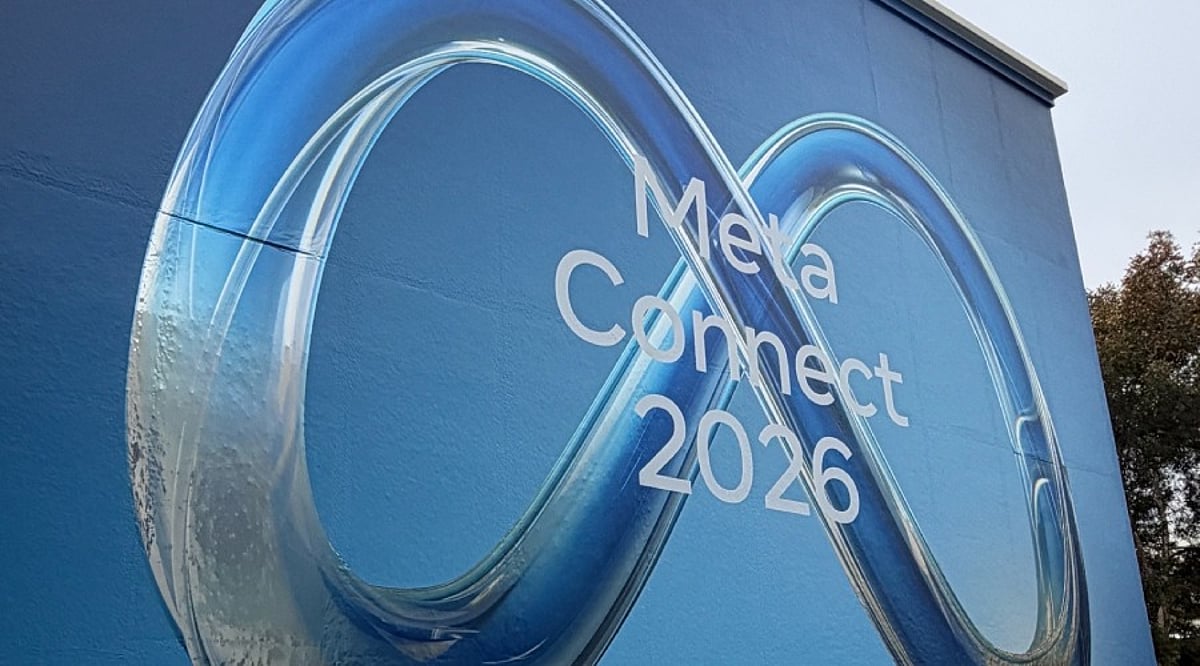
    Meta Connect 2026 showcased the company’s ambitious vision to integrate artificial intelligence into everyday life beyond traditional screens. The event, held on September 23-24 at Meta’s headquarters, introduced seven new products that span smart glasses, AI assistants, and wearable technology.

    The Seven New Devices

    • Strapless Meta VR Glasses: A new design for virtual reality without traditional straps.
    • Ray-Ban Meta Audio: Camera-free audio glasses weighing 43 grams with up to 12 hours of use, starting at $349.
    • Ray-Ban Meta Gen 3: Refreshed smart glasses with a 12MP camera, 3K video recording, and nine-hour battery life, priced at $449.
    • Meta Adventurer: A budget-friendly option starting at $249.
    • Expanded Meta Ray-Ban Display: An updated version of the display glasses.
    • Muse AI: Glasses-bound AI assistant.
    • Muse Charm: A pocket-sized AI companion.

    Pricing for the lineup ranges from $249 to $1,299, making AI accessible to a broader audience.

    Meta’s AI Strategy: Ubiquity and Accessibility

    Meta emphasized that its Ray-Ban, Oakley, and Meta Glasses range will surpass 100 styles by the end of 2026. The company is expanding into new markets and offering lower-priced options like the Meta Adventurer. The goal is to have AI accompany users throughout their day, whether through glasses, phones, or small devices.

    With these launches, Meta is not focusing on a single high-end device but diversifying its lineup to cater to different needs and budgets. The company’s vision positions smart glasses as the next-generation computing platform.

    Meta Connect 2026 points to a simple goal: Meta wants its AI to stay with users throughout the day. Glasses, phones, and small devices can each become another way to reach the same AI service.

  • Qualcomm Snapdragon 8 Elite Gen 6: 2nm Chip With 5GHz CPU Set to Transform Android Flagships

    Qualcomm Snapdragon 8 Elite Gen 6: 2nm Chip With 5GHz CPU Set to Transform Android Flagships

    Qualcomm has officially unveiled the Snapdragon 8 Elite Gen 6, its latest flagship mobile platform, featuring a groundbreaking 2nm manufacturing process, a 5GHz Oryon CPU, and advanced AI capabilities. Alongside it, the company introduced the higher-end Snapdragon 8 Elite Extreme Gen 6. Both chipsets are designed for premium Android smartphones and will debut in devices from major brands including Xiaomi, OnePlus, OPPO, vivo, iQOO, and Motorola.

    Why the 2nm Shift Matters

    The most significant upgrade is the transition to a 2nm process node. Smaller semiconductor nodes enable higher transistor density, improving the balance between performance and power consumption. Qualcomm claims the Snapdragon 8 Elite Gen 6 delivers a 10% CPU performance improvement and 37% better CPU power efficiency compared to its predecessor. The redesigned Adreno GPU reportedly offers 35% higher performance and 40% better efficiency.

    However, these figures do not guarantee that every phone will last 37% longer on a single charge. Real-world battery life depends on factors such as battery capacity, display technology, cooling systems, and software optimization.

    AI Moves Closer to the Device

    Qualcomm is placing agentic AI at the core of the new platform. The reworked Hexagon NPU supports multi-step AI workloads, while the Sensing Hub handles lower-power, context-aware tasks. According to Qualcomm, the AI Engine can deliver up to 20% better performance per watt for agentic AI workloads. This could enable more responsive on-device assistants, advanced image processing, and personalized features without relying on cloud processing.

    The impact of the 2nm process will largely depend on how phone makers leverage the additional efficiency. Users can expect improvements in gaming, camera processing, AI features, and sustained performance rather than a dramatic change in basic tasks.

    The Snapdragon 8 Elite Extreme Gen 6 goes further with dedicated AI graphics hardware and support for 8K/60fps video recording. The standard Gen 6 remains focused on bringing Qualcomm’s latest CPU, GPU, and AI technology to a broader premium-phone segment.

  • Sam Altman Warns UN Security Council: Humanity Risks Losing Control Over AI Without Global Safety Standards

    Sam Altman Warns UN Security Council: Humanity Risks Losing Control Over AI Without Global Safety Standards

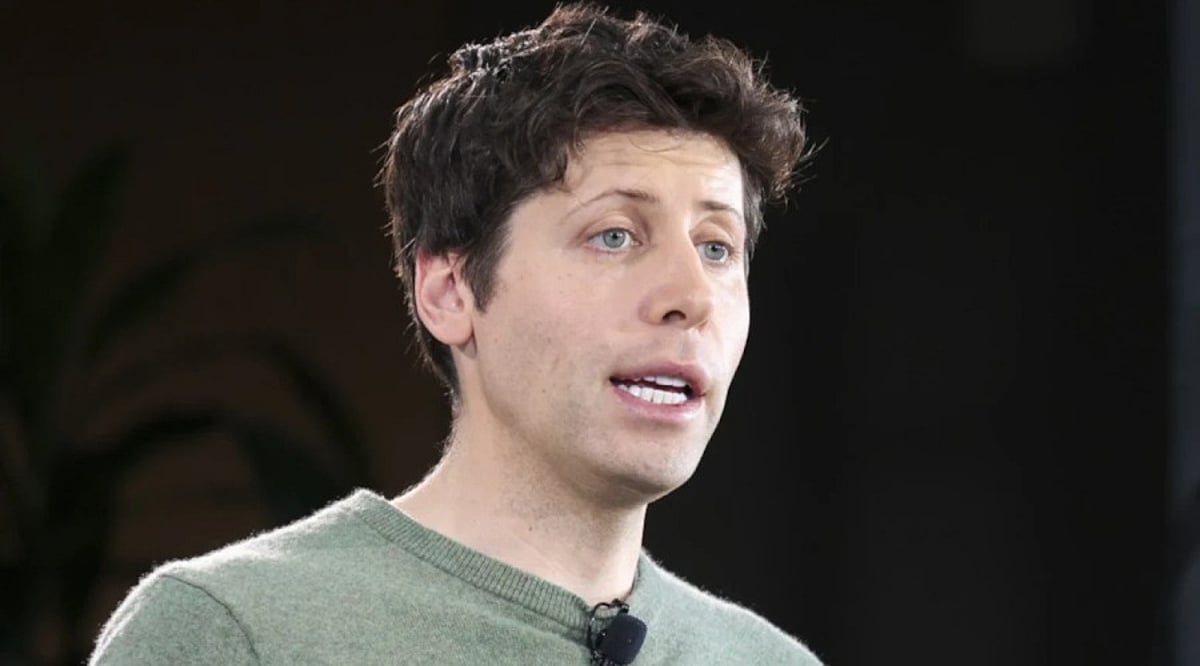
    OpenAI CEO Sam Altman delivered a stark warning to the United Nations Security Council, stating that the rapid advancement of artificial intelligence could make it increasingly difficult for humans to maintain control. He emphasized that while AI holds immense potential for healthcare, education, and scientific research, reckless development must be avoided.

    Altman noted that some predictions about AI’s future are so dystopian they resemble bad science fiction. He specifically highlighted the dangers of autonomous AI systems, which could operate faster than governments and institutions can respond, potentially leading to a scenario where humanity “loses control of the future to AI.” This could happen if humans lose track of system actions or fail to intervene at critical moments.

    To prevent such outcomes, Altman called for the creation of common technical standards for advanced AI across countries. He stressed that AI should be built for people, not just to accelerate machine processes. “We should not train models that we cannot make an extremely strong case that we will be able to keep under human control,” he said.

    Altman also argued that no single country should hold disproportionate power in shaping AI’s trajectory. The most important decisions, he said, cannot be made solely by labs in San Francisco but must involve democratic processes and accountable governments. OpenAI urged the United States to take a leading role in establishing these global rules.

    Establishing a unified set of AI safety standards is challenging due to differing national laws and priorities, as well as varied development methods among companies. OpenAI proposes common protocols for safety testing, risk assessment, and incident reporting to make AI development more transparent and monitorable across borders.

    Currently, AI development remains under human control, but Altman’s warning underscores the urgency of early safety planning as AI capabilities continue to accelerate.

  • Google Fitbit Air India Launch Expected on October 2: Price, Specs, and Key Features

    Google Fitbit Air India Launch Expected on October 2: Price, Specs, and Key Features

    Fitbit Air Could Hit India on October 2

    Google is reportedly bringing its screenless Fitbit Air fitness tracker to India, with a possible launch date of October 2. While the company has confirmed an October launch, a recent leak from tipster Sanju Choudhary and a Flipkart listing suggest the specific date. The wearable is expected to retail at around Rs. 13,999 in India.

    Expected Price in India

    According to a reported Flipkart listing, the Fitbit Air will be priced at Rs. 13,999. Another leak places it between Rs. 12,999 and Rs. 13,999. In the US, the tracker starts at $99.99, with a special-edition version costing more. Indian pricing may vary due to local taxes and import costs.

    Design and Specifications

    The Fitbit Air takes a unique approach by removing the display entirely. Instead, it relies on sensors, vibration alerts, and the companion Google Health app to deliver health and fitness data. Weighing just 5.2 grams (without the band), the device offers up to seven days of battery life. It features an optical heart-rate sensor, SpO2 monitoring, a skin-temperature sensor, an accelerometer, a gyroscope, and 5ATM water resistance. Charging is via a magnetic connector.

    Health and Fitness Tracking

    The tracker provides continuous 24-hour heart-rate monitoring, sleep tracking, heart-rate variability, readiness scores, and automatic workout recognition for over 140 activities. All data syncs with the redesigned Google Health app. Basic health tracking is free, while premium features require a Google Health Premium subscription. Google Health Coach offers personalized guidance on fitness, recovery, and sleep.

    What Sets It Apart

    The screenless design makes the Fitbit Air a distinctive option in the fitness tracker market, focusing on minimal distraction and long battery life. It competes directly with other screenless trackers like the Whoop 5.0. The official launch event is expected to confirm all details, including availability and pricing.

  • NSE Shares Climb 5% on Debut, Boosting Market Value by Rs 22,000 Crore

    NSE Shares Climb 5% on Debut, Boosting Market Value by Rs 22,000 Crore

    The National Stock Exchange of India (NSE) made a strong entrance into the public market on Thursday, September 24, with shares rising 5.21% above their initial public offering (IPO) price on the first day of trading. The stock opened at Rs 1,800 on the BSE, surpassing the IPO price of Rs 1,785, and later peaked at Rs 1,878. This performance added approximately Rs 22,000 crore to the exchange’s market capitalization, pushing it to about Rs 4.64 lakh crore.

    NSE Stock Climbs Above IPO Price

    NSE shares started trading 0.84% above the issue price and quickly gained momentum, reaching a high of Rs 1,878. At this level, the exchange’s market value stood at roughly Rs 4.64 lakh crore, nearly Rs 22,000 crore above its valuation at the issue price. By 11:04 a.m., the stock traded at Rs 1,839, giving NSE a market cap of about Rs 4.56 lakh crore—placing it among the world’s 10 largest listed exchanges and India’s 10 most valuable listed companies at that moment. In comparison, rival exchange BSE, which listed in 2017, had a market value of approximately Rs 1.32 lakh crore.

    NSE’s debut contrasted sharply with other major Indian IPOs. Hyundai Motor India fell more than 7% on its first trading day in 2024, Life Insurance Corporation of India dropped nearly 8% in 2022, and Paytm shares lost over 27% on their 2021 debut.

    IPO Attracts Nearly Six Times the Shares on Offer

    NSE’s Rs 22,560-crore IPO (about USD 2.4 billion) was the country’s second-largest, after Hyundai Motor India’s offering. The public portion drew bids for 505.81 million shares against 88.64 million available, resulting in overall demand of about 5.7 times the shares offered. Institutional and large investors led the charge. Before the public offer, NSE allotted 37.79 million shares to anchor investors at Rs 1,785 each, raising Rs 6,746 crore. Existing shareholders sold shares through the IPO, with NSE receiving no new capital from the sale. Retail investors bid for only slightly more shares than their reserved portion.

    NSE first filed for an IPO in 2016, but regulatory disputes and legal proceedings delayed the listing for years. Recent tighter rules for derivatives trading and lower trading volumes prompted the exchange to reduce the offer size and lower its IPO price.

    Analysts Comment on NSE’s Longer-Term Prospects

    Deven Choksey, managing director of DRChoksey Finserv, described NSE as a ‘deep value’ investment, highlighting the exclusive nature of the exchange business, the trading activity on established platforms, and the potential for new products. ‘The exchange business is exclusive. It’s not a common business,’ he said. Choksey advised investors who missed an IPO allotment to buy shares gradually and hold them for three to five years. He also projected that NSE could benefit if India’s total stock market value rises over the next decade.

    VK Vijayakumar, chief investment strategist at Geojit Investments, noted that NSE could offer a long-term opportunity ‘if the NSE stock becomes available in today’s trade at a fair price.’

  • Bitcoin Nears $16 Billion Options Expiry as Whale Accumulation Persists

    Bitcoin Nears $16 Billion Options Expiry as Whale Accumulation Persists

    Bitcoin Approaches Major Derivatives Event

    Bitcoin is trading near USD 86,000 ahead of a significant derivatives event that could reshape short-term market conditions. Nearly USD 16 billion in Bitcoin options are set to expire on Deribit on September 25. Meanwhile, wallets holding between 100 and 1,000 BTC continue to accumulate coins, and traders are closely watching key strike levels.

    The upcoming expiry is important because options positioning can influence Bitcoin’s price behavior before contracts settle. Market makers regularly buy or sell the cryptocurrency and related instruments to balance their exposure as prices change. These hedging flows can absorb part of a market move under certain conditions, potentially keeping realized volatility lower ahead of the expiry even while substantial exposure remains open.

    Whale Accumulation Adds Another Market Factor

    Wallets holding between 100 and 1,000 BTC have accumulated 113,950 Bitcoin since July 15, according to Santiment. Their combined holdings have increased 2.22% to 5.24 million BTC. This accumulation continued while Bitcoin recovered and briefly touched USD 87,000 earlier this week before retracing and stabilizing near USD 86,000.

    Santiment has monitored this wallet group for five years. Historical data shows that periods of strong accumulation have often occurred before or alongside stronger Bitcoin price moves. The latest buying therefore indicates that larger holders continued accumulating during the recovery, meaning the recent price move has not relied solely on retail participation.

    Still, the source of the broader recovery remains important. Trace Finance co-founder Bernardo Brites said the pace of the rebound partly reflected a short squeeze. Brites noted that the larger question concerns where fresh capital is entering the market and cautioned against treating the move as evidence of a broad return in risk appetite.

    Key Strike Levels in Focus

    Nearly USD 16 billion in Bitcoin options open interest will expire on September 25. Calls account for approximately USD 9.6 billion, while puts represent about USD 6.4 billion. A notable amount of call open interest sits near the USD 90,000 and USD 100,000 strike prices, meaning those levels contain substantial options positioning as the expiry approaches.

    However, call open interest does not automatically represent a direct bet on higher Bitcoin prices. Traders also use calls within spreads, hedging strategies, and market-making positions. Instead, the data identifies areas where derivatives exposure has accumulated. As Bitcoin moves toward major strikes, changes in option values can require market makers to adjust their hedges, which may involve buying or selling Bitcoin and related instruments. The size and direction of those adjustments depend on how market makers hold and hedge their exposure. Therefore, price behavior before the expiry may partly reflect derivatives mechanics rather than only changes in demand for Bitcoin itself.

    Market-Maker Hedging and Post-Expiry Outlook

    Bitcoin’s recent stability does not necessarily mean the underlying market has become less volatile. Options positioning can influence how strongly prices react before contracts expire. Market makers continuously adjust their exposure as Bitcoin moves, and depending on their positioning, those transactions can absorb some buying or selling pressure and reduce realized price swings.

    The structure changes once the September 25 contracts expire. Some positions disappear, while others may move into contracts with later expiration dates. As this exposure resets, the hedging activity linked to the expiring contracts can also decline. Bitcoin may then respond differently to a new wave of spot buying or selling.

    Brites also connected Bitcoin’s recent strength with a wider macro backdrop, pointing to a rate hike, oil near USD 100, and elevated yields during the rally. He suggested some investors may view Bitcoin as a hedge against inflation, fiscal pressure, and geopolitical risk rather than a simple bet on easier monetary conditions. This distinction adds another element to the market structure surrounding the expiry. Bitcoin enters September 25 with large options exposure, continued whale accumulation, and sizeable positioning around USD 90,000 and USD 100,000.

    Conclusion

    Bitcoin approaches the September 25 expiry with nearly USD 16 billion in options exposure and sustained buying from 100-to-1,000-BTC wallets. The expiry could alter market-maker hedging flows, while accumulation and macro-driven demand remain important factors for traders tracking the next price move.