Author: vitorcherulli

  • AMD Surpasses $1 Trillion Market Capitalization as AI Chip Demand Fuels Growth

    AMD Surpasses $1 Trillion Market Capitalization as AI Chip Demand Fuels Growth

    AMD Reaches $1 Trillion Market Cap

    Advanced Micro Devices (AMD) crossed the USD 1 trillion market capitalization mark for the first time, as CEO Lisa Su’s push into artificial intelligence continues to drive investor interest. AMD shares touched a record price of USD 615.52 on September 21 after rising nearly 10% in a single session. This makes the company the fourth American chipmaker to enter the trillion-dollar club after NVIDIA, Broadcom and Micron. AMD’s stock has gained 185% this year and nearly 300% over the past 12 months.

    “AI is driving a significant expansion in demand for compute across all of our markets,” Su said in AMD’s second-quarter results statement.

    Data Center Business Drives Growth

    AMD reported a 50% increase in second-quarter revenue to a record USD 11.5 billion. Data center sales rose 107% to USD 6.7 billion, accounting for 58% of total revenue. The company has guided for about USD 13 billion in third-quarter revenue and expects data center revenue to more than double in 2027. AMD also expects server revenue to grow more than 80% in the second half of 2026.

    “Demand for both accelerators and CPUs is growing well above our prior expectations,” Su told analysts on the earnings call.

    Major Deals with Anthropic, OpenAI and Oracle

    Major deals with technology companies have supported AMD’s AI strategy. Anthropic has agreed to deploy up to 2GW of AMD Instinct MI450 GPUs in Helios, with the first gigawatt expected in the first half of 2027. AMD has committed up to USD 5 billion in equity investment in Anthropic. OpenAI signed a 6GW supply agreement with AMD last October, while Oracle is building a publicly available cluster featuring 50,000 MI450 GPUs.

    AMD Still Trails NVIDIA in AI Accelerators

    NVIDIA remains far ahead in the AI accelerator market despite AMD’s rapid growth. It is currently valued at about USD 5.4 trillion and holds an estimated 81% market share, compared with AMD’s 13%. AMD’s third-quarter results will be its next major update. The company has guided for nearly USD 13 billion in revenue and a 56% non-GAAP gross margin, as investors assess whether its AI expansion can support its trillion-dollar valuation.

  • HODL in Cryptocurrency: The Buy-and-Hold Strategy Explained

    HODL in Cryptocurrency: The Buy-and-Hold Strategy Explained

    Written by Bhavesh Maurya | Reviewed by Achu Krishnan | Published on September 23, 2026

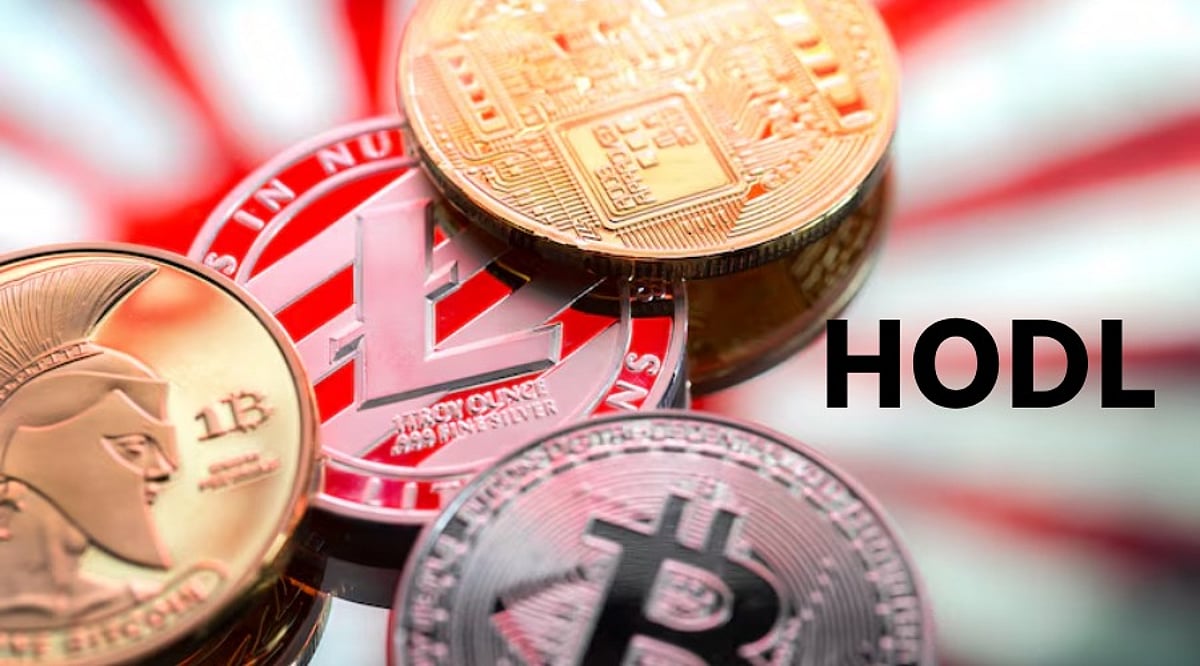
    HODL is one of cryptocurrency’s oldest investing terms. It describes holding a digital asset through short-term price fluctuations instead of repeatedly buying and selling based on market movements. Although closely associated with Bitcoin, the approach can be applied to other cryptocurrencies.

    The term originated from a misspelled ‘I AM HODLING’ post on the BitcoinTalk forum in 2013. What began as an internet joke eventually became shorthand for long-term conviction in cryptocurrency.

    How the HODL Strategy Works

    A HODL investor generally buys an asset and keeps it despite temporary rallies, corrections or periods of high volatility. Suppose an investor purchases Bitcoin at USD 70,000 as they believe adoption will increase over several years. If Bitcoin subsequently falls to USD 55,000, a HODL strategy would typically involve holding the position rather than selling solely because of the decline. The strategy attempts to reduce dependence on correctly timing short-term market movements.

    However, HODLing and dollar-cost averaging are different. HODLing describes retaining an existing position, while dollar-cost averaging involves making repeated purchases at predetermined intervals.

    Long-Term Holders Can Influence Bitcoin Supply

    On-chain analytics provide another way to examine holding behavior. Glassnode classifies Bitcoin’s long-term and short-term holder supply using coin-holding age. Its model uses a transition centered around approximately 155 days rather than simply treating every wallet holding Bitcoin as a long-term investor.

    According to recent Glassnode data, approximately 61.5% of Bitcoin’s circulating supply is classified as long-term-holder supply in profit, while another 26.4% represents long-term-holder supply in loss. Long periods of limited selling can reduce liquid supply available to markets, although holding behavior alone does not determine Bitcoin’s price.

    HODLing Does Not Remove Investment Risk

    Buy-and-hold strategies can reduce frequent trading decisions, transaction fees and attempts to time volatile markets. They cannot protect investors from permanent losses. A cryptocurrency can decline substantially, lose users, experience technological problems or become less relevant. Holding an unsuccessful asset longer does not automatically improve the investment outcome.

    Custody creates another consideration. Long-term investors using self-custody must protect private keys and recovery phrases, while exchange users face counterparty and platform risks.

    Market Cycles Still Matter

    Bitcoin demonstrates why HODLing requires tolerance for volatility. Even long-term holders can experience substantial unrealized losses during market downturns before prices recover. Glassnode reported in September that long-term-holder behavior was helping explain Bitcoin’s unusually subdued one-month realized volatility.

    Final Thoughts

    HODLing is fundamentally a long-term ownership strategy rather than a guarantee of returns. Its simplicity can reduce emotional short-term trading, but outcomes still depend on asset quality, entry price, custody security, investment horizon and an investor’s ability to tolerate potentially severe drawdowns.

    Frequently Asked Questions

    1. What does HODL mean in cryptocurrency?
    HODL means holding a cryptocurrency for the long term despite short-term price fluctuations. The term originated from a misspelled “I AM HODLING” BitcoinTalk post in 2013.

    2. How does the HODL strategy work?
    Investors buy a cryptocurrency and continue holding it through market rallies and corrections. The strategy aims to reduce reliance on accurately timing short-term market movements.

    3. Is HODLing the same as dollar-cost averaging?
    No. HODLing involves retaining an existing crypto investment, while dollar-cost averaging involves regularly investing a fixed amount at predetermined intervals regardless of market prices.

    4. What are the risks of HODLing crypto?
    HODLing does not protect against permanent losses, technological failures or declining adoption. Investors also face custody risks when storing assets themselves or counterparty risks when using exchanges.

    5. How does HODLing affect Bitcoin supply?
    When long-term holders avoid selling, fewer Bitcoin may be readily available for trading. However, supply held by long-term investors is only one of many factors that can influence Bitcoin’s market price.

    Disclaimer: This article is for informational purposes only and does not constitute financial or investment advice. Cryptocurrencies are risky assets and investments may be lost. Always conduct your own research before investing.

  • DeFi Needs Bitcoin, Not the Other Way Around: How Native Cross-Chain Trading Is Changing the Game

    DeFi Needs Bitcoin, Not the Other Way Around: How Native Cross-Chain Trading Is Changing the Game

    Bitcoin has spent years on the sidelines of the decentralized finance (DeFi) boom. Ethereum built decentralized exchanges, lending markets, and stablecoins. Solana created its own trading ecosystem. New chains launched with entire financial stacks from day one. Bitcoin kept doing what Bitcoin does: moving BTC and securing the network.

    So crypto found workarounds. Take Bitcoin, lock it somewhere, issue a token that represents it on another blockchain, and suddenly that value can move through DeFi. Wrapped Bitcoin became a major part of the market because the idea works—but it also created a strange situation. To use Bitcoin across crypto, users often had to stop using Bitcoin itself.

    There is now another option. Instead of rebuilding BTC as a token on somebody else’s blockchain, protocols can connect directly to Bitcoin and trade the native asset where it already lives. THORChain has spent years building around that idea.

    Bitcoin Never Needed to Be an Ethereum Token

    Most DeFi markets are built inside individual blockchains. ETH and ERC-20 tokens can interact easily because they live in the same environment. The same goes for assets inside Solana or other smart-contract networks. Bitcoin is somewhere else entirely.

    If someone owns BTC and wants ETH, there is no native Bitcoin function that simply hands the transaction over to Ethereum. The two networks were never built to talk to each other. Wrapped assets then must jump in to fill the gap.

    A user deposits BTC into a system that holds or secures it, and another token is created elsewhere. That token tracks Bitcoin’s value and can then be traded, lent, or deposited into applications on the destination chain.

    This opened a huge amount of Bitcoin-linked capital to DeFi—but it also means the user is now relying on several outside factors. There is the issuer or bridge. There are smart contracts. There is a redemption mechanism. There may be custodians involved. The token may be called Bitcoin, branded like Bitcoin, and trade close to the price of Bitcoin, but it is still another asset running on another network.

    For exchanging BTC into another cryptocurrency, it can be unnecessary steps.

    THORChain Trades Bitcoin as Bitcoin

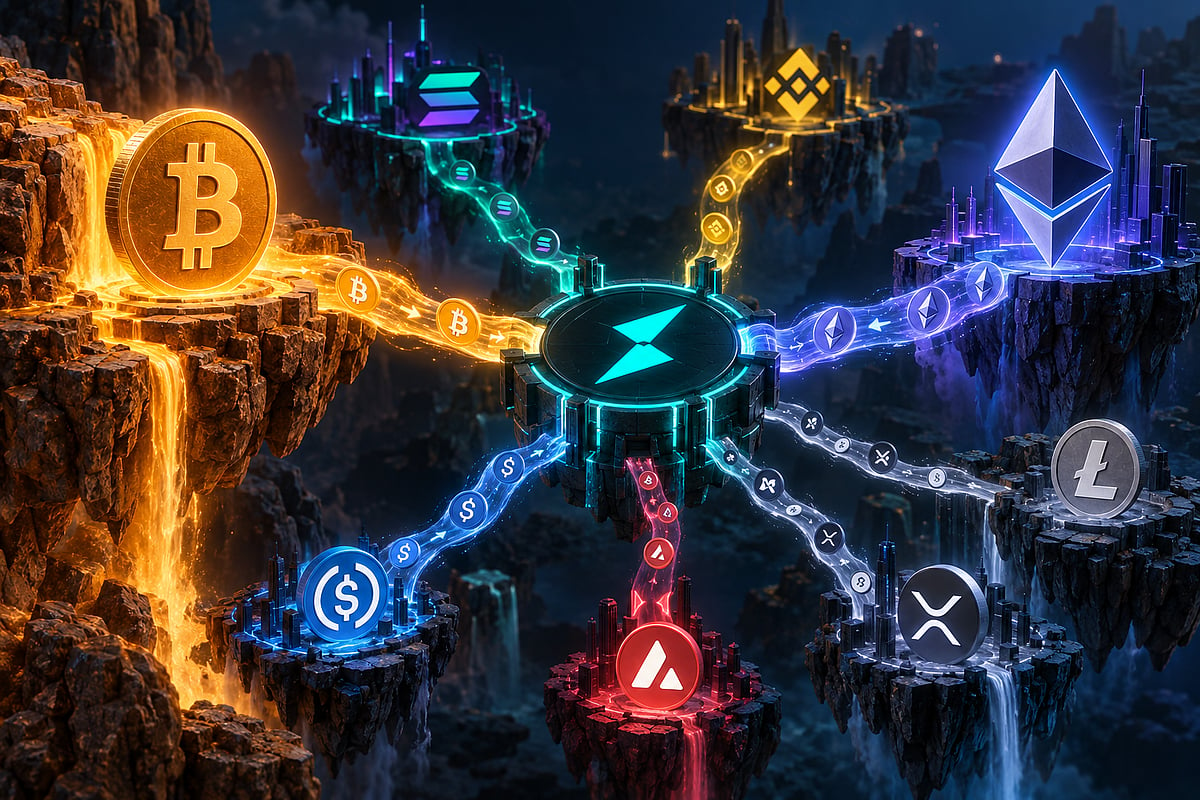
    THORChain is a decentralized exchange built to swap assets between blockchains without first wrapping them. Someone holding BTC can send Bitcoin from a Bitcoin wallet and receive ETH at an Ethereum address. The BTC stays native to Bitcoin until it enters the swap. The ETH that comes out is native ETH. No WBTC needs to be minted.

    The same basic setup works across the other networks supported by the protocol, including chains such as Solana, BNB Smart Chain, Avalanche, Base, XRP Ledger, and Litecoin. This puts THORChain in a different category above most standard decentralized exchanges.

    Uniswap trades tokens that already exist on Ethereum. A Solana DEX trades assets already sitting on Solana. THORChain deals with coins that live on separate networks and were never designed to share a market, which requires a different structure underneath.

    RUNE Is the Plumbing

    Every THORChain liquidity pool connects a supported asset with RUNE, the protocol’s native asset. A BTC-to-ETH trade does not need a dedicated BTC/ETH pool. The protocol can route BTC through a BTC/RUNE pool and then into an ETH/RUNE pool. The person making the trade does not need to go out and buy RUNE first—the routing happens behind the scenes.

    This keeps THORChain from having to create a separate liquidity market for every imaginable pair. Add more assets to a traditional pair-by-pair system and the number of pools explodes: BTC/ETH, BTC/SOL, BTC/USDC, ETH/SOL, ETH/USDC, SOL/USDC. Keep going and liquidity starts getting spread across dozens of separate markets. RUNE gives those pools a common connection.

    For traders, most of that is invisible. They send one asset and receive another.

    What Happens When BTC Is Swapped?

    Suppose someone wants to swap native BTC for native ETH. They choose BTC as the input, enter an Ethereum destination address, and send Bitcoin from their wallet. THORChain’s nodes detect the incoming Bitcoin transaction. The protocol handles the pool routing, then authorizes the outbound ETH transaction from its network vault.

    Those vaults do not work like a usual exchange wallet controlled by one company. THORChain uses threshold-signature cryptography, meaning no single node holds the full signing key needed to move the assets. Node operators also bond RUNE as collateral. That bond forms part of the protocol’s security model and can be penalized when nodes break the network’s rules.

    There is still infrastructure in the middle. There is still protocol risk. None of this should be confused with magically teleporting coins between chains. But the user does not leave BTC sitting in a centralized exchange account and does not receive a wrapped representation of Bitcoin on the other side. The trade settles from one native asset into another.

    People Are Actually Using It

    Native cross-chain trading is not just an interesting technical experiment anymore. THORChain reported $2.82 billion in swap volume during the first quarter of 2026. BTC-to-ETH was its biggest route, accounting for roughly $981 million. BTC-to-stablecoin trades added hundreds of millions more. Those numbers show what people are actually doing with the protocol.

    A meaningful chunk of THORChain activity comes from users moving between Bitcoin and other major crypto assets without putting a wrapped version of BTC in the middle. That is a very different version of “Bitcoin DeFi” from the one the industry has discussed for years.

    Bitcoin Can Stay Boring

    There is a constant effort to make Bitcoin do more. New layers promise smart contracts. New protocols are trying to build lending around BTC. Developers keep pushing more financial activity toward the Bitcoin ecosystem. Some of that will work; some of it probably will not.

    But Bitcoin does not need to become Ethereum for its liquidity to become useful across crypto. It can remain the relatively simple network it was designed to be, and instead infrastructure can be built around it. THORChain shows what that can look like. Bitcoin sits on Bitcoin. Ethereum sits on Ethereum. Solana sits on Solana. The protocol handles the exchange between them. Native cross-chain liquidity makes the world come to Bitcoin instead.

    Disclaimer: This article is provided for informational purposes and does not constitute investment advice. You are responsible for conducting your own research (DYOR) before making any investments. Cryptocurrencies are risky and may result in loss of capital.

  • FTSE 100 Opens Higher as US-Iran Talks Resume; JD Sports Profit Falls, Airtel Money Plans London IPO

    FTSE 100 Opens Higher as US-Iran Talks Resume; JD Sports Profit Falls, Airtel Money Plans London IPO

    The FTSE 100 opened 40.75 points higher at 10,749.08 on Wednesday, as investors welcomed signs of renewed diplomacy between the United States and Iran. The positive start came ahead of a fresh batch of flash PMI data from Europe, the UK, and the US.

    Market Movers

    Brent crude futures fell 0.43% to USD 98.82 per barrel, while U.S. West Texas Intermediate (WTI) advanced 0.99% to USD 89.62. Sterling rose to USD 1.3382 early Wednesday from USD 1.3372 late Tuesday, and edged up against the euro to EUR 1.1661 from EUR 1.1658.

    Gainers

    • Rentokil rose 2.40% to 324.20p
    • Sage Group advanced 1.41% to 1,003.50p
    • Standard Chartered gained 1.24% to 2,294p
    • InterContinental Hotels Group rose 1.14% to USD 155.85
    • London Stock Exchange Group added 1.10% to 8,244p
    • 3i Group increased 1.09% to 2,702p

    Losers

    • Smiths Group fell 1.11% to 2,752p
    • Spirax Group dropped 0.76% to 7,220p
    • Severn Trent declined 0.71% to 3,086p
    • Admiral Group slipped 0.54% to 3,686p
    • AstraZeneca fell 0.36% to 12,626p
    • Next edged 0.34% lower to 14,640p

    US-Iran Diplomacy

    US President Donald Trump said envoys held a ‘very good’ three-hour meeting with an Iranian delegation on the sidelines of the United Nations General Assembly in New York. Special Envoy Steve Witkoff confirmed talks took place through mediators who “shuttled between the two sides throughout the day,” describing the round as “successfully completed” and indicating a further meeting is expected within days. Iran’s conditions, communicated through Qatari mediators, include a halt to hostilities on all fronts, removal of the US naval blockade, and the return of frozen funds, according to Esmaeil Baghaei, spokesperson of the Ministry of Foreign Affairs of Iran.

    JD Sports H1 Profit Declines

    British sports and fashion retailer JD Sports reported a 19.7% decline in first-half profit, driven by weakness in its North American market. The group maintained its full-year earnings outlook. Shares are down 10% over the past year. Profit before tax and adjusting items was GBP 282 million, slightly above the GBP 279 million consensus estimate. Revenue fell to GBP 5.90 billion from GBP 5.94 billion a year earlier. Like-for-like sales fell 2.8%, while organic sales dipped 0.7%. JD Sports left its full-year profit before tax and adjusting items guidance at GBP 700 million to GBP 800 million and its free cash flow forecast unchanged at GBP 460 million to GBP 520 million.

    Airtel Money Confirms London IPO

    Airtel Money confirmed plans for a London IPO. The African mobile payments business is reportedly seeking a valuation as high as $9 billion (GBP 6.8 billion). The fintech, with more than 50 million active customers, aims to raise as much as $800 million. CEO Ian Ferrao said, “A London listing will underpin our next wave of growth. The opportunity ahead of us is substantial and, importantly, there are many demographic and digital tailwinds within the markets that we serve. This listing will give us the platform to continue transforming financial services across Africa and to keep building value for our customers, our partners, African governments and our shareholders.”

    Global Market View

    In the US, the tech-heavy Nasdaq climbed 0.45% to a record close of 27,244.28, supported by a nearly 7% gain in shares of SanDisk. The S&P 500 was marginally lower at 7,764.64, while the Dow Jones Industrial Average shed 0.36% to finish at 51,863.69. In Asia on Wednesday, Tokyo’s Nikkei 225 was closed, while China’s Shanghai Composite dipped 0.4%. Hong Kong’s Hang Seng declined 0.96%, and South Korea’s Kospi edged up 0.9%. In India, both the Nifty 50 and the Sensex rose by 0.53% and 0.52%, respectively.

    Disclaimer: This article is provided for informational purposes only and does not constitute investment advice. Readers are encouraged to conduct their own research before making any financial decisions.

  • Credit Card Spending Surges: HDFC, SBI Card, ICICI, and Axis Drive Rs 1.58 Lakh Crore in July 2026

    Credit Card Spending Surges: HDFC, SBI Card, ICICI, and Axis Drive Rs 1.58 Lakh Crore in July 2026

    India’s top four credit card issuers recorded a combined spending of nearly Rs 1.58 lakh crore in July 2026, underscoring the dominance of major banks in the country’s expanding card payments market. HDFC Bank, SBI Card, ICICI Bank, and Axis Bank continued to account for the bulk of transactions as overall card usage stayed above the Rs 2 lakh crore mark for the third straight month.

    HDFC Bank Leads the Pack

    HDFC Bank remained India’s largest credit card issuer by spending in July 2026, with transactions worth approximately Rs 60,218 crore. The bank captured nearly 28.9% of the country’s total credit card spending, recording a 1.3% increase from June and an 11.9% rise year-on-year.

    SBI Card Holds Strong Despite Monthly Dip

    SBI Card reported around Rs 39,592 crore in credit card spending during July 2026. While spending slipped 3.6% from June, the issuer still logged robust annual growth of roughly 21.6%. SBI Card held about 19% of the overall credit card spending market, according to industry data.

    ICICI Bank Shows Strong Monthly Recovery

    ICICI Bank’s credit card spending reached approximately Rs 34,025 crore in July 2026. The lender posted one of the strongest monthly recoveries among the leading issuers, with spending climbing 8.3% from June. However, July spending remained below the year-ago level, based on RBI data.

    Axis Bank Posts Solid Monthly Growth

    Axis Bank recorded around Rs 23,825 crore in credit card spending during July. Its spending rose 7.4% month-on-month, a stronger monthly performance than HDFC Bank and SBI Card. Axis accounted for about 11.4% of total industry spending, and its credit card base remained among India’s largest.

    India’s Total Credit Card Spending Remains Above Rs 2 Lakh Crore

    Overall credit card spending in India reached roughly Rs 2.08 lakh crore in July 2026, up 3.4% from June and 7.4% from July 2025. The total stayed above the Rs 2 lakh crore threshold for the third consecutive month, signaling continued momentum in card-based payments.

    Credit Card Base Continues to Expand

    India had around 12.29 crore credit cards outstanding by July 2026. Banks added a net 1.26 million cards during the month, an 11.5% increase over June additions. Transaction volumes climbed 24.5% year-on-year to about 60.5 crore, while the average transaction value declined to nearly Rs 3,440.

  • Bitcoin Surges to Eight-Month High Above $87,000 as ETF Inflows and Institutional Buying Spark Rally

    Bitcoin Surges to Eight-Month High Above $87,000 as ETF Inflows and Institutional Buying Spark Rally

    Bitcoin has staged one of its strongest recoveries of 2026, climbing above USD 87,000 on September 21 and reaching its highest level since late January. The move follows a difficult first half and reflects stronger spot demand, ETF inflows, institutional buying, and renewed activity across derivatives markets.

    Breaking Through a Major Resistance Zone

    The rally pushed Bitcoin through a closely watched on-chain resistance region. Glassnode identified USD 83,000–USD 86,000 as a major ceiling formed by long-term-holder cost basis, liquidation positioning, and ETF break-even levels. Approximately 1.07 million BTC had been acquired between USD 83,000 and USD 86,000, with almost all of that supply belonging to long-term holders. Moving above this area represented an important test of whether the market could absorb potential selling. According to Glassnode’s September 21 Market Pulse, Bitcoin touched USD 86,000 and rose more than 10% from the previous Sunday’s close. Spot taker flow shifted from net selling to net buying, while trading volume and momentum strengthened.

    ETF Demand Returns Strongly

    According to SoSoValue, US spot Bitcoin ETFs recorded USD 998.95 million in net inflows on September 21, their strongest daily intake since October 2025. BlackRock’s IBIT attracted USD 381.37 million, while Fidelity and ARK 21Shares collectively accounted for another USD 527.96 million. On September 22, inflows continued with USD 714.75 million. These inflows helped push Bitcoin above an estimated ETF-holder cost basis of USD 81,722, putting the average ETF investor back into profit.

    Derivatives Activity Increases

    Leverage has also returned. Glassnode reported futures open interest above its historical high band, while options open interest stood near USD 41 billion. Rising funding rates indicated that long traders were paying increasingly higher costs to maintain leveraged positions. A weekend short squeeze reportedly liquidated roughly USD 650 million in crypto positions, adding momentum as traders betting on falling prices were forced out.

    Institutional Buying Adds Momentum

    Strategy (formerly MicroStrategy) resumed Bitcoin accumulation, purchasing 950 BTC for USD 75.7 million at an average price of USD 79,670. The September 21 acquisition lifted its holdings to 846,000 BTC, acquired for approximately USD 63.8 billion at an average of USD 75,416 per Bitcoin. The rally also coincided with stronger technology stocks, reinforcing a broader risk-on market environment across global crypto markets.

    Final Thoughts

    Bitcoin’s eight-month high reflects ETF inflows, spot demand, institutional purchases, and rising derivatives activity. Breaking above USD 83,000–USD 86,000 removed an important resistance zone. Sustaining the rally will depend on continued demand and controlled leverage.

    FAQs

    1. Why did Bitcoin rise above USD 87,000? Bitcoin’s rally was supported by stronger spot demand, substantial US spot ETF inflows, institutional purchases, and increased derivatives activity. A breakout above the USD 83,000–USD 86,000 resistance zone added momentum.

    2. How much money is flowing into spot Bitcoin ETFs? According to SoSoValue data cited in the article, US spot Bitcoin ETFs recorded USD 998.95 million of net inflows on September 21, followed by another USD 714.75 million on September 22.

    3. Why is the USD 83,000–USD 86,000 Bitcoin range important? Glassnode identified this range as an important on-chain resistance area, with approximately 1.07 million BTC acquired there. Moving above it indicated that the market was absorbing potential selling pressure.

    4. How are derivatives affecting the Bitcoin rally? Futures and options open interest has increased alongside funding rates, indicating stronger leveraged activity. Short liquidations can accelerate rallies as bearish traders are forced to close their positions by buying back exposure.

    5. Is institutional demand for Bitcoin increasing again? Recent activity indicates renewed institutional and corporate demand. Strategy purchased another 950 BTC for USD 75.7 million, while strong spot Bitcoin ETF inflows provided another major source of market demand.

  • Solana and Cardano Price Forecast 2026–2030: Claude Sees SOL at $1,000 as Apeing Presale Targets 1,718% ROI

    Solana and Cardano Price Forecast 2026–2030: Claude Sees SOL at $1,000 as Apeing Presale Targets 1,718% ROI

    The crypto market continues to revolve around adoption, liquidity, developer activity, and community momentum. This outlook explores what leading forecasts suggest for Solana and Cardano through 2030, while also looking at how Apeing ($APEING), a memecoin presale, is creating its own narrative with a projected 1,718.18% ROI potential.

    Apeing Presale: Early-Stage Momentum and ROI Potential

    Apeing combines meme culture with a staged presale that rewards early participation. The campaign has moved quickly: Stage 2 launched in under an hour, Stage 3 unlocked within six hours, and the project now sits at Stage 5, called “Dip Devourers,” at a token price of $0.00055. So far, the presale has raised over $102,000, attracted 388+ holders, and sold more than 465 million tokens.

    The presale’s stated listing price is $0.01, which creates a potential ROI of 1,718.18%. For example, a $1,000 investment at the current stage would yield 1,818,182 $APEING tokens, worth $18,181.82 at the listing price. This type of upside is part of what fuels the “best crypto to explode” conversation around Apeing.

    Why Apeing’s Referral System Adds a Community Layer

    Beyond the presale itself, Apeing’s referral program gives participants another way to build holdings. A $25 purchase unlocks a personal referral code. Referred buyers receive 10% extra tokens, while code owners earn 10% of referred buyer spending.

    The Ape Referral League adds a competitive element. A real-time leaderboard tracks funds raised through each referral code and resets monthly. At the end of each cycle, 1st place receives 10% of the total raised through their code in tokens, 2nd place receives 5%, and 3rd through 5th places receive a one-time 25% bonus code. This structure turns simple sharing into measurable community rewards.

    Apeing Post-Listing Outlook

    Apeing’s post-listing narrative depends on community growth, liquidity, exchange access, social attention, and continued marketing. The project starts with the $0.01 listing price, followed by illustrative bull-run levels of $0.02 in 2027, $0.03 in 2028, $0.05 in 2029, and $0.10 in 2030. These are not guarantees, but they show how meme culture, referral rewards, scarcity, and early timing could shape a stronger post-listing story.

    Solana Price Prediction 2026–2030

    Solana is currently trading at $118.45 with a 24-hour volume of $6.23 billion. According to Claude’s forecasts, SOL could see steady upside through the decade, supported by network activity, stablecoin flows, developer growth, and institutional attention. Standard Chartered has published even more aggressive targets.

    • 2026: Claude predicts $130–$180; Standard Chartered targets $250.
    • 2027: Claude predicts $170–$280; Standard Chartered targets $400.
    • 2028: Claude predicts $240–$400; Standard Chartered targets $700.
    • 2029: Claude predicts $320–$600; Standard Chartered targets $1,200.
    • 2030: Claude predicts $500–$1,000; Standard Chartered targets $2,000.

    The wide gap between forecasts highlights how different assumptions about adoption, liquidity, and market cycles can produce very different long-range estimates.

    Cardano Price Prediction 2026–2030

    Cardano currently trades at $0.242465 with a 24-hour volume of $897 million. Claude’s ADA forecast suggests gradual growth tied to adoption, developer activity, and network utility, while CoinCodex projects a more conservative path.

    • 2026: Claude predicts $0.20–$0.35; CoinCodex models $0.1832.
    • 2027: Claude predicts $0.25–$0.45 as developer activity and application growth expand.
    • 2028: Claude predicts $0.35–$0.65, driven by broader blockchain adoption and utility.
    • 2029: Claude predicts $0.45–$0.85, supported by institutional attention and liquidity.
    • 2030: Claude predicts $0.60–$1.20; CoinCodex models $0.1079.

    These contrasting numbers underline the uncertainty in long-term crypto price forecasting and the importance of tracking real network adoption and market sentiment.

    Conclusion: Three Different Crypto Narratives

    Solana and Cardano represent established blockchain ecosystems with clear adoption stories, while Apeing offers an early-stage memecoin presale with community incentives and a high-profile ROI potential. For anyone tracking the “best crypto to explode” conversation, Apeing brings early entry, scarcity, and referral rewards into the picture. As always, do your own research before making any investment decisions.

    FAQs About the Best Crypto to Explode

    What is the best crypto to explode?
    The conversation typically focuses on adoption, liquidity, developer activity, trading momentum, and community growth.

    Which crypto could become the best crypto to explode?
    Solana, Cardano, and emerging projects such as Apeing represent different market narratives with distinct risk and reward profiles.

    What drives the best crypto to explode narrative?
    Adoption, trading volume, liquidity, social attention, developer activity, and ecosystem growth can all influence market attention.

    What does Apeing’s referral system offer?
    A $25 purchase unlocks a referral code, referred buyers receive 10% extra tokens, and code owners earn 10% of referred buyer spending.

    Why is Apeing’s presale gaining attention?
    Apeing combines early access, limited stages, meme culture, referral rewards, and community participation in a single presale model.

    Disclaimer: This content is for informational purposes only and does not constitute financial advice. Cryptocurrency investments are risky and may result in loss of capital. Always conduct your own research (DYOR) before investing.

  • Tech Roundup: Qualcomm’s New AI Chip, Demoverse’s $600K Funding, and Key Industry Updates

    Tech Roundup: Qualcomm’s New AI Chip, Demoverse’s $600K Funding, and Key Industry Updates

    Qualcomm Launches AI-Focused Android Chip

    Qualcomm has introduced a new Android chip designed to handle rising AI workloads while addressing challenges from the global memory shortage. The processor targets smartphones with stronger on-device AI capabilities and improved efficiency. This launch comes as chipmakers face increasing demand for AI hardware and tighter memory supplies.

    Demoverse Raises $600,000 in Lumikai-Led Funding

    AI product co-creation startup Demoverse has raised $600,000 in a pre-seed round led by Lumikai. The company plans to use the funds to expand its US presence, grow its consumer creator community, and convert brand partnerships into paid campaigns. Its platform allows consumers to use AI to help design products and earn royalties.

    Laid-Off Graduate Works as Delivery Executive After TCS Job Loss

    A 2024 computer science graduate reportedly began working as a delivery executive after losing his TCS job earlier this year. The graduate is seeking opportunities to return to IT and asked a tech professional for referrals. The incident highlights the challenges facing entry-level technology workers amid a difficult hiring environment.

    Claude Opus 5.5 Targets Businesses With Lower AI Costs

    Anthropic has launched Claude Opus 5.5, intensifying competition with OpenAI. The model focuses on stronger performance and lower operating costs, with pricing reduced from its predecessor. OpenAI has also introduced cheaper GPT-6 models targeting professional workloads. These launches highlight the AI industry’s growing focus on efficiency, pricing, and enterprise adoption.

    CLARITY Act Shapes Debate Around US Crypto Rules

    The CLARITY Act is gaining attention as US lawmakers and regulators work toward clearer cryptocurrency rules. The legislation seeks to establish regulatory boundaries for digital assets and clarify oversight responsibilities. Its progress could influence how crypto companies operate, how digital assets are classified, and how future US market regulation develops.

  • Lenovo Yoga 7 2-in-1 Review: A Solid Convertible Laptop for Everyday Productivity

    Lenovo Yoga 7 2-in-1 Review: A Solid Convertible Laptop for Everyday Productivity

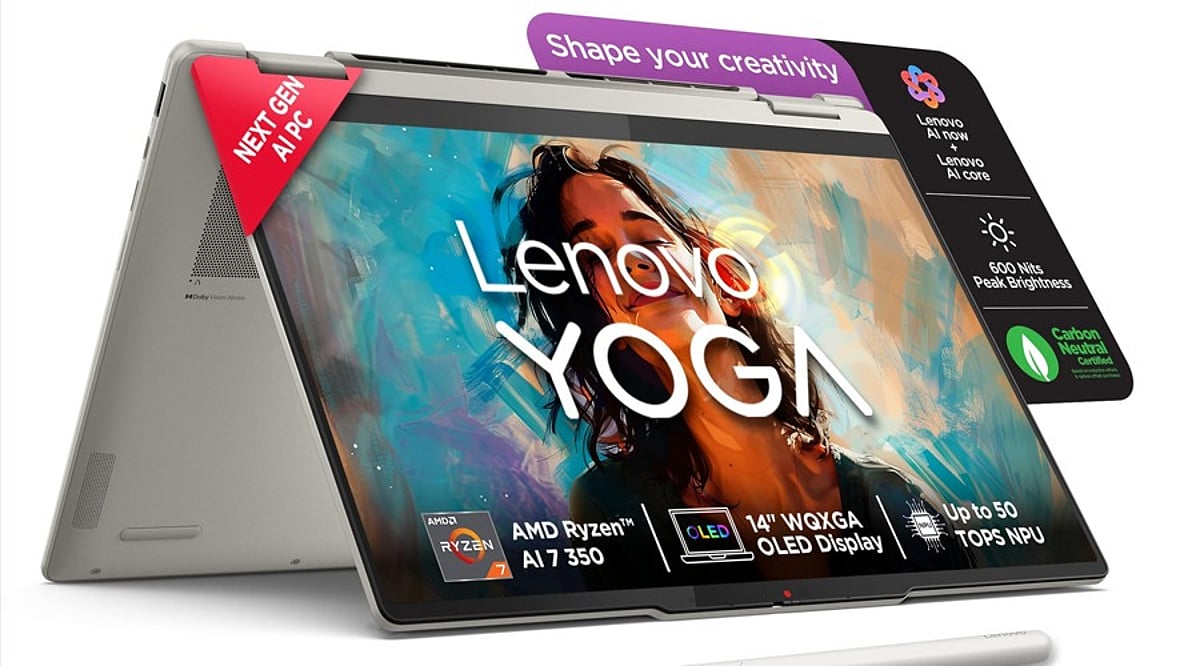
    The Lenovo Yoga 7 2-in-1 is a high-end convertible laptop designed for users who value portability, flexibility, and reliable daily performance. With its sleek aluminium frame, 360-degree hinge, and vibrant 14-inch OLED touch screen, this laptop is an excellent companion for work and media consumption.

    Key Specifications at a Glance

    • Processor: AMD Ryzen AI 7 445
    • RAM: 24GB
    • Storage: 512GB SSD
    • Display: 14-inch OLED Touch Screen
    • Battery: 70Wh (Approx. 12 hours)
    • Weight: 1.38 kg

    Pros and Cons

    Pros

    • Excellent build quality with an aluminium chassis
    • Stunning OLED display
    • Versatile 360-degree hinge
    • Comfortable keyboard
    • Good battery life
    • Ample 24GB RAM for multitasking

    Cons

    • No high refresh rate display
    • Inconsistent touchpad performance
    • Lacks Thunderbolt 4 connectivity

    Performance and Everyday Use

    The AMD Ryzen AI 7 445 processor handles everyday workloads with ease. The 24GB of RAM provides plenty of headroom for heavy multitasking, making it ideal for productivity tasks and light creative work. The 512GB SSD ensures snappy boot times and fast application loading. The 70Wh battery comfortably delivers around 12 hours of mixed usage, allowing you to work throughout the day without reaching for a charger.

    Final Verdict

    The Lenovo Yoga 7 2-in-1 is a solid choice for users who prioritise build quality, portability, and everyday productivity. Its OLED display, comfortable keyboard, versatile 360-degree hinge, and good battery life make it a capable work and entertainment machine. However, the inconsistent touchpad and lack of Thunderbolt 4 are notable compromises. The Ryzen AI 7 445 processor handles everyday workloads well but is less convincing under sustained heavy use. Overall, the Yoga 7 2-in-1 is a dependable convertible rather than an especially exciting one.

  • Meru Evolves from Crypto Infrastructure to a Global Financial Ecosystem Across 132+ Countries

    Meru Evolves from Crypto Infrastructure to a Global Financial Ecosystem Across 132+ Countries

    Meru has undergone a significant transformation, evolving from a stablecoin-focused crypto platform into a comprehensive global financial ecosystem. Now operating in more than 132 countries, the company offers a suite of services including digital dollars, international money transfers, decentralized finance (DeFi) tools, and access to US-listed stocks. With self-custody assets surpassing $1.5 billion, Meru exemplifies how crypto infrastructure is being repurposed to serve broader financial needs.

    Stablecoins as a Foundation

    Stablecoins were the cornerstone of Meru’s early development. These digital assets, typically pegged to fiat currencies like the US dollar, enable seamless transfers across blockchain networks while avoiding the volatility of cryptocurrencies such as Bitcoin and Ether. This technology allowed Meru to build cross-border payment solutions that bypass traditional banking intermediaries, reducing fees and settlement times from days to near-instantaneous.

    From Crypto Platform to Financial Ecosystem

    Meru’s evolution is evident in its expanding product lineup. Users can now hold digital dollars, send international transfers, and use the Meru Card to link their digital assets to everyday spending. The platform also integrates DeFi tools and stock trading, consolidating services that once required multiple apps and accounts. This integration narrows the gap between traditional finance and crypto, making financial tools more accessible.

    Expansion in Latin America and Spain

    Meru’s growth is particularly strong in Latin America and Spain, regions where cross-border economic activity and mobility drive demand for flexible financial solutions. In Latin America, digital dollars offer a stable store of value and a means to move funds efficiently. Spain serves as a bridge to the region, leveraging cultural and economic ties. Meru’s platform is thus positioned to serve everyday transactions beyond crypto trading.

    Crypto Infrastructure Goes Mainstream

    Meru’s trajectory reflects a broader trend: the blurring line between traditional finance and the crypto world. Stablecoins and blockchain technology are no longer niche tools for digital asset trading; they are becoming the backbone for global financial services. By starting with stablecoin infrastructure and expanding into a full financial ecosystem, Meru demonstrates how crypto can outgrow its original boundaries to deliver practical, cross-border financial solutions.