Author: vitorcherulli

  • NYT Strands Hints and Answers for July 5, 2026: ‘Barking Up the Right Tree’ Theme

    NYT Strands Hints and Answers for July 5, 2026: ‘Barking Up the Right Tree’ Theme

    NYT Strands is one of the most unique word puzzles from The New York Times, challenging players to uncover words from a grid of letters. The goal is to find six non-spangram words and one spangram that matches the daily theme. Today’s theme is ‘Barking up the right tree!’—a playful nod to pets.

    Before diving into the answers, let’s break down the theme. This puzzle revolves around dog breeds and related terms, making it both fun and a bit tricky. Here are the hints to help you solve it:

    • Hint 1: The first word starts with HO and is 5 letters long.
    • Hint 2: The second word starts with PO and is 7 letters.
    • Hint 3: The third word starts with TE and is 7 letters.
    • Hint 4: The fourth word starts with SP and is 7 letters.
    • Hint 5: The fifth word starts with RE and is 9 letters.

    Non-Spangram Answers (July 5, 2026)

    • HOUND
    • POINTER
    • TERRIER
    • SPANIEL
    • RETRIEVER

    Today’s Spangram

    The spangram for July 5, 2026, is HUNTINGBREEDS. This word spans the grid in a zigzag pattern from right to left and appears in the middle of the puzzle. It captures the overall theme and justifies all the other words. For exact placement, refer to the official NYT Strands grid visuals.

    Tips for Playing NYT Strands

    • Focus on word patterns and associations with the theme.
    • Start searching from the corners—spangrams rarely appear there, so non-theme words often do.
    • Don’t hesitate to use hints: every non-theme word you guess earns you a hint token.
    • The spangram often stretches across the board, so scan in multiple directions.

    NYT Strands keeps players engaged with fresh themes every day. Understanding the theme is key to unlocking the correct words. Enjoy the challenge and keep your vocabulary sharp!

  • Highest-Paying AI Jobs in Singapore: 2026 Career Guide & Salary Trends

    Highest-Paying AI Jobs in Singapore: 2026 Career Guide & Salary Trends

    Singapore has rapidly emerged as one of Asia’s leading hubs for artificial intelligence, driven by strong government backing, rising digital investment, and the presence of multinational corporations. As AI adoption accelerates across finance, healthcare, manufacturing, and logistics, the demand for skilled professionals has surged—making AI roles among the most lucrative in the country’s tech sector.

    Why AI Careers Are Booming in Singapore

    The National AI Strategy 2.0 has spurred organizations to weave AI into their daily operations. Banks use AI for fraud detection and personalized services; hospitals apply machine learning for diagnostics; factories adopt automation; and logistics, retail, cybersecurity, and government agencies all invest heavily in AI technologies. This broad adoption creates strong demand for experts who can design, implement, and maintain AI systems, driving up salaries across the board.

    Highest-Paying AI Jobs in Singapore

    Below are some of the top AI roles, with salary ranges based on experience and industry:

    • AI Research Scientist – SGD 170,000–250,000
    • AI Solutions Architect – SGD 150,000–220,000
    • Machine Learning Engineer – SGD 120,000–180,000
    • Data Scientist (AI focus) – SGD 110,000–170,000
    • NLP Engineer – SGD 120,000–175,000
    • Computer Vision Engineer – SGD 130,000–190,000
    • MLOps Engineer – SGD 130,000–185,000
    • AI Product Manager – SGD 140,000–200,000

    Actual compensation varies by employer, experience level, and technical expertise.

    Skills Employers Look For

    Technical skills remain essential, but companies increasingly value professionals who can apply AI to real business problems. Key skills include:

    • Python programming
    • TensorFlow and PyTorch
    • SQL and database management
    • Large Language Models (LLMs) and Prompt Engineering
    • Machine Learning and Deep Learning
    • MLOps
    • Cloud platforms – AWS, Azure, GCP
    • Data visualization
    • Communication and problem-solving

    Candidates with hands-on project experience often stand out more than those with certifications alone.

    Industries Paying the Highest AI Salaries

    Several sectors are competing aggressively for AI talent:

    • Banking and Financial Services – fraud detection, risk analysis, customer experience
    • Technology – AI research, product development
    • Healthcare – medical imaging, predictive diagnostics, personalized treatment
    • Manufacturing – automation, quality control
    • Cybersecurity – real-time threat detection
    • Government and Consulting – digital transformation projects

    How to Start an AI Career in Singapore

    Becoming an AI professional demands both expertise and hands-on experience:

    1. Start with Python programming and machine learning basics.
    2. Build projects showcasing your abilities and share them on GitHub.
    3. Compete on Kaggle to gain practical experience.
    4. Consider cloud computing or AI certifications, but note that employers value completed projects more.
    5. Network actively on LinkedIn, attend AI events, and apply for internships.

    Frequently Asked Questions

    Which AI job pays the highest salary in Singapore?

    AI Research Scientist and AI Solutions Architect are among the highest-paying roles, with experienced professionals earning between SGD 170,000 and SGD 250,000 annually.

    What qualifications are needed to start an AI career in Singapore?

    Most employers look for degrees in computer science, data science, AI, mathematics, or engineering. Practical experience, programming skills, AI projects, certifications, and a strong portfolio are often as important as formal degrees.

    Which industries hire the most AI professionals?

    Technology, banking, healthcare, manufacturing, cybersecurity, logistics, consulting, and government agencies are the largest employers.

    Do AI jobs require a master’s or PhD?

    Not always. Research-focused roles often need postgraduate qualifications, but many engineering and machine learning roles prioritize practical experience, coding ability, completed projects, and industry certifications.

    How can fresh graduates prepare for AI jobs in Singapore?

    Build hands-on AI projects, contribute to open-source, participate in Kaggle competitions, create a GitHub portfolio, complete internships, earn certifications, and stay updated with the latest AI frameworks.

    Why This Matters

    Singapore has positioned itself as one of Asia’s leading AI innovation hubs, creating strong demand for skilled professionals across finance, healthcare, manufacturing, logistics, and technology. Understanding salary trends, in-demand roles, and employer expectations helps professionals make informed career decisions and capitalize on one of the fastest-growing job markets in the region.

  • Top Copywriting Courses and Certifications to Master in 2026

    Top Copywriting Courses and Certifications to Master in 2026

    As companies continue to invest heavily in digital marketing, content, and e-commerce, the demand for skilled copywriters is surging. The global online education market is projected to reach $221.7 billion by 2026, driven by the need for flexible, career-oriented learning. Meanwhile, Coursera added 22 million new learners in 2025, bringing its total worldwide users to 191 million—a clear sign that professionals are rapidly upgrading their skills.

    Whether you’re a beginner or a seasoned professional, the right copywriting course can help you master persuasive writing, SEO, content marketing, brand messaging, and high-converting digital copy. Below are the top seven courses and certifications for 2026.

    1. Coursera Copywriting Courses

    Coursera offers copywriting courses from leading universities and industry experts, covering persuasive writing, SEO, brand messaging, content strategy, and digital marketing. Most courses take four to 12 weeks and are self-paced. Many are free to audit, while certificates require payment.

    Key Focus: Building industry-recognized copywriting and marketing skills.

    2. AWAI Copywriting Certification

    AWAI (American Writers & Artists Inc.) is a popular choice for aspiring freelance copywriters. The program teaches sales letters, email campaigns, website copy, direct-response writing, pricing, and client acquisition. Depending on your pace, it takes two to six months to complete. It is a paid certification.

    Key Focus: Developing practical copywriting skills for freelance and agency work.

    3. Copy School by Copyhackers

    Copy School helps writers create copy that converts. It teaches customer research, landing pages, emails, product copywriting, sales funnels, and A/B testing using real business examples. The self-paced program can take one to three months. It is a paid course.

    Main Emphasis: Writing effective copy that sells and grows your business.

    4. HubSpot Academy Content Marketing Certification

    HubSpot Academy offers a free certification that teaches content marketing, storytelling, blogging, SEO, and lead generation. The course is brief, practical, and includes quizzes for evaluation. Most users complete it in eight to 10 hours.

    Important Concept: Creating valuable content that engages your audience.

    5. Google Digital Garage: Fundamentals of Digital Marketing

    Google’s digital marketing program provides insights on using copywriting in effective online marketing campaigns. It covers content creation, SEO, email marketing, online advertising, analytics, and customer engagement. The course is self-paced, takes about 40 hours, and provides a free certificate.

    Key Focus: Integrating copywriting into a broader digital marketing strategy.

    6. Copyblogger Academy

    Copyblogger Academy focuses on copywriting skills as well as content creation, email marketing, SEO, storytelling, and audience development. Subscribers gain access to workshops, mentoring, and a creators’ community. The subscription-based program is self-paced.

    Main Emphasis: Developing persuasive content to build credibility and grow your business.

    7. Udemy Copywriting Courses

    Udemy features hundreds of copywriting courses covering sales copy, email marketing, social media content, SEO writing, branding, and AI-assisted workflows. Most courses take five to 20 hours and include lifetime access after purchase. They are paid, but discounts are frequent.

    Key Focus: Learning practical copywriting skills at an affordable price.

    Final Take

    A certificate can help you get noticed, but it’s your work that lands the job. Focus on building a portfolio with real writing samples—emails, landing pages, ads, and social media posts—even if you create them on your own. Read great copy every day, practice writing regularly, and understand what makes people click or buy.

    Learn the basics of SEO and use AI as a support tool, not as a shortcut. Customize your portfolio and applications for every role. Good copywriters stand out by showing, not just telling.

    FAQs

    Which copywriting course is best for beginners in 2026?
    HubSpot Academy, Coursera, and Udemy offer beginner-friendly courses covering persuasive writing, SEO, content marketing, and digital communication with practical lessons and flexible schedules.

    Are free copywriting certifications worth it?
    Yes. Free certifications from HubSpot Academy and Google Digital Garage provide valuable foundational knowledge, strengthen your resume, and demonstrate your commitment to professional development.

    How long does it take to complete a copywriting course?
    Most online copywriting courses take between five hours and three months, depending on the platform, learning pace, course depth, practical assignments, and certification requirements.

    Can copywriting certifications help me get freelance clients?
    Yes, certifications improve credibility, but a strong portfolio featuring emails, landing pages, advertisements, and website copy is far more important when attracting clients and employers.

    What skills should a copywriter learn besides writing?
    Successful copywriters should also learn SEO, content strategy, customer research, email marketing, branding, analytics, AI-assisted workflows, and audience psychology to create high-performing marketing content.

  • NYT Connections Puzzle #1120: Hints and Full Answers for July 5, 2026

    NYT Connections Puzzle #1120: Hints and Full Answers for July 5, 2026

    The New York Times Connections puzzle for July 5, 2026 (Puzzle #1120) challenges players to sort 16 seemingly random words into four thematic groups. Unlike many word games, Connections does not reveal its themes upfront, making each solve a test of vocabulary and lateral thinking.

    Today’s grid includes words like HONEY, NUTS, OATS, SEEDS, CARD, CASH, CHECK, WIRE, CENTURION, GOLD, GREEN, PLATINUM, TUNGSTEN, WEST, WIN, and WITH. With careful observation, these words fall into four distinct categories.

    Hints for Today’s NYT Connections (July 5, 2026)

    If you’re stuck, these category-level hints may help:

    • Yellow group: Granola ingredients
    • Green group: Payment methods
    • Blue group: AmEx card types
    • Purple group: What ‘W’ might stand for

    One-Word Clues

    For more direct help, here is one word from each category:

    • Yellow: HONEY
    • Green: CARD
    • Blue: CENTURION
    • Purple: TUNGSTEN

    Full Answers for NYT Connections #1120

    If you’re ready to see the complete solution, here are today’s groups:

    • Yellow Category (Granola ingredients): HONEY, NUTS, OATS, SEEDS
    • Green Category (Payment methods): CARD, CASH, CHECK, WIRE
    • Blue Category (AmEx card types): CENTURION, GOLD, GREEN, PLATINUM
    • Purple Category (What ‘W’ might stand for): TUNGSTEN, WEST, WIN, WITH

    Congratulations to those who solved it without assistance! Each solved puzzle not only provides satisfaction but also enriches your vocabulary.

    Check back tomorrow for hints and answers to the next NYT Connections puzzle.

  • Top Competitive Esports Games Dominating Weekend Tournaments in 2026

    Top Competitive Esports Games Dominating Weekend Tournaments in 2026

    Competitive gaming continues to grow every year, and weekend events bring together players and fans from around the world. Here are the games leading the esports scene in 2026.

    Overview

    Esports attracts millions of players and viewers each week. Streaming has helped competitive games reach a much larger audience. Every game on this list rewards skill, teamwork, and smart play.

    The rise of esports is a phenomenon few predicted. In recent years, it has become part of mainstream gaming. Fans watch top teams battle for trophies, prize money, and bragging rights every weekend. Some watch to support favorite players; others want to learn new strategies before jumping into ranked matches. Streaming has made it easy to watch live tournaments from anywhere. A close game, a last-minute comeback, or an unbelievable play spreads across social media in minutes, becoming a topic of conversation long after the match ends.

    New games appear every year, but only a few build a lasting competitive scene. The titles below have achieved that.

    Counter-Strike

    Counter-Strike has been a pillar of competitive gaming for decades, yet it remains as exciting as ever. Every round can change in seconds. One perfect shot or one mistake often decides the match. This tension keeps every game interesting. New players join daily, while experienced teams continue to raise the level of competition at major events.

    • Close matches
    • Skilled players
    • Major tournaments

    League of Legends

    League of Legends has built one of the largest esports communities in the world. Each match feels unique due to a huge roster of champions. Teams must work together from the opening minutes to the final push. Every year, the biggest international events create unforgettable moments. Few games have maintained such popularity for so long.

    • Strong teamwork
    • Exciting tournaments
    • Fresh gameplay

    Valorant

    Valorant has quickly become a favorite among esports fans. It blends precise shooting with heroes who have unique abilities. This combination leads to exciting rounds where good teamwork is as important as good aim. Each update adds new ideas without losing the core style. Players and spectators always have something new to look forward to.

    • Fast matches
    • Unique agents
    • Exciting gameplay

    Dota 2

    Dota 2 has always been challenging, but that is part of its appeal. Each game offers strategic decisions, tactical planning, and thrilling team battles. Teams that fall behind can still catch up and win. This comeback potential is a key reason fans have followed the game for so long.

    • Big tournaments
    • Dramatic matches
    • Deep teamwork

    Rocket League

    Rocket League demonstrates how simple ideas can create great esports. The objective is straightforward: score more goals than your opponent. But once the match starts, players show impressive control, speed, and teamwork. Every match features incredible goals and impossible saves. Even new viewers find the fast-paced action easy to enjoy.

    • Quick games
    • Amazing goals
    • Simple rules

    Tom Clancy’s Rainbow Six Siege

    Rainbow Six Siege rewards players who think before acting. Teams must plan each move, defend key areas, and work together under pressure. One mistake can change the outcome of a round. Many tense moments build slowly, and when a smart plan comes together, it is as exciting as any highlight play in other esports.

    • Smart teamwork
    • Close rounds
    • Exciting finishes

    PUBG Mobile

    Few games have achieved the esports success of PUBG Mobile. Each match begins with dozens of teams trying to be the last standing. As the safe zone shrinks and supplies dwindle, every decision becomes critical. The mounting pressure creates thrilling finishes. Major events continue to attract the most skilled players and dedicated fans worldwide.

    • Large competitions
    • Exciting survival gameplay
    • Worldwide popularity

    These Games Continue to Lead the Esports World

    Competitive games come and go, but only a few stay on top for years. Counter-Strike still tests aim and teamwork. League of Legends and Dota 2 reward smart strategy. Valorant brings new ideas to tactical shooters. Rocket League delivers quick, exciting matches. Rainbow Six Siege rewards patience. PUBG Mobile proves mobile gaming deserves a seat at the esports table.

    All these games are different, but they share one thing: they create moments fans remember. A flawless clutch, a last-second goal, or an incredible comeback—these games continue to provide exciting weekends for players and spectators alike.

    FAQs

    Which esports game has the biggest player base in 2026?

    League of Legends continues to have one of the largest player communities. Regular updates, global tournaments, and an active player base help it stay among the most popular games.

    Is Counter-Strike still popular in competitive gaming?

    Yes. Counter-Strike remains one of the biggest esports titles. It attracts top teams, large tournament crowds, and millions of viewers who enjoy its skill-based matches.

    Which game is best for new esports viewers?

    Rocket League is a great choice. The rules are simple, matches are short, and the action is easy to follow even for beginners.

    Why is Valorant growing so quickly?

    Valorant combines accurate shooting with unique character abilities. Regular updates, new agents, and major tournaments have helped it build a large esports community in a short time.

    Is PUBG Mobile still a major esports game?

    Yes. PUBG Mobile remains one of the biggest mobile esports titles. It hosts large tournaments across many regions and continues to attract skilled teams from around the world.

  • Top European Dividend Stocks to Watch in 2026: High Yields and Long Track Records

    Top European Dividend Stocks to Watch in 2026: High Yields and Long Track Records

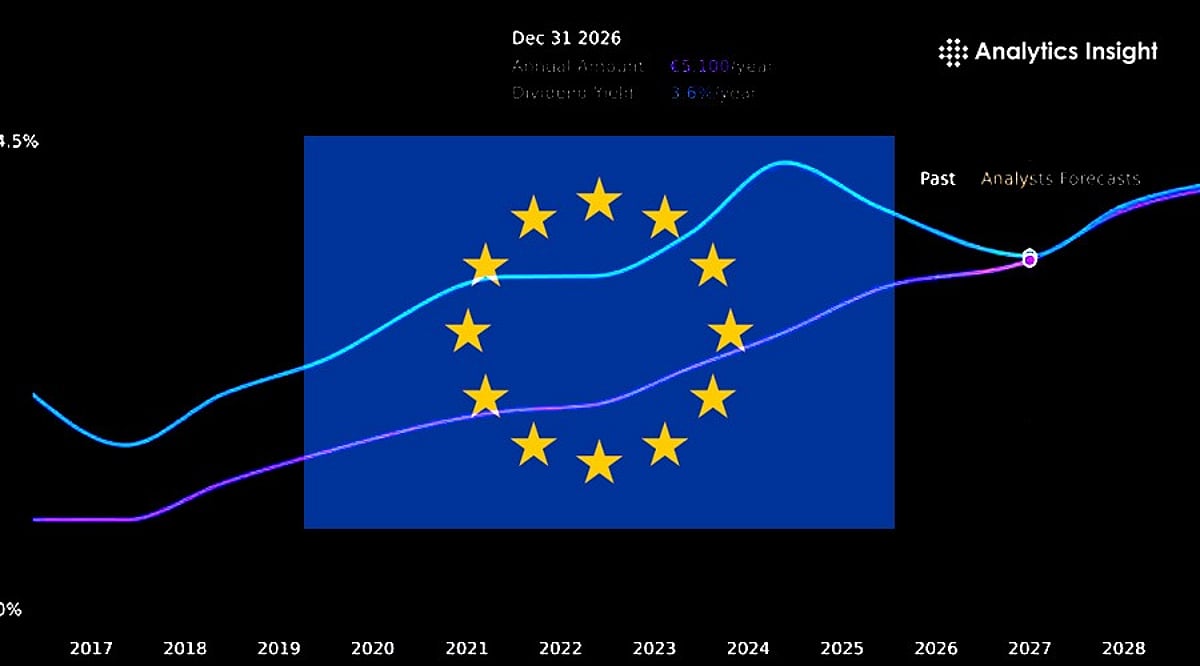
    In 2026, European dividend stocks are expected to be in focus as investors seek income, stability and long-term compounding amid mixed economic signals in the eurozone. Dividend-paying stocks can provide a helpful mix of cash flow and defensive portfolio positioning as inflation concerns persist and technology stocks continue to experience swings.

    However, investors shouldn’t consider dividend yield as the only criterion. A good dividend stock should have a steady earnings trend, cash flow that covers earnings, a reasonable dividend yield, a long-term business model, and a reliable dividend payment. Here are some European dividend stocks to keep an eye on in 2026.

    1. Atea

    Atea ASA is an IT infrastructure and solutions provider covering the Nordic and Baltic region. The company’s market capitalisation is NOK 19.26 billion, and its revenue comes from Norway, Sweden, Denmark, Finland and the Baltics. Atea is expected to yield approximately 4.3% in dividends. The net income in Q1 2026 increased compared to the same quarter last year, reaching NOK 389 million from NOK 162 million. The dividend shows earnings and cash flows as satisfactory, with payout ratios of 75.3% and 69.7%, respectively.

    2. Jacktel

    Jacktel AS’s Haven segment generates revenue from offshore accommodation services in Norway, with $65.18 million in revenue. The company’s market cap is NOK 1.12 billion, and its dividend yield is high at 14.7%. It just paid out $0.025 per share, and pays out 54.3% of its earnings and 44.3% of its cash flows. However, traders should be cautious, as revenue declined by $20.71 million to $15.88 million year-on-year, and the company has high debt levels.

    3. Lang & Schwarz

    Lang & Schwarz is based in Germany, develops and issues derivative financial instruments, and generates the bulk of its revenues from its brokerage operations. The firm has a market capitalization of €262.38 million, and brokerage income is €1.19 billion. Its dividend yield of 7.2% is strong compared to other German dividend stocks. Its earnings rose to €48.45 million from €22.12 million, while its cash payout ratio remains low at 19%.

    4. Wolters Kluwer

    Wolters Kluwer is a Dutch company that supplies professional information, software, and services to legal, finance, healthcare, and accounting professionals. The shares yield a 4.21% dividend and have a 37-year streak of dividend increases. It has a five-year dividend CAGR of 9.93%, indicating steady returns for investors. The company has a solid recurring revenue base for sustainable dividends.

    5. ASR Nederland

    ASR Nederland is a Dutch insurance company with a yield of 5.15%. The company has paid dividends for 10 years, and its dividend has grown at a 7.10% CAGR over the past 5 years. Insurers are typically cash flow machines, and ASR’s yield and growth appeal to income investors in the eurozone financial sector.

    6. Munich Re

    Munich Re is one of Europe’s best dividend payers. The dividend yield of the German reinsurer is 5.17%, and it has paid dividends without a reduction for 33 years. The five-year dividend CAGR of 16.89% is impressive for an established financial services firm. Munich Re is a stock to watch for investors seeking stable income from a global reinsurance leader.

    7. Fuchs Petrolub

    Fuchs Petrolub is a German specialty chemicals and lubricants company whose business is exposed to the automotive, industrial, and metalworking markets. The stock has a 3.80% yield and has paid a dividend that has either been equal to or increased for 34 consecutive years. It has a long dividend track record and an interesting industrial position, making it a mid-cap income candidate.

    8. London Stock Exchange Group (LSEG)

    LSEG has a low dividend yield of 1.67%, but has solid dividend growth and business quality. The company has become a financial data and analytics leader following the acquisition of Refinitiv. LSEG’s 12-year dividend growth track record and 5-year CAGR of 9.57% are more suitable for total return investors than for those seeking high dividend income.

    9. Halma

    Halma pays a low dividend yield of 0.64% and has increased dividends for 29 consecutive years. It specializes in safety, health, and environmental technology. The stock is a longer-term compounder, more so than a high-yield income play.

    10. Novo Nordisk

    After a pullback in the share price in 2026, Novo Nordisk has a 4.10% dividend yield. The Danish pharmaceutical firm has not raised a red flag regarding its dividend payouts, as it has a 37-year streak without cutting payouts and a five-year dividend CAGR of 17.61%. The diabetes and obesity division continues to be the growth engine, and it is one of the healthiest dividend growth stocks in Europe.

    Conclusion

    There are several options for European dividend investors in 2026; high-yielders such as Jacktel and Lang & Schwarz, as well as other long-term compounders, are worthy of a closer look. Yield and dividend history, payout coverage, earnings quality, and sector risk should be considered when determining whether to invest in a company.

    FAQs

    1. Which European dividend stocks are worth watching in 2026?
    Atea, Jacktel, Lang & Schwarz, Wolters Kluwer, ASR Nederland, Munich Re, Fuchs Petrolub, LSEG, Halma and Novo Nordisk are key names to watch. They offer a mix of high yield, dividend growth, recurring revenue, and long payout histories.

    2. Which stock has the highest dividend yield in the list?
    Jacktel offers the highest dividend yield at around 14.7%, placing it among the top Norwegian dividend payers. However, investors should watch its debt levels and declining sales before considering it as a long-term income stock.

    3. Why is Munich Re considered a strong dividend stock?
    Munich Re has maintained dividend payments without a cut for 33 years, showing resilience across multiple economic cycles. Its 5.17% yield and 16.89% five-year dividend CAGR make it one of Europe’s strongest dividend income names.

    4. Which stocks are better for dividend growth rather than high yield?
    Wolters Kluwer, Novo Nordisk, LSEG, and Halma are more focused on long-term dividend growth and business quality. They may not all offer the highest yields, but their consistent payout records and recurring earnings make them attractive compounders.

    5. What should investors check before buying European dividend stocks?
    Investors should review dividend yield, payout ratio, cash flow coverage, debt levels, valuation, and dividend history. A high yield can be risky if earnings are weak, so sustainability matters more than headline income.

  • Why a $10 Million Market Cap Is a Critical Milestone for Meme Coins

    Why a $10 Million Market Cap Is a Critical Milestone for Meme Coins

    A meme coin reaching a $10 million market capitalization may seem insignificant compared to the trillions of dollars traded in the broader crypto market. However, within the meme coin sector, this milestone carries substantial weight. It signals that a project has moved beyond the high-risk, early-stage phase and is beginning to establish real market presence.

    Survival in a Brutally Competitive Market

    The meme coin landscape is notoriously cutthroat. According to recent research, 97% of meme coins eventually fail due to weak demand, low community support, or poor liquidity. Only 0.23% manage to sustain a market cap above $1 million over the long term. Reaching $10 million, therefore, means a coin has outlasted thousands of competitors and proven its resilience.

    Community Engagement Drives Real Value

    Meme coins thrive on community support. Unlike traditional cryptocurrencies, their growth is often fueled by online discussions and social media buzz. A $10 million market cap typically indicates a large, active community across platforms like X (formerly Twitter), Reddit, Telegram, and Discord. In crypto markets, attention directly translates into demand, making community strength a key driver of future price growth.

    Improved Liquidity Builds Investor Trust

    Liquidity—how easily a coin can be bought or sold—is a major concern for small meme coins. Low liquidity can cause drastic price swings from a single large trade, scaring away potential investors. A $10 million market cap usually brings healthier trading volumes and more stable price action. This creates a safer environment for larger investors who typically avoid highly volatile, low-liquidity assets.

    The Meme Coin Market Is Rebounding

    Market data from 2026 shows a strong resurgence in the meme coin sector. The total market capitalization of meme coins currently stands at approximately $33.94 billion, with 24-hour trading volume recently exceeding $8.22 billion—an 87% spike in activity. This renewed interest signals that capital is flowing back into high-risk assets, and smaller meme coins are becoming prime targets.

    Historical Precedents: From Jokes to Giants

    Dogecoin and Shiba Inu both began as internet jokes and later evolved into major crypto projects. Dogecoin remains one of the most recognized meme coins, while Shiba Inu expanded into a full ecosystem with additional utility. These examples demonstrate that early milestones like a $10 million market cap can be the first step toward significant growth.

    Attracting Institutional Attention

    Large investors typically avoid early-stage meme coins due to extreme risk. However, a $10 million market cap changes the perception. It shows stronger market support, active trading, and improved stability. In 2026, financial analysts have even begun discussing the possibility of meme coin ETFs in the United States, indicating that traditional finance is starting to take the sector seriously.

    Why This Milestone Matters

    A $10 million market cap is more than just a number. It proves a project has survived a market where most fail. It demonstrates strong community backing, healthy liquidity, and growing investor confidence. Most importantly, it often marks the beginning of a much larger journey. In today’s digital economy, internet culture wields real financial power—and a meme coin crossing $10 million shows that online communities can create value that traditional finance can no longer ignore.

    Frequently Asked Questions

    1. Why is a $10 million market cap important for meme coins? It indicates the project has moved beyond the high-risk early stage and gained real market traction.
    2. Do most meme coins survive long term? No. The vast majority fail due to weak demand, poor liquidity, or lack of community support.
    3. How does community affect meme coin growth? Active communities generate online attention, which in crypto markets often drives demand and price.
    4. Can small meme coins become major projects later? Yes. Dogecoin and Shiba Inu both started small and later became major crypto assets.
    5. Why do large investors care after a meme coin reaches a $10 million market cap? Stronger liquidity, active trading, and market stability make the project appear more credible and safer to enter.
  • Solana and Allfunds Partnership: A Major Step Toward Institutional On-Chain Finance

    Solana and Allfunds Partnership: A Major Step Toward Institutional On-Chain Finance

    The partnership between Solana Labs and Allfunds Group plc marks a significant milestone in the evolution of blockchain technology, bridging the gap between traditional finance and decentralized finance (DeFi). By enabling the tokenization of real-world assets on Solana’s high-speed, low-cost blockchain, this collaboration signals a new era of institutional adoption.

    Why the Allfunds Partnership Matters

    Allfunds, one of the world’s largest wealth management platforms, manages nearly €1.8 trillion in assets under administration and works with over 3,300 asset managers, banks, and financial institutions globally. Through this partnership, investment funds on Allfunds can now be tokenized on Solana’s blockchain, allowing traditional assets to exist as digital assets on a public blockchain. This move demonstrates that large financial institutions are ready to embrace public blockchain technology over legacy systems.

    The Rise of Real-World Asset Tokenization

    Real-world asset (RWA) tokenization is transforming finance by converting stocks, bonds, mutual funds, and private investments into blockchain-based digital assets. The Solana-Allfunds deal accelerates this trend, with tokenized assets on Solana already surpassing $1 billion in total value earlier this year. Major financial firms now see blockchain as a way to make financial systems faster, cheaper, and more efficient, moving tokenization from an experiment to a cornerstone of future finance.

    Why Solana Became the Preferred Choice

    Solana’s technical performance—processing thousands of transactions per second with fees often under one cent—makes it ideal for large-scale financial operations. Compared to older blockchain networks with higher fees and slower speeds, Solana offers a scalable infrastructure suited for institutional use. This technical edge has positioned Solana as a serious contender in global finance.

    Traditional Finance and DeFi Converge

    For years, DeFi operated separately from traditional finance due to security, regulatory, and technical concerns. The Solana-Allfunds partnership, supported by Project Harmonia and infrastructure firms ioBuilders and Particula, changes this. It allows Allfunds to issue tokenized investment funds while maintaining compliance, enabling traditional financial products to exist in both legacy and blockchain ecosystems simultaneously. The wall between traditional finance and DeFi is breaking down.

    Solana’s Growing Institutional Adoption

    The Allfunds deal follows other institutional wins for Solana in 2026, including WisdomTree’s expansion of its tokenized fund ecosystem to Solana. This growing confidence reflects a shift in how institutions view blockchain—not as speculative crypto technology, but as a superior settlement system for financial products. Institutions control far more capital than retail investors, making this shift critical.

    What This Means for the Future of On-Chain Finance

    The Solana-Allfunds partnership may be a turning point for on-chain finance. Rather than replacing traditional finance, the trend is toward integration. Blockchain networks like Solana could soon support mutual funds, private equity, securities, and cross-border payments on a global scale. The next phase of blockchain growth will be driven by large institutions moving trillions of dollars into blockchain systems, making on-chain finance the foundation of future global markets.

    FAQs

    1. Why is the Solana-Allfunds partnership important? It connects one of the world’s largest fund distribution networks with blockchain, bringing institutional finance on-chain.
    2. What is real-world asset (RWA) tokenization? It is the process of converting traditional financial assets like stocks, bonds, and funds into blockchain-based digital assets.
    3. Why did Allfunds choose Solana? Because Solana offers fast transaction speeds, scalability, and extremely low transaction fees suitable for institutional use.
    4. How does this impact decentralized finance (DeFi)? It helps bridge traditional finance and DeFi, allowing regulated financial products to operate within blockchain ecosystems.
    5. What does this mean for the future of finance? It signals that major financial institutions may increasingly use blockchain infrastructure for managing trillions of dollars globally.
  • JPMorgan Stock Hits Record High — What’s Driving Continued Analyst Optimism

    JPMorgan Stock Hits Record High — What’s Driving Continued Analyst Optimism

    JPMorgan Chase (JPM) shares reached a fresh all-time high of $343.45 on June 25, 2026, extending a rally that has outpaced much of the financial sector. The milestone reflects consistent earnings, diversified revenue streams, disciplined capital returns, and strong investor confidence, even amid market uncertainty and a closely watched leadership transition.

    Why JPMorgan Stands Out

    Unlike many banking peers that have struggled with rate swings, regulatory scrutiny, and fintech competition, JPMorgan has built a business model spanning consumer banking, investment banking, and wealth management. This diversification helps smooth earnings when one segment softens.

    Key Financial Metrics (as of late June 2026)

    Metric Value
    All-Time High Share Price $343.45
    Price-to-Tangible Book Ratio Above industry average
    Quarterly Dividend $1.50 per share (trailing yield ~1.76%)
    Next Earnings Report July 14, 2026

    Earnings Strength and Capital Discipline

    Net interest income remains consistent, while fee revenue from investment banking and asset management provides a second growth engine. The bank has steadily raised its dividend and executed share buybacks, signaling management’s confidence in future cash flow. Analysts cite this balance between reinvestment and shareholder returns as a key reason for the bank’s premium valuation.

    Why Analysts See More Upside

    • Scale Advantage: Size gives JPMorgan pricing power and cost efficiency smaller banks cannot match.
    • Diversified Revenue Streams: Trading, consumer credit, wealth management, and investment banking reduce reliance on any single line.
    • Resilient Credit Quality: Loan losses remain manageable despite pockets of economic uncertainty.
    • Strategic Expansion: New branch openings and international growth widen the bank’s addressable market.
    • Analyst Upgrades: Truist and others have raised price targets, citing clearer earnings visibility.

    Leadership Transition as a Watch Point

    Speculation around succession planning for long-serving leadership continues. So far, the stock’s steady climb suggests the market views the process as manageable. Maintaining strategic continuity will be important for long-term investor confidence.

    Valuation Considerations

    JPMorgan trades at a price-to-tangible book ratio above Bank of America and Citigroup. This premium reflects the bank’s consistency and scale, but implies that future gains will depend more on earnings execution than further multiple expansion.

    Final Words

    JPMorgan’s push to record territory reflects years of disciplined capital allocation, diverse revenue generation, and a management culture focused on long-term stability. As the coming earnings report and leadership news unfold, the stock faces a fresh test of whether its growth story still has chapters left to write.

  • AI Celebrity Clones: How Stars Are Licensing Their Voices and Faces

    AI Celebrity Clones: How Stars Are Licensing Their Voices and Faces

    From audiobooks to multilingual advertising, a growing number of celebrities are turning to artificial intelligence to create authorized clones of their voice and likeness. Stars such as Matthew McConaughey and Sir Michael Caine have officially licensed AI versions of their voices, while talent agencies now securely store digital scans to protect their clients’ identities and generate new revenue streams.

    The trend extends beyond voices. Digital face cloning allows actors to appear in campaigns, video games, or films without physically being on set—a boon for scheduling and posthumous projects. Celebrity estates are also leveraging AI to preserve legendary voices and likenesses for approved storytelling, audiobooks, and future entertainment initiatives.

    However, not every AI clone is authorized. High-profile figures like Tom Hanks, Scarlett Johansson, Morgan Freeman, and several Indian celebrities have spoken out or taken legal action over unauthorized uses. These incidents range from deepfake videos to scam advertisements, raising serious risks of fake endorsements, identity theft, and reputational damage.

    As AI cloning technology improves, consent and transparency have become central legal issues worldwide. New laws are evolving across the United States, Europe, and India to protect digital likenesses. Courts are increasingly recognizing personality rights, making unauthorized AI cloning a growing legal risk for companies and individuals alike.

    For celebrities, the message is clear: AI cloning offers unprecedented creative and financial opportunities—but only when done with permission and proper safeguards.