Author: vitorcherulli

  • Top Augmented Reality Games That Seamlessly Blend Digital Play with the Real World

    Top Augmented Reality Games That Seamlessly Blend Digital Play with the Real World

    Augmented reality (AR) gaming has evolved far beyond simple smartphone novelties. Today’s AR titles use GPS, camera overlays, and persistent digital worlds to create immersive experiences that encourage physical activity, exploration, and social interaction. Here’s a look at the most compelling AR games that merge virtual gameplay with your real-life surroundings.

    Outdoor Exploration and Adventure

    Pokémon GO remains the trailblazer, letting players catch virtual Pokémon, battle at Gyms, and explore real streets, parks, and landmarks using GPS and the phone’s camera. Its success inspired a wave of location-based AR games.

    Ingress Prime, Pikmin Bloom, and Monster Hunter Now each offer unique twists: Ingress turns neighborhoods into a sci-fi faction war, Pikmin Bloom encourages walking and planting virtual flowers, and Monster Hunter Now lets you battle giant monsters that appear in real-world locations.

    Orna overlays a full fantasy RPG on your GPS location, while Jurassic World Alive fills your city with roaming dinosaurs to collect, battle, and evolve — turning every commute into a prehistoric adventure.

    Home-Based AR Fun

    For indoor play, Angry Birds AR: Isle of Pigs and Kings of Pool project interactive 3D gameplay onto your table or floor. These games use AR to create immersive, space-aware experiences without needing a headset — perfect for casual fun at home.

    Fitness and Gamified Movement

    Fitness-focused AR titles like Zombies, Run! and SpecTrek turn jogging, walking, and outdoor exploration into thrilling missions. Zombies, Run! immerses you in a zombie apocalypse story where you must outrun the undead, while SpecTrek turns your neighborhood into a ghost-hunting adventure. Both make exercise feel like play.

    Why AR Games Feel So Real

    The magic behind these experiences lies in GPS tracking, camera overlays, and persistent worlds that remember your actions. However, staying safe is crucial: always be aware of your surroundings, protect your location privacy, and avoid distractions while playing.

    Ready to step into a blended reality? These games prove that the line between digital and physical is only getting thinner.

  • India Lifts Emergency Gas Restrictions as LNG Flows Through Strait of Hormuz Resume

    India Lifts Emergency Gas Restrictions as LNG Flows Through Strait of Hormuz Resume

    The Indian government has withdrawn most of the emergency natural gas regulations it imposed earlier this year, following the resumption of liquefied natural gas (LNG) shipments through the Strait of Hormuz after a ceasefire in the West Asia conflict. The Ministry of Petroleum and Natural Gas issued a notification on Saturday amending the Natural Gas (Supply Regulation) Order, 2026, removing the operational provisions that had governed how domestic and imported gas was allocated across sectors.

    What Changes Now

    With a ceasefire in place, negotiations ongoing, and maritime traffic through Hormuz restored, the ministry determined that emergency measures were no longer necessary. The notification specifically cited the resumption of sea traffic through the strait as the basis for withdrawing the priority-customer framework that had overridden existing commercial gas contracts.

    This was the last of three emergency measures introduced during the crisis to be rolled back. The government had already lifted earlier restrictions directing refiners to maximize LPG output by diverting petrochemical feedstock, and curbs on diesel sales to bulk consumers, as supply conditions eased.

    “The ongoing conflict in the Middle East that had resulted in the disruption of liquefied natural gas shipments through the Strait of Hormuz has been subject to a ceasefire, and negotiations are ongoing, as part of which, sea traffic through the Strait of Hormuz has been permitted to be resumed,” the notification stated.

    Reasons Behind the Restrictions

    The original order was issued on March 9 under the Essential Commodities Act, after fighting between the US, Israel, and Iran triggered by strikes on Iran on February 28. Tehran’s retaliation disrupted LNG shipments passing through the Strait of Hormuz. Several suppliers invoked force majeure clauses and diverted cargoes elsewhere, prompting the government to step in with sector-wise gas rationing to protect priority consumers.

    Piped natural gas for households, CNG for transport, LPG production, and pipeline operations were guaranteed full supply based on their prior six-month average consumption, while sectors like petrochemicals and select power stations absorbed the resulting cutbacks.

    Why the Strait of Hormuz Matters for India’s Energy Security

    The episode underscored how exposed India remains to disruptions along the Hormuz corridor despite years of energy diversification efforts. The country imports about 88% of its crude oil needs and roughly half of its natural gas requirement, with West Asia supplying 40-45% of its crude oil imports and nearly 65% of its LNG.

    While India was able to shift crude purchases toward other producers during the disruption, its gas imports remained far more vulnerable, since the bulk of LNG cargoes from Qatar travel through the same strait. With shipping now restored and commercial contracts in force, attention shifts to whether current ceasefire terms hold, given how quickly a fresh escalation could reintroduce the same supply risks the March order was designed to manage.

  • iPhone 17 Pro Enters 250-Year Time Capsule for America’s 500th Anniversary

    iPhone 17 Pro Enters 250-Year Time Capsule for America’s 500th Anniversary

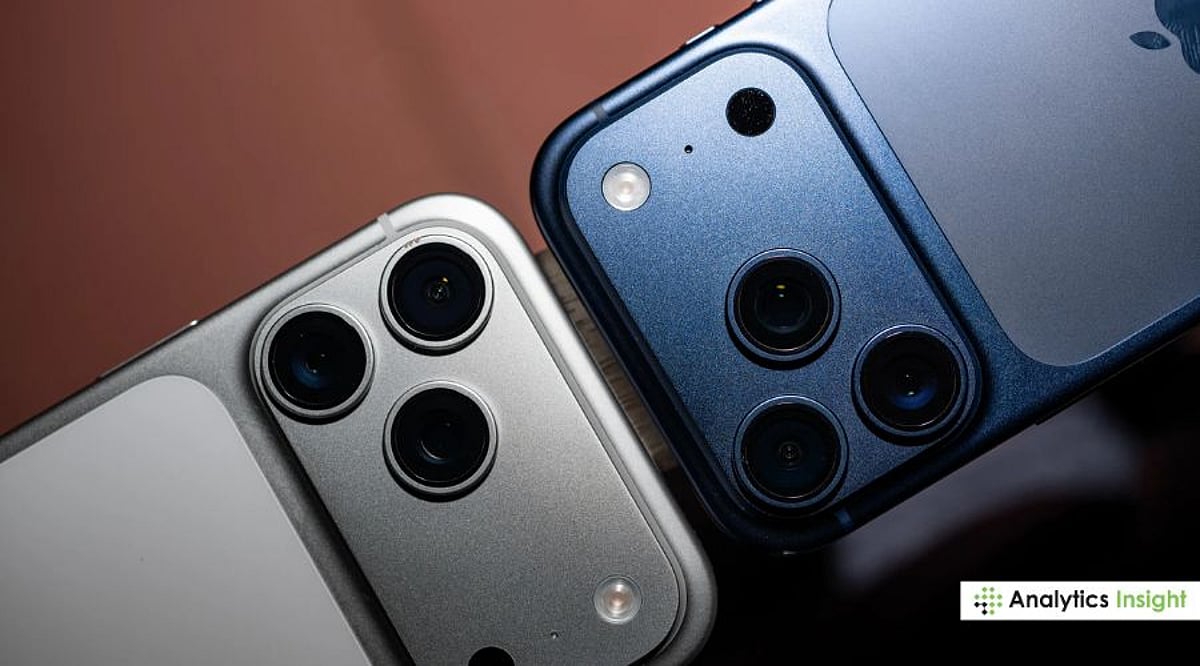
    An iPhone 17 Pro has been sealed inside a time capsule as part of the United States’ 250th anniversary celebrations. The cosmic orange device will remain unopened until 2276, when the nation marks its 500th birthday, effectively locking the smartphone away for a quarter millennium.

    Why the iPhone 17 Pro Was Chosen

    The time capsule project aims to give future generations a snapshot of everyday life and technology in 2026. Alongside items representing all 50 states, organizers selected the iPhone 17 Pro to represent modern consumer technology. This is not the first notable moment for the model; earlier this year, the same device was used during NASA’s Artemis 2 mission to relay images from space back to Earth.

    Will the iPhone Survive 250 Years?

    It is highly unlikely that the iPhone 17 Pro will function when the capsule is opened. Lithium-ion batteries typically degrade within 10 to 20 years, even under ideal storage conditions. Moreover, software, charging standards, and data formats in 2276 will likely bear little resemblance to today’s technology. The phone is thus expected to serve as a preserved historical artifact rather than a working device.

    Inside the Sealed iPhone 17 Pro’s Specs

    The specific unit placed in the capsule features a 6.3-inch OLED display with 120Hz ProMotion refresh, always-on display, and Ceramic Shield 2. It runs on Apple’s A19 Pro chipset with 12GB of RAM and up to 1TB of storage. Apple rates the 3,998 mAh battery for up to 39 hours of video playback. Camera specifications include triple 48MP rear cameras, an 18MP front camera, 8x optical zoom, and 8K video recording capability. Two and a half centuries from now, this spec sheet will likely be referenced as a benchmark for smartphone technology in 2026.

  • XRP Price Forecast 2029: Could the Token Reach $10 in Three Years?

    XRP Price Forecast 2029: Could the Token Reach $10 in Three Years?

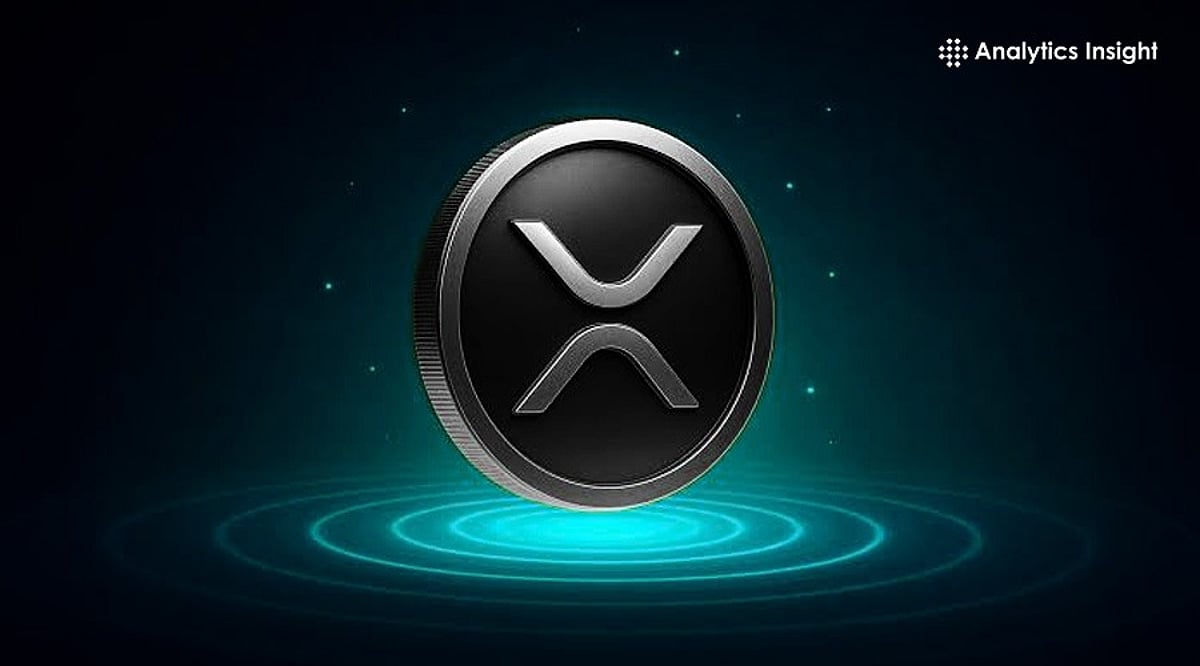
    XRP remains a strong long-term crypto project backed by real-world payment utility, rising institutional demand, improving regulations, and growing adoption, with forecasts suggesting possible prices between $4 and $10 by 2029.

    Key Takeaways

    • Ripple’s payment network now handles nearly $16 trillion yearly, showing growing institutional trust.
    • XRP ETFs attracted $1.47 billion inflows, signaling strong investor confidence despite weak price action.
    • If adoption accelerates, XRP could realistically reach $4–$10, with bullish forecasts targeting $20+ by 2029.

    XRP has stayed among the biggest names in crypto for many years. Unlike many digital coins that depend mostly on hype, XRP has a real purpose. It helps banks and financial companies send money across countries much faster and at lower cost. Given this use case, many experts believe XRP has strong long-term potential.

    As of July 2026, XRP trades close to $1.04, or around ₹98.5 in India. Its total market value stands above $65 billion, which keeps XRP among the largest cryptocurrencies in the world. The price has fallen compared to earlier highs, but many market analysts believe this may only be a temporary weak phase before the next major move.

    Ripple’s Business Growth Creates Hope for XRP

    One of the strongest reasons behind positive XRP forecasts comes from Ripple’s business expansion. Ripple is the company connected with XRP and focuses on global payments. Recently, Ripple CEO Brad Garlinghouse revealed that Ripple now handles nearly $16 trillion in yearly payment volume across its growing network.

    This number shows that large financial institutions continue to trust Ripple’s payment technology. If more banks start using XRP as part of this system, demand for the token could rise sharply over the next few years. Greater adoption often creates stronger price movement, especially in crypto markets.

    ETF Demand Shows Strong Institutional Interest

    Another major development came through XRP exchange-traded funds, also called ETFs. These investment products allow institutions and large investors to gain exposure to XRP without directly buying crypto on exchanges.

    Reports show that XRP ETFs have attracted more than $1.47 billion in total inflows since late 2025. This marks almost eight straight weeks of positive investment activity. Interestingly, XRP price has not moved much despite this strong money flow. Experts believe wider market weakness has kept prices low, but the continued ETF demand shows strong confidence from institutional investors.

    Better Regulation Could Help XRP Grow Faster

    For many years, one of XRP’s biggest problems came from legal uncertainty. Ripple spent years fighting a case against the U.S. Securities and Exchange Commission. This legal battle created fear among investors and slowed growth.

    Now the situation looks far better. Regulatory clarity has improved a lot compared to previous years. New crypto laws under discussion in the United States, including the CLARITY Act, could create even stronger confidence among large investors. Better regulation often brings more money into the crypto market, and XRP could benefit heavily from that shift.

    Current Price Action Shows Short-Term Pressure

    It’s been hard on XRP this year from a technical perspective. Currently, it is at about one dollar, which means it has hit a key area of support. Resistance is between $1.20 and $1.30.

    Technical indicators indicate that momentum is pretty weak right now. Some analysts think XRP has entered an oversold area, which has previously led to recoveries. While there is no guarantee that there will be a sharp increase, the possibility exists for a larger increase at a future date.

    XRP Price Prediction for the Next Three Years

    If crypto market conditions stay weak and adoption slows down, XRP could trade between $1.50 and $3.00 by 2029. This would represent a slower recovery phase where demand stays limited.

    Under normal market conditions, experts believe XRP has room to reach $4 to $8 within three years. This forecast depends on steady growth in Ripple partnerships, stronger ETF demand, and gradual recovery across the crypto market.

    In the most positive scenario, XRP could reach $10 to $20 by 2029. This would require mass adoption from banks, better global crypto regulations, and a sharp rise in overall market confidence. Some forecasts have even suggested XRP could hit $28 by 2030, although that remains highly speculative.

    Final Outlook

    XRP continues to stand out as it offers more than simple speculation. Ripple has built real payment infrastructure, and the company keeps expanding globally. Despite current price weakness near $1, the long-term story remains interesting.

    Over the next three years, realistic estimates place XRP somewhere between $4 and $10 if market conditions improve. If adoption grows much faster than expected, prices could move far beyond that range.

    The future of XRP now depends on one major factor — whether Ripple’s growing payment network creates direct and consistent demand for the XRP token itself. That answer will decide how valuable XRP becomes by 2029.

    FAQs

    1. What is XRP mainly used for? XRP helps enable faster and cheaper international money transfers through Ripple’s payment network.
    2. Why are investors bullish on XRP? Given Ripple’s business growth, ETF demand, improving regulations, and its real-world financial use case.
    3. Can XRP reach $10 in the next 3 years? Yes, many analysts believe XRP could hit $10 if adoption grows and overall crypto markets recover strongly.
    4. How important is regulation for XRP? Very important. Better crypto regulations can increase institutional investment and reduce uncertainty around Ripple.
    5. Is XRP a long-term investment? Many investors see XRP as a long-term asset given Ripple’s expanding global payment infrastructure, though crypto remains highly volatile.
  • Top 10 Essential Spring Boot Libraries for Developers in 2026

    Top 10 Essential Spring Boot Libraries for Developers in 2026

    Spring Boot remains one of the most popular frameworks for building Java applications, but creating robust software requires more than the framework alone. Developers rely on libraries to simplify security, testing, API documentation, logging, database access, and monitoring. Choosing the right libraries saves time, reduces effort, and improves application performance. Below are the ten most essential Spring Boot libraries for developers in 2026.

    Why Spring Boot Libraries Matter

    A typical Spring Boot application does more than serve HTTP requests. It connects to databases, secures APIs, validates user input, logs events, monitors performance, and integrates with cloud services. Instead of building these features from scratch, developers use well-tested, actively maintained libraries supported by the Java ecosystem.

    Best Practices for Using Spring Boot Libraries

    Adding more libraries does not always improve an application. Developers should select libraries that solve specific problems and avoid including multiple tools with overlapping functions. Keeping dependencies updated is critical, as newer versions often include security patches, bug fixes, and performance improvements. Reviewing library documentation before integrating new features into production is also recommended. Using trusted, well-maintained libraries reduces compatibility issues and simplifies long-term maintenance. A clean dependency structure makes applications easier to debug, upgrade, and scale as project requirements evolve.

    Trends Shaping the Spring Boot Ecosystem in 2026

    Spring Boot development continues to evolve alongside cloud-native technology and AI. Current trends include microservices architecture, event-based applications, and AI-powered APIs, which demand higher observability, enhanced security, and increased resiliency. Containerization support, cloud monitoring, automatic API generation, and automated testing are critical capabilities for modern application development. Additionally, native compiling and Kubernetes integration have influenced Java application design. As enterprise software becomes more distributed, developers increasingly focus on performance and maintainability when choosing Spring Boot libraries.

    Top Spring Boot Libraries at a Glance

    • Spring Data JPA – Simplifies database access and CRUD operations with ORM support.
    • Spring Security – Provides authentication, authorization, OAuth2, JWT, and protection against common threats.
    • Springdoc OpenAPI – Generates interactive API documentation automatically.
    • Lombok – Reduces boilerplate code with annotations for getters, setters, and constructors.
    • MapStruct – Simplifies object mapping between layers.
    • Logback – A reliable logging framework for production environments.
    • Testcontainers – Enables integration testing with disposable databases and services.
    • Resilience4j – Adds fault tolerance with circuit breakers, retries, and rate limiters.
    • Micrometer – Provides metrics collection for monitoring and observability.
    • Flyway – Manages database schema migrations safely.

    How to Choose the Right Libraries

    Not every project requires every library. The best approach is to select libraries based on application requirements. For example:

    • Database-driven applications benefit from Spring Data JPA and Flyway.
    • REST APIs typically require Spring Security and Springdoc OpenAPI.
    • Microservices often use Resilience4j and Micrometer.
    • Large enterprise projects usually combine MapStruct, Lombok, Logback, and Testcontainers to improve development speed and software quality.

    Choosing actively maintained libraries also ensures compatibility with future Spring Boot releases.

    Final Thoughts

    Spring Boot is an excellent framework for Java development, but libraries are essential for simplifying modern application development. Whether building RESTful APIs, enterprise-grade platforms, or cloud-native microservices, these libraries solve common development problems without adding unnecessary complexity. By selecting the right tools, developers can boost efficiency and productivity. As enterprise Java applications become increasingly cloud-native and distributed, choosing the right Spring Boot libraries is critical for performance, security, and long-term maintainability.

  • Top 10 GitHub Repositories for Mastering Claude Code in 2026

    Top 10 GitHub Repositories for Mastering Claude Code in 2026

    Claude Code has evolved far beyond a terminal novelty. Today, developers use it to read entire codebases, run commands, and manage multi-step engineering workflows. However, out-of-the-box capabilities only scratch the surface. The real power lies in the ecosystem built around it: skills, subagents, hooks, and reusable workflows that transform Claude Code from a helpful assistant into a structured development system. Here are ten GitHub repositories worth exploring if you’re serious about mastering Claude Code in 2026.

    Start with Anthropic’s Official Repositories

    The most reliable starting point is Anthropic’s anthropic/skills repository. It contains ready-made SKILL.md files for common tasks such as working with PDFs, spreadsheets, and presentations. Pair it with claude-code-action, Anthropic’s official GitHub Actions integration for automating Claude Code inside CI/CD pipelines. Another newer addition from Claude Code Skills 2.0 is Skill Creator, which lets you build, evaluate, and benchmark your own custom skills — no more guessing whether they actually work.

    Discover the Wider Ecosystem

    Before installing anything, it helps to know what exists. hesreallyhim/awesome-claude-code is a curated index of slash commands, CLAUDE.md files, hooks, and workflow tools — essentially a table of contents for the entire ecosystem. For a different angle, x1xhlol/system-prompts-and-models-of-ai-tools collects exposed system prompts and tool definitions from Claude Code and comparable agentic tools. This is especially useful for anyone studying how these systems are structured behind the scenes.

    Frameworks That Enforce Better Engineering Habits

    Two repositories stand out for imposing real discipline on how Claude Code writes software. Superpowers encodes a strict development methodology: brainstorm, spec, plan, test-driven development, review, and finalize. Notably, it refuses to keep any code written before tests exist. Everything Claude Code (ECC), built by hackathon-winning developer Affaan Mustafa, takes a broader approach, shipping dozens of specialized subagents, reusable skills, and security scanning tools that work across Claude Code and several other AI coding tools. Both are open source and free. Most experienced users pick a handful of components that fit their workflow rather than use every feature.

    Utilities That Solve Everyday Friction

    Some repositories exist purely to fix common pain points. Repomix packs an entire codebase — folder structure, documentation, and all — into a single AI-readable file, solving the problem of Claude Code losing context on larger projects. Claude Mem addresses a related issue: by default, Claude Code forgets everything between sessions. This tool gives it persistent memory of past decisions and project quirks.

    Advanced Setups for Teams

    For developers curious about running Claude Code as a coordinated team rather than a single assistant, the gstack repository documents Garry Tan’s setup. It assigns opinionated roles — Engineering Manager, Release Manager, QA — through reusable skills and slash commands. This is not a beginner’s starting point, but it’s a useful reference for structuring multi-agent workflows.

    Choosing Where to Start

    With so many options, star count alone isn’t a reliable filter; usefulness depends on what you’re trying to solve. Beginners are better served starting with Anthropic’s official repositories and the awesome-claude-code index before layering in frameworks like Superpowers or utilities like Repomix as specific needs arise. Building a stack gradually, rather than installing everything at once, tends to produce a far more stable and productive Claude Code setup.

    Why This Matters

    Claude Code is rapidly becoming a key AI development platform for software engineers. Understanding its ecosystem of GitHub repositories enables developers to automate workflows, improve coding efficiency, build custom AI skills, and integrate Claude into real-world engineering pipelines — making it an increasingly valuable tool for modern software development.

    Frequently Asked Questions

    What is Claude Code?

    Claude Code is Anthropic’s AI-powered coding assistant that helps developers understand codebases, write code, debug applications, execute terminal commands, automate workflows, and perform complex software engineering tasks. It supports both individual developers and teams working on modern software projects.

    Why should developers use GitHub repositories to learn Claude Code?

    GitHub repositories provide practical examples, reusable skills, automation workflows, documentation, and open-source tools that extend Claude Code’s capabilities. They allow developers to learn from real implementations instead of relying only on official documentation or theoretical tutorials.

    Which GitHub repository is best for beginners learning Claude Code?

    Anthropic’s official anthropic/skills repository is the best starting point for beginners. It contains ready-made skills for common development tasks and helps users understand how Claude Code executes structured workflows before exploring more advanced community-built repositories.

    Can Claude Code be integrated into CI/CD pipelines?

    Yes. Anthropic’s claude-code-action repository enables Claude Code to integrate with GitHub Actions and CI/CD pipelines. Developers can automate reviews, documentation, testing, and other engineering tasks directly within continuous integration and deployment workflows.

    Should developers install every Claude Code repository?

    No. The best approach is to start with official Anthropic repositories and gradually add tools that solve specific problems. Installing too many extensions at once can create unnecessary complexity and make workflows harder to maintain over time.

    Is the Claude Code ecosystem expected to grow in 2026?

    Yes. As Anthropic continues expanding Claude Code and enterprise adoption increases, the open-source ecosystem is expected to grow significantly. Developers can expect more GitHub repositories focused on automation, custom skills, AI agents, testing, memory management, and collaborative development workflows.

  • Best Hair Dryers for Women in 2026: Top 10 Picks for Every Hair Type

    Best Hair Dryers for Women in 2026: Top 10 Picks for Every Hair Type

    A quality hair dryer does more than dry your hair. It reduces styling time, minimizes frizz, and helps protect hair from unnecessary heat damage. The right choice depends on your hair type and styling routine. Modern hair dryers offer features such as ionic technology, intelligent heat control, brushless motors, and specialized attachments designed for different hair types.

    This guide compares the top 10 hair dryers for women, highlighting their key features, performance, and value to help you choose the right model for your styling needs.

    Hair Dryer Technologies Explained

    Understanding the technology helps you make a smarter purchase:

    • Ionic dryers break water into smaller droplets, speeding up evaporation while reducing static.
    • Ceramic dryers spread heat evenly — ideal for fine or color-treated hair.
    • Titanium dryers run hotter and work best on thick or coarse hair, though they can cause more damage with daily use.
    • Brushless motors last longer, run quieter, and cut weight — most 2026 premium dryers use them. A growing number of models now add scalp-sensing or smart heat regulation that adjusts temperature automatically.

    How We Selected the Best Hair Dryers for Women in 2026

    Every pick here shows up consistently across independent 2026 testing, not a single viral recommendation. Premium and budget models both earned a spot. The best dryer is the one that fits your hair and your budget, not the most expensive one on the shelf.

    Top 10 Best Hair Dryers for Women in 2026

    1. Dyson Supersonic Nural — Leads in intelligence. Built-in sensors track scalp proximity and adjust heat automatically; the fastest dryer on this list for controlled, low-damage drying. BUY NOW
    2. Shark SpeedStyle Pro — Dyson-adjacent performance at a lower price, with a Scalp Shield mode most rivals skip. BUY NOW
    3. T3 AireLuxe — Built for daily home use. Its wide, ion-rich airflow and 15 heat/speed combinations make it easy to dial in for finer or more sensitive hair. BUY NOW
    4. Bio Ionic Powerlight Pro — Wins on durability. Testers report years of reliable use; at 75 decibels, one of the quietest dryers here. BUY NOW
    5. ghd Helios ($189) — Delivers the glossiest finish through its ionic technology and redesigned nozzle. ghd’s newer Speed model dries faster but trades some shine. BUY NOW
    6. Laifen Swift Special — Undercuts every premium brand on price while running a 110,000 RPM brushless motor; the strongest value pick. BUY NOW
    7. BaBylissPRO Rapido — Pairs a 2,000-watt brushless motor with Ferrari-inspired design for a premium feel. BUY NOW
    8. InfinitiPRO by Conair High-Speed Digital Dryer — Budget standout combining digital motor with ionic and tourmaline ceramic technology at a fraction of premium prices. BUY NOW
    9. Drybar Baby Buttercup (1,875W) — Gentler by design; solid for fine or fragile hair that cannot handle aggressive heat. BUY NOW
    10. Zuvi Halo — Breaks convention with light-based drying instead of pure heat; early but promising for lower heat exposure over raw speed. BUY NOW

    Which Hair Dryer Is Best for Your Hair Type?

    • Fine or thin hair — Lighter dryers with a reliable cool shot, like T3 AireLuxe or Drybar Baby Buttercup.
    • Thick or coarse hair — Stronger airflow, where Dyson Nural or Shark SpeedStyle Pro performs best.
    • Curly or wavy hair — Depends on diffuser quality; Bio Ionic and ghd Helios are strong choices.
    • Frizz-prone or damaged hair — Ionic and ceramic tech paired with lower heat points toward Laifen Swift Special or InfinitiPRO Conair.

    Hair Dryer Buying Checklist

    • Choose a lightweight ionic dryer if daily comfort matters most.
    • Choose a smart premium model if you want the fastest styling with the least heat stress.
    • Choose a budget pick if you need reliable, no-frills drying.

    Final Thoughts

    The right hair dryer is an investment in healthier hair and easier styling. Prioritise features that suit your hair type and daily routine, and you’ll enjoy faster drying, better results, and long-term value beyond the initial purchase.

    Frequently Asked Questions

    1. What is the best hair dryer for women in 2026?

    The best hair dryer depends on your hair type and styling needs. Premium models from Dyson, Shark, T3, and Bio Ionic are widely recommended for their fast drying, heat protection, and frizz control.

    2. Is an ionic hair dryer better for frizzy hair?

    Yes. Ionic hair dryers help reduce static and seal the hair cuticle, making them a great choice for minimizing frizz while leaving hair smoother and shinier.

    3. Which hair dryer is best for curly hair?

    A hair dryer with a diffuser attachment is ideal for curly hair. It distributes airflow evenly, enhances natural curl definition, and helps reduce frizz without disrupting curl patterns.

    4. What features should I look for when buying a hair dryer?

    Look for adjustable heat and speed settings, a cool shot button, ionic or ceramic technology, lightweight design, and attachments like diffusers or concentrators for versatile styling.

    5. Can using a high-quality hair dryer help reduce heat damage?

    Yes. Many modern hair dryers use intelligent heat control, ceramic or ionic technology, and multiple heat settings to dry hair efficiently while reducing the risk of excessive heat exposure.

  • Top 10 Data Visualization Interview Questions for 2026: Expert Answers & Tips

    Top 10 Data Visualization Interview Questions for 2026: Expert Answers & Tips

    Introduction

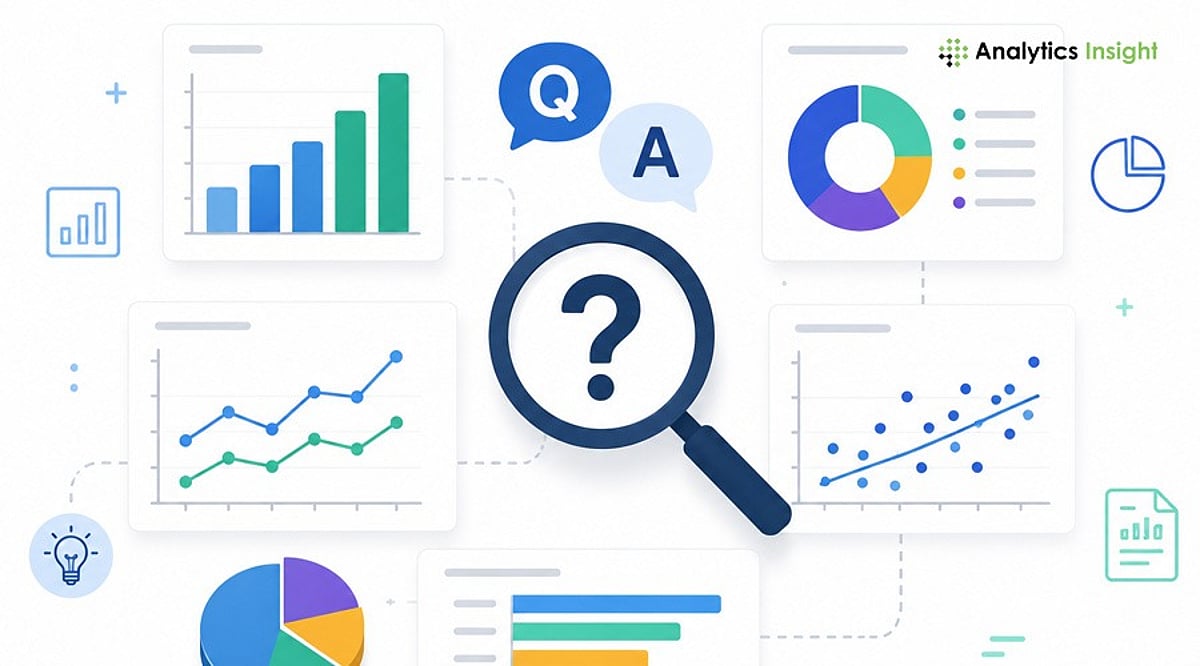
    Data visualization has evolved beyond simple chart creation. Recruiters now look for candidates who can transform complex data into actionable business insights. Whether you’re a Data Analyst, Business Intelligence professional, or Product Analyst, this guide covers the most common interview questions, sample answers, and preparation tips to help you stand out.

    1. What Is Data Visualization?

    Sample Answer: Data visualization is the graphical representation of information using charts, maps, graphs, and dashboards. It helps users quickly identify patterns, trends, and outliers that might go unnoticed in raw data, enabling faster and more informed decision-making.

    2. Which Data Visualization Tools Have You Used?

    Sample Answer: I have hands-on experience with Microsoft Power BI, Tableau, Excel, Google Looker Studio, and Python libraries such as Matplotlib, Seaborn, and Plotly. My choice of tool depends on project requirements—Power BI for enterprise reporting, Tableau for exploratory analysis, and Python for custom visualizations.

    3. How Do You Choose the Right Chart?

    Sample Answer: The chart type should match the story the data tells. Bar charts compare categories; line charts show trends over time; pie charts display simple proportions; scatter plots reveal relationships between variables; and maps visualize geographic data. I always prioritize clarity and ease of interpretation.

    4. What Makes a Good Dashboard?

    Sample Answer: A good dashboard is simple, organized, and aligned with business objectives. It highlights key performance indicators (KPIs), avoids unnecessary clutter, uses consistent colors, and allows users to find information quickly. Every element should serve a decision-making purpose.

    5. What KPIs Have You Displayed in Dashboards?

    Sample Answer: KPIs vary by industry. Common examples include revenue, sales growth, customer acquisition cost, conversion rate, customer retention, profit margin, inventory levels, and website traffic. The dashboard should always show metrics that directly support stakeholder decisions.

    6. How Do You Handle Large Datasets?

    Sample Answer: I clean data by removing redundant fields, apply data modeling, create summary tables, and use filters. To boost performance, I implement incremental refresh, optimized SQL queries, and efficient calculations. Pre-aggregation and indexing also help maintain speed.

    7. What Are Common Data Visualization Mistakes?

    Sample Answer: Frequent mistakes include using too many colors, choosing the wrong chart type, displaying unnecessary information, poor labeling, overcrowded dashboards, ignoring accessibility, and misleading scales or axes. Keeping visuals simple and purposeful improves readability and trust.

    8. How Do You Ensure Data Accuracy?

    Sample Answer: I cross-check dashboard values against original data sources, validate calculations, and test filters and business logic with stakeholders. Before publishing, I conduct user testing to confirm numbers meet business expectations and that no errors exist.

    9. Can You Explain a Dashboard You Built?

    Sample Answer: I built a sales performance dashboard that integrated data from multiple regions. It displayed revenues, profits, monthly sales trends, and product performance. Filters allowed drill-down by region, product category, and sales representative, enabling regional managers to identify opportunities quickly.

    10. How Do You Present Insights to Non-Technical Stakeholders?

    Sample Answer: I avoid technical jargon and focus on business implications. Instead of explaining how I calculated the numbers, I discuss what the data shows, why it matters, and what actions should be taken. Clear, story-driven communication turns data into decision fuel.

    Tips to Perform Better in Data Visualization Interviews

    • Build two or three dashboard projects for your portfolio.
    • Practice explaining dashboards in simple, non-technical language.
    • Learn when to use different chart types and why.
    • Understand basic data modeling concepts (star schema, measures, dimensions).
    • Review common KPIs for your target industry.
    • Be ready to discuss design decisions, not just technical features.

    Real project experience often makes a stronger impression than theoretical knowledge.

    Final Thoughts

    Data visualization interviews go beyond technical proficiency. Employers want candidates who understand the business context, communicate insights effectively, and empower decision-makers. By preparing these common questions and practicing with real dashboards, you can demonstrate both your technical skills and business mindset.

    FAQs

    What are the most common data visualization interview questions?

    Most interviews cover chart selection, dashboard design, KPI tracking, data storytelling, visualization tools, handling large datasets, ensuring data accuracy, and explaining insights to stakeholders. Both technical knowledge and communication skills are assessed.

    Which tools should I learn before an interview?

    Power BI, Tableau, Excel, Google Looker Studio, and Python libraries (Matplotlib, Seaborn, Plotly) are widely used. Mastering at least one enterprise BI tool and understanding dashboard fundamentals significantly improves readiness.

    How should I answer questions about dashboard design?

    Focus on simplicity, business relevance, and usability. Explain how you prioritize KPIs, maintain consistent formatting, avoid clutter, and design for quick trend identification and informed decision-making.

    How can I explain technical insights to non-technical stakeholders?

    Avoid jargon and emphasize business outcomes. Explain what the data shows, why it matters, and what action to take. Clear communication is as important as technical expertise in analytics roles.

    Do I need a portfolio for a data visualization interview?

    Yes. A portfolio with dashboards, reports, and real-world projects demonstrates practical skills. Recruiters value hands-on experience and problem-solving ability more than certifications alone.


  • Wordle Hints and Answer for July 5, 2026: Crack Puzzle #1842 with These Clues

    Wordle Hints and Answer for July 5, 2026: Crack Puzzle #1842 with These Clues

    Overview

    Stuck on Wordle #1842? Today’s puzzle points to a word that means a religious teacher or monk. Use the hints below to decode the clues and uncover the final answer to keep your streak alive.

    Wordle for July 5 features a five-letter noun related to change. Follow the clues and see the answer before your six chances run out.

    Wordle Hints for July 5, 2026 (Puzzle #1842)

    • Vowel Count: 2 vowels
    • Consonant Count: 3 consonants
    • Repeated Letters: Yes
    • Letter Rarity: All common letters
    • First Letter: S
    • Bonus Hint: The word ends with the letter ‘I’.

    Wordle Answer for July 5, 2026

    If the clues above haven’t led you to the solution, here’s the grand reveal for Wordle #1842: SWAMI

    Best Tips for Playing Wordle

    New to Wordle or just looking to improve your game? Follow these expert tips:

    • Start with words that include common vowels and consonants to gather maximum information early.
    • Avoid repeating letters in your first few guesses unless you’re confident of placement.
    • Pay close attention to color feedback: green = correct and well-placed; yellow = correct but mispositioned; gray = not in the word.
    • Use each guess to eliminate possibilities rather than rushing towards the answer.
    • Expand your vocabulary—familiarity with less common words makes solving much quicker.

    Final Thoughts

    The allure of Wordle lies in its daily uncertainty. Whether you play with morning coffee or during a work break, every puzzle sharpens your vocabulary and pattern-recognition skills. A different word, an empty grid, and six opportunities—that’s the excitement Wordle brings every single day.

  • Revamp Your Weak Resume: Top Mistakes Recruiters Spot and How to Fix Them

    Revamp Your Weak Resume: Top Mistakes Recruiters Spot and How to Fix Them

    A strong resume is more than a career summary—it is a marketing tool. In today’s competitive job market, even qualified candidates are overlooked because of a weak resume. Recruiters spend as little as 10 seconds scanning your resume before deciding. And with Applicant Tracking Systems (ATS) screening most applications, poor formatting, vague descriptions, or missing keywords can cost you an interview. This guide walks you through the most common resume mistakes, practical fixes, and ATS-friendly strategies to help you stand out.

    Overview

    • Discover common resume mistakes recruiters instantly notice, along with practical solutions to fix them effectively.
    • Learn ATS-friendly formatting techniques to improve resume visibility in automated recruitment screening.
    • Showcase measurable achievements, relevant skills, and tailored content to increase interview opportunities significantly.

    Top Three Mistakes People Make While Job Seeking

    The first mistake is sending the same generic resume to every employer. While convenient, it rarely includes the keywords and skills required by each job description. ATS measures how well your resume matches the posting.

    Another common error is treating your resume like a job description—listing responsibilities such as “managed a team” or “answered client questions” without showing real achievements or results. Recruiters want evidence that you can deliver outcomes.

    Why Formatting Deserves More Attention

    A good-looking resume isn’t always effective. Overly designed templates with images, icons, tables, or text boxes can confuse ATS software, causing it to skip critical information. Stick with a clean, well-organized layout.

    Follow these formatting rules:

    • Use standard section headings like Work Experience, Skills, and Education.
    • Use a single font style throughout.
    • Avoid headers or footers for contact details.
    • Use bullet points instead of long paragraphs.
    • Upload your resume in the requested file format.

    Achievements Speak Louder Than Responsibilities

    Replace task-oriented statements with achievement-oriented ones. Numbers add context and credibility. For example:

    Instead of: “Accountable for managing social media accounts.”
    Write: “Increased social media engagement rate by 42% within six months.”

    Specify the time or effort saved wherever possible. This helps recruiters gauge your potential impact.

    Tailor Every Application

    Tailoring your resume is no longer optional. Study each job posting to identify required skills, certifications, and experience. Include relevant keywords naturally—overstuffing can trigger red flags even with sophisticated ATS.

    Small Details Make a Big Difference

    Spelling errors, incorrect dates, poor formatting, and overused buzzwords like “excellent” or “outstanding” without evidence can derail an otherwise strong application. Use clear, concise language and strong action verbs such as Led, Developed, Implemented, Designed, and Delivered. Avoid passive phrases like “Responsible for.”

    Quick Fixes That Instantly Strengthen a Resume

    Before submitting, ensure your resume:

    • Aligns with the specific job description.
    • Includes accomplishments wherever possible.
    • Has an ATS-friendly format.
    • Highlights relevant skills.
    • Features a professional summary (not a long objective).
    • Is free of grammar and spelling mistakes.
    • Does not contain unnecessary or outdated information.

    Bottom Line

    A poorly written resume doesn’t mean a weak candidate—it often means the candidate hasn’t presented their achievements, skills, and career path in a way that resonates with recruiters. With ATS screening resumes before they reach human eyes, your resume must do more than list past jobs. Treat it as a marketing tool that highlights your value and the achievements you can bring to a prospective employer.

    Frequently Asked Questions

    1. Why is an ATS-friendly resume important?

    An ATS-friendly resume improves visibility during automated screenings, increasing your chances of reaching recruiters and securing interviews.

    2. How long should a resume ideally be?

    Most professionals should aim for one page. Experienced candidates may use two pages if the additional achievements justify the length.

    3. Should I customize my resume for every job application?

    Yes. Tailoring your resume with relevant keywords and skills improves ATS rankings and shows alignment with the role.

    4. What should I include instead of listing job responsibilities?

    Focus on measurable achievements, quantifiable results, and business impact. Use action verbs to demonstrate value.

    5. How often should I update my resume?

    Update every six months or after significant achievements, certifications, promotions, or role changes to keep it competitive.