Author: vitorcherulli

  • Top Smart Chimney Weekend Offers: Save on Elica, Faber, Hindware, Glen & Livpure

    Top Smart Chimney Weekend Offers: Save on Elica, Faber, Hindware, Glen & Livpure

    Weekend sales are the perfect time to upgrade your kitchen with a smart chimney without paying full price. Amazon’s current weekend sale brings significant discounts on five leading brands — Elica, Faber, Hindware, Glen, and Livpure — each featuring advanced technologies like filterless designs, motion sensors, and auto-clean systems.

    Best Deals at a Glance

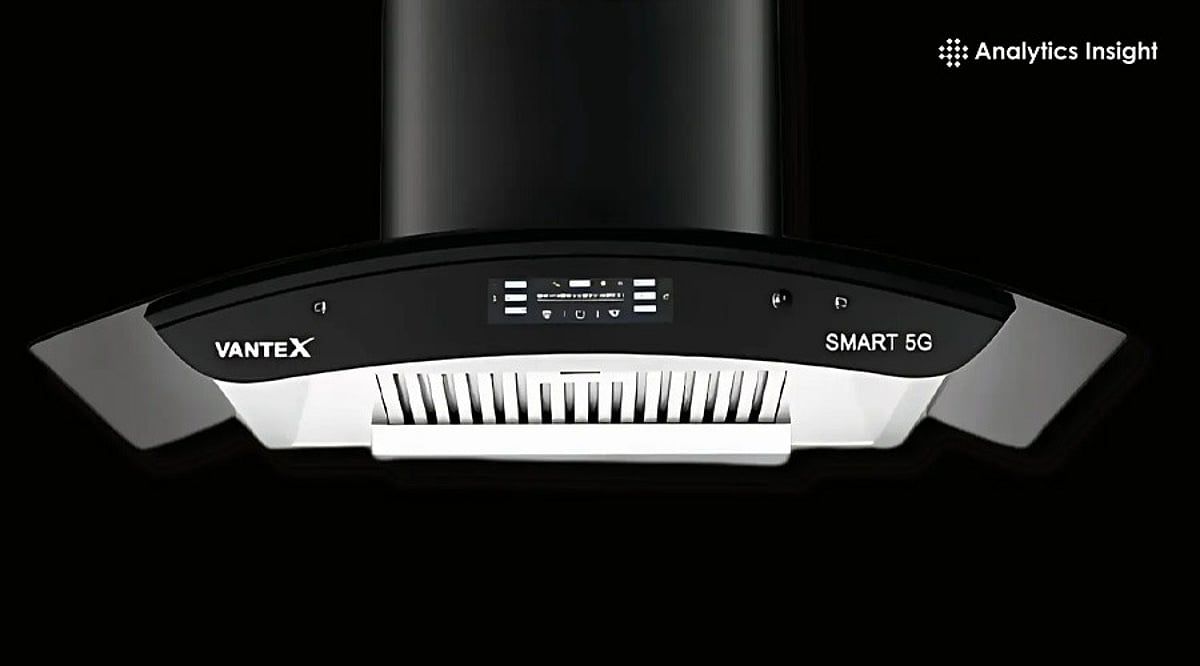
    Elica iSMART 60 cm: Low Maintenance, High Convenience

    The Elica iSMART is ideal for compact and mid-sized modular kitchens. Its motor delivers up to 1200 m³/hr suction, handling regular Indian cooking with ease. A hand-wave motion sensor lets you operate it without touching greasy controls. The filterless design directs oil into a removable collector, maintaining airflow and reducing cleaning. Best for two- to three-burner stoves and kitchens under 100 sq ft.

    Faber Hood Orient TC BK 60: Reliable Suction for Everyday Frying

    Faber’s Hood Orient offers around 1200 m³/hr suction, consistent through extended cooking. Touch and gesture controls keep the interface clean, and LED lighting brightens the cooktop. Heat-based auto-clean melts grease into a collector tray, preventing buildup. Backed by a strong warranty, it’s a solid choice for frequent frying or grilling.

    Hindware Nadia BLDC: Power and Efficiency Together

    The Hindware Nadia uses a brushless DC motor that draws less electricity while reaching suction near 1500 m³/hr. This makes it ideal for heavy daily use. The BLDC motor runs quieter and lasts longer. Motion sensor controls and thermal auto-clean complete a feature set that rewards buyers focused on long-term running costs.

    Glen 6071: Familiar Features at a Friendlier Price

    The Glen 6071 pairs a curved toughened-glass body with suction between 1200–1250 m³/hr, matching pricier rivals. Motion sensors or touch controls manage daily operation, and auto-clean prevents grease buildup. A great value option for apartments and medium kitchens where budget matters.

    Livpure Fenix 90 cm: Built for Bigger Kitchens

    The Livpure Fenix targets four- and five-burner stoves with 1400 m³/hr suction and a 90 cm width to cover larger cooktops. Filterless build keeps maintenance simple. Touch and gesture controls, dual LED lighting, and thermal auto clean add premium features at a competitive price. Best for open-plan kitchens and larger cooking spaces.

    How to Match the Chimney to Your Kitchen

    Before focusing on brand or design, ensure strong suction. A chimney with 1200–1500 m³/hr is suitable for most Indian kitchens, removing smoke, grease, and odors from daily frying and grilling. Filterless chimneys are more convenient — grease goes into a collector rather than a filter, maintaining steady suction. Motion sensors and auto-clean technology further simplify daily use. Size matters: a 60 cm chimney works with two- or three-burner stoves; a 90 cm model covers four- or five-burner cooktops.

    What to Remember Before Buying

    A chimney runs every time you cook, so suction capacity, filter type, and motor quality matter more than the discount size. The five models above cover most kitchen sizes and budgets while keeping maintenance manageable. Always check the latest price, confirm ducted vs. ductless installation needs, and choose a suction rating that matches your cooking frequency.

    Final Thoughts

    Choosing the right smart chimney is about matching suction power, kitchen size, and maintenance needs — not just chasing the biggest discount. Compare specifications, warranty, and installation support before buying to ensure lasting performance and a cleaner cooking experience.

    FAQ

    1. What is the ideal suction capacity for a kitchen chimney?

    For most Indian households, a chimney with 1200–1500 m³/hr is recommended to effectively remove smoke, grease, and odors from heavy cooking.

    2. Are filterless kitchen chimneys better than traditional filter chimneys?

    Filterless chimneys require less maintenance as they don’t use mesh or baffle filters. Grease collects in an oil collector, helping maintain consistent suction.

    3. What does auto-clean technology do?

    Auto-clean uses heat to melt accumulated grease and drain it into an oil collector, reducing manual cleaning and maintaining performance.

    4. Which chimney size should I choose?

    A 60 cm chimney suits two- or three-burner cooktops; a 90 cm model is recommended for four- or five-burner stoves. Ideally, the chimney should be at least as wide as the cooktop.

    5. Is the Amazon weekend sale a good time to buy?

    Yes. Weekend sales often feature discounts on leading brands, making it a good opportunity to purchase models with premium features at competitive prices.

  • Top Cryptos Under $1: IceBull Presale Stage 1 at $0.00001, XRP and Stellar Remain on Radar

    Top Cryptos Under $1: IceBull Presale Stage 1 at $0.00001, XRP and Stellar Remain on Radar

    When investors search for the best cryptos under $1, they are often looking for more than just a low price tag. They want projects that combine affordability, strong fundamentals, and the potential for long-term growth. That’s why established cryptocurrencies like XRP and Stellar continue to attract attention year after year. Both have proven themselves as payment-focused blockchain networks with loyal communities and real-world use cases.

    At the same time, a new Ethereum-based project is entering the conversation. IceBull has officially launched Stage 1 of the IceBull Crypto Presale, giving investors a chance to participate from the very beginning at just $0.00001 per token.

    Why Low-Priced Cryptocurrencies Appeal to Investors

    Lower-priced cryptocurrencies have always drawn investors who enjoy building larger positions without committing substantial capital. However, experienced investors know that a token’s price alone does not determine its future potential. The strength of a project’s community, tokenomics, development activity, security, and long-term vision matter far more than the number on a chart. That is why XRP, Stellar, and IceBull are being discussed together—each offers something different despite being at very different stages of development.

    XRP: Proven Across Multiple Market Cycles

    Few cryptocurrencies have remained as consistently recognized as XRP. Built to improve international payments, XRP is known for its fast settlement speeds, low transaction costs, and strong liquidity across global exchanges. Despite changing market conditions, it continues to attract investors looking for an established cryptocurrency with practical utility. Its long history makes XRP a benchmark asset that many investors continue to hold through multiple cycles.

    Stellar: Building Real-World Adoption

    Stellar has quietly developed into one of blockchain’s most practical payment networks. Its mission to improve global financial access has helped it form partnerships and attract users who value speed, affordability, and efficient cross-border transactions. Rather than relying on hype, Stellar has built its reputation through consistent development and a clear long-term objective. For investors prioritizing utility, Stellar remains one of the most respected projects in the cryptocurrency space.

    IceBull: Targeting Early Adopters

    Unlike XRP and Stellar, IceBull is still in the earliest chapter of its journey. Instead of launching directly onto exchanges, it is progressing through a transparent 16-stage presale, allowing investors to enter before public trading begins. With the IceBull Crypto Presale now live, Stage 1 participants can purchase tokens at $0.00001—the lowest public price available throughout the entire presale. The project has also announced a planned listing price of $0.025, creating a clear pricing structure from the first stage through to exchange launch.

    Key features of IceBull include:

    • Ethereum ERC-20 blockchain
    • Stage 1 live at $0.00001
    • Planned listing price of $0.025
    • SolidProof audited smart contracts
    • Up to 80% APY staking
    • Team token vesting
    • 10% referral rewards for both users on purchases above $30
    • Community-focused development

    For investors who enjoy discovering projects before exchange listings, IceBull offers a completely different opportunity compared to buying established cryptocurrencies.

    Three Projects, Three Different Investment Stories

    One of the biggest mistakes investors make is assuming every cryptocurrency should be evaluated the same way. XRP has already proven itself as a global payment network. Stellar focuses on expanding financial accessibility through blockchain technology. IceBull, meanwhile, is aimed at investors looking for exposure to an early-stage Ethereum project before it reaches exchanges. Each serves a different purpose, so comparisons are useful without suggesting they compete directly.

    Which Type of Investor Are You?

    Some investors feel more comfortable buying cryptocurrencies with years of market history behind them. Others actively search for projects before they become widely known, believing that early research creates opportunities unavailable after exchange listings. There is no right or wrong approach. Many experienced investors combine established assets with carefully researched early-stage projects to build a diversified portfolio.

    Final Thoughts

    The best cryptos under $1 are not necessarily the cheapest—they are the projects that combine strong fundamentals with a clear vision for long-term growth. XRP continues to demonstrate why it remains a leading payment-focused cryptocurrency. Stellar offers practical blockchain technology backed by years of steady development. And IceBull provides something completely different: a live Stage 1 presale at $0.00001, a planned $0.025 listing price, audited smart contracts, up to 80% APY staking, referral rewards, and a transparent 16-stage presale. IceBull is beginning to attract investors looking for the next generation of Ethereum-based crypto opportunities.

    Frequently Asked Questions

    What are the best cryptos under $1?
    Many investors compare established cryptocurrencies such as XRP and Stellar alongside early-stage projects like IceBull Crypto Presale, which is currently live in Stage 1.

    Is IceBull available to buy?
    Yes. IceBull is now available through the official IceBull Crypto Presale, with Stage 1 priced at $0.00001.

    What is IceBull’s planned listing price?
    IceBull has announced a planned listing price of $0.025 following the completion of its transparent 16-stage presale.

    Why is IceBull attracting attention?
    Investors are watching IceBull because of its live Stage 1 presale, $0.00001 entry price, $0.025 planned listing price, Ethereum foundation, SolidProof audit, staking rewards, referral program, and community-driven approach.

    Disclaimer: This article is for informational purposes only and should not be considered financial advice. Cryptocurrency investments involve risk, and readers should always conduct their own independent research before making investment decisions.

  • Weekend Air Fryer Mega Sale: Best Deals on Philips, Kent, Ninja, Milton, and Pigeon

    Weekend Air Fryer Mega Sale: Best Deals on Philips, Kent, Ninja, Milton, and Pigeon

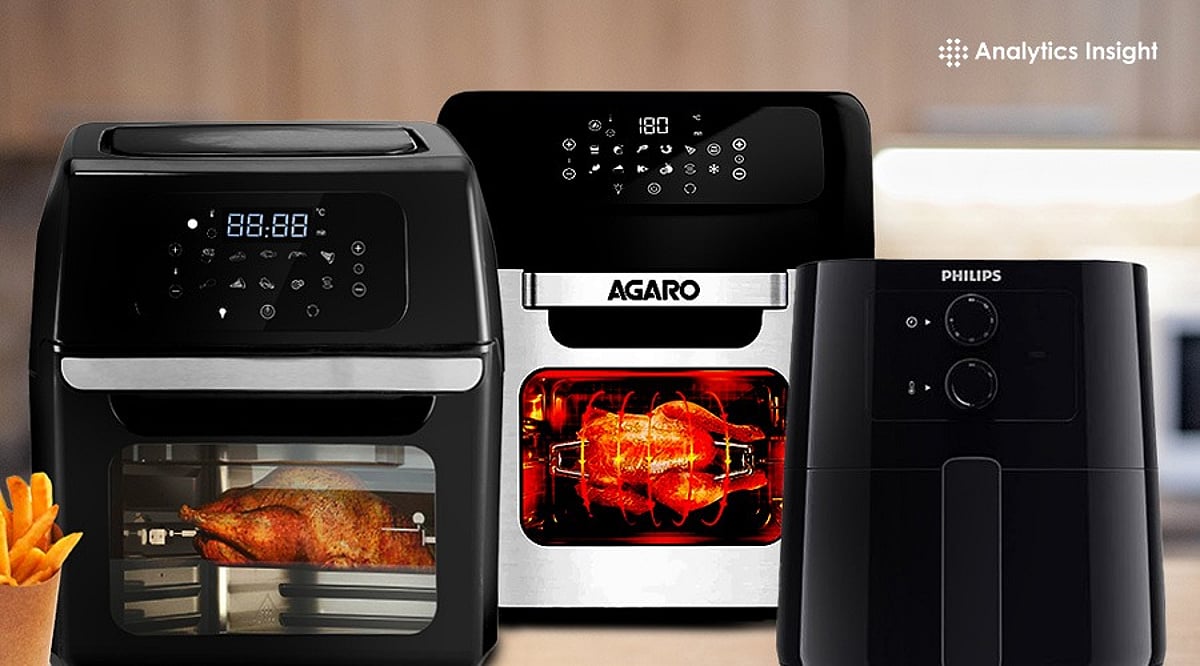
    Air fryer prices have dropped across leading brands this weekend. Popular models from Philips, Kent, Ninja, Milton, and Pigeon are now available at attractive discounts. Here’s a closer look at the best offers and the right air fryer for your cooking needs.

    Amazon’s Weekend Mega Sale brings down prices on five air fryers from Philips, Kent, Ninja, Milton, and Pigeon, covering every household size and budget. Basket capacity has a greater impact on everyday satisfaction than any discount percentage, and undersized models often force multiple cooking batches that defeat the appliance’s core appeal. Power rating, temperature range, and ease of cleaning matter as much as preset modes, and matching these specifications to actual cooking habits determines long-term value.

    India’s relationship with fried food has never been in question. What has changed is how people want to make it. Rising cooking oil prices, growing awareness around daily calorie intake, and the pace of modern life have quietly pushed air fryers from a lockdown impulse buy into a practical kitchen staple. Amazon’s Weekend Mega Sale arrives at exactly the right moment, with credible brands like Philips, Kent, Ninja, Milton, and Pigeon all offering compelling deals across every price point. This is not just a sale. It reflects a genuine shift in how urban Indian households approach everyday cooking.

    Top Air Fryer Picks Compared

    Philips NA120/00: Best Overall

    The Philips NA120/00 sets the standard for consistent, everyday performance. Its starfish-shaped airflow pattern distributes heat more evenly than conventional circular designs, delivering a crisp exterior and soft interior with minimal oil. The 4.2-liter basket comfortably serves three to four people. At 1500W, preheating is quick. The dishwasher-safe non-stick basket makes cleanup easier for everyday use. BUY NOW

    Kent Digital Air Fryer: Best for Large Families

    The 8-liter chamber solves the most frustrating problem with smaller air fryers: cooking in batches. The Kent Digital fits a whole chicken without crowding and holds cooking temperature steadily through longer sessions at 1700W. A transparent viewing window lets you monitor food without opening the basket and losing heat. Digital touch controls and preset modes keep daily operation simple. Counter space is the only genuine trade-off worth measuring before ordering. BUY NOW

    Ninja Foodi DualZone AF300IN: Best Premium Option

    The Ninja Foodi operates on a different level. Two independently controlled baskets let you cook different dishes at different temperatures and timers simultaneously. Sync Mode finishes both baskets at the same time. Match Mode mirrors settings across both zones for larger portions of the same dish. At 2470W, consistent heat across both zones is maintained throughout the cooking cycle. For households that cook complete meals daily, the dual-zone design justifies its Rs. 18,000 to Rs. 24,000 price range with practical results rather than premium branding alone. BUY NOW

    Milton Rapid Digital: Best Value for Money

    The Milton Rapid Digital offers a clean, honest proposition. The 5-liter basket handles families of three to five comfortably. At 1450W, it manages frozen snacks, grilled vegetables, and marinated proteins without difficulty. The removable non-stick basket cleans quickly. There are no smart features or dual zones. BUY NOW

    Pigeon Healthifry Digital: Best Budget Choice

    First-time buyers rarely need a complex machine. The Pigeon Healthifry keeps things simple and sensible. Preset digital controls remove any guesswork, and the 1200W to 1400W heating range handles everyday snacks and meals without drawing excessive power. The compact build suits smaller kitchens, couples, and students particularly well. BUY NOW

    How to Choose Without Getting Distracted by Discounts

    A sale is only useful if it helps you buy the right thing. Basket size is the most important factor to evaluate first. A 4- to 5-liter model works well for two to four people. Families cooking for five or more should look at 6- to 8-liter options to avoid running the appliance in multiple rounds, which defeats the purpose of a fast cooking tool.

    Wattage deserves more attention than most buyers give it. Models between 1400W and 1700W heat up faster and maintain temperature more reliably during longer cooking sessions. A temperature range from 80°C to 200°C adds genuine flexibility for roasting, baking, dehydrating, and crisping a wider variety of foods.

    Premium features like dual cooking zones deliver real value for households that cook full meals daily. For households that mainly reheat food or cook snacks, those features add cost without adding much utility. Dishwasher-safe baskets, reliable warranties, and accessible spare parts will deliver more long-term value than any number of preset cooking modes.

    Final Thoughts

    Weekend sales end. A good air fryer stays on your counter for years. The right choice comes down to your cooking habits, not the biggest discount. Match the capacity and performance to your daily routine, and the value will show up every single day. Whether you cook for one or a full household, a well-chosen air fryer makes meals faster, lighter on oil, and easier to clean up after. Buy thoughtfully today. You will thank yourself long after the sale ends.

    FAQs

    1. Which air fryer is best for a family of four? A 4- to 5-litre air fryer is generally suitable for a family of four. Models like the Philips NA120/00 and Milton Rapid Digital offer enough capacity for everyday meals while remaining compact enough for most kitchens.
    2. Are air fryers healthier than deep fryers? Yes. Air fryers use rapid hot air circulation to cook food with little to no oil, helping reduce fat intake while still delivering a crispy texture for many recipes.
    3. What size air fryer should I buy? Choose a 4- to 5-litre model for two to four people. If you regularly cook for five or more family members, a 6- to 8-litre air fryer is a better choice to avoid cooking in multiple batches.
    4. Is a higher-wattage air fryer better? Higher-wattage models, typically between 1400W and 1700W, heat up faster and maintain cooking temperatures more consistently. However, basket size and airflow design are equally important for overall cooking performance.
    5. Which air fryer offers the best value during the Weekend Mega Sale? The best choice depends on your needs. Philips is a strong all-round option, Kent is ideal for larger families, Ninja suits premium buyers, while Milton and Pigeon provide excellent value for budget-conscious and first-time users.
  • Free Fire Max Redeem Codes for July 5, 2026: Unlock Premium Skins, Bundles, and Rewards

    Free Fire Max Redeem Codes for July 5, 2026: Unlock Premium Skins, Bundles, and Rewards

    Garena Free Fire MAX Redeem Codes: July 5, 2026

    Garena Free Fire MAX continues to captivate battle royale fans with enhanced visuals, smoother animations, and immersive gameplay. One of the most exciting ways to upgrade your experience without spending real money is by using redeem codes. These 12- to 14-character alphanumeric codes unlock exclusive in-game items such as skins, emotes, weapons, and even diamond vouchers.

    Below, you will find the latest active codes for July 5, 2026, along with step-by-step instructions on how to redeem them and tips to avoid common pitfalls.

    Active Free Fire MAX Redeem Codes for July 5, 2026

    The following codes are currently live, but they expire quickly — often within 18 to 24 hours. Redeem them as soon as possible to claim your rewards.

    • FFRSX4CYHLLQ
    • FFSKTXVQF2NR
    • FFDMNSW9KG2
    • FFCBRAXQTS9S
    • FFSGT7KNFQ2X
    • FPSTQ7MXNPY5
    • 4N8M2XL9R1G3
    • H8YC4TN6VKQ9
    • FF6YH3BFD7VT
    • B1RK7C5ZL8YT
    • 4ST1ZTBZBRP9
    • BR43FMAPYEZZ
    • UPQ7X5NMJ64V
    • S9QK2L6VP3MR
    • FFR4G3HM5YJN
    • 6KWMFJVMQQYG
    • FZ5X1C7V9B2N
    • FT4E9Y5U1I3O
    • FP9O1I5U3Y2T
    • FM6N1B8V3C4X
    • FA3S7D5F1G9H
    • FK3J9H5G1F7D
    • FU1I5O3P7A9S

    Note: All codes above were verified as active at the time of writing. However, availability may change without notice.

    How to Redeem Free Fire MAX Codes

    Follow these simple steps to claim your rewards:

    1. Visit the official Garena Free Fire redemption site. Use a web browser on your phone or computer.
    2. Log in with your linked account. You can sign in using Facebook, Twitter (X), or Google. Make sure your game account is connected to one of these platforms.
    3. Enter the code exactly as shown. Copy and paste the code to avoid typos. Codes are case-sensitive.
    4. Click “Confirm” to submit. If the code is valid, you will see a success message.
    5. Wait up to 24 hours for the rewards to appear in your in-game mail.

    Tips for Successful Redemption

    Many players encounter issues when redeeming codes. Avoid frustration with these essential tips:

    • Redeem immediately. Most codes expire within 24 hours, and some within 18 hours.
    • Be among the first 1,000 players. Many codes have a limited number of redemptions.
    • Link your social account. Guest accounts cannot redeem codes. Ensure your game is linked to Facebook, Google, or Twitter.
    • Follow official channels. Keep an eye on Garena’s official website and popular streamers on Twitch and YouTube for future code drops.

    Final Thoughts

    Free Fire MAX redeem codes are a fantastic way to enhance your gameplay without grinding or spending money. With up to 50 players per match and modes like Solo, Duo, and Squad, the game offers endless excitement. Don’t miss out on today’s codes — redeem them now before they expire.

  • Gold and Silver Rates Today: 24K, 22K and 999 Prices Across Major Indian Cities (July 5, 2026)

    Gold and Silver Rates Today: 24K, 22K and 999 Prices Across Major Indian Cities (July 5, 2026)

    Gold and silver prices remained in focus on July 5 as investors tracked global market trends. Check the latest retail rates for 24K, 22K, 18K gold and 999 silver across Delhi, Mumbai, Kolkata and other major Indian cities.

    Gold prices were mostly stable in India on July 5, 2026, with no changes at the retail level from the previous day since the bullion market closed on account of the weekend. Gold futures on MCX saw a slight decline to Rs. 1.47 lakh per 10 grams, as investors booked profits, while the rupee strengthened against the softer dollar amid reduced expectations of hikes in Fed rate. The yellow metal remains one of the better-performing asset classes over the past year, with returns of nearly 37.6%.

    City-Wise Gold & Silver Rates

    Retail gold prices showed only marginal city-to-city variation, with Delhi trading slightly above Mumbai and Kolkata, reflecting local levies and demand patterns.

    Silver prices also stayed flat over the weekend, with 999-purity silver trading at approximately Rs. 250 per gram or Rs. 2,500 for 10 grams. It has recently performed better than gold, posting a one-year return of over 83%.

    What’s Driving the Price Action

    The international spot price of gold remained confined to $4,150 – $4,180 per ounce as the bulls were pitted between a relatively dovish Fed and a firmer greenback coupled with new economic data. Gold prices have remained in a correction phase, declining nearly 8% over the past month. Despite the recent pullback, market expectations suggest prices will trade within a range in the short term. The World Gold Council has identified support at $4,000 per ounce and resistance at $4,300 per ounce.

    Should You Wait or Purchase Now?

    Market analysts continue to favor a staggered investment approach over a lump sum purchase, especially for those buying gold as a long-term investment rather than as jewellery. Buyers should verify the BIS hallmark certificate before making a purchase. They should also factor in GST and making charges when comparing prices. In addition, gold prices can vary across jewellers based on location and individual premiums, even when the underlying metal rate remains the same.

  • Best AI Automation Tools for Enterprise Workflow Optimization in 2026

    Best AI Automation Tools for Enterprise Workflow Optimization in 2026

    AI automation has become a strategic priority for enterprises seeking to improve operational efficiency, reduce manual effort, and streamline complex business processes. As organizations increasingly adopt AI-powered workflow automation, the market has expanded with a wide range of platforms, each designed to address different operational needs. While many vendors position their solutions as comprehensive automation platforms, they often specialize in specific areas such as workflow orchestration, business process automation, IT operations, or customer service. Understanding these distinctions is essential for enterprises looking to select the right AI automation tool. This guide explores the leading AI automation platforms and examines how they help organizations optimize workflows, enhance productivity, and scale business operations more effectively.

    This Isn’t One Market Only

    The phrase ‘AI automation tool’ gets stretched across products solving fundamentally different problems. No-code SaaS connectors, self-hosted developer platforms, Microsoft-native flows, RPA for legacy software with no API, enterprise-grade orchestration with heavy governance, and AI-native agent builders that make decisions rather than just move data: each is a separate buying decision, and picking the wrong category wastes more time than picking the wrong vendor within the right one.

    Where the No-Code Layer Actually Stands

    Zapier remains the fastest path for non-technical teams, with over 7,000 app integrations and a genuinely approachable interface. Zapier Agents now let multi-step actions run on schedules without a human prompting each one. Make plays a similar role with a more visual, branch-heavy builder, adding an AI orchestration ‘Grid’ for enterprise observability. Both share a real limitation: secret and credential management isn’t centralized across workflows, which becomes a genuine governance headache once an enterprise scales past a handful of automations.

    Why n8n Keeps Coming Up in Every Serious Comparison

    n8n’s position has shifted from ‘developer niche tool’ to default recommendation for any organization that cares about data residency. Its self-hosted model means workflows, including AI calls and custom JavaScript logic, run entirely on infrastructure the enterprise controls. That matters concretely for finance and healthcare teams under GDPR or similar regimes. The honest trade-off: self-hosting means the enterprise owns patching, scaling, and uptime too, not just the workflow logic. Automation tools follow defined workflows and triggers. AI agents can make decisions, adapt to inputs, and handle tasks more dynamically. Confusing the two is one of the most common and expensive mistakes enterprises make when scoping a project.

    RPA Still Matters More Than the Hype Cycle Suggests

    It’s tempting to assume API-first tools have made RPA obsolete. They haven’t, specifically because plenty of enterprise-critical software—legacy claims systems, certain healthcare administration tools, and decades-old finance platforms—still have no usable API. UiPath and Automation Anywhere remain the practical answer there, automating by mimicking how a human clicks and types rather than calling an endpoint. One real-world healthcare scheduling deployment using UiPath robots reportedly cut manual data-entry errors by 99%, a genuinely large number, but one that only applies to this specific category of legacy-bound problem, not general workflow automation.

    Where Each Category Actually Fits

    The best AI automation platform depends on your team’s technical expertise and existing infrastructure. Non-technical teams benefit from Zapier, Make, or an AI-native assistant like Lindy. Technical teams with compliance requirements lean toward n8n. Microsoft-heavy organizations rarely benefit from fighting that gravity: Power Automate fits the existing stack rather than replacing it. And if the actual blocker is legacy software with no API, no amount of modern workflow tooling solves that; only RPA does. Map the process first. The vendor comparison is the easy part.

    Why This Matters

    AI automation is transforming how enterprises operate by reducing repetitive work, improving process accuracy, and enabling employees to focus on higher-value tasks. Selecting the right automation platform helps organizations increase productivity, strengthen governance, accelerate digital transformation, and scale operations while maintaining security and compliance.

    FAQs

    What are AI automation tools?

    AI automation tools help organizations automate repetitive tasks, streamline workflows, and improve operational efficiency using artificial intelligence. They can manage business processes, integrate applications, analyze data, and support decision-making, allowing employees to focus on more strategic and value-driven work.

    Which AI automation tool is best for enterprise businesses?

    The best platform depends on business requirements. Zapier and Make suit no-code automation, n8n offers greater developer control, Power Automate integrates well with Microsoft environments, while UiPath and Automation Anywhere remain strong choices for enterprise robotic process automation.

    What is the difference between AI automation and RPA?

    Robotic Process Automation (RPA) automates repetitive, rule-based tasks by mimicking human actions. AI automation extends these capabilities by enabling systems to analyze information, make decisions, adapt to changing inputs, and automate more complex business workflows intelligently.

    Why do enterprises use AI workflow automation?

    Enterprises use AI workflow automation to reduce manual effort, improve productivity, minimize operational errors, accelerate business processes, and ensure consistent execution. Automation also helps organizations scale operations efficiently while maintaining governance, compliance, and process visibility across departments.

    When should businesses choose RPA instead of workflow automation?

    RPA is the preferred solution when organizations rely on legacy software without modern APIs. Platforms like UiPath and Automation Anywhere automate interactions directly through the user interface, making them ideal for finance, healthcare, insurance, and government systems.

  • Understanding HTML, CSS, and JavaScript: A Simple Beginner’s Guide for 2026

    Understanding HTML, CSS, and JavaScript: A Simple Beginner’s Guide for 2026

    Every modern website relies on three core technologies: HTML, CSS, and JavaScript. Whether you’re building a personal blog or a complex web application, mastering these fundamentals is the first step toward becoming a confident web developer. This guide explains each language in plain terms, shows how they work together, and offers practical advice for beginners starting their journey in 2026.

    Why These Three Languages Matter

    Despite the rise of AI coding tools and sophisticated frameworks, HTML, CSS, and JavaScript remain the foundation of the web. HTML provides structure, CSS handles design and layout, and JavaScript adds interactivity. They perform distinct jobs and do not overlap—understanding this mental model clears up most early confusion.

    HTML: Start Here and Build a Strong Foundation

    HTML (HyperText Markup Language) gives a page its structure using tags like headings, paragraphs, lists, images, and links. The key detail beginners often overlook is semantic HTML—using the tag that accurately describes the content (e.g., <article> instead of a generic <div>). Semantic HTML improves accessibility for screen readers and helps search engines understand your page, which directly affects SEO. A page built entirely from generic boxes may look fine technically but fails real users and rankings.

    CSS: The Challenge That Builds Real Design Skills

    CSS (Cascading Style Sheets) controls colors, spacing, fonts, and layout. This is where most beginners hit their first real wall, especially with the box model and responsive design. The good news for 2026 is that browsers now handle more styling natively. For example, fully customizable dropdown menus can be built with plain CSS instead of hundreds of lines of JavaScript.

    One honest piece of advice from experienced developers: learn plain CSS before any utility framework like Tailwind. Frameworks make sense only when you understand what they abstract away. Jumping to a framework too early makes it feel like magic—and not in a helpful way.

    JavaScript: Bringing Pages to Life

    JavaScript is what responds when a user clicks a button, submits a form, or scrolls down a page. It is also where confidence often drops, because JavaScript has genuine depth: variables, functions, the DOM, asynchronous code, and more. The learning curve here is steeper than HTML or CSS for a real reason, not because you’re learning it wrong.

    The fix isn’t a better tutorial—it’s small, finishable projects. Build a counter, a to-do list, or a simple form validator. Write each line yourself without copying code you don’t understand. Consistent practice with bite-sized projects builds real competence.

    Where AI Fits Into Learning Web Development

    AI tools can generate working code fast, but they consistently miss accessibility details—like a form lacking a proper label-input connection—or a responsive component that looks fine in isolation but breaks inside a real layout. AI is a genuine accelerator for someone who already understands fundamentals. For a beginner without that foundation, AI produces code that works today but becomes unfixable the moment something breaks.

    The One Rule to Follow

    Learn HTML for structure, CSS for layout, and JavaScript for behavior—in that order. Complete a small project after each step before touching any framework. Frameworks like React evolve every few years, but HTML, CSS, and JavaScript are the web itself. They’re not going anywhere.

    Frequently Asked Questions

    What is the difference between HTML, CSS, and JavaScript?

    HTML provides the structure of a webpage by defining elements such as headings, paragraphs, images, and links. CSS controls appearance through colors, layouts, and fonts. JavaScript adds interactivity by handling clicks, animations, forms, and dynamic content.

    Which language should beginners learn first?

    Start with HTML because it forms the structure of every webpage. After that, learn CSS for styling, then JavaScript for functionality. This order builds a logical progression from structure to design to interactivity.

    Can I build a website using only HTML?

    Yes, you can create a simple static website with just HTML. However, it will have minimal styling and no interactive features. Most modern websites combine all three languages to create engaging, responsive user experiences.

    Is JavaScript harder to learn than HTML and CSS?

    Generally, yes. JavaScript introduces programming concepts like variables, functions, loops, conditions, and asynchronous operations. Consistent practice with small projects helps build confidence over time.

    Do I need to learn HTML, CSS, and JavaScript before React?

    Absolutely. React is a JavaScript library, not a replacement for the core languages. Understanding these fundamentals makes learning React much easier and helps you grasp how components, styling, and application logic actually work.

  • Maximize Your Daily Productivity with These 9 Free AI Apps

    Maximize Your Daily Productivity with These 9 Free AI Apps

    Artificial intelligence is no longer a futuristic luxury—it’s a practical tool that can save you hours every day. From writing emails to editing videos, free AI apps are transforming how we work, learn, and create. Here are nine powerful, no-cost AI applications that can streamline your routine and boost efficiency.

    ChatGPT

    A versatile AI assistant that writes emails, generates content, answers questions, summarizes documents, and helps with coding, brainstorming, and everyday productivity.

    Google Gemini

    Google’s AI assistant streamlines research, drafts emails, summarizes information, analyzes images, and integrates seamlessly with Google Workspace for faster workflows.

    Microsoft Copilot

    Boosts workplace efficiency by generating documents, summarizing webpages, answering queries, creating presentations, and integrating AI across Microsoft Office applications.

    Perplexity AI

    Delivers accurate, source-backed answers for research, fact-checking, and learning, helping users find reliable information without browsing multiple websites manually.

    Canva

    Uses AI to create presentations, social media posts, graphics, and marketing materials quickly, eliminating hours of manual design work for creators.

    Grammarly

    Improves writing by correcting grammar, refining tone, enhancing clarity, and suggesting better phrasing, making professional communication faster and more effective.

    Notion AI

    Organizes notes, summarizes meetings, generates content, and manages projects efficiently, allowing teams and individuals to stay productive with minimal effort.

    Otter.ai

    Automatically records, transcribes, and summarizes meetings and lectures, ensuring important discussions are captured without manual note-taking or missed details.

    CapCut

    Speeds up video creation with AI-powered captions, background removal, voice enhancement, and editing tools, making content production faster for creators.

  • Beware Mac Users: Fake Clipboard App ‘PamStealer’ Steals Passwords and Sensitive Data

    Beware Mac Users: Fake Clipboard App ‘PamStealer’ Steals Passwords and Sensitive Data

    A dangerous new malware campaign is actively targeting Mac users by masquerading as a trusted clipboard manager utility. Security researchers have identified the threat, dubbed PamStealer, which mimics a legitimate app to trick unsuspecting victims.

    How the Attack Works

    Attackers create fake websites that closely resemble the official Maccy clipboard app. Users who download the installer from these fraudulent sites are prompted to run a malicious package. Once opened, a hidden AppleScript executes and downloads the PamStealer malware onto the Mac.

    Why It’s Dangerous

    PamStealer attempts to verify the user’s Mac login password and can steal sensitive information, including saved credentials, browsing data, and other personal files. The malware is designed to exfiltrate data without raising immediate suspicion.

    Who Is at Risk?

    Any Mac user who downloads the Maccy app from unofficial websites or untrusted sources is at risk. The campaign primarily targets those searching for clipboard management tools and landing on fake, search-optimized pages.

    How to Stay Safe

    • Only download apps from official developer websites or the Mac App Store.
    • Avoid clicking on unknown download links or ads for software.
    • Be wary of unexpected password prompts, unfamiliar installer files, and suspicious website layouts.
    • Keep macOS updated—Apple recently added protections in recent macOS updates to help reduce copy-and-paste and social engineering attacks.

    Cybersecurity experts urge users to remain vigilant and verify the authenticity of any software before installation. If you have already downloaded a clipboard manager from a suspicious source, run a security scan and change your login credentials immediately.

  • Amazon Prime Day 2026 Slashes Galaxy S25 Ultra and S25 FE to All-Time Lows

    Amazon Prime Day 2026 Slashes Galaxy S25 Ultra and S25 FE to All-Time Lows

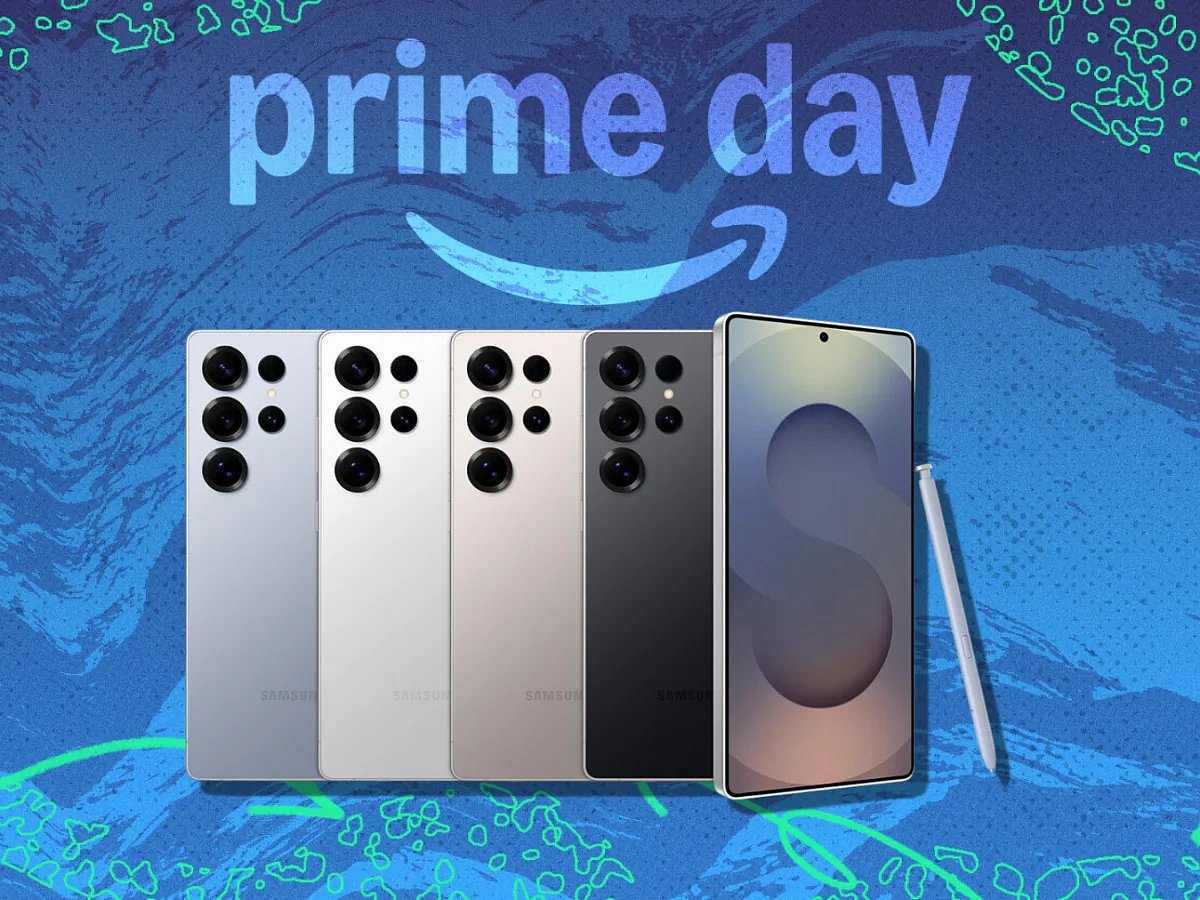
    Amazon Prime Day 2026 has arrived, delivering record-breaking discounts on the Samsung Galaxy S25 Ultra and Galaxy S25 FE. Combined with bank offers, exchange bonuses, and EMI options, the sale presents an unbeatable opportunity for buyers looking to upgrade their smartphones. The event runs through July 6.

    Galaxy S25 Ultra: Rs 45,000 Off Launch Price

    The Galaxy S25 Ultra debuted in India at Rs 1,29,999 and is now available on Amazon for Rs 84,999—a straight discount of Rs 45,000. Using select credit cards adds an extra Rs 3,000 off, bringing the total to Rs 81,999. No-Cost EMI plans start at Rs 2,988 per month.

    Galaxy S25 FE: Rs 15,000 Cut, with a Prime Catch

    Originally priced at Rs 59,999, the Galaxy S25 FE drops to Rs 44,999 during the sale. An additional 5% discount applies to select credit card payments, but that higher cashback is reserved for Prime members. Non-Prime members receive only 3% cashback. No-cost EMI starts at Rs 1,582 per month.

    Price Comparison at a Glance

    • Galaxy S25 Ultra: Rs 84,999 (down from Rs 1,29,999) – save Rs 45,000 + up to Rs 3,000 extra with card offers
    • Galaxy S25 FE: Rs 44,999 (down from Rs 59,999) – save Rs 15,000 + extra cashback for Prime members

    Exchange Offers Add Further Savings

    Shoppers can trade in an old device for an exchange value of up to Rs 41,050, depending on the brand, model, and condition. Stacked with card discounts and EMI options, this significantly lowers the effective cost, especially for those upgrading from older Samsung or competing flagship models. These time-bound Prime Day offers end on July 6, so act fast.