Author: vitorcherulli

  • IFB vs LG Washing Machines: A Comprehensive 2026 Comparison for Indian Homes

    IFB vs LG Washing Machines: A Comprehensive 2026 Comparison for Indian Homes

    Choosing between IFB and LG washing machines depends on your priorities. LG offers smart connectivity, AI-driven features, and low-noise operation, while IFB stands out with superior fabric care, hard-water compatibility, and deep-cleaning performance.

    Purchasing a washing machine can be intimidating, with several models delivering impressive performances and similar specifications. IFB and LG are two leading brands in the home electronics market that offer the best washing machines. Although they serve rather distinct purposes, both companies are renowned for their dependability, effectiveness, and top-notch technology.

    While LG prioritizes silent operation and smart technology, IFB specializes in hard water and intensive usage. To help you make the best choice for your needs, here is a detailed analysis of the two models.

    IFB vs LG Washing Machines

    IFB and LG washing machines provide cutting-edge technology, strong build, and reliable performance for Indian homes. Their advantages, however, vary slightly in terms of features and cost. Here’s a quick overview of how these two brands compare.

    Which One Should You Buy: LG or IFB?

    LG machines are the right choice if you want:

    • Long-lasting motor efficiency with low vibration and noise.
    • Smart controls that can help in monitoring and instant troubleshooting via the ThinQ application.
    • Reliable washing with after-sales service.

    You can depend on IFB machines if you prioritize:

    • High-quality wash with advanced features such as EcoBubble or Hygiene Steam.
    • Fast washes, simple design, and economical water usage.
    • Smart control through AI-based apps.

    Best Picks

    LG Washing Machines

    LG Smart Choice 9 Kg Front-Load Washing Machine: Rs. 41,999. LG Smart Choice is a 9 kg washing machine with AI Direct Drive Technology, Steam Wash, and 6 Motion DD. It is a great option for large families. The washing machine is easy to control with built-in Wi-Fi technology. It is designed for efficient operation and has a 5-star energy rating.

    LG 8 Kg Front-Load Washing Machine: Rs. 37,490. The LG 8 kg washing machine offers automatic features and latest technologies such as Direct Drive Technology, Steam Wash, and 6 Motion DD to provide effective cleaning. This washing machine ensures ease of use and efficiency with Wi-Fi access, a built-in heater, Allergy Care technology, and a touch panel.

    IFB Washing Machines

    IFB 7 Kg 5-Star Front-Load Washing Machine: Rs. 30,990. IFB’s front-load washing machine offers a fully automatic experience with DeepClean Technology and a 7 kg capacity. This washing machine has a 5-star rating, is certified for best-in-class energy efficiency, and comes with a 4-year comprehensive warranty. It runs at a 1200 RPM spin speed and provides 22 wash programs in the IFB app.

    IFB 6 Kg 5-Star Front-Load Washing Machine: Rs. 25,490. IFB Diva is a fully-automatic washing machine with DeepClean Technology and a capacity of 6 Kg. It offers a high spin speed of 1000 RPM, 11 wash programs in the IFB app, and a unique crescent-moon drum design that creates a protective water cushion to prevent damage.

    Final Takeaway

    LG and IFB have been ranked among the top brands of front-load washing machines in India because they are reliable and unique. LG is known for its AI integration, connectivity, quiet operation, and ease of use. This brand suits people looking for contemporary products for their homes. IFB is more suitable for people who want a high-quality wash, fabric care, and durability. Buying the best product comes down to the users’ needs.

    FAQs

    Q1. Which is better, LG or IFB washing machines in 2026?
    Both brands offer excellent performance. LG is better for smart features and quiet operation, while IFB stands out for superior wash quality, fabric care, and hard-water compatibility.

    Q2. Are LG washing machines more energy-efficient than IFB models?
    LG’s Inverter Direct Drive technology helps reduce electricity consumption and noise. However, many IFB models also carry 5-star ratings and are designed for efficient power usage.

    Q3. Which brand offers better smart features, LG or IFB?
    LG has an edge with its ThinQ app, enabling remote control, diagnostics, and cycle customization. IFB also offers app-based features, but on fewer models.

    Q4. Is IFB a good choice for homes with hard water?
    Yes, IFB washing machines feature technologies such as Aqua Energie and DeepClean that enhance washing performance and help protect clothes in hard-water environments.

    Q5. Which brand provides better after-sales service in India?
    Both brands have strong service networks. LG is often praised for quicker spare-part availability, while IFB is recognized for reliable customer support and maintenance services.


  • MemeCore Surges 3,500% as Dogecoin and Shiba Inu Face Market Headwinds

    MemeCore Surges 3,500% as Dogecoin and Shiba Inu Face Market Headwinds

    The meme coin market has entered a difficult phase in 2026. Big names like Dogecoin (DOGE) and Shiba Inu (SHIB), which once led this space, now face strong pressure. Prices remain weak, market excitement has dropped, and many traders have started to look for fresh opportunities.

    Given this shift, a new project called MemeCore has started to catch major attention. Recent market data shows that while older meme coins continue to struggle, MemeCore has quickly become one of the most talked-about names in crypto.

    Dogecoin Faces Weak Momentum

    Dogecoin has remained the biggest meme coin for many years. It started as a joke but later became one of the most popular cryptocurrencies after strong support from online communities and public figures.

    However, DOGE has lost momentum in recent weeks. Latest market data shows Dogecoin trading close to $0.09, with a 5% drop over the last seven days. Price charts show repeated failed recovery attempts, which have raised concern among traders.

    The problem for Dogecoin right now comes from lower buying pressure. During earlier market rallies, DOGE moved fast given hype and social media attention. This time, that excitement has become much weaker.

    Shiba Inu Also Remains Under Pressure

    Shiba Inu once stood as the biggest competitor to Dogecoin. The project built a strong community and later expanded with products like Shibarium, which aimed to create a larger ecosystem around the token.

    But recent performance shows SHIB also faces difficulties. Current data places SHIB near $0.0000060, while overall trading activity has stayed relatively weak. Price movement has remained slow for several weeks.

    Even though developers continue to work on ecosystem growth, market interest has fallen compared with earlier years. During the last major meme coin rally, SHIB attracted massive retail demand. Right now, that same excitement no longer exists at the same level.

    The Meme Coin Sector Slows Down

    The struggle of DOGE and SHIB reflects a bigger change in the meme coin market. Industry reports show the total meme coin sector has lost a large part of its earlier market value after strong corrections hit speculative crypto assets.

    In past years, meme coins mostly depended on internet jokes, hype, and social media trends. But the market now looks very different. Many investors now prefer projects that offer stronger token systems, lower transaction costs, and bigger ecosystems instead of tokens that survive as a result of popularity.

    MemeCore Quickly Gains Attention

    MemeCore has become one of the biggest surprise projects of this year. Unlike older meme coins, MemeCore has built interest not only through community hype but also through technical improvements.

    One major update this year reportedly reduced network transaction costs by nearly 100 times, which immediately attracted attention across the crypto market. After this update, the native token called M saw a massive rally. The project soon became one of the fastest-rising meme assets in the entire sector.

    MemeCore Overtakes SHIB in Market Value

    One of the biggest crypto stories this year came after MemeCore reportedly moved past Shiba Inu in market capitalization for a short period. Recent reports showed MemeCore reaching almost $4.79 billion in market capitalization, which briefly made it the second-largest meme coin after Dogecoin.

    This sudden jump brought huge market attention. Many traders started to view MemeCore as the next possible breakout project in the meme coin sector.

    Strong Growth Despite Price Pullback

    Current data shows the token trading below its all-time high of $4.82, while the project still holds a fully diluted valuation above $15 billion. Over the last seven days, price data shows a correction between 8% and 11%.

    Even after this decline, long-term numbers remain extremely strong. Some market analysts estimate MemeCore has delivered returns of more than 3,500% since launch, one of the strongest performances among new crypto projects this cycle.

    Could MemeCore Become the Next Big Winner?

    The crypto market often rewards projects that bring something new. Right now, Dogecoin and Shiba Inu continue to face slower growth and weaker momentum. Meme coins still remain risky assets, and sharp price drops can happen anytime. But current trends show that the market no longer rewards hype alone. If this trend continues, MemeCore may become the next major winner in the meme coin market, while DOGE and SHIB continue to fight through one of their toughest periods in recent years.

  • Solana Surges Past $70 as ETF Inflows Hit $1.45 Billion – Is Institutional Demand Fueling the Next Rally?

    Solana Surges Past $70 as ETF Inflows Hit $1.45 Billion – Is Institutional Demand Fueling the Next Rally?

    Solana has reclaimed the crucial $70 price level, sparking renewed optimism across the cryptocurrency market. The move above this key resistance comes on the back of massive exchange-traded fund (ETF) inflows totaling $1.45 billion, alongside rising institutional participation and robust network activity. Analysts now eye targets at $75, $85, and even $97 if bullish momentum persists.

    Key Takeaways

    • Solana climbed from recent lows near $61.50 to trade between $71 and $72.
    • Spot Solana ETFs have attracted nearly $1.45 billion in cumulative inflows since launch.
    • Major financial institutions, including Goldman Sachs, now hold Solana ETF exposure worth $108 million.
    • Technical indicators show recovery, with the 14-day RSI bouncing from oversold levels.
    • Strong on-chain activity from projects like Jupiter and Pump.fun supports network fundamentals.

    ETF Demand Ignites Market Sentiment

    The primary driver behind Solana’s resurgence is surging demand for spot Solana ETFs. Throughout 2026, institutional investors have steadily increased allocations to Solana products, even during broader crypto market weakness. Data shows total inflows into Solana ETFs have reached $1.45 billion, signaling a structural shift in capital flow. This pattern mirrors earlier rallies seen in Bitcoin and Ethereum after their own ETF launches, where institutional buying provided a robust price floor.

    Institutional Giants Enter the Arena

    Another major catalyst stems from participation by traditional finance titans. Earlier this year, reports confirmed that Goldman Sachs holds approximately $108 million in Solana ETF exposure. Such institutional involvement boosts market confidence, as large investors typically commit for the long term, reducing volatility and supporting sustained upward movement.

    Network Activity Remains Strong

    Beyond ETF demand, Solana’s blockchain continues to thrive. High-traffic platforms such as the decentralized exchange aggregator Jupiter and meme token platform Pump.fun dominate network usage. Elevated transaction volume leads to higher fee generation and increased demand for SOL tokens, underpinning the asset’s fundamental value.

    Technical Indicators Turn Bullish

    From a technical standpoint, Solana’s 14-day Relative Strength Index (RSI) fell to 28 earlier this month, indicating oversold conditions historically preceding short-term recoveries. Price has since bounced from the $61.50 low, and the $65 support zone has held firm. The break above $70 has shifted market sentiment from bearish to cautiously optimistic.

    Risks and Caution

    Despite the positive momentum, risks remain. Broader market weakness persists; Bitcoin ETFs saw nearly $2.97 billion in outflows over a ten-session stretch earlier in June. If global financial uncertainty returns, risk assets like Solana could face renewed selling pressure. However, strong structural inflows provide a buffer that many other cryptocurrencies lack.

    What Lies Ahead for Solana?

    The immediate resistance stands at $75. A decisive breakout above that level could open the door to $85, where previous selling pressure emerged. Beyond that, the $97 mark represents a critical milestone for confirming a broader uptrend in the second half of 2026. The combination of institutional ETF demand, vibrant network activity, and improving technicals gives Solana a solid foundation for further gains.

    Disclaimer: This article is for informational purposes only and does not constitute financial advice. Cryptocurrency investments carry risk. Always conduct your own research before investing.

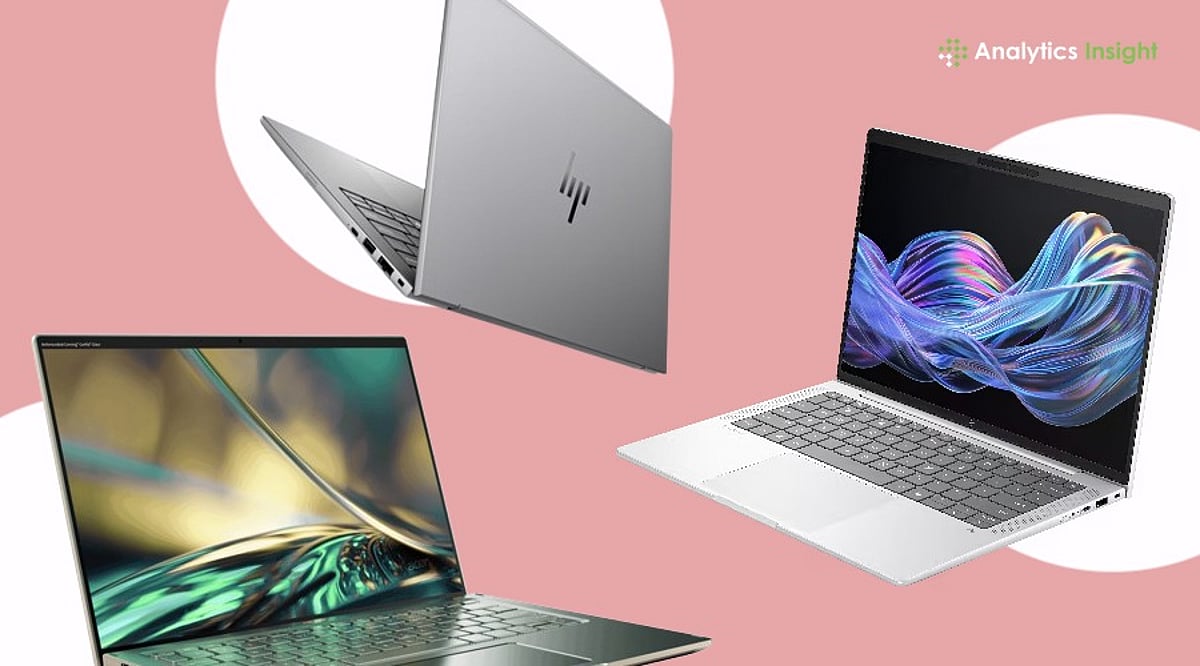
  • Top AI-Powered Laptops and Workstations for Maximum Productivity in 2026

    Top AI-Powered Laptops and Workstations for Maximum Productivity in 2026

    Key Takeaways

    • Dedicated AI chips now allow laptops to handle advanced tasks locally without relying on the cloud.
    • Battery efficiency has surged, with some AI laptops delivering up to 22 hours of real-world use.
    • AI-powered computers have become essential tools for business, creative work, and professional productivity.

    The laptop market has undergone a dramatic transformation in 2026. Artificial intelligence is now a primary driver for computer upgrades. Modern laptops come equipped with specialized AI hardware that accelerates tasks, conserves battery, boosts speed, and simplifies everyday workflows. These machines no longer depend solely on cloud-based AI tools—advanced AI processes now run directly on the device.

    Industry experts have crowned 2026 as the year of the ‘AI PC.’ Major players like Apple, Microsoft, Intel, AMD, and Qualcomm are heavily focused on AI-powered computers. Market reports indicate that AI laptops are among the fastest-growing segments in the global PC market. Businesses increasingly demand systems capable of handling AI assistants, smart automation, real-time translation, rapid content creation, and advanced office applications.

    Apple MacBook Air M5 Dominates Premium AI Computing

    The Apple MacBook Air M5 stands out as one of the most powerful AI laptops in 2026. Apple’s new M5 chip features a significantly faster Neural Engine that executes AI tasks directly — without heavy internet reliance. The machine effortlessly manages smart writing tools, document summaries, image generation, voice cleanup, and AI-driven editing. Its nearly 18-hour battery life makes it ideal for professionals working long hours. Apple’s seamless hardware-software integration ensures AI features feel faster and more intuitive than many competitors. Market demand for Apple’s AI-focused devices remains exceptionally strong as of mid-2026.

    HP OmniBook Ultra 14 Leads Windows AI Innovation

    HP has made a bold entry into the AI laptop arena with the HP OmniBook Ultra 14. Powered by Qualcomm’s Snapdragon X2 Elite processor, it is one of the most capable Windows AI laptops this year. The device sports an 18-core processor and supports up to 64GB LPDDR5X memory. Independent testing in June 2026 revealed nearly 22 hours of real-world battery life, surpassing many premium rivals. This laptop excels at AI-powered tasks such as background noise removal during video calls, live translation, smart meeting summaries, and advanced automation — marking a major leap forward for ARM-based Windows machines.

    Lenovo Yoga Slim 7x Wins Over Business Users

    Business professionals have embraced the Lenovo Yoga Slim 7x as their preferred 2026 laptop, thanks to its Snapdragon X Elite chipset and dedicated AI processor that enhance workplace efficiency. With 32GB of memory and a stunning 3K OLED display, it delivers approximately 18 hours of battery life under typical office use. The system handles complex spreadsheets, AI meeting assistants, smart presentation tools, and office automation applications with ease. As AI applications become integral to daily business operations, companies increasingly favor such systems over traditional business laptops.

    Asus ProArt PX13 Redefines Creative Workstations

    Creative professionals demand computers that can handle AI-driven design software without lag. The Asus ProArt PX13 has emerged as a top workstation for creators in 2026. It combines AMD Ryzen AI processors with a dedicated 50 TOPS NPU and powerful NVIDIA graphics. Applications like Adobe Photoshop AI tools, image upscaling, video rendering, and local generative AI models run significantly faster than on older systems. A major advantage is local AI processing — many tasks occur directly on the machine, improving speed, reducing wait times, and enhancing privacy for users working on sensitive projects.

    Acer Swift 16 AI Balances Performance and Value

    The Acer Swift 16 AI is an excellent choice for users seeking strong AI performance without workstation-level pricing. It strikes a fine balance between price, performance, battery life, and AI capability. Powered by Intel’s latest AI hardware architecture and fully supporting Microsoft Copilot+ features, recent benchmarks place it among the best laptops released in 2026. It comfortably handles software development, office work, AI research, multitasking, and creative projects. Excellent heat management keeps the system reliable during heavy workloads.

    AI Laptop Technology Reaches New Heights

    The biggest change in 2026 is the widespread adoption of dedicated Neural Processing Units (NPUs). These processors now deliver between 40 and 80 TOPS (trillion operations per second). AMD Ryzen AI and Qualcomm Snapdragon X Elite processors have dramatically boosted local AI performance. Research published in June 2026 showed that optimized AI workloads on modern NPUs reduced inference latency by up to 121% while cutting energy consumption by more than 64%. This proves that AI hardware is now a critical component of modern computing, not just a premium add-on.

    Final Outlook for AI Productivity Machines

    A massive hardware shift has made AI capabilities standard across the laptop market. Instead of relying on cloud processing, modern machines handle heavy automation, asset generation, and workplace productivity tools locally on specialized chips. The latest MacBook Air, HP OmniBook, and Lenovo Yoga models illustrate how the PC market has evolved. Buyers no longer need to pay extra for AI hardware — companies are building these chips into their base configurations as standard features.

    Frequently Asked Questions

    What is an AI-powered laptop?
    It is a computer built with a dedicated Neural Processing Unit (NPU) to run complex artificial intelligence tasks locally.

    Why are AI laptops important in 2026?
    They drastically reduce processing delays, cut power consumption by 64%, and enable offline tools like real-time translation and smart automation.

    Which companies lead the AI laptop market?
    Apple, HP, Lenovo, Asus, and Acer dominate hardware delivery, powered by cutting-edge chips from Intel, AMD, and Qualcomm.

    What is an NPU in AI laptops?
    A Neural Processing Unit is a specialized processor handling up to 80 trillion operations per second for faster, private AI workloads.

    Are AI laptops better than traditional laptops?
    Yes, they offer superior battery efficiency, lower latency for modern applications, and eliminate complete reliance on slow, cloud-based AI servers.

  • Top Parental Control Apps for 2026: Cross-Device Protection and AI Monitoring

    Top Parental Control Apps for 2026: Cross-Device Protection and AI Monitoring

    Parental controls have evolved far beyond simple website blocking and screen time limits. In 2026, families need tools that work seamlessly across smartphones, tablets, PCs, and gaming consoles, while also addressing the rise of AI-powered platforms. The best solutions now combine content filtering, app controls, location tracking, and behavioral reporting in a single dashboard, shifting from restriction to guidance.

    What Matters Most in a Parental Control Tool

    Cross-device coverage is no longer a premium feature—it’s the baseline. Children use multiple devices throughout the day, including school-owned ones. A tool limited to one platform leaves gaps. Modern parental controls must also tackle AI chatbots and generative AI, which traditional filters often miss. Providers that ignore this risk losing visibility into a growing part of a child’s digital life.

    Top Parental Control Tools for 2026

    Qustodio

    Qustodio remains the most comprehensive option for mixed-device households. It supports Android, iOS, Windows, macOS, and Kindle under one subscription. Its dashboard delivers detailed activity reports showing specific apps used, websites visited, and search terms. For families juggling multiple device types, Qustodio offers unmatched depth and usability.

    Bark

    Bark focuses on conversations rather than websites. It monitors messaging apps, email, and social media using AI to detect cyberbullying, self-harm discussions, explicit content, and predatory communication. Alerts are sent only when something concerning arises, making it ideal for parents who want targeted protection without reviewing every message.

    Google Family Link

    For Android-first households, Google Family Link is the strongest free choice. It provides app approvals, daily screen time limits, location sharing, and remote device locking at no cost. While not as deep as paid platforms, it reliably covers the essentials for younger children.

    Microsoft Family Safety

    Microsoft Family Safety is the practical pick for Windows-heavy homes. Screen time controls, web filtering, location sharing, and activity reports integrate through existing Microsoft accounts, minimizing setup friction. Xbox integration makes it especially useful for families managing gaming alongside schoolwork.

    Norton Family

    Norton Family excels at web supervision. Detailed browsing reports, search monitoring, and content filtering give parents clear visibility into internet activity. It’s less strong for communication monitoring but remains dependable for everyday browsing management.

    Age Shapes the Right Tool

    A setup that works for a nine-year-old often feels restrictive to a fifteen-year-old, inviting workarounds. Younger children benefit from content filters and screen time limits; teenagers need more flexibility with safeguards focused on genuine risks. The most effective strategy is to adjust controls over time, evolving from restriction to guidance.

    The Transparency Factor

    Explain your monitoring openly. When children feel watched without understanding why, they often bypass controls. Clear communication builds trust and cooperation. Software should support conversations about online safety, not replace them.

    What Comes Next

    Parental control platforms are moving from static filters to AI-driven behavioral pattern recognition. The future is about guiding children toward healthy habits, awareness, and judgment—tools that work with families, not against them.

    FAQ

    1. What is the best parental control app for families in 2026? Qustodio is often the strongest all-around choice for its cross-device support and unified dashboard.

    2. Are parental control apps effective across multiple devices? Yes. Leading platforms work on Android, iOS, Windows, and Mac, allowing consistent management.

    3. Can parental control tools monitor AI chatbots? Coverage varies; check if a platform offers reporting for AI services.

    4. What features should parents look for? Content filtering, screen time management, app controls, location tracking, activity reports, and cross-platform compatibility.

    5. Do these apps replace conversations about online safety? No. The best approach combines technology with ongoing discussions about behavior and privacy.

  • Top Low-Fee Crypto Exchanges in India for 2026: A Detailed Comparison

    Top Low-Fee Crypto Exchanges in India for 2026: A Detailed Comparison

    In 2026, crypto trading fees have become even more critical for Indian investors due to strict tax rules. With a 30% tax on profits and a 1% TDS on every transaction, every fee counts. Several exchanges now offer competitive rates, making it essential to choose wisely. This article compares the lowest-fee crypto exchanges in India for 2026, including MEXC, Binance, CoinSwitch, Mudrex, and CoinDCX.

    Why Low Fees Matter More in 2026

    Crypto exchange fees can quickly erode profits. Even small charges add up over many trades. Beyond trading fees, users face withdrawal costs, deposit fees, conversion charges, and spreads. With India’s heavy crypto taxation, traders now prioritize platforms that minimize extra charges. This trend has made low-fee exchanges more popular than ever.

    MEXC: The Lowest Overall Fees

    MEXC has become a top choice for Indian traders, primarily due to its extremely low fees. Many trading pairs offer 0% maker and 0% taker fees under special promotions, helping active traders save significantly. The exchange supports over 2,000 cryptocurrencies, attracting those who trade newer altcoins. Market reports in 2026 consistently rank MEXC among the cheapest exchanges worldwide.

    Binance: Great Value and Liquidity

    Binance remains a strong option for Indian users despite past regulatory issues. Its standard spot trading fee is 0.10%, which is highly competitive. Users holding Binance’s native BNB token can reduce fees further. Large trading volumes also provide better pricing. For serious traders, Binance continues to be a low-cost powerhouse.

    CoinSwitch: Simple and Affordable for Indian Retail Investors

    CoinSwitch has gained traction among retail investors in 2026. It focuses on easy crypto investing and seamless INR transactions. Fees can be as low as 0.015% on selected Web3 assets, attracting younger investors. The simple app design and quick signup process make it ideal for beginners. For those seeking an Indian platform with lower fees, CoinSwitch is a strong contender.

    CoinDCX: Trusted and Compliant

    CoinDCX continues to be a reliable Indian exchange, with strong compliance to local regulations. Its spot trading fees typically range from 0.1% to 0.2%, keeping it competitive with international platforms. Operating under Indian regulations makes it preferred for easier tax reporting and greater trust.

    Mudrex: Growing Fast with Security and Low Fees

    Mudrex has seen significant growth, attracting first-time investors with its simple design, robust security, and affordable fee structure. The platform charges zero crypto deposit fees, and trading fees remain competitive. Mudrex emphasizes asset security and insurance protection, building trust among new crypto investors in India.

    Latest Crypto Exchange News in 2026

    One major development in June 2026 was Coinbase’s official return to India, offering direct INR deposits and withdrawals via IMPS banking support. This move increases competition among exchanges. Another trend is the rise of Proof of Reserves systems, where exchanges publish reserve reports more frequently to assure users of fund safety. Transparency has become a top priority after several global exchange failures.

    Final Best Low-Fee Crypto Exchanges in India

    Currently, the lowest-fee crypto exchange in India is MEXC, with zero-fee promotions and a vast coin selection. Binance follows with strong liquidity and low fees. CoinSwitch offers a simple, low-cost option for retail users. Mudrex is popular for security and affordable pricing. CoinDCX remains trusted for local compliance. The best exchange now balances low fees, security, compliance, smooth INR support, and trust.

    FAQs

    Which crypto exchange has the lowest fees in India in 2026?
    MEXC currently offers the lowest fees with zero-fee trading promotions.

    Is Binance legal for Indian crypto users?
    Binance continues to serve Indian users while improving compliance standards.

    Why do exchange fees matter so much now?
    India’s 30% tax and 1% TDS make low fees more important for preserving profits.

    Which Indian crypto exchange has low fees?
    CoinSwitch, Mudrex, and CoinDCX offer competitive pricing for Indian traders.

    What is the biggest crypto exchange trend in 2026?
    Greater focus on proof of reserves, lower fees, and stronger regulatory compliance.

    Disclaimer: This article is for informational purposes only and does not constitute financial advice. Cryptocurrencies are risky; always do your own research before investing.

  • Best IPO Index Funds in India to Watch in 2026

    Best IPO Index Funds in India to Watch in 2026

    India’s fast-growing IPO market has sparked strong interest in funds that offer exposure to newly listed companies. While pure IPO index funds are still limited in the country, several mutual fund and index fund options provide compelling access to recent public offerings and emerging market leaders. This guide explores the top choices for investors in 2026.

    Why IPO-Related Funds Are Gaining Traction

    India is experiencing one of its strongest IPO cycles, with major companies preparing for public listings. Upcoming issues like Jio Platforms (expected over Rs. 30,000 crore) and the National Stock Exchange (also around Rs. 30,000 crore) have fueled retail and institutional enthusiasm. SBI Funds Management has also received regulatory approval for its IPO. These large listings could attract global investment and broaden retail participation, making IPO-focused funds a key wealth creation theme.

    IPO-related funds allow investors to participate in early growth stages after a company’s stock market debut, without the uncertainty of direct IPO allotment. They offer diversification and professional management, though they carry higher risk due to the volatility of newly listed companies.

    Top IPO Index and Mutual Funds in India (2026)

    1. Edelweiss Recently Listed IPO Fund

    This is the closest option to a dedicated IPO fund in India. It invests primarily in companies listed within the last three years, offering exposure to their early growth phase. The fund has an AUM over Rs. 1,000 crore, a NAV near Rs. 31.95, and a minimum SIP of just Rs. 100. Its portfolio spans technology, healthcare, financial services, and manufacturing. Risk is high due to the focus on new companies.

    2. Nippon India Nifty Next 50 Index Fund

    Though not a direct IPO fund, this passive fund tracks the Nifty Next 50 index, which includes companies just below the top 50. Many successful IPOs eventually enter this category before moving to larger indices. It offers low expense ratios and strong institutional backing, making it a cost-effective way to gain indirect IPO exposure.

    3. UTI Nifty 50 Index Fund

    This trusted passive fund provides long-term exposure to India’s largest companies. While it doesn’t directly invest in IPOs, it automatically benefits when newly listed firms grow and enter the Nifty 50. With over Rs. 27,000 crore in AUM, low expense ratio, and minimal tracking error, it’s ideal for stable, diversified growth.

    4. HDFC Nifty Next 50 Index Fund

    Similar to the Nippon fund, this one focuses on companies with potential to become blue-chip stocks. Many recent IPOs enter this index after successful expansion. It offers higher growth potential than Nifty 50 funds, with the advantages of passive management and no stock selection bias.

    5. Motilal Oswal Midcap and Emerging Index Funds

    These funds target midcap and emerging companies, many of which are recent IPOs in sectors like electric vehicles, fintech, manufacturing, and consumer technology. They provide indirect access to India’s IPO ecosystem, as newly listed firms often start in the midcap space before ascending to large-cap status. Several 2026 IPOs have delivered listing gains of 70% to 150%.

    Final Outlook for 2026

    India’s stock market stands at a pivotal stage with rising public listings and strong investor participation. While pure IPO index funds remain scarce, the options above—focused on recently listed companies, emerging businesses, and future leaders—offer viable pathways. Investors should weigh the higher risk against potential rewards and consider their long-term goals.

    Frequently Asked Questions

    1. What is an IPO index fund?
    It’s a fund that gives exposure to newly listed companies after their IPO launch.

    2. Does India have dedicated IPO index funds?
    India has limited direct IPO funds, but several funds focus on recently listed companies.

    3. Which fund is closest to an IPO fund in India?
    The Edelweiss Recently Listed IPO Fund is one of the closest options available.

    4. Are IPO-related funds risky?
    Yes, these funds usually carry high risk because new companies can show price volatility.

    5. Why are IPO funds popular in 2026?
    Large upcoming IPOs and strong stock market growth have increased investor interest.

  • Understanding Claude AI Tokens: Context Windows and Token Limits Explained

    Understanding Claude AI Tokens: Context Windows and Token Limits Explained

    Artificial intelligence models like Claude rely on tokens to process text, understand questions, retain context, and generate responses. Tokens and context windows are fundamental to how the system operates. With recent upgrades, Claude now supports up to 1 million tokens in a single context window, enabling larger tasks and improved performance.

    What Are Tokens in Claude AI?

    Tokens are small units of text that an AI model reads instead of processing full sentences as humans do. A token can be a complete word, part of a word, a punctuation mark, or even a space. For example, the phrase “Artificial Intelligence” may use two to four tokens depending on how the system splits the text. Generally, 1,000 tokens equal about 750 English words.

    Every Claude interaction uses tokens in two ways: input tokens (the text you provide) and output tokens (the AI’s response). Both count toward the total token limit. Every question, document, command, and response consumes part of this capacity.

    What Is a Context Window?

    A context window is the amount of information Claude can keep in memory at one time. It functions like temporary memory that helps the AI understand everything within a conversation. The context window includes the prompt, earlier messages, uploaded files, instructions, and previous responses. Claude reviews all this information before generating an answer.

    If a conversation becomes too long and the token limit is reached, older information begins to drop from memory, which can reduce answer quality. Older Claude models had a context window of 200,000 tokens—already much larger than many competing systems.

    Latest Claude Token Limits in 2026

    Anthropic made significant improvements to Claude in 2026, pushing token capacity much further. The latest models now support around 1 million tokens in a single context window:

    • Claude Sonnet 4.6 handles 1,000,000 tokens.
    • Claude Opus 4.6 also supports 1,000,000 tokens.
    • Claude Opus 4.8 expands further with dynamic workflow systems for even larger and more flexible processing.

    A 1 million token context window equals roughly 700,000 to 750,000 words—enough to process several books, analyze huge research documents, or examine large software codebases in one session. Few commercial AI systems currently offer memory at this scale.

    Why Token Limits Matter

    Larger context windows allow longer conversations without losing details, which is crucial for maintaining instructions across multiple messages. They also simplify document analysis: long contracts, reports, research papers, and technical documents stay in memory instead of being broken into smaller parts. Software developers benefit because Claude can review entire code repositories at once, detecting errors and improving code structure. More context also reduces incorrect answers, as Claude can check more details before responding.

    Extra Usage Limits in Claude

    Large context windows do not mean unlimited access. Anthropic imposes additional compute controls for heavy workloads. Current systems use a 5-hour rolling usage window to limit activity within a short period. Weekly compute limits also exist for frequent large-task users. Each session tracks token usage separately, and API users who exceed normal limits may face additional pay-as-you-go billing. These measures prevent overload while keeping performance stable.

    New Claude Efficiency Updates

    In May 2026, Claude Opus 4.8 introduced customizable effort levels. Simple tasks can use fewer reasoning tokens, while complex tasks can draw more processing power as needed. This improves cost control and efficiency. Another major update is Dynamic Workflows, which allows Claude to split large tasks across multiple AI sub-agents within one session, making complex tasks faster and token usage more organized.

    Future of Large Context AI Models

    Context window size is becoming a key area of AI development. Claude’s move to 1 million tokens shows the direction of the industry—toward long memory, large document understanding, complete software analysis, and advanced multi-step task execution. As models grow more powerful, token efficiency will become as important as intelligence itself. Claude’s token architecture demonstrates how modern AI relies on smart memory management and efficient token usage.

  • Indian Stock Market Set to Open Higher as Brent Crude Drops 1.80% to $72.41 – Nifty, Sensex Outlook

    Indian Stock Market Set to Open Higher as Brent Crude Drops 1.80% to $72.41 – Nifty, Sensex Outlook

    The Indian stock markets are expected to open higher on Thursday, supported by mixed global cues and a sharp decline in oil prices. GIFT Nifty was trading at 24,133.5, indicating a gap-up start with a premium of 110.5 points over the previous Nifty futures close.

    Brent crude futures fell 1.80% to $72.41 a barrel, while US West Texas Intermediate (WTI) dropped 1.59% to $69.22 a barrel. The fall in crude prices is seen as a positive for India, a major oil importer, as it helps reduce input costs and inflation pressures.

    Previous Session Recap

    On Wednesday, the Sensex surged 790.54 points, or 1.04%, to close at 76,991.22, while the Nifty 50 advanced 197.55 points, or 0.83%, to settle at 24,021.65. Foreign Institutional Investors (FIIs) remained net sellers, offloading shares worth Rs. 1,843 crore. Domestic Institutional Investors (DIIs) net bought Rs. 3,637 crore, providing support to the market.

    Sector-wise, Realty and IT indices outperformed, rallying over 2%, whereas the Defence index was the worst performer, shedding over 2%.

    Sensex Technical Outlook

    Technically, the Sensex formed a promising reversal pattern on intraday charts and a bullish candle on daily charts. Shrikant Chouhan, Head of Equity Research at Kotak Securities, said, “We are of the view that as long as the market is trading above 76,700, the pullback formation is likely to continue. On the higher side, the rally could extend to 77,500-77,700. On the flip side, below 76,700, sentiment could change. Below this level, the market could retest 76,400-76,200.”

    Nifty 50 Technical Outlook

    The Nifty 50 staged a strong rebound on Wednesday and managed to close above the psychologically important 24,000 level. On the daily chart, the index formed a bullish piercing line candlestick pattern, indicating strong buying demand near the support zone around 23,800. This support area is significant as it coincides with the previous gap zone and the confluence of the 20-day and 50-day exponential moving averages (EMAs).

    Bajaj Broking Research noted, “Nifty managed to hold above the support area of 23,800 and witnessed a pullback. Going ahead, bias remains positive and the index is expected to head higher towards last week’s high of 24,190 levels in the coming session. Dips, if any, towards 23,900 should be used as a buying opportunity.” Immediate support is seen around 23,900, while stronger short-term support is placed in the 23,500-23,600 zone. On the upside, the next major resistance is near 24,600.

    Bank Nifty Technical Outlook

    The Bank Nifty rose 966.60 points, or 1.69%, to close at 58,150.35, forming a bullish engulfing pattern on the daily chart. Bajaj Broking said, “Going ahead, bias remains positive and the index is expected to gradually head towards 59,200 levels in the coming sessions, being the measuring implication of the recent range breakout and the 138.2% external retracement of the previous decline 57,456-52,783.” Technical indicators continue to support the positive outlook. The lows recorded over the past two weeks near 57,000 remain a crucial support zone, and the index is expected to maintain its bullish bias as long as it holds above this level.

    Disclaimer: This article is for informational purposes only and does not constitute investment advice. Readers are encouraged to conduct their own research before making any investment decisions.

  • MCX Gold Slides to ₹1,40,748 as US Dollar Index Remains Firm Above 101; Fed Rate Hike Outlook Weighs

    MCX Gold Slides to ₹1,40,748 as US Dollar Index Remains Firm Above 101; Fed Rate Hike Outlook Weighs

    Gold prices traded lower on the Multi Commodity Exchange (MCX) on June 24, as the US dollar index held above the 101 mark amid growing expectations of additional monetary tightening by the Federal Reserve. August gold futures declined 0.37%, settling at ₹1,40,748 per 10 grams. Meanwhile, July silver futures slipped 1.07% to ₹2,10,801.

    In the international market, Brent crude futures fell 1.68% to $72.50 a barrel, while US West Texas Intermediate (WTI) crude dropped 1.46% to $69.31 a barrel. The CME FedWatch Tool indicates that traders now anticipate three rate hikes from the US Federal Reserve this year, with a 67% probability of a September increase.

    Domestic Gold Prices

    In the domestic spot market, 24K gold fell by ₹278 to ₹1,40,130 per 10 grams, and 22K gold decreased by ₹255 to ₹1,28,450. City-wise rates were largely uniform: Mumbai and Kolkata quoted ₹1,40,130, Delhi ₹1,40,280, and Chennai ₹1,45,630.

    US Gold Prices

    US gold prices extended their losses on Thursday, trading near a more than seven-month low touched in the previous session. Spot gold dropped 0.4% to $3,985.89 per ounce, while US gold futures for August delivery eased 0.2% to $4,001.60 per ounce.

    Spot silver fell 0.2% to $57.33 per ounce, platinum lost 0.2% to $1,575.85, and palladium gained 0.3% to $1,170.25.

    Key Levels to Watch

    According to independent metals trader Tai Wong, “The market is pricing a rate hike as soon as September due to a hawkish Fed. A surging dollar and lower inflation expectations are weighing on precious metals.” Wong added that while a collapse is unlikely, gold may remain in a prolonged consolidation phase due to weak demand.

    On MCX, gold has support at ₹1,40,000 and ₹1,38,800, and resistance at ₹1,42,400 and ₹1,43,350. Silver has support at ₹2,09,100 and ₹2,05,000, with resistance at ₹2,16,600 and ₹2,21,000.