Category: Augmented Reality

  • Meta Connect 2026: Enhanced AI Glasses, VR Upgrades, and New Gaming Features Unveiled

    Meta Connect 2026: Enhanced AI Glasses, VR Upgrades, and New Gaming Features Unveiled

    Meta Connect 2026 Unveils New Devices

    Meta Connect 2026 focused heavily on artificial intelligence, smart glasses, and virtual reality. The company announced new wearable devices alongside upgrades to existing Ray-Ban Meta products. Meta also showcased new gaming, entertainment, and AI features designed to expand how users interact with its growing ecosystem of connected devices.

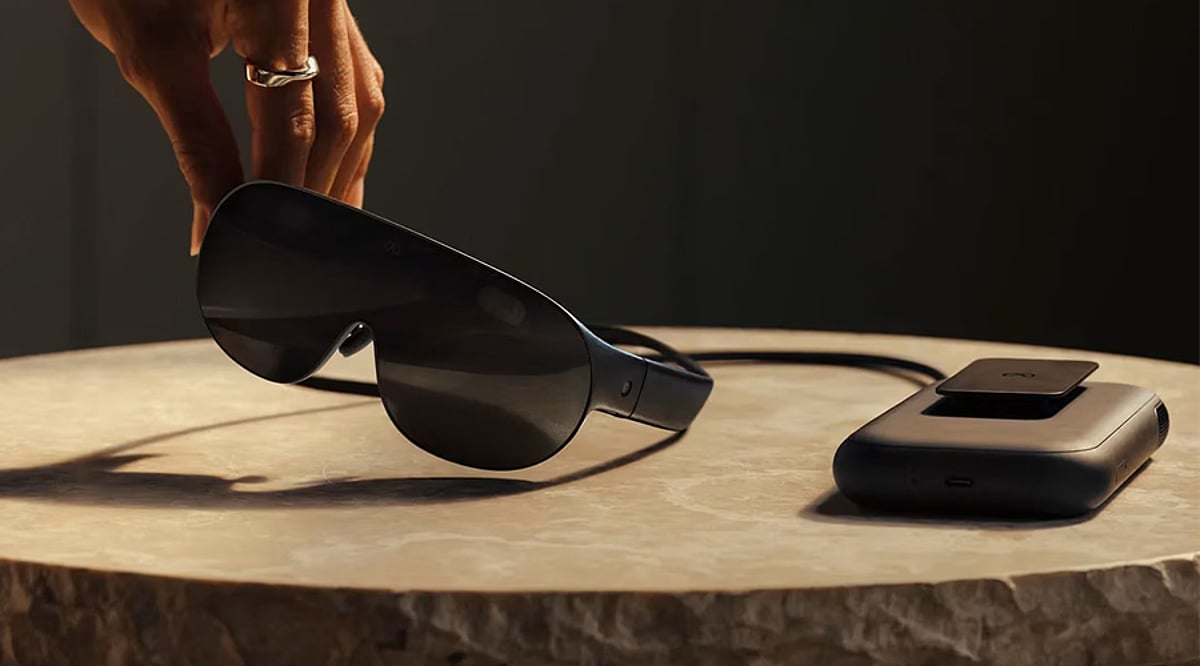
    Meta’s New VR Glasses

    Meta introduced new VR Glasses priced at $1,300, with availability planned for next spring. The glasses weigh about 100 grams and use magnesium alloy frames. They feature pancake lenses, a 5K display, and full-color passthrough, plus Dolby Vision, Dolby Atmos spatial audio, and IMAX Enhanced certification.

    Ray-Ban Meta Gets New Audio Model

    Meta announced Ray-Ban Meta Audio, a new smart glasses model without a camera. The glasses focus on audio features, including Meta AI, music, podcasts, and voice calls. Meta says the glasses can deliver up to 12 hours of battery life, while the charging case provides up to 48 additional hours.

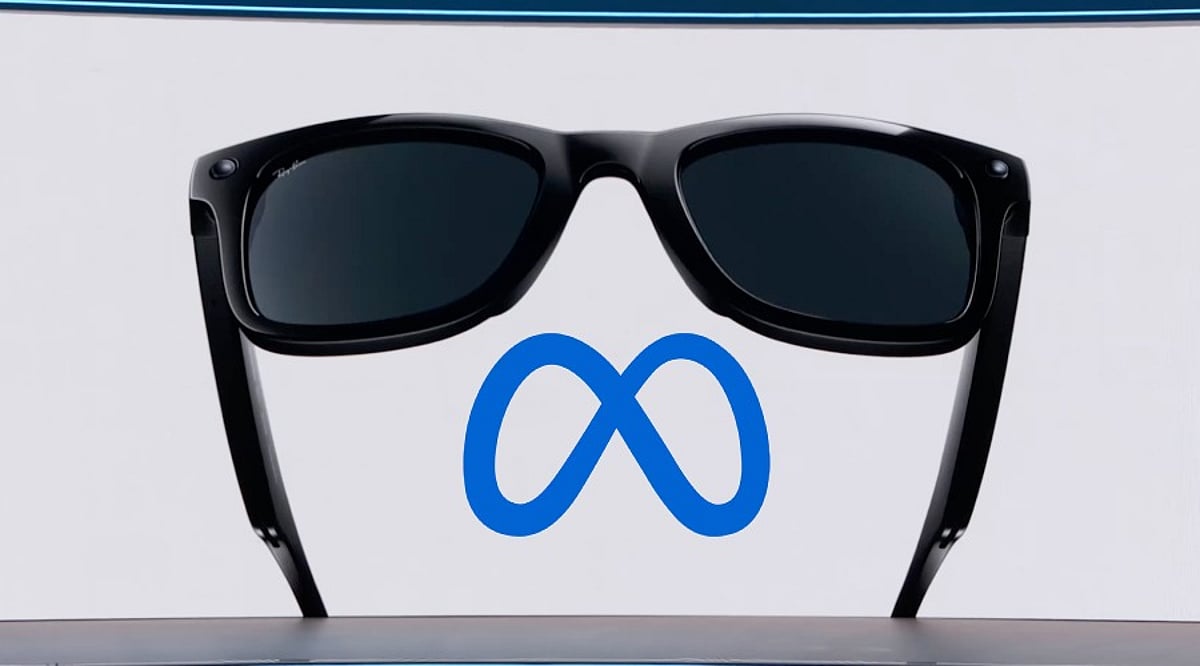
    Ray-Ban Meta Gen 3 Announced

    The third-generation Ray-Ban Meta smart glasses come with a slimmer design and a dedicated Meta AI button. Battery life has also increased to up to nine hours. The glasses feature a 12MP camera that can record 3K video and a six-microphone system designed to reduce background noise.

    Ray-Ban Meta Display Expands

    Meta is expanding the availability of Ray-Ban Meta Display, with US customers able to order the glasses online for $799. New features include cycling and public-transit directions, landmark-based walking navigation, video-call holograms, photo editing, Dolby Atmos video capture, and mirrored smartphone notifications.

    More Games And Entertainment

    Meta also announced several gaming and entertainment updates. Beat Saber is getting hand tracking and a new Flux mode with 35 songs initially. Supernatural is returning to the Meta Horizon Store, while Payday: Aces High, Tetris Effect and Ace Attorney: Dual Destinies are also coming.

    Meta Expands Its AI Vision

    Meta also previewed Muse Charm, a compact device built around its Muse Agent. The device includes speakers, microphones, a display, and a fingerprint sensor. Meta said more information will follow later this year, while its broader VR platform continues to add immersive movies, sports, streaming and 3D entertainment.
  • How Augmented Reality Glasses Overlay Digital Content on the Real World

    How Augmented Reality Glasses Overlay Digital Content on the Real World

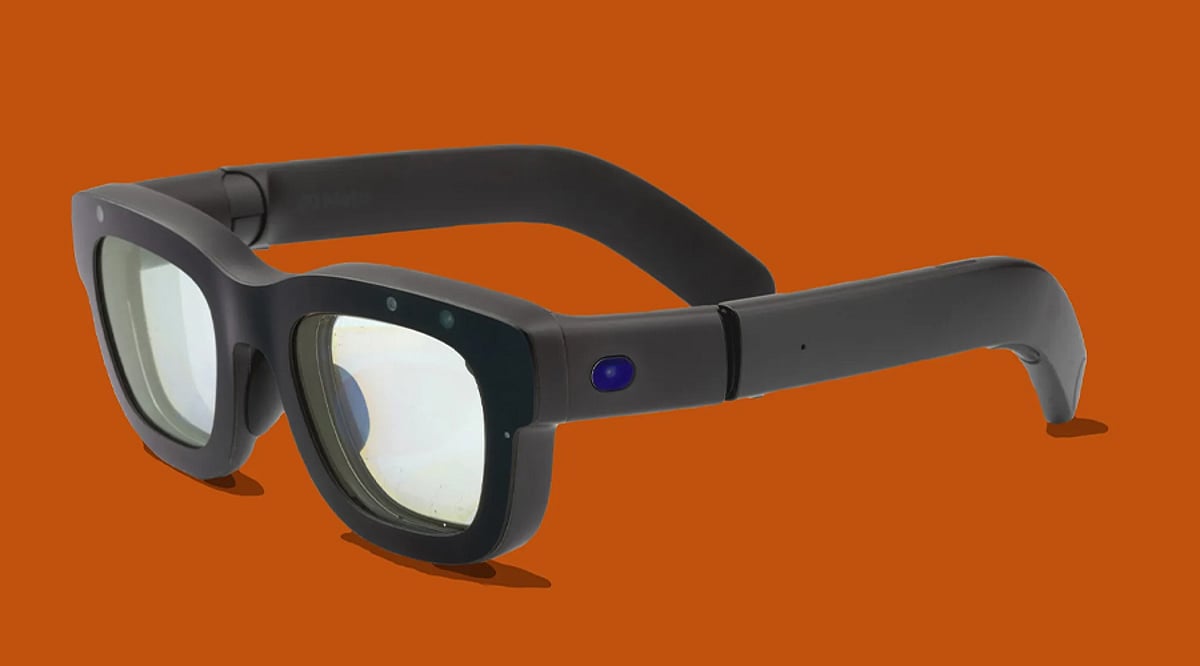
    AR glasses blend digital information with the physical world instead of replacing your surroundings entirely. They use displays, sensors, cameras, processors, and software to place virtual content within your view. The result can make directions, notifications, information, and interactive graphics feel part of the real environment.

    Tiny Displays Create the Overlay

    AR glasses need a way to place digital images where the wearer can see them. Compact display systems project or guide light toward the eyes, creating virtual images that appear over the physical environment. This optical system is central to making augmented reality feel convincing.

    Cameras and Sensors Understand the Scene

    Cameras and sensors help AR glasses understand what is happening around the wearer. Depending on the device, they can capture images, detect movement, estimate position, and recognize surfaces. That information allows software to determine where digital elements should appear within the surrounding environment.

    Tracking Keeps Objects in Place

    One major challenge is keeping virtual objects stable while your head moves. AR systems combine sensor information with software tracking to estimate the glasses’ position and orientation. This allows digital content to remain anchored to the environment instead of appearing to float randomly as you move.

    Processors Make Real-Time Decisions

    AR glasses need computing power to process sensor data, images, and software instructions with very low delay. The system continuously works out what the wearer is seeing and where virtual content should appear. Faster processing can help create smoother interactions and more responsive augmented experiences.

    Spatial Audio Adds Another Layer

    Some AR glasses also use speakers to provide spatial or directional audio alongside visual information. Sounds can help users understand where alerts or digital objects are coming from without constantly looking at a screen. This creates a more immersive experience by combining visual and audio cues.

    The Future Is Smaller and Smarter

    The challenge for AR glasses is packing displays, sensors, processors, cameras, batteries, and connectivity into a lightweight wearable. Advances in optics and computing are helping manufacturers explore slimmer designs and richer experiences. As these components improve, AR glasses could become increasingly useful for navigation, communication, and hands-free information.

  • Meta Ray-Ban Audio Launches at $349: Camera-Free AI Glasses Prioritize Privacy and Audio

    Meta Ray-Ban Audio Launches at $349: Camera-Free AI Glasses Prioritize Privacy and Audio

    Meta has introduced the Ray-Ban Meta Audio, its first camera-free AI glasses, priced at USD 349. The device was unveiled at Meta Connect 2026 on September 23, addressing growing privacy concerns around wearable cameras. Instead of capturing images, these glasses focus on audio, calls, and Meta AI assistance.

    Developed in partnership with EssilorLuxottica, the Ray-Ban Meta Audio glasses weigh just 43 grams and offer up to 12 hours of battery life on a single charge. The included charging case extends total usage by an additional 48 hours. Users can listen to music, podcasts, make calls, and engage in hands-free conversations with Meta AI.

    Meta also brings its Muse personal AI agent to the new glasses. Muse can answer questions and help with everyday tasks, providing AI assistance without a camera. The glasses come in Clubmaster and Burbank designs, with 23 color and lens combinations. Both styles support a wide range of prescription options, giving the camera-free AI glasses a conventional eyewear appearance.

    Privacy is central to the product’s positioning, as camera-equipped smart glasses face increasing scrutiny. Critics have raised concerns about recording people without clear consent. Meta’s vice president of AI product, Vishal Shah, emphasized the importance of the recording indicator light, which signals when cameras are active. Removing the camera eliminates photo and video capture, though microphones remain, keeping audio recording and consent considerations relevant.

    Meta continues to offer camera-equipped smart glasses. The company also launched the Ray-Ban Meta Gen 3, which features a 12MP camera and 3K Ultra HD video, starting at USD 449 with up to nine hours of battery life. The two models expand Meta’s smart glasses lineup into distinct use cases: Ray-Ban Meta Audio prioritizes audio and AI, while Gen 3 retains photography and video features. The camera-free model offers a privacy-focused direction for wearable AI.

    Pre-orders for the Ray-Ban Meta Audio began September 23, with shipping starting October 13, 2026.

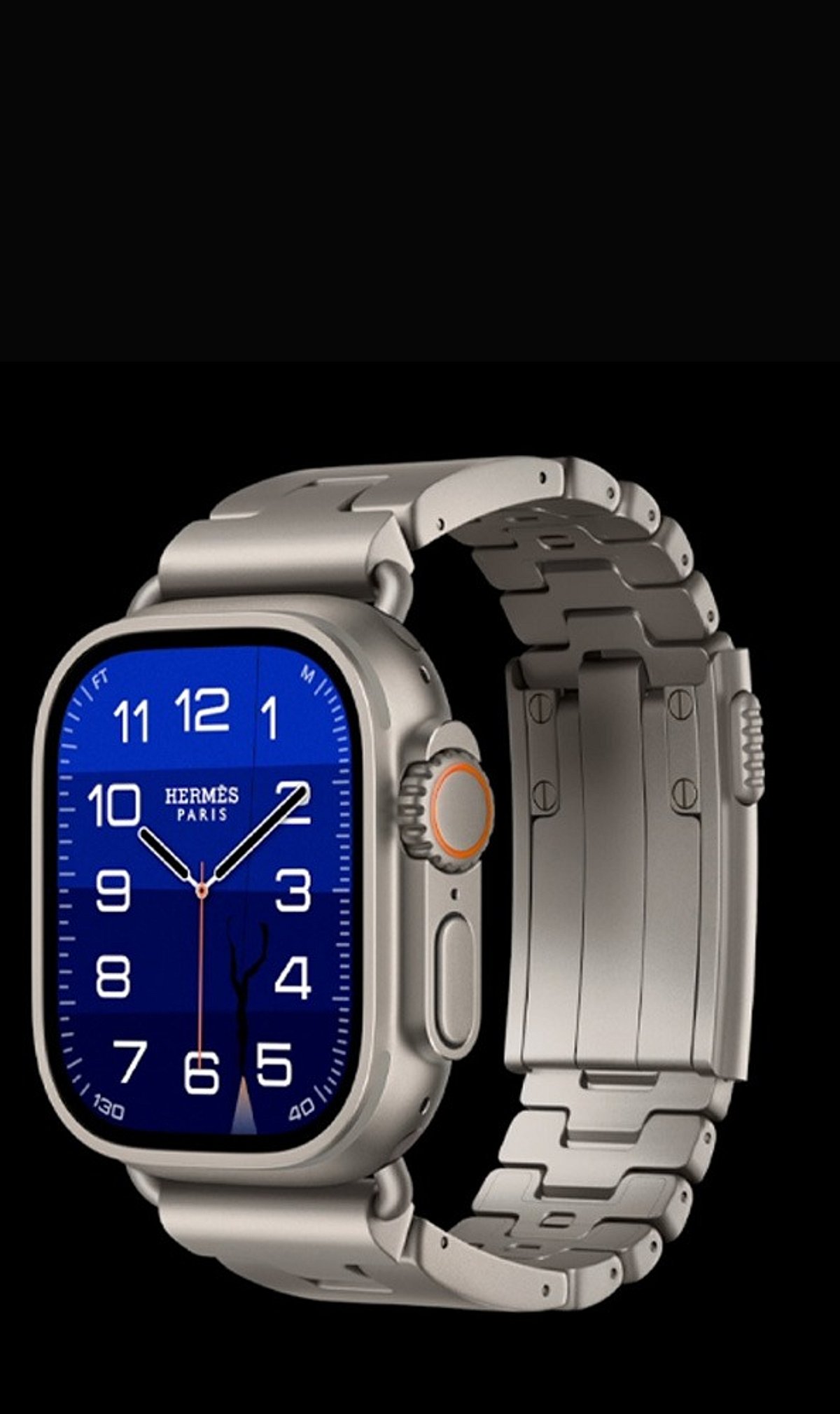
  • Apple’s Smart Glasses: A Potential Smartwatch Replacement with Augmented Reality and Health Tracking

    Apple’s Smart Glasses: A Potential Smartwatch Replacement with Augmented Reality and Health Tracking

    Apple may be taking wearables to the next level. According to recent reports, the company is developing smart glasses that could feature health-tracking capabilities and augmented reality (AR) functions. This move could signal a new direction for Apple’s wearable lineup, potentially challenging or even replacing the smartwatch as we know it.

    The rumored smart glasses are expected to integrate seamlessly with Apple’s ecosystem, offering users a hands-free way to access information, navigate, and monitor their health. While details remain scarce, the combination of AR and health tracking could make these glasses a versatile everyday accessory.

    If these reports hold true, Apple’s smart glasses might become the next big wearable after the smartwatch, reshaping how we interact with technology. However, it’s still early, and Apple has not confirmed any such product. Stay tuned for updates.

  • 2027 Augmented Reality Outlook: AI Glasses, Spatial Computing, and Privacy Take Center Stage

    2027 Augmented Reality Outlook: AI Glasses, Spatial Computing, and Privacy Take Center Stage

    Augmented reality is entering a new phase in 2027, driven by AI-powered smart glasses, spatial computing, enterprise adoption, immersive shopping, gaming, translation, and growing privacy concerns. Here’s what to expect.

    AI-Powered Smart Glasses Go Mainstream

    The most significant shift is the integration of AI assistants into smart glasses, enabling them to recognize what users see, hear, and ask. Google’s Android XR glasses, powered by Gemini, offer hands-free directions, messaging, and photography. IDC reports global smart-glass shipments jumped 167% year over year in Q1 2026, signaling strong momentum for 2027.

    Lightweight AR Glasses Replace Bulky Headsets

    Consumers prefer sleek, normal-looking frames over heavy headsets. Omdia forecasts XR headwear shipments to reach 6.5 million units in 2027, with growth driven by lighter XR glasses. Expect better battery life, improved displays, and wireless connectivity.

    Practical Spatial Computing

    AR will understand physical environments, anchoring digital information and 3D objects to real-world spaces. This makes AR useful for work, navigation, education, design, retail, and entertainment. The integration with AI creates systems that know where users are and what they need.

    Enterprise AR Expansion

    Manufacturing, healthcare, energy, and utilities remain strong adopters. Applications include remote assistance, training, maintenance, surgical support, and digital-twin visualization. AI agents using video, audio, and sensor data will assist workers in real time.

    Generative AI Simplifies AR Content Creation

    Developers will create 3D objects, scenes, and animations using natural language prompts, reducing costs and lowering technical barriers. Generative AI also makes AR experiences more contextual.

    AR Navigation and Real-Time Translation

    Hands-free directions and contextual assistance through glasses become normal. Real-time translation via integrated microphones, cameras, and AI will aid international travel, business meetings, and learning.

    AR Shopping and Location-Aware Gaming

    Retailers increasingly let customers visualize products before purchase. AR gaming incorporates real places and objects into gameplay, making streets and homes part of the game.

    Privacy Becomes a Major Debate

    Always-on cameras and microphones raise concerns about recording, facial recognition, data collection, and consent. As smart glasses become common, clearer rules will be required.

    The Big Picture

    The defining trend of 2027 is the convergence of AI, smart glasses, spatial computing, and real-time context. IDC expects optical see-through display glasses to grow from 3 million units in 2026 to 12.2 million by 2030. Omdia sees the XR market returning to growth as lighter glasses replace bulky headsets. AR is evolving from something we deliberately ‘use’ to something that quietly works around us.

  • Pebble Seeq AI Smart Glasses Hit India: 8MP Camera, 75-Language Translation, and Open-Ear Audio

    Pebble Seeq AI Smart Glasses Hit India: 8MP Camera, 75-Language Translation, and Open-Ear Audio

    Pebble has expanded its wearable technology portfolio in India with the launch of the Seeq AI Smart Glasses. Priced at Rs. 9,999 during the introductory period, the wearable combines an artificial intelligence assistant, an 8MP camera, open-ear audio, and real-time language translation within a lightweight eyewear design.

    The smart glasses carry an MRP of Rs. 12,999 and are available in Titan Black and Stealth Black. Weighing under 50 grams, the device is designed for professionals, travellers, content creators and technology enthusiasts seeking hands-free access to commonly used smartphone functions.

    According to Pebble, the Seeq glasses act as a ‘Third, Intelligent Eye,’ allowing users to access AI features through voice commands without continuously handling their smartphones.

    8MP Camera and AI Image Recognition

    The Pebble Seeq AI Smart Glasses feature an 8MP camera capable of capturing photographs at resolutions of up to 4K. The glasses can also record in Full HD, potentially making them useful for first-person content creation, travel recording and hands-free photography.

    The integrated AI system supports smart recognition of objects, landmarks, text and signboards. Users can activate the assistant using the ‘Hey, Seeq’ voice command and request information about what they are viewing.

    The wearable supports real-time translation across more than 75 languages. This could be particularly useful for travellers, business professionals and users communicating across different regions.

    Open-Ear Audio and Multiple Controls

    Pebble has equipped the glasses with its OpenWaveX Open-Ear Audio technology. The system enables users to listen to music, handle calls and receive audio responses while remaining aware of their surroundings.

    Users can control the device through voice commands, touch gestures and physical buttons. The glasses also support replaceable, prescription-ready lenses, allowing people who require corrective eyewear to customize them for everyday use.

    What the Launch Means for AI Wearables

    The Seeq launch reflects the growing shift from conventional fitness trackers and smartwatches towards AI-powered wearables that combine visual recognition, communication, and content creation.

    At Rs. 9,999, Pebble is positioning the Seeq as an accessible entry into the emerging smart-glasses segment. Its adoption, however, will depend on real-world camera quality, battery performance, AI accuracy, privacy controls and long-term comfort.

  • Report: Apple Smart Glasses to Launch in 2027 With Privacy as Key Selling Point

    Report: Apple Smart Glasses to Launch in 2027 With Privacy as Key Selling Point

    According to a new report, Apple is planning to enter the smart glasses market in 2027 with a device that combines augmented reality, artificial intelligence, and deep ecosystem integration — all while making user privacy a central feature.

    The forthcoming Apple Smart Glasses are expected to be lightweight and stylish, designed for everyday wearable computing. Unlike many current smart glasses that collect extensive user data, Apple’s approach reportedly prioritizes secure on-device processing, minimal data collection, and transparent user controls.

    Built-in artificial intelligence could provide contextual assistance, real-time navigation, notifications, language translation, and personalized recommendations — all while maintaining responsive performance suitable for daily use.

    Display technology is likely to overlay digital information without obstructing the user’s natural vision, creating an immersive yet practical augmented reality experience. The glasses are expected to integrate seamlessly with the Apple ecosystem, including iPhone, Apple Watch, AirPods, and other devices, enabling synchronized experiences across hardware.

    Apple’s competitive positioning in the wearable technology market will hinge on premium design, privacy-first features, intuitive software, and polished user experience. The company aims to differentiate itself from rivals by ensuring that users have control over their data — a factor that could appeal to consumers seeking hands-free computing for navigation, communication, productivity, and entertainment.

    Industry reports indicate that Apple may unveil the smart glasses during 2027 after years of research, development, testing, and refinement. While the exact specifications and pricing remain unknown, the privacy focus and ecosystem synergy are expected to be major selling points.

  • Apple Smart Glasses Reportedly Prioritize Privacy in 2027 Launch Plans

    Apple Smart Glasses Reportedly Prioritize Privacy in 2027 Launch Plans

    Apple is reportedly preparing to enter the smart glasses market in 2027, with a strong emphasis on user privacy and data security. According to a new report, the Cupertino-based company has a smart glasses product in development that aims to offer useful features without collecting excessive personal data. While Apple has not officially confirmed the product, the rumors suggest a cautious approach that distinguishes it from competitors.

    The reported strategy includes on-device processing to prevent data from being sent to external servers. To avoid the backlash faced by rival companies, Apple’s glasses are expected to omit facial-recognition capabilities and always-on recording features. Instead, if a camera is included, it would likely be limited to motion sensing rather than capturing photos or videos. The glasses are rumored to debut at WWDC in June 2027 and will integrate with other Apple devices, with privacy as a core component from the start.

    Privacy concerns have become a significant issue in the smart glasses market, particularly with Meta’s camera-based AI smart glasses, which have raised alarms about unauthorized recording. Instagram head Adam Mosseri has responded by stating that content taking advantage of people will be removed. Apple appears to be avoiding these pitfalls by ensuring transparency in how the glasses operate. If cameras or sensors are present, clear indicators will alert users and bystanders when they are active.

    This privacy-first approach may result in fewer flashy features, but it could build trust and appeal to consumers who value data protection. As more companies enter the smart glasses arena, Apple believes that trust and privacy will be as important as technological innovation. A device that safeguards user data could become its strongest selling point.

  • Instagram Bans Harassing Videos Recorded with Meta Smart Glasses to Protect Privacy

    Instagram Bans Harassing Videos Recorded with Meta Smart Glasses to Protect Privacy

    Instagram is tightening its enforcement against secretly recorded videos captured using Meta’s smart glasses. The platform will now remove content that uses wearable cameras to harass individuals, particularly prank and pickup-style videos, following growing criticism over privacy violations.

    The policy change comes after a surge of clips showing creators approaching strangers, service workers, and women in public without their knowledge, then posting the footage as humorous content. This sparked widespread debate about consent and digital privacy.

    Instagram chief Adam Mosseri announced the update during a Q&A session on his Instagram Stories. “If you’re posting content that is taking advantage of people and harassing them, like a lot of these pickup line kind of videos, then we’re going to take the content down,” Mosseri said. He added, “We don’t want people to be surreptitiously taking videos of other people and harassing them and then posting them on our platform. So we’re trying to fight that every way we can.”

    According to a Business Insider report, Instagram has already deleted two popular accounts that frequently posted pickup videos recorded with Meta smart glasses. A Meta spokesperson confirmed that both accounts violated Instagram’s harassment policies.

    Meta has also introduced additional privacy safeguards in its smart glasses software. The company acknowledged that the recording indicator light on older models could be covered or altered, making it difficult for people to know if they were being recorded. A recent software update now automatically turns off the camera when it detects that the recording indicator light is blocked or tampered with.

    Despite these measures, concerns persist about the effectiveness of the recording indicator. The LED light is small and can be easily missed in bright outdoor conditions or large public spaces, leaving people unaware they are being filmed.

    Meta has not yet disclosed how it will determine whether uploaded videos violate the new policy, nor has it revealed how many videos have been removed since the policy took effect. The company has also not detailed how the rules will be applied in practice.

  • Next-Gen Gadgets That Could Make Smartphones Obsolete

    Next-Gen Gadgets That Could Make Smartphones Obsolete

    Smartphones may not stay king forever. Discover the futuristic gadgets that could change how we communicate, work, and experience the digital world.

    AI Smart Glasses

    AI-powered smart glasses could replace phone screens by displaying calls, messages, navigation, and translations directly in your field of view.

    AI Wearable Pins

    Tiny AI wearable devices can answer questions, capture photos, and manage schedules entirely through voice commands.

    Mixed Reality Headsets

    Next-generation XR headsets combine augmented and virtual reality, creating immersive digital experiences without relying on smartphones.

    Brain-Computer Interfaces

    Neural interface technology may one day let users control devices simply by thinking, eliminating the need for physical screens.

    Smart Contact Lenses

    AR-enabled contact lenses could overlay digital information onto the real world while remaining virtually invisible.

    AI Earbuds

    Future AI earbuds may become personal assistants capable of real-time translation, navigation, and contextual information without screens.

    Wearable AI Neckbands

    Neck-worn AI companions can continuously monitor surroundings, summarize conversations, and provide instant assistance.

    Holographic Communicators

    Portable holographic devices may project 3D visuals and virtual meetings without requiring a traditional display.