Category: Augmented Reality

  • Top Augmented Reality Games That Seamlessly Blend Digital Play with the Real World

    Top Augmented Reality Games That Seamlessly Blend Digital Play with the Real World

    Augmented reality (AR) gaming has evolved far beyond simple smartphone novelties. Today’s AR titles use GPS, camera overlays, and persistent digital worlds to create immersive experiences that encourage physical activity, exploration, and social interaction. Here’s a look at the most compelling AR games that merge virtual gameplay with your real-life surroundings.

    Outdoor Exploration and Adventure

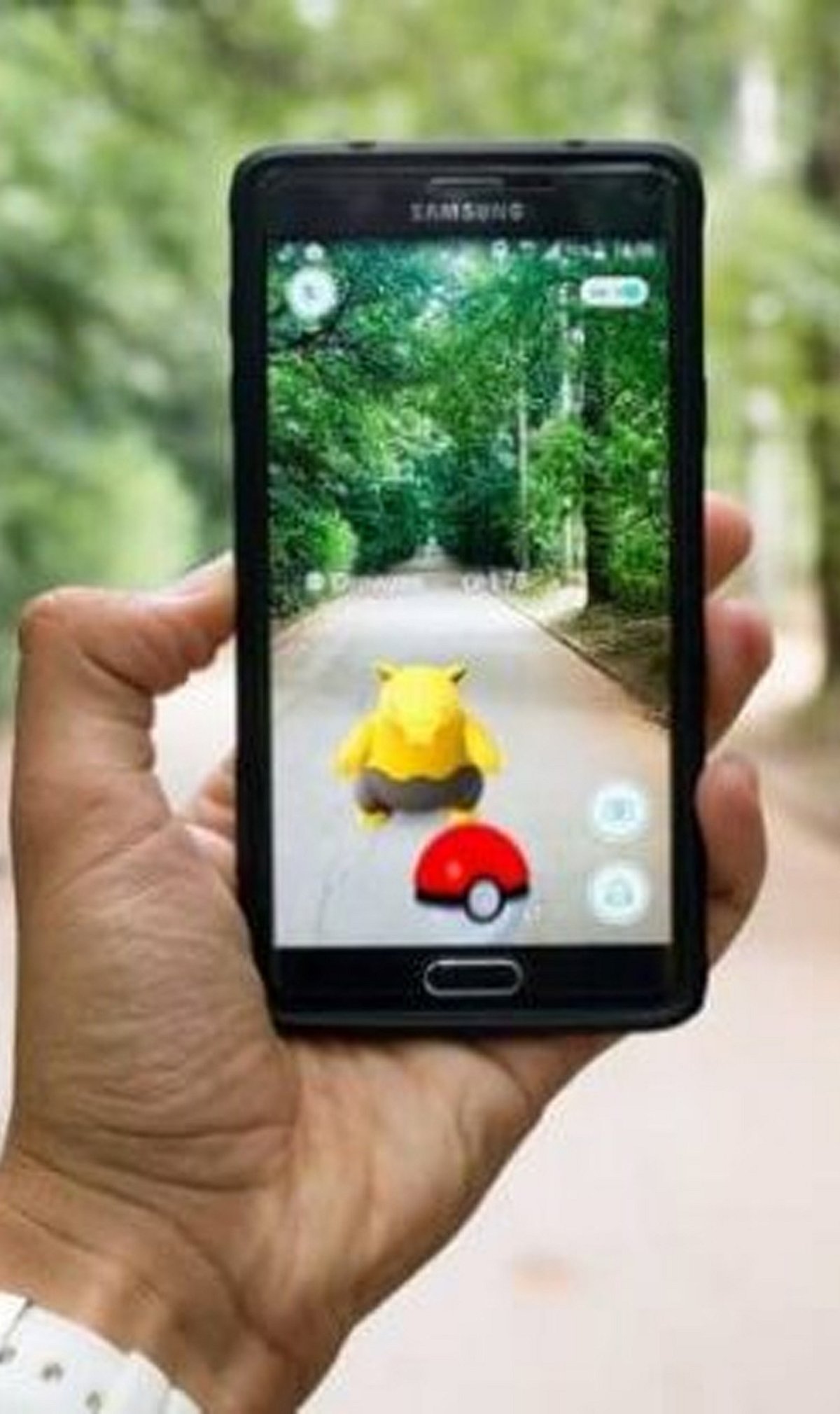
    Pokémon GO remains the trailblazer, letting players catch virtual Pokémon, battle at Gyms, and explore real streets, parks, and landmarks using GPS and the phone’s camera. Its success inspired a wave of location-based AR games.

    Ingress Prime, Pikmin Bloom, and Monster Hunter Now each offer unique twists: Ingress turns neighborhoods into a sci-fi faction war, Pikmin Bloom encourages walking and planting virtual flowers, and Monster Hunter Now lets you battle giant monsters that appear in real-world locations.

    Orna overlays a full fantasy RPG on your GPS location, while Jurassic World Alive fills your city with roaming dinosaurs to collect, battle, and evolve — turning every commute into a prehistoric adventure.

    Home-Based AR Fun

    For indoor play, Angry Birds AR: Isle of Pigs and Kings of Pool project interactive 3D gameplay onto your table or floor. These games use AR to create immersive, space-aware experiences without needing a headset — perfect for casual fun at home.

    Fitness and Gamified Movement

    Fitness-focused AR titles like Zombies, Run! and SpecTrek turn jogging, walking, and outdoor exploration into thrilling missions. Zombies, Run! immerses you in a zombie apocalypse story where you must outrun the undead, while SpecTrek turns your neighborhood into a ghost-hunting adventure. Both make exercise feel like play.

    Why AR Games Feel So Real

    The magic behind these experiences lies in GPS tracking, camera overlays, and persistent worlds that remember your actions. However, staying safe is crucial: always be aware of your surroundings, protect your location privacy, and avoid distractions while playing.

    Ready to step into a blended reality? These games prove that the line between digital and physical is only getting thinner.
  • Ray-Ban Meta Gen 2 Review: Stylish Smart Glasses with AI Features – Worth the Hype?

    Ray-Ban Meta Gen 2 Review: Stylish Smart Glasses with AI Features – Worth the Hype?

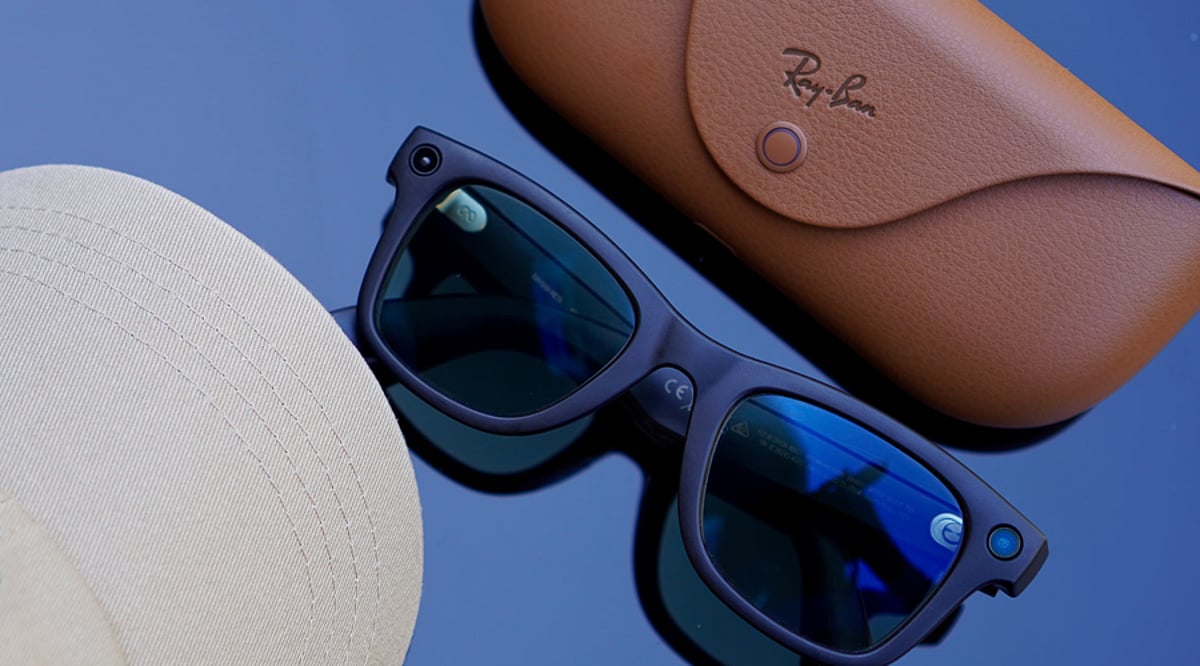
    The Ray-Ban Meta Gen 2 blends the iconic Wayfarer design with advanced AI capabilities, positioning itself as one of the most fashionable smart glasses on the market. Unlike bulky wearables, these look like standard sunglasses while offering hands-free photography, voice controls, music playback, and AI assistance. Most reviewers agree they are the best mainstream smart glasses currently available.

    A key upgrade is the 12MP ultra-wide camera that captures stabilized 3K videos and high-quality first-person photos. The glasses also support creative modes like slow motion and hyperlapse, making them ideal for travel, vlogging, cycling, and everyday content creation without needing to pull out your phone.

    Battery life has improved significantly over the previous generation. The glasses offer around 8 hours of mixed daily use, while the compact charging case extends total usage to nearly 48 hours. Combined with excellent open-ear speakers and a five-microphone system, they deliver clear calls, podcasts, and music without blocking surrounding sounds.

    Meta AI adds useful hands-free features like asking questions, identifying landmarks, controlling music, sending messages, and translating conversations in multiple languages. However, reviews note that AI responses can still be inconsistent, with occasional inaccuracies and weaker offline performance compared to leading AI assistants.

    The glasses aren’t perfect. Videos are limited to a vertical-friendly aspect ratio with a maximum recording time of about five minutes. Comfort during extended wear may vary because there are no adjustable nose pads, and the IPX4 rating protects against light rain but not dust, making them less ideal for harsh environments.

    Privacy remains one of the biggest concerns. Since the glasses record exactly what you see, some people may feel uncomfortable around them. In India, prices generally start around ₹39,900 and can reach approximately ₹45,700 depending on the frame and lens options, making them a premium purchase.

    Verdict: The Ray-Ban Meta Gen 2 is worth the hype if you want stylish smart glasses for hands-free photos, videos, calls, music, and everyday AI assistance. Skip them if you’re expecting true augmented reality, flawless AI, or budget-friendly pricing. They’re an excellent refinement over Gen 1, but not a revolutionary leap in smart eyewear.

  • Apple Vision Pro Launch Ushers in Spatial Computing Era

    Apple Vision Pro Launch Ushers in Spatial Computing Era

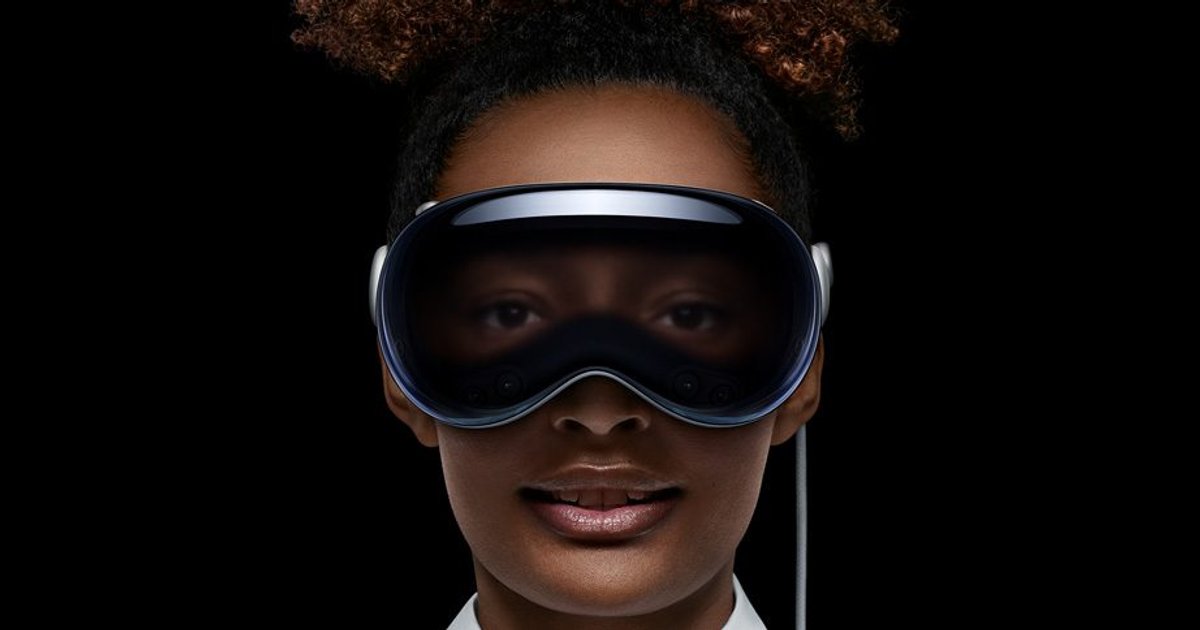
    Apple has officially announced the launch date for its first headset, the Apple Vision Pro, marking the company’s entry into the spatial computing market. The device will be available in the United States starting February 2, 2024, with pre-orders opening on January 19, 2024. CEO Tim Cook shared the news on Twitter, declaring, “The era of spatial computing has arrived!” The release is currently limited to the US, with no global availability timeline confirmed.

    Priced at $3,499 for the 256GB model, the Vision Pro is Apple’s most expensive product since the original iPhone and costs roughly three times as much as Meta’s top-tier headset. The device runs on Apple’s M2 chip alongside a new R1 chip designed to process data from sensors, cameras, and microphones in real time. Users can control the interface without a physical controller, using eye, head, and hand movements.

    Spatial computing—the integration of virtual objects with the real world—is expected to become a dominant force in technology over the next decade, leveraging AI, extended reality (XR), IoT, and advanced sensors. The Vision Pro aims to blend digital content seamlessly with physical environments, potentially transforming industries such as education and professional training.

    Despite the hype, skepticism remains. Some Apple executives reportedly referred to the project as a “science project” in 2023, according to CNBC. Meanwhile, Meta continues to lead the headset market with its Quest 3, which offers mixed reality at a starting price of $500. Apple’s stock has faced recent pressure, losing $177 billion in market value in January 2024, making the Vision Pro a critical test for the company’s future growth.

  • ARtGlass Brings History to Life with Wearable Augmented Reality for Cultural Tourism

    ARtGlass Brings History to Life with Wearable Augmented Reality for Cultural Tourism

    ARtGlass, a global leader in wearable augmented reality (AR) experiences for cultural and heritage tourism, is transforming how visitors interact with historic sites. By combining advanced AR glasses with immersive storytelling, the company creates unforgettable experiences that blend digital visuals with real-world environments.

    Founded on the vision of making history accessible and engaging, ARtGlass provides software and services for museums, historic sites, and attractions. Its proprietary TourBuilder platform enables the creation of unique, interactive tours tailored to each location’s stories. The company is best known for its hands-free, transparent smartglasses that overlay AR content onto the real world, allowing visitors to see historical events unfold before their eyes.

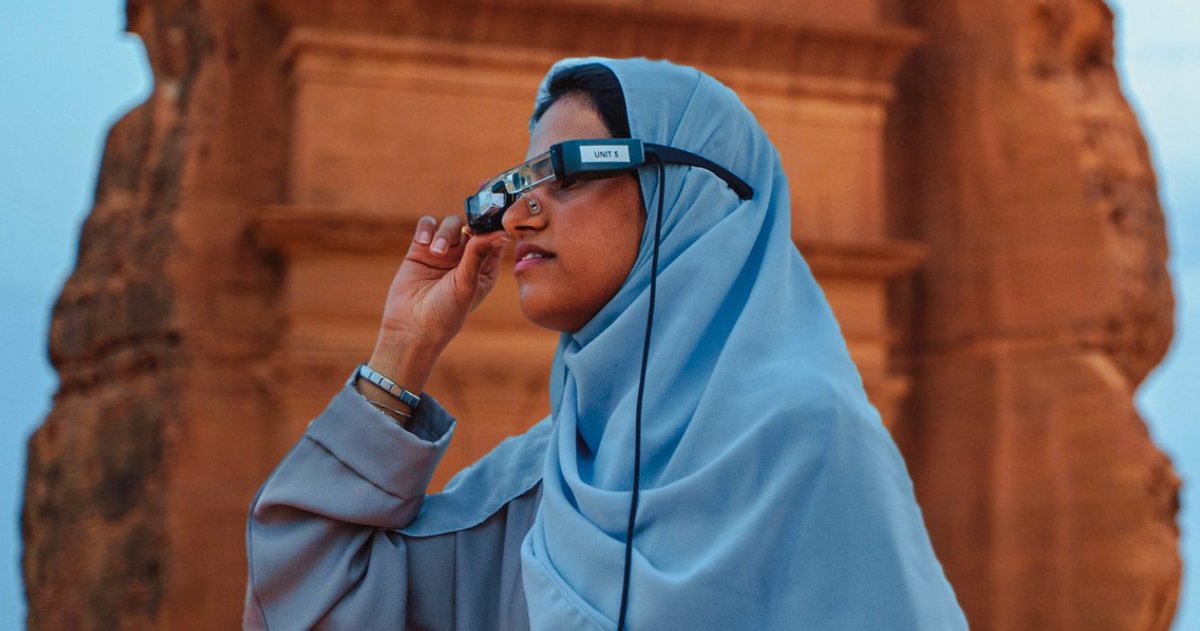
    One standout example is the Hegra Alive experience, launched in November 2023 at Hegra, Saudi Arabia’s first UNESCO World Heritage site. Developed in partnership with the Royal Commission for AlUla and NOUS Digital, this two-hour extended reality (XR) tour uses smartglasses to display 3D visuals, holograms, and reenactments. Visitors explore Nabataean tombs and ceremonial spaces guided by local Rawis, supporting Saudi Arabia’s Vision 2030 for sustainable tourism. This was the first XR experience on smartglasses in the Middle East.

    ARtGlass continues to collaborate with cultural institutions worldwide, from Pompeii to other iconic locations, ensuring that history is not just observed but experienced. The company’s work demonstrates the potential of AR to revolutionize cultural tourism, making the past vivid and interactive for modern audiences.