Category: Cryptocurrency

  • 7 Key Differences Between XRP and Bitcoin: Speed, Supply, and Use Cases

    7 Key Differences Between XRP and Bitcoin: Speed, Supply, and Use Cases

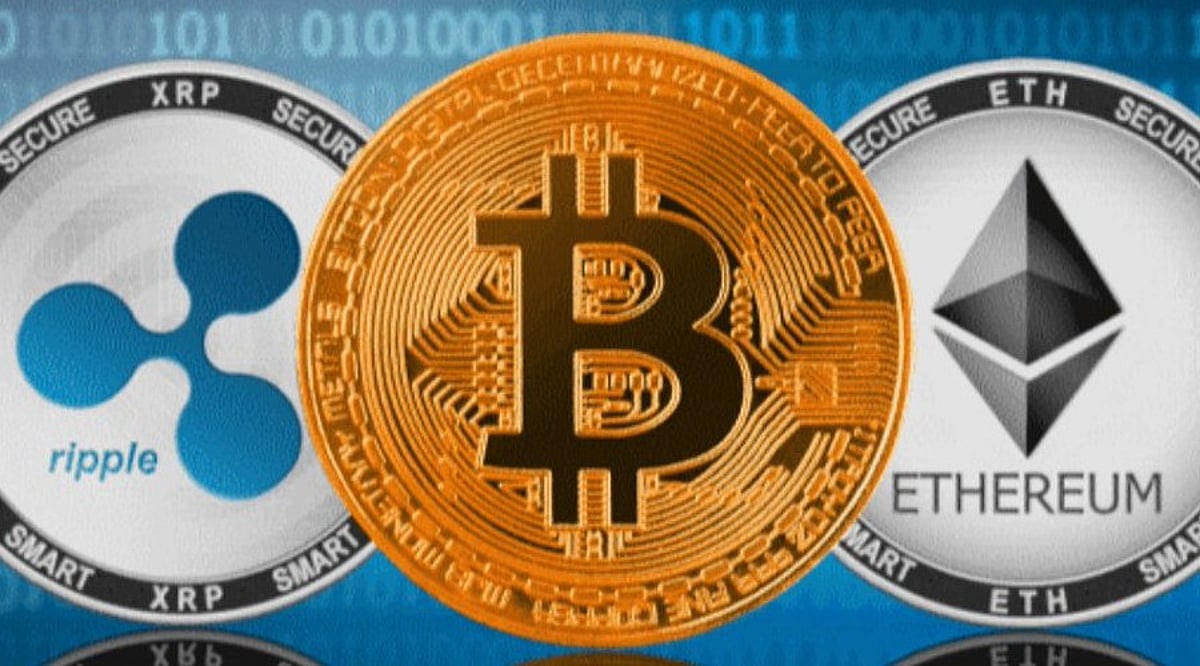
    While both XRP and Bitcoin are prominent cryptocurrencies, they differ significantly in design, purpose, and underlying technology. Here are seven critical distinctions that set XRP apart from Bitcoin.

    • Transaction Speed: XRP settles payments in 3–5 seconds, far faster than Bitcoin’s 10-minute block times, making XRP better suited for real-time cross-border transfers and high-frequency remittance applications.
    • Supply Cap: XRP has a fixed total supply of 100 billion tokens, most of which were pre-mined. Bitcoin’s capped supply is 21 million coins, mined gradually through proof-of-work mining rewards and halvings over decades.
    • Consensus Mechanism: XRP uses the Ripple Protocol Consensus Algorithm, which relies on trusted validators, while Bitcoin uses energy-intensive proof-of-work mining to secure its decentralized, permissionless network.
    • Primary Use Case: XRP targets fast, low-cost international payments for banks and financial institutions. Bitcoin primarily serves as a decentralized store of value and peer-to-peer digital cash.
    • Transaction Costs: XRP transactions cost fractions of a cent, significantly cheaper than Bitcoin’s often volatile network fees (especially during congestion). This makes XRP more economical for microtransactions and frequent transfers.
    • Governance Structure: XRP’s development is heavily influenced by Ripple Labs, a centralized company. Bitcoin evolves through decentralized community consensus, with no single entity controlling protocol upgrades or direction.
    • Mining Requirement: XRP requires no mining — all tokens were pre-created at launch. Bitcoin depends on continuous mining to issue new coins and maintain network security through computational work.

    Understanding these differences helps investors and users choose the right cryptocurrency for their specific needs, whether it’s fast remittances (XRP) or a robust store of value (Bitcoin).

  • Crypto Market Update: Bitcoin ETF Outflows, Ethereum’s Glamsterdam Upgrade, and SKY Token Price Target

    Crypto Market Update: Bitcoin ETF Outflows, Ethereum’s Glamsterdam Upgrade, and SKY Token Price Target

    Overview

    The crypto market saw major developments as spot Bitcoin ETFs recorded $282 million in net outflows, while Ethereum targets October 6 for the Glamsterdam upgrade. Also, Standard Chartered predicts SKY token to rise to $0.325 and HYPE’s protocol revenue rises by 83.3%.

    Bitcoin Witnessed $282 Million in Net Outflow

    According to SoSoValue, the Bitcoin spot ETFs saw a total net outflow of $282.56 million yesterday. The Bitcoin Spot ETF with the highest net inflow yesterday was Morgan Stanley’s ETF MSBT, with a daily net inflow of $3.98 million, and the total historical net inflow of MSBT currently stands at $524.87 million.

    The Bitcoin Spot ETF with the highest net outflow yesterday was Ark Invest and 21Shares’s ETF ARKB, with a daily net outflow of $164.32 million, and the total historical net inflow of ARKB currently stands at $1.22 billion.

    The total net asset value of Bitcoin Spot ETFs is $97.49 billion, with an ETF net asset ratio of 6.28%. The historical cumulative net inflow has reached $55.17 billion.

    Ethereum Targets October 6 for Glamsterdam Upgrade

    Ethereum developers have tentatively scheduled the Glamsterdam upgrade for activation on Sepolia at 13:53 UTC on October 6, 2026. ACDC #186 meeting notes and subsequent reporting from Ethereum protocol researcher Christine D. Kim show that the date remains conditional. Developers had not completed a stable Glamsterdam activation on a private development network when they selected the Sepolia schedule.

    The testing plan has since moved forward by another iteration. Kim said on September 11 that attention had turned to Glamsterdam-Devnet-11, which is expected to launch on Monday, September 14. Earlier plans had identified Devnet-10 as the next major test.

    Nasdaq Puts $100 Million in Kraken

    Nasdaq, one of the world’s most important stock exchange operators, has announced a $100 million investment in Payward, the parent company of crypto exchange Kraken, to jointly build the infrastructure that will bring publicly listed shares onto the blockchain. This Nasdaq-Kraken tokenized stock deal marks a genuine reversal of the narrative: traditional finance is not watching from the sidelines while crypto exchanges experiment with equity tokens. Wall Street is putting its own capital directly into crypto infrastructure.

    Nasdaq now owns equity in the venue it has picked to distribute its own tokenized shares outside the United States, and the deal lands nine days after Payward struck a comparable arrangement with the London Stock Exchange.

    Standard Chartered Expects SKY Token to Rise to $0.325

    Standard Chartered has issued its first coverage of Sky’s SKY token, setting a target price of $0.325 by the end of 2028, which is five times higher than the current $0.065. The bank expects that as USDS adoption and lending capacity expand, the value delivered to SKY token holders by Sky will exceed five times its current level by 2028. Data from DeFiLlama shows that USD Sky’s yield-bearing sUSDS token has a total value locked of $4.5 billion with an annualized yield of 3.6%.

    Geoff Kendrick, Global Head of Digital Assets Research at Standard Chartered, said Sky is a decentralized finance (DeFi) platform originally named MakerDAO, capable of issuing stablecoins, establishing governance frameworks, and charging wholesale interest rates to borrowers making it akin to a ‘federal bank.’

    HYPE’s Protocol Revenue Rises

    In the past 30 days, Hyperliquid protocol revenue amounted to approximately $59.84 million, a growth of 83.3% compared to the previous 30 days; revenue in the most recent 7 days reached about $11.57 million, a 12.7% decrease compared to the prior period.

    From August 12 to September 11, the cumulative HYPE burned by the Assistance Fund increased to 47.123 million tokens, with approximately 775.4 thousand newly burned in the past 30 days, valued at around $62.08 million. According to the official mechanism, the Assistance Fund automatically converts transaction fees allocated to it into HYPE, and HYPE within the fund is permanently removed from circulation and total supply.

    FAQs

    1. How much money flowed out of Bitcoin spot ETFs?

    Bitcoin spot ETFs recorded approximately $282.56 million in net outflows for the day. ARKB led withdrawals with $164.32 million, while MSBT recorded $3.98 million in inflows.

    2. When is Ethereum’s Glamsterdam upgrade expected on Sepolia?

    Ethereum developers have tentatively targeted October 6, 2026, at 13:53 UTC for Glamsterdam’s Sepolia activation. The schedule remains conditional on successful development-network testing.

    3. Why is Nasdaq investing $100 million in Kraken’s parent company?

    Nasdaq is investing in Payward as the companies work together on infrastructure for tokenized publicly listed equities. The partnership highlights growing integration between traditional capital markets and blockchain-based financial infrastructure.

    4. What is Standard Chartered’s SKY token price target?

    Standard Chartered has reportedly set an end-2028 SKY price target of $0.325, around five times the stated current price of $0.065. The outlook is tied partly to USDS adoption and lending growth.

    5. How much revenue is Hyperliquid generating?

    Hyperliquid generated approximately $59.84 million in protocol revenue over the past 30 days, representing an 83.3% increase from the preceding period. Seven-day revenue stood at roughly $11.57 million.

  • Solana 2026: 7 Key Risks and Opportunities for SOL Investors Amid ETF Growth and Tokenization

    Solana 2026: 7 Key Risks and Opportunities for SOL Investors Amid ETF Growth and Tokenization

    Solana enters September 2026 with stronger institutional participation and expanding real-world use cases. The network is attracting capital through exchange-traded funds, tokenized assets and payments, while technical upgrades have increased capacity. However, SOL investors still face significant competition, macroeconomic pressure and execution risks. Here are seven factors shaping Solana’s investment outlook.

    1. Institutional Demand is Growing

    US-listed Solana ETFs ended August with approximately USD 1.34 billion in cumulative net inflows across nine products. Bitwise’s Solana Staking ETF also became the first US-listed Solana ETF to exceed USD 1 billion in assets, according to the Solana Foundation’s August report. Growing ETF participation provides investors with regulated exposure to SOL without directly managing cryptocurrency.

    2. Real-World Assets Have Crossed USD 4 Billion

    Tokenization represents another major opportunity. Real-world assets on Solana surpassed USD 4 billion in August, distributed across more than 350,000 addresses. The total includes equities, funds, commodities and private credit. xStocks also exceeded USD 500 million in assets under management, while Raydium surpassed USD 4 billion in cumulative tokenized-stock trading volume.

    3. Payments Could Drive Adoption

    Solana is expanding beyond trading. Western Union launched a Visa card backed by USDPT, its Solana-issued stablecoin, across 37 markets. MoneyGram simultaneously introduced infrastructure connecting Solana applications with nearly 500,000 cash locations across more than 170 countries. These integrations could increase Solana’s utility in payments and cross-border finance.

    4. Network Performance is Improving

    Solana reduced its target slot time to 300 milliseconds on August 28, representing a 25% reduction over eight days. The blockchain also processed a record 216 million non-vote transactions in one day, while weekly non-vote transactions reached 1.32 billion during August 17-23. Higher capacity strengthens Solana’s case for applications requiring inexpensive, high-frequency transactions.

    5. Token Supply Remains Important

    Solana validators approved SGP-0002, accelerating the annual reduction in SOL issuance from 15% to 30%. The proposal projects approximately 18.9 million fewer SOL being issued over six years, allowing the network to reach its 1.5% terminal inflation rate sooner. Lower issuance could benefit existing holders, although token demand remains equally important.

    6. Competition and Security Remain Risks

    Solana competes with Ethereum and other blockchains for developers, liquidity and users. Smart-contract exploits, wallet compromises and application vulnerabilities also remain ecosystem-level risks. Strong transaction growth, therefore, does not automatically guarantee SOL price appreciation.

    7. Macroeconomic Conditions Could Pressure SOL

    Crypto remains sensitive to global liquidity. On September 11, the US 10-year Treasury yield approached 5%, while Brent crude climbed above USD 108 amid renewed inflation concerns. Higher rates and bond yields can reduce demand for volatile assets such as SOL.

    Final Thoughts

    Solana’s opportunity increasingly rests on measurable adoption rather than speculation alone. ETF inflows, USD 4 billion in real-world assets and expanding payment infrastructure strengthen its long-term case. However, institutional adoption does not eliminate volatility. Investors should monitor network usage, token issuance, competition and macroeconomic conditions alongside SOL’s price.

    FAQs

    1. What are the biggest opportunities for Solana investors in 2026?

    Solana’s major opportunities include growing institutional ETF demand, tokenized real-world assets, payment adoption and improving network performance. These developments could support greater long-term blockchain usage.

    2. How much value is held in real-world assets on Solana?

    Real-world assets on Solana surpassed USD 4 billion in August 2026 and were distributed across more than 350,000 addresses. These include equities, funds, commodities and private credit.

    3. Why are Solana ETFs important for SOL investors?

    Solana ETFs provide regulated exposure to SOL without requiring investors to directly hold or manage cryptocurrency. US-listed Solana ETFs recorded approximately USD 1.34 billion in cumulative net inflows by August-end.

    4. What are the main risks of investing in Solana?

    Major risks include competition from Ethereum and other blockchains, smart-contract and application vulnerabilities, SOL price volatility and macroeconomic pressures such as higher interest rates and tighter liquidity.

    5. Could lower SOL issuance benefit investors?

    Lower issuance could reduce growth in SOL’s circulating supply, potentially benefiting existing holders if demand remains strong. However, reduced issuance alone does not guarantee higher SOL prices or investment returns.

    Disclaimer: Analytics Insight does not provide financial advice or guidance on cryptocurrencies and stocks. Also note that the cryptocurrencies mentioned/list on the website could potentially be risky. This article is provided for informational purposes and does not constitute investment advice. You are responsible for conducting your own research before making any investments.

  • How AI Agent Wallets Are Enabling Autonomous Crypto Transactions and Machine Commerce

    How AI Agent Wallets Are Enabling Autonomous Crypto Transactions and Machine Commerce

    AI agents are moving from merely recommending financial actions to executing them autonomously. This shift is driving demand for wallets designed specifically for software rather than humans. Agentic wallets give AI-controlled access to funds, allowing software to pay for services, trade assets, or purchase data without human intervention.

    What Are AI Agent Wallets?

    An AI agent wallet is programmable infrastructure that lets autonomous software send, receive, and manage digital assets under predefined rules. Instead of giving AI unrestricted access to private keys, modern systems impose transaction limits and isolate credentials. Coinbase launched Agentic Wallets in February 2026, offering funding, sending, trading, and earning functions with per-session and per-transaction spending caps while keeping private keys separate from the AI model.

    x402: Building a Machine Payment Layer

    A key driver is x402, an open payment protocol based on HTTP’s 402 “Payment Required” status code. It enables software to encounter a paid resource, receive payment instructions, settle on-chain, and continue automatically. Coinbase reports that x402 has processed more than 50 million transactions. In March 2026, the protocol expanded to support nearly any ERC-20 token through Permit2 and gas-sponsorship extensions.

    Real Services Are Accepting Agent Payments

    Agentic payments are moving beyond demonstrations. Coinbase’s SQL API allows agents to purchase blockchain-data queries for USD 0.10 each in USDC without API keys, accounts, or human approval. Exa introduced x402 payments for premium search in April, enabling agents to discover, pay for, and consume search services automatically. Coinbase also announced an AWS integration that lets publishers using CloudFront and WAF accept agent payments.

    Why Stablecoins Fit Autonomous Transactions

    Stablecoins provide programmable, internet-native settlement without requiring traditional card infrastructure. They make micropayments practical, allowing agents to purchase individual API calls, datasets, or computing resources rather than maintaining subscriptions. This could support a machine economy where software pays other software as tasks arise.

    Traditional Payments Are Moving in the Same Direction

    The trend extends beyond crypto. Reuters reported on September 10 that India’s National Payments Corporation is developing a registry to verify AI agents making payments through UPI. UPI processed 24.51 billion transactions worth INR 29.82 trillion in August 2026. India’s framework is expected to begin with small purchases and incorporate spending limits, identity checks, and audit trails.

    What Are the Risks?

    Financial autonomy creates new security questions. An agent could misunderstand instructions, interact with malicious services, or make unauthorized purchases. Wallet providers therefore need strong permissions, spending limits, credential isolation, transaction screening, and reliable audit records. Human approval may also remain necessary for high-value or unusual transactions.

    Why This Matters

    Agentic wallets could change how digital commerce works by allowing software to become an economic participant rather than simply an assistant. If AI agents can securely control limited budgets, they could independently purchase data, computing resources, and services while reducing human involvement in routine transactions.

    Final Thoughts

    AI agent wallets are turning crypto wallets from passive storage tools into programmable financial infrastructure. The technology remains early, but growing x402 usage and integrations across crypto, cloud services, and traditional payment networks suggest autonomous transactions are moving closer to practical adoption.

    FAQs

    What is an AI agent wallet?
    An AI agent wallet is programmable infrastructure that allows autonomous software to send, receive, and manage digital assets. Spending limits and permissions restrict what an AI agent is allowed to do.
    What is x402 in crypto payments?
    x402 is an open payment protocol based on HTTP’s 402 “Payment Required” status code. It enables AI agents and software to automatically discover, pay for, and access online services.
    Why are stablecoins useful for AI agents?
    Stablecoins provide programmable digital payments without requiring traditional card infrastructure. They support small payments for individual API calls, datasets, computing resources, and other digital services.
    Are AI agent wallets safe to use?
    Agentic wallets introduce risks, including unauthorized purchases, malicious services, and incorrect AI decisions. Security measures such as spending limits, isolated private keys, transaction screening, and human approval can reduce these risks.
    How could AI agent wallets change digital commerce?
    AI wallets could allow software to independently purchase data, computing power, and online services within predefined budgets, supporting machine-to-machine commerce where autonomous software conducts routine economic transactions.

    Disclaimer: This article is for informational purposes only and does not constitute investment advice. Cryptocurrencies and related technologies carry risks. Always conduct your own research before making financial decisions.

  • Bitcoin Drops Below $77K as Hot PPI, Oil Surge, and Liquidations Pressure Crypto Market

    Bitcoin Drops Below $77K as Hot PPI, Oil Surge, and Liquidations Pressure Crypto Market

    The cryptocurrency market extended its decline after hotter US producer inflation, rising oil prices, and leveraged liquidations increased pressure across risk assets. Bitcoin fell below USD 77,000 after trading near USD 78,500 during the past 24 hours. Total market capitalization dropped to about USD 2.62 trillion as major altcoins also weakened.

    Trading activity increased as prices fell. The 24-hour market volume reached roughly USD 84.3 billion, up about 3.1%. Bitcoin dominance stood near 59%, while Ethereum remained below USD 2,500.

    Hotter PPI Revives Fed Rate Fears

    August US producer prices rose 0.4%, renewing concerns that inflation remains persistent. The reading increased expectations for tighter Federal Reserve policy at the September 15-16 meeting.

    Futures markets priced the chance of a rate increase near 70%, while economists had expected no change. The Fed kept its target range at 3.50% to 3.75% in July. Three policymakers favored a quarter-point increase at that July meeting. Higher interest rates can support the dollar and reduce demand for speculative assets, including Bitcoin, altcoins, and crypto-related stocks.

    Oil Spike and Liquidations Deepen Selling Pressure

    Brent crude reached USD 104 after gaining 5% on Thursday. Oil also climbed more than 10% during the week and reached its highest level in 112 days. Higher fuel costs can lift transportation, manufacturing, and consumer prices. This pressure can keep inflation elevated and give the Federal Reserve less room to support risk markets.

    Leveraged trading added another source of pressure. More than USD 190 million in long positions disappeared within one hour, including over USD 112 million linked to Bitcoin. Crypto ETF outflows also weighed on prices.

    Bitcoin Leads Broad Altcoin Market Weakness

    Bitcoin traded near USD 77,225 after losing momentum from recent highs. Ethereum held above USD 2,450 but remained below USD 2,500, while XRP fell more than 3% toward USD 1.34. BNB traded near USD 714, while Solana and Hyperliquid moved below USD 100 and USD 80, respectively. The declines showed that selling extended beyond Bitcoin into several major altcoins.

    Some tokens still gained despite the weaker market. Raydium rose more than 27.23%, while Ether.fi gained 9.60%, Aptos advanced 3.64%, and Polkadot added 2.10%. Zcash fell 13.23% but remained above USD 1,000. Meanwhile, the US Treasury completed a USD 5.1 billion debt buyback, bringing the weekly total to a record USD 17.7 billion.

    Attention now centers on the September 15-16 Federal Reserve meeting and whether tighter policy expectations continue pressuring risk assets.

  • Ethereum Under Pressure as CPI Data Looms and Glamsterdam Testnet Launch Approaches

    Ethereum Under Pressure as CPI Data Looms and Glamsterdam Testnet Launch Approaches

    Ethereum is facing renewed macroeconomic headwinds as U.S. inflation data points to tighter Federal Reserve policy, while developers target October 6 for the Glamsterdam upgrade on the Sepolia testnet. The leading smart-contract platform remains range-bound between $2,370 and $2,550, with traders closely watching key support and resistance levels ahead of the August CPI release.

    Inflation and Fed Policy Weigh on ETH

    Producer prices in the U.S. rose 0.4% month-over-month in August and 5.4% year-over-year, accelerating from 0.1% and 4.8% respectively. Energy costs drove the surge, with producer energy prices climbing 4.2% and diesel prices jumping 24.1%. The hotter-than-expected PPI report lifted Treasury yields and reinforced expectations for a September rate hike, with futures pricing roughly a 70% probability of a move before the Fed’s September 16 decision.

    Attention now shifts to the August Consumer Price Index (CPI) report, which could materially alter rate expectations. The nature of the inflation—driven largely by oil and energy shocks linked to geopolitical tensions rather than robust economic demand—adds a layer of complexity for risk assets like Ethereum.

    ETH Holds Key Trading Range as ETF Demand Weakens

    Institutional demand for Ethereum showed renewed weakness, with U.S. spot ETFs recording $29.7 million in net outflows on September 10, according to SoSoValue data. ETH briefly tested $2,400 after the PPI release but remained within the established $2,370–$2,550 range. A sustained breakout above $2,550 would open the path toward the $2,600–$2,700 liquidity zone, while a break below $2,370 could trigger a decline toward $2,200 as inflation and elevated oil prices dampen risk appetite.

    Several macro events in the coming days could keep volatility elevated, making market reactions at both boundaries of the current range critical for near-term direction.

    Glamsterdam Sepolia Test Set for October 6

    Ethereum developers have tentatively scheduled the activation of the Glamsterdam upgrade on the Sepolia testnet for October 6 at 13:53 UTC, replacing an earlier September 28 date. The timeline depends on a clean transition from the Glamsterdam devnet, which previously encountered a builder-deposit caching bug that caused non-finality. Client teams have deployed fixes, and developers want a successful devnet transition before moving to Sepolia.

    The upgrade introduces enshrined proposer-builder separation (ePBS), bringing interactions between validators and block builders directly into Ethereum’s protocol. Currently, validators often rely on external infrastructure for block construction. A mainnet release is targeted for the fourth quarter of 2026, pending successful testing on Sepolia and Hoodi. The Ethereum Foundation has also launched Platåberget, a longer-running public test environment to give applications and infrastructure additional exposure to Glamsterdam.

    Outlook

    Ethereum faces two major near-term catalysts: macroeconomic pressure from inflation and the Fed, and the technical milestone of the Glamsterdam upgrade. The next price move will likely be shaped by the CPI report and subsequent Fed expectations, while the October 6 Sepolia test marks a key date for the network’s development roadmap.

  • Apeing Enters Stage 3 Presale at $0.0004 as XRP Recovery Boosts Crypto Sentiment

    Apeing Enters Stage 3 Presale at $0.0004 as XRP Recovery Boosts Crypto Sentiment

    Apeing has officially launched Stage 3 of its 33-stage crypto presale, pricing the $APEING token at USD 0.0004. The project has already sold over 400 million tokens and raised more than USD 70,000. This latest phase arrives as traders closely watch XRP’s rebound and broader market momentum.

    Apeing Moves into Its Third Presale Stage

    Stage 3, dubbed “Paper Hand Panic,” allocates 300 million $APEING tokens. According to the project, earlier presale stages sold out before the current phase began. Apeing plans to incrementally increase the token price as the presale progresses through its remaining stages. The team has also announced a planned listing price of USD 0.01 after the presale concludes.

    At the current USD 0.0004 price, a hypothetical USD 1,000 purchase would yield 2.5 million $APEING tokens before fees. At the projected listing price of USD 0.01, those tokens would have a hypothetical value of USD 25,000. This calculation is not a forecast or guaranteed return; actual performance depends on liquidity, demand, adoption, market conditions, exchange availability, and the project’s execution.

    Staking and Tokenomics Shape the Presale Structure

    Apeing links staking tiers to the amount of $APEING held by participants. Higher tiers offer higher annual percentage yields and earlier reward claims. The project also includes referral rewards and community competitions as part of its launch structure, alongside the staged pricing model throughout the presale period.

    The fixed total supply is 16.75 billion tokens, with 40% allocated to the presale and 10% to liquidity. This structure aims to incentivize early participation while maintaining long-term token value.

    XRP Rebound Adds Broader Crypto Market Context

    Meanwhile, XRP recently recovered toward USD 1.44 after briefly falling below the USD 1.40 support level during a broader sell-off. The rebound has refocused attention on short-term altcoin momentum. Over a 30-day period, XRP is roughly 40% higher, though it remains below its level at the start of the year.

    Market participants are also watching potential US crypto legislation, including the CLARITY Act, and XRP-related exchange-traded products are adding to institutional market discussions. Technical analysis identifies USD 1.33 to USD 1.36 as an important support zone for XRP, with USD 1.55 as a level that could influence whether the recovery extends further.

    Against that backdrop, Apeing continues its staged presale rather than trading at an established exchange valuation. Its future performance remains dependent on liquidity, demand, adoption, market conditions, exchange access, and execution.

  • Mastercard and Busha Bring Verified Crypto Aliases to Nigerian Users

    Mastercard and Busha Bring Verified Crypto Aliases to Nigerian Users

    Mastercard has teamed up with Busha to roll out Mastercard Crypto Credential across Africa, starting with eligible users in Nigeria. The service replaces lengthy blockchain wallet addresses with verified aliases, making crypto transfers simpler and safer.

    How the Crypto Credential Works

    Instead of sharing long alphanumeric strings, users can receive funds through a verified alias. Mastercard connects those aliases to endpoints that meet its verification standards. Before a transfer goes through, the system checks whether the recipient can accept the selected asset on the intended blockchain. This reduces the risk of failed or misdirected transactions.

    Busha is among the first African digital asset exchanges to integrate the Mastercard Crypto Credential. The partnership takes effect immediately for eligible users in Nigeria.

    Digital Assets as Everyday Income

    The launch comes as more Nigerians turn to digital assets for practical financial needs. Crypto serves as a payment method, savings tool, or faster way to move money. Freelancers can negotiate payment in USDT instead of naira, and some traders convert savings into stablecoins. Others use crypto when traditional transfers are costly or slow.

    Beyond crypto, gift card trading has evolved from informal exchanges into a structured digital market. Nigerians can sell cards from brands like Amazon, Steam, and iTunes for naira. Platforms now process billions of naira in transactions each month, offering mobile apps, rate calculators, and customer support.

    Airtime has also become a small income channel. Users who recharge the wrong network or hold unwanted credit can use apps that convert some of that value into cash. Platforms like KclautX let users trade crypto, exchange gift cards, and pay bills from one place, providing guidance on commonly traded gift cards and crypto use during naira depreciation.

    What This Means for Nigerian Users

    Mastercard and Busha now give eligible Nigerian users verified aliases for crypto transfers while checking asset and blockchain compatibility. The service enters a market where people already convert crypto, gift cards, airtime, and other digital balances into usable value through growing digital platforms.

  • Aave Proposes USDe Rate Hike Across Five Markets While AI Server Goes Live

    Aave Proposes USDe Rate Hike Across Five Markets While AI Server Goes Live

    Aave Community Considers Higher USDe Borrowing Costs

    LlamaRisk, a risk analysis firm, has proposed increasing borrowing costs for USDe across five Aave V3 markets. The recommendation, issued on September 9, targets the Core, Plasma, Monad, Mantle, and Avalanche deployments. If approved, the base variable borrow rate would rise from 5% to 6%, while the Slope1 parameter would be reduced by one percentage point in each market. The changes aim to tighten costs for users who borrow USDe and recycle it into yield-bearing sUSDe.

    The affected markets currently hold approximately $323.8 million in USDe debt against $1.18 billion supplied. Modeled borrower APRs would increase by 13 to 89 basis points depending on utilization. Avalanche, with the highest utilization, would see the smallest modeled increase at 13 basis points, while Mantle, with the lowest utilization, would absorb nearly the full base rate hike.

    Aave Labs Launches Official AI Server for Protocol Data

    Separately, Aave Labs has launched an official AI server that supports the Model Context Protocol (MCP), accessible at mcp.aave.com. The server provides AI assistants with live protocol data and transaction preparation capabilities for both Aave V3 and V4 through a single connection. It uses the same calculations as Aave’s official interfaces, including Hub and Spoke accounting and Risk Premium.

    Read tools cover chains, markets, reserves, rates, caps, risk parameters, and historical APY data. They also return protocol deposits, borrows, wallet health factors, rewards, transaction history, and V4 position-level health information. Most tools accept a version setting of v3, v4, or all for comparison.

    User Control Remains Paramount

    The AI server can prepare supply, borrow, withdraw, repay, collateral, eMode, reward-claim, and liquidation transactions. It can also simulate an action and show the resulting health factor before preparing anything. However, every prepared transaction is returned unsigned. The server holds no private keys and cannot move user funds. Users must approve and sign transaction requests or EIP-712 typed data through their own wallets.

    Aave described a liquidation-protection use case where an agent monitors a position’s health factor. If it falls below 1.5, the agent prepares a USDC repayment and waits for user signature before any transaction proceeds. The server also trims responses to reduce unnecessary fields, cutting reserve detail from about 17 KB to about 1 KB.

    Conclusion

    LlamaRisk’s proposal would raise USDe borrowing costs across five Aave V3 markets while adjusting Slope1 to soften the increase at higher utilization. Separately, Aave’s AI server gives assistants live protocol data and transaction-building tools while keeping every final approval and wallet signature with the user.

  • Real-Time Blockchain Monitoring: Transforming Crypto Security with AI and Instant Alerts

    Real-Time Blockchain Monitoring: Transforming Crypto Security with AI and Instant Alerts

    Introduction

    For years, crypto security has been reactive—investigators step in only after an exploit occurs and funds are already moving. Real-time blockchain monitoring aims to flip that script by detecting suspicious activity as transactions happen, giving teams a chance to respond before stolen assets vanish.

    The Scale of Crypto Losses

    According to CertiK’s mid-2026 report, Web3 security incidents totaled over $1.31 billion across 344 events. Wallet compromises alone accounted for more than $444 million, making them the costliest attack vector. These figures underscore why periodic audits are no longer enough. A protocol may pass a review but become vulnerable after a software update, a compromised key, or a malicious dependency.

    How Real-Time Monitoring Works

    Continuous monitoring systems track token transfers, liquidity movements, contract events, and wallet interactions around the clock. For example, a lending protocol can flag an unexpected treasury withdrawal to an unknown address. Exchanges can scrutinize deposits from wallets linked to a recently exploited protocol. Machine-learning models add another layer by identifying transaction sequences that match known draining, laundering, or fund-splitting patterns.

    Case Study: The Liquid Exploit

    The September 2026 Liquid Network incident illustrates the value of speed. Attackers exploited a transaction-validation flaw to create unbacked L-BTC and withdraw about 4,000 BTC (roughly $320 million) from reserves. While 3,400 BTC was later returned, the event showed how quickly large losses can unfold—far faster than manual investigation can keep pace.

    AI-Powered Detection

    Security firms are integrating AI with blockchain monitoring. CertiK’s AI Auditor, designed for pre-deployment reviews and post-audit verification, achieved an 88.6% cumulative exact hit rate in evaluations involving 35 real-world incidents from 2026. The company also introduced Grey Box Chain Audit, which uses fault injection and live-network testing to catch runtime failures static code analysis might miss.

    Automated Responses and Caveats

    Detection becomes most powerful when it triggers automated actions. Protocols could pause specific contracts, exchanges could temporarily hold suspicious deposits, and multisig treasuries could require extra approvals after unusual activity. However, false positives must be carefully managed to avoid freezing legitimate transactions or disrupting users.

    Why This Matters

    Real-time monitoring turns blockchain transparency from a forensic tool into an active security layer. Faster detection helps exchanges, protocols, and custodians identify suspicious activity earlier, limit stolen fund movement, and reduce the financial impact of major exploits. The future of crypto security lies in combining secure code, live on-chain intelligence, and rapid incident response.

    FAQs

    What is real-time blockchain monitoring?

    It continuously tracks transactions, wallet activity, liquidity movements, and smart-contract events to identify unusual behavior as it happens.

    How can it prevent crypto losses?

    By flagging unexpected transfers, suspicious deposits, and abnormal token movements, it gives faster alerts so exchanges and protocols can freeze or investigate before funds move further.

    How is AI used in blockchain security?

    AI analyzes large volumes of data to detect patterns linked to hacks, laundering, or abnormal behavior, and assists with code reviews and upgrade testing.

    What did the Liquid Network incident teach us?

    It demonstrated how quickly large reserve movements can occur and why rapid detection is critical—though most funds were returned, the exposure was enormous.

    Can automated monitoring replace audits?

    No. Continuous monitoring complements audits and human review. The strongest defense combines secure development, AI detection, real-time alerts, and rapid response.