Category: Cryptocurrency

  • Best Crypto Exchanges of July 2026: Binance, Coinbase, Kraken Lead Rankings

    Best Crypto Exchanges of July 2026: Binance, Coinbase, Kraken Lead Rankings

    Cryptocurrency exchanges are the backbone of the digital asset market, enabling users to buy, sell, and store coins like Bitcoin and Ethereum. As of July 2026, the top platforms are evaluated on security, liquidity, trust, transparency, and trading volume. Here are the leading exchanges ranked for the month.

    Key Takeaways

    • Binance dominates with the highest market share, liquidity, and trading volume worldwide.
    • Coinbase and Kraken stand out for regulatory compliance, security, and investor trust.
    • Features, fees, security, and supported assets remain the biggest factors when choosing an exchange.

    Top Cryptocurrency Exchanges of July 2026

    1. Binance

    Binance retains its position as the world’s largest cryptocurrency exchange, commanding the majority market share and futures trading volumes. It supports hundreds of cryptocurrencies and offers staking, savings, launchpads, and a Web3 wallet. Its deep liquidity minimizes price impact on large trades, and low fees attract both retail and institutional investors. Despite regulatory hurdles in some countries, Binance remains dominant globally.

    2. Coinbase

    Coinbase ranks second, known for strict regulatory compliance, high security, and transparent practices. It offers an intuitive interface for beginners and advanced tools via Coinbase Advanced. Institutional investors trust its custody services and secure infrastructure, making it one of the most respected names in crypto.

    3. Kraken

    Kraken takes third place, praised for excellent security and transparent operations. Proof of reserves, strong customer protection, and reliable services have built long-term trust. It’s a top choice for security-conscious traders.

    4. Bybit

    Bybit secures fourth place, excelling in futures and derivatives trading. Fast order execution, copy trading, and professional tools attract experienced traders. Continued growth has made it a close competitor to the biggest exchanges.

    5. OKX

    OKX claims fifth, offering decentralized finance services, NFTs, a Web3 wallet, and blockchain apps. Its broad ecosystem and advanced financial products like futures and options keep it competitive.

    6. MEXC

    MEXC ranks sixth, often listing newly launched digital assets before larger exchanges. Competitive fees and broad market access attract active traders seeking new opportunities.

    7. Gate

    Gate takes seventh, supporting thousands of cryptocurrencies and early-stage blockchain projects. Its wide selection appeals to investors looking beyond major coins.

    8. Crypto.com Exchange

    Crypto.com Exchange ranks eighth, with a complete ecosystem including trading, staking, payment cards, and a mobile app, fostering a loyal global customer base.

    9. HTX

    HTX remains strong in Asian markets, ranking ninth with high trading activity and a broad selection of cryptocurrencies and futures products.

    10. KuCoin

    KuCoin rounds out the top ten, known for its large collection of digital assets and quick access to new projects, attracting traders seeking early opportunities.

    Market Share: Binance’s Strong Lead

    Binance dominates with an estimated 39.2% market share. Bybit follows at 9%, MEXC at 8%, Crypto.com at 7%, and Coinbase and OKX each hold about 6%. The rest is split among smaller exchanges.

    Trust Scores Highlight Reliable Platforms

    Coinbase, Binance, and Kraken receive the highest trust scores from CoinGecko, based on liquidity, cybersecurity, trading activity, transparency, API quality, and proof of reserves. High trust scores indicate strong security and customer confidence.

    Final Thoughts

    Leading exchanges have consolidated their positions in July 2026. Binance remains top due to liquidity and volume. Coinbase and Kraken excel in security and regulation. Bybit and OKX leverage trading tools and blockchain capabilities. MEXC, Gate, Crypto.com, HTX, and KuCoin maintain strength with diverse assets. Security, liquidity, trust, transparency, and market forces continue to define success in the crypto exchange industry.

    FAQs

    1. Which is the largest cryptocurrency exchange in July 2026?
    Binance remains the world’s largest by trading volume and market share.

    2. Which exchange is considered the most beginner-friendly?
    Coinbase is widely regarded as one of the easiest and safest platforms for beginners.

    3. Which exchanges offer the best security?
    Coinbase, Binance, and Kraken consistently receive high trust scores for security and transparency.

    4. Which exchange lists the most new cryptocurrencies?
    MEXC and Gate are known for listing a wide variety of new and emerging crypto projects.

    5. What should users consider before choosing an exchange?
    Compare security, liquidity, fees, supported assets, regulatory compliance, and available trading features.
  • Top Altcoins to Watch in July 2026: Beyond the Altcoin Season Slowdown

    Top Altcoins to Watch in July 2026: Beyond the Altcoin Season Slowdown

    Key Takeaways

    • Bitcoin dominance remains high, delaying a broad altcoin season.
    • AI, RWA, DeFi, and Layer-1 ecosystems continue to attract the strongest investor interest.
    • Ethereum, Solana, Chainlink, Sui, Ondo Finance, TAO, Render, Hyperliquid, Avalanche, and XRP are among the top projects to watch.

    As of July 2026, Bitcoin continues to dominate the cryptocurrency market, with many altcoins unable to match its recent performance. The long-anticipated altcoin season has yet to materialize. Experts note that Bitcoin dominance remains near 58–60%, while the Altcoin Season Index hovers around 30–35. A true altcoin season typically begins only when at least 75% of leading altcoins outperform Bitcoin over a 90-day period—a condition that has not been met. This suggests that most investors still favor Bitcoin over smaller cryptocurrencies. Market analysts believe the next rally may benefit only a select group of strong projects rather than the entire altcoin sector.

    Ethereum Holds Its Lead

    Ethereum continues to rank among the strongest altcoins despite the slow market. The blockchain supports decentralized finance (DeFi), stablecoins, and tokenized real-world assets. Its Layer-2 networks help lower transaction fees and improve speed. Large financial firms continue to choose Ethereum due to its trusted network and vast developer community. Although its price has lagged behind Bitcoin recently, Ethereum retains strong long-term value. Many experts believe it could be one of the biggest winners once market activity picks up.

    Solana Continues to Impress

    Solana has established a strong foothold through fast transaction speeds and low costs. It serves a growing variety of decentralized applications, including DeFi, NFT collectibles, blockchain gaming, and other user-facing services. New applications are constantly being built on Solana, fostering an ecosystem that thrives despite bearish sentiment. Institutions are also becoming more engaged with Solana, making it a highly discussed cryptocurrency heading into July 2026.

    Chainlink Benefits From Strong Demand

    Chainlink has become one of the most important infrastructure projects in blockchain. Its oracle system enables smart contracts to receive secure real-world data. The project also plays a key role in cross-chain communication and tokenized real-world assets. As banks and financial companies show greater interest in blockchain technology, demand for Chainlink’s services is likely to increase. Strong utility and widespread adoption continue to support its long-term outlook.

    Sui and Ondo Finance Stay Among Top Picks

    Sui has gained attention as one of the fastest-growing Layer-1 blockchains. The network has attracted many developers, blockchain games, and staking users. Strong ecosystem growth has helped Sui earn a place among leading altcoins this year. However, scheduled token unlocks may create short-term price pressure.

    Ondo Finance has become a major name in the real-world asset (RWA) sector. The platform offers tokenized Treasury products, bonds, and other financial assets. Since tokenized assets have become a hot trend in 2026, Ondo Finance continues to receive strong support from market analysts.

    AI Projects Keep Market Interest Alive

    Artificial intelligence remains one of the strongest themes in crypto. Bittensor (TAO) has attracted attention through its decentralized AI network that connects machine learning models with developers. Render has also become important by providing decentralized GPU power for AI, 3D graphics, and digital content creation. As AI technology expands across industries, both cryptocurrencies continue to attract investors seeking long-term opportunities beyond traditional blockchain projects.

    Hyperliquid, Avalanche, and XRP Stay Relevant

    Hyperliquid has emerged as one of the fastest-growing decentralized futures trading platforms. High trading volume and strong liquidity have helped the project gain popularity in DeFi.

    Avalanche remains an important blockchain focused on enterprise solutions, gaming, and custom blockchain networks. Many companies continue to test its technology for large-scale business use.

    XRP still holds a strong position due to its focus on cross-border payments. Financial institutions continue to explore its payment technology, while investors closely follow legal developments that may influence future adoption. Although price performance has been mixed, XRP remains among the largest cryptocurrencies by market cap.

    Strong Narratives Shape the Market

    In July 2026, the market is more selective than in prior cycles. Instead of a broad rally across hundreds of assets, capital is flowing into projects with tangible value and advanced technology. Areas that have outperformed—and are likely to continue if sentiment shifts—include artificial intelligence, tokenization of real-world assets, blockchain infrastructure, decentralized finance, and high-performance Layer-1 networks.

    Final Outlook

    July 2026 presents a cautious but promising outlook for altcoins. Bitcoin continues to dominate, yet several established projects stand out for their strong technology, active ecosystems, and practical use cases. Ethereum, Solana, Chainlink, Sui, Ondo Finance, Bittensor, Hyperliquid, Render, Avalanche, and XRP remain among the top cryptocurrencies to watch. A full altcoin season has not arrived, but these projects appear well-positioned to benefit if market conditions improve during the second half of the year.

    Frequently Asked Questions

    1. Why hasn’t the altcoin season started yet?

    Bitcoin dominance remains around 58–60%, and the Altcoin Season Index is well below the level typically associated with a broad altcoin rally.

    2. Which sectors are expected to lead the next crypto rally?

    Artificial intelligence (AI), real-world assets (RWA), DeFi, blockchain infrastructure, and high-performance Layer-1 networks are considered the strongest narratives.

    3. Why is Ethereum still a top altcoin?

    Ethereum continues to lead in DeFi, stablecoins, tokenized assets, and developer activity, making it one of the most established blockchain ecosystems.

    4. Which emerging altcoins are gaining momentum?

    Sui, Ondo Finance, Hyperliquid, Bittensor (TAO), and Render have attracted attention due to ecosystem growth, AI adoption, and real-world utility.

    5. Should investors expect all altcoins to rally together?

    Not necessarily. Current market conditions suggest capital is likely to favor fundamentally strong projects rather than the entire altcoin market.

  • Bitcoin Targets $65,000 as JPMorgan Highlights Growing Institutional Demand

    Bitcoin Targets $65,000 as JPMorgan Highlights Growing Institutional Demand

    Bitcoin is trading near $63,963 after a 1.7% gain in the last 24 hours, fueled by renewed demand for US spot Bitcoin ETFs and a broader recovery in risk assets. The cryptocurrency reached an intraday high of $64,287 but has yet to break decisively above the $65,000 mark.

    Spot Bitcoin ETFs have recorded four consecutive sessions of net inflows, a shift from earlier reports of three days. This sustained demand provides a stronger foundation for Bitcoin’s price, although resistance persists and lower trading volumes may limit further upside. Softer US inflation data has also supported demand for rate-sensitive assets, including major cryptocurrencies and tech stocks.

    Bitcoin ETF Inflows Extend to Four Days

    US spot Bitcoin ETFs saw $181.1 million on July 14, $107.7 million on July 15, and $79.1 million on July 16, totaling about $368 million. An additional $132.3 million inflow on July 17 extended the positive run to four trading days. This marks a sharp reversal from July 13, when net outflows hit $424.7 million. BlackRock’s IBIT led with $136.5 million in inflows on Friday, while Fidelity’s FBTC saw a $4.2 million outflow. Total net inflows since launch now stand at approximately $51.4 billion.

    JPMorgan Sees Support From Strategy

    JPMorgan analysts described Strategy’s larger cash reserve and positive Bitcoin futures flows as encouraging signs for the cryptocurrency’s outlook. They noted that spot ETF flows have fluctuated sharply but expressed support for the longer-term picture without confirming a trend from the recent rebound. Strategy increased its cash reserve from $2.55 billion to $3 billion to support preferred stock dividends and interest payments. The company holds 843,775 BTC on its balance sheet, purchased for $63.69 billion at an average price of $75,476. No Bitcoin was bought in the latest reporting week.

    JPMorgan also reported positive flows in both Chicago Mercantile Exchange Bitcoin futures and perpetual futures markets, which often reflect institutional activity more closely than leveraged products tied to Strategy. The analysts noted it is difficult to determine whether Strategy’s cash buildup directly influenced market sentiment.

    Bitcoin Price Faces the $65,000 Test

    Bitcoin’s next key test is the $65,000 level, which it briefly surpassed earlier in the week before losing momentum. A daily close above this area, supported by higher trading volume and continued ETF inflows, could open the path toward the recent upper range. Failure to hold $63,500 would shift focus to the $62,500 area, near the latest intraday low.

    Separate data shows that digital asset products recently ended an eight-week outflow streak totaling about $8 billion. Approximately $287 million returned last week, followed by further inflows after softer US inflation data. However, a move toward $80,000 may require a clearer change in interest-rate expectations.

    ETF flow figures will provide the next direct measure of regulated demand. Price action around $65,000 will also indicate whether buyers can absorb available supply. A close below $62,500 would weaken the current structure, while a close above $65,000 on higher volume would confirm a stronger short-term recovery.

  • Top MetaMask Alternatives for Crypto Users in 2026: Trust Wallet, Rabby, Phantom, and More

    Top MetaMask Alternatives for Crypto Users in 2026: Trust Wallet, Rabby, Phantom, and More

    MetaMask remains one of the most popular crypto wallets worldwide, with over 100 million users and support for Ethereum and EVM-compatible blockchains. However, the crypto landscape has expanded far beyond Ethereum, and many users now seek wallets that offer broader multi-chain support, stronger security, and smoother experiences. In 2026, wallets like Trust Wallet, Rabby, Phantom, Coinbase Wallet, Exodus, and Zengo provide compelling alternatives for managing digital assets across multiple networks, staking, NFTs, and DeFi.

    Why Many Crypto Users Choose Other Wallets

    The crypto ecosystem has diversified significantly. Leading blockchains such as Solana, Bitcoin, Base, Polygon, Avalanche, and BNB Chain now host thriving dApps and communities. Users increasingly hold assets across multiple chains, driving demand for wallets that natively support many networks without manual configuration. Modern wallets also offer improved mobile apps, lower swap fees, better recovery options, and enhanced scam protection, making them attractive for both beginners and experienced users.

    Key Takeaways

    • Trust Wallet excels in multi-chain asset management with support for over 100 blockchains.
    • Rabby and Zengo prioritize advanced security via transaction protection and seedless recovery.
    • Phantom, Exodus, and Coinbase Wallet deliver smooth experiences for NFTs, DeFi, and portfolio management.

    Top MetaMask Alternatives

    Trust Wallet

    Trust Wallet supports more than 100 blockchains and millions of cryptocurrencies, allowing users to manage diverse assets from one app. It includes staking, NFT storage, token swaps, and direct dApp access. Its intuitive design makes it especially beginner-friendly, while supporting Ethereum, BNB Chain, Solana, and many other networks.

    Rabby Wallet

    Rabby Wallet is popular among DeFi users for its smart security features, including automatic network detection. When you open a dApp, Rabby switches to the correct blockchain without manual intervention. It also checks every transaction for risks before approval and supports hardware wallets, making it a trusted choice for frequent DeFi interactions.

    Phantom Wallet

    Originally built for Solana, Phantom has expanded to support Ethereum, Bitcoin, Polygon, Base, and more. Its clean interface displays NFT collections in an organized gallery, and token swaps are straightforward. Phantom is favored by both new and experienced crypto users for its simplicity and performance.

    Coinbase Wallet

    Coinbase Wallet gives users full control over their digital assets without requiring funds on the Coinbase exchange. It supports thousands of cryptocurrencies, connects easily with dApps, and offers NFT storage and simple recovery options. Hardware wallet support adds extra security for long-term holders.

    Exodus Wallet

    Exodus focuses on simplicity and portfolio management. It supports hundreds of cryptocurrencies on desktop and mobile, with an inbuilt exchange and portfolio charts. Exodus is also compatible with Ledger hardware wallets, providing an extra layer of safety.

    Zengo Wallet

    Zengo uses Multi-Party Computation (MPC) technology, eliminating the traditional seed phrase and reducing the risk of loss or theft. It offers biometric login, NFT storage, and crypto purchases, appealing to users who want robust protection without the burden of managing recovery phrases.

    Latest Wallet Trends in 2026

    The crypto wallet market is booming, with innovations in smart wallets, passkey authentication, gas abstraction, and seamless cross-chain transactions. MetaMask continues to expand its ecosystem with products like the MetaMask Card and broader chain support. Meanwhile, other wallets focus on phishing protection, transaction previews, and scam detection to keep users safe.

    Final Thoughts

    Crypto wallets have evolved far beyond storage devices. They now integrate staking, NFTs, DeFi, token exchanges, and portfolio management into a single interface. While MetaMask remains a strong choice, alternatives like Trust Wallet, Rabby, Phantom, Coinbase Wallet, Exodus, and Zengo offer features tailored to modern crypto investors. The best wallet depends on your preferred blockchains, security needs, and intended crypto activities.

    FAQs

    1. Why are more users choosing MetaMask alternatives in 2026?
    Many users want better multi-chain support, stronger security, easier recovery, and built-in features like staking and cross-chain swaps.
    2. Which wallet is best for DeFi users?
    Rabby Wallet is a top choice thanks to automatic network detection, transaction previews, and enhanced security features.
    3. Which wallet is ideal for beginners?
    Trust Wallet and Coinbase Wallet offer intuitive interfaces that make crypto management simple for new users.
    4. Is MetaMask still a good wallet?
    Yes. MetaMask remains one of the leading self-custody wallets, especially for Ethereum and EVM-compatible blockchains.
    5. Which wallet offers the most unique security approach?
    Zengo uses Multi-Party Computation (MPC), eliminating traditional seed phrases while providing strong account protection.
  • Top 10 Cryptocurrencies Under $1 to Watch in July 2026

    Top 10 Cryptocurrencies Under $1 to Watch in July 2026

    Many investors assume that a cryptocurrency priced below $1 is automatically a bargain. However, a low token price does not always indicate value—supply and market cap matter more. Smart investors look beyond the price tag, focusing on the project’s technology, real-world use, development roadmap, and team. In July 2026, several affordable projects stand out for their strong fundamentals, enterprise adoption, AI integration, DeFi growth, and long-term potential. Below are ten cryptocurrencies under $1 worth considering this month.

    Stellar (XLM) – Reliable in Global Payments

    Stellar has built a solid reputation by focusing on faster, cheaper international payments. In July 2026, XLM trades between $0.20 and $0.40, making it accessible. The network enables near-instant cross-border transfers at low cost. Banks and payment providers continue to explore Stellar, and the project is also expanding into asset tokenization. Its proven track record makes it one of the most dependable cryptocurrencies below $1.

    Hedera (HBAR) – Trust from Big Business

    Hedera’s governance council includes major global corporations, adding a layer of credibility. HBAR remains under $1, offering fast transactions, low energy consumption, and enhanced security—ideal for enterprise blockchain applications.

    VeChain (VET) – Blockchain for Real-World Business

    VeChain solves practical supply chain issues: tracking products, verifying authenticity, streamlining logistics, and monitoring carbon footprints. With partnerships across industries and a token price under $0.10, VET is a strong pick for those who value real-world utility.

    Algorand (ALGO) – Strong Technology, Quiet Growth

    Algorand rarely makes headlines but remains a top-tier blockchain. It offers fast, low-cost transactions and reliable performance. Governments and organizations are exploring Algorand for tokenized assets and digital financial systems. For fundamentals-focused investors, ALGO is an attractive option under $1.

    Sei (SEI) – Purpose-Built for Trading

    Sei is designed specifically for decentralized trading and financial applications. Its specialized architecture enables faster transactions for exchanges and DeFi projects. While still under $1, SEI carries higher risk but targets a rapidly growing sector, offering meaningful long-term potential.

    Arbitrum (ARB) – Scaling Ethereum

    Arbitrum solves Ethereum’s high gas fees by processing transactions faster and cheaper. ARB trades below $1, and developers continue to build on its Layer-2 network. Despite short-term volatility from token unlocks, Arbitrum’s long-term prospects remain strong as one of the largest Layer-2 ecosystems.

    Optimism (OP) – Ethereum’s Next Layer

    Optimism shares a similar scaling goal with Arbitrum but follows its own “Superchain” vision, connecting multiple blockchains into one ecosystem. It has drawn attention through its relationship with Coinbase’s Base network. Strong developer activity suggests Optimism will play a bigger role as blockchain adoption grows.

    Dogecoin (DOGE) – Enduring Popularity

    Dogecoin started as a joke but has survived multiple market cycles. In July 2026, DOGE trades near $0.07. Its loyal community, excellent liquidity, and broad exchange support keep it relevant, even though its price often moves with sentiment rather than technical progress.

    eCash (XEC) – High Risk, High Potential

    eCash appeals to investors with its extremely low price—fractions of a cent. The project focuses on digital payments and continues active development. However, the payment sector is highly competitive, so success is not guaranteed. eCash suits investors who understand the higher risk of smaller projects.

    JasmyCoin (JASMY) – Tapping the AI Economy

    JasmyCoin focuses on secure data ownership and IoT, allowing users to control their personal information. As connected devices and AI grow, the demand for secure data management may rise. JASMY faces tough competition, but its AI and data connection gives it an interesting market position.

    Final Thoughts

    Investing in sub-$1 cryptocurrencies should not be based solely on price. The best opportunities are projects with solid technology, ongoing development, and real-world adaptability. In July 2026, Stellar, Hedera, VeChain, Algorand, Arbitrum, and Optimism stand out for their established ecosystems. Sei, Dogecoin, eCash, and JasmyCoin offer higher potential but also greater risk. Key trends this year include AI, real-world asset tokenization, DeFi, enterprise blockchain, and Ethereum Layer-2 networks. Investors who focus on these trends rather than the cheapest tokens will be better positioned.

    FAQs

    1. Is a cryptocurrency under $1 automatically a good investment?
    No. A low token price doesn’t mean it’s undervalued. Always consider market cap, utility, adoption, and development.

    2. Which sectors look strongest in July 2026?
    AI, real-world asset tokenization, decentralized finance (DeFi), enterprise blockchain, and Ethereum Layer-2 ecosystems.

    3. Which coins are considered more established?
    Stellar (XLM), Hedera (HBAR), VeChain (VET), Algorand (ALGO), Arbitrum (ARB), and Optimism (OP).

    4. Which cryptocurrencies carry higher risk but higher potential?
    Sei (SEI), Dogecoin (DOGE), eCash (XEC), and JasmyCoin (JASMY) may offer greater upside but also increased volatility.

    5. What should investors evaluate before buying any cryptocurrency?
    Research the project’s technology, use cases, partnerships, tokenomics, development activity, roadmap, and overall market trends rather than focusing only on the token price.

  • Hyperliquid HYPE Surpasses Dogecoin in Market Cap: Investors Shift Focus to Utility-Driven Cryptos

    Hyperliquid HYPE Surpasses Dogecoin in Market Cap: Investors Shift Focus to Utility-Driven Cryptos

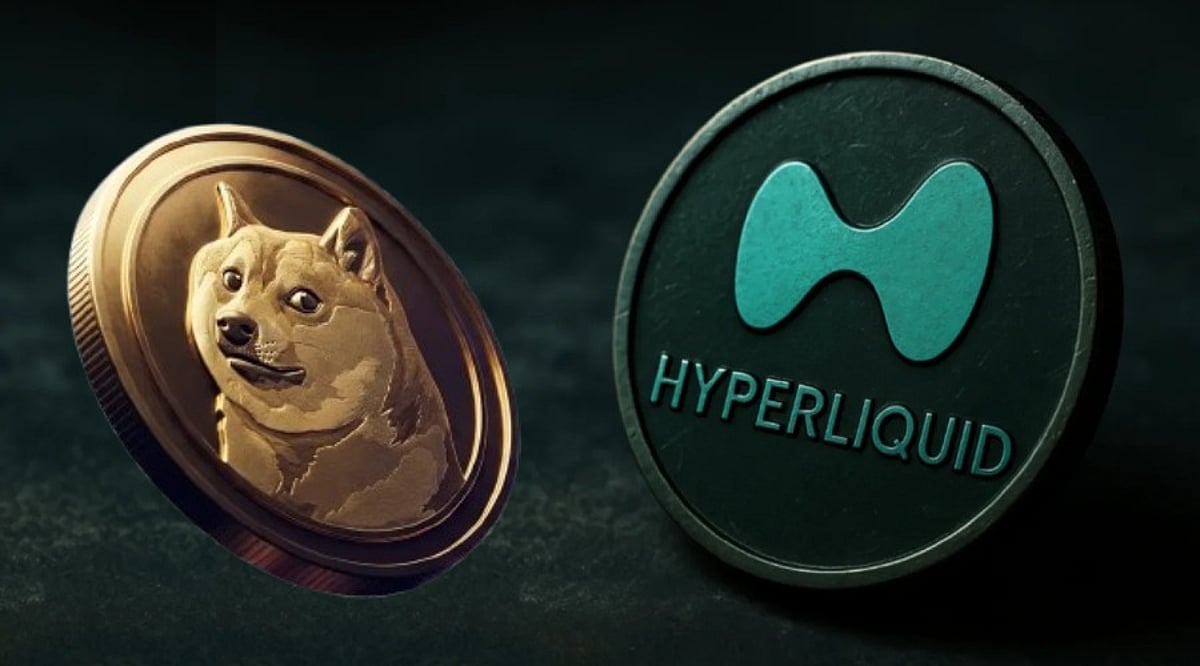
    Hyperliquid has achieved a significant milestone in the cryptocurrency market. Its native token, HYPE, has overtaken Dogecoin (DOGE) in market capitalization, entering the top 10 cryptocurrencies by market value. This development underscores a broader trend: investors are increasingly valuing projects with real revenue and strong fundamentals over those driven solely by community hype.

    According to recent data, Hyperliquid’s market cap stands at approximately $16 billion, slightly ahead of Dogecoin’s $15.9 billion. While the gap is narrow and rankings may fluctuate, the shift signals growing confidence in Hyperliquid’s business model.

    Strong Price Growth and Trading Activity

    HYPE has experienced remarkable price appreciation. Trading between $67 and $69, with an all-time high near $76.70, the token has surged over 1,600% from its lowest point. Daily trading volumes range from $480 million to over $1.1 billion, reflecting robust investor interest and liquidity.

    Revenue Generation Sets Hyperliquid Apart

    Unlike many cryptocurrencies that rely on market sentiment, Hyperliquid generates substantial revenue through its decentralized perpetual futures exchange. In the first quarter of 2026, the platform reported approximately $215 million in protocol revenue. The second quarter had already surpassed $104 million before its end, placing Hyperliquid among the top revenue-generating DeFi projects.

    This revenue stream provides a solid financial foundation, reducing dependence on speculative trading.

    Token Buybacks Create Sustained Demand

    A key feature of Hyperliquid is its token buyback mechanism. The platform allocates 99% of protocol fees (excluding certain builder and unit fees) to an Assistance Fund, which purchases HYPE tokens from the open market. This process creates consistent demand, directly linking platform success to token value—similar to corporate share buybacks.

    Institutional Interest Grows

    Traditional financial institutions are taking notice. The launch of the 21Shares Hyperliquid ETF (THYP) on Nasdaq and the Bitwise Hyperliquid ETF (BHYP) on the New York Stock Exchange has made HYPE accessible to a broader investor base. Some products also offer staking rewards, adding further appeal. Institutional support brings larger capital pools and enhances market confidence.

    Why Dogecoin Faces Challenges

    Dogecoin remains a well-known cryptocurrency with a loyal community and strong brand. However, it lacks protocol revenue, has an inflationary supply, and does not feature buybacks linking network activity to token demand. Its value largely depends on community support and market sentiment.

    In contrast, Hyperliquid combines exchange services, governance, staking, and the growing HyperEVM ecosystem, offering multiple reasons for investors to hold the token beyond speculation.

    Future Growth and Risks

    Hyperliquid continues to expand with developments like HyperEVM for decentralized applications, HIP-3 permissionless perpetual markets, and synthetic asset trading including pre-IPO contracts. These innovations could drive further network activity.

    However, risks remain. Future contributor token unlocks may increase circulating supply and cause selling pressure. Regulatory changes could impact decentralized derivatives platforms. Additionally, the current valuation relies on sustained trading activity and revenue growth; any slowdown could affect investor confidence.

    A New Direction for Crypto

    Hyperliquid’s ascent past Dogecoin is not a mere statistical anomaly. It represents a market shift toward projects with real revenue, active ecosystems, and long-term value propositions. While Dogecoin’s cultural impact is undeniable, HYPE’s rise suggests that utility-based cryptocurrencies may lead the next wave of digital asset development.

    FAQs

    1. Why did HYPE overtake Dogecoin? HYPE’s strong revenue generation, buyback mechanism, and growing ecosystem boosted investor confidence and market value.

    2. What makes Hyperliquid different from Dogecoin? Hyperliquid generates protocol revenue, supports staking, governance, and token buybacks, while Dogecoin primarily relies on community support and market sentiment.

    3. How do HYPE buybacks work? Most protocol fees are used to buy HYPE tokens from the open market, creating consistent demand.

    4. Why are institutions interested in Hyperliquid? The launch of HYPE-focused ETFs and the platform’s revenue-generating business model have attracted traditional investors.

    5. What risks should investors consider? Potential token unlocks, regulatory changes, and any decline in trading activity or protocol revenue could impact HYPE’s future performance.

  • Bank of America Creates Unified Head of Digital Assets and AI Role to Strengthen Crypto Strategy

    Bank of America Creates Unified Head of Digital Assets and AI Role to Strengthen Crypto Strategy

    Bank of America has appointed a new Head of Digital Assets and AI, merging oversight of cryptocurrency strategy and artificial intelligence under a single executive. The move signals a deeper internal focus on governance, analytics, and infrastructure rather than a new product launch.

    One Executive, Two Strategic Areas

    The new structure combines digital-asset and AI leadership, suggesting the bank sees operational overlap between automation, analytics, and asset infrastructure. The appointment does not confirm a new product rollout but points to internal coordination across functions that shape policy, governance, and market readiness.

    Bank of America has also published research on how stablecoins fit into financial infrastructure, adding context to the new role and showing continued attention to digital-asset policy and operational planning.

    What the Restructuring Signals

    The move indicates the bank wants closer alignment between technology, compliance, and asset strategy. It may help internal teams coordinate more quickly and places AI tools within the same governance framework as digital-asset operations and analytics. Large financial institutions often use leadership changes to signal where they see future growth; here, the appointment frames crypto as part of broader enterprise innovation.

    Institutional Crypto Strategy Comes into View

    Bank of America is among the largest U.S. banking institutions, so any leadership change tied to crypto draws wide attention. Institutional participation often acts as a credibility signal for the sector. The new role sits within that broader trend, though it remains a governance move rather than a confirmed announcement of new services, partnerships, or products. One report also noted that the bank shifted a top trader to oversee crypto strategy across the firm, adding to the picture of a wider restructuring around digital assets.

    The appointment places Bank of America’s crypto work inside a larger strategic framework and shows that AI now sits beside digital assets in the bank’s leadership structure.

    What’s Next?

    Bank of America has created a Head of Digital Assets and AI role, bringing crypto strategy and artificial intelligence under one executive. The restructuring strengthens internal coordination around governance, analytics, and digital assets while reflecting the bank’s broader approach to advancing its crypto strategy.

  • Bitcoin Surpasses $65,000 as Spot ETF Inflows Drive Institutional Buying Spree

    Bitcoin Surpasses $65,000 as Spot ETF Inflows Drive Institutional Buying Spree

    Bitcoin climbed above $65,000 this week, reaching its highest level since early June 2026. The move came after three straight days of gains and a weekly rise of about 8%. According to a July 18, 2026, Yahoo Finance report, the main driver was not retail speculation. It was steady institutional buying through U.S. spot Bitcoin ETFs.

    The rally lifted Bitcoin’s market capitalization above $1.28 trillion. At the same time, the wider cryptocurrency market held near $2.4 trillion. Price data from CoinGecko and TradingView showed Bitcoin clearing the key level during early Asian trading hours.

    ETF Flows Take Center Stage

    Yahoo Finance cited unnamed market analysts who described the current buying as consistent and non-speculative. They said asset managers and pension funds continued to add exposure. The report contrasted that pattern with the retail-led surge seen in 2021.

    Over the past seven days, spot Bitcoin ETFs added about $1.2 billion in new capital. BlackRock’s iShares Bitcoin Trust (IBIT) accounted for nearly half of that total. This was the strongest week of inflows since March 2026.

    Cumulative inflows into spot Bitcoin ETFs now exceed $35 billion since launch. Average daily inflows reached about $170 million over the past week, compared with roughly $80 million in the previous month.

    Broader Market Response Stays Tied to Bitcoin

    ETF trading activity also stayed elevated. Daily turnover across the products averaged about $2.5 billion. The report linked that volume to continued demand from registered investment advisers and other institutional allocators.

    Several large pension funds and endowments have begun placing 1% to 3% of their portfolios into Bitcoin through ETFs. Wisconsin’s state pension fund took a similar step in 2024. Those allocations helped create longer holding periods and lower selling pressure.

    Macro conditions also played a role. U.S. inflation remained sticky at around 3.2% in June 2026. As a result, institutions looked for assets with limited correlation to traditional markets. Bitcoin’s 30-day correlation with the S&P 500 fell to 0.15 this week, the lowest in six months.

    Market Pricing and Investor Focus

    The Coinbase premium turned positive this week, signaling that U.S. buyers paid more on Coinbase Pro than on Binance for direct exposure, another sign of institutional demand.

    Other crypto assets also moved higher. Ethereum rose 4% to $3,450, while Solana gained 6% to $155, according to the July 18 report. However, altcoin strength depends on Bitcoin holding its recent gains.

    Market figures added more context. Michael Saylor said institutional adoption remained early, while Cathie Wood said the asset class was maturing. The report did not offer a price target, instead focusing on whether ETF buying could continue at the same pace.

    The options market reflected calmer expectations. The 30-day implied volatility index fell to 42%, down from 55% in May 2026. Real-time ETF flow trackers from SoSoValue and CoinGlass remain central monitoring tools for investors following the trend.

    What’s Next?

    Bitcoin climbed above $65,000 after strong spot Bitcoin ETF inflows boosted institutional demand. Rising ETF investments, higher trading volumes, and sustained capital allocations shaped the latest rally. Investors may continue monitoring ETF flow data to assess whether institutional buying remains strong.

  • Vanguard Creates Head of Digital Assets Role to Accelerate Blockchain Strategy

    Vanguard Creates Head of Digital Assets Role to Accelerate Blockchain Strategy

    Vanguard has posted a job opening for a senior executive to lead its digital assets strategy, signaling a new step toward blockchain-based financial infrastructure. The role comes even as the firm continues to reject launching its own cryptocurrency investment products.

    The company listed the Head of Digital Assets, Personal Wealth vacancy on July 6. The position seeks a leader to build a multi-year plan across advisory, self-directed, and wealth management businesses. The job covers custody, settlement, tokenization, stablecoins, wallet infrastructure, and regulatory coordination, pointing to internal preparation for a tokenized financial system.

    Strategy Shifts Toward Infrastructure

    The job posting suggests Vanguard is now focusing less on whether crypto belongs in client portfolios and more on how digital assets may move through its systems. The role calls for reviewing custody structures, reconciliation tools, settlement workflows, reporting systems, and third-party integrations. It also requires tracking tokenized securities, regulated stablecoins, blockchain providers, and digital asset custodians.

    What happens when a firm that rejected Bitcoin ETFs begins planning for tokenized finance? The answer appears in the role itself: Vanguard wants a leader who can shape governance, compliance, enterprise risk, and operational readiness.

    Cautious Stance, Wider Preparation

    Vanguard declined to offer spot Bitcoin ETFs after US regulators approved them in January 2024, stating that volatile digital assets did not fit its long-term investment philosophy. Even so, the latest hiring move shows a different focus. Vanguard appears to be preparing its wealth platform for digital assets as demand grows and regulation continues to evolve. The company has said it still has no plans to launch its own crypto ETFs or crypto mutual funds and continues to warn investors about the risks and volatility of digital assets.

    Tokenization and Long-Term Positioning

    The job description places strong emphasis on tokenization and digital cash infrastructure, as well as settlement, interoperability, and regulatory coordination. Tokenization can turn assets such as bonds, equities, and real estate into blockchain-based digital forms, potentially reducing settlement time, lowering costs, and cutting counterparty risk. Vanguard’s move aligns with broader institutional trends, as large asset managers increasingly examine blockchain infrastructure beyond direct cryptocurrency products.

    Vanguard managed about $12 trillion in assets for more than 50 million investors as of December 2025. That scale makes any operational shift potentially significant across the investment industry. Even a small allocation through third-party digital asset products could funnel billions into blockchain-linked infrastructure. Analysts have noted that 0.1% of Vanguard’s managed assets would equal about $12 billion. The new executive would not focus on speculation but rather on the systems that could support tokenized finance inside a large wealth platform.

    What’s Next?

    Vanguard’s digital assets hiring move signals a clear shift toward blockchain infrastructure, tokenization, and operational readiness. While the firm still rejects its own crypto ETFs, it is preparing for a future where digital assets may move through traditional wealth platforms.

  • XRP Price Today: Breakout Setup Strengthens as SEC and CFTC Classify It as a Digital Commodity

    XRP Price Today: Breakout Setup Strengthens as SEC and CFTC Classify It as a Digital Commodity

    XRP traded near $1.08 after a difficult first half of 2026, while technical indicators pointed to a possible breakout and U.S. regulators formally classified the token as a digital commodity. The token lost 27.1% in the first quarter and another 22.4% in the second quarter, yet analysts now identify a rare alignment of chart signals and seasonal trends that could support a recovery. At the same time, a joint SEC-CFTC interpretive release removed long-running uncertainty over XRP’s status under U.S. law.

    Technical Setup Points to a Breakout Attempt

    On the daily TradingView chart, XRP remains inside a descending broadening wedge. Traders often view that pattern as a late-stage accumulation formation. The Relative Strength Index has also formed a bullish divergence. Meanwhile, buyers continue to defend the local bottom near $1.05.

    Historical data from CryptoRank shows that XRP has not posted a negative third-quarter close in the past seven years. July has gained 4.19% so far, and previous summer reversals produced sharp rebounds after weak June performance. In July 2023, XRP rallied 47.6% after an early-summer decline. Likewise, a similar reversal in July 2025 produced a 35% return.

    To confirm a breakout from the wedge, buyers must push the price above the $1.12-$1.18 resistance zone. A successful move could open a path toward medium-term targets between $1.45 and $1.60, representing a projected upside of about 50%.

    Nevertheless, broader market weakness and slower inflows into U.S. spot XRP ETFs could limit short-term gains. Even so, the current consolidation continues to build a base ahead of the next directional move.

    The SEC and CFTC Formally Classify XRP as a Commodity

    On March 17, 2026, the Securities and Exchange Commission and the Commodity Futures Trading Commission published a joint interpretive release that named XRP as a digital commodity. The agencies issued the document under Release Numbers 33-11412 and 34-105020.

    The 68-page release divides crypto assets into five categories: digital commodities, digital collectibles, digital tools, payment stablecoins, and digital securities. Only digital securities fall fully under SEC jurisdiction, while the CFTC oversees digital commodities.

    The release also listed Bitcoin, Ether, Solana, Dogecoin, Cardano, Avalanche, Chainlink, Polkadot, Hedera, Litecoin, Bitcoin Cash, Shiba Inu, Stellar, Tezos, and Aptos in the digital commodity category. Reports counted either 16 or 18 named assets, depending on how examples in the document were interpreted.

    According to the release, a digital commodity derives its value from the programmatic operation of a functional crypto system and from supply and demand dynamics rather than from expectations tied to managerial efforts. The agencies applied that standard to XRP since the XRP Ledger operates independently of Ripple’s managerial control.

    Read More: XRP Slips to $1.10 Despite XRPL Crossing 8 Million Accounts

    A Broader Policy Shift Takes Shape

    The release also addressed when a non-security crypto asset may become part of an investment contract and when that status may end. In addition, it discussed airdrops, protocol mining, protocol staking, and wrapped versions of non-security assets.

    The guidance followed the SEC’s creation of the Crypto Task Force in January 2025 and the launch of Project Crypto as a joint SEC-CFTC initiative in January 2026. The agencies also announced a memorandum of understanding shortly before issuing the release.

    SEC Chair Atkins stated at the DC Blockchain Summit that the agency is not the ‘securities and everything commission anymore.’ CFTC Chair Selig said the wait was over and pledged to establish rules that would allow the crypto industry to operate onshore.

    What’s Next?

    XRP continues to trade within a key technical pattern as buyers target a breakout above the $1.12–$1.18 resistance zone. At the same time, the SEC and CFTC have officially classified XRP as a digital commodity, removing a major regulatory uncertainty while market participants watch for the next price move.

    Join our WhatsApp Channel to get the latest news, exclusives and videos on WhatsApp