Category: Cryptocurrency

  • Safe Storage Strategies for Large Cryptocurrency Holdings: Cold Wallets, Multisig & More

    Safe Storage Strategies for Large Cryptocurrency Holdings: Cold Wallets, Multisig & More

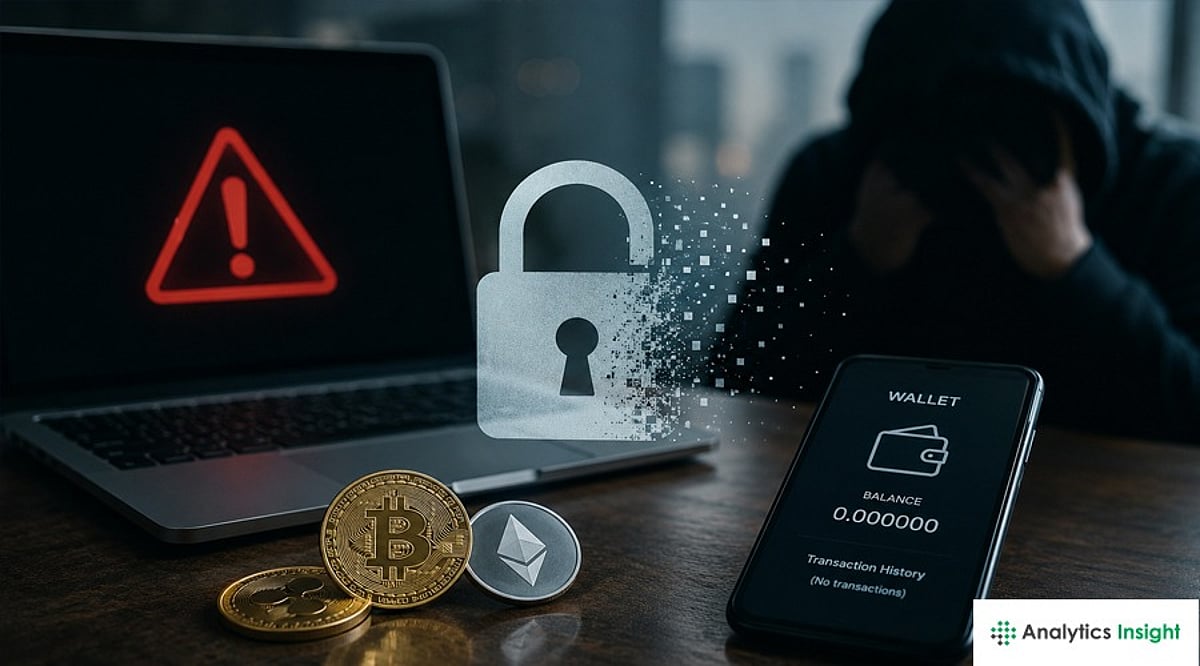
    A large cryptocurrency portfolio demands stronger security measures than a modest one. While a few tokens can be stored in a mobile wallet, long-term investments in Bitcoin, Ethereum, stablecoins, and blue-chip altcoins require a layered security approach.

    In 2025, over $3 billion in cryptocurrency was stolen as attackers exploited predictable weak points: account takeovers, compromised credentials, and platform security gaps. The FBI’s 2025 Internet Crime Report documented over 181,000 crypto-related complaints with losses exceeding $11 billion, up 22% from 2024.

    Use Cold Storage for Long-Term Holdings

    For large balances, cold storage is the safest starting point. A cold wallet keeps private keys offline, minimizing risks from malware, phishing, fake browser extensions, and wallet-draining sites. Hardware wallets like Ledger and Trezor require physical confirmation for transactions, adding an extra layer of security.

    However, a hardware wallet is only as safe as its recovery phrase. Never photograph your seed phrase, store it in cloud storage, or type it into any app.

    Split Funds Across Multiple Wallets

    Avoid storing all holdings in a single wallet. Split your portfolio according to use: long-term investments in cold storage, medium-term on an exchange, and DeFi investments in a separate hot wallet. This eliminates single-point failures; if one wallet is compromised, the rest of your portfolio remains unaffected.

    Use Multi-Signature Protection

    Multi-signature (multisig) wallets require more than one approval to move funds. A 2-of-3 arrangement, for example, needs two separate keys for any transaction. This protects against seed phrase loss, device theft, and insider misuse, making it ideal for family offices, businesses, and large investors.

    Protect Against Human Error

    Human error remains a top risk. Address poisoning—where attackers send small transactions from fake addresses to trick victims into copying the wrong address—is increasingly common. In 2025, a study found 270 million address poisoning attempts targeting 17 million on-chain addresses, resulting in at least $83.8 million in losses.

    Always verify the full address when sending or receiving transactions. Send a small test transaction first, and avoid copying addresses from your transaction history.

    Plan for Recovery and Inheritance

    Long-term investors need a recovery plan. Store seed phrases offline in a bank locker or safe, and consider metal backups for fire and water protection. Trusted heirs should know where recovery instructions are stored, without having direct access to funds.

    Why This Matters

    With crypto theft exceeding $11 billion in 2025, standard wallets are insufficient for large portfolios. Implementing layered security—cold storage, multisig, wallet separation, offline backups, and transaction verification—is critical to making theft difficult, recovery possible, and mistakes less costly.

    FAQs

    1. What is the safest way to store large crypto holdings?

    Cold storage is generally the safest option for long-term holdings, as private keys stay offline. Hardware wallets reduce exposure to phishing, malware, and wallet-draining sites.

    2. Should I keep all my crypto in one wallet?

    No. Storing all crypto in one wallet creates a single point of failure. Splitting funds across cold storage, exchange wallets, and DeFi wallets reduces portfolio-wide risk.

    3. What is a multi-signature wallet?

    A multi-signature wallet requires more than one approval before funds can be moved. This shields large holdings from device theft, seed phrase loss, insider misuse, and unauthorized transactions.

    4. How can investors avoid address poisoning scams?

    Always verify the full wallet address before sending funds, avoid copying addresses from transaction history, and send a small test transaction first to catch errors.

    5. Why is recovery planning important for crypto investors?

    Recovery planning ensures funds aren’t permanently lost if a device is damaged, stolen, or inaccessible. Store seed phrases offline, and let trusted heirs know where recovery instructions are kept.

    Disclaimer: This article is for informational purposes only and does not constitute financial or investment advice. Always conduct your own research before making any investment decisions.
  • Smart Contract and DeFi Security Risks: Essential Knowledge for Crypto Investors in 2026

    Smart Contract and DeFi Security Risks: Essential Knowledge for Crypto Investors in 2026

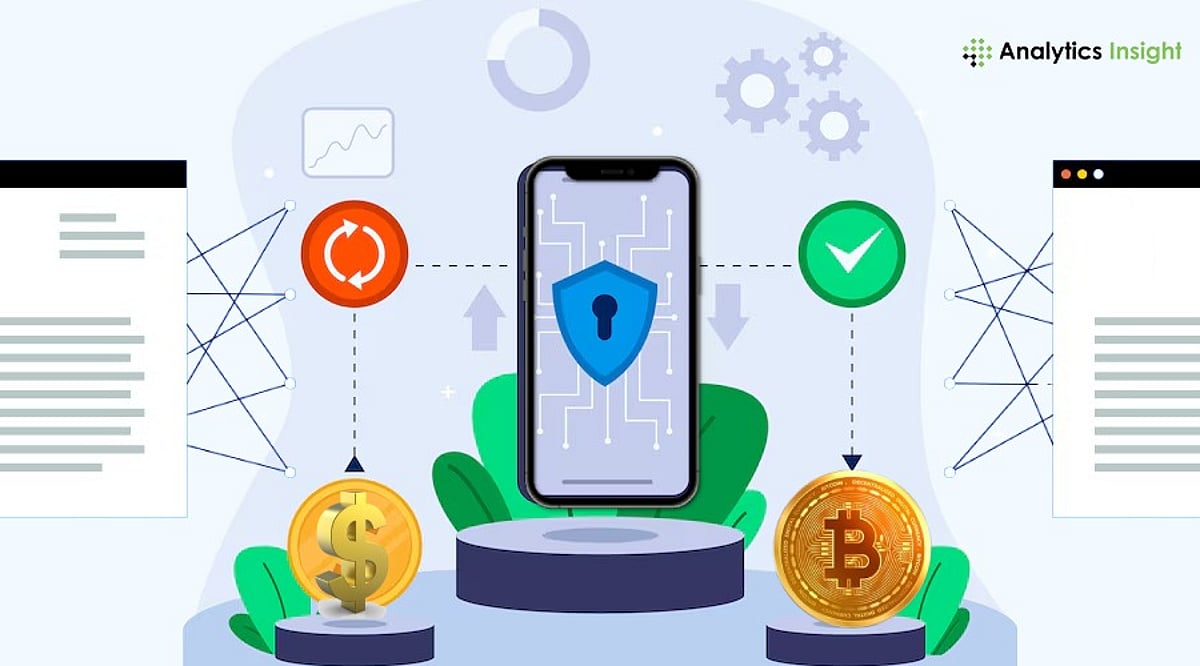
    Decentralized Finance, or DeFi, has transformed how people interact with cryptocurrency. By enabling lending, borrowing, trading, staking, and earning rewards without intermediaries, DeFi platforms rely on smart contracts—self-executing programs that run on blockchains. However, as the DeFi market has ballooned to lock over $120 billion in crypto assets by mid-2026, security vulnerabilities have become a critical concern for every investor.

    Smart Contracts: Powerful Yet Vulnerable

    Smart contracts execute automatically based on coded instructions. Even minor coding errors—such as weak access control, poor data validation, or flawed business logic—can be exploited by malicious actors. Unlike traditional software, smart contracts are immutable once deployed; a single bug can lead to massive financial losses. Security experts continuously find vulnerabilities, and even experienced teams have suffered major hacks.

    Smart Contract Exploits Lead the Threat Landscape

    Data from early 2026 reveals that smart contract weaknesses remain the primary vector for attacks on DeFi protocols. In the first half of 2026, there were 207 successful cyberattacks on cryptocurrency systems—the highest ever recorded in a six-month period. Of these, 125 attacks (60%) were attributed to smart contract vulnerabilities. Despite advancements in security tools, hackers constantly search for unpatched bugs, making the competition between defenders and attackers more intense than ever.

    Price Manipulation via Oracles

    Many DeFi platforms depend on oracles—external services that supply real-time asset prices. If attackers can temporarily manipulate price feeds, smart contracts may accept false data, enabling unauthorized loans, unjust liquidations, or other fraudulent activities. Several high-profile DeFi breaches have resulted from manipulated price data rather than direct code failures.

    Flash Loan Attacks

    Flash loans allow users to borrow large sums without collateral, provided the loan is repaid within the same blockchain transaction. This feature has legitimate uses, but criminals have exploited it to amplify attacks. By combining flash loans with coding flaws, hackers have stolen hundreds of millions of dollars, manipulating token prices, governance votes, or exploiting protocol weaknesses.

    Cross-Chain Bridges: Complex and Risky

    Cross-chain bridges enable transfers of digital assets between different blockchains, increasing DeFi’s flexibility. However, their complexity—involving multiple contracts, validators, and security checks—creates more attack surfaces. Because bridges often hold enormous pools of locked assets, they remain prime targets for cybercriminals.

    Private Key Theft: A Growing Threat

    Smart contract bugs are no longer the only danger. Private key theft now accounts for a significant share of losses. Attackers use phishing, malware, fake websites, and social engineering to steal wallet credentials. Industry estimates suggest that about 40% of all historical crypto hack losses stemmed from stolen private keys. In the first half of 2026, 76% of stolen funds came from compromised keys, wallet systems, bridge infrastructure, or other operational weaknesses—not solely coding errors. Wallet security is as critical as secure smart contracts.

    The Latest Numbers: A Mixed Picture in 2026

    While total crypto losses fell by approximately 58% compared to the same period in 2025—dropping from $2.3 billion to $972 million—the number of attacks hit a record high. This suggests that improved security audits, bug bounty programs, and monitoring tools have reduced average loss per incident, but hackers are persistent. CertiK reported 344 Web3 security incidents in early 2026: 204 from code vulnerabilities, $444 million lost to wallet compromises, and $366 million from phishing. Ethereum was the most targeted chain with 153 incidents and losses exceeding $522 million.

    Why This Matters for Investors

    With over $120 billion locked in DeFi and cyberattacks escalating, understanding these risks is essential. Smart contract flaws, oracle manipulation, flash loan exploits, bridge vulnerabilities, and private key theft pose serious threats. Thorough research, use of hardware wallets, verification of security audits, and caution with unknown contracts are vital steps to safeguard digital assets.

    FAQs

    1. What is a smart contract?
    A smart contract is a blockchain-based program that automatically executes transactions when predefined conditions are met.

    2. Why are smart contracts risky?
    Coding mistakes or logic flaws can allow hackers to exploit the contract and steal funds.

    3. What is a flash loan attack?
    It is an attack where borrowed funds manipulate prices or exploit weaknesses in a DeFi protocol within a single transaction.

    4. Why are private keys important?
    Anyone with access to a private key can control the associated crypto wallet and transfer its assets.

    5. How can crypto investors reduce DeFi risks?
    Research projects carefully, use hardware wallets, verify security audits, and avoid interacting with unknown or suspicious smart contracts.

    Disclaimer: This article is for informational purposes only and does not constitute investment advice. Always conduct your own research before making any investment.

  • Bitcoin Price Holds at $64,517 as Bullish Momentum Builds Toward Key $65,000 Resistance

    Bitcoin Price Holds at $64,517 as Bullish Momentum Builds Toward Key $65,000 Resistance

    Bitcoin (BTC) is trading near $64,517 on July 15, 2026, after a strong rally that saw the cryptocurrency break above $64,000 and reach an intraday high of $64,541 on Bitstamp. The world’s largest digital asset has gained roughly 4% to 5% in the last 24 hours, recovering from recent weakness and pushing its market capitalization above $1.29 trillion. Daily trading volume remains robust at nearly $30 billion, signaling active participation from both institutional and retail investors.

    Technical Strength and Price Action

    On the 15-minute chart, Bitcoin traded in a tight range around $62,800–$63,000 for several hours before a surge in buying pressure pushed the price to $64,700, confirming a fresh bullish breakout. After the sharp move, the market entered a consolidation phase between $64,450 and $64,900, a typical breather following strong rallies. Candlestick patterns show that sellers attempted to push the price lower, but buyers quickly stepped in to defend the key $64,500 support level.

    Moving Averages Support the Uptrend

    The moving averages continue to favor buyers. The short-term moving average near $64,689 acts as immediate resistance, while the medium-term average at $64,111 has provided support during minor pullbacks. The long-term moving average sits around $63,294. Since Bitcoin trades comfortably above all these averages, the overall trend remains bullish. As long as the price stays above $64,111, the short-term outlook stays positive.

    RSI Returns to Healthy Levels

    The Relative Strength Index (RSI) has dropped to around 43 after briefly entering overbought territory during the earlier rally. This decline does not indicate weakness; rather, it shows that momentum has normalized after the strong move. If the RSI climbs back above 50, fresh buying momentum could emerge to support another leg higher.

    Key Support and Resistance Levels

    Support: The first line of defense is the $64,450–$64,500 zone, where buyers have prevented further declines. Additional support lies at $64,100, followed by the major support near $63,300. The most critical level is the $62,800–$63,000 range, where the recent breakout originated. A break below these levels could signal a trend reversal.

    Resistance: Immediate resistance stands at $64,700, followed by the psychologically important $65,000 mark. Above that, the major resistance zone lies between $65,200 and $65,500. A clean break above $65,000 could attract fresh buying and pave the way for another rally.

    Fundamental Drivers

    Lower-than-expected U.S. inflation data has boosted Bitcoin, as easing fears of further interest rate hikes improved risk appetite. A weaker U.S. dollar has also supported cryptocurrency prices. Institutional demand remains strong, with Bitcoin ETFs continuing to attract long-term investors despite occasional outflows. Market participants are now watching upcoming economic data and Federal Reserve statements for further direction.

    Outlook

    Bitcoin remains in a bullish phase after successfully breaking above $64,000. Buyers continue to support every pullback, creating a pattern of higher lows. The strong support between $64,100 and $64,500 suggests that the cryptocurrency has the potential to challenge $65,000 and extend toward $65,500. If sellers push the price below $64,100, the next support at $63,300 could act as a strong buying zone. Overall, the combination of robust volume, sustained institutional interest, and improving macroeconomic conditions keeps the market bullish unless key support levels are violated.

  • MEXC Secures Second Place in TradFi Perpetual Futures with $323.9 Billion Volume, CoinGecko Report Reveals

    MEXC Secures Second Place in TradFi Perpetual Futures with $323.9 Billion Volume, CoinGecko Report Reveals

    MEXC, a leading 0-fee digital asset trading platform, has emerged as a top performer in CoinGecko’s newly released TradFi on Crypto Exchanges Report 2026. The exchange ranked second in TradFi Perpetual Futures trading volume, recording an impressive $323.86 billion between January 2025 and May 2026, while also leading all exchanges in the total number of RWA and TradFi product listings.

    According to the report, MEXC listed 358 RWA Spot and TradFi Perpetual Futures products during the review period, the highest among all centralized and decentralized exchanges tracked. This includes 199 RWA Spot and 159 TradFi Perpetual Futures, providing users with extensive access to stocks, commodities, and other traditional financial assets.

    In terms of trading volume, MEXC’s cumulative TradFi Perpetual Futures volume reached $323.86 billion, second only to Binance. The exchange’s average monthly market share in this segment rose from 21.7% in 2025 to 22.8% in the first five months of 2026. Notably, this growth occurred during a period of rapid expansion in the overall TradFi Perpetual Futures market, indicating that MEXC’s trading volume grew faster than the market average.

    “From product listings and cumulative trading volume to monthly market share, the CoinGecko report reflects MEXC’s progress in RWA and TradFi trading,” the exchange stated. “Looking ahead, MEXC will continue to expand its RWA and TradFi offerings under its ‘Infinite Opportunities’ vision, refining the trading experience and making it easier for global users to access a broader range of assets.”

    MEXC, trusted by more than 40 million users across 170+ markets, offers industry-leading 0-fee trading and access to over 3,000 digital assets. The platform serves as a gateway for trading cryptocurrencies alongside tokenized assets, including stocks, ETFs, commodities, and precious metals.

  • Ethereum Price Breaks Key Resistance, Sets Sights on $2,220 Amid ETF Inflows

    Ethereum Price Breaks Key Resistance, Sets Sights on $2,220 Amid ETF Inflows

    Ethereum has broken above a major resistance level, signaling renewed bullish momentum as spot ETF inflows return and market sentiment improves. The second-largest cryptocurrency now targets the $2,220 mark, supported by strong technical indicators and network growth.

    Key Takeaways

    • Ethereum has broken above a key resistance level, improving the short-term outlook.
    • Spot Ethereum ETFs recorded approximately $84 million in net inflows after eight weeks of outflows.
    • The next major price target stands near $2,220 if bullish momentum continues.

    At press time, Ethereum trades near $1,800 following a solid recovery over the past week. Market experts believe this breakout could mark the start of another upward move if buyers continue to support the price. Recent data shows spot Ethereum ETFs recorded their first week of net inflows after eight straight weeks of outflows, signaling renewed confidence from institutional investors.

    Ethereum Moves Above an Important Resistance

    Ethereum had been stuck below a vital resistance region, facing selling pressure on each rally attempt. The latest price action finally broke above this level, changing the medium-term outlook. This break is crucial because the resistance had been defining the market’s direction. Traders typically expect stronger buying once the price clears such a level.

    Technical indicators also support the bullish view. The Relative Strength Index (RSI) is in bullish territory but not overbought, leaving room for further upside.

    Institutional Investors Return to Ethereum

    Spot Ethereum ETFs attracted about $84 million in net inflows during the week ending July 11, the first positive week after nearly two months of continuous outflows. The return of fresh capital suggests large investment firms have grown more confident in Ethereum’s future. Institutional investors typically focus on long-term opportunities rather than short-term price swings, and their return often provides extra market support. If ETF inflows continue in the coming weeks, Ethereum could receive another boost.

    Ethereum’s Network Remains Strong

    Ethereum continues to lead as the world’s premier smart contract blockchain, powering thousands of decentralized applications (dApps), DeFi platforms, NFT projects, and tokenized assets. Layer-2 solutions have reduced transaction costs and improved network speed, attracting more users and developers. Developer activity remains among the highest in the crypto industry, with new projects launching and existing applications expanding. This steady growth underpins Ethereum’s long-term value beyond short-term price movements.

    Ethereum Price Prediction

    If buyers continue to defend the current support area, the next major target stands near $2,220. A successful move above this level could trigger another wave of buying and open the door for higher prices. However, price corrections are normal in any crypto rally. If Ethereum falls below its new support level, a short-term pullback may occur before another recovery begins. Such pullbacks often help the market build strength for the next upward move.

    Bitcoin’s performance will also play a key role. A strong Bitcoin market typically supports Ethereum and other cryptocurrencies. Economic news, ETF demand, and overall investor confidence will also influence the next move.

    Latest Market News Supports the Bullish Outlook

    The successful breakout above a major resistance level has improved technical sentiment across the market. Spot Ethereum ETFs ended eight weeks of outflows with around $84 million in fresh inflows. This return of institutional money is one of the strongest positive signals for Ethereum. Overall market conditions have improved, with better investor confidence and renewed buying interest supporting Ethereum’s recovery.

    Why This Matters

    Now that Ethereum has cleared its major resistance levels, keeping tabs on this trend is crucial for anyone trying to gauge the market’s direction. This breakout, combined with institutional money flowing back in through spot ETFs, points to a clear shift in overall market momentum.

    Final Outlook

    Ethereum has entered a stronger position after breaking above an important resistance level. The return of institutional investors, positive technical signals, and strong network fundamentals have all improved the market outlook. The next important target remains $2,220. If Ethereum stays above its new support level and buying interest remains strong, the chances of reaching that target will increase.

    The cryptocurrency market can still experience sudden price changes, but Ethereum continues to stand out as one of the strongest digital assets. Strong technology, active development, and rising institutional demand give the asset a solid foundation for future growth. If current momentum continues, Ethereum could move closer to the $2,220 level in the near future.

    FAQs

    1. Why is Ethereum rising now? Ethereum has moved above a key resistance level while renewed ETF inflows and positive market sentiment have supported buyer confidence.
    2. What is Ethereum’s next price target? The next major resistance level that many analysts are watching is around $2,220.
    3. What do ETF inflows mean for Ethereum? Positive ETF inflows suggest that institutional investors are returning, which often supports long-term market confidence.
    4. Can Ethereum still fall after this breakout? Yes. Short-term pullbacks are common in cryptocurrency markets, even during bullish trends.
    5. Why is Ethereum important in the crypto market? Ethereum powers thousands of decentralized applications, DeFi platforms, NFTs, and smart contracts, making it one of the most widely used blockchain networks.

    Disclaimer: This article is for informational purposes only and does not constitute investment advice. Cryptocurrencies are volatile and involve risk. Always do your own research before investing.

  • Bitcoin Volatility Spikes: 9 Key Factors Driving the Renewed Price Swings

    Bitcoin Volatility Spikes: 9 Key Factors Driving the Renewed Price Swings

    Bitcoin volatility is on the rise again, with prices swinging more sharply than in recent months. Traders and investors are watching closely as a combination of institutional moves, macroeconomic shifts, and market mechanics create repeated bouts of turbulence. Below are the nine primary drivers behind Bitcoin’s renewed price instability.

    • Institutional Trading: Large institutional investors deploy significant capital in a short time, causing rapid price swings as major buy or sell orders affect market liquidity on exchanges.
    • Macroeconomic Uncertainty: Interest rates, inflation data, and global economic concerns influence investor sentiment, increasing Bitcoin’s price fluctuations across financial markets worldwide.
    • Leveraged Trading: High leverage in crypto futures amplifies both gains and losses, triggering cascading liquidations that accelerate short-term Bitcoin price volatility during market moves.
    • ETF Fund Flows: Inflows and outflows from Bitcoin ETFs create buying and selling pressure, contributing to sudden price movements and heightened daily volatility.
    • Regulatory Developments: Government regulations, policy announcements, and legal actions affect investor confidence, often leading to sharp Bitcoin price reactions across global markets.
    • Whale Activity: Large Bitcoin holders buying or selling substantial amounts can significantly influence market prices, creating sudden volatility on cryptocurrency exchanges.
    • Market Sentiment: Fear, optimism, and speculative trading quickly shift investor behavior, causing rapid Bitcoin price changes during uncertain market conditions.
    • Global News Events: Geopolitical tensions, financial crises, and major economic announcements increase risk sentiment, often resulting in stronger Bitcoin market volatility.
    • Lower Market Liquidity: Reduced trading liquidity during certain periods allows relatively smaller trades to create larger Bitcoin price movements and wider market fluctuations.

    Understanding these factors can help investors navigate the current environment of heightened volatility. As the crypto market matures, such price swings are likely to remain a key characteristic of Bitcoin trading.

  • XRP Price Analysis: Crucial Support and Resistance Levels Traders Must Monitor

    XRP Price Analysis: Crucial Support and Resistance Levels Traders Must Monitor

    XRP’s price action is approaching a critical juncture, with several technical and on-chain indicators offering clues about its next major move. Traders should keep a close watch on these key levels and signals to navigate potential volatility.

    Major Support Zone

    Strong buying interest has been observed near recent support levels, which may help prevent deeper declines. However, losing this zone could trigger increased selling pressure and heightened volatility.

    Key Resistance Level

    A decisive close above resistance, accompanied by rising trading volume, could confirm renewed bullish momentum and attract additional institutional and retail participation.

    Trading Volume

    Higher trading volumes during price moves typically validate breakouts, while weak volume often indicates false moves and short-lived momentum. Always confirm breakouts with volume.

    Moving Averages

    Watch the 50-day and 200-day moving averages closely. Crossovers often signal trend changes and provide important dynamic support or resistance levels.

    Relative Strength Index (RSI)

    The RSI helps identify overbought and oversold conditions, enabling traders to anticipate possible trend reversals or continuation before major price movements.

    Market Sentiment

    Regulatory developments, ETF expectations, and broader cryptocurrency sentiment significantly influence XRP’s price direction and short-term trading opportunities.

    Whale Activity

    Large wallet transactions and exchange inflows often precede significant price swings, making on-chain monitoring essential for active XRP traders.

    Bitcoin Correlation

    XRP frequently follows Bitcoin’s broader market trend. Strong Bitcoin rallies or corrections can quickly impact XRP’s momentum and investor confidence.

    Breakout Confirmation

    Traders should wait for sustained price action above resistance or below support, supported by strong volume, before confirming a new trend.

  • Top Two-Factor Authentication (2FA) Methods for Securing Your Crypto Accounts

    Top Two-Factor Authentication (2FA) Methods for Securing Your Crypto Accounts

    Cryptocurrency is a prime target for hackers, and a strong password alone cannot guarantee safety. Two-factor authentication (2FA) adds a vital second layer of security, requiring an additional step beyond your password. This extra measure can thwart many common online attacks, even if your password is compromised. Here are the best 2FA methods to protect your crypto assets.

    Hardware Security Keys: The Gold Standard

    Hardware security keys, such as YubiKey, Google Titan Key, or SoloKey, are widely considered the safest 2FA option. These small devices connect or tap during login and only work with legitimate websites, making them highly resistant to phishing attacks. They do not rely on your phone number, eliminating the risk of SIM swap scams. For those holding significant crypto or planning long-term storage, hardware keys are the top recommendation.

    Passkeys: Fast and Phishing-Resistant

    Passkeys are gaining traction as a password replacement. They use biometrics like fingerprints or face scans, offering a 93% login success rate compared to 63% for traditional passwords. Passkey logins average 8.5 seconds versus 31.2 seconds for passwords—nearly four times faster. Many crypto exchanges now support passkeys for their phishing resistance and enhanced security.

    Authenticator Apps: A Reliable Alternative

    If you don’t have a hardware key, authenticator apps are a strong choice. Popular options include Google Authenticator, Microsoft Authenticator, Authy, Aegis, and 2FAS. These apps generate time-based codes that work offline and do not rely on your phone number, protecting against SIM swap attacks. While they can be vulnerable to phishing if you enter codes on fake sites, they are far safer than SMS or email verification.

    SMS and Email: Weaker Options to Avoid

    SMS codes are not recommended for crypto accounts due to SIM swap risks—hackers can take over your number and intercept codes. Email verification is similarly weak; if your email is hacked, all your crypto login codes are exposed. These methods should be avoided for high-value accounts.

    Which 2FA Method Should You Choose?

    Experts rank hardware security keys as the best, followed by passkeys, then authenticator apps. SMS and email are at the bottom. For maximum safety, use a hardware key; if not possible, opt for passkeys or an authenticator app. Combining a strong password with robust 2FA significantly reduces the risk of theft. A few extra seconds during login can save your digital assets.

    Frequently Asked Questions

    1. What is two-factor authentication (2FA)? It adds a second security step after your password to access your account.
    2. Which 2FA method is best for crypto? Hardware security keys are the safest due to phishing and SIM swap protection.
    3. Are authenticator apps better than SMS codes? Yes, because they don’t rely on your phone number, making them much safer.
    4. Why is SMS authentication not recommended? Hackers can steal your number via SIM swap attacks to receive your codes.
    5. Can passkeys replace passwords? Yes, they offer faster, safer logins and are supported by many crypto platforms.
  • Lost or Stolen Crypto? Here’s How to Attempt Recovery and Prevent Future Theft

    Lost or Stolen Crypto? Here’s How to Attempt Recovery and Prevent Future Theft

    Recovering lost or stolen cryptocurrency is difficult, but not always impossible. The first thing victims need to realize is that crypto transactions are typically irreversible. After Bitcoin, Ethereum, stablecoins, or tokens are removed from a wallet, there is no chargeback like with banks. Recovery depends on how quickly you react, whether the stolen funds can be traced, and whether they reach a regulated exchange that can freeze them. According to Chainalysis, criminals laundered at least $82 billion in cryptocurrencies in 2025.

    Immediate Steps After Theft

    Start by documenting everything. Save wallet addresses, transaction IDs, timestamps, screenshots, exchange information, emails, Telegram chats, WhatsApp messages, website links, and app names related to the theft. These details are crucial for law enforcement, exchanges, and blockchain tracing services to track the flow of money.

    Use a blockchain explorer like Etherscan, BscScan, Solscan, or Blockchain.com to trace the stolen funds. Public blockchains give you visibility into money flows, but you generally need exchange data or law enforcement assistance to identify the person behind a wallet address.

    Report the incident to the exchange or wallet service immediately. If the stolen crypto is sent to a centralized exchange, that exchange may be able to block the receiving account once you submit a formal complaint.

    Professional Recovery Services

    Blockchain analytics firms and crypto investigators can trace stolen funds from wallets to mixers, bridges, and exchanges. They can also assist with police complaints and exchange freeze requests. However, recovery is not guaranteed. Funds can be transferred between blockchains rapidly, routed through privacy tools, or withdrawn before authorities can act.

    Be extremely cautious of “crypto recovery agents.” Research shows that fraudsters often target users who post wallet support requests on social media. These scammers may ask for seed phrases or demand advance payments. Never share your private keys or pay upfront fees to anyone claiming they can recover your crypto.

    What You Cannot Do

    • You cannot reverse a blockchain transaction through a wallet company.
    • You cannot recover a lost seed phrase from the blockchain.
    • You cannot force a decentralized wallet to freeze funds — non-custodial wallets do not control user assets.
    • If you have lost your password, recovery depends on backups like wallet files, seed phrases, hardware wallets, or encrypted recovery methods. Without these, funds may be permanently inaccessible.

    How to Protect Yourself Going Forward

    • Use hardware wallets for large balances.
    • Store seed phrases offline in a secure location.
    • Enable two-factor authentication on all exchange accounts.
    • Avoid clicking unknown links or downloading unverified apps.
    • Always test large transfers with a small amount first.
    • Never disclose your seed phrase to anyone — real exchanges, wallet teams, and recovery firms will never ask for it.

    Frequently Asked Questions

    1. Can stolen cryptocurrency be recovered?
    Stolen cryptocurrency can sometimes be traced, but recovery is not guaranteed. Success depends on how quickly you act and whether the funds reach a regulated exchange that can freeze them.

    2. What should I do first if my crypto is stolen?
    Immediately save transaction IDs, wallet addresses, screenshots, timestamps, and all communication records. These are essential for police complaints, exchange reports, and blockchain tracing services.

    3. Can a wallet company reverse a crypto transaction?
    No. Wallet companies generally cannot reverse blockchain transactions. Once confirmed on-chain, a transaction cannot be cancelled like a bank transfer or credit card payment.

    4. Are crypto recovery agents safe to use?
    Some professional investigators may help trace stolen funds, but many fake recovery agents prey on victims. Never trust anyone who asks for your seed phrase, private keys, or large upfront payments.

    5. How can I protect my crypto from future theft?
    Use hardware wallets for large balances, store seed phrases offline, enable two-factor authentication, and avoid suspicious links. Always test large transfers with a small amount before sending the full balance.

    Disclaimer: This article is for informational purposes only and does not constitute investment advice. Cryptocurrency investments carry high risk, and you may lose your funds. Always do your own research before making any financial decisions.

  • Ethereum Price Analysis: Rare Death Cross Warns of Possible Drop to $1,500

    Ethereum Price Analysis: Rare Death Cross Warns of Possible Drop to $1,500

    Key Takeaways

    • A rare weekly death cross has strengthened the bearish outlook for Ethereum.
    • The $1,600–$1,620 zone remains the most important support level.
    • A move above $1,750–$1,800 could reduce downside pressure.

    Ethereum has entered another difficult phase after a new technical sell signal appeared on the price chart. Market experts believe this signal could point to more weakness in the coming weeks. Some analysts now expect Ethereum to fall toward the $1,500 level if the current trend continues.

    Rare Technical Signal Draws Attention

    One of the biggest reasons behind the bearish outlook is the appearance of a weekly ‘death cross.’ This happens when the 50-week Exponential Moving Average (EMA) drops below the 200-week EMA. Many traders see this pattern as a sign that long-term momentum has turned weak.

    This type of signal has appeared only a few times in Ethereum’s history. Past examples often came before long periods of price weakness. Given this history, analysts believe the current signal deserves careful attention.

    Weak Market Sentiment Adds More Pressure

    The sell signal has arrived during a period of weak market confidence. Several factors continue to reduce buying interest across the cryptocurrency sector.

    One important reason is the decline in demand from exchange-traded funds (ETFs). Recent ETF outflows show that some institutional investors have reduced exposure to Ethereum. Lower investment from large financial firms can place additional pressure on prices.

    Global economic uncertainty has also affected financial markets. Higher interest rates and cautious investor sentiment have reduced demand for riskier assets, including cryptocurrencies. This broader environment has made it difficult for Ethereum to build strong upward momentum.

    Upgrade Delays Also Affect Confidence

    Another factor behind the cautious outlook is uncertainty surrounding Ethereum’s future network upgrades. Market participants usually expect major upgrades to improve network performance and attract more users.

    However, delays or uncertainty about development timelines have reduced market optimism. Although Ethereum continues to have one of the largest developer communities in the blockchain industry, uncertainty often creates short-term pressure on prices.

    Important Price Levels Remain in Focus

    The first major support area sits between $1,620 and $1,600. This range may help slow further declines if buyers return to the market.

    If Ethereum falls below this support, analysts believe the next important target could be $1,500. This level has become one of the most discussed downside targets in recent market reports.

    On the upside, the first major resistance area stands between $1,750 and $1,800. A strong move above this range could weaken the current bearish outlook and improve market confidence.

    Not Every Expert Expects a Sharp Decline

    Although bearish views have gained attention, many analysts still believe Ethereum has strong long-term value.

    Ethereum remains the largest smart contract blockchain and continues to support thousands of decentralized finance (DeFi) projects, stablecoins, and tokenized real-world assets. These sectors continue to attract developers and businesses across the blockchain industry.

    Market Direction Depends on Several Factors

    If the price holds above the $1,600 support area, confidence could slowly improve. Strong buying activity near this level may prevent a deeper decline.

    However, if this support breaks, the path toward $1,500 could become more likely. Market sentiment, Bitcoin’s overall performance, institutional investment, and global economic conditions will all play an important role in determining Ethereum’s direction.

    Why This Matters

    An unusual weekly death cross hitting right as ETF inflows dry up indicates a major, long-term trend flip might be underway. Slipping past critical floor prices could easily send Ethereum tumbling down toward $1,500. If that happens, the resulting panic will likely wreck investor confidence across the entire altcoin space.

    Final Outlook

    The technical state of Ethereum is presenting one of its toughest setups in the last several years, given the combination of a rare weekly death cross, weak institutional interest, unpredictability of market conditions, and worries about network upgrades.

    At this point in time, analysts see $1,500 as a potential downside target if Ethereum does not manage to stay above the key support level of $1,600–$1,620. On the other hand, a bounce beyond the resistance level of $1,750–$1,800 could result in less bearish pressure.

    Even though the current technical situation looks weak, Ethereum’s ecosystem remains strong in the long run, allowing it to keep supporting major blockchain projects. Investors will be watching key support and resistance levels, ETF flows, and broader economic conditions to determine whether Ethereum heads toward $1,500 or starts a more solid recovery.