Category: Cryptocurrency

  • XRP Price Slides to $1.09 as Active Addresses Hit 2026 Lows and ETF Outflows Return

    XRP Price Slides to $1.09 as Active Addresses Hit 2026 Lows and ETF Outflows Return

    XRP traded at $1.09 after falling 1.39% over the past 24 hours, underperforming the broader crypto market as network activity, institutional demand, and derivatives trading weakened.

    The total crypto market value slipped 0.58%, while Bitcoin fell 0.62%. XRP faced additional pressure from declining active addresses, exchange-traded fund (ETF) outflows, and reduced leveraged trading. However, whale accumulation and negative valuation metrics suggest long-term positioning remains intact.

    XRP Ledger Activity Falls to 2026 Lows

    Daily active addresses on the XRP Ledger dropped to 25,350 on July 11, marking the network’s second-lowest daily reading of 2026. New wallet creation also fell to 2,130, its lowest level since November 2024.

    The decline follows a brief rise in activity during late June, when traders bought XRP during a market pullback. That demand has since faded, leaving the token without enough spot buying pressure to support a stronger rebound.

    Network participation has weakened across multiple timeframes. Active addresses measured over 24 hours, seven days, and 30 days have fallen since January. Whale transaction counts have also moved lower during the same period.

    Meanwhile, XRP Ledger products still provide potential sources of future activity, including RLUSD stablecoin growth, tokenized assets, payment services, and planned lending tools. A rise in these areas could bring more users back to the network.

    XRP ETF Outflows Reduce Institutional Demand

    U.S. spot XRP ETFs recorded $7.29 million in net outflows on July 8, ending a nine-week inflow streak and pushing total assets held by the funds below $1 billion. The change reduced a steady source of institutional buying. ETF inflows had supported demand during previous weeks, but the latest outflow suggests fund investors have adopted a more cautious position.

    Derivatives traders have also reduced exposure. XRP futures open interest on Binance fell to about 397 million XRP, its lowest level in more than three months. Broader market data shows total open interest dropping from $1.32 billion to $764.57 million.

    Lower open interest indicates that traders have closed leveraged positions. This reduces the chance of forced liquidations but also removes buying power that can support short-term price rallies.

    Whale Accumulation Meets Bearish Price Structure

    Large wallets holding between 10 million and 100 million XRP have accumulated tokens throughout 2026. At the same time, wallets holding between 100,000 and 10 million XRP have reduced balances.

    Several market value to realized value measures remain below zero. The 30-day, 180-day, one-year, and three-year readings show that many holders still own XRP below their purchase prices.

    XRP also recorded negative network realized profit and loss readings in early July. An Age Consumed spike on July 1 showed that older tokens moved after long periods of inactivity, which can occur during heavy selling phases.

    Nevertheless, the XRP price remains inside a descending channel that started after its July 2025 peak near $3.65. Immediate support sits near $1.07, followed by the $1.00 psychological level.

    A daily close above $1.15 could open a move toward the channel resistance near $1.22 to $1.28. Buyers would still need to reclaim the $1.40 to $1.60 range to change the wider price structure.

    A break below $1.07 could expose the $1.00 to $1.02 zone, while deeper market weakness may bring $0.80 back into focus.

  • Bitcoin BIP-110 Hits August Deadline with Zero Miner Support – What It Means

    Bitcoin BIP-110 Hits August Deadline with Zero Miner Support – What It Means

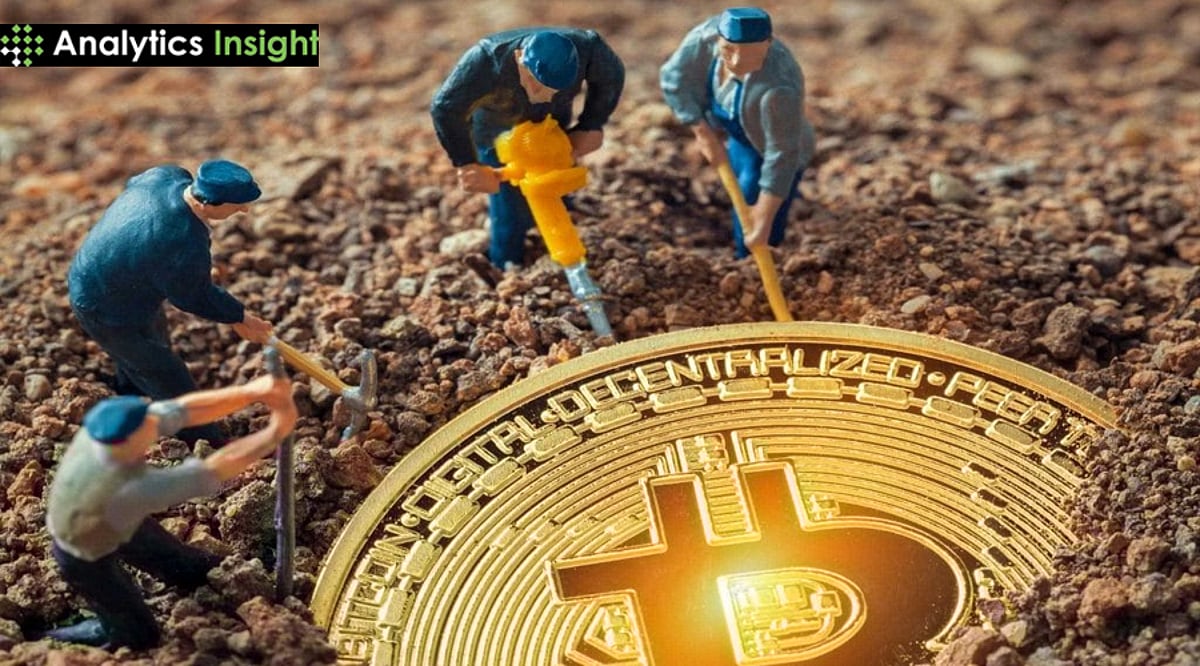
    Bitcoin’s BIP-110 proposal is approaching its early August deadline with virtually no support from miners or node operators. The plan, known as the Reduced Data Temporary Soft Fork, aims to restrict non-financial data storage on the Bitcoin blockchain for one year.

    BIP-110 Aims to Curb Blockchain Data Bloat

    The proposal would tighten limits on data stored via OP_RETURN transactions, reject arbitrary data pushes larger than 256 bytes, and restrict script formats primarily used for data storage. Supporters argue it would reduce blockchain bloat and keep block space focused on financial transactions. However, the rule would invalidate some transactions that are currently valid, such as those related to Ordinals and inscriptions.

    BIP-110 uses a user-activated soft fork mechanism, requiring only 55% miner signaling—far below the typical 95% threshold. Despite this lower bar, miner support has never exceeded 1% and currently stands at 0%. No major mining pool has endorsed the plan. Node adoption also remains in the low single digits, mostly limited to users of Bitcoin Knots rather than Bitcoin Core.

    Key Figures Speak Out

    Strategy founder Michael Saylor opposed the proposal, calling it a dangerous precedent that would turn a dispute over data storage into a consensus change. Blockstream co-founder Adam Back also rejected it, stating that the wider Bitcoin network would not join a fork implementing these restrictions. Both warned that weak support could lead to a minority chain split.

    The signaling period covers blocks 957,600 to 959,615, with a voluntary lock-in deadline around block 961,542 (early August). If activated, participating nodes would reject blocks that fail to signal support, potentially creating a separate chain with different transaction rules.

    For now, BIP-110 appears unlikely to affect the main Bitcoin network, but the debate highlights ongoing tensions over blockchain data use and governance.

  • Ethereum Holds Near $1,800 as ETF Inflows Counter Retail Bearish Pressure

    Ethereum Holds Near $1,800 as ETF Inflows Counter Retail Bearish Pressure

    Ethereum traded near $1,800 on Friday, gaining roughly 3% between Thursday and Friday as renewed demand for spot exchange-traded funds (ETFs) and continued expansion in tokenized assets provided support. The move outpaced other major cryptocurrencies, but futures market data revealed that retail traders continued to sell into the weekend, creating a tug-of-war between institutional buying and weak short-term sentiment.

    Institutional Demand Returns After Nine Weeks

    Spot U.S. Ethereum ETFs recorded their first weekly inflow in nine weeks, with $84.4 million in net buying, according to SoSoValue. This ended eight consecutive weeks of net outflows and signaled a shift in institutional demand. The funds experienced net outflows only on July 9, when Ethereum dropped to roughly $1,748 and funds lost $52.08 million. The renewed buying helped Ethereum maintain its position near $1,800 through the weekend.

    Institutional demand was further reflected in broader corporate accumulation. BitMine added 198,370 ETH over the past 30 days, bringing its reserves to approximately $10.3 billion. Additionally, a transfer of 20,500 ETH (worth about $36 million) from Galaxy Digital to a new wallet was flagged by Arkham Intelligence, following a pattern previously linked to large corporate ETH purchases.

    Retail Traders Turn Bearish

    In contrast, retail traders in the perpetual futures market moved in the opposite direction. Ethereum’s long-to-short ratio fell to 0.946, indicating that short positions now outnumber long positions. CoinGlass data showed an “extremely bearish” reading for large traders on OKX and Bybit, which handled roughly $4.10 billion and $1.19 billion in perpetual trading volume, respectively. One trader opened an ETH short position worth $12.43 million before the weekend.

    Despite the bearish tilt, short sellers faced higher liquidation losses. Short liquidations reached $11.49 million, compared to $8.30 million for long traders, suggesting that bearish bets carried near-term risk even as selling activity increased.

    Tokenization Growth Adds Support

    Ethereum also gained support from the expanding tokenized asset market and the launch of Robinhood Chain, a layer-2 network that uses ETH for gas fees. Robinhood Chain attracted about $106 million in bridge deposits and offers tokenized stocks to users in 120 countries, adding activity to the Ethereum-compatible ecosystem.

    Ethereum currently holds a 47% share of the real-world asset tokenization market, according to RWA.xyz. Analyst Leon Waidmann noted that Ethereum’s total value locked has reached $260 billion, surpassing Ether’s market value of about $210 billion, describing ETH as “underpriced.” However, network activity remains below earlier peaks. Ethereum decentralized applications generated $11 million in weekly revenue, down from $20 million in the first quarter, while active addresses fell to 3.2 million from 5.4 million.

    Funding Rates and Resistance Levels

    The annualized funding rate for ETH perpetual futures dropped to 3%, below the 6% level typically associated with balanced demand. This, combined with lower network activity, has kept Ethereum’s price recovery limited. ETH now faces resistance near $1,800 as ETF buying and tokenization demand compete with retail selling and weakening on-chain metrics.

  • XRP Price Forecast for 2026: Is Ripple a Solid Long-Term Investment?

    XRP Price Forecast for 2026: Is Ripple a Solid Long-Term Investment?

    XRP remains a leading cryptocurrency with stronger legal clarity, real payment utility, and long-term growth potential. However, competition, market volatility, and adoption levels continue shaping its future investment outlook.

    Overview

    • Improved legal clarity has increased investor and institutional confidence in XRP.
    • Ripple’s payment technology continues to drive XRP’s real-world utility and long-term potential.
    • Competition and market volatility remain the biggest risks for future price growth.

    XRP is one of the most popular cryptocurrencies in the world. It has stayed in the market for many years, experiencing numerous price changes, legal challenges, and market fluctuations. Despite these hurdles, XRP remains one of the largest digital coins.

    XRP has a distinct goal compared to many other cryptocurrencies. It facilitates fast, low-cost international payments for banks and financial institutions. Ripple, the company behind XRP, continues to develop new payment solutions. Many still believe XRP has a bright future, though some risks remain.

    Current Market Position

    The crypto market has faced significant volatility. XRP has declined after a strong rally in 2025, losing approximately 26% of its value since the start of the year. Despite this drop, XRP remains among the top cryptocurrencies. Experts attribute this decline to broader market weakness rather than a failure of XRP itself.

    Better Legal Position

    For years, legal uncertainties created doubt about XRP, deterring many investors. Today, the situation has improved markedly, with most legal hurdles resolved. This clarity boosts confidence among banks, companies, and investors, making XRP’s legal standing one of its strongest assets.

    Real Use in Payments

    XRP’s value is underpinned by its real-world utility. Ripple aims to make international payments faster and cheaper. Traditional bank transfers between countries can take days and incur high fees. Ripple offers a faster alternative, working on payment services, digital assets, and tools for financial institutions. This gives XRP a tangible purpose beyond market speculation.

    Interest from Big Companies

    Many large financial firms are exploring blockchain technology. XRP attracts attention due to its clear use case and improved legal position. If more banks and payment providers adopt Ripple’s technology, XRP could see increased value over time. However, this process requires patience, and broader adoption is critical for future growth.

    Challenges Ahead

    XRP still faces significant obstacles. The biggest challenge is competition from stablecoins, central bank digital currencies, and other blockchain projects vying for a share of the payment market. Another weakness is its small DeFi ecosystem compared to Ethereum and Solana, with fewer applications and financial services.

    Investors also worry about Ripple’s large XRP supply held in escrow. Future releases of these coins could increase supply and pressure prices.

    Price Outlook for 2026

    Exact price predictions for XRP are impossible due to the volatile crypto market. Prices depend on economic conditions, market sentiment, regulations, and adoption rates. Some experts forecast XRP trading between $1.10 and $1.40 under weak market conditions. Others suggest $1.50 to $3.00 if the market improves. Bullish forecasts see XRP above $5, but this requires strong business growth, increased user adoption, and another major crypto bull run. These are predictions, not guarantees.

    Is XRP a Good Long-Term Investment?

    Many investors view XRP as a solid long-term investment. It is a well-known cryptocurrency with high trading volume and a clear purpose. Ripple continues to innovate and partner with financial institutions worldwide. However, crypto remains risky, with prices capable of rapid swings. Competition is intense, and future success hinges on how many banks and businesses adopt Ripple’s technology.

    Final Thoughts

    XRP remains one of the strongest cryptocurrencies, benefiting from a better legal position and a focus on fast international payments. These strengths support its growth potential. Yet, risks like competition and market volatility persist. XRP’s future depends on Ripple’s ability to expand its business and attract users. For long-term investors, XRP appears promising but is best suited as part of a diversified portfolio.

    FAQs

    1. Why is XRP different from other cryptocurrencies? XRP focuses on enabling fast, low-cost international payments for banks and financial institutions.
    2. What is the biggest positive factor for XRP in 2026? Its stronger legal position and continued adoption of Ripple’s payment solutions.
    3. What risks should investors consider? Market volatility, competition from stablecoins and other blockchains, and Ripple’s escrowed XRP supply.
    4. Can XRP reach $5 in 2026? Some bullish forecasts suggest it could, but this requires strong adoption, business growth, and a favorable crypto market.
    5. Is XRP a good long-term investment? Many investors view XRP as a promising long-term asset with real-world use, but it should be part of a diversified portfolio amid crypto market risks.
  • Why Binance Coin (BNB) Is Poised to Challenge Bitcoin and Ethereum Dominance

    Why Binance Coin (BNB) Is Poised to Challenge Bitcoin and Ethereum Dominance

    Binance Coin (BNB) has transformed from a simple exchange token into the backbone of a vast blockchain ecosystem. With real-world applications spanning decentralized finance (DeFi), NFTs, gaming, AI, and payments, BNB is increasingly seen as a strong contender to rival Bitcoin and Ethereum. While overtaking these giants remains a monumental challenge, BNB’s unique features continue to drive its adoption and value.

    Key Takeaways

    • BNB powers a large blockchain ecosystem including DeFi, NFTs, gaming, AI, and payment applications.
    • Regular token burns reduce BNB’s supply, potentially supporting long-term value appreciation.
    • Fast, low-cost transactions and strong developer support drive ecosystem growth.

    Bitcoin leads on market cap. Ethereum dominates smart contracts and blockchain applications. BNB has established itself as one of the most significant tokens in the market. BNB started as a simple token for the Binance exchange. Today, it has become the main coin of a large blockchain network. It supports many online services, apps, and digital projects. Given its fast growth and many real uses, many people believe BNB has the power to become even bigger in the future. Even though passing Bitcoin and Ethereum will not be easy, BNB has many strong features that make it one of the top cryptocurrencies.

    What Is Binance Coin?

    Binance Coin, also called BNB, is the main cryptocurrency of the Binance ecosystem. It was launched in 2017 during the Binance Initial Coin Offering (ICO). In the beginning, BNB worked on the Ethereum blockchain as an ERC-20 token. Later, it moved to its own blockchain called the BNB Chain. Today, BNB is much more than an exchange token. It helps run the BNB Smart Chain, the BNB Beacon Chain, Layer-2 solutions, and cross-chain technology. It has become an important part of many blockchain services.

    A Large Blockchain Network

    The main reason for the success of BNB is its massive blockchain network. Many cryptocurrencies serve a single purpose, but BNB enables numerous projects at the same time. Many decentralized apps are operational on BNB Chain. These include decentralized finance (DeFi), blockchain games, NFT marketplaces, AI-powered Web3 projects, and stablecoin applications. The more people use these applications, the greater the demand for BNB to pay transaction fees. This leads to an ongoing need for the coin itself. The big network encourages new users and developers to join the platform as well.

    BNB Has Many Real Uses

    BNB is useful in many ways. It is not only a coin for buying and selling. People use it to pay transaction fees on the BNB Chain. It is also used for staking, governance voting, liquidity farming, and joining new token launches. People who trade on Binance can also use BNB to receive discounts on trading fees. Some businesses and payment services also accept BNB as a payment method. Since BNB has many real uses, its value does not depend only on market trading. Regular use across the ecosystem also creates demand.

    Also Read: Why Stablecoins Are Important for the Cryptocurrency Market

    A Supply That Gets Smaller

    One special feature of BNB is its supply system. Binance follows an automatic quarterly token burn program. During every burn, some BNB coins are permanently removed from circulation. This means the total supply becomes smaller over time. When supply goes down and demand stays strong, the value of a coin may increase. Many investors like this system as it makes BNB different from cryptocurrencies that continue to create new coins.

    Fast Transactions and Low Fees

    The BNB Chain is well known for its fast speed and low transaction fees. Many users choose it because sending money and using blockchain applications costs much less than on Ethereum. Lower costs make the network attractive for both users and developers. Many blockchain projects choose the BNB Chain as it offers a smooth and affordable experience.

    Support for New Projects

    Binance continues to support developers who build new blockchain projects. The company offers grants, accelerator programs, venture funding, hackathons, and better network tools. This support helps new projects grow on the BNB Chain. More projects attract more users, increasing demand for BNB. This steady growth helps make the ecosystem stronger every year.

    Can BNB Become Bigger Than Bitcoin and Ethereum?

    BNB already ranks as one of the largest currencies in the industry. However, overtaking Bitcoin or Ethereum is still a daunting task. For this to happen, blockchain adoption would need to expand significantly. The BNB ecosystem would need to continue growing, more businesses would need to adopt its technology, and more users would need to use BNB across a wider range of services. At present, Bitcoin is still the leading digital currency in terms of stored value, and Ethereum stands out as the largest smart contract platform.

    There Are Still Risks

    Like every cryptocurrency, BNB also has risks. Government rules and regulations could affect Binance and its services. Competition from Ethereum, Solana, Avalanche, and other blockchain networks is also very strong. The cryptocurrency market is also known for large price changes. Security problems in blockchain projects can also affect confidence. Given these reasons, future growth is never guaranteed.

    Also Read: Top Smart Contract Cryptocurrencies by Market Cap to Watch in 2026

    Final Thoughts

    Binance Coin has grown from a simple exchange token into one of the world’s most useful cryptocurrencies. It has a large blockchain network, many real uses, low transaction fees, a steadily decreasing supply, and strong support for new projects. Although surpassing Bitcoin and Ethereum is still a big challenge, BNB has built a strong place in the cryptocurrency market. If its network continues to grow and more people use its services, Binance Coin could become one of the most valuable digital assets in the future.

    Frequently Asked Questions

    1. What is Binance Coin (BNB)?
      BNB is the native cryptocurrency of the Binance ecosystem and powers the BNB Chain for transactions, staking, governance, and decentralized applications.
    2. Why do investors consider BNB valuable?
      Its wide range of real-world uses, growing ecosystem, low transaction fees, and automatic token burn mechanism contribute to its appeal.
    3. Can BNB overtake Bitcoin or Ethereum?
      It’s possible in theory, but Bitcoin and Ethereum currently have much larger adoption, market presence, and established use cases.
    4. What makes BNB Chain attractive?
      It offers fast transaction processing, lower fees than many competitors, and supports thousands of decentralized applications.
    5. What are the main risks of investing in BNB?
      Key risks include cryptocurrency market volatility, regulatory changes, security concerns, and strong competition from other blockchain networks.

    Disclaimer: This article is provided for informational purposes only and does not constitute investment advice. Cryptocurrencies are high-risk assets; you may lose your entire investment. Always conduct your own research (DYOR) before making any financial decisions.

  • Bitcoin ETFs See $90M Inflow Surge as BTC Approaches $65K Barrier

    Bitcoin ETFs See $90M Inflow Surge as BTC Approaches $65K Barrier

    US spot Bitcoin exchange-traded funds returned to net inflows on July 10 as Bitcoin moved back above $64,000. The products attracted $90.44 million during the session, while spot Ethereum ETFs added $18.43 million.

    The flow data arrived as Bitcoin traded near $64,150 and approached resistance level around $65,000. The recovery followed a volatile week in which the asset fell near $62,000 before moving higher again. Lower oil prices and a weaker dollar supported risk assets during the session, though ETF demand stayed concentrated in a few products. Market participants now track whether the demand can persist.

    BlackRock Leads Bitcoin ETF Demand

    BlackRock’s iShares Bitcoin Trust recorded $86.83 million in net inflows, accounting for most of the daily total. VanEck’s HODL added $3.61 million, while the other listed spot Bitcoin funds reported no net movement.

    IBIT’s cumulative net inflows reached about $60.29 billion after the July 10 session. HODL’s total stood near $1.14 billion. Across the market, US spot Bitcoin ETFs held about $77.42 billion in net assets, equal to roughly 6.05% of Bitcoin’s market value.

    Cumulative net inflows across the products reached about $51.28 billion. The latest reading followed a difficult period for the funds. A 10-day withdrawal run removed about $2.73 billion before positive flows returned in early July.

    Ethereum ETFs Add $18.43 Million

    Spot Ethereum ETFs also returned to positive flows on July 10. BlackRock’s ETHA attracted $16.20 million, while Fidelity’s FETH received $2.23 million. The remaining products posted no net flows for the day.

    The Ethereum inflow followed a $52.2 million withdrawal on July 9, which ended a five-day positive run. Ether traded near $1,800 as the funds recorded the new capital, while Bitcoin drew nearly five times more money during the same session.

    The two markets showed concentrated demand rather than broad buying across every fund. BlackRock supplied most of the inflows in both asset groups. As a result, daily totals depended heavily on activity in its IBIT and ETHA products.

    Bitcoin Tests the $65,000 Resistance Zone

    Bitcoin’s return above $64,000 placed the market close to a key short-term barrier. The asset earlier reached about $64,500 before losing momentum. Falling futures open interest, weak spot demand and a negative Coinbase premium had raised doubts about the strength of the July advance.

    Short-term holder data also points to possible supply above the current price. The newest buyers hold an average cost near $61,600, while the three-to-six-month group has a realized price close to $74,900. Traders who bought at higher levels may sell as Bitcoin moves toward their entry prices.

    Analyst Axel Adler Jr. said, “Buying pressure is once again outweighing selling pressure at the lows.” His model showed buying scores between 37% and 46% during June and July, while selling pressure stood near 16%.

    Adler identified $71,000 as an important recovery level. A move above that price would bring Bitcoin closer to the average cost of older short-term holders. The $73,200 to $77,500 range may carry heavier supply if the rebound extends.

  • Dogecoin Consolidates Near $0.074 as Bulls Target $0.081 Resistance Breakout

    Dogecoin Consolidates Near $0.074 as Bulls Target $0.081 Resistance Breakout

    Dogecoin traded near $0.074 on July 11, 2026, holding a narrow range as market participants watch for a breakout above key resistance levels. The token posted a small daily gain, but volatility remains low after months of subdued trading.

    Market focus has shifted to the $0.070–$0.073 support zone. A steady hold above this area could sustain buyer interest, while a drop below it might trigger fresh selling pressure. DOGE currently hovers close to $0.074, a level that has become a critical short-term floor.

    Traders note that a move above $0.078 would improve sentiment, with $0.081 emerging as the next major resistance. A break above $0.081 could open the door to $0.10 and beyond. Conversely, a fall below $0.070 would weaken the setup, potentially targeting $0.060 next.

    Derivatives activity has added mixed signals. Analyst CW observed that several short positions on BitMEX closed recently, yet DOGE did not rally. This lack of upward reaction indicates weak spot demand and low conviction among buyers. Open interest also fell after the July 8 sell-off, and trading volume remains low, suggesting many traders are waiting for a clearer price signal.

    Immediate resistance sits around $0.075–$0.076, with a secondary barrier near $0.078–$0.079. DOGE must clear these zones before any broader recovery can gain momentum.

    Technical analysts are tracking possible reversal patterns. Celal Kucuker noted that Dogecoin appears to be forming a double-bottom pattern near long-term support. Although this pattern often signals fading selling pressure, confirmation requires a clean move above resistance. Kucuker also pointed to a rounding-bottom formation on the daily chart and an inverted head-and-shoulders pattern. For the latter, a break above the neckline near $0.095–$0.100 would confirm the setup, with a potential target around $0.118–$0.120.

    Another analyst, Trader Tardigrade, compared the current two-week chart to past cycles in 2017 and 2021, when DOGE traded in a long range before a stronger move. Cryptollica noted that Dogecoin’s RSI is near the low 30s, close to oversold territory. A move above $0.081 would indicate better buyer control, while failure at resistance could keep the token stuck in its current range.

    Overall, Dogecoin remains in a consolidation phase. Bulls are defending the $0.070–$0.073 support zone, and a breakout above $0.081 could signal a stronger recovery. Until then, the token is likely to trade within a narrow band.

  • Solana Price Prediction 2026: Can SOL Outperform Bitcoin?

    Solana Price Prediction 2026: Can SOL Outperform Bitcoin?

    Solana has become one of the most talked-about cryptocurrencies in the market. Fast transaction speed, low fees, and strong network activity have helped the project attract developers, businesses, and investors from around the world. The network supports decentralized finance, digital collectibles, blockchain games, and payment systems. These areas have continued to expand, which has helped Solana build a large and active ecosystem.

    The latest market data shows Solana at about $77.97. Like every major cryptocurrency, the price changes throughout the day. Even though short-term movement can be sharp, many market experts remain focused on the long-term outlook. The biggest question now is how high SOL can climb by 2026 and whether it has any chance of moving ahead of Bitcoin.

    What Could Happen to SOL in 2026?

    Many experts believe Solana has room for strong growth if the crypto market stays healthy over the next few years. The network already has a large user base and continues to attract new projects. Better technology, wider adoption, and fresh investment could support higher prices in the future.

    A careful outlook places SOL between $150 and $300 by 2026 if market conditions remain favorable. This range reflects steady growth across the Solana ecosystem and a positive mood in the broader cryptocurrency market.

    A much stronger bull market could push the price even higher. In that case, SOL could trade between $300 and $600 or more. Such a move would require major institutional interest, rapid network expansion, and strong demand from investors across the world.

    A weaker market could produce a different result. If economic conditions become difficult or crypto demand falls, SOL could remain between $50 and $120. This range reflects slower growth and reduced activity across blockchain markets.

    Why Solana Has Growth Potential

    Several factors support the long-term outlook for Solana. One of the biggest strengths is speed. The network processes transactions much faster than many older blockchains. Low transaction costs also make the platform attractive for developers and users.

    The ecosystem continues to expand across decentralized finance, blockchain games, payment services, and digital assets. More businesses and developers choose Solana for its ability to handle large amounts of activity without high costs. This wider adoption could increase demand for SOL over time.

    Institutional interest could also become an important factor. If investment products based on Solana receive wider approval and more financial companies enter the market, additional capital could support future price growth. Strong network improvements and reliable performance would also help build confidence among investors.

    Why Bitcoin Still Holds the Top Position

    Despite Solana’s impressive growth, Bitcoin remains the most popular cryptocurrency. Bitcoin has gained years of trust and became a go-to for many institutional investors. Moreover, people consider Bitcoin digital gold for its low supply and reputation.

    Bitcoin also has the highest market capitalization and the deepest trading market. Major funds and exchange-traded funds are mostly focused on Bitcoin. The above support from institutions gives Bitcoin an edge over other cryptocurrencies.

    To surpass Bitcoin, Solana must go through rapid growth while Bitcoin fails to generate any gains. However, experts believe that it is unlikely to happen until 2026, given Bitcoin’s position in the crypto space.

    Can Solana Beat Bitcoin in Returns?

    Solana may not outclass Bitcoin regarding market capitalization, but the smaller market capitalization of Solana means that it can experience price surges within a short period. Consequently, Solana’s potential for price growth attracts investors.

    Investors should note that the growth potential is usually accompanied by potential risk. In the past, Solana’s price has fluctuated significantly, and similar situations may occur in the future. On the contrary, Bitcoin has proven to be more reliable with its history and number of users.

    Final Outlook for 2026

    The Solana blockchain has a lot of beneficial factors pointing to its positive future. Its rapid transaction processing, low fees, and growing infrastructure make it appealing to developers and customers alike. Should these trends continue and the crypto market thrive, SOL may achieve remarkable growth by 2026.

    Nevertheless, beating Bitcoin in the next few years seems unlikely. Despite Solana’s superior percentage growth, Bitcoin is still the largest cryptocurrency and enjoys the highest institutional support and reputation in the market.

    In the future, Solana may gain a lot from more widespread use, innovation, and a good environment for cryptocurrency technologies.

    FAQs

    1. What is the expected Solana price in 2026? Most forecasts place SOL between $150 and $300, while a strong bull market could push prices above $600.
    2. Can Solana overtake Bitcoin by 2026? It is considered unlikely, as Bitcoin maintains a significant lead in market capitalization, institutional adoption, and investor trust.
    3. Why is Solana considered a high-growth cryptocurrency? Its fast transaction speeds, low fees, expanding developer ecosystem, and increasing adoption across DeFi, gaming, and payments support long-term growth.
    4. Is Solana riskier than Bitcoin? Yes. Solana has historically experienced greater price volatility, while Bitcoin is generally viewed as the more established and relatively stable cryptocurrency.
    5. What factors could drive Solana’s price higher? Greater institutional investment, continued network improvements, broader blockchain adoption, and a favorable crypto market could all contribute to higher SOL prices.
  • Top Crypto Stocks to Track This Weekend: Coinbase, Robinhood, Strategy, and More

    Top Crypto Stocks to Track This Weekend: Coinbase, Robinhood, Strategy, and More

    Crypto stocks like Coinbase, Robinhood, Strategy, MARA Holdings, and Riot Platforms offer indirect exposure to Bitcoin. Their performance hinges on crypto prices, institutional demand, regulations, economic conditions, and mining profitability.

    Key Takeaways

    • Coinbase remains a leading crypto exchange with strong long-term growth potential.
    • Strategy provides one of the closest stock-market correlations to Bitcoin’s price.
    • MARA Holdings and Riot Platforms are highly sensitive to Bitcoin prices, mining costs, and network difficulty.

    Crypto stocks continue to attract investors because they offer indirect exposure to the digital asset industry without requiring investors to own cryptocurrencies directly. When Bitcoin and other major coins rise, many crypto-related companies also see strong gains. These businesses earn money through crypto trading, mining, or services that support the digital asset market. Because of this close connection, many investors keep a close eye on these stocks every weekend before the market opens again.

    The latest market data shows that several crypto stocks remain in the spotlight. Each company has a different business model, but all have strong links with the crypto industry. Investors also watch news about Bitcoin, regulations, and institutional demand since these factors often affect share prices.

    Coinbase Remains a Market Leader

    Coinbase is among the most famous cryptocurrency companies in the United States. The company operates one of the biggest cryptocurrency exchanges and caters to retail and institutional clients. Coinbase generates profits from transaction fees and other cryptocurrency-related services. Currently, Coinbase shares trade at $157.80. Despite recent pressure on the stock price, many supporters believe it is one of the strongest representatives of the cryptocurrency industry. According to experts, increased trading activity, new investments into ETFs, and more institutional involvement could drive future growth. That is why many investors watch Coinbase whenever something interesting happens in the crypto space.

    Robinhood Expands Its Crypto Business

    Robinhood has evolved beyond a traditional stock trading platform. The company has invested heavily in crypto services and continues to add new digital asset features. Robinhood stock currently trades at approximately $112.30. Investors have shown strong interest as the company expands its crypto business with new products, tokenized assets, and international growth plans. Robinhood also appeals to younger investors who prefer simple investment platforms. As it expands crypto offerings, many market participants believe it could benefit from greater global adoption of digital assets.

    Strategy Offers Direct Bitcoin Exposure

    Strategy, formerly known as MicroStrategy, has become famous for its large Bitcoin holdings. Instead of treating Bitcoin as a small investment, the company made it a central part of its corporate strategy. Shares currently trade near $99.81. Since the company owns a massive amount of Bitcoin, its stock often moves in the same direction as the cryptocurrency itself. When Bitcoin rises, Strategy shares often respond with strong gains. When Bitcoin falls, the stock can decline sharply.

    MARA Holdings and Riot Platforms Depend on Bitcoin

    Bitcoin mining companies remain major players in the crypto industry. MARA Holdings and Riot Platforms are among them and continue to attract investors. These businesses run considerable mining facilities that maintain the Bitcoin network. Their revenues depend on the price of Bitcoin, mining rewards, electricity rates, and mining difficulty. When Bitcoin prices rise, improved results are expected; lower prices lead to negative expectations concerning profits.

    Key Factors That Could Move These Stocks

    Several important events could influence crypto stocks during the coming week. Bitcoin price movement remains the biggest factor since many crypto companies depend directly or indirectly on the strength of the digital asset market. Investors also pay close attention to economic news worldwide. Interest rate expectations, inflation data, and global events often affect investor confidence. Positive developments usually support both cryptocurrencies and crypto-related stocks, while negative news can create pressure across the market. Institutional demand also plays a major role. More investment from large financial firms and continued interest in crypto exchange-traded funds could provide additional support. Mining companies also depend on energy costs and changes in mining difficulty, as both factors affect profit.

    Final Thoughts

    Crypto stocks continue to offer investors another way to participate in the growth of digital assets. Coinbase, Robinhood, Strategy, MARA Holdings, and Riot Platforms each provide exposure to different parts of the crypto industry. Some focus on trading services, while others depend on Bitcoin ownership or mining operations. Among these companies, Coinbase remains the strongest all-around crypto business given its leading position in the exchange market. Robinhood continues to build its crypto ecosystem, while Strategy offers one of the closest links to Bitcoin performance. MARA Holdings and Riot Platforms remain attractive for investors who believe Bitcoin could move higher in the near future.

    As the new trading week approaches, these five stocks deserve close attention. Their performance will likely depend on Bitcoin prices, institutional interest, economic developments, and overall market sentiment. Investors who follow these factors carefully will have a better understanding of how the crypto stock sector may perform in the days ahead.

    Frequently Asked Questions

    1. Why invest in crypto stocks instead of cryptocurrencies?
    Crypto stocks offer exposure to the digital asset industry through regulated public companies without directly owning cryptocurrencies.
    2. Which crypto stock has the strongest Bitcoin exposure?
    Strategy has the strongest direct exposure since its corporate strategy centers on holding large amounts of Bitcoin.
    3. What factors influence crypto stock prices?
    Bitcoin price movements, institutional investment, regulations, interest rates, inflation, and overall market sentiment are the primary drivers.
    4. Are Bitcoin mining stocks more volatile?
    Yes. Mining stocks such as MARA Holdings and Riot Platforms are typically more volatile as profitability depends on Bitcoin prices, energy costs, and mining difficulty.
    5. Which company is considered the leading crypto exchange?
    Coinbase is widely regarded as one of the leading cryptocurrency exchanges, serving both retail and institutional investors while generating revenue from trading and related services.
  • Best Rabby Wallet Alternatives for Secure Crypto Storage in 2026

    Best Rabby Wallet Alternatives for Secure Crypto Storage in 2026

    Rabby Wallet has carved out a strong reputation in the crypto world, particularly for its focus on security and seamless support for decentralized finance. With automatic network switching, clear transaction previews, and built-in protection against common online threats, it remains a trusted choice for managing digital assets on Ethereum and other EVM-compatible blockchains. However, as the crypto market evolves in 2026, several alternatives offer unique advantages in security, usability, and multi-chain support.

    Key Takeaways

    • Choose a wallet based on your blockchain usage, security needs, and preferred device.
    • Hardware wallets provide the strongest protection for long-term crypto storage.
    • Multi-chain support and advanced security features are shaping the best wallets in 2026.

    MetaMask Remains a Trusted Choice

    MetaMask is still one of the most popular crypto wallets globally. Most decentralized applications on Ethereum work seamlessly with MetaMask without extra setup, making it ideal for both beginners and experienced users. It also supports hardware wallets for added security. While it doesn’t offer every feature Rabby provides, its vast ecosystem and support make it a top alternative in 2026.

    Trust Wallet Offers Excellent Mobile Support

    Trust Wallet is a favorite for mobile users, supporting over 100 blockchains from one app. It includes NFT and staking capabilities, plus an integrated Web3 browser, eliminating the need for multiple wallets. Its intuitive interface makes it accessible even for beginners.

    Phantom Expands Beyond Solana

    Originally a Solana wallet, Phantom now supports Ethereum, Polygon, Base, and more. It includes scam detection, spam NFT filtering, and hardware wallet support. Perfect for users who primarily use Solana but need access to other popular blockchains.

    Coinbase Wallet Makes Crypto Easier

    Coinbase Wallet focuses on simplicity while maintaining self-custody. Private keys stay under your control, giving you full ownership. It works with dApps, NFTs, and major blockchains. While advanced DeFi users may prefer Rabby, Coinbase Wallet is one of the easiest to understand and operate.

    Exodus Combines Simplicity with Portfolio Management

    Exodus is known for its clean design and portfolio management tools. It works on desktop and mobile, includes built-in crypto swaps, and supports many cryptocurrencies. Despite some closed-source components, it attracts users who value convenience and visual appeal.

    Zengo Brings a Different Level of Security

    Zengo uses Multi-Party Computation (MPC) instead of a recovery seed phrase, eliminating the risk of seed phrase loss or theft. This technology simplifies account recovery without reducing protection. For those worried about seed phrase safety, Zengo is one of the most advanced options in 2026.

    OKX Wallet Supports Many Blockchain Networks

    OKX Wallet supports dozens of chains with built-in tools for token swaps, asset bridges, and DeFi. Its wide support reduces the need for multiple wallets. While it may feel complex initially, experienced users appreciate the flexibility.

    SafePal Connects Hot and Cold Storage

    SafePal offers both software and hardware wallet solutions, allowing you to keep smaller amounts online for daily transactions while storing larger holdings offline. It supports many cryptocurrencies and is a strong choice for balancing convenience and security.

    Hardware Wallets Give Extra Protection

    Software wallets are great for daily use, but for long-term storage, consider hardware wallets like Ledger, Trezor, Tangem, and OneKey. They keep private keys offline, drastically reducing hacking and phishing risks. Many investors use both types: software for daily transactions and hardware for large holdings.

    Final Thoughts

    Rabby Wallet remains an excellent choice for DeFi, but strong alternatives have emerged in 2026. MetaMask leads in compatibility, Trust Wallet excels on mobile, Phantom shines across Solana and other networks, and Coinbase Wallet is beginner-friendly. Exodus offers simple portfolio management, Zengo provides seedless security, OKX Wallet delivers broad multi-chain support, and SafePal combines hot and cold storage. The right wallet depends on your needs, but security should always be the top priority.

    Frequently Asked Questions

    1. Why consider an alternative to Rabby Wallet? Different wallets offer better mobile support, additional blockchain compatibility, unique security features, or a simpler experience.
    2. Which wallet is best for beginners? Coinbase Wallet and Trust Wallet are excellent choices due to their intuitive interfaces.
    3. Which wallet offers the highest level of security? For maximum security, use a hardware wallet like Ledger or Trezor. Among software wallets, Zengo’s MPC technology provides strong seedless protection.
    4. Which wallet supports the most blockchains? Trust Wallet and OKX Wallet support a wide range of networks, ideal for multi-chain users.
    5. Should I use both software and hardware wallets? Yes. Many investors use a software wallet for daily transactions and a hardware wallet to store larger holdings securely.