Category: Cryptocurrency

  • North Carolina Enacts Landmark Law Recognizing Federal Oversight of Prediction Markets

    North Carolina Enacts Landmark Law Recognizing Federal Oversight of Prediction Markets

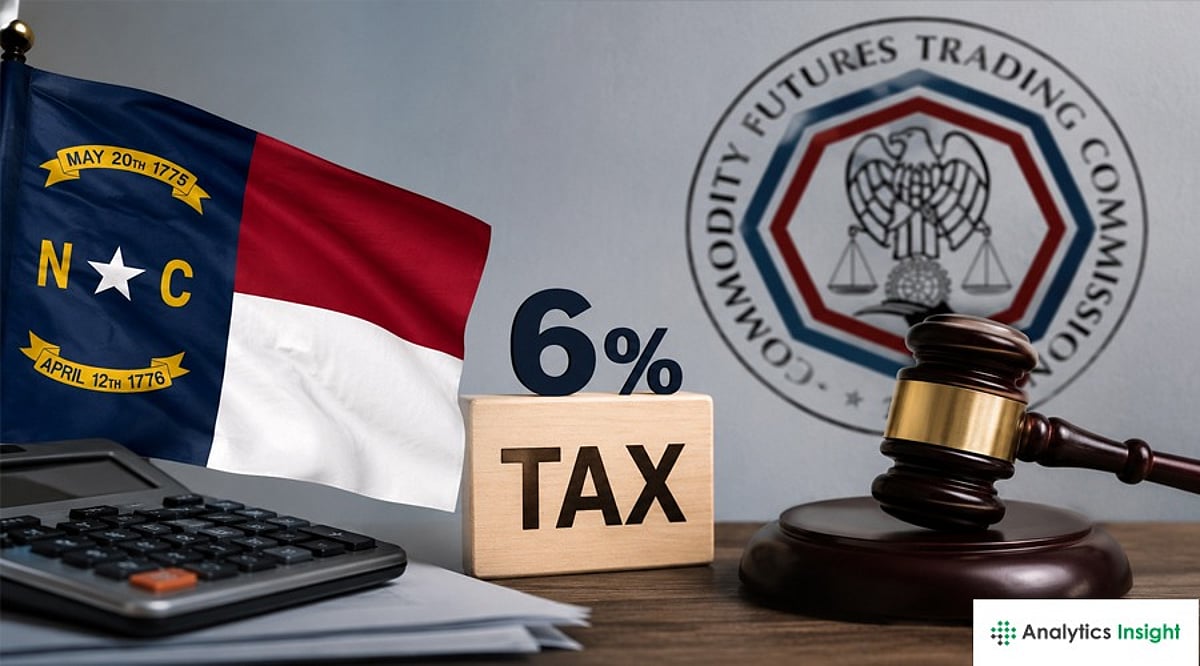
    North Carolina has become the first U.S. state to formally recognize federal oversight of prediction markets in state law, allowing platforms such as Kalshi and Polymarket to operate legally if they register with the Commodity Futures Trading Commission (CFTC). The change is part of Senate Bill 257, known as Session Law 2026-41, which is included in the state’s roughly $34 billion budget.

    The measure introduces a 6% tax on net revenue from transactions involving North Carolina residents starting January 1, 2027, while eliminating separate state licensing requirements for CFTC-registered operators. This development comes as prediction market platforms continue to defend their operations against legal challenges in several states.

    Budget Creates New Framework for Prediction Markets

    The new law relies on the Commodity Exchange Act, which grants the CFTC exclusive federal regulatory authority over prediction markets. As a result, CFTC-registered operators meet North Carolina’s regulatory requirements without seeking additional state licenses or complying with separate gaming rules.

    Instead, the legislation requires prediction market operators to pay a 6% tax on net revenue earned from North Carolina users starting in 2027. Meanwhile, the same budget raises the sports betting tax to 23% of gross betting revenue from the previous 18%. Licensed sportsbooks also continue to pay a $1 million licensing fee to operate in the state, while prediction market platforms do not face that cost under the new framework.

    Critics have questioned the difference between the tax rates. Mick Mulvaney, who leads Gambling Is Not Investing and previously served as acting White House chief of staff, told Axios that prediction markets operate as unlicensed sports gambling applications. He also argued that the policy could encourage operators to bypass state gambling rules while allowing minors to participate in sports-related markets.

    Lawmakers Weigh Revenue and Industry Impact

    Republican leaders described the measure as recognition of existing market activity. House Speaker Destin Hall said prediction market activity already occurs in North Carolina and that lawmakers decided it was time to address it. Senate leader Phil Berger also commented on the industry’s future but stopped short of predicting whether prediction markets could eventually replace traditional sports betting.

    Some Democrats expressed concerns despite supporting the overall budget. Senator Julie Mayfield warned that sports betting revenue could decline if operators shift toward prediction markets. According to WRAL, North Carolina has collected more than $287 million from sports betting since legalization in March 2024. The report also noted that the University of North Carolina and North Carolina State University may each receive up to $5.8 million annually to support athletic programs.

    Other States Continue Legal Challenges

    Gaming analyst Dustin Gouker wrote in his Next Event Horizon newsletter that North Carolina became the first state to allow CFTC-approved prediction markets without requiring separate state licensing. He described the law as affirming federal oversight while applying a relatively low tax rate and predicted that other states could consider similar legislation.

    Other states have adopted different approaches. Kentucky introduced a 14.25% excise tax in April, prompting legal action from the CFTC. Illinois later approved taxes on betting transactions while maintaining state licensing requirements, after which Kalshi filed a lawsuit.

    Court decisions have also varied. Kalshi secured preliminary injunctions in New Jersey and Tennessee, which the Third Circuit upheld in April. However, the company lost similar cases in Maryland, Nevada, Arizona, Ohio, and recently in New York, where Judge Analisa Torres ruled that Kalshi had not demonstrated a likely success under federal preemption law.

    Kalshi has appealed that decision to the Second Circuit Court of Appeals. Sports law attorney Daniel Wallach said the ruling could affect the company’s remaining legal disputes. Meanwhile, the CFTC has challenged nine states over event contracts, and some legal observers believe the issue could ultimately reach the U.S. Supreme Court.

    North Carolina Attorney General Jeff Jackson also signed an April letter opposing federal regulation, according to Axios. Even so, the state’s budget focuses on taxation while broader legal questions continue in federal courts. A Polymarket spokesperson told Axios that the company follows CFTC rules and expects state regulation efforts to face significant federal preemption challenges.

    What’s Next?

    North Carolina has become the first state to recognize federal oversight of prediction markets through state law. The measure allows CFTC-registered platforms to operate without separate licenses while introducing a 6% tax. Meanwhile, legal disputes over federal authority and state regulation continue across several jurisdictions.

  • Bitcoin Holds Above $63K as Bulls Eye $64,400 Breakout: Price Analysis

    Bitcoin Holds Above $63K as Bulls Eye $64,400 Breakout: Price Analysis

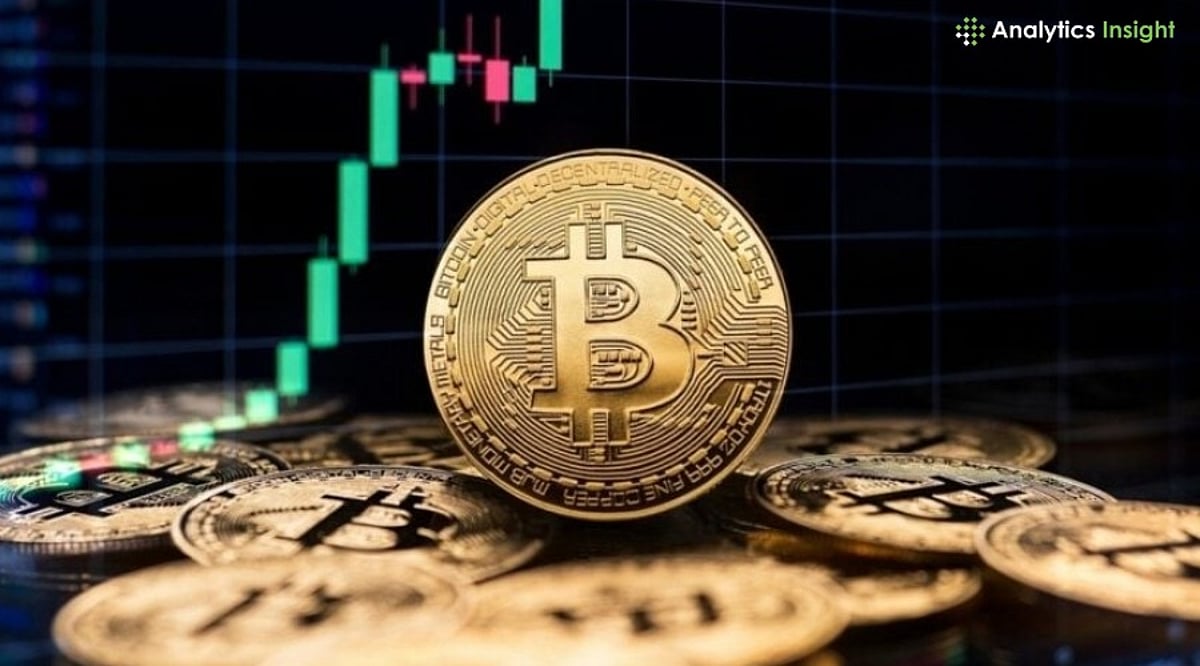
    Bitcoin trades near $63,840 with bullish momentum intact. Strong support above $63,000, healthy technical indicators, improving ETF inflows, and resistance at $64,100 keep traders focused on the next breakout.

    Overview

    Bitcoin holds above all major moving averages, keeping the bullish trend intact. A breakout above $64,100 could open the path toward $64,400 and $64,800. Strong ETF inflows and solid support near $63,000 continue to support market confidence.

    Bitcoin trades near $63,840 after a strong recovery from recent lows. The market shows a positive trend even after some profit booking during the day. Buyers continue to defend important support levels, while the price stays close to the major resistance near $64,000. The latest move shows that confidence remains strong and the overall market structure still favors higher prices.

    One-Hour Chart Shows Positive Trend

    The hourly chart indicates a solid situation for Bitcoin. The price remains over 20, 50, 100, and 200 periods of Simple Moving Averages (SMAs). Such indications often reflect relative strength in the market since short-term price remains above long-term trend lines.

    The 20-period SMA has crossed above other larger moving averages, making the current trend stronger. Bitcoin is just slightly below its recent high of around $64,100. The market has not experienced any drastic drop, but rather seems to have entered some corrective phase. This behavior suggests that the buyers do not look for exit points at the moment and remain committed to their positions.

    The key support area is currently seen between $63,250 and $63,000. The short-term outlook will remain positive as long as the price is above this range.

    Short-Term Momentum Cools After Rally

    The 15-minute chart tells a similar story. Bitcoin enjoyed a strong rally before a small pullback appeared. The Relative Strength Index (RSI) now stands near 54, after earlier reaching above 70, which marked an overbought condition.

    This fall in RSI does not point to weakness. Instead, it shows that the market has released some of the strong buying pressure that built during the rally. Such a move often helps the market build a stronger base before another attempt to move higher.

    If Bitcoin climbs above $64,000 once again, buyers may push the price toward $64,400 and later $64,800.

    Bollinger Bands Show Limited Selling Pressure

    The 1-minute Bollinger Bands also provide useful signals. Bitcoin has moved below the middle band after short-term profit booking. At the same time, the lower Bollinger Band has started to flatten, while market volatility has become smaller.

    This combination suggests that sellers have not gained full control. The recent decline looks more like a normal pause after a sharp rise instead of the start of a bigger correction. Unless selling volume rises sharply, the current price action continues to support the bullish trend.

    Key Price Levels to Watch

    The biggest resistance remains between $64,000 and $64,100. Sellers have protected this area several times during recent sessions. A clear break above this range could strengthen bullish momentum and open the door for another move toward $64,400 and $64,800.

    On the downside, the first support appears near $63,250. A stronger support zone sits between $62,950 and $63,000, where several moving averages meet. If Bitcoin drops below this area, the price could test $62,600. Even then, the bigger trend would remain positive unless the price falls below the 200-period SMA.

    Institutional Demand Supports Market Confidence

    Market sentiment has improved after fresh institutional demand returned. Recent reports show that US spot Bitcoin ETFs have recorded net inflows again after a long period of outflows.

    This return of institutional money has helped improve confidence across the cryptocurrency market. Large investors often provide stability during periods of uncertainty. The latest inflows suggest that professional investors continue to see value in Bitcoin despite recent market swings.

    Global Events Continue to Influence Bitcoin

    Global economic conditions still play an important role in Bitcoin’s direction. Investors continue to watch expectations for future Federal Reserve interest rate decisions, inflation data, and geopolitical developments.

    Even with these uncertainties, Bitcoin has managed to build higher lows during its recent recovery. This steady performance reflects improving market confidence. Traders now wait to see whether stronger institutional demand can support another breakout in the coming days.

    Volume Remains Healthy

    Trading volume has stayed healthy during the latest upward move. Strong participation during rallies often confirms that buyers remain active. Recent consolidation has come with lower trading volume, which suggests that many traders prefer to wait for the next major price move before opening fresh positions.

    A clear increase in buying volume during a move above $64,100 would provide stronger confirmation that another rally has started.

    Outlook

    Despite minor fluctuations in price, Bitcoin keeps its strong technical structure. Factors such as location above all significant moving averages, the positive RSI trend, and established support levels suggest that buyers dominate the market.

    Provided that the price remains above $63,000, the medium-term outlook is positive. The breakout above $64,100 may result in another upward swing toward $64,400 and $64,800. However, if the coin fails to secure these levels, a temporary dip toward $62,600 could follow before new buyers come in.

    The next few trading days will determine if Bitcoin has the strength to breach recent maximums and continue its bullish move.

    FAQs

    What is Bitcoin’s current price?

    Bitcoin is currently trading around $63,840, holding above important short-term support levels. The cryptocurrency has remained relatively stable despite minor market fluctuations, with traders closely monitoring price action for a potential breakout above the next resistance zone in the coming sessions.

    What is the key resistance level?

    Bitcoin’s immediate resistance is located between $64,000 and $64,100. A decisive move above this zone could strengthen bullish momentum and encourage additional buying interest, potentially opening the path toward higher price targets if trading volume continues to increase significantly.

    Where is the strongest support?

    The strongest support for Bitcoin currently sits between $62,950 and $63,000. This price range has attracted buyers during recent pullbacks, making it an important level to watch. Holding above this support could help preserve the broader bullish market structure.

    What does the RSI indicate?

    Bitcoin’s Relative Strength Index (RSI) is hovering around 54, suggesting momentum has eased after the recent rally. While buying pressure has cooled, the indicator remains in neutral territory, implying the broader uptrend is still intact without signaling overbought market conditions.

    Why are ETF inflows important for Bitcoin?

    Positive Bitcoin ETF inflows indicate growing institutional investor participation and confidence in the cryptocurrency market. Sustained inflows typically increase demand, improve overall market sentiment, and can provide stronger price support by attracting long-term capital into Bitcoin-related investment products.

  • Dogecoin at Critical Support: Can It Hold and Rally Toward $0.12?

    Dogecoin at Critical Support: Can It Hold and Rally Toward $0.12?

    Dogecoin is trading near a pivotal support zone as market participants watch for the next major move. The popular meme cryptocurrency has been under pressure from recent market weakness, but it continues to hold a key price floor that could determine its short-term trajectory.

    Current Market Performance

    After a period of volatility, Dogecoin has settled around the $0.07–$0.08 range. The coin has seen slight gains over the past day, but the long-term trend remains uncertain. Trading volumes remain solid, indicating sustained interest from both buyers and sellers. Analysts note that this narrow trading range suggests traders are waiting for stronger signals before committing to larger positions.

    Why the Support Level Matters

    Support refers to a price area where buying interest typically strengthens. When a cryptocurrency reaches this level, buyers often step in to slow or stop further declines. Dogecoin now stands close to one of these important support zones. If buyers defend this area, confidence could improve, potentially leading to an upward move. A successful defense might also encourage more traders to return after recent weakness.

    However, if sellers break below support, market sentiment could turn more negative. Some technical analysts suggest such a move might lead to another decline of around 10% before fresh buying demand appears.

    Resistance at $0.12 Remains a Key Hurdle

    While support receives much attention, resistance also plays a major role. Analysts continue to watch the $0.12 price level as one of the strongest barriers for Dogecoin. A clear move above this level would improve the overall technical picture, suggesting stronger buying pressure and potentially attracting additional market interest. Until that happens, price movement is likely to remain limited within the current range.

    Can Dogecoin Deliver a 10X Rally?

    The idea of a tenfold price increase has generated excitement among Dogecoin supporters. However, most analysts describe this as a long-term possibility rather than a near-term expectation. A move of this magnitude would require several positive developments across the entire cryptocurrency market, including a strong Bitcoin-led bull run, surging demand for meme coins, greater adoption, stronger market confidence, fresh institutional participation, and favorable economic conditions.

    Broader Market Conditions

    Dogecoin does not move in isolation. It often follows the direction of the wider digital asset market, with changes in Bitcoin, Ethereum, and overall investor confidence influencing its price. Recent geopolitical tensions have created uncertainty across global financial markets, impacting risk assets like cryptocurrencies. Continued market pressure could lead to additional downside for Dogecoin if negative sentiment intensifies.

    Community Interest Remains Strong

    One of Dogecoin’s biggest strengths is its loyal community. The cryptocurrency still attracts strong attention across social media and crypto discussions. Many supporters remain optimistic despite recent price weakness. Market opinions remain divided—some traders expect more consolidation, while others believe the current support area could be the starting point for another rally.

    What Traders Are Watching Next

    The coming weeks are crucial for Dogecoin. The first major question is whether buyers can protect the current support level. A successful defense would keep hopes alive for an upward move. The second question involves the $0.12 resistance level—a breakout above that barrier would improve the technical outlook and strengthen bullish sentiment. Until then, cautious trading and close observation of market signals are expected.

    While headlines continue to mention the possibility of a 10X rally, current market conditions suggest such a move remains speculative. The immediate focus is on support, resistance, and broader market strength. These factors will determine the next chapter in Dogecoin’s price journey before any discussion of much larger gains becomes realistic.

    FAQs

    1. Why is Dogecoin’s current support level considered so critical?

    This support zone acts as a floor where strong buying interest historically outweighs selling pressure. Defending this level keeps the possibility of a near-term price recovery alive.

    2. What happens if Dogecoin fails to hold this support level?

    If sellers break beneath this crucial floor, market sentiment will likely turn highly bearish, potentially triggering an additional decline of roughly 10% before fresh demand stabilizes the price.

    3. What is the next major price hurdle for Dogecoin bulls?

    Analysts point to the $0.12 price mark as the primary resistance ceiling. Dogecoin must achieve a clean breakout above this level to signal sustainable upward momentum and attract new trading capital.

    4. Is a 10X breakout a realistic near-term expectation for DOGE?

    No. A tenfold increase remains highly speculative. For such a move, the broader crypto market would need a massive, sustained bull run led by Bitcoin, alongside massive retail hype.

    5. How do global economic conditions impact Dogecoin’s price trend?

    As a highly volatile risk asset, Dogecoin does not trade in a vacuum. Broader macroeconomic factors, including geopolitical tensions and global market caution, heavily influence capital flows into speculative meme coins.

  • Remittix Launches Perpetual Futures Platform Remittix Markets, Expanding RTX Ecosystem Beyond Payments

    Remittix Launches Perpetual Futures Platform Remittix Markets, Expanding RTX Ecosystem Beyond Payments

    Remittix has officially unveiled Remittix Markets, a new perpetual futures trading platform that signals the next phase of growth for the RTX ecosystem. The announcement marks a significant expansion of the project’s product roadmap, moving beyond its original focus on crypto-to-fiat payments into the derivatives trading space.

    Until now, Remittix has been primarily known for its PayFi solution, which allows users to send cryptocurrency while recipients receive fiat directly into their bank accounts. With the addition of Remittix Markets, the project now offers a dual-layer ecosystem: payments for everyday use and perpetual futures trading for more active participants. This combination positions Remittix differently from single-product crypto projects, giving RTX a broader utility and engagement potential.

    Remittix Markets Adds a New Growth Layer

    The strategic logic is clear. A payments-only platform builds utility through transaction volume, while a trading-only platform generates activity through leveraged positions. By integrating both, Remittix aims to create a self-reinforcing ecosystem where payments drive real-world adoption and trading boosts platform engagement.

    The crypto-to-fiat component is already fully developed and has been tested by community members. Remittix Markets now adds a perpetual futures layer, allowing users to trade with leverage and further deepen their involvement with the RTX token. For holders, this ecosystem depth could become a key part of the long-term value proposition.

    PERPS300 Bonus and 10% Trading Bonus

    To support the launch, Remittix has introduced two promotional incentives. New RTX buyers can receive a 300% buy bonus by using the promo code PERPS300 during the campaign period. Additionally, users who purchase RTX tokens worth over $500 will receive a 10% trading bonus on the Remittix Markets platform. These bonuses are designed to drive momentum and encourage larger purchases ahead of the official launch.

    Presale, Airdrop Registration, and Launch Milestone

    Remittix has raised $30.9 million in its presale and is approaching the critical $32 million milestone. Once that target is reached, the team is expected to announce the official launch date—a key focus for current RTX holders.

    Airdrop registration is also live. Participants can register through the official Remittix website by connecting their wallet, submitting their wallet address, and completing the registration page. Users are strongly advised to use only official links and avoid unofficial websites, direct messages, or unknown accounts claiming to offer airdrop access.

    RTX Ecosystem Enters a Bigger Phase

    The Remittix Markets reveal comes at a pivotal moment. With the payments platform already built and tested, airdrop registration active, and the presale nearing the launch milestone, the addition of perpetual futures trading gives the project a stronger narrative than one-track crypto launches. Remittix is simultaneously building around payments, trading, and token distribution, providing RTX with a broad ecosystem story as launch approaches.

    For more information, visit the official Remittix website: https://remittixpresale.io. Airdrop registration is available at https://airdrop.remittixpresale.io.

    FAQ

    What is Remittix Markets?
    Remittix Markets is the new perpetual futures trading platform being added to the RTX ecosystem.

    What bonuses are available with Remittix Markets?
    Users can receive a 300% buy bonus on new RTX purchases with promo code PERPS300, plus a 10% trading bonus on the platform for RTX buys over $500.

    When will Remittix reveal its launch date?
    Remittix has raised $30.9 million in its presale, and the official launch date is expected to be revealed once the project reaches the $32 million milestone.

    Disclaimer: This article is for informational purposes only and does not constitute financial advice. Cryptocurrency investments carry risk. Always conduct your own research before investing.

  • Remittix Launches Perpetual Futures Platform, Signaling New Growth Phase for RTX Ecosystem

    Remittix Launches Perpetual Futures Platform, Signaling New Growth Phase for RTX Ecosystem

    Remittix has unveiled Remittix Markets, a perpetual futures trading platform that could mark a fresh growth chapter for the RTX ecosystem. The announcement gives Remittix a broader product direction as the project moves closer to its official launch.

    While its original focus has been PayFi and crypto-to-fiat payments, Remittix Markets introduces a trading product designed to boost activity, user engagement, and utility around the RTX token. Instead of relying on a single use case, Remittix is now building across two major categories: real-world payments and perpetual futures trading.

    This dual approach gives RTX a stronger ecosystem narrative at a time when the project is already gaining traction through presale momentum, airdrop registration, and an upcoming launch date milestone.

    Remittix Markets Adds a Trading Growth Layer

    The Remittix Markets reveal changes how the project can be viewed. A payments-only platform typically depends on transfer volume and real-world usage, while a trading platform depends on market activity and user liquidity. Remittix is now bringing both under one ecosystem, with PayFi forming the base and perps trading becoming the next growth layer.

    The crypto-to-fiat platform is already fully developed and has been tested by community members. It allows users to send crypto while recipients receive fiat directly into their bank accounts. Remittix Markets now adds a second product route, giving users another way to interact with the ecosystem beyond holding RTX or using the payments platform.

    PERPS300 Bonus and 10% Trading Bonus

    To support the Remittix Markets announcement, Remittix has introduced two incentives for users. New RTX buyers can receive a 300% buy bonus by using promo code PERPS300. This gives users an added incentive to make a purchase while the Remittix Markets campaign is active. Users who make RTX buys over $500 will also receive a 10% trading bonus on the Remittix Markets platform, designed to reward larger buyers and support early interest in the new perps trading product.

    Together, these offers give the platform a stronger promotional push and add urgency around the current Remittix launch window.

    Presale, Airdrop Registration, and $32M Milestone

    Remittix has raised $30.9 million in its presale and is moving closer to the key $32 million milestone. Once the project reaches $32 million, the team is expected to reveal the official launch date. This makes the current phase important for RTX holders, especially with Remittix Markets now part of the wider ecosystem story.

    Airdrop registration is also live. The registration process is connected to the distribution of RTX tokens purchased during the presale. Holders can register through the official Remittix site by connecting their wallet, submitting their wallet address, and completing the registration page. Users should only use official Remittix links when registering and avoid unofficial websites, fake direct messages, or unknown accounts claiming to offer airdrop access.

    A Broader RTX Story Takes Shape

    The Remittix Markets reveal gives RTX a stronger comparison against single-product crypto projects. Instead of relying only on presale momentum, Remittix is now building around payments, trading, token distribution, and launch preparation. Its crypto-to-fiat platform has already been developed and tested, the presale is nearing a major launch date milestone, and Remittix Markets now adds a fresh trading angle.

    For RTX holders, this could be the start of a new growth chapter as Remittix expands from PayFi into a wider ecosystem built around both payments and perps trading.

    Discover the future of PayFi with Remittix by checking out their project here: Website | Airdrop Registration

    FAQ

    What is Remittix Markets?
    Remittix Markets is the new perpetual futures trading platform being added to the wider RTX ecosystem.

    What bonuses are available with Remittix Markets?
    Users can receive a 300% buy bonus on new RTX purchases with promo code PERPS300, plus a 10% trading bonus on Remittix Markets for RTX buys over $500.

    When will Remittix reveal the official launch date?
    Remittix has raised $30.9 million in its presale, and the official launch date is expected to be revealed once the project reaches the $32 million milestone.

    Disclaimer: This article is provided for informational purposes only and does not constitute investment advice. You are responsible for conducting your own research (DYOR) before making any investments. Cryptocurrencies are risky and may result in loss of capital.

  • Temasek Maintains Freeze on Crypto Investments, Accelerates AI and Blockchain Push

    Temasek Maintains Freeze on Crypto Investments, Accelerates AI and Blockchain Push

    Temasek, Singapore’s state-owned investment firm managing approximately $400 billion in assets, has confirmed it will not resume direct cryptocurrency investments in the near term. Instead, the fund is doubling down on artificial intelligence (AI) and blockchain infrastructure, while maintaining a cautious stance on digital assets due to persistent regulatory uncertainty.

    Nagi Hamiyeh, Temasek’s President of Global Investments, told CNBC that the firm still lacks confidence in crypto’s long-term role within the broader financial system. This cautious approach follows the complete write-down of Temasek’s $275 million investment in FTX in 2022, which represented about 0.09% of its total portfolio.

    FTX Loss Continues to Shape Investment Strategy

    The collapse of FTX remains a defining event for Temasek’s digital asset strategy. The fund’s exposure included $210 million in FTX International and $65 million in FTX US. Although Temasek had clarified that the investment did not represent a direct bet on cryptocurrencies, the loss prompted a thorough review of its approach.

    Hamiyeh explained that Temasek currently holds no direct crypto assets and cannot yet determine how cryptocurrencies will integrate into the wider economy. Regulatory uncertainty, liquidity concerns, and reputational risks continue to guide investment decisions. The fund has indicated that direct crypto exposure could return only after clearer regulatory frameworks emerge across major markets. Until then, digital tokens remain outside its investment mandate.

    Blockchain Remains Part of the Long-term Strategy

    While Temasek avoids direct cryptocurrency holdings, it continues to monitor blockchain technology closely. The firm sees greater value in infrastructure that supports practical business applications rather than speculative digital assets. Areas of interest include blockchain solutions for settlement systems, supply chain management, digital identity, and enterprise data operations.

    This approach allows Temasek to track technological progress without exposing itself to daily market volatility. Broader institutional interest has also shifted toward tokenization and blockchain-based payment systems. Banks and asset managers are testing blockchain platforms to improve settlement speed and reduce operational costs. Temasek views digital finance infrastructure, compliance technology, and related systems as broader investment opportunities than direct token holdings.

    AI Receives Greater Capital Allocation

    Artificial intelligence has become a top priority for Temasek. The firm plans to increase its AI exposure from 6% to 15% of its portfolio by 2031. Hamiyeh noted that the greater opportunity may come from companies that successfully apply AI across their businesses rather than those developing the most advanced models. However, the fund remains selective as some AI valuations have risen faster than underlying fundamentals.

    Temasek keeps about 25% of its portfolio in liquid assets, providing flexibility to respond to market changes and pursue new opportunities. Beyond AI, Europe has attracted increasing investment. The firm invested approximately €12 billion across the region over the past two years, targeting luxury goods, consumer brands, energy transition projects, and family-owned industrial companies.

    On defense investments, Temasek takes a selective approach, focusing on dual-use technologies and reviewing governance links case by case. Its direct exposure remains limited, primarily through ST Engineering.

    As of the latest data from CoinGecko, Bitcoin traded near $62,824 and Ethereum around $1,750, keeping institutional activity in focus.

    What’s Next?

    Temasek continues to avoid direct crypto investments as regulatory uncertainty persists following its FTX loss. Instead, the fund is increasing investment in artificial intelligence and blockchain infrastructure while maintaining liquidity and selectively pursuing opportunities across Europe and other long-term growth sectors.

  • Bitcoin Derivatives Activity Outpaces Spot Demand as Market Risks Persist

    Bitcoin Derivatives Activity Outpaces Spot Demand as Market Risks Persist

    Bitcoin continues to display a widening gap between derivatives activity and spot demand as macro uncertainty shapes investor behavior. Recent geopolitical tension involving the United States and Iran pushed markets into a risk-off phase, while spot Bitcoin exchange-traded funds recorded more than $85 million in net outflows after three consecutive days of inflows.

    At the same time, Bitcoin’s Coinbase Premium Index turned negative, signaling softer U.S. spot demand. Although the Crypto Fear & Greed Index remained above extreme fear levels, historical bear-market data suggest the current cycle may still have room to continue.

    Spot Demand Weakens as Derivatives Drive Market Activity

    Bitcoin’s latest market structure shows derivatives activity recovering faster than demand in the spot market. Data indicate that Bitcoin’s 30-day cumulative demand improved from nearly -500,000 BTC to around -75,000 BTC. Even so, futures markets accounted for nearly the entire recovery. Futures demand climbed from about negative 295,000 BTC to slightly above zero, while spot demand remained near negative 78,000 BTC.

    Meanwhile, Tether minted another $1 billion worth of USDT despite the broader stablecoin market continuing to contract. Instead of flowing directly into Bitcoin purchases, much of that liquidity appears to remain on the sidelines as investors hold capital in reserve. Consequently, the additional liquidity could increase derivatives activity rather than strengthen spot buying. That trend leaves speculative positioning ahead of genuine market demand.

    Macro Conditions Continue to Shape Bitcoin Sentiment

    Market conditions shifted after renewed geopolitical uncertainty affected investor sentiment. As a result, institutions reduced exposure, leading spot Bitcoin ETFs to post net outflows exceeding $85 million. Likewise, Bitcoin’s Coinbase Premium Index moved below zero, indicating weaker buying interest from U.S. investors. The change points to greater caution among institutional participants as broader market risks increased.

    Although the Crypto Fear & Greed Index stayed above extreme fear territory, historical comparisons present a different picture. Bitcoin’s current bear market has lasted 248 days, while the 2022 and 2018 bear markets extended for 381 and 385 days, respectively. Therefore, previous market cycles suggest the current downturn remains shorter than earlier bear markets despite recent improvements in derivatives demand.

    Bitcoin Miners Expand into AI as Costs Increase

    Bitcoin mining companies have also adjusted their strategies following pressure on profitability since the April 2024 halving. Many firms redirected energy infrastructure toward artificial intelligence operations to improve revenue. According to a July 9, 2026, report from Blocksbridge Consulting, executives and board members at several mining companies sold large amounts of company stock during this transition.

    By the end of 2025, the Bitcoin network’s hash rate had reached a record 1,160 EH/s, increasing competition across the industry. CoinShares reported that publicly listed mining companies faced an average production cost of about $80,000 per Bitcoin during the fourth quarter of 2025. As costs increased, between 15% and 20% of older ASIC mining machines reportedly operated at a loss. In response, several companies converted energy resources to power AI-focused supercomputers.

    One major example involved TeraWulf, which signed a 20-year lease agreement with Anthropic valued at nearly $19 billion. Besides expanding into AI, some mining companies also sold Bitcoin holdings to finance new investments. Marathon Digital Holdings sold more than 15,000 BTC from its institutional treasury, with its latest reported Bitcoin sale occurring in April 2026. The reported transactions reflect the capital demands associated with expanding AI infrastructure while mining economics remain under pressure.

    What’s Next?

    Bitcoin’s recovery remains driven mainly by derivatives activity while spot demand stays weak. ETF outflows, a negative Coinbase Premium Index, and ongoing macro uncertainty suggest the broader Bitcoin bear market may still be active. Investors may need to monitor leverage, institutional demand, and miner liquidity closely before expecting a sustained recovery.

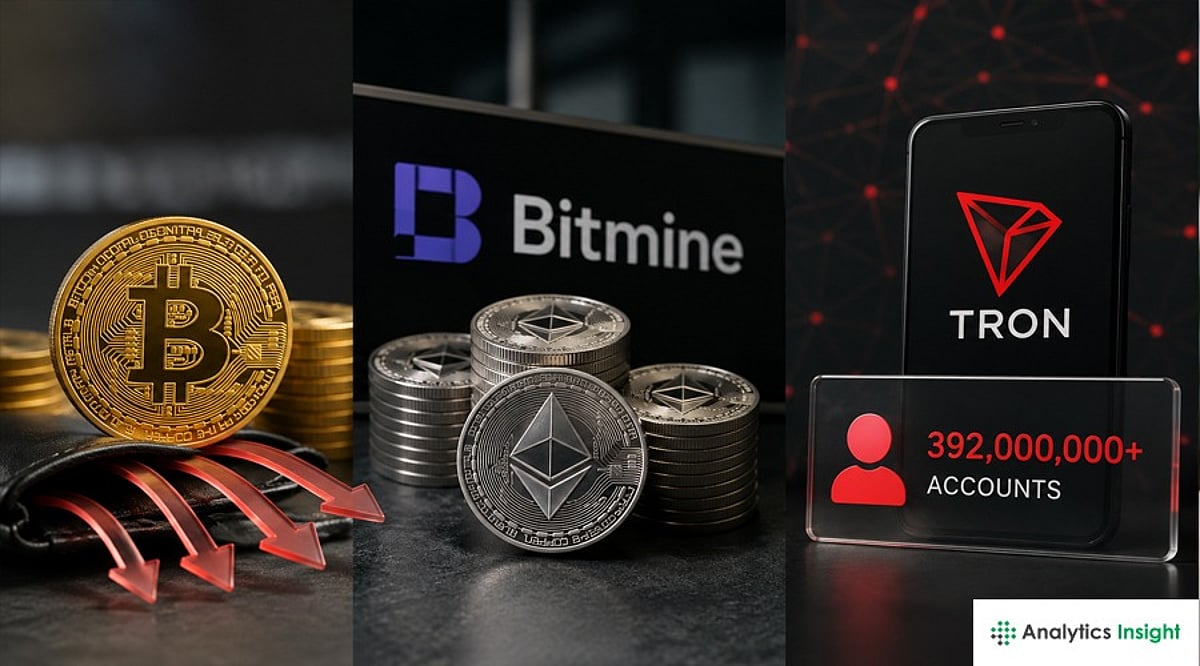
  • Bitcoin ETFs See $95M Outflows, Bitmine Adds 20,500 ETH, TRON Hits 392M Accounts — Crypto Roundup

    Bitcoin ETFs See $95M Outflows, Bitmine Adds 20,500 ETH, TRON Hits 392M Accounts — Crypto Roundup

    Market Overview

    Major developments unfolded in the crypto space as Bitcoin spot ETFs recorded $95.30 million in net outflows, Bitmine expanded its Ethereum treasury with a major acquisition, and TRON surpassed 392 million wallet addresses. Additionally, Zcash confirmed its Ironwood upgrade for late July, while New Hampshire rejected a Bitcoin-backed bond proposal.

    Bitcoin Spot ETFs See $95 Million in Net Outflows

    According to SoSoValue, Bitcoin spot ETFs experienced a total net outflow of $95.30 million on the reporting day. Fidelity’s FBTC led outflows with a daily net draw of $63.25 million, bringing its total historical net inflow to $10.15 billion. On the inflow side, VanEck’s HODL ETF recorded the highest daily net inflow at $5.36 million (cumulative $1.13 billion), followed by Morgan Stanley’s MSBT with $2.17 million ($377.14 million total). The combined net asset value of all Bitcoin spot ETFs now stands at $76.51 billion, with an ETF net asset ratio of 6.03% and historical cumulative net inflows of $51.19 billion.

    Bitmine Acquires 20,500 ETH for $36 Million

    Bitmine Immersion Technologies purchased 20,500 ETH for approximately $35.92 million via an over-the-counter transaction with Galaxy Digital, executed around July 10, 2026. The purchase price was roughly $1,752 per ETH. This acquisition pushes Bitmine’s total Ethereum treasury to about 5.7 million tokens — worth nearly $10 billion — representing an estimated 4.7%–4.8% of the entire circulating ETH supply of ~120.7 million tokens. The move signals a quiet accumulation strategy by the company.

    TRON Surpasses 392 Million Accounts

    TRON’s blockchain explorer confirmed the network has surpassed 392 million wallet addresses since inception. According to DeFiLlama, TRON remains the dominant platform for Tether (USDT) transfers due to fast settlement times and extremely low fees — processing up to 2,000 transactions per second at roughly 0.0003 TRX per transaction. Lookonchain reported that TRON’s Total Value Locked (TVL) has risen by approximately $1.95 billion since July 1, a gain of 7.8%.

    New Hampshire Rejects Bitcoin-Backed Bond Proposal

    The New Hampshire Executive Council voted down a regulatory proposal to authorize $100 million in Bitcoin-backed bonds. The initiative, pushed by the state’s Business Finance Authority (BFA) and Governor Kelly Ayotte, had passed risk assessments from Moody’s. Opposition was led by Democrat Karen Liot Hill, joined by councilors Janet Stevens and David Wheeler; officials Joseph Kenney and John Stephen voted in favor. The rejection halts the state’s attempt to introduce this financial instrument.

    Zcash Confirms Ironwood Activation on July 28

    Zcash core developer Sean Bowe announced that the Ironwood upgrade will activate at block height 3,428,143, expected around 8 am EST on July 28 — a one-week delay from the original July 21 target. The postponement came after Shielded Labs raised concerns that exchanges, mining pools, and wallet providers might need more time to prepare, particularly as many are transitioning from the legacy zcashd software to the Z3 stack (Zebra, Zaino, Zallet). Ironwood addresses an ‘infinity’ bug discovered in Zcash’s Orchard shielded pool, the network’s primary privacy-focused transaction system.

    FAQs

    • How much outflow did Bitcoin spot ETFs record? Bitcoin spot ETFs recorded total net outflows of $95.30 million. Fidelity’s FBTC saw the largest outflow at $63.25 million, while VanEck’s HODL led inflows with $5.36 million.
    • How much Ethereum did Bitmine buy? Bitmine Immersion Technologies acquired 20,500 ETH for around $35.92 million through an OTC transaction with Galaxy Digital at approximately $1,752 per ETH.
    • Why is TRON’s 392 million account milestone important? TRON crossing 392 million accounts highlights its growing user base and network activity, especially for fast, low-cost Tether transfers.
    • What happened to New Hampshire’s Bitcoin bond proposal? The New Hampshire Executive Council rejected a proposal to authorize $100 million in Bitcoin-backed bonds, halting the initiative.
    • When will Zcash activate Ironwood? Zcash plans to activate Ironwood at block height 3,428,143 on July 28, delayed one week to allow more preparation time for ecosystem participants.
  • Crypto Wallet Security Guide: Essential Tips to Protect Your Digital Assets

    Crypto Wallet Security Guide: Essential Tips to Protect Your Digital Assets

    Digital money has become a popular choice for millions of people across the world. More users are stepping into the crypto market every day, and this growth has also attracted cybercriminals. Most crypto theft does not happen because hackers break the blockchain. Instead, criminals often trick wallet owners into sharing private information or approving fake transactions. A single mistake can lead to a complete loss of funds because crypto payments usually cannot be reversed. Strong wallet security has become one of the most important parts of every crypto journey.

    Select the Right Wallet for Every Purpose

    A crypto wallet comes in two main forms. A hot wallet stays connected to the internet and works well for quick payments, trading, or regular use. A cold wallet, also known as a hardware wallet, keeps private keys offline. This extra layer of protection makes it much harder for online attackers to reach stored assets.

    Many security experts recommend a simple approach. A hot wallet can hold a small amount for daily activity, while a hardware wallet can protect larger investments. This balance offers both convenience and stronger protection.

    Protect the Recovery Phrase at All Costs

    Every crypto wallet creates a recovery phrase, also called a seed phrase. This group of words acts as the master key to the wallet. Anyone with access to this phrase can open the wallet and transfer every asset without permission.

    Cloud storage, email accounts, note applications, and screenshots create unnecessary risk because hackers often target these places. A written copy stored in a secure location remains one of the safest options. Some people also choose metal backup plates because they offer better protection against fire, water, and physical damage. Safe storage of the recovery phrase remains the strongest defense against wallet theft.

    Strong Passwords and Extra Security Add More Protection

    A weak password creates an easy path for attackers. A long and unique password makes unauthorized access much more difficult. Password reuse across different accounts also increases security risk as a data leak from one website can expose other accounts.

    Two-factor authentication adds another level of protection for crypto exchanges and wallet-related accounts. Security specialists generally recommend authentication applications instead of SMS verification because phone numbers may become targets of SIM swap attacks. This simple security step can stop many common attacks before they succeed.

    Fake Websites and Scams Continue to Grow

    Phishing remains one of the biggest dangers in the crypto world. Criminals often create fake websites that look almost identical to official wallet providers, exchanges, or NFT marketplaces. Some even pretend to offer customer support and ask for confidential details.

    The recovery phrase should never appear on any website unless a wallet recovery process takes place through trusted official software. Honest support teams never request this information. Careful attention to website addresses and unexpected messages can prevent major financial losses.

    Every Transaction Needs Careful Review

    Crypto transactions move very quickly. Once a transfer receives confirmation on the blockchain, there is usually no way to cancel it. That makes careful review extremely important before every payment.

    The wallet address, transfer amount, and blockchain network deserve close attention before approval. Extra care also becomes necessary during interaction with decentralized applications. Many recent attacks rely on fake smart contract approvals instead of password theft. A few extra seconds of review can prevent expensive mistakes.

    Regular Updates Close Security Gaps

    Wallet software, hardware wallet firmware, browsers, and operating systems receive updates throughout the year. Many of these updates contain security fixes that protect against newly discovered threats.

    Old software may contain weaknesses that attackers already understand. Regular updates reduce this risk and help maintain a safer environment for digital assets. Security experts continue to stress the importance of current software across every device connected to crypto accounts.

    Official Sources Reduce Risk

    Fake wallet applications and counterfeit browser extensions continue to appear across the internet. Some fake versions look almost identical to legitimate products and aim to steal recovery phrases or private keys.

    Official websites and trusted app stores remain the safest places for wallet downloads. Search advertisements and unknown links deserve extra caution because criminals sometimes use these methods to attract victims. Careful selection of software sources greatly reduces the chance of malware installation.

    Separate Wallets Create Better Protection

    Many experienced crypto users avoid keeping every asset inside a single wallet. Separate wallets provide an extra layer of safety. One wallet may support long-term savings, another may handle trading activity, while a third may connect with decentralized finance platforms, blockchain games, or NFT marketplaces.

    This approach limits damage if one wallet becomes compromised. Large investments remain protected even if a wallet used for daily activity faces a security problem.

    Device Security Also Plays an Important Role

    A secure wallet cannot fully protect digital assets if the connected device becomes infected with malware. Strong device security remains an essential part of crypto protection.

    Reliable antivirus software, secure screen locks, biometric protection, and trusted applications all help reduce risk. Rooted or modified devices may remove important security features and create additional weaknesses. Research published in 2026 also highlights privacy concerns related to browser wallet extensions, which may expose user information if unnecessary permissions remain active. Careful management of installed extensions and regular software updates improve both privacy and wallet security.

    Final Thoughts

    Security in cryptocurrency relies more on the right habits than on technical expertise. Good storage of recovery phrases, strong passwords, the use of hardware wallets, trusting software sources, and careful review of the transaction steps form a solid base of security. Most successful crypto frauds are caused by user mistakes rather than vulnerabilities of blockchain technology. By paying attention to the practices outlined above, it is possible to ensure relatively safe use of cryptocurrency.

    Frequently Asked Questions

    1. What is the safest type of crypto wallet? A hardware wallet offers the highest level of protection because private keys remain offline.
    2. Why is the recovery phrase so important? The recovery phrase gives complete access to a crypto wallet. Anyone with this phrase can control the stored assets.
    3. Is two-factor authentication necessary? Yes. Two-factor authentication adds an extra layer of security and helps block unauthorized access.
    4. Why should wallet software stay updated? Software updates fix security weaknesses and improve protection against newly discovered threats.
    5. Can a fake website steal crypto? Yes. Fake websites often trick users into revealing recovery phrases or approving fraudulent transactions, which can result in permanent asset loss.
  • Nearly 40% of Altcoins Hit All-Time Lows: Could a Selective Recovery Be Next?

    Nearly 40% of Altcoins Hit All-Time Lows: Could a Selective Recovery Be Next?

    The cryptocurrency market has entered another challenging phase, especially for altcoins. Recent data from CryptoQuant shows that nearly 40% of altcoins now trade close to their all-time lows. During the latest market decline, this figure even reached 45% after Bitcoin dropped below $60,000 for a short period. These numbers show how much pressure the broader crypto market has faced over the past few months.

    Even though Bitcoin has managed to stay stronger than many other digital assets, thousands of altcoins have continued to lose value. Many projects now trade at only a small part of the prices they reached during previous market highs. This situation has raised an important question across the crypto community. Could such low prices lead to the next market rebound, or does more weakness still lie ahead?

    Why Many Altcoins Have Lost Value

    Several reasons have pushed altcoin prices lower. One of the biggest reasons is the huge rise in the number of new crypto projects. Reports suggest that nearly 60,000 new tokens enter the market every day. Such a massive supply spreads investor money across countless projects instead of allowing capital to flow into a smaller group of coins.

    This rapid growth has made competition much harder. Many projects fail to attract enough buyers after launch. Without fresh demand, prices continue to fall. Some projects also struggle to build useful products or active communities, which makes recovery even more difficult.

    At the same time, the total amount of new money entering the crypto market has not grown at the same speed as the number of new tokens. As a result, many altcoins receive very little attention, while only a limited number continue to attract strong interest.

    Bitcoin Continues to Lead the Market

    Another important reason behind weak altcoin performance is Bitcoin’s strong position. Investors have shown greater confidence in Bitcoin than in smaller cryptocurrencies. During uncertain market conditions, many traders prefer to keep funds in Bitcoin since it has a longer history and higher liquidity.

    Market data also shows that the Altcoin Season Index remains below the level that usually signals a broad altcoin rally. This means Bitcoin still controls most of the market’s attention. Until that balance changes, many altcoins may continue to struggle despite occasional short-term price gains.

    Global Conditions Affect Crypto Prices

    The crypto market does not move on its own. Economic conditions around the world also influence investor decisions. Inflation concerns, geopolitical tensions, changes in exchange-traded fund flows, and cautious market sentiment have reduced demand for risky assets.

    Even after Bitcoin recovered from recent lows, investors did not quickly shift money into altcoins. Instead, many preferred to wait for stronger signs of stability before taking additional risk. This cautious approach has kept pressure on smaller cryptocurrencies.

    Can Such Low Prices Lead to a Recovery?

    Market history offers both hope and caution. In previous crypto cycles, periods of extreme weakness sometimes came before strong recoveries. Very low prices often attracted long-term investors who believed that quality projects still had room to grow.

    Since almost 40% of altcoins now trade near their historical lows, some market experts believe attractive opportunities may appear for patient investors. If Bitcoin remains stable and fresh money enters the crypto market, some capital could move into selected altcoins. Such a shift has happened during earlier market cycles after Bitcoin completed the first stage of a recovery.

    However, history does not guarantee that the same pattern will repeat. Every market cycle develops under different conditions.

    Why This Cycle May Be Different

    CryptoQuant analysts believe this cycle has several unique features. The biggest difference is the enormous number of available tokens. Millions of investors now have thousands of projects to choose from, which makes it much harder for every altcoin to receive enough demand.

    Many projects also lack strong products, real users, or sustainable business models. Without clear value, some tokens may never return to their previous record prices. Instead of a market-wide rally, only projects with solid fundamentals may benefit from future growth.

    CryptoQuant founder Ki Young Ju has also suggested that future altcoin seasons could become much more selective. Rather than lifting almost every token, new investment may flow mainly into projects with strong use cases and healthy financial activity.

    Where Market Attention Could Move

    Recent analysis shows that investors have started to focus more on projects that deliver practical value instead of pure speculation. Areas such as decentralized finance, real-world asset tokenization, artificial intelligence, perpetual decentralized exchanges, and major blockchain infrastructure have received greater attention.

    One example often mentioned by analysts is Hyperliquid. The project has attracted interest for its revenue generation and token buyback model. Such features help separate stronger projects from many speculative tokens that depend only on market excitement.

    Why This Matters

    This trend signals a structural shift where historical, market-wide altcoin rallies are replaced by extreme dilution. With 60,000 new tokens daily, capital is fragmented, meaning future recoveries will selectively reward projects with genuine utility and revenue over pure speculation.

    The Road Ahead

    Several signals could show whether the altcoin market is ready for a broader recovery. Bitcoin must continue to hold key support levels, while Bitcoin dominance may need to decline before money spreads into smaller cryptocurrencies. The Altcoin Season Index would also need to rise toward levels that usually support a wider rally. Stronger trading activity and fresh investment across the crypto market could further improve market confidence.

    The latest data clearly shows that almost 40% of altcoins remain close to their all-time lows. This reflects one of the weakest periods for the sector in recent years. Although such conditions have sometimes appeared before market recoveries, no guarantee exists that history will repeat itself. The next recovery, if it arrives, may reward only projects with strong technology, real adoption, and lasting value instead of the entire altcoin market.

    Frequently Asked Questions

    1. Why are so many altcoins trading near their all-time lows? An overwhelming oversupply of roughly 60,000 new token launches daily has diluted available capital, while limited fresh market liquidity has failed to keep pace with the massive expansion.
    2. Does this extreme market drop guarantee a major altcoin rally? No. Historical cycles often showed broad recoveries from these lows, but current market saturation means many weak or purely speculative projects may never recover their previous valuation highs.
    3. Why is Bitcoin performing so much better than smaller cryptocurrencies? During periods of market uncertainty, investors treat Bitcoin as a safe haven due to its long history, deeper institutional liquidity, and the security of spot exchange-traded fund inflows.
    4. Which cryptocurrency sectors are currently attracting the most investor attention? Capital is increasingly shifting toward practical, revenue-generating sectors including decentralized finance, real-world asset tokenization, artificial intelligence, perpetual decentralized exchanges, and essential blockchain network infrastructure.
    5. What key signals could trigger a broader altcoin market recovery? A sustained recovery requires Bitcoin to maintain solid price floors, a visible decline in overall Bitcoin dominance, and a sharp rise in the official Altcoin Season Index.