Category: Gadgets

  • Top 10 Smartwatches for Men in 2026: Best Picks for Fitness, Battery Life, and Style

    Top 10 Smartwatches for Men in 2026: Best Picks for Fitness, Battery Life, and Style

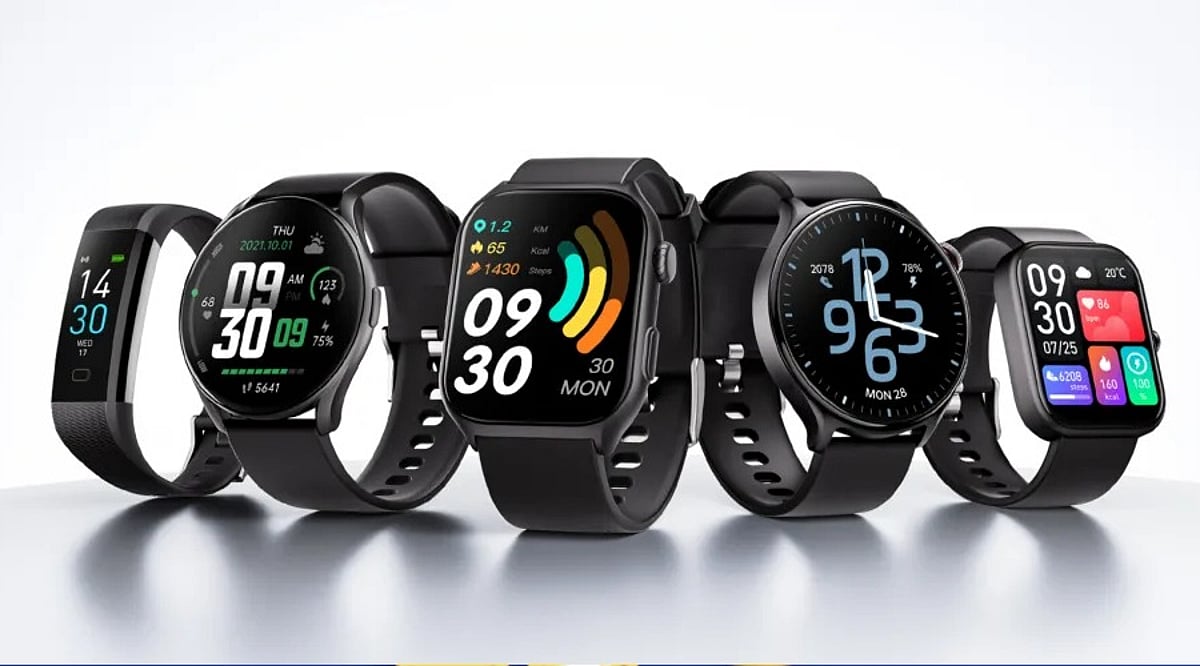
    Choosing the right smartwatch in 2026 can be overwhelming with hundreds of models spanning from under ₹1,000 to over ₹40,000. This guide breaks down the key factors for men: fitness tracking, battery life, and everyday style, helping you make a confident decision.

    What to Look for Before Buying

    Start with three questions: Which phone do you use? Apple Watch pairs only with iPhone; most others work with iOS and Android. How much battery life do you need? Some watches last a day, others weeks. Which health features matter? Heart rate, sleep monitoring, GPS, or SpO2? Today’s smartwatches go beyond step counts—many include ECG, stress tracking, and AI-based workout detection.

    Top Picks Across Every Budget

    For iPhone owners, the Apple Watch Series 11 leads with deep iOS integration and FDA-cleared health sensors. Android and Samsung users get the best experience with the Galaxy Watch 8 Classic, blending premium build and strong app support. Fitness enthusiasts lean toward Garmin (Forerunner 265, Venu 4) for accurate GPS and recovery data. Budget buyers find value in Amazfit and Noise, offering AMOLED displays, multi-day battery, and solid health tracking at a fraction of the cost.

    Best Smartwatches Under ₹10,000

    India’s mid-range segment now includes real GPS, Bluetooth calling, and AMOLED screens. The Noise Pro 6 Max features a 1.96-inch display with built-in GPS and up to seven days of battery. The boAt Valour Watch 1 offers a metal body and AI workout detection. The Amazfit GTR 3 Pro lasts nearly 12 days and includes over 150 sport modes.

    Samsung & Fossil: Style Approaches

    Samsung smartwatches lead Android with rotating bezels, stainless steel, and Wear OS—ideal for office wear. Fossil has stepped back from new smartwatch models after its Gen 6 line, focusing on hybrids. Existing Fossil owners will get support, but Samsung is a safer long-term bet.

    Battery Life & Fitness Tracking Compared

    Battery life varies widely: Apple and Samsung need daily charging; Garmin and Amazfit can run a week to nearly a month. For fitness accuracy, Garmin leads with VO2 max and training load data, while Apple excels in health integration for payments and workouts.

    Why This Matters

    A smartwatch is now a fitness coach, sleep tracker, and early warning system for irregular heart activity. Choosing wrong means poor battery or missing essential health features.

    Final Thoughts

    The best smartwatch for men in 2026 depends on priorities: premium ecosystem (Apple/Samsung), fitness-first (Garmin/Amazfit), or budget value (Noise/boAt).

    FAQs

    1. Which is the best smartwatch for men in 2026? Depends on needs: Apple/Samsung for premium, Garmin for fitness.
    2. Best under ₹10,000? Noise, boAt, Amazfit offer AMOLED, GPS, health tracking, and calling.
    3. Best battery life? Garmin and Amazfit generally last longer than Apple and Samsung.
    4. Best for fitness tracking? Garmin provides detailed GPS, training, and recovery features.
    5. Samsung or Apple Watch? iPhone users choose Apple; Android users, especially Samsung phone owners, benefit from Galaxy Watch.
  • Morning Tech Brief: Foldable Phones, Startup Funding, Government Jobs, AI Hardware, and Crypto Trends

    Morning Tech Brief: Foldable Phones, Startup Funding, Government Jobs, AI Hardware, and Crypto Trends

    Good morning, tech enthusiasts! Here’s your quick roundup of the biggest headlines making waves today, from foldable phone launches and state-level startup initiatives to government job exams, AI hardware demands, and the steady march of stablecoins into mainstream finance.

    Huawei and Xiaomi Challenge Apple With New Foldable Phones

    Huawei and Xiaomi have launched new premium foldable smartphones in China ahead of Apple’s latest iPhone event on September 9. Huawei unveiled its Mate XT2 series, while Xiaomi introduced the Xiaomi 18 Fold with new designs and in-house chips. The competition in the foldable segment continues to heat up as both Chinese giants push the envelope on form factor and performance.

    Karnataka Plans Rs. 200-Crore Startup Fund and AI Skilling Push

    The Karnataka government is planning to issue rules for its Rs. 200-crore startup fund and launch the Nipuna Edge AI skilling program. The state also aims to help startups test solutions in government projects, support responsible AI use, and promote data center development beyond Bengaluru. This initiative is expected to boost the region’s tech ecosystem and create new opportunities for entrepreneurs.

    IOCL Exam Date 2026: CBT Scheduled for September 24

    Indian Oil Corporation Limited has scheduled its Computer-Based Test for 470 executive posts on September 24, 2026. Candidates can download admit cards from September 15. The selection process includes CBT, Group Discussion/Group Task, and Personal Interview. This is a key opportunity for job seekers in the public sector.

    AI PC Hardware Needs in 2026

    AI models are driving up PC hardware requirements. Running even moderately sized models now demands strong memory, GPU power, bandwidth, and storage. Users with 32GB of RAM can only run smaller models; for greater support, 64GB is recommended, but 128GB or more is the practical choice for larger workloads. As AI becomes more integrated into everyday computing, hardware upgrades are becoming essential.

    Stablecoins Push Digital Assets Toward Mainstream Finance

    Stablecoins are gaining stronger support from banks and financial institutions. Tokenized securities and 24-hour trading have expanded, creating a surge in demand for improved liquidity, settlement, cross-border rules, and identity systems that connect digital assets with traditional finance. This trend signals a growing acceptance of cryptocurrency in regulated financial markets.

  • Amazon’s September Sale: 7 Top Gadgets Under ₹20,000 You Shouldn’t Miss

    Amazon’s September Sale: 7 Top Gadgets Under ₹20,000 You Shouldn’t Miss

    Amazon’s September Sale is here, and it’s the perfect time to grab high-quality gadgets without breaking the bank. From feature-packed smartphones to premium earbuds, smartwatches, and tablets, here are seven must-buy devices under ₹20,000 that offer exceptional value for your money.

    1. OnePlus Nord CE 4 Lite 5G

    The OnePlus Nord CE 4 Lite 5G combines a vibrant AMOLED display, reliable performance, and long battery life, making it an excellent budget smartphone. With fast charging support and a clean software experience, it’s a solid everyday companion. Discounts during Amazon’s September Sale could make this device even more appealing for buyers seeking a balanced phone under ₹20,000.

    2. Samsung Galaxy M35 5G

    The Samsung Galaxy M35 5G is designed for users who want a large display, capable cameras, and strong battery endurance without overspending. Its AMOLED screen enhances streaming and gaming, while Samsung’s software ecosystem adds familiarity. Sale discounts can bring this smartphone comfortably within budget, making it a strong contender for everyday entertainment and productivity.

    3. realme P3 Pro 5G

    The realme P3 Pro 5G targets performance-focused buyers with a capable processor, high-refresh-rate display, and gaming-oriented features. Its combination of performance, battery capacity, and fast charging suits demanding usage. Amazon’s September Sale could make this smartphone particularly attractive for shoppers seeking strong specifications without moving into the premium price segment.

    4. CMF Phone 2 Pro

    The CMF Phone 2 Pro stands out with its distinctive design, capable cameras, and clean user interface. It offers an appealing mix of style and everyday performance for those who want something different from conventional smartphones. During the sale, an attractive discount could make it a strong option for users prioritizing design, display quality, and a smooth software experience.

    5. Nothing Ear

    Nothing Ear wireless earbuds combine distinctive styling with active noise cancellation, quality audio, and useful smart features. They are an appealing choice for users wanting premium-looking earbuds without exceeding the ₹20,000 range. Sale pricing can make them even more compelling, especially for listeners who value sound quality, compact design, and seamless integration with modern smartphones.

    6. Amazfit Balance

    The Amazfit Balance is a feature-packed smartwatch offering health tracking, fitness monitoring, GPS, and a large display. It appeals to users seeking advanced fitness features without paying flagship prices. During Amazon’s September Sale, discounts could place it well within budget. Its impressive battery endurance also makes it attractive for those who dislike frequent charging.

    7. Xiaomi Pad 7

    The Xiaomi Pad 7 offers a large, high-quality display and capable hardware aimed at entertainment, browsing, and productivity. With compatible accessories, it can serve as a lightweight alternative to a traditional laptop for everyday tasks. If the sale brings its price below ₹20,000, it could become one of the most compelling tablet options in this category.

    Don’t miss out on these deals during Amazon’s September Sale. Whether you need a new smartphone, earbuds, a smartwatch, or a tablet, these gadgets deliver excellent performance and features without exceeding your budget.

  • Best Affordable VR Headsets in India Under ₹25,000 (2026 Guide)

    Best Affordable VR Headsets in India Under ₹25,000 (2026 Guide)

    Virtual reality is becoming more accessible than ever, with several budget-friendly headsets now available in India for under ₹25,000. Whether you’re a casual user, a gaming enthusiast, or a drone pilot looking for immersive FPV experiences, there’s a VR headset to match your needs. Below, we round up the top affordable options you can consider in 2026.

    1. DJI Goggles N3

    Designed for FPV (first-person view) drone pilots, the DJI Goggles N3 offers impressive immersion without breaking the bank. Its 1080p Micro-OLED screens deliver sharp, detailed visuals, making it a standout choice for drone enthusiasts.

    2. JioDive JD-004

    The JioDive JD-004 is an entry-level smartphone VR headset aimed at casual users. It works with compatible smartphones and provides an inexpensive introduction to virtual reality—perfect for trying out simple VR apps and 360-degree videos.

    3. Irusu Monster MN01

    Another budget-friendly smartphone VR headset, the Irusu Monster MN01, is designed for beginners. Its simple construction and lightweight design make it suitable for watching immersive videos and exploring basic VR content.

    4. Samsung HMD Odyssey

    Although an older model, the Samsung HMD Odyssey (a Windows Mixed Reality headset) remains a viable option for PC users. Its AMOLED displays deliver vibrant colors and deep blacks, providing an immersive experience for compatible PC applications and games.

    5. Oculus Quest 2

    Even after newer releases, the Oculus Quest 2 remains a capable standalone VR headset for gaming and entertainment. If you can find used or discounted units, this headset offers advanced, all-in-one VR experiences at a price that fits a budget.

    6. Sony PlayStation VR

    For console gamers, the Sony PlayStation VR brings virtual reality to compatible PlayStation hardware. Older bundles or discounted units can offer an affordable entry into VR gaming—especially if you already own a PlayStation.

    7. Other Budget Options

    Several other smartphone-based VR headsets, such as the Lifemusic MM4, DOMO nHance VRF1, and Qwerty 3D VR, provide even lower-cost ways to experience basic virtual reality without a major investment. These are great for curious newcomers.

    With so many choices under ₹25,000, stepping into VR has never been more affordable. Whether you prioritize gaming, FPV flying, or casual media consumption, there’s a headset waiting for you.

  • Macy’s Headphone & Earbud Sale: Top Discounts and What’s Actually Worth Buying

    Macy’s Headphone & Earbud Sale: Top Discounts and What’s Actually Worth Buying

    Macy’s is currently running a limited-time sale on headphones and earbuds, with discounts that range from modest to steep depending on the model. While the big percentage tags grab attention, the real value lies in understanding what’s behind each markdown. A 45% cut off an inflated list price means little, but the same discount on a product that has consistently sold at a lower price for months represents genuine savings. This guide breaks down the current lineup, highlights the strongest deals, and offers tips to help you shop smarter.

    What’s on Sale at Macy’s Right Now

    Two products in this sale carry discounts directly confirmed on Macy’s own listings. The rest are priced based on recent tracking across Macy’s category pages and independent price trackers, which can shift by color and availability. Treat these as a reliable range rather than a locked price, and always verify the final cost before checking out.

    JBL Live Pro 2

    Price: $99.95 (was $169.95)
    Why it stands out: Adaptive noise cancellation and roughly 40 hours of combined battery life. This is a feature-rich pair at a price that undercuts its original MSRP significantly.

    Sony WH-CH720N

    Price: High $80s to high $90s (recent range)
    Why it stands out: Sony’s reputation for solid ANC and a 35-hour battery with a quick 3-minute charge providing about an hour of playback. This is a consistent performer under $100.

    JBL Tune 670NC

    Price: $59.95 (was $109.95)
    Why it stands out: The budget pick for noise cancellation. Offers active noise cancellation and up to 70 hours of battery life with ANC off—a rare combination at this price point.

    Beats Studio Buds+

    Price: Varies by color
    Why it stands out: Works seamlessly on both iPhone and Android. Features active noise cancellation, a transparency mode, and up to 36 hours of total battery life with the charging case.

    JBL Tour One M3

    Price: $299.95 (was $449.95)
    Why it stands out: The premium option for those who demand top-tier noise cancellation and build quality. The price gap from JBL’s other models reflects a significant step up in performance.

    JBL Endurance Peak 3

    Price: Check current listing
    Why it stands out: Built for workouts with an IP68 rating for dust and water resistance. The ear hooks bend for a secure fit, and battery life reaches up to 50 hours with the charging case—enough for days of training.

    JLab GO Pods ANC

    Price: $25–$32 (varies by retailer and color)
    Why it stands out: The most affordable option with real hybrid noise cancellation. Even at full price, it’s a rare value in the budget segment.

    How to Tell a Real Deal from a Marketing Gimmick

    Across all seven products, a clear pattern emerges. The listings with retailer-confirmed markdowns—like the JBL Live Pro 2 and Tune 670NC—offer the most transparent savings. The others reward buyers who check recent price history rather than trusting the tag alone. A discount is only meaningful if it’s applied to a price that reflects the product’s true market value.

    Before you buy, consider what matters most: a confirmed markdown, a specific feature set like ANC or battery life, or a use case like workouts that a general pair can’t cover as well. Sales built around wide percentage ranges reward patience and research over impulse.

    Final Thoughts

    Macy’s current sale has solid options across budget, mid-range, and premium tiers. But the best deal isn’t always the one with the biggest number. Take a few extra minutes to compare the sale price with recent price trends, and verify the final price at checkout. That small effort can turn a vague “up to 65% off” into a decision backed by real data.

  • Apple Products That May Be Discontinued in 2026: iPhone, iPad, MacBook and More

    Apple Products That May Be Discontinued in 2026: iPhone, iPad, MacBook and More

    Apple regularly refreshes its product lineup by replacing older hardware with newer models. As the company prepares for another major product cycle, several existing devices could be pushed aside. Here are Apple products that could potentially disappear from the lineup in 2026.

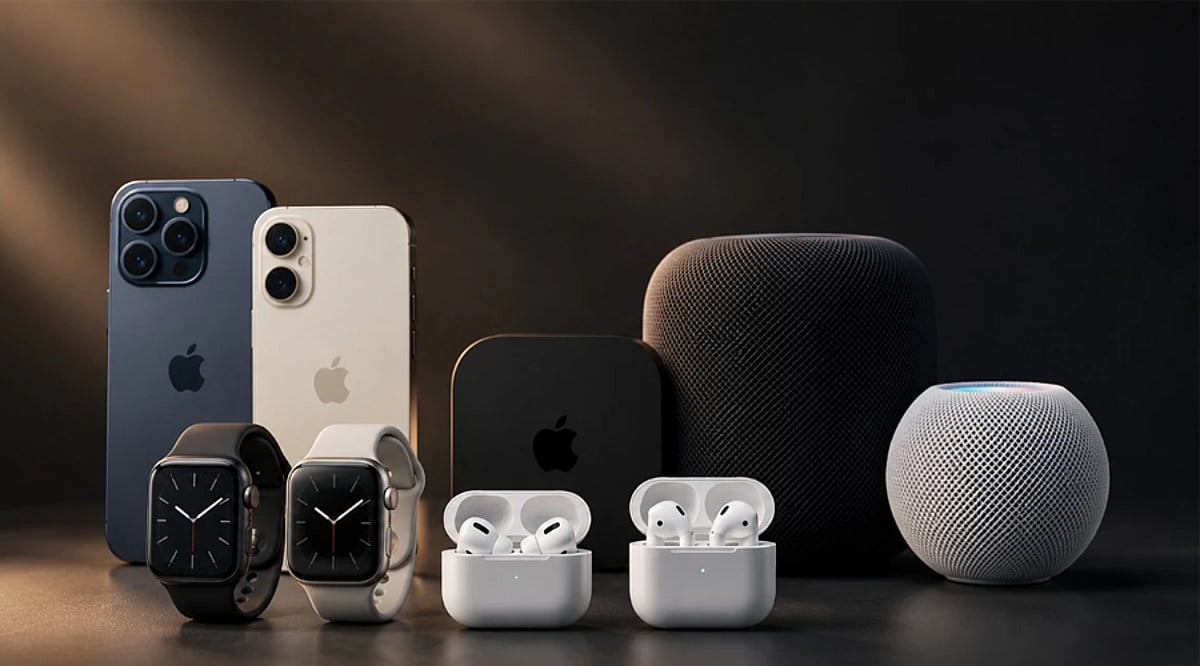
    Apple Watch Series 11

    The Apple Watch lineup is refreshed regularly, which puts older standard models at risk. If Apple introduces a newer generation, the Series 11 could eventually leave the official lineup. Retailers may continue selling remaining stock even after Apple stops offering it directly.

    Apple Watch SE 3

    The Apple Watch SE range targets buyers seeking a lower-cost entry into Apple’s smartwatch ecosystem. A future SE refresh could replace the existing model. Apple may choose to simplify the range rather than keep multiple generations competing at different prices.

    AirPods Pro 3

    AirPods Pro models usually remain available for some time, but a future upgrade could eventually replace the current generation. Apple could introduce new hardware or features that make the existing Pro model less attractive. Any discontinuation, however, would depend on Apple’s product strategy.

    iPad mini 7

    The iPad mini could face a refresh or repositioning as Apple updates its tablet portfolio. A new generation would likely take over the mini’s position rather than leaving two generations side by side. This makes the current model a possible candidate for retirement.

    MacBook Air M4

    Apple’s MacBook Air lineup moves quickly as new Apple silicon generations arrive. If a newer chip-based Air launches, the M4 generation could eventually disappear from Apple’s direct sales channel. Discounts and third-party availability could continue after its official retirement.

    Apple TV 4K

    The Apple TV 4K has remained in Apple’s lineup for years, making it a possible candidate for a major refresh. If Apple introduces a newer model with faster hardware or additional smart-home capabilities, the existing version could finally be retired.

  • Tech Roundup: Sonos Ace Ultra, Poco X8 Battery, Apple Durability Focus, Sam Altman on Smart Glasses, Xiaomi Power Bank

    Tech Roundup: Sonos Ace Ultra, Poco X8 Battery, Apple Durability Focus, Sam Altman on Smart Glasses, Xiaomi Power Bank

    Today’s top tech news covers a range of exciting developments: Sonos has launched a more affordable Ace Ultra, the Poco X8 boasts a massive 8,340mAh battery, Apple’s new CEO John Ternus is prioritizing durability, Sam Altman raises questions about smart glasses, and Xiaomi has introduced new power banks.

    • Sonos Ace Ultra: The audio brand has released a cheaper version of its flagship speaker, making high-quality sound more accessible.
    • Poco X8 Battery: The upcoming smartphone packs an impressive 8,340mAh battery, promising extended usage times.
    • Apple CEO John Ternus: In a recent statement, Ternus emphasized Apple’s commitment to product durability and longevity.
    • Sam Altman on Smart Glasses: The OpenAI CEO expressed skepticism about the current state of smart glasses, questioning their practicality and market readiness.
    • Xiaomi Power Bank: Xiaomi has launched a new line of power banks, expanding its accessories portfolio.

    Stay tuned for more updates on these stories and other breaking tech news.

  • 10 Common Spotify Sound Quality Killers and How to Solve Them

    10 Common Spotify Sound Quality Killers and How to Solve Them

    Having a good pair of headphones or speakers does not automatically mean you are getting the best sound from Spotify. Streaming settings, Bluetooth connections, volume processing, and even old downloads can affect playback. Spotify currently offers low, normal, high, very high, and Lossless options, depending on the plan and device. Supported Premium users can stream up to 24-bit/44.1kHz FLAC in Lossless. Here are 10 factors that can ruin your Spotify sound quality and how to fix each one.

    1. Streaming at Low Audio Quality

    Spotify lets users choose different audio-quality levels. Low quality is around 24kbps, Normal about 96kbps, High about 160kbps, and Very High about 320kbps. Lower settings use less data but can reduce detail, especially when listening through capable headphones. Check media quality and select the highest practical option for your connection.

    2. Forgetting to Enable Very High or Lossless

    If your plan and device support Lossless, leaving the setting at High or Very High means you are not using the highest available quality. Spotify says Lossless can reach up to 24-bit/44.1kHz FLAC. Go to Media Quality and check the settings for both streaming and downloads.

    3. Relying on Bluetooth for Maximum Fidelity

    Bluetooth is convenient, but it can limit access to lossless playback depending on the headphones, speaker, and connection being used. That does not mean Bluetooth always sounds poor. For Spotify’s full lossless capability, compatible wired equipment or supported Spotify Connect devices are better choices.

    4. Using Volume Normalization Without Realizing

    Spotify’s Volume Normalization balances quieter and louder tracks so songs play at a more consistent level. That can be useful for playlists, but listeners who want to hear the original dynamics of recordings may prefer to test playback with it turned off.

    5. Messing with the Equalizer

    The equalizer can help correct a particular headphone’s sound, but large boosts and cuts can also make music sound unnatural. Excessive bass may mask vocals, while boosted treble can make recordings harsh. If there is no specific reason to change it, keeping the EQ flat is a sensible starting point.

    6. Streaming Over an Unstable Connection

    Higher-quality audio needs more bandwidth. Spotify recommends a steady 1.5 to 2Mbps connection for the best listening experience. If your Wi-Fi or mobile connection is unstable, buffering or quality adjustments can interfere with playback. A strong Wi-Fi connection is preferable for high-quality streaming.

    7. Playing Old, Lower-Quality Downloads

    Changing your streaming quality does not mean that downloaded music is replaced with a higher-quality version. Spotify allows users to choose download quality separately. After switching to downloads, you need to update them. Check your offline library after changing the setting.

    8. Ignoring Headphones or Speakers

    Spotify cannot fix hardware at the other end of the audio chain. Poorly tuned headphones, damaged drivers, weak speakers, or poor speaker placement can have a greater effect than changing an app setting. Ensure that your equipment is working properly in the first place.

    9. Phone or PC Audio Processing

    System-level EQs, spatial audio, sound enhancements, and other processing can alter Spotify’s output. Windows users with compatible external audio equipment can also try Spotify’s Exclusive Mode. It gives Spotify direct control of the audio device and is designed for higher-fidelity playback.

    10. Expecting Every Track to Sound the Same

    Lossless preserves the quality of the source, but it cannot improve a recording that was poorly recorded or mastered. Spotify itself notes that the original recording, playback equipment and connection all influence what listeners hear. Some users may also notice little difference between lossless and high-quality compressed playback.

    Frequently Asked Questions

    1. What is the highest Spotify audio quality?

    Spotify Premium supports Lossless playback up to 24-bit/44.1kHz FLAC on compatible devices, while Very High reaches approximately 320kbps.

    2. Does Spotify automatically reduce audio quality?

    Spotify can automatically adjust audio quality based on network conditions to reduce playback interruptions, particularly when connections are unstable or bandwidth is limited.

    3. What internet speed does Spotify recommend for Lossless?

    Spotify recommends maintaining a steady 1.5 to 2Mbps connection for the best Lossless listening experience and fewer playback or buffering problems.

    4. Can old Spotify downloads have lower quality?

    Yes. If you change your download quality, existing downloads may need updating. Spotify provides an option to update downloaded tracks to Lossless.

    5. Will Lossless work with Bluetooth headphones?

    Lossless availability depends on the connection and hardware. Spotify says connection type can affect quality, so compatible wired or Spotify Connect devices are preferable.

  • Amazon Great Indian Festival Sale 2026: Expected Dates, Discounts, and Shopping Tips

    Amazon Great Indian Festival Sale 2026: Expected Dates, Discounts, and Shopping Tips

    Amazon’s Great Indian Festival Sale is one of the most anticipated shopping events of the festive season in India, offering deep discounts on smartphones, laptops, televisions, home appliances, electronics, fashion, and more. As shoppers begin preparing for the 2026 edition, attention is turning to when the sale will take place and what deals may be available.

    Expected Sale Dates for 2026

    While Amazon has not officially announced the dates for the 2026 Great Indian Festival Sale, estimates based on previous schedules and the festive calendar suggest it will begin between October 2 and October 7. A recent report by DesiDime points to October 2 as the likely start date, with Prime early access possibly starting on October 1, and the sale ending on October 31. However, Amazon has not confirmed these dates. In a response on its Seller Central forum, an Amazon representative advised sellers to follow official communications for confirmation.

    Comparison with Previous Years

    The expected timing aligns with Amazon’s pattern of holding the Great Indian Festival around India’s festive shopping season. In 2025, the sale began on September 23 (early access on September 22), in 2024 it started on September 27, and in 2023 on October 8. The 2026 sale is projected to fall near Navratri (Pratipada Navratri on October 11) and Diwali (November 8, 2026).

    Prime Members Early Access

    Following Amazon’s established practice, Prime members are expected to receive 24-hour early access before the main sale opens to all customers. This early access can be crucial for securing high-demand or limited-stock products.

    Anticipated Deals and Discounts

    The Great Indian Festival typically covers a wide range of categories. Shoppers can expect offers on smartphones, laptops, tablets, televisions, headphones, home appliances, kitchen products, fashion, beauty, furniture, and everyday essentials. During the 2025 edition, discounts reached up to 40% on smartphones, up to 80% on electronics, fashion, home, and kitchen products, and up to 65% on TVs and home appliances. Amazon has not yet announced specific discounts or product offers for 2026.

    Bank Offers, Cashback, and EMI Options

    Bank discounts are likely to return. In 2025, Amazon offered a 10% instant discount on SBI Credit and Debit Cards and EMI transactions, along with offers from other major banks. Prime customers using the Amazon Pay ICICI Bank Credit Card earned unlimited cashback. No-cost EMI options were available through Amazon Pay Later on fashion, furniture, and kitchen appliances. The exact bank offers for 2026 have not been announced.

    Key Shopping Tips

    Since sale dates are not yet confirmed, shoppers should avoid relying on unconfirmed dates or predicted prices. It is advisable to add desired products to a wishlist, track prices before the sale, and compare final sale prices with previous discounts. Bank offers, cashback, exchange benefits, and no-cost EMI options can affect the effective price. For now, the main takeaway is that the sale is expected in October, but shoppers should wait for Amazon’s official announcement before making plans.

  • 10 Screenless Tech Devices Transforming Consumer Electronics in 2026

    10 Screenless Tech Devices Transforming Consumer Electronics in 2026

    Screenless gadgets are revolutionizing the way people interact with technology in 2026. These devices rely on artificial intelligence, voice commands, sensors, and ambient computing to operate seamlessly in the background without the constant distraction of traditional screens.

    PLAUD NotePin S

    The PLAUD NotePin S is a wearable AI recorder that turns conversations into structured notes without requiring a phone display. It captures meetings, identifies individual speakers, transcribes speech in 112 languages, and generates AI-powered summaries and action items, making it a powerful tool for professionals and multitaskers.

    Ray-Ban Meta Smart Glasses

    Ray-Ban Meta smart glasses combine AI, cameras, and open-ear audio into everyday eyewear. Users can interact with an AI assistant, capture hands-free photos and videos, and access real-time information without pulling out a smartphone.

    Fitbit Air

    Fitbit Air eliminates the traditional fitness tracker screen, focusing entirely on health monitoring. This lightweight wearable tracks heart rate, heart rate variability, sleep quality, blood oxygen levels, and more. All detailed insights are delivered through the Google Health app, and the device offers up to a week of battery life.

    Oura Ring 4

    Oura Ring 4 packs advanced health tracking into a discreet, screen-free ring. It monitors sleep patterns, activity levels, heart-related metrics, temperature trends, and recovery. Users access comprehensive data later via the companion app, avoiding screen time throughout the day.

    AI Earbuds

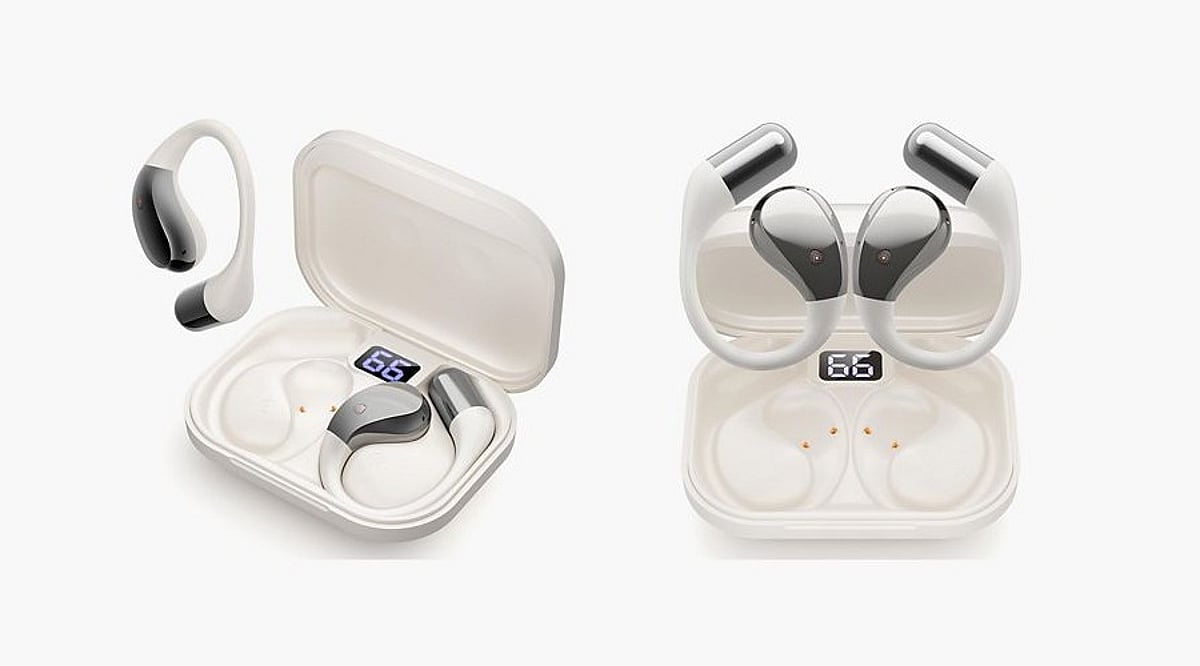
    AI-powered earbuds are evolving beyond music playback. The latest models integrate spatial audio, voice assistants, noise cancellation, and AI features, providing a fully hands-free way to manage digital interactions—no screen needed.

    Augmented Reality Glasses

    AR glasses such as VITURE and RayNeo offer a different path to screenless computing. These devices project large virtual displays for movies, gaming, and productivity while remaining compact and wearable, effectively replacing a portable monitor without a physical screen.

    Screenless Fitness Bands

    Fitness bands like WHOOP and Luna Band prioritize sleep, recovery, stress, and activity tracking over notifications. Data syncs to a smartphone app, allowing users to monitor their health without another glowing wrist display.

    Ambient AI Assistants

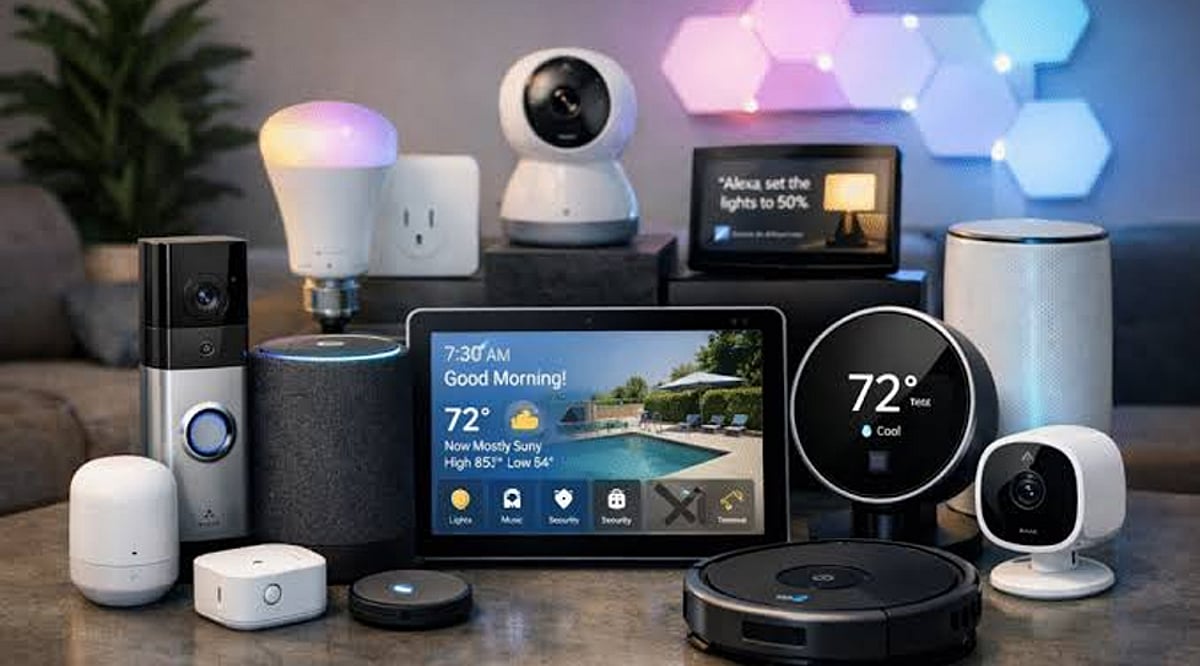
    Ambient AI assistants and wearable speakers are moving technology into the background. Voice commands, contextual AI, and smart-home automation handle tasks without requiring users to open apps or navigate menus, creating a truly uncluttered digital experience.

    Movement-Assist and Smart Energy Devices

    Screenless innovation extends beyond wearables. Exoskeletons assist physical movement, and portable power stations like EcoFlow offer quiet backup energy without adding another screen-based gadget to your routine.

    From health tracking to productivity and entertainment, screenless tech is reshaping consumer electronics by reducing screen time while increasing functionality. These devices prove that the best interface is often no interface at all.