Category: Green Technology

  • How Autonomous Ocean Drones Are Revolutionizing Marine Science and Research

    How Autonomous Ocean Drones Are Revolutionizing Marine Science and Research

    Ocean-monitoring drones are transforming marine research by enabling scientists to study vast, hard-to-reach oceanic environments without constant human presence at sea. These autonomous systems travel across oceans, collect measurements, and transmit information over extended periods, allowing researchers to gather frequent data on temperature, salinity, currents, marine life, and other key conditions.

    Tracking Ocean Conditions: Autonomous drones monitor essential physical properties of seawater, measuring temperature, salinity, pressure, and other environmental parameters as they navigate different areas. Repeated surveys help scientists track changes over time and understand ocean circulation patterns, contributing to research on climate dynamics, marine ecosystems, and subsurface conditions.

    Monitoring Marine Life: Equipped with cameras, acoustic sensors, and specialized instruments, drones collect data on marine animals and their habitats without requiring continuous human supervision. This quieter approach reduces disturbances often caused by traditional research vessels, enabling more accurate studies of animal movements, population trends, and habitat conditions.

    Detecting Pollution: Drone-based sensors and imaging systems can identify changes in water quality, chemical composition, and visible contamination. Autonomous platforms repeatedly survey affected zones, helping researchers understand how pollutants spread and evolve over time. This capability supports environmental monitoring and improves knowledge of pollution sources and impacts.

    Studying Climate Change: Because oceans play a critical role in Earth’s climate, long-term monitoring is essential. Drones access areas that are costly or difficult to reach with conventional methods, collecting months-long data series on ocean temperatures, carbon-related processes, currents, and other climate indicators.

    Reaching Remote Waters: A major advantage of autonomous marine drones is their ability to operate in remote, challenging environments. Deploying research vessels is expensive and resource-intensive, while drones can execute specific missions with minimal oversight, covering larger areas and increasing observation frequency.

    The Future of Marine Science: As sensors, artificial intelligence, navigation systems, and battery technology improve, ocean-monitoring drones will become even more capable. Future platforms will process more data autonomously, and combining drone data with satellite observations and conventional research will give scientists a comprehensive picture of changing marine environments and ocean ecosystems.
  • Brookfield Commits $600M to ACME’s Green Ammonia and Methanol Projects in India and Oman

    Brookfield Commits $600M to ACME’s Green Ammonia and Methanol Projects in India and Oman

    Brookfield, a global investment firm, is investing up to USD 600 million in ACME Cleantech Ventures through its Brookfield Global Transition Fund. The capital will support the development and construction of green molecule projects across India and West Asia, including green ammonia and green methanol facilities.

    Four Projects Receive Funding

    The investment will back four projects in ACME’s pipeline: the second phase of the company’s green ammonia project in Oman, two green ammonia facilities in Odisha, and a green methanol project in the Indian state. ACME Cleantech Ventures, a UK-based private entity within the ACME Group, focuses on green molecule operations and is developing these projects for both domestic and international markets.

    The transaction is structured as an equity investment. ACME Group Chairman Manoj Upadhyay told the Financial Express that the valuation and stake involved are expected to be finalized by the end of 2026. The first phase of the Oman green ammonia project is already fully funded.

    Offtake Agreements Already in Place

    ACME has secured long-term offtake agreements with several international and Indian companies. Its counterparties include Norway’s Yara International, Japan’s IHI Corporation, Mitsubishi Gas Chemicals, the Solar Energy Corporation of India, and fertilizer companies such as IFFCO, Paradeep Phosphates, Coromandel International, and Indorama India.

    Brookfield Expands Its Energy-Transition Footprint

    Brookfield already has a substantial presence in India’s renewable energy sector, with around 50GW of wind and solar assets across operating projects and its development pipeline. This latest investment broadens that exposure beyond conventional renewable power to green molecules—fuels and industrial feedstocks produced using renewable energy—which can help industries cut emissions while addressing longer-term energy security needs.

    Nawal Saini, Brookfield Managing Partner and Head of Energy for South Asia and the Middle East, said the investment combines the firm’s institutional capital and global scale with ACME’s project development and operating capabilities.

    Why Green Ammonia and Methanol Matter

    Green ammonia can be used in sectors such as fertilizers and shipping, while green methanol has applications across fuels and industrial processes. ACME aims to build a global green molecules platform serving customers across Asia, Europe, and other international markets. The company’s existing offtake agreements are expected to provide a commercial foundation as the projects move through development and construction.

  • Bill Gates-Backed Fervo Energy Inks Record Geothermal Deal with Google for Utah Data Center

    Bill Gates-Backed Fervo Energy Inks Record Geothermal Deal with Google for Utah Data Center

    Fervo Energy, a geothermal power company backed by Bill Gates, has signed a landmark 396-megawatt power purchase agreement with Google, significantly expanding their existing partnership. The deal, announced this week, covers electricity from Fervo’s Cape Station project in southwestern Utah, with power delivery expected to begin in the third quarter of 2028.

    Google plans to use this carbon-free electricity as a foundational energy source for a potential new data center in the state. The agreement marks the largest enhanced geothermal power purchase deal ever signed, coming at a time when hyperscalers across the United States are racing to secure reliable electricity for growing artificial intelligence infrastructure demands.

    Under the terms, power will be delivered through four separate 99-megawatt blocks over a 15-year term. Google also holds an option to expand its purchase by roughly 600 additional megawatts by June 2030, which could push total contracted capacity to nearly one gigawatt.

    Fervo CEO Tim Latimer emphasized that the agreement demonstrates enhanced geothermal systems are ready to power next-generation computing infrastructure. “As demand for reliable electricity grows, customers like Google need energy resources that can be deployed at scale, operate around the clock, and deliver where power is needed,” Latimer said.

    Lucia Tian, Google’s Director of Advanced Energy Technologies, noted that the project will drive real economic benefits for the local community and help lower long-term energy costs by making geothermal power more affordable and accessible.

    The partnership dates back to 2021, when Google first collaborated with Fervo to jointly develop next-generation geothermal projects. Their pilot project in Nevada, known as Project Red, went live in 2023 and continues to supply power to the local grid, including Google’s own data centers in the state. In June 2024, the two companies signed a smaller 115-megawatt deal in Nevada alongside utility NV Energy.

    Fervo leverages drilling techniques borrowed from the oil and gas industry to tap underground heat more efficiently. This approach is quickly becoming an attractive alternative to solar and wind, as it can deliver steady, round-the-clock power without depending on weather conditions.

  • Google Launches Five Sustainability Projects to Accelerate India’s Climate Ambitions

    Google Launches Five Sustainability Projects to Accelerate India’s Climate Ambitions

    On September 10, 2026, Google announced five sustainability initiatives across India, focusing on solar energy, agriculture, research, and climate technology. The company aims to accelerate India’s clean energy transition by leveraging artificial intelligence, satellite data, and local partnerships.

    The initiatives target more than 300 million Indian rooftops, farmers in Telangana, and new solar capacity in Rajasthan. Google will combine geospatial AI, clean energy investments, and research support to address climate challenges.

    Expanding Solar Potential with AI

    Google is expanding its Solar API to cover over 300 million rooftops in India. The tool uses AI and imagery to assess solar potential without requiring an initial site visit. Companies like Solar Ladder and OpenSolar have already integrated the technology into their solar workflows.

    New Solar Project in Rajasthan

    The company signed a long-term agreement with ReNew Power for a 150 MW solar project in Rajasthan. This marks Google’s second Scope 3-focused solar project in India. Together, both projects will bring 300 MW of contracted solar capacity with ReNew.

    Supporting Sustainable Agriculture

    Agriculture forms another major part of the sustainability push through a partnership with Mitti Labs. The initiative will help tens of thousands of smallholder rice farmers in Telangana adopt Alternate Wetting and Drying (AWD) practices. AWD periodically drains and refills rice fields, reducing methane formation while lowering irrigation demand. Google expects the programme to mitigate nearly three million tonnes of CO₂e under the GWP20 measure. NASA-enabled satellite monitoring will help verify results alongside field networks.

    Expanding Climate Research

    Google is also expanding the Google Center for Climate Technology with new research areas. Water stewardship and waste and circularity will join green workforce training and low-carbon construction materials. The center selected three inaugural projects from 77 applications and will invite proposals through the government’s Manthan Platform. The programme aims to turn climate research into scalable, data-driven environmental solutions.

    AI for the Planet Accelerator

    Google DeepMind’s AI for the Planet accelerator includes four Indian climate-tech startups: Terrastack, Varaha Climate, Farmers for Forests, and Climitra Carbon. These startups will apply AI, Geo-AI, drones, and satellite models to environmental challenges.

    “Digital innovation and environmental stewardship can go hand in hand to create practical, lasting impact for India,” said Vrushali Gaud, Google’s Director of Climate Operations.

    The initiatives show Google broadening climate action beyond corporate energy use into India’s homes, farms, research ecosystem, and startup economy.

  • 5 Undervalued Indian Renewable Energy Stocks to Watch in 2026

    5 Undervalued Indian Renewable Energy Stocks to Watch in 2026

    India’s renewable energy sector is experiencing a structural boom driven by government support, rising electricity demand, and net-zero commitments. While some stocks have already priced in growth, several high-quality companies remain undervalued, offering compelling long-term opportunities. Here are five renewable energy stocks that deserve a spot on your watchlist.

    NTPC Green Energy

    NTPC Green Energy is the clean energy arm of state-owned NTPC, focusing on solar, wind, and green hydrogen projects. Backed by NTPC’s financial strength, the company is aggressively expanding its capacity. Its scale, execution track record, and government backing make it a core holding for investors tracking India’s energy transition.

    JSW Energy

    JSW Energy has successfully diversified from thermal power into renewables through large-scale solar, wind, and hydro projects. The company’s strong project execution, improving profitability, and ambitious capacity targets position it as an attractive long-term play. Market corrections often present entry points for this quality energy business.

    KPI Green Energy

    KPI Green Energy has built a strong presence in solar power generation and captive solar projects for industrial clients. Consistent revenue growth, an expanding project pipeline, and rising demand for clean energy solutions enhance its investment appeal. Its relatively smaller size also offers significant upside potential.

    Waaree Energies

    Waaree Energies is a key beneficiary of India’s growing solar manufacturing ecosystem. The company gains from rising domestic demand, government incentives, and increasing exports. Its expansion into integrated solar solutions strengthens its business outlook, making it a stock worth monitoring despite periodic volatility.

    Premier Energies

    Premier Energies has emerged as a major domestic solar cell and module manufacturer, capitalizing on India’s push for self-reliance in renewable energy. Capacity expansion, technological investments, and a robust order book support future growth. Investors looking beyond short-term price swings often consider it a promising long-term bet.

    Sector Outlook and Investment Considerations

    India’s renewable energy industry benefits from supportive policies, rising power demand, net-zero targets, and growing private investment. Companies with strong balance sheets, scalable business models, and diversified clean energy portfolios are well-positioned to capture this multi-decade growth trend.

    Undervalued stocks are not risk-free. Investors should evaluate valuations, debt levels, earnings growth, execution capability, promoter quality, and industry outlook before investing. Diversification, disciplined investing, and a long-term perspective remain essential when building exposure to renewable energy companies.

  • Top Solar PV Certification Courses for Beginners and Professionals

    Top Solar PV Certification Courses for Beginners and Professionals

    Why Learn Solar PV?

    Solar PV certifications build practical knowledge, improve technical skills, increase career opportunities, and prepare learners for the fast-growing renewable energy industry.

    NABCEP PV Associate

    The NABCEP PV Associate certification introduces solar fundamentals, system components, safety practices, and installation basics for aspiring solar professionals worldwide.

    SEI Solar Training

    Solar Energy International offers beginner-friendly and advanced online courses covering photovoltaic design, installation, maintenance, and real-world solar applications effectively.

    TUV Rheinland Solar Courses

    TUV Rheinland provides globally recognized certifications focused on solar engineering, quality standards, safety compliance, and developing professional photovoltaic system expertise.

    Coursera Solar Energy Courses

    Coursera partners with leading universities to provide flexible online solar energy courses covering photovoltaic systems, sustainability, and renewable energy principles effectively.

    edX Renewable Energy Programs

    edX features university-backed solar and renewable energy certifications that help professionals understand photovoltaic technologies, energy systems, and sustainable power solutions.

    Alison Solar Energy Certification

    Alison provides free online solar energy courses introducing photovoltaic basics, installation methods, electrical concepts, and renewable energy career preparation for beginners.

    Choose the Right Certification

    Select a certification matching your experience, career goals, budget, and learning style to build valuable solar PV skills with confidence.

  • Why Iceland Is Becoming a Top Hub for AI Data Centers

    Why Iceland Is Becoming a Top Hub for AI Data Centers

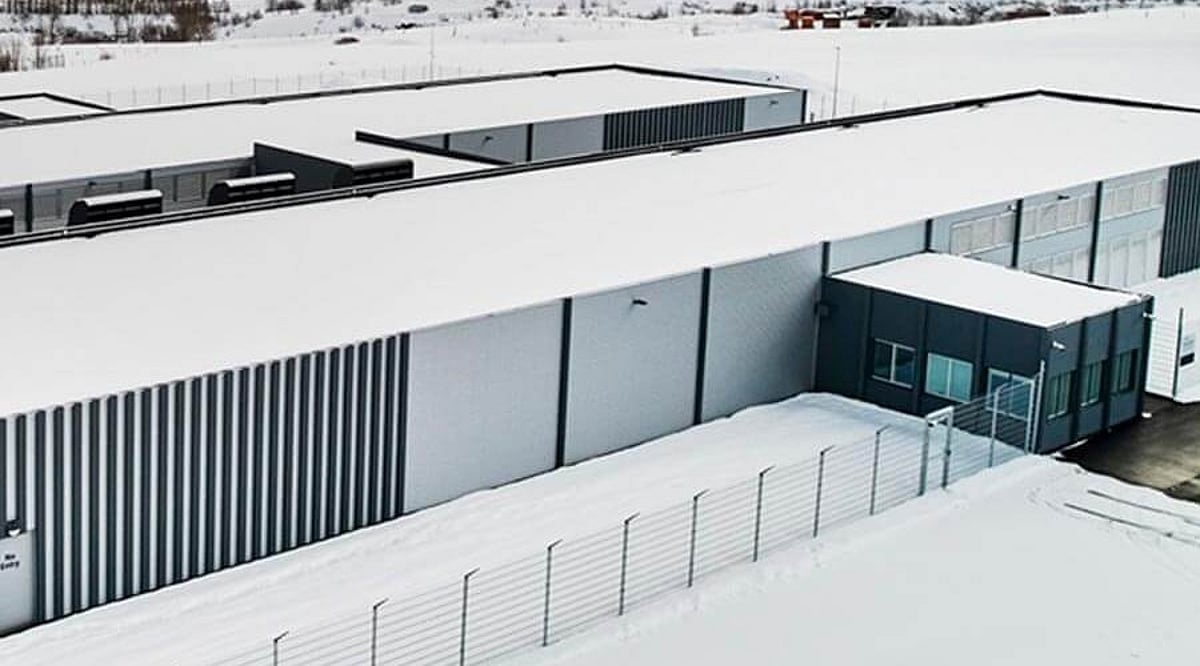
    Iceland is rapidly emerging as a preferred destination for AI data centers, driven by its abundant renewable energy, naturally cool climate, and stable infrastructure. As AI workloads demand ever more power, location strategies are shifting away from urban proximity toward reliable, low-carbon electricity. The country’s data center market, valued at $425 million in 2024, is projected to reach $812 million by 2030, growing at an annual rate of 11.39 percent.

    Why Iceland Attracts AI Data Centers

    For years, Iceland marketed itself on cold weather and renewable energy. Today, those advantages are more critical than ever. AI training and inference workloads operate at far higher power densities than traditional cloud storage or web hosting. A single high-performance GPU cluster can draw the electricity load of a small town continuously for months. Operators now prioritize grids that can deliver stable, long-term power at fixed costs. Iceland’s fully renewable grid—powered by hydropower and geothermal generation—offers prices that do not fluctuate with global gas markets.

    Efficiency Gains in Icelandic Data Centers

    Icelandic facilities consistently achieve power usage effectiveness (PUE) ratios between 1.1 and 1.2, well below the global average of 1.57. This gap translates into substantial savings on every megawatt drawn, compounded over round-the-clock operations. The natural cooling advantage comes from Iceland’s climate, which eliminates the need for energy-intensive chillers. For GPU clusters generating intense heat, this cooling headroom becomes a design advantage, not just a marketing point.

    Expansion of AI Infrastructure in Iceland

    A clear signal of this shift is the 2025 agreement between data center operator Verne and AI hyperscaler Nscale. The deal will deploy roughly 4,600 Nvidia Blackwell Ultra GPUs across Verne’s Icelandic campus through 2026. Notably, 85% of the installation will be liquid-cooled, marking a departure from the air-cooled colocation halls that defined Iceland’s earlier data center wave. This deployment confirms a move beyond traditional colocation toward purpose-built AI infrastructure.

    Connectivity Advantages

    Iceland’s location in the North Atlantic, once seen as a limitation, now works in its favor. The country is connected to Europe and North America via undersea cables, enabling operators to use it as a hub for backup, disaster recovery, and intercontinental AI workloads. As part of the European Economic Area (EEA), Iceland provides access to the European single market while offering a strategic transatlantic position for transmitting training data and model checkpoints between continents.

    Challenges and Grid Constraints

    Despite its advantages, Iceland faces a hard ceiling: the grid itself. Data centers already consume about 6 percent of the country’s electricity and contribute close to 5 percent of its GDP. The real constraint is not generation but approvals. New transmission lines and geothermal projects require years of environmental review and public licensing. Deciding how to allocate electricity between industries, homes, and data centers has become a political issue. Regulators and permitting timelines now shape the pace of AI investment as much as demand from hyperscalers.

    Why Iceland Stands Out

    Iceland is not the only renewable-rich destination competing for AI infrastructure. Norway and Sweden offer comparable hydropower and cool climates; Quebec pairs hydroelectric capacity with lower land costs. However, Iceland combines all three advantages: geothermal and hydropower, a fully renewable national grid, and transatlantic cable connectivity. Most competing sites offer only two of the three.

    Final Thoughts

    Iceland’s current wave of AI infrastructure investment highlights a broader trend: power availability, cooling efficiency, and grid stability are overtaking proximity to population centers as deciding factors. Green data centers in Iceland are becoming the reference case for this shift. As transmission capacity becomes the real constraint on AI growth worldwide, other renewable-rich regions will likely face the same question: how much AI infrastructure can a small grid carry before it turns from advantage into bottleneck?

  • 9 Game-Changing Agricultural Drones Revolutionizing Modern Farming

    9 Game-Changing Agricultural Drones Revolutionizing Modern Farming

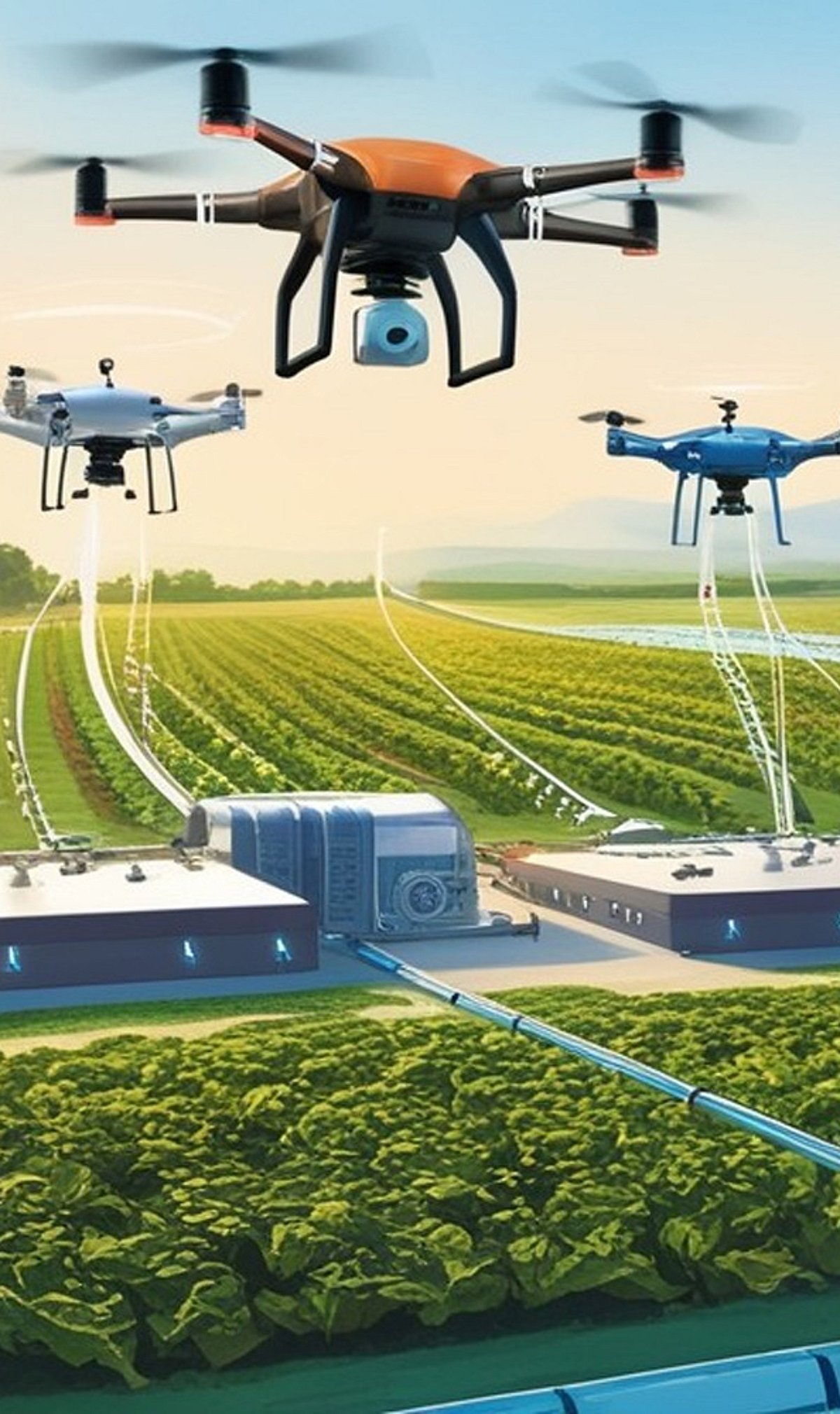
    Agricultural drones are transforming the way farmers manage crops, optimize resources, and boost yields. Here are nine cutting-edge drones that are leading the charge in precision agriculture.

    1. DJI Agras T50

    The DJI Agras T50 performs precision spraying, fertilizer spreading, and field mapping—helping farmers save time, water, and operational costs.

    2. XAG P100 Pro

    With smart flight planning and precision spraying, the XAG P100 Pro improves crop health while significantly reducing chemical waste.

    3. Yamaha RMAX

    A trusted workhorse for years, the Yamaha RMAX delivers reliable aerial spraying that boosts productivity across large agricultural fields.

    4. Hylio AG-272

    The Hylio AG-272 offers autonomous spraying with customizable settings, making it suitable for various crops and field sizes.

    5. Guardian Agriculture SC1

    Carrying heavy payloads for large-scale spraying, the Guardian Agriculture SC1 lets farmers cover more land with fewer daily flights.

    6. Eagle A7 Drone

    Capturing detailed aerial images, the Eagle A7 helps farmers detect crop stress, monitor growth, and improve field management decisions.

    7. Parrot Bluegrass Fields

    Combining multispectral imaging and mapping, the Parrot Bluegrass Fields provides valuable insights into crop health and irrigation planning.

    8. Quantum Systems Trinity Pro

    Surveying vast farmland quickly, the Quantum Systems Trinity Pro produces accurate maps that support precision farming and better resource management.

    9. SenseFly eBee X

    Creating high-resolution field maps, the SenseFly eBee X helps farmers monitor crops, assess damage, and increase agricultural efficiency through smarter planning.

    Stay updated with the latest in agri-tech by joining our WhatsApp Channel for news, exclusives, and videos.

  • Leading Green Hydrogen Companies Driving the Clean Energy Transition

    Leading Green Hydrogen Companies Driving the Clean Energy Transition

    The global push toward decarbonization has placed green hydrogen at the forefront of clean energy innovation. Produced using renewable electricity to split water into hydrogen and oxygen, this zero-carbon fuel offers a versatile solution for hard-to-abate sectors such as heavy industry, transportation, and power generation.

    Here is a look at the top companies advancing green hydrogen technologies and infrastructure worldwide:

    Plug Power

    Plug Power develops hydrogen fuel cells, electrolyzers, and integrated hydrogen solutions. The company helps industries reduce carbon emissions while expanding clean energy infrastructure across the globe.

    Nel ASA

    Nel ASA produces advanced electrolyzers and hydrogen fueling stations. Its technology enables renewable hydrogen production for transportation, industrial operations, and future energy applications worldwide.

    Air Liquide

    Air Liquide invests heavily in green hydrogen projects, leveraging decades of industrial gas expertise to support cleaner manufacturing and low-carbon mobility solutions globally.

    Linde plc

    Linde builds large-scale hydrogen production, storage, and distribution infrastructure. The company partners with governments and businesses to accelerate clean energy adoption across the world.

    Siemens Energy

    Siemens Energy develops electrolysis technologies powered by renewable electricity, supporting industries seeking low-emission alternatives to traditional fossil fuel-based hydrogen production methods.

    Cummins Inc.

    Cummins expands its hydrogen portfolio through advanced electrolyzers and fuel cell systems, helping industries transition toward cleaner transportation and sustainable power generation.

    ITM Power

    ITM Power specializes in proton exchange membrane electrolyzers that efficiently convert renewable electricity into green hydrogen for industrial and commercial applications globally.

    Bloom Energy

    Bloom Energy produces solid oxide fuel cells and hydrogen-ready energy technologies that improve efficiency while supporting cleaner electricity generation and hydrogen infrastructure expansion.

    Fortescue Energy

    Fortescue Energy invests in large-scale green hydrogen and renewable energy projects, aiming to become a major global supplier of zero-carbon fuels and clean energy.

  • India’s Fastest-Growing Green Careers in 2026: Opportunities and Insights

    India’s Fastest-Growing Green Careers in 2026: Opportunities and Insights

    India’s push toward renewable energy and sustainability is creating a surge in green jobs. By 2026, several specialized roles are expected to see rapid growth, driven by government initiatives, private investment, and global climate commitments. Here are the top green careers shaping the country’s workforce.

    Solar Energy Engineers

    As India expands its solar parks and rooftop installations, demand for engineers who design, install, and maintain solar power systems is rising sharply. These professionals are essential for harnessing the country’s abundant sunlight.

    Electric Vehicle (EV) Specialists

    The growing EV production and charging infrastructure are creating opportunities for battery engineers, EV technicians, and vehicle software professionals. Expertise in electric drivetrains and energy management is highly valued.

    Wind Energy Technicians

    New wind power projects across multiple states are increasing the need for skilled technicians to install, monitor, and service wind turbines. This role is critical for sustaining India’s wind energy capacity.

    Energy Storage Experts

    Battery storage systems are becoming essential for integrating renewable energy into the grid. Professionals in battery design, management, and grid storage technologies are in high demand.

    Green Hydrogen Professionals

    India’s clean hydrogen initiatives are generating demand for engineers, researchers, and project managers focused on production, storage, and transportation of green hydrogen.

    Sustainability Consultants

    Businesses are hiring experts to improve ESG performance, reduce emissions, manage environmental compliance, and achieve sustainability goals. This role spans multiple industries.

    Climate Data Analysts

    Organizations increasingly use data to measure carbon emissions, climate risks, and environmental performance. Data professionals with climate expertise are finding new opportunities.

    Circular Economy Specialists

    Recycling, waste management, and resource efficiency projects are expanding career options for professionals focused on sustainable production and waste reduction.

    Carbon Management Experts

    As more companies adopt net-zero targets, demand is rising for professionals who develop carbon reduction strategies, emissions reporting, and climate action plans.