Category: Green Technology

  • 9 Everyday Products That Secretly Depend on Nanotechnology

    9 Everyday Products That Secretly Depend on Nanotechnology

    Nanotechnology is quietly revolutionizing the products you use daily. From sunscreens that stay invisible to smartphones that resist scratches, here are nine everyday items that harness the power of tiny particles for big performance.

    1. Sunscreen

    Nanoparticles in sunscreen improve UV protection while keeping the formula transparent, lightweight, and comfortable—leaving no white residue behind.

    2. Smartphones

    Nano coatings protect your phone screen from scratches, fingerprints, moisture, and everyday wear, extending durability and performance significantly.

    3. Toothpaste

    Nano-sized ingredients strengthen enamel, fight bacteria, and boost cleaning efficiency, promoting healthier teeth and long-lasting oral hygiene.

    4. Clothing

    Nanotechnology creates fabrics that resist stains, repel water, reduce odors, and require less frequent washing, making them more convenient and durable.

    5. Food Packaging

    Nano materials reduce oxygen exposure, prevent contamination, and extend the shelf life of packaged foods, keeping them fresher longer.

    6. Paints

    Nano-enhanced paints resist dirt, scratches, moisture, and fading, helping buildings and vehicles maintain their appearance with less maintenance.

    7. Sports Equipment

    Tennis rackets, bicycles, helmets, and golf clubs use nanomaterials to improve strength, durability, flexibility, and overall athletic performance.

    8. Air Purifiers

    Nano filters capture microscopic pollutants, allergens, bacteria, and harmful particles, improving indoor air quality more effectively than traditional systems.

    9. Cosmetics

    Many skincare products contain nanoparticles that enhance ingredient absorption, improving hydration, anti-aging effects, and overall skin appearance.

    From your morning routine to your evening workout, nanotechnology is already working behind the scenes to make everyday products smarter, stronger, and more efficient.

  • AI-Driven Operational Intelligence for Renewable Energy: An Interview with Mohit Kumar Singh

    AI-Driven Operational Intelligence for Renewable Energy: An Interview with Mohit Kumar Singh

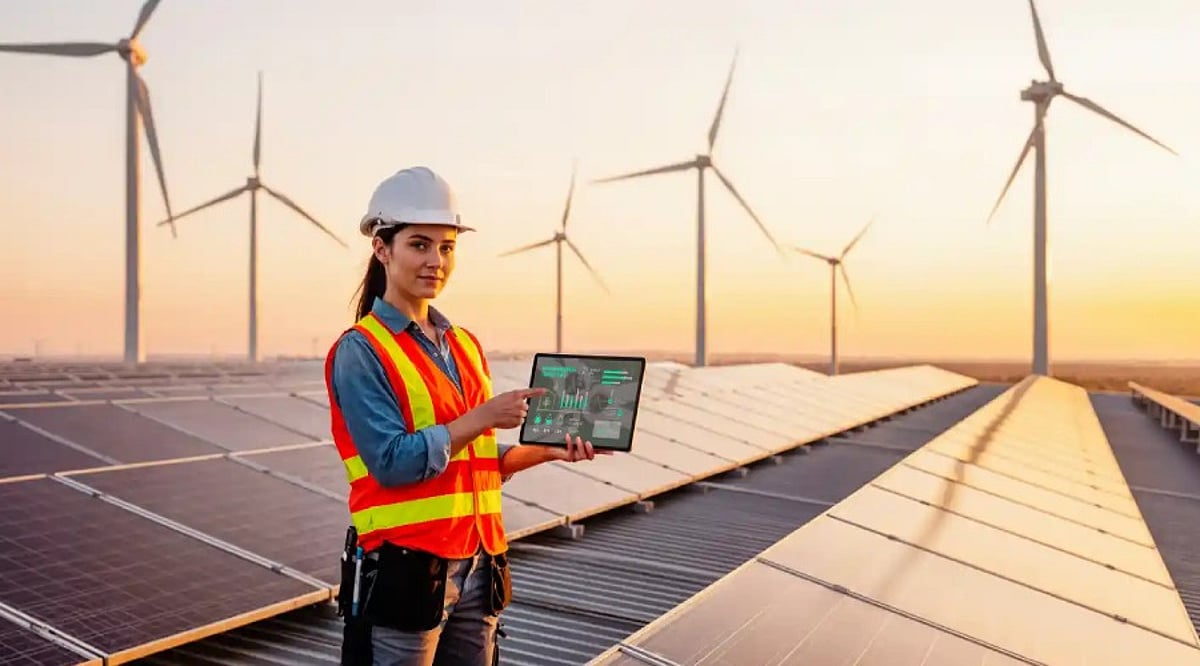
    Mohit Kumar Singh, Founder & CEO of Renewalytics Services Pvt. Ltd., is leveraging artificial intelligence to solve critical operational challenges in the renewable energy sector. His company builds AI-powered operational intelligence platforms that help solar and wind operators improve efficiency, grid reliability, and intelligent energy management while supporting India’s clean energy transition.

    Singh’s journey in renewable energy began in December 2016 at Climate Connect, where he worked extensively on forecasting, scheduling, and grid compliance for renewable energy generators. Over the years, he collaborated with independent power producers, operations teams, regulators, and grid stakeholders, gaining first-hand exposure to the operational complexities of integrating renewable energy into the power system.

    After Climate Connect was acquired by ReNew Power and later divested, Singh founded Renewalytics in 2023 with the belief that the industry needed an independent company focused entirely on intelligent software for renewable energy operations. Today, Renewalytics supports more than 3 GW of solar and wind assets across commercial and pilot engagements, offering AI-driven forecasting, scheduling, weather intelligence, DSM analytics, enterprise software, operational automation, and intelligent decision-support systems.

    Solving Real-World Challenges

    India’s renewable energy targets are ambitious, but operational complexity is growing rapidly. Renewable energy companies must manage weather uncertainty, grid regulations, scheduling obligations, battery integration, diverse data sources, operational risks, and increasingly complex market dynamics.

    Renewalytics addresses these challenges by transforming fragmented operational data into actionable intelligence. As Singh explains, “Our objective is to help renewable energy companies improve operational visibility, automate routine workflows, strengthen decision-making, and optimize plant performance.”

    How AI is Transforming Forecasting and Operations

    Artificial Intelligence is fundamentally changing how renewable energy assets are managed. Machine learning enables continuous learning from historical generation patterns, weather behavior, plant performance, and operational outcomes to improve prediction accuracy and support better planning.

    Beyond forecasting, AI is assisting operations teams through intelligent co-pilots that validate data, detect anomalies, recommend corrective actions, and automate repetitive tasks. At Renewalytics, the team is building agentic AI capabilities where specialized AI agents collaborate to support weather intelligence, operational analytics, forecast validation, data quality monitoring, and performance optimization.

    “Our philosophy is that AI should augment human expertise rather than replace it,” Singh says. “We aim to enable engineers and operations teams to make faster and better-informed decisions.”

    Differentiation from Traditional Solutions

    Traditional energy management platforms primarily focus on monitoring assets and reporting operational data. Renewalytics goes beyond monitoring by combining AI, machine learning, operational intelligence, automation, weather analytics, scheduling, DSM analytics, and enterprise workflow management into a unified platform.

    Singh notes that his team’s practical experience within the renewable energy ecosystem allows them to build solutions that address real operational challenges instead of simply presenting data on dashboards. “We believe the future lies in intelligent platforms that actively assist decision-making rather than simply displaying information,” he adds.

    The Role of Data in Renewable Energy Performance

    Data is the foundation of every intelligent renewable energy system, but the true value lies in its quality, reliability, and contextual understanding. Renewable energy operations depend on information from SCADA systems, weather services, meters, grid operators, market platforms, scheduling systems, and operational logs.

    “At Renewalytics, significant emphasis is placed on data engineering, validation, automation, and integration because reliable AI models can only be built upon reliable data,” Singh explains. High-quality data ultimately leads to better operational decisions, improved efficiency, and stronger grid reliability.

    Future Trends and Vision

    Singh believes the next decade of renewable energy will extend far beyond capacity addition. The sector will increasingly be shaped by battery energy storage systems, hybrid renewable projects, AI-powered operational co-pilots, autonomous software agents, intelligent forecasting, grid optimization, and advanced machine learning.

    “As renewable penetration continues to increase, maintaining grid stability will become just as important as adding new generation capacity,” he says. “Utilities, grid operators, and renewable energy companies will rely far more heavily on predictive analytics, flexible energy resources, and intelligent software platforms to maintain system reliability.”

    Looking ahead, Singh envisions Renewalytics evolving into a digital operating layer that helps organizations improve efficiency, strengthen grid reliability, and accelerate the global clean energy transition. “Our long-term ambition is to build technology from India that serves renewable energy companies across international markets,” he concludes.


  • How Green Infrastructure and LID Strategies Are Transforming Stormwater Management

    How Green Infrastructure and LID Strategies Are Transforming Stormwater Management

    As rain events intensify and urbanization accelerates, communities face mounting pressure to manage stormwater more effectively. Traditional drainage systems, often designed around historical rainfall patterns, can struggle with short-duration, high-intensity storms. In response, green infrastructure and Low Impact Development (LID) practices have emerged as vital complementary tools for reducing flood risk, protecting water quality, and ensuring long-term stormwater resilience.

    Seema Bardhipur, P.E., a water resources engineer, has dedicated her career to advancing these strategies. Her work sits at the intersection of hydrology, hydraulics, and stormwater management, blending academic research with hands-on professional practice. In her graduate research, Bardhipur modeled the effects of green infrastructure—including rain barrels and bioretention systems—on stormwater reduction at the catchment scale. This early work provided foundational insights into how distributed stormwater controls influence runoff volume, peak flow, and watershed response under varying rainfall conditions, offering practical guidance for flood mitigation and sustainable water management.

    Bardhipur’s academic interests evolved alongside the field’s needs. Her thesis work includes co-authoring technical publications on artificial intelligence for rainwater harvesting, LID practices for urban runoff reduction near river corridors, and floodplain connectivity for river flood mitigation. These publications exemplify an interdisciplinary approach that integrates traditional hydrologic concepts with modern technologies such as machine learning, sensor-based monitoring, and data-driven planning. She believes the future of stormwater management depends not only on design but also on the ability to evaluate performance, placement, and long-term effectiveness.

    In her professional practice, Bardhipur has applied this knowledge to real-world drainage and flood risk challenges, including floodplain mapping, watershed modeling, drainage feasibility studies, and hotspot analyses for flood-prone areas. These assignments require careful evaluation of hydrologic conditions, infrastructure constraints, and regulatory requirements. Her experience has reinforced that effective stormwater planning involves more than reducing runoff—it requires understanding how water interacts with soils, conveyance systems, and development patterns across an entire watershed. This perspective is especially critical in areas where development pressure intersects with flood-sensitive corridors and environmentally sensitive land.

    Field-based experience has further sharpened Bardhipur’s technical judgment. Through LID inspections and related evaluations, she has witnessed firsthand how design, construction quality, and maintenance affect long-term system performance. This practical exposure enables her to identify where green infrastructure can succeed, where it needs support from conventional systems, and how project teams can achieve balanced, reliable outcomes. Her background allows her to evaluate stormwater solutions not just theoretically but from the standpoint of implementation, durability, and compliance.

    Beyond technical work, Bardhipur demonstrates a strong professional service ethic. She serves as a peer reviewer for technical journals, is a published author, participates in policy discussions, and volunteers in STEM outreach and river cleanups. Her community involvement reflects a commitment to environmental stewardship and public education that extends beyond the office. She has presented at conferences and continues to engage in professional knowledge-sharing through technical forums and industry discussions focused on water resources engineering, flood resilience, and stormwater management. This leadership is increasingly valued in water resources practice: contributing to the profession through research, publication, presentation, and service.

    As stormwater challenges grow, engineers who combine modeling expertise with practical field insight are becoming more valuable. Seema Bardhipur, P.E., exemplifies this kind of professional leadership—technically rigorous, solutions-focused, and committed to advancing infrastructure that better serves communities facing flood risk.

  • Next-Generation Solar Panels: Perovskite, Multi-Junction, and Flexible Technologies Set to Boost Efficiency

    Next-Generation Solar Panels: Perovskite, Multi-Junction, and Flexible Technologies Set to Boost Efficiency

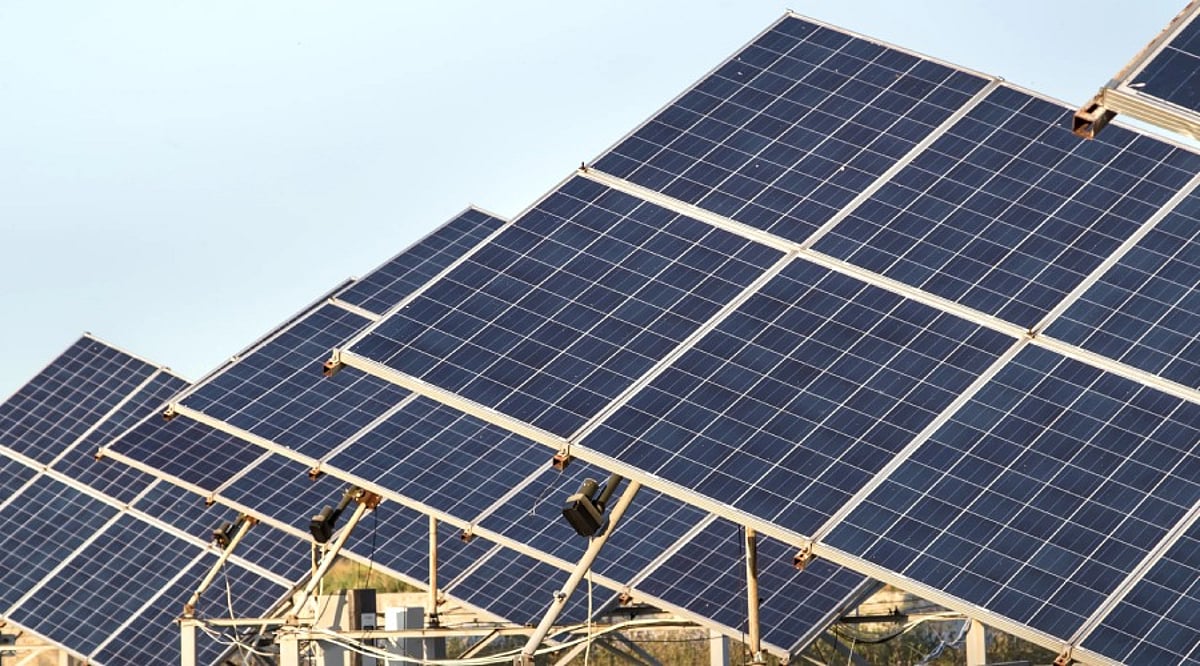
    Solar power has become one of the most important clean energy sources worldwide. Millions of homes, offices, and factories already use solar panels to generate electricity from sunlight. Most conventional panels rely on silicon, a material that has served the industry well for many years. However, scientists now believe that silicon has nearly reached its maximum performance. This has spurred research into new solar technologies that can generate significantly more electricity from the same amount of sunlight. These future solar panels could help homeowners save money, reduce carbon emissions, and make better use of limited roof space.

    Perovskite-Silicon Tandem Panels Show the Greatest Promise

    Among emerging solar technologies, perovskite-silicon tandem panels are attracting the most attention. These panels combine a silicon cell with a very thin layer of perovskite. Because each material absorbs different parts of the sunlight spectrum, they work together to capture more solar energy than ordinary silicon panels alone.

    Lab tests have achieved efficiencies exceeding 34.5%, far above the typical performance of current commercial silicon panels. Experts believe commercial models will soon reach over 30% efficiency. This could allow homeowners and businesses to generate 20–30% more energy from the same rooftop without adding extra panels. Moreover, manufacturers can adapt existing silicon production lines rather than build entirely new infrastructure.

    All-Perovskite Panels Could Transform the Industry

    Researchers are also developing solar panels made entirely from perovskite materials, known as all-perovskite panels. Unlike tandem panels, these do not use silicon at all. This technology promises to be lighter, cheaper, and easier to produce at scale. These panels can bend without damage, making them suitable for curved roofs, portable devices, and surfaces where heavy glass panels are impractical. Some experts believe all-perovskite panels could even surpass the efficiency limits of silicon. However, a major challenge remains: improving durability against heat, moisture, and sunlight so the panels can last for decades outdoors.

    Multi-Junction Solar Cells Deliver Record Efficiency

    Another breakthrough is the multi-junction solar cell, which uses multiple layers to absorb different colors of sunlight. This design can utilize nearly the entire solar spectrum to generate electricity. Such cells have already achieved efficiencies above 40%, with some advanced designs reaching almost 47%—the highest ever recorded. These cells are already used in satellites due to their exceptional performance. The main drawback is high manufacturing cost, which currently prevents widespread residential use.

    Quantum Dot Solar Cells Open New Possibilities

    Quantum dot solar cells represent another exciting area of research. Quantum dots are extremely small semiconductor particles whose light absorption properties change with their size. This allows scientists to design cells that collect a broader range of sunlight. Researchers believe this technology could boost electricity production, especially in cloudy or low-light conditions. Some studies explore using quantum dots alongside silicon panels rather than replacing them entirely. Although more research is needed before mass production, many experts see strong long-term potential for capturing more solar energy.

    Flexible Printed Solar Cells Expand Where Solar Can Work

    Future solar panels may not look like the heavy glass panels we know today. Flexible printed solar cells could revolutionize how solar power is integrated into everyday life. These ultra-thin films can be applied to walls, windows, curved structures, cars, buses, trains, and even portable electronics. Japan has invested heavily in printed perovskite technology, aiming to turn ordinary surfaces into clean electricity generators. This approach could dramatically increase the total solar power capacity in cities.

    Challenges Before Widespread Adoption

    Despite impressive progress, several challenges remain. Future panels must reliably generate electricity for 25–30 years without major performance loss. They need better protection against rain, humidity, high temperatures, and constant sunlight. Large-scale manufacturing must also reduce production costs to keep prices affordable for homeowners and businesses. Researchers are also focusing on recycling methods to minimize waste at the end of a panel’s life. Steady progress is being made on all these fronts.

    The Future Looks Bright

    The next generation of solar panels will transform clean energy. Perovskite-silicon tandem panels currently offer the best balance of efficiency, manufacturability, and commercial readiness. All-perovskite panels, multi-junction cells, quantum dot technology, and printed flexible films are set to expand the frontiers of solar energy. As research progresses, future solar panels will generate more power from the same sunlight while unlocking new ways to harvest energy from buildings and vehicles.

    Frequently Asked Questions

    1. What is the most promising future solar panel technology? Perovskite-silicon tandem panels are considered the most promising because they combine high efficiency with compatibility with existing silicon manufacturing.
    2. Why are perovskite solar panels important? They can achieve higher efficiencies than traditional silicon panels while potentially reducing manufacturing costs and enabling flexible designs.
    3. Why aren’t multi-junction solar cells used on homes today? Although they offer record-breaking efficiency, they remain too expensive for residential use due to complex materials and manufacturing.
    4. What makes quantum dot solar cells different? Quantum dots absorb different wavelengths of light depending on their size, allowing solar cells to capture more sunlight, especially in low-light conditions.
    5. What challenges must future solar panels overcome? They need improved durability, lower production costs, better resistance to heat and moisture, and effective recycling solutions for long-term commercial success.
  • Global Leaders in Waste-to-Energy: Pioneering Nations Turning Trash into Power

    Global Leaders in Waste-to-Energy: Pioneering Nations Turning Trash into Power

    Waste-to-energy (WtE) technology is rapidly transforming the way nations handle non-recyclable waste, converting it into electricity, heat, or fuel while drastically reducing reliance on landfills. Countries such as China, Sweden, Denmark, Japan, Singapore, Germany, and the Netherlands are at the forefront, leveraging advanced technologies, efficient systems, and sustainable policies to lead the global shift.

    Key Takeaways

    • China operates the world’s largest waste-to-energy network, generating immense electricity capacity.
    • Sweden and Denmark integrate waste-to-energy with district heating, optimizing clean energy production.
    • Innovations in incineration, gasification, and carbon capture are making WtE cleaner and more efficient.

    China: The Undisputed Market Leader

    China has built the world’s biggest waste-to-energy industry in just over a decade, driven by rapid urbanization and strict government policies. Electricity production from WtE surged from 5 TWh in 2010 to approximately 120 TWh in 2023, while annual waste treatment capacity expanded from 14 million to 327 million tonnes. Today, China operates more than 1,000 waste-to-energy plants—over half of the global total.

    Sweden: From Waste to Resource

    Sweden’s waste management system is among the most efficient globally. Approximately 50% of household waste is converted into electricity and district heating. Swedish plants are so efficient that the country imports about 800,000 tonnes of waste annually from neighboring nations to keep facilities operating at full capacity, all while maintaining low emissions through advanced pollution control.

    Denmark: Urban Integration and Clean Energy

    Denmark has embedded waste-to-energy into urban life, with modern facilities supplying both electricity and district heating to surrounding areas. The iconic Amager Bakke facility in Copenhagen not only generates energy but also features a public park on its roof, exemplifying how industrial structures can blend with cityscapes. Denmark continues to invest in carbon capture and more efficient waste treatment technologies.

    Japan: High Tech, High Standards

    With limited landfill space, Japan relies heavily on WtE. The country uses highly efficient combustion technology to maximize electricity output while minimizing harmful emissions. Strict environmental laws ensure every plant meets rigorous air quality standards.

    Singapore: Smart Waste Management in a Tiny Island

    Singapore faces severe land shortages, making efficient waste management a national priority. Most non-recyclable municipal waste passes through modern incineration plants, reducing volume by nearly 90% and significantly extending the life of the offshore Semakau Landfill.

    Germany and the Netherlands: Circular Economy Champions

    Both countries combine high recycling rates with effective waste-to-energy solutions. They prioritize recycling and composting, then send only non-recyclable waste to energy recovery. Europe’s approximately 500 WtE facilities process nearly 100 million tonnes of waste annually, generating heat and electricity while diverting waste from landfills. Germany and the Netherlands are advancing sorting technologies, carbon capture, and energy efficiency.

    Why This Matters

    Mounting waste volumes make traditional landfills unsustainable. Waste-to-energy technology cuts garbage volume by 90% while producing clean electricity and heat. According to the World Bank, about 20% of global waste is incinerated, while recycling, composting, and anaerobic digestion account for another 21%.

    Future Outlook

    Urban growth will continue to increase waste generation, requiring WtE capacity to expand. Emerging technologies such as AI-driven operations, carbon capture, and advanced pollution controls will make new plants cleaner and more productive. Countries like China, Sweden, Denmark, Japan, Singapore, Germany, and the Netherlands have demonstrated that it is possible to slash landfill use and generate usable energy simultaneously.

    Frequently Asked Questions

    What is waste-to-energy?

    Waste-to-energy is the process of converting non-recyclable waste into electricity, heat, or fuel using technologies like incineration, gasification, pyrolysis, and anaerobic digestion.

    Why is waste-to-energy important?

    It reduces landfill dependence, lowers pollution from open dumping, recovers energy from waste, and supports more sustainable waste management.

    Which country leads globally?

    China is the global leader, operating over 1,000 waste-to-energy plants and accounting for more than half of the world’s waste incineration capacity.

    Does waste-to-energy replace recycling?

    No. The best practice is to recycle and compost first; only non-recyclable waste should be sent to WtE facilities.

    What is the future of waste-to-energy?

    The future includes AI-driven operations, carbon capture technologies, advanced emission controls, and more efficient energy recovery to make plants cleaner and more productive.

  • Solar Stocks in India: Growth Drivers, US Tariff Impact, and Investment Risks in 2026

    Solar Stocks in India: Growth Drivers, US Tariff Impact, and Investment Risks in 2026

    India’s solar industry is growing faster than ever, but growth alone doesn’t tell the full story anymore. The sector added a record 44.61 GW of capacity in FY2026 and crossed 150 GW of installed capacity, cementing its place in the country’s clean energy shift. In the same year, the US imposed a 126% countervailing duty that disrupted exports and wiped billions off the market value of listed solar manufacturers.

    Solar stocks in India now sit at the intersection of opportunity and risk. Understanding how policy, trade, domestic demand, and execution fit together matters more now than just tracking capacity numbers.

    Why Solar Stocks in India are Entering a New Growth Phase

    The national target for 2030 remains the anchor for the whole sector, and hitting it requires roughly 50 GW of new solar installations every year, a pace India only just touched for the first time. Incentives such as the PLI scheme for high-efficiency modules and the newer mandate requiring locally made solar cells from June 2026 are built to sustain that pace. The harder constraint is capacity utilization. Indian module-making capacity has swelled to around 210 GW, far ahead of the 40–45 GW of annual domestic demand it needs to serve. That gap between built capacity and used capacity is quietly becoming a bigger swing factor for manufacturer earnings than the headline target itself.

    How US Tariffs are Reshaping the Future of Solar Stocks in India

    For years, the US absorbed nearly all of India’s solar exports, and PLI-backed manufacturers rode that demand. That changed in February 2026, when the US Department of Commerce imposed a preliminary 126% countervailing duty on Indian solar cells and modules, following complaints from American manufacturers over alleged subsidy benefits. Exports fell by roughly a third within weeks, and Waaree Energies, Premier Energies, and Vikram Solar all saw sharp single-day declines when the ruling landed. A final US ruling is expected later in 2026, and that date matters more to exporter stock prices than most quarterly earnings calls.

    Even so, the export slowdown is not the whole story. Utility-scale tenders, commercial rooftop adoption, and industrial clean energy procurement are expanding fast enough to absorb a growing share of that idle manufacturing capacity. Companies with diversified revenue across domestic and export markets are better placed to ride out trade disruption than pure exporters.

    Battery Storage and Hybrid Projects are Driving the Next Phase of Solar Growth

    The clearest forward-looking shift in the sector is the move from standalone solar to solar-plus-storage. In January 2026, the Solar Energy Corporation of India awarded 1.2 GW of solar paired with 3.6 GWh of battery storage under long-term power agreements. NTPC’s renewable arms followed up with hybrid solar projects in Uttar Pradesh and Rajasthan. Battery storage lets developers supply power during evening peak demand, not just when the sun is out. That improves project economics and cuts down on solar power going to waste. Meanwhile, more companies are signing long-term renewable power purchase agreements, and utilities are starting to use AI to forecast solar generation and manage the grid more precisely. Put together, these shifts are moving the industry away from just adding capacity and toward delivering power that’s reliable and efficient.

    Why Different Types of Solar Stocks in India Face Different Risks

    Generators such as Adani Green, NTPC Green, and Tata Power earn through long-term tariffs and are shielded from the export shock but exposed to discom payment delays and leveraged balance sheets. Manufacturers, including Waaree and Premier Energies, sit closest to the tariff risk and the overcapacity problem. EPC and ancillary players earn on execution margins tied to the capex cycle rather than on export markets. Treating all three as interchangeable is where most retail analysis of the sector goes wrong. Business model differences also explain why investors should not value every solar company the same way.

    Are Solar Stocks in India Still Worth Their Premium Valuations?

    Several listed solar and renewable names still trade at earnings multiples well above global peers, some in triple-digit numbers, a premium built on an uninterrupted growth story. With export markets now constrained, that multiple looks harder to justify without a matching improvement in cash flow visibility. Balance sheet strength, order book quality, execution capability, and exposure to export markets are becoming the key factors separating long-term winners from short-term momentum stocks.

    Final Thoughts

    India’s solar sector has entered a more demanding phase of growth. The companies that lead from here will not necessarily be those announcing the largest project pipelines but those that consistently convert policy support, disciplined execution, and operational efficiency into sustainable earnings and resilient cash flows.

    Disclaimer: Analytics Insight does not provide financial advice or guidance on cryptocurrencies and stocks. This article is provided for informational purposes and does not constitute investment advice. You are responsible for conducting your own research before making any investments.

  • 10 Innovative Food Technologies Reshaping Our Plates

    10 Innovative Food Technologies Reshaping Our Plates

    The way we produce, package, and consume food is undergoing a radical transformation. From lab-grown meats to AI-driven farms, these ten technologies are leading the charge toward a more sustainable, efficient, and personalized food system.

    Precision Fermentation

    This process produces dairy and protein ingredients without the need for animals. By using microbial hosts, precision fermentation creates sustainable alternatives with lower emissions while maintaining the familiar taste and nutritional profile consumers expect.

    Cultivated Meat

    Real meat is grown directly from animal cells, eliminating the environmental footprint of traditional livestock farming. This technology addresses concerns about animal welfare, land use, and food security by producing authentic meat without raising or slaughtering animals.

    AI-Powered Farming

    Artificial intelligence is revolutionizing agriculture by monitoring crop health, predicting yields, optimizing irrigation, and reducing waste. Data-driven decisions help farmers increase efficiency while minimizing inputs like water and pesticides.

    Vertical Farming

    Crops are cultivated indoors in stacked layers, often in urban environments. This method uses far less land and water than conventional farming, produces fresh vegetables year-round, and reduces the carbon footprint associated with long-distance transport.

    Plant-Based Proteins

    Meat alternatives made from soy, peas, mushrooms, and legumes are becoming mainstream. These products offer healthier, more environmentally friendly choices that closely mimic the taste and texture of animal meat.

    Smart Food Packaging

    Intelligent sensors embedded in packaging monitor freshness, temperature, and contamination. This technology helps reduce food waste by alerting consumers and retailers when products are no longer safe, while also improving overall food safety.

    3D Food Printing

    Customized meals with precise nutrition and creative designs can now be 3D-printed. This technology is finding applications in healthcare for tailored diets, in hospitality for artistic presentations, and even in space missions where fresh ingredients are scarce.

    Blockchain Food Tracking

    Blockchain records every step of the food supply chain, from farm to table. This transparency improves traceability, verifies authenticity, and boosts consumer confidence in food quality and safety, especially during recalls.

    Food Waste Recycling

    Discarded food is converted into valuable resources such as biofuels, fertilizers, and animal feed. This circular economy approach reduces environmental pollution and turns a major waste problem into an opportunity for energy and agriculture.

    These ten technologies are not just changing what we eat—they are redefining the entire food ecosystem. As they mature, expect more sustainable, safe, and personalized food options to become the new normal.

  • 10 Sustainable Gadgets to Embrace in 2026 for a Greener Lifestyle

    10 Sustainable Gadgets to Embrace in 2026 for a Greener Lifestyle

    As environmental consciousness grows, innovative gadgets are making it easier to adopt eco-friendly habits without sacrificing convenience. From solar-powered chargers to intelligent home monitors, these ten devices help reduce energy consumption, cut waste, and shrink your carbon footprint. Here are the top sustainable gadgets worth trying in 2026.

    Solar Power Banks

    Harness the sun to recharge your smartphones and other portable devices. Solar power banks reduce reliance on grid electricity while offering reliable backup power during travel, camping, or outdoor adventures. They are a practical step toward renewable energy use in daily life.

    Smart Energy Monitors

    Track your household electricity usage in real time with smart energy monitors. These devices help identify energy waste, allowing families to adjust habits and lower monthly utility bills. They provide actionable insights to make your home more efficient.

    Solar Outdoor Lights

    Illuminate gardens, pathways, and patios using renewable solar energy. Solar outdoor lights eliminate electricity costs and provide dependable nighttime lighting year-round. They are easy to install and require no wiring, making them a simple eco-friendly upgrade.

    Rechargeable Batteries

    Replace disposable batteries with rechargeable alternatives. These batteries reduce landfill waste and save money over time by being reusable hundreds of times. They are ideal for powering remote controls, toys, flashlights, and other household gadgets.

    Water-Saving Smart Showers

    Intelligent shower systems monitor water consumption and encourage shorter showers without compromising comfort. By tracking usage and providing feedback, they help conserve water—a critical resource—while still delivering a satisfying experience.

    Energy-Efficient Air Purifiers

    Modern air purifiers consume less electricity while improving indoor air quality through advanced filtration technologies. Look for models with high CADR ratings and low wattage to ensure sustainable living without sacrificing clean air.

    Smart Thermostats

    Automatically adjust home temperatures based on your schedule and preferences. Smart thermostats optimize heating and cooling, reducing unnecessary energy consumption and lowering utility bills. They learn your routines and adapt to save energy effortlessly.

    Portable Wind Chargers

    Compact wind-powered chargers generate renewable electricity during outdoor activities like hiking, camping, or cycling. They offer an eco-friendly alternative to conventional charging methods, allowing you to stay powered without relying on fossil fuels.

    Eco-Friendly Wireless Keyboards

    Keyboards made from recycled materials and featuring solar charging reduce electronic waste while delivering reliable everyday productivity. They combine sustainability with performance, making them a smart choice for eco-conscious professionals.

    These gadgets represent the intersection of innovation and environmental responsibility. By integrating them into your daily life, you can reduce your ecological impact while enjoying modern conveniences. Stay tuned for more updates on sustainable technology.

  • Modern Energy Storage Technologies: A Comprehensive Guide to Batteries, Hydrogen, and Grid Solutions

    Modern Energy Storage Technologies: A Comprehensive Guide to Batteries, Hydrogen, and Grid Solutions

    Energy storage is essential for saving electricity generated from renewable sources and ensuring a stable power supply when demand peaks. As the world shifts toward cleaner energy, understanding the various storage technologies becomes critical for homes, businesses, and utilities alike.

    Why Energy Storage Matters More Than Ever

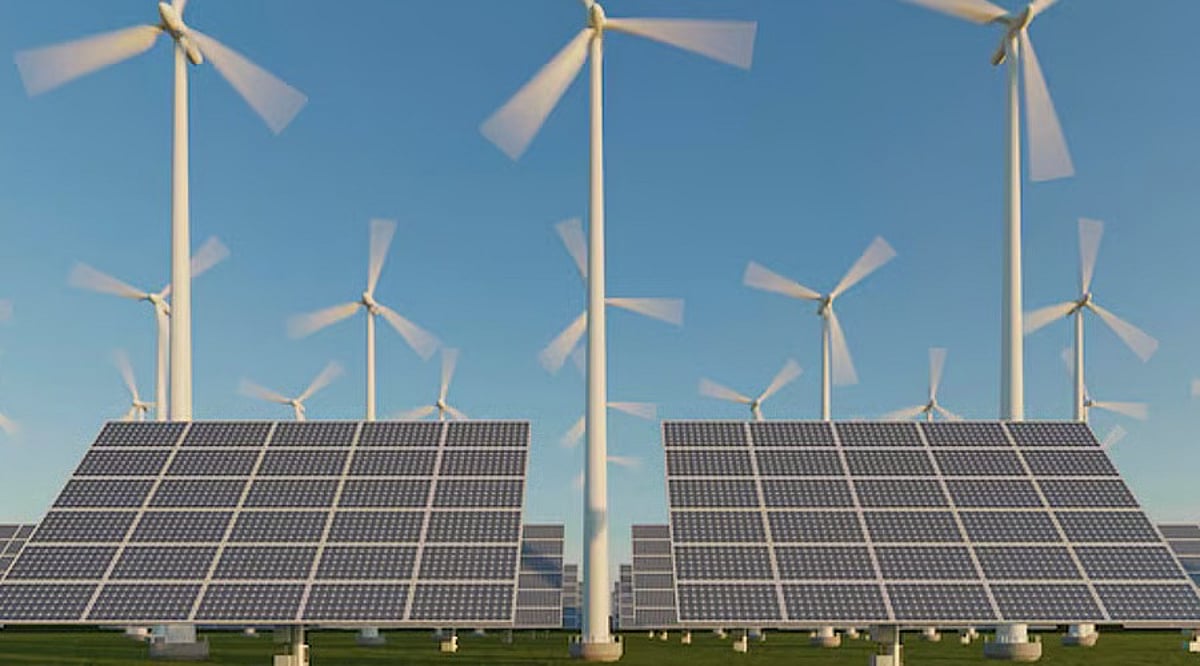
    Global electricity demand continues to rise, driven by electric vehicles, air conditioning, and smart devices. Renewable sources like solar and wind are intermittent—solar panels generate only during daylight, and wind turbines depend on sufficient wind. Energy storage bridges this gap by capturing excess power when production is high and releasing it when generation drops or demand surges. Storage also provides backup during outages, supporting hospitals, factories, and homes.

    Main Types of Energy Storage Technologies

    Electrochemical Storage (Batteries)

    Rechargeable batteries are the most widespread storage technology. Lithium-ion batteries power electric cars, smartphones, laptops, and home backup systems. Other chemistries include lead-acid, sodium-ion, and flow batteries. They store energy via chemical reactions and release it almost instantly.

    Pros: High efficiency, fast charging/discharging, easy installation, suitable for homes and EVs.

    Cons: Degradation over time, expensive materials, recycling challenges.

    Mechanical Storage

    Mechanical methods use motion rather than chemicals. Pumped hydro storage lifts water to a higher elevation during excess generation; when demand rises, water flows down to spin turbines and produce electricity. Other forms include compressed air and flywheels that store energy in rotating mass.

    Pros: Large capacity, long operating life, reliable for grids.

    Cons: High construction cost, geographic constraints, not practical for homes.

    Thermal Storage

    Thermal storage saves energy as heat or cold. Solar thermal plants use molten salt to store heat for electricity generation after sunset. Ice storage systems cool large buildings during off-peak hours, reducing strain on the grid.

    Pros: Enables better use of renewable energy, cuts peak demand, improves overall efficiency.

    Cons: Heat loss over time, limited applications, high installation costs.

    Electrical Storage

    Supercapacitors store energy in electric fields and can charge in seconds, delivering power rapidly. They are used in buses, trains, factories, and backup systems where quick bursts of energy are critical.

    Pros: Ultra-fast charging, long cycle life, instant power delivery.

    Cons: Low energy density, unsuitable for long-term storage, expensive.

    Chemical Storage (Hydrogen)

    Chemical storage converts electricity into fuels like hydrogen. Electrolysis splits water into hydrogen and oxygen; the hydrogen can later be turned back into electricity or used as fuel for transport and industry. Experts see hydrogen as a key enabler of long-duration, large-scale storage.

    Pros: Long-term storage, high energy density, supports clean transport and industry.

    Cons: High production costs, difficult storage and handling, infrastructure still developing.

    The Future of Clean Power Depends on Storage

    No single storage technology fits all needs. Batteries excel for homes and EVs; pumped hydro handles grid-scale demands; hydrogen shows promise for seasonal storage. Together, these technologies form a resilient energy system. As renewables expand, storage will become even more vital to ensure clean electricity is available whenever needed.

    Modern energy storage technologies are making a sustainable future possible—by storing energy wisely, we can power the world reliably without depending on weather conditions.

  • India’s First Hydrogen Train to Launch on July 17 with PM Modi Inauguration

    India’s First Hydrogen Train to Launch on July 17 with PM Modi Inauguration

    India is set to mark a significant milestone in green mobility as Prime Minister Narendra Modi is expected to flag off the country’s first hydrogen-powered passenger train on July 17. The train will operate on the Jind-Sonipat route in Haryana, under the Northern Railway zone, showcasing Indian Railways’ commitment to clean energy and sustainable transport.

    The hydrogen train utilizes fuel cell technology, where electricity is generated through a chemical reaction between hydrogen and oxygen. Unlike conventional diesel locomotives, this system emits only water vapor and heat, making it a zero-emission solution during operation. This technology is gaining traction globally, particularly for routes where full electrification is not feasible.

    The train will be equipped with modern passenger amenities, though specific details regarding speed and passenger capacity have not yet been disclosed by Indian Railways. Given hydrogen’s high combustibility, the project incorporates dedicated systems for fuel storage, handling, and onboard safety measures. Officials have confirmed that the hydrogen used will be produced through environmentally sustainable methods.

    The July 17 launch serves as a pilot for the technology. If the trial yields positive results, Indian Railways plans to expand hydrogen-powered services to additional routes in the coming years. This initiative aligns with the national transporter’s broader strategy to reduce reliance on fossil fuels and increase the use of cleaner energy across its network.