Category: Home Electronics

  • Top IFB Washing Machines Under Rs. 30,000: Best Picks for Every Household

    Top IFB Washing Machines Under Rs. 30,000: Best Picks for Every Household

    IFB offers several washing machines under Rs. 30,000 with features designed for different types of users. From compact households to larger families, there is a model for every requirement. Comparing them carefully helps you find the best value.

    Why Rs. 30,000 is a Sweet Spot for IFB Washing Machines

    Buyers at this price point do not have to give up the features that make a genuine difference. IFB washing machines under Rs. 30,000 regularly include inverter motors, multiple wash programs, hard water treatment, and energy-efficient operation as standard rather than as upgrades. The goal of this budget is straightforward: find a model that handles your actual laundry load consistently without paying for features your household will never use.

    Quick Comparison

    Best Overall: TL801MG1ID

    TL801MG1ID earns the top spot by doing the things that matter most, consistently and without fuss. At 8 kg, it handles a typical family’s weekly laundry without requiring repeat cycles. Wash performance stays reliable across fabric types, from everyday cotton to heavier loads. IFB’s service network adds confidence that most brands at this price cannot match, and the warranty terms hold up well in this segment.

    Best Front Load Option: IFB Diva GXN 6010

    Front-loaders ask for more patience per cycle and return better fabric care over time. The IFB Diva GXN 6010 suits couples and smaller households that prioritise gentle washing, lower water consumption, and reduced running costs over speed and simplicity. For households where fabric longevity and energy costs matter more than quick turnaround, the Diva GXN 6010 makes a strong case at its price.

    Best Top Load for Families: IFB TL900NB2S

    Large households need a machine that keeps pace without constant reruns. The IFB TL900NB2S handles 9 kg per cycle, cutting the number of loads needed each week and reducing the time spent managing laundry across busy days. For households regularly washing for four or more people, getting the capacity right from the start saves more frustration than any individual feature ever could.

    Best Budget Pick: IFB TL701AG1

    Value for money is not the same as the lowest price. The IFB TL701AG1 costs less than most models in this comparison and earns its place here by delivering dependable everyday performance rather than simply undercutting the competition. At 7 kg, it suits small families and households that wash regularly without dealing with heavy or oversized loads.

    Which Capacity Should You Choose?

    Capacity shapes your daily laundry routine more than any other single decision. Getting it wrong costs time every week for as long as you own the machine. A 6 kg machine suits singles and couples with manageable weekly loads. A 7 kg machine works well for small families of three. An 8 kg machine handles the needs of most households. A 9 kg machine is built for large families that wash regularly and in volume. Choose the load your household actually generates.

    What Actually Matters More Than Specifications

    Specification sheets can send buyers in the wrong direction. The factors that hold up over time are less exciting and more important: capacity, machine type (front load vs. top load), hard water compatibility, energy ratings, service network, and warranty terms. Settle these questions first before comparing spin speeds or program counts.

    Final Thoughts

    The best IFB washing machine under Rs. 30,000 is not the one with the most programs or the highest spin speed. It is the one that fits how your household actually does laundry. Getting that match right from the start delivers better value over five years than buying the most expensive model in the range and hoping the extra specifications justify themselves over time.

    Frequently Asked Questions

    1. Which is the best IFB washing machine under Rs. 30,000? The best model depends on your household size and laundry habits. Compare capacity, wash programs, energy efficiency, and machine type.
    2. Is a front-load IFB washing machine worth buying under Rs. 30,000? Yes. IFB offers front-load models in this price range with better fabric care and water efficiency.
    3. What capacity IFB washing machine should I choose? A 6–7 kg model for singles or couples, 8 kg for most families, and 9 kg for large households.
    4. Are IFB washing machines energy efficient? Most include inverter technology and efficient designs. Check the energy rating before purchase.
    5. Which features matter most? Capacity, machine type, inverter motor, wash programs, hard water compatibility, warranty, and after-sales service are most important.
  • Best Garment Steamers Under Rs 5000 in India for 2026: Top Picks and Buying Guide

    Best Garment Steamers Under Rs 5000 in India for 2026: Top Picks and Buying Guide

    Overview

    India’s sub-Rs. 5000 garment steamer segment has shifted from brand loyalty to genuine spec competition, with Inalsa, Agaro, and USHA now matching or beating Philips on tank size and steam output. Six current models, each compared on wattage, tank capacity, and street price rather than printed MRP, cover nearly every household routine in this price band. A simple framework ties steamer type to routine: compact handhelds for quick touch-ups, larger tanks for full wardrobe sessions, and gentler settings for silk and embroidered fabric.

    What Rs. 5000 Actually Buys

    Three numbers separate a steamer worth buying from one that only looks good on a shelf. A wattage between 1200W and 1700W handles cotton and linen cleanly, while anything under 1000W struggles with heavier weaves. Tank size sets how long a session lasts: 100ml gives 5 to 8 minutes of steam, enough for two shirts, while 300ml to 340ml stretches past 12 minutes and covers five or six garments. Heat-up time matters most on rushed mornings, and the better models in this range warm up in 20 to 45 seconds. Auto shut-off and boil-dry protection round out the list, separating appliances built for daily use from ones built only to hit a price point.

    Top Picks Compared

    Philips STH3000/20

    Philips’ compact handheld remains the most recognised name in the segment, backed by wide service support across Indian cities. Its 1000W motor and 100ml tank are suited to one or two garments at a time, with a 30-second heat-up that favors speed over capacity. Price: Rs. 2,800 to Rs. 3,500.

    Agaro Signify

    Agaro’s Signify pairs a 1500W motor with a 260ml tank and a ceramic steam nozzle, giving it more raw capacity than the Philips entry model at a lower street price. Vertical and horizontal steaming cover hanging garments and flat touch-ups alike. Price: Rs. 2,100 to Rs. 2,200 on current offers.

    Inalsa Cosicosy

    The Cosicosy carries the largest tank of any handheld in this group at 340 ml, enough for five to six garments before a refill. Its 1600W motor and 25g/min steam output handle cotton and linen comfortably, and dry boiling protection adds a safety margin for daily use. Price: around Rs. 2,300 on Amazon.

    USHA Techne Direct 2000

    USHA’s Techne Direct 2000 matches the Inalsa on power, with 1600W and 28 g/min output, and a 320 ml tank that lands just below it. Auto shut-off after 20 minutes adds peace of mind for households that tend to forget appliances running. Price: Rs. 3,100 to Rs. 4,990, depending on ongoing offers.

    Hamilton Beach Professional

    This is the most powerful handheld on the list at 1740W, with a turbo mode built for stubborn creases and a 300ml tank that covers a full session. The printed MRP of Rs. 6,999 is misleading on its own, since the steamer typically sells for Rs. 2,500 to Rs. 3,500 online. Buying at the discounted price, not the sticker price, is what makes this one a budget pick.

    Morphy Richards Steam Elite

    Morphy Richards’ handheld model runs at 1200W with an 18g/min output and a 25-second heat-up, among the fastest in this group. Its 110 ml tank is the smallest here relative to price, so it suits quick single-garment sessions better than a full wardrobe routine. Price: Rs. 3,400 to Rs. 4,500.

    What a Budget Steamer Won’t Do

    A budget steamer has limits worth knowing before checkout. Thick denim, heavy upholstery fabric, and multi-layered formal suits still come out sharper with a flat iron. Tanks under 150ml run dry after two or three garments, so a full wardrobe session often needs a midway refill. None of these models replaces a standing steamer for households running through ten or more garments a day; that job calls for a higher tier with a built-in hanger and a tank above 800ml. Inside those boundaries, a budget steamer still covers the bulk of everyday wear: shirts, kurtas, sarees, dresses, and curtains.

    Matching the Steamer to the Wardrobe

    The right pick depends less on brand and more on routine. Someone steaming one or two garments before heading out gets more value from a compact, fast-heating model like the Philips STH3000/20 than from raw tank capacity. A household working through five or more garments most days benefits from the Inalsa Cosicosy or USHA Techne Direct 2000, where the larger tank means fewer refills. Silk sarees and embroidered fabric respond better to a steamer with an adjustable head and a gentler default setting than to the highest wattage on the shelf. Frequent travelers tend to favor the lightest, most foldable option, even if that means trading down on tank size.

    Where the Segment is Headed

    This shift toward feature parity at lower prices looks set to continue. As more Indian brands manufacture locally and compete directly with imported names, the gap between a Rs. 2,000 steamer and a Rs. 5,000 one keeps narrowing on paper specifications, even as service support and build longevity remain the real differentiators. For buyers, the smartest move is comparing actual numbers rather than assuming that a premium price guarantees premium performance.

    The Buying Framework

    Three simple questions settle most purchases in this category. Quick daily touch-ups for one or two garments call for a compact, fast-heating handheld such as the Philips STH3000/20. A fuller wardrobe routine calls for the largest tank on offer, currently the Inalsa Cosicosy at 340ml. Stubborn creases and heavier cotton call for a high-wattage pick like the Hamilton Beach Professional, bought at its street price rather than its printed MRP. Matching the steamer to the routine, not the name on the box, is what turns a sub-Rs. 5000 purchase into a good one.

    Final Thought

    Budget garment steamers have become far more capable with improving technology. The best choice is the one that matches your wardrobe and routine. Focus on real performance, tank capacity, and steam output instead of relying on brand names or inflated MRPs.

    FAQ’s

    1. Which is the best garment steamer under Rs. 5000 in India in 2026? The best garment steamer depends on your needs. Brands such as Philips, Agaro, Hamilton Beach, and Morphy Richards offer reliable handheld and compact models with fast heat-up times, good steam output, and practical safety features within this budget.
    2. Are handheld garment steamers better than traditional irons? Handheld garment steamers are ideal for quick wrinkle removal, delicate fabrics, and vertical steaming. However, traditional irons are better for creating sharp creases and handling heavy fabrics like denim or thick cotton.
    3. What features should I look for in a budget garment steamer? Prioritize fast heat-up time, adequate water tank capacity, consistent steam output, vertical steaming support, automatic shut-off, boil-dry protection, and a lightweight design for comfortable everyday use.
    4. Can a garment steamer be used on all types of fabrics? Most garment steamers are safe for fabrics such as cotton, linen, silk, polyester, rayon, and wool when used according to the manufacturer’s instructions. Always check the garment care label before steaming delicate materials.
    5. Is a garment steamer under Rs. 5000 suitable for everyday home use? Yes. Most garment steamers in this price range are designed for daily touch-ups, office wear, dresses, sarees, and light household use. They offer a practical balance of affordability, convenience, and performance for regular clothing care.
  • Best Microwave Oven Deals on Amazon: LG, Samsung, Panasonic, and Top Brands Compared

    Best Microwave Oven Deals on Amazon: LG, Samsung, Panasonic, and Top Brands Compared

    Every Amazon sale season brings a fresh round of microwave discounts, and shoppers are often left comparing percentages instead of products. LG, Samsung, Panasonic, IFB, Godrej, and Haier all show up in the same price bands with overlapping features, which makes the headline discount a poor way to judge value. The next big opportunity lands soon: Amazon Prime Day runs from July 4 to 6, marking ten years of the event in India, with home appliances confirmed as one of the featured categories alongside bank offers from SBI, Axis, and ICICI. This guide skips the noise around individual sale banners and focuses on what actually separates a good microwave deal from an average one, model by model.

    Best Deals at a Glance

    Prices and discounts shift with each sale. Treat the figures in this guide as indicative and confirm the live price on the product page before buying.

    How Amazon Microwave Deals Actually Work

    Amazon’s microwave discounts move with capacity and oven type more than brand. Convection ovens in the 25 to 32 liter range see the deepest cuts during big sales, often 20 to 50 percent off. This segment draws the most competition between LG, Samsung, IFB, and Panasonic. Bank offers add another layer: Prime Day 2026 confirms 10 percent instant savings on SBI and Axis cards, plus 5 percent unlimited cashback on the Amazon Pay ICICI card, on top of any product discount. Beyond the discount tag, four factors separate a strong deal from a weak one: choosing the right capacity for the household, power rating and inverter technology, warranty coverage, and service network reach.

    Top Microwave Picks Across LG, Samsung, Panasonic and IFB

    LG MC2886BRUM (28L Convection)

    A 360-degree motorized rotisserie, low-oil Diet Fry mode, and stainless steel cavity define this LG convection oven. The 251-item auto-cook menu leans on Indian dishes, making it a strong fit for households that cook tandoori and kebabs often.

    Samsung MC32A7035CT (32L Convection)

    Samsung’s largest convection model pairs Slim Fry technology with tandoor and curd-making presets. The ceramic enamel cavity carries a 10-year warranty, among the longest in this category, making it a dependable pick for families that bake and grill often.

    Panasonic NN-CT645BFDG (27L Convection)

    This Panasonic convection oven runs on inverter technology for even heating through the cooking cycle. Its 360-degree Heat Wrap technology and Magic Grill help brown food evenly without flipping, making it a reliable mid-size option for baking and grilling.

    IFB 30BRC2 (30L Convection)

    IFB’s 30-liter convection oven combines a 360-degree motorized rotisserie with 101 auto-cook menus built around Indian cooking. Steam clean and four combi-cook modes round out the feature set, making this a solid large-family option for tandoori and baking.

    Samsung MG23A3515AK (23L Grill)

    This Samsung grill microwave covers reheating, defrosting, and browning without the cost of full convection. Auto-cook programs, a keep-warm setting, and quick defrost make it a practical step up from a solo oven for small families.

    Godrej GMX 20SA2 (20L Solo)

    Godrej’s entry-level solo microwave keeps things simple, with five power levels for reheating and defrosting. Its five-year comprehensive warranty runs well beyond the one-year cover typical of budget solo ovens, making it a safer low-cost pick.

    Solo vs Grill vs Convection: Picking the Right Type

    Solo microwaves, typically 20-24 L from IFB, LG, and Godrej, handle reheating and defrosting and usually sit in the lowest price band on Amazon, often under 10,000 rupees during sale events. Grill models add browning for snacks like paneer tikka but skip baking. Convection ovens, typically available in the 23 to 32 liter range, combine microwave, grill, and oven functions in one unit. So, they receive the most visibility and deepest discounts during major Amazon sales. For households that bake, roast, or cook Indian dishes that need an oven, a discounted convection model delivers more usable function per rupee than a cheaper solo unit.

    How to Compare Deals Intelligently

    Even after the sale ends, three things decide whether a microwave is a good buy. Start with the total cost, not the listed price. Bank discounts, exchange offers, and any EMI charges all change what you actually pay, so add them in before comparing two models. Then look past the marketing names. Slim Fry, Diet Fry, and Magic Grill are different brand names for similar low-oil cooking features, so check the auto-cook menu count and grill power instead of the label. Warranty matters more than people expect it to. A longer warranty often adds more real value over time than a small extra discount at checkout. Bands are indicative, based on Amazon and brand-site MRP, inclusive of GST, checked in June 2026, and shift with every sale event, including Prime Day 2026 in July.

    Final Thoughts

    Across LG, Samsung, Panasonic, IFB, Godrej, and Haier, the best value on Amazon usually sits in the 28 to 30 liter convection segment, where rotisserie, Indian auto-cook menus, and longer cavity warranties line up with the deepest sale discounts. Solo ovens remain a fair pick for basic reheating on a tight budget. With Prime Day 2026 arriving on July 4, the smarter move is to shortlist a capacity and feature set now, using this guide, rather than chasing whichever discount banner loads first.

  • Best Robot Vacuum and Mop Deals on Amazon: Smart Buying Guide for 2026

    Best Robot Vacuum and Mop Deals on Amazon: Smart Buying Guide for 2026

    Amazon is offering significant discounts on robot vacuum and mop combos from top brands like ECOVACS, Dreame, Roborock, and ILIFE this weekend. However, the best deal isn’t always the one with the biggest price cut. What truly matters is how well the robot matches your home and lifestyle.

    What Makes a Robot Vacuum Deal Worth It?

    The real value in a robot vacuum isn’t just about cleaning power. It’s about how much time and effort you save. Budget models handle basic floor cleaning but often require you to empty the dustbin and clean the mop pads manually. Premium models with self-emptying docks and automatic mop washing take you out of the maintenance loop entirely.

    Every robot vacuum on sale this weekend claims similar features, but the actual results vary by price tier. This guide helps you identify the models that deliver the best balance of performance, features, and price.

    Top Robot Vacuum and Mop Picks This Weekend

    1. ECOVACS Deebot Y1 Pro

    Best for: Mid-range buyers who want smart navigation without premium pricing

    The Deebot Y1 Pro uses LiDAR mapping to create accurate floor plans and cleans in efficient, structured paths. Its suction is strong for the price, and the app makes scheduling and zone cleaning easy. It’s a balanced choice for reliable daily cleaning.

    2. Dreame L10S Ultra

    Best for: Busy households that want minimal manual maintenance

    The L10S Ultra empties its dustbin after every cycle, washes its mop pads automatically, and navigates around obstacles consistently. After setup, the automation handles most of the work, making it ideal for time-constrained households.

    3. Roborock Q Revo

    Best for: Larger homes with mixed flooring

    The Q Revo pairs reliable vacuuming with automated mop washing and drying. It transitions smoothly between hard floors and carpet, lifting the mop pad to avoid wetting. It handles longer sessions without manual help.

    4. AGARO Alpha

    Best for: First-time buyers entering the category

    The AGARO Alpha covers the basics: vacuuming, mopping, app control, and scheduling. It won’t match premium automation, but it delivers a practical, low-friction experience at an accessible price.

    5. ILIFE V20

    Best for: Small apartments and budget-conscious buyers

    The ILIFE V20 focuses on core cleaning functions without extra features. It’s a straightforward option for those who want automated cleaning without a high commitment.

    6. Narwal Freo X Ultra

    Best for: Premium buyers who want full floor-care automation

    The Freo X Ultra combines advanced obstacle avoidance with a self-cleaning mop system that washes and dries its pads between sessions. Floor detection adjusts cleaning intensity automatically. Weekend discounts can make this premium model more accessible.

    Budget vs. Premium: What Actually Changes

    The gap between budget and premium models isn’t about cleaning power alone. Navigation quality shapes the entire experience. LiDAR mapping provides consistent paths and reliable room coverage, while basic gyro navigation works in simple layouts but struggles in complex homes.

    For pet owners, suction power and brush design are critical. Hair tangles and carpet cleaning are the real tests. For hard floors, mopping quality and automated mop maintenance matter more than suction specs.

    How to Compare Deals Without Getting Misled

    Always check the final checkout price rather than the listed discount. Bank offers, coupon codes, and cashback programs can change the effective cost. Once you know the final price, consider what additional convenience or performance it delivers. A premium robot that saves hours of maintenance each year may be a better value than a cheaper model with a bigger discount.

    Final Thoughts

    If you’re shopping for a robot vacuum this weekend, skip the bargain bin. The real value is in mid-range and premium models that navigate well and empty themselves. Don’t chase the biggest discount—a great deal only matters if the machine actually fits your home and saves you from doing the maintenance yourself.

  • Best Ink Tank and WiFi Printer Deals in Flipkart Weekend Sale: A Cost-Per-Page Comparison

    Best Ink Tank and WiFi Printer Deals in Flipkart Weekend Sale: A Cost-Per-Page Comparison

    A good printer should save you money long after the purchase. Ink tank models deliver lower printing costs, and Wi-Fi support makes printing easier across devices. Flipkart’s Back to Campus Sale has brought Canon, HP, Epson, and Brother Wi-Fi ink tank printers closer in price, making long-term running costs a more important factor than upfront discounts.

    HP offers the lowest published cost per page, Epson remains the most affordable to buy, Canon delivers the most balanced overall experience, and Brother targets high-volume black-and-white printing. This comparison focuses on ink yield, cost per page, and real ownership costs to help buyers choose the right printer based on printing habits rather than sale prices alone.

    Why Ink Tank Printers Changed the Math

    Cartridge printers were the default choice for Indian homes and offices for years, picked largely for the lowest upfront price. That logic stopped working once printing volumes climbed. A standard cartridge covers a few hundred pages and can cost anywhere from one to four rupees per page once refills start. Low-cost per-page ink tank printers reversed that equation entirely. A refillable tank built into the body, fed by ink bottles, replaced the expensive cartridge cycle.

    WiFi became standard alongside that shift. Most homes and small offices now print from more than one device, and a wired connection no longer makes sense for the way people actually work.

    Four Models, One Honest Comparison

    Among the best ink tank printers on Flipkart this week, four models cover almost every kind of buyer. This Canon, HP, Epson, and Brother printer comparison moves past the discount badge on these Wi-Fi all-in-one printer offers to focus on what each model truly costs to run, not just what it costs to buy.

    Canon PIXMA G3770

    Canon’s PIXMA G3770 is the steadiest option in this group. One full set of ink bottles covers around 6,000 black pages and 7,700 color pages. That is enough for a household printing documents and the occasional photo without watching the ink gauge too closely. It handles mixed print jobs cleanly and carries no obvious weak spots across text or color output.

    BUY NOW

    HP Smart Tank 530

    HP’s Smart Tank 530 comes with an automatic document feeder and the lowest published cost per page in this comparison. HP rates it at 10 paise per black page and 20 paise per color page. The ink supplied in the box is rated for up to 18,000 black pages and 8,000 color pages, the highest combined yield across all four models here.

    BUY NOW

    Epson EcoTank L3250

    Epson’s EcoTank L3250 runs on the brand’s heat-free print technology and carries Epson’s own published figures of 9 paise per black page and 33 paise per color page, based on a 4,500 black and 7,500 color page yield. It is the least expensive of the four to purchase upfront, making it a practical entry point for buyers with moderate color printing needs.

    BUY NOW

    Brother DCP-T730DW

    Brother’s DCP-T730DW skips balance and focuses on raw output. Its ink set is rated for up to 15,000 black pages against 5,000 color pages each for cyan, magenta, and yellow. It includes an ADF and auto duplex printing as standard features, making it well-suited for offices that print largely in black and white at high volume.

    BUY NOW

    Match the Printer to How You Actually Print

    The real difference between these four comes down to how you print, not how large the discount appears. For buyers who print mostly text with the occasional color page, the Epson wins on both price and published cost per page. Canon sits close behind and handles a more even mix of text and color without any obvious trade-off.

    For frequent color printing, the HP earns a second look, given its 8,000 color page yield and the lowest listed cost per page of the group. Brother only makes sense if the majority of output is black-and-white at real volume. Its color yield falls well behind the other three.

    Also Read: Best Inkjet Printers Under Rs. 10,000 in India 2026

    The Sale Helps, But the Math Stays the Same

    This comparison will not look very different once the sale ends. Printer brands now compete on cost per page and ink yield nearly as much as on sticker price. Flipkart’s sale calendar keeps bringing this comparison back through bank offers and exchange bonuses layered on top of list price cuts.

    None of these four printers is a poor choice. The real mistake is selecting by discount size rather than actual use. Match the model to your monthly print volume and how often you print in color, then let the live price and any bank offer settle things between two close options. The cheapest printer to buy is rarely the cheapest printer to own. Compare the cost per page first and treat the sale discount as a bonus, not the deciding factor.

    Final Thoughts

    A printer is a long-term expense, not a one-time purchase. Compare ink yield and cost per page before checkout, then use Flipkart’s sale discounts and bank offers to get the best value from the model that fits your printing habits.

    FAQs

    1. Which ink tank printer has the lowest cost per page in the Flipkart Weekend Sale?

    Among the models compared, the HP Smart Tank 530 has the lowest published cost per page, rated at 10 paise for black prints and 20 paise for color prints.

    2. Are ink tank printers cheaper to run than cartridge printers?

    Yes. Ink tank printers typically offer much lower running costs as they use refillable ink bottles that deliver thousands of pages per refill, unlike cartridges that need frequent replacement.

    3. Which printer is best for high-volume black-and-white printing?

    The Brother DCP-T730DW is designed for heavy document printing, with a claimed yield of up to 15,000 black pages and features such as auto duplex printing.

    4. Is a WiFi printer worth buying for home use?

    Yes. WiFi printers allow multiple users to print from laptops, smartphones, and tablets without connecting a USB cable, making them more convenient for homes and small offices.

    5. What should I consider when choosing an ink tank printer during a sale?

    Focus on monthly print volume, color printing needs, ink yield, cost per page, and features such as WiFi, automatic document feeders, and duplex printing rather than choosing solely based on the discount offered.

  • Android TV vs Google TV: Which Smart TV Platform Delivers a Better Viewing Experience?

    Android TV vs Google TV: Which Smart TV Platform Delivers a Better Viewing Experience?

    Smart TVs have evolved into central entertainment hubs, handling streaming, gaming, and smart home controls. With many TVs offering either Android TV or Google TV, choosing the right platform can be confusing. While both come from Google, they offer distinct experiences. This comparison examines interface, app ecosystem, smart home features, and usability to help you decide.

    Same Foundation, Different Focus

    Android TV and Google TV share the same operating system, giving you access to the Google Play Store, Google Assistant, and Chromecast support. The key difference lies in how content is presented. Android TV is app-centric: you open individual streaming services like Netflix or Prime Video to browse. Google TV, on the other hand, places content front and center, curating movies and shows from multiple platforms on a single home screen, reducing app hopping.

    More Modern Home Screen

    Google TV offers a personalized interface that learns your viewing habits and suggests programming based on interests. It supports separate user profiles, so each family member gets their own recommendations and watchlist. Android TV does provide recommendations, but they are less prominent than Google TV’s.

    App Support Remains Identical

    Both platforms offer the same app library via the Google Play Store, including Netflix, Disney+, Amazon Prime Video, Spotify, YouTube, and more. There is no practical difference in app availability or performance.

    Smart Home Integration

    As TVs become control centers for smart homes, Google TV offers a slight edge with deeper Google Home integration. You can control compatible cameras, lights, and speakers directly from the TV. Google TV also includes kids’ profiles and parental controls, making it more family-friendly.

    Which One Should You Buy?

    Android TV is ideal for users who prefer a simple, app-based interface and primarily use a few streaming services without needing recommendations. Google TV is better for households with multiple streaming subscriptions who want content discovery and personalization. For most buyers, Google TV’s richer interface and smarter recommendations make it the easier platform to live with in the long run.

    Frequently Asked Questions

    Q1. What is the main difference between Android TV and Google TV?
    Android TV focuses on apps, while Google TV emphasizes content discovery by aggregating recommendations from multiple services on one screen.

    Q2. Do both platforms support the same apps?
    Yes, both have full access to the Google Play Store and all major streaming apps.

    Q3. Is Google TV better for families?
    Yes, because it supports separate user profiles, personalized recommendations, and dedicated kids’ profiles with parental controls.

    Q4. Can both work with smart home devices?
    Yes, both support Google Assistant, but Google TV offers deeper integration with Google Home.

    Q5. Which platform should I choose for a new TV?
    Choose Android TV if you prefer a simple app grid; choose Google TV for personalized recommendations and multiple profiles.

  • Avoid This Common PS5 HDMI Port Mistake That Ruins Your Gaming Experience

    Avoid This Common PS5 HDMI Port Mistake That Ruins Your Gaming Experience

    Many PS5 owners unknowingly connect their console to the wrong HDMI port, missing key features like 4K 120Hz and VRR. A simple setup correction can significantly improve gaming performance, responsiveness, and overall next-generation gameplay quality.

    Hidden Limitation in Modern TVs

    It is now common for most modern television sets to have more than one HDMI port, but not all of them are the same. At the same time, almost every company ships TV models with one or two HDMI 2.1 ports, while the rest use different HDMI versions. HDMI 2.1 is basically a must for PS5 gamers, since it supports features like 4K gaming at up to 120 FPS, variable refresh rate, and auto low-latency mode, which adjusts the TV to what the game needs. These can be restricted when connected to a regular HDMI port.

    Why Performance Suffers

    There is no clear way to know what the consequences would be of connecting to the wrong HDMI port. The regular player continues gaming without noticing anything wrong. But for the competitive or performance-oriented players, the fact that something is wrong becomes quite evident. The absence of HDMI 2.1 prevents the PlayStation 5 from achieving the desired refresh rate for better gaming. This will result in higher input lag on the device. Those games that can benefit from high frame rates, such as shooters, racing, and sports simulations, are the ones most affected by the problem. This leads to a subpar gaming experience for the user.

    Premium Hardware, Basic Setup Errors

    This particular topic raises another general issue in consumer technology: consumers pay close attention when purchasing expensive gadgets, but do not consider installation conditions. Gamers who buy expensive PS5 consoles, high-refresh-rate monitors, and accessories can lose valuable performance due to the lack of a single connection point. One should admit that television manufacturers have also contributed to this confusion. The thing is, HDMI port labels vary by brand, making it quite challenging for people to determine which port supports specific gaming features. Labels like ‘4K 120Hz,’ ‘Game,’ ‘eARC,’ and ‘HDMI 2.1’ vary by manufacturer.

    Importance of TV Settings

    The HDMI port alone does not determine the situation. Some TVs require manual activation of features such as enhanced format, HDMI deep color, or game mode. Failure to activate these will mean the bandwidth for gaming functionality will remain locked. This means that certain gamers might still experience poor performance even when the console is connected to the correct port. According to technology experts, it is necessary to check both the hardware connection and the software setup to improve gaming performance.

    Small Change with Noticeable Benefits

    Fortunately, the answer is quite simple. The user only needs to consult their TV’s manual, identify the HDMI 2.1-compatible port, and ensure that the gaming modes are enabled. This, along with Sony’s own Ultra High-Speed HDMI cable, would also ensure compatibility. This case shows that the gaming experience depends not only on the console but also on the environment in which it operates. With the evolution of display technology, understanding certain technical information has become essential. For PS5 owners, checking the HDMI connection can be the simplest upgrade they undertake all year without investing another rupee.

    FAQs

    1. Why does the HDMI port matter for PS5 performance? Using the correct HDMI 2.1 port enables 4K 120Hz, VRR, and lower input lag for smoother gameplay overall.
    2. How can I identify an HDMI 2.1 port on my TV? Check labels like HDMI 2.1, 4K 120Hz, or Game Port, or consult your television manual for details.
    3. Will using the wrong HDMI port damage my PS5? No, the console remains safe, but important gaming features and performance enhancements may not function properly.
    4. What settings should I enable for the best PS5 experience? Activate Game Mode, Enhanced Format, or HDMI Deep Color settings to unlock advanced gaming features and performance.
    5. Do I need a special HDMI cable for PS5? Use Sony’s included Ultra High-Speed HDMI cable to ensure compatibility with 4K 120Hz and HDMI 2.1 features.
  • Dual-Band vs Tri-Band Mesh Wi-Fi Systems: Best Picks for Home Coverage in 2026

    Dual-Band vs Tri-Band Mesh Wi-Fi Systems: Best Picks for Home Coverage in 2026

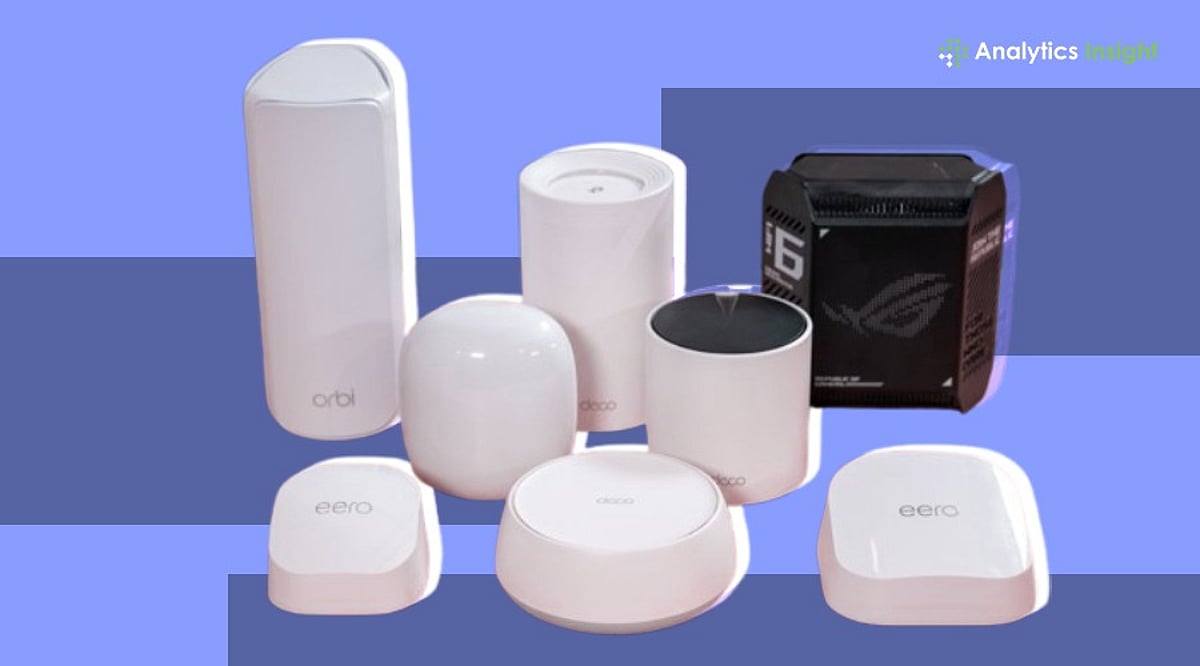
    A fast internet connection is only as good as the Wi-Fi network distributing it throughout your home. Whether you’re streaming movies in 4K, attending video meetings, gaming online, or managing dozens of smart devices, weak signals and dead zones can quickly become frustrating. Unlike ordinary routers that form a single network from one unit, mesh routers use several units working in unison to create a single unified network. This delivers much better coverage, fewer connection problems, and an enhanced experience overall. If you’re planning to upgrade your router, understanding the differences between dual-band and tri-band mesh systems is essential.

    Dual-band mesh routers are cheaper and suitable for most families, while tri-band mesh routers add a dedicated wireless band that improves performance in larger homes. Below, we break down the key differences and compare the best systems available in 2026.

    Dual-Band vs Tri-Band: What’s the Difference?

    A dual-band mesh network works well for most people. It supports streaming movies, online learning, video conferencing, and daily browsing while keeping costs low. A tri-band mesh network is designed for tougher environments. The third wireless band provides an extra channel for communication among mesh nodes, allowing them to maintain fast speeds. If you have a multi-story house, many devices connected to your network, or heavy internet usage throughout the day, a tri-band network will deliver better results.

    Best Dual-Band Mesh Wi-Fi Systems

    D-Link M30 AX3000 Wi-Fi 6 Mesh Router

    The D-Link M30 is ideal for cost-conscious consumers. It delivers strong performance at an affordable price. With Wi-Fi 6 capabilities, it offers speeds up to 3,000 Mbps and covers areas as large as 2,800 square feet. It also uses AI-powered automatic optimization for consistent performance. Buy Now!

    TP-Link Deco BE25 Wi-Fi 7 Mesh System

    The TP-Link Deco BE25 is built on cutting-edge Wi-Fi 7 technology, delivering speeds up to 5,013 Mbps with Multi-link Operation (MLO) support. It covers up to 6,000 square feet and includes two 2.5GbE ports on each unit. Buy Now!

    Best Tri-Band Mesh Wi-Fi Systems

    ASUS ZenWiFi XT8 AX6600

    The ASUS ZenWiFi XT8 remains a top-tier premium mesh router. It uses a tri-band design with a wireless backhaul channel, enabling mesh devices to communicate without slowing down device speeds. With up to 6.6 Gbps throughput and coverage of 5,500 square feet, this router is suitable for large homes. Buy Now!

    Netgear Orbi RBK53 AC3000

    Netgear Orbi RBK53 is known for reliable whole-home coverage. It uses a dedicated third band for communication between the router and satellites, ensuring stable performance even with many connected devices. Although it’s based on the Wi-Fi 5 standard, it still provides excellent coverage and fast speeds. Buy Now!

    Final Thoughts

    Choosing the right mesh Wi-Fi system depends on your home’s size and how you use the internet. The D-Link M30 stands out as an affordable, capable option for everyday users. The TP-Link Deco BE25 offers next-generation Wi-Fi 7 performance for those seeking maximum speed and future-proofing. In the tri-band category, the ASUS ZenWiFi XT8 delivers the best mix of speed, features, and security, while the Netgear Orbi RBK53 remains a dependable choice for broad coverage and network stability.

    FAQs

    What is the main difference between dual-band and tri-band mesh Wi-Fi systems?
    Dual-band mesh systems use two wireless bands, while tri-band systems add a third band that often serves as dedicated backhaul. This helps maintain faster speeds and stronger performance across larger homes.

    Which mesh Wi-Fi system is best for a small or medium-sized home?
    For small to medium homes, a dual-band mesh system is sufficient. It provides reliable coverage, supports streaming and video calls, and is more affordable than tri-band alternatives.

    Is a tri-band mesh Wi-Fi system worth the extra cost?
    A tri-band system is worth the investment if you have a large home, many connected devices, or heavy internet usage. The additional band improves network efficiency and overall wireless performance.

    Do mesh Wi-Fi systems work with existing internet service providers?
    Yes, most mesh Wi-Fi systems are compatible with major ISPs. They connect to your modem and create a unified wireless network without requiring changes to your broadband plan.

    Should I choose Wi-Fi 6 or Wi-Fi 7 mesh routers in 2026?
    Wi-Fi 7 mesh routers offer faster speeds, lower latency, and future-ready features. However, Wi-Fi 6 systems remain excellent choices for most households seeking strong performance at a lower price.

  • Top 5 Electric Shavers Under ₹5,000 in India (2026 Buyer’s Guide)

    Top 5 Electric Shavers Under ₹5,000 in India (2026 Buyer’s Guide)

    Looking for a reliable electric shaver that won’t break the bank? Under ₹5,000, today’s models pack impressive features like waterproof designs, wet-and-dry shaving, self-sharpening blades, and long battery life. Whether you’re a daily shaver or need a travel-friendly option, this guide compares the top five electric shavers in India for 2026 based on blade technology, runtime, comfort, and overall value.

    Affordable Electric Shavers Worth Buying Today: Top 5

    If you’re planning to buy one, these five models stand out for their performance, comfort, and reliability.

    1. Philips S3144/03

    Philips S3144/03 features 27 self-sharpening ComfortCut blades with 5D Pivot & Flex heads for better contour tracking. It supports wet and dry shaving, includes SkinProtect technology, a pop-up trimmer, a waterproof IPX7 body, a 5-minute quick charge, and a 60-minute cordless runtime.

    Buy Now!

    2. Braun Series 3 310s

    Braun Series 3 310s is equipped with a triple-action foil shaving system featuring three pressure-sensitive shaving elements. It offers wet and dry use, a fully waterproof design, a NiMH rechargeable battery, 45-minute runtime, a five-minute quick charge, and ergonomic cordless operation for everyday shaving.

    Buy Now!

    3. Wahl Launch Professional Shaver

    Wahl Launch Professional Shaver comes with triple-floating foil blades powered by a 6,500 RPM motor for fast shaving. It supports corded and cordless operation, offers 120-minute runtime, an LED battery indicator, a washable shaving head, 0.04 mm cutting length, and a safety lock.

    Buy Now!

    4. Philips X3063/03

    Philips X3063/03 includes 27 self-sharpening blades with 3D floating heads for consistent skin contact. It features SkinProtect technology, wet and dry operation, a pop-up trimmer, waterproof construction, cordless use, and a one-touch open head for simple cleaning.

    Buy Now!

    5. Havells RS7130 Dual Track Shaver

    Havells RS7130 uses a dual-track rotary shaving system with three rotary heads for wider coverage. It features cordless rechargeable operation, a pop-up trimmer, an ergonomic grip, a washable shaving head, an LED charging indicator, and a battery suitable for multiple shaving sessions.

    Buy Now!

    Key Differences Between Top Electric Shavers

    Each shaver has its strengths: Philips S3144/03 offers the best overall balance of features, Braun Series 3 310s is ideal for those who prefer a foil shaver and have sensitive skin, Wahl provides the longest runtime, Philips X3063/03 is easy to clean, and Havells covers a wider area with its dual-track system.

    Final Takeaway

    An efficient electric shaver need not come with an exorbitant price tag. There are quite a few electric shavers available in the market below the price of ₹5,000, which ensure satisfactory performance and comfort while also offering various benefits. Philips S3144/03 is the best overall choice for its balanced feature set, while Braun Series 3 310s is ideal for those who prefer a foil shaver. Wahl, Philips X3063/03, and Havells RS7130 complete the list with strong performance and good value, making them worthy options for different grooming needs.

    Frequently Asked Questions

    Q1. Which is the best electric shaver under ₹5,000 in India?

    Philips S3144/03 is one of the best electric shavers under ₹5,000. It offers wet-and-dry shaving, self-sharpening blades, a waterproof body, and reliable performance for everyday grooming.

    Q2. Are electric shavers better than manual razors?

    Electric shavers are faster, more convenient, and reduce the risk of cuts and razor burns. Manual razors usually provide a closer shave but require more time and regular blade replacements.

    Q3. Can electric shavers be used for wet shaving?

    Yes. Models like Philips S3144/03, Braun Series 3 310s, and Philips X3063/03 support wet-and-dry shaving, allowing use with water, shaving foam, or gel.

    Q4. How long does the battery last on an electric shaver?

    Battery life depends on the model. Most electric shavers under ₹5,000 offer between 40 and 120 minutes of cordless use after a full charge.

    Q5. Which electric shaver is best for sensitive skin?

    Braun Series 3 310s is a good option for sensitive skin. Its pressure-sensitive shaving elements help reduce irritation while providing a close and comfortable shave.

  • Best Electric Toothbrushes of 2026: Top 8 Picks for Smarter Oral Care

    Best Electric Toothbrushes of 2026: Top 8 Picks for Smarter Oral Care

    Electric toothbrushes have become essential for modern oral hygiene, offering superior plaque removal, smart features, and personalized brushing experiences. Here are the top 8 models to consider in 2026, based on cleaning technology, battery life, and overall value.

    Top 8 Electric Toothbrushes in 2026

    1. Oral-B iO Series 10

    The Oral-B iO Series 10 combines oscillating-rotating technology with micro-vibrations for thorough plaque removal. It offers seven brushing modes, a pressure sensor, and a charging dock with instant feedback. Ideal for those who want the latest in smart brushing.

    2. Philips Sonicare DiamondClean Smart 9700

    This sonic toothbrush uses high-frequency vibrations to clean efficiently. With up to two weeks of battery life, four modes, and three intensity levels, it excels at whitening and gum care. The premium travel case adds convenience.

    3. Laifen Wave

    Laifen Wave combines sound waves and vibration for a cleaning experience comparable to premium models. Its battery lasts up to 30 days, and the mobile app allows customization of intensity and modes. Quiet and lightweight, it’s perfect for daily use at a reasonable cost.

    4. Oclean X Ultra S

    Featuring a touchscreen interface, the Oclean X Ultra S uses Maglev sonic technology for fast bristle movement. It includes multiple cleaning modes, AI voice guidance, and a battery that lasts up to 40 days. Great for tech-savvy users.

    5. Bitvae R2

    The Bitvae R2 balances affordability with essential features: sonic cleaning, several brushing modes, and a multi-week battery. Its compact size and comfortable grip make it ideal for families, students, or first-time users.

    6. Aquasonic Black Series

    Offering premium specs at a mid-range price, the Aquasonic Black Series features powerful sonic cleaning, four modes, a smart timer, and IPX7 waterproofing. The package includes multiple replacement heads, making it excellent value for long-term use.

    7. SURI Sustainable Sonic Toothbrush

    Designed with sustainability in mind, the SURI toothbrush delivers gentle sonic cleaning, a 40-day battery, and recyclable brush heads. An optional UV-C travel case keeps heads hygienic, appealing to eco-conscious travelers.

    8. Colgate Hum Smart Electric Toothbrush

    The Colgate Hum Smart combines effective cleaning with easy-to-use smart tech. Sonic vibrations, a timer, and a pressure sensor help improve brushing habits. The app provides real-time coaching, making it great for beginners.

    Comparison Table

    Model Technology Battery Life Key Feature
    Oral-B iO Series 10 Oscillating-rotating + micro-vibrations ~2 weeks Pressure sensor, 7 modes
    Philips Sonicare DiamondClean Smart 9700 Sonic ~2 weeks Whitening, travel case
    Laifen Wave Sound waves + vibration ~30 days App customization, quiet
    Oclean X Ultra S Maglev sonic ~40 days Touchscreen, AI guidance
    Bitvae R2 Sonic ~3 weeks Affordable, compact
    Aquasonic Black Series Sonic ~4 weeks Multiple heads, waterproof
    SURI Sustainable Sonic Sonic ~40 days Recyclable heads, UV case
    Colgate Hum Smart Sonic ~2 weeks Real-time coaching

    Why Buy an Electric Toothbrush in 2026?

    Electric toothbrushes provide consistent brushing, more effective plaque removal, and features like pressure sensors and timers that protect gums and teeth. When choosing, consider cleaning technology (oscillating vs. sonic), battery life, brush head availability, and smart features. Whether you prioritize smart tech, sustainability, or affordability, there’s a model for you.

    FAQs

    Q: Are electric toothbrushes better than manual? Yes, they remove more plaque, encourage proper brushing time, and often include pressure sensors.

    Q: How often should I replace the brush head? Every three months, or sooner if bristles fray.

    Q: Which toothbrush is best for sensitive teeth? Models with gentle sonic cleaning and sensitive modes, like premium Philips Sonicare options.

    Q: Is app connectivity necessary? No, but it helps improve habits with feedback and tracking.

    Q: How long do batteries last? From 10 to 40 days depending on the model.