Category: Mobile Phones

  • Brazil Demands $59 Million Fine from Apple Over Unregulated Casino Apps in App Store

    Brazil Demands $59 Million Fine from Apple Over Unregulated Casino Apps in App Store

    Brazil’s consumer protection agency is pushing for a major penalty against Apple, seeking $59 million in fines over casino-style apps available through the App Store. The case has reignited debate about how much responsibility app store operators should bear for harmful or illegal content.

    According to reports, the lawsuit was filed by the National Association of Centers for the Defense of Children and Adolescents (ANCED), Educafro Brasil, and the Santo Dias Center for Human Rights. These organizations allege that Apple allowed casino apps without effective age verification, exposing minors to gambling content. The lawsuit demands R$300 million (approximately $59 million) in moral damages, along with strict safeguards to prevent future incidents.

    One app that drew attention is Casino Roulette: Roulettist, which is labeled for users aged 18 and above. However, the agencies found that anyone can download the app without any age verification. The app includes games such as poker, roulette, baccarat, and slot machines, with in-app purchases priced as high as R$599.90.

    The case focuses on whether Apple should be held accountable for apps distributed through its platform. Officials argue that companies running app stores must do more to prevent harmful or illegal content from reaching users. Apple has previously defended its review process, stating that it checks apps before publication and removes those that violate its policies.

    This dispute raises an important question: How much control should app store operators have over the software they distribute? Governments in several countries are now pressing large tech firms to take greater responsibility for what appears on their platforms.
  • India’s Proposed Tax Extension Through 2041 Could Boost Apple’s Manufacturing Expansion

    India’s Proposed Tax Extension Through 2041 Could Boost Apple’s Manufacturing Expansion

    India is considering a significant extension of tax exemptions for foreign electronics companies, a move that could substantially benefit Apple as it ramps up iPhone production in the country. The proposed amendment to tax laws would push the current incentives’ expiration date from 2031 to March 31, 2041, offering long-term fiscal certainty for global manufacturers.

    If approved by both houses of Parliament, the measure would extend tax breaks for foreign companies supplying machinery and components to contract manufacturers. This aligns with India’s broader strategy to solidify its position as a global electronics manufacturing hub, particularly under the ‘Make in India’ initiative.

    Apple Poised to Gain from Extended Tax Relief

    According to reports, Apple stands to benefit the most from this proposal. The tech giant had been seeking clarity on India’s tax regime concerning the supply of expensive equipment to its contractors, as ambiguity exposed it to higher tax risks. Under the proposed reforms, foreign firms supplying equipment used in manufacturing phones, tablets, laptops, wearables, and hearing aids would continue to enjoy tax exemptions until 2041.

    The draft also extends tax relief on income derived from storing and supplying electronic components through customs-bonded facilities, encouraging export-oriented manufacturing.

    India’s Electronics Manufacturing Strategy

    This tax extension is part of the government’s efforts to attract global manufacturers and reduce dependence on China. Apple’s manufacturing footprint in India has grown rapidly, with Counterpoint Research projecting that India will produce 26% of the world’s iPhones in 2026, up from just 6% four years ago. Industry experts believe the extended incentives could prompt more multinational electronics companies to invest in local production facilities and strengthen supplier networks.

    “The proposed tax changes will enable foreign companies to store and transfer critical equipment and components in India for their contract manufacturers, helping mitigate supply chain disruptions arising from trade uncertainties while providing greater tax certainty,” said Riaz Thingna, a partner at Grant Thornton Bharat.

    Wider Business Reforms in the Pipeline

    Beyond electronics, the proposed bills aim to improve India’s overall investment climate. For instance, foreign companies using data centers in India to serve global clients would no longer be required to own those facilities, but could lease them instead. Additionally, the bills recommend a 15-year tax exemption for foreign diamond miners and dealers operating through designated trading zones. Analysts say these measures are designed to enhance ease of doing business and provide long-term policy certainty for international investors.

    All these changes are subject to parliamentary approval and would take effect only after the bills are passed.

  • iQOO 15R Review: Full Specifications, Pros, Cons, and Price

    iQOO 15R Review: Full Specifications, Pros, Cons, and Price

    The iQOO 15R is a flagship smartphone that delivers a powerful central processing unit, extended battery life, and a bright AMOLED display. Designed for gamers and power users, the device offers fast performance and long-lasting battery, though its camera system and thermal management present minor drawbacks. Overall, the iQOO 15R provides excellent value at an affordable price point.

    General Specifications

    Here are the key specifications of the iQOO 15R:

    • Display: AMOLED screen with vivid colors
    • Processor: High-performance CPU
    • Battery: Extended capacity for all-day use
    • Camera: Capable system with minor limitations
    • Build: Premium flagship design

    Pros and Cons

    Pros:

    • Powerful performance for gaming and multitasking
    • Long battery life
    • Stunning AMOLED display
    • Affordable price for a flagship

    Cons:

    • Camera system could be improved
    • Thermal management can be better under heavy load

    Price

    The iQOO 15R is competitively priced. Check availability on popular platforms:

  • iPhone Air 2 Rumored for 2027: 48MP Dual Cameras, A20 Pro Chip, and Bigger Battery

    iPhone Air 2 Rumored for 2027: 48MP Dual Cameras, A20 Pro Chip, and Bigger Battery

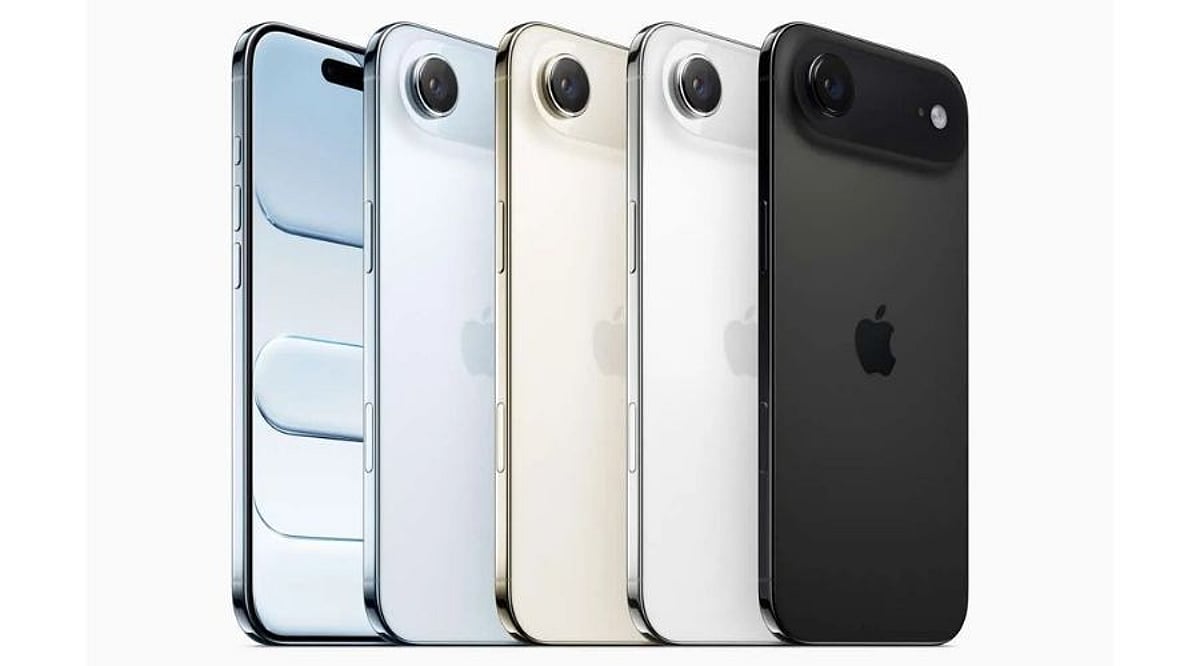
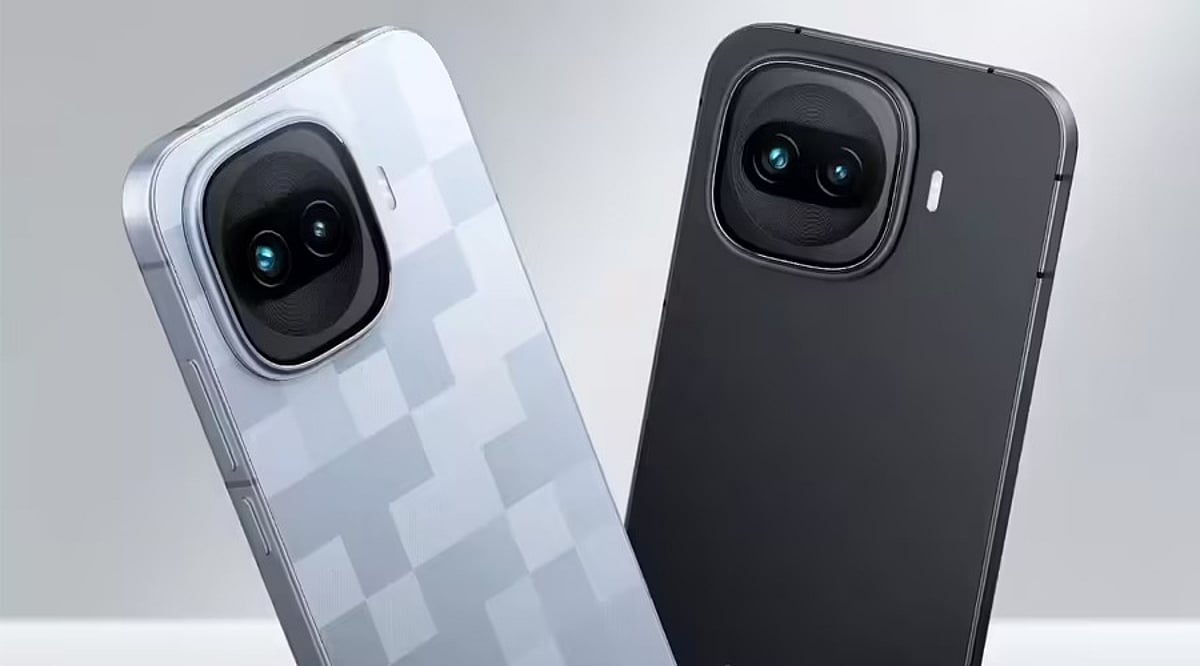
    Apple is reportedly planning to launch the iPhone Air 2 in early 2027, bringing significant upgrades to the camera system and battery life. According to GF Securities analyst Jeff Pu, the device will feature a dual-camera setup with a 48-megapixel main sensor and a new 48-megapixel ultrawide lens, offering a 0.5x field of view for wider shots. This would mark a major improvement over the current iPhone Air, which uses a single rear camera.

    Other expected changes include a smaller Dynamic Island, an A20 Pro chip built on TSMC’s N2 process, an N2 wireless chip, and a C2 modem. The A20 Pro could deliver 10–15% faster performance at the same power or reduce power consumption by 25–30% compared to the N3E process, potentially improving battery life. Pu also suggests the battery capacity may rise from 3,149mAh to around 3,500mAh, an 11% increase.

    Additional features likely include an 18-megapixel Center Stage front camera and 12GB of RAM. The iPhone Air 2 is expected to retain a 6.5-inch display and maintain the thin, lightweight design of its predecessor. The launch is rumored for spring 2027, possibly alongside the iPhone 18 and iPhone 18e.

    Apple has not officially confirmed these details, and final specifications may change. The company faces engineering challenges in fitting a second camera and new chips while preserving battery space.

  • Tim Cook’s 2020 Warning on Facebook Tracking Paved the Way for Apple’s App Tracking Transparency

    Tim Cook’s 2020 Warning on Facebook Tracking Paved the Way for Apple’s App Tracking Transparency

    In December 2020, Apple CEO Tim Cook issued a stark warning to iPhone users regarding Facebook’s ability to track their activity across apps and websites. The warning came as Facebook criticized Apple’s upcoming privacy rules, which would require apps to request user permission before collecting data across other companies’ services.

    Cook took to Twitter (now X) to defend Apple’s privacy-first approach, stating: “We believe users should have the choice over the data that is being collected about them and how it’s used. Facebook can continue to track users across apps and websites as before; App Tracking Transparency in iOS 14 will just require that they ask for your permission first.”

    Apple later introduced App Tracking Transparency (ATT) with the release of iOS 14.5 in April 2021. This feature fundamentally changed how apps collect data for advertising and measurement across external services. Apps must now display a tracking permission prompt before accessing the device’s advertising identifier or using other covered tracking methods. Users who select “Ask App Not to Track” prevent the app from accessing the identifier, and they can later adjust their preferences in iPhone privacy settings.

    The policy ignited a major conflict between Apple and Meta, Facebook’s parent company. Meta argued that Apple’s rules could harm businesses relying on personalized advertising, later estimating a roughly $10 billion financial impact from the privacy changes.

    Cook’s 2020 statement became a pivotal moment in Apple’s broader privacy campaign. While Apple framed tracking permission as a matter of user choice, Meta viewed it as a threat to targeted advertising. The debate continues to shape mobile advertising privacy regulations worldwide.

  • How Tim Cook’s 2020 Warning About Facebook Tracking Changed iPhone Privacy

    How Tim Cook’s 2020 Warning About Facebook Tracking Changed iPhone Privacy

    In December 2020, Apple CEO Tim Cook issued a stark warning to iPhone users about Facebook’s ability to track their activity across apps and websites. The warning came as Facebook publicly criticized Apple’s planned privacy rules for iPhones, setting the stage for a major clash between the two tech giants.

    Cook explained that Apple’s upcoming App Tracking Transparency system would not completely stop tracking. Instead, it would require apps to ask for explicit permission before tracking users across other companies’ apps and websites. He shared his message on Twitter (now X), writing: “We believe users should have the choice over the data that is being collected about them and how it’s used. Facebook can continue to track users across apps and websites as before; App Tracking Transparency in iOS 14 will just require that they ask for your permission first.”

    Apple delivered on that promise with the release of iOS 14.5 in April 2021. The App Tracking Transparency feature fundamentally changed how apps collect data for advertising and measurement. Apps now must display a tracking permission request before accessing the device’s advertising identifier or using other covered tracking methods. Users who select “Ask App Not to Track” prevent the app from accessing that identifier, and permissions can be adjusted later through iPhone privacy settings.

    The policy sparked a fierce dispute between Apple and Meta, Facebook’s parent company. Meta argued that the rules would hurt businesses reliant on personalized advertising, later estimating a roughly $10 billion impact on its revenue from Apple’s privacy changes. Cook’s 2020 statement became a defining moment in Apple’s broader privacy campaign, framing tracking permission as a user choice while Meta viewed it as a threat to targeted advertising. The debate continues to shape mobile advertising privacy rules worldwide.

  • Vivo X500 Pro Leak: 144Hz Display, 2nm Dimensity 9600 Pro Chip, and September Launch

    Vivo X500 Pro Leak: 144Hz Display, 2nm Dimensity 9600 Pro Chip, and September Launch

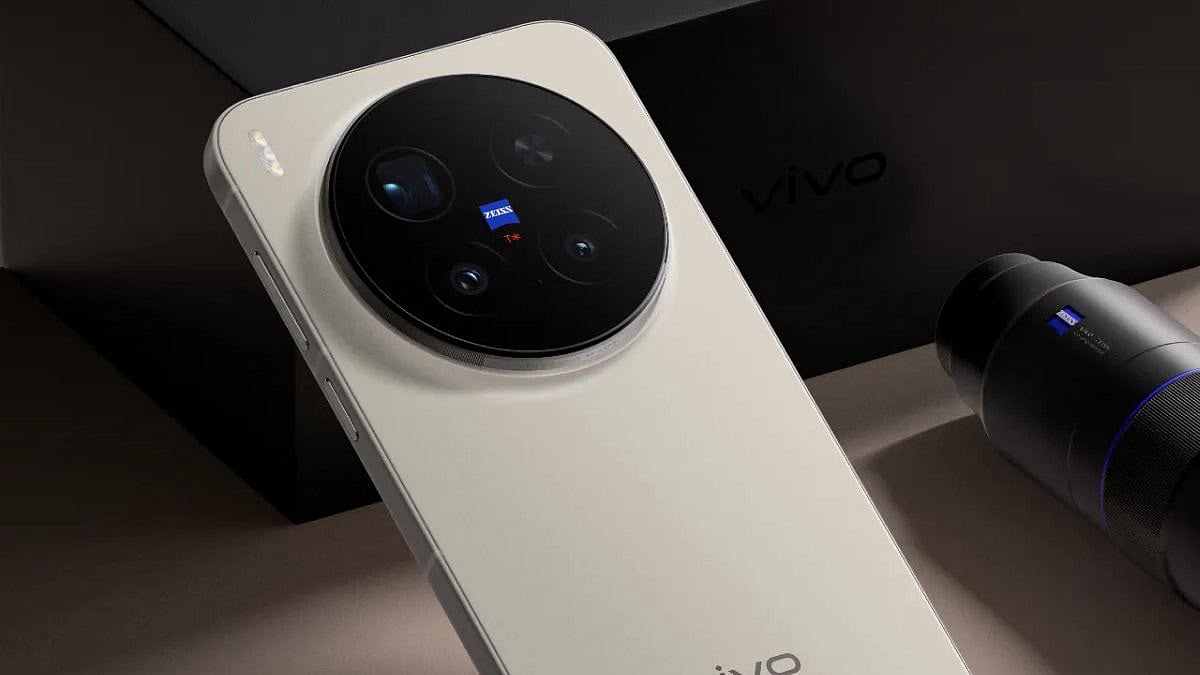
    A new leak has surfaced revealing key details about the upcoming Vivo X500 Pro, suggesting the flagship smartphone could launch in China this September. According to tipster Digital Chat Station on Weibo, the device will feature a 6.37-inch LTPO display with a 144Hz refresh rate, powered by the next-generation 2nm MediaTek Dimensity 9600 Pro chipset.

    The leak also indicates that Vivo is testing the X500 Pro with a BOE OLED panel using LIPO packaging, which would result in extremely slim bezels on all four sides. The phone is expected to retain Vivo’s signature circular rear camera design and a premium metal frame, offering a familiar aesthetic with notable refinements.

    These specifications align with earlier rumors pointing to a September launch in China. While Vivo has not officially confirmed the details, the accumulating leaks suggest the company aims to deliver enhanced performance, smoother visuals, and a more polished design with the X500 Pro.

    The Vivo X500 Pro will succeed the Vivo X300 Pro, which launched with a 6.78-inch 1.5K LTPO AMOLED display at 120Hz, a MediaTek Dimensity 9500 processor, up to 16GB RAM and 512GB storage, a triple rear camera, and a 6,510mAh battery with 90W wired and 40W wireless charging. If the leaked specs prove accurate, the X500 Pro could become one of the strongest Android flagship launches this year, combining a faster chipset, a smoother display, and a premium design.

  • Complete Guide to Enable Gmail Dark Mode on Android, iPhone, and Desktop

    Complete Guide to Enable Gmail Dark Mode on Android, iPhone, and Desktop

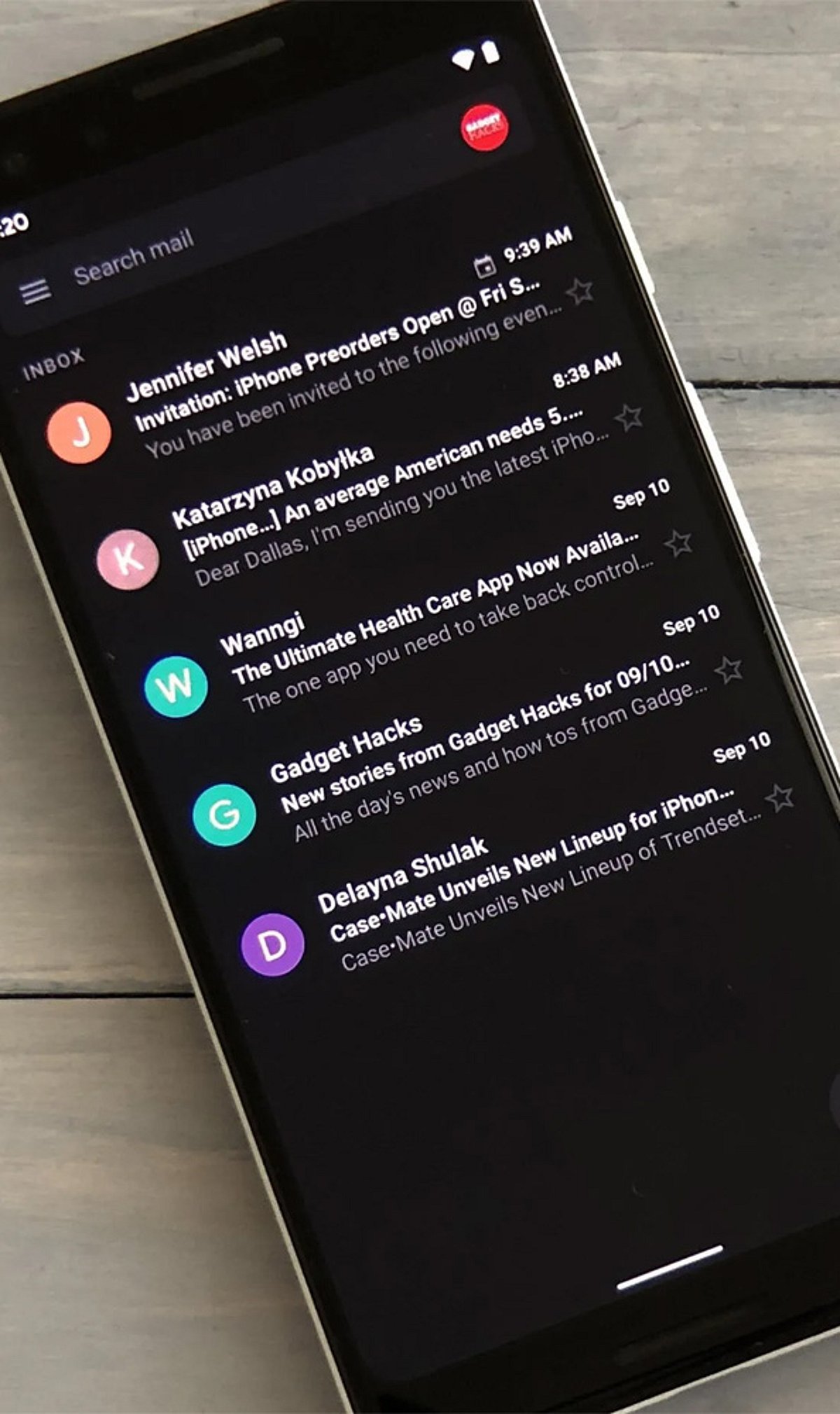
    How to Enable Gmail Dark Mode on Android

    To switch Gmail to dark mode on your Android device, follow these steps:

    1. Open the Gmail app.
    2. Tap the hamburger menu (☰) in the top-left corner.
    3. Go to Settings > General settings > Theme.
    4. Choose Dark or System default.

    Selecting System default will make Gmail automatically follow your phone’s dark mode schedule, switching between light and dark based on the time of day or your system settings.

    How to Turn On Gmail Dark Mode on iPhone

    1. Open the Gmail app on your iPhone.
    2. Tap the hamburger menu (☰) and go to Settings.
    3. Select Theme and choose Dark.
    4. If the option is not available, enable Dark Mode from your iPhone’s system settings: Settings > Display & Brightness > Dark.

    How to Enable Dark Theme on Desktop

    1. Open Gmail in your web browser.
    2. Click the Settings gear icon (⚙️) in the top-right corner.
    3. Select See all settings.
    4. Go to the Themes tab.
    5. Choose a dark theme from the available options and click Save.

    Note: On the desktop version, Gmail’s interface darkens but many email message bodies may still appear white due to the sender’s original formatting. This is a known limitation.

    Why Use Gmail Dark Mode?

    Dark mode reduces eye strain in low-light environments, saves battery life on OLED displays, and provides a cleaner, more comfortable viewing experience. It also helps you focus on your emails without the harsh glare of a bright screen.

    Troubleshooting: Dark Mode Keeps Turning Off

    If Gmail reverts to light mode unexpectedly, try reapplying the dark theme on your primary device. Theme settings are often synced across your Google account, so changes on one device may affect others. Ensure you have selected the correct theme in the Gmail settings or set it to System default to follow your device’s schedule.

  • Galaxy S26 Ultra: 8 Pro Tips for Smoother Lens Switching in 2026

    Galaxy S26 Ultra: 8 Pro Tips for Smoother Lens Switching in 2026

    Capturing professional-quality video on the Samsung Galaxy S26 Ultra requires smooth transitions between its multiple lenses. If you’ve experienced lag or hesitation when switching between the ultra-wide, wide, and telephoto cameras, these practical tweaks will help you achieve fluid, cinematic results. Follow this guide to optimize your camera performance.

    1. Enable Camera Assistant

    Samsung’s Camera Assistant app gives you advanced controls to fine-tune lens switching behavior. Download it from the Galaxy Store, then enable options like “Auto Lens Switching” and adjust transition speed for a smoother experience.

    2. Update to the Latest Software

    Always install the newest One UI update. Samsung regularly releases camera optimizations that improve lens switching logic and reduce latency. Check for updates in Settings > Software Update.

    3. Use Auto Lens Switching

    Let the camera automatically select the best lens for each scene. This feature intelligently balances focal length and lighting conditions, reducing manual switching errors and making transitions seamless.

    4. Disable Unnecessary Camera Features

    Turn off features like Scene Optimizer, Super Steady, or HDR Auto when you don’t need them. These add processing overhead that can delay lens changes. Keep your camera app lean for faster performance.

    5. Record in the Right Resolution

    Choosing the appropriate video resolution helps the phone switch lenses more efficiently. For general use, 4K at 30fps offers a good balance of quality and smooth transitions. Avoid 8K unless necessary, as it can tax the processor.

    6. Avoid Extreme Low Light

    Lens switching performs best in well-lit environments. In low light, the camera may struggle to focus and switch quickly. Ensure adequate lighting for accurate focusing and smoother transitions.

    7. Keep Camera Lenses Clean

    Dust, smudges, or fingerprints on the lenses can slow autofocus and degrade image quality, making lens transitions feel sluggish. Wipe the lenses gently with a microfiber cloth before recording.

    8. Restart the Camera App

    If you experience temporary glitches, a quick restart of the camera app often resolves them. Close the app from the recent apps menu and relaunch it. If problems persist, restart your phone.

    By following these steps, you can make your Galaxy S26 Ultra’s lens switching faster and more professional. Experiment with different settings to find what works best for your shooting style.

  • OnePlus N6x Launches in India with 7,000mAh Battery, 120Hz Display, Starts at Rs 18,999

    OnePlus N6x Launches in India with 7,000mAh Battery, 120Hz Display, Starts at Rs 18,999

    OnePlus has expanded its budget smartphone lineup in India with the launch of the OnePlus N6x, a device that prioritizes endurance above all else. Featuring a massive 7,000mAh battery and a starting price of Rs 18,999, the smartphone targets users who need multi-day battery life without spending over Rs 20,000.

    Key Specifications and Availability

    The OnePlus N6x will go on sale from August 4 via OnePlus stores, Amazon India, the OnePlus Store app, and select offline retailers. Launch offers include an instant bank discount of up to Rs 1,500 and six months of no-cost EMI, effectively bringing the entry price down further.

    Display and Design

    The smartphone sports a 6.8-inch HD+ LCD display with a 120Hz refresh rate, 900 nits peak brightness, and a resolution of 1570×720 pixels. It also carries MIL-STD-810H certification, IP64 dust and splash resistance, and a 13,280mm² vapor cooling chamber to manage thermal performance during extended use.

    Performance and Software

    Under the hood, the OnePlus N6x is powered by the MediaTek Dimensity 6360 Apex chipset, paired with 4GB of RAM and storage options of 64GB or 128GB. It runs Android 16-based OxygenOS 16, which includes AI-powered photo editing tools such as AI Eraser, AI Portrait Glow, AI Unblur, and AI Reflection Eraser.

    Camera, Battery, and Pricing

    The camera setup includes a 13MP rear camera with autofocus and 1080p video recording, along with a 5MP front-facing camera for selfies. The 7,000mAh battery supports 15W wired charging and reverse charging, allowing the phone to double as a power bank. OnePlus claims the battery can last up to 2.5 days under typical usage. The 4GB + 64GB variant is priced at Rs 18,999, while the 4GB + 128GB model costs Rs 20,499 before launch discounts.