
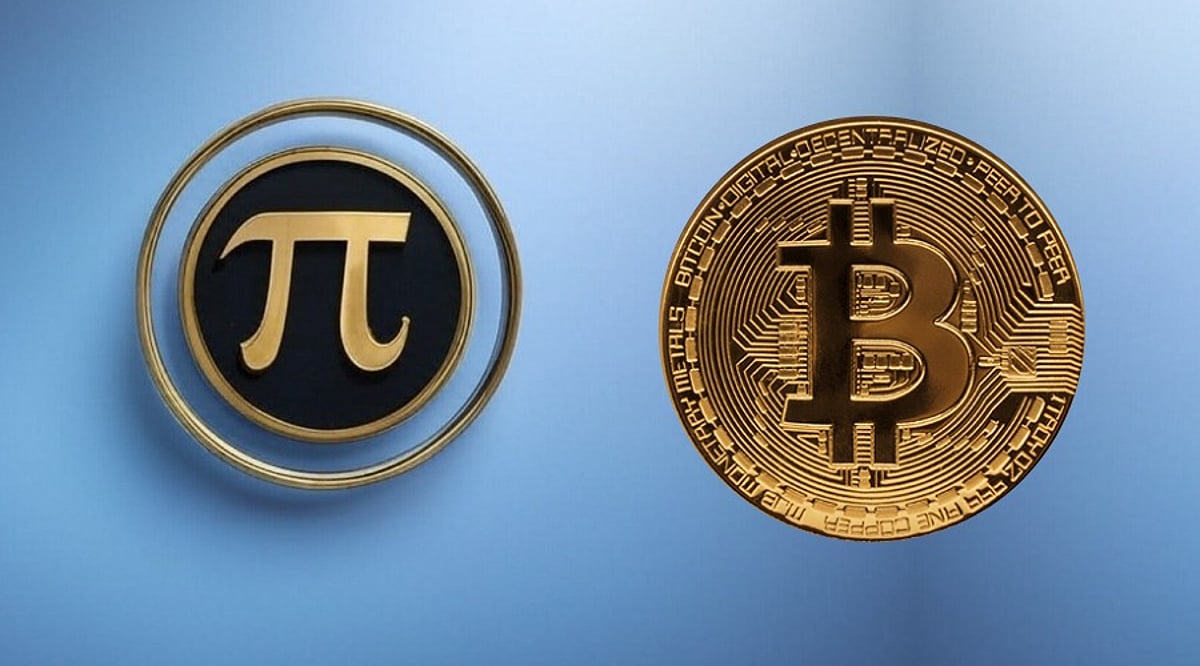
The cryptocurrency market experienced significant developments this week, with spot Bitcoin ETFs recording substantial inflows, Russia enacting its first comprehensive crypto law, and Pi Network posting double-digit gains. Here’s a breakdown of the top stories shaping the crypto landscape.
Bitcoin ETFs See $244 Million in Net Inflows
According to data from SoSoValue, spot Bitcoin ETFs attracted a total net inflow of $244.42 million on the latest trading day. BlackRock’s IBIT led the pack with $196.83 million in net inflows, followed by Ark Invest and 21Shares’ ARKB, which added $37.63 million. On the outflow side, VanEck’s HODL recorded $14.67 million in net outflows.
The total net asset value of Bitcoin spot ETFs now stands at $79.21 billion, representing an ETF net asset ratio of 6.09%. Historical cumulative net inflows have reached $51.95 billion, underscoring sustained institutional interest in Bitcoin exposure through regulated vehicles.
Russia Signs First Full Crypto Law
Russian President Vladimir Putin signed the country’s first comprehensive crypto law on Tuesday, codifying rules for crypto exchanges, custodians, mining, and digital asset issuance. The nearly 300-page Law on Digital Currencies and Digital Rights will take effect on September 1.
Key provisions include licensing requirements for crypto exchange operators, which must register with a self-regulatory organization and hold minimum capital of 15 million rubles (approximately $187,000). The law also introduces a new category of ‘non-qualified’ retail investors, allowing them to purchase up to 300,000 rubles ($3,800) of approved cryptocurrency per year through a single licensed intermediary and send up to 100,000 rubles abroad.
Additionally, the Central Bank will oversee new digital depositories to record ownership, mirroring the tracking system used for traditional securities.
Bhutan Appoints 3iQ to Manage Bitcoin Treasury
Bhutan has appointed Canadian digital asset manager 3iQ Corp. to oversee a portion of its Bitcoin treasury allocated to Gelephu Mindfulness City (GMC). This marks one of the first publicly disclosed institutional asset management mandates tied to a sovereign Bitcoin reserve, signaling a shift from government-led accumulation to professionally managed digital asset portfolios.
While the size of the Bitcoin allocation was not disclosed, 3iQ will have discretionary authority to manage part of GMC’s reserve under a long-term investment strategy. The agreement also commits 3iQ to establish a permanent presence in Bhutan and support local digital asset expertise.
XRP Ledger Proposes On-Chain Cosigner Feature
Developers Shawn Xie, Zhiyuan Wang, Chenna Keshava B S, and Mayukha Vadari introduced the On-Chain Cosigner proposal in the XRP Ledger standards repository. The initiative aims to modernize multi-signature transaction coordination directly within the network, eliminating reliance on external communication channels and centralized servers.
Currently, XRPL supports multi-signature transactions but requires off-chain approval collection through manual processes. With On-Chain Cosigner, requests would be stored as native TransactionProposal objects on the blockchain, validating each signature in real time and enhancing security for institutional asset custody.
Pi Network Price Jumps 10%
Pi Network’s token gained more than 10% over the past week, trading near $0.0872 after hitting a daily high of $0.0902. The 24-hour trading volume surged 75% to approximately $11.5 million, indicating increased market participation.
The price recovery is supported by the Protocol 26 upgrade and a new RoboPay integration, which boosted short-term demand. On the 4-hour chart, PI is pressing against the upper Bollinger Band at $0.08824, overlapping with the $0.088–$0.090 resistance zone that has capped several recovery attempts since late July.
Frequently Asked Questions
1. Why did Bitcoin ETFs record strong inflows?
According to SoSoValue, spot Bitcoin ETFs attracted $244.42 million in net inflows, reflecting continued institutional interest. BlackRock’s IBIT accounted for the largest share of the day’s investments.
2. What does Russia’s new crypto law change?
The law establishes a legal framework for crypto exchanges, custodians, mining companies, and digital asset issuance. It also introduces licensing requirements and investment limits for retail investors.
3. Why is Bhutan partnering with 3iQ?
Bhutan appointed Canadian asset manager 3iQ to oversee part of its Bitcoin treasury linked to Gelephu Mindfulness City, marking one of the first sovereign-backed institutional Bitcoin management mandates.
4. What is the XRP Ledger’s On-Chain Cosigner proposal?
The proposal aims to bring multi-signature coordination directly onto the XRP Ledger. It would allow transaction approvals to be stored and verified on-chain, reducing reliance on external communication systems.
5. Why did Pi Network’s price increase this week?
Pi Network gained over 10% as trading volume jumped 75%, supported by the Protocol 26 upgrade, RoboPay integration, and increased buying interest near key technical resistance levels.
Leave a Reply