
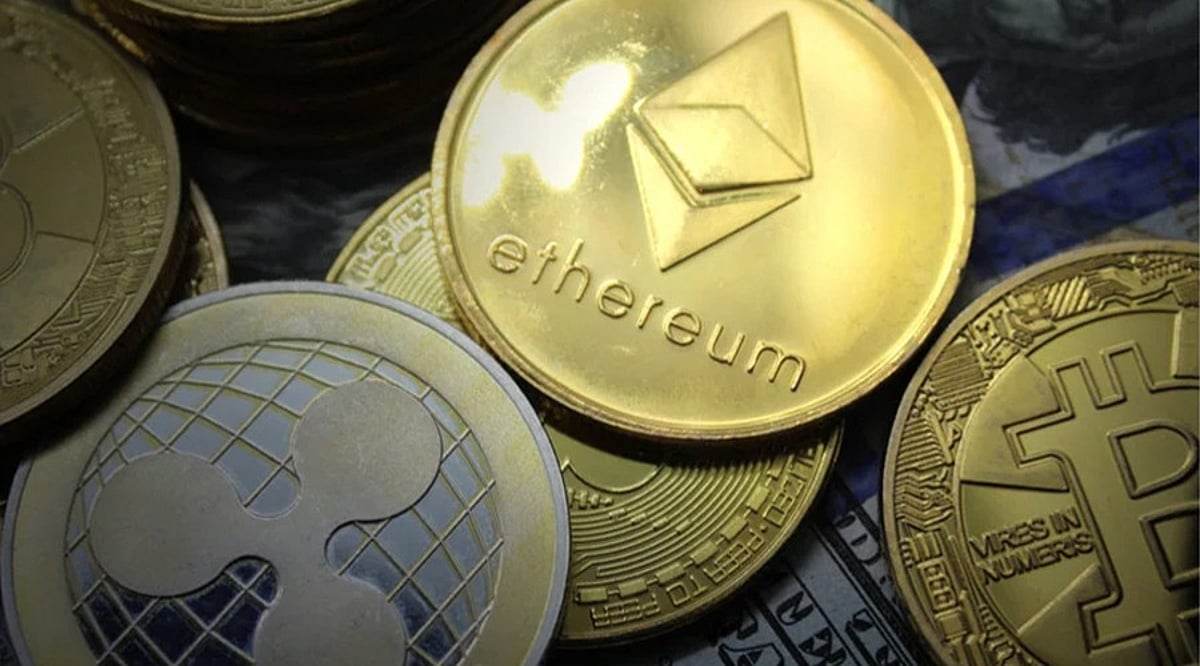
Ethereum, Solana, and Avalanche have recorded significantly higher on-chain activity and lower transaction costs over the past year, even as their native tokens lost roughly half or more of their value. A new staking report from Bitwise attributes the improvement to larger blockspace, cheaper transactions, and rising institutional participation. However, token prices remain far below their 2025 peaks, signaling that blockchain performance and market sentiment are no longer moving in lockstep.
More Activity at Lower Cost
Bitwise found that activity expanded while user fees declined across all three proof-of-stake networks. The report attributes this shift mainly to protocol upgrades rather than weaker demand. Ethereum, Solana, and Avalanche increased network capacity to process more transactions at lower cost. As a result, users gained cheaper access while developers received more room to build applications.
Previous market cycles often treated congestion and expensive transactions as signs of strong demand. Now, greater capacity allows networks to handle heavier use without creating the same fee pressure. Lower costs also reduced protocol revenue because the networks earn much of their direct income from transaction fees. Developers accepted that trade-off to improve scalability and encourage wider adoption.
Institutional Staking, Declining Yields
Proof-of-stake networks depend on validators who lock digital assets to secure transactions and receive staking rewards. Institutional investors drove much of the additional Ethereum entering validator pools during the second quarter. Exchange-traded products, corporate treasuries, and other large holders increased their staking exposure.
More than 40 million ETH—roughly one-third of Ethereum’s circulating supply—had entered staking by the end of the period. BitMine, the largest public Ethereum treasury company, reported staking nearly 4.9 million ETH from total holdings of about 5.8 million ETH.
However, staking yields continue to decline because rewards now reach a larger group of validators. More participants share the available token issuance and transaction-fee income. Bitwise estimates that about 93% of Ethereum staking rewards and more than 90% of Solana rewards came from newly issued tokens.
That structure increases token supply and dilutes holders who do not stake. Meanwhile, lower fee revenue raises further questions about long-term staking economics.
Liquid staking products also continue attracting attention because they let holders earn rewards while retaining usable tokenized assets. Investors can deploy those assets as collateral, supply them to lending markets, or place them in liquidity pools. Institutions can therefore combine staking income with broader capital use.
Token Market Performance
Developers continue launching applications, institutions add staked assets, and users remain active across decentralized finance platforms despite weaker token valuations. The trend suggests that practical blockchain use now plays a larger role in network activity. Meanwhile, token prices remain tied to market sentiment and wider economic conditions.
For developers, lower fees and greater capacity support broader adoption. For investors, falling yields, inflation-funded rewards, and weaker fee income create different measures for assessing returns.
Ethereum, Solana, and Avalanche processed more activity at lower costs despite sharp token-price declines. Institutional staking also expanded, although yields and protocol revenue fell. The data show that investors must evaluate network usage, token issuance, fee income, and staking returns separately from short-term market performance.
Leave a Reply