
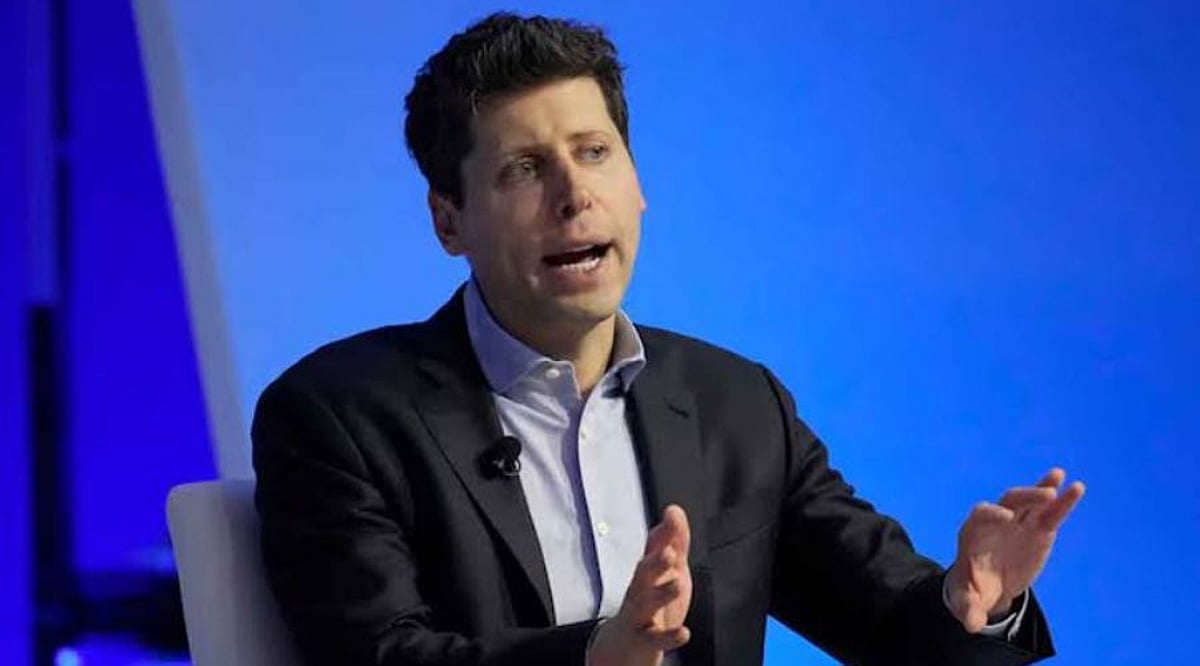
OpenAI CEO Sam Altman has officially ruled out an initial public offering for the company in 2026, stating that more time is needed to address critical AI safety and alignment concerns. This decision comes months after OpenAI submitted a confidential draft S-1 to the U.S. Securities and Exchange Commission for a possible public listing.
Altman told Fortune that going public now would be an “ill-advised moment” due to current safety concerns surrounding advanced AI systems. He emphasized that remaining private allows OpenAI to continue making decisions that may not always align with the short-term interests of investors or future public shareholders, giving the company greater flexibility to pursue its mission while it works on these issues.
When asked if the IPO could happen in 2027, Altman only confirmed that it will not occur in 2026. He noted that OpenAI still has “a lot of stuff to do” on safety, alignment, and coordination with governments. No new target date has been announced, leaving a 2027 listing possible but unconfirmed.
OpenAI has faced growing scrutiny over how advanced AI models behave and how they are tested before release. Altman acknowledged that the company may need to pause at certain stages of model development to allow researchers to improve safeguards before pushing capabilities further. He also stressed the importance of collaboration between AI companies and governments as systems become more capable.
The decision aligns OpenAI with broader industry concerns about the pace of AI advancement. Anthropic CEO Dario Amodei recently called for a slower pace in AI development, arguing that safety work needs time to catch up with rapid advances. Elon Musk has also backed calls for more caution as developers build increasingly powerful systems.
While OpenAI’s stance has drawn support from some industry leaders, it has also sparked debate. Investor Michael Burry questioned the motivations behind the slowdown message, suggesting on X that the position from OpenAI and Anthropic might be “self-serving” and tied to IPO publicity. He argued that large language models do not constitute artificial general intelligence and that the safety focus could also reflect weaker growth expectations.
Leave a Reply