Blog

  • Top AI Tools to Transform Long Videos Into YouTube Shorts in 2026

    Top AI Tools to Transform Long Videos Into YouTube Shorts in 2026

    Producing YouTube Shorts on a consistent schedule is time-intensive. Scripting, recording, editing, and adding captions each demand separate effort. AI video tools now automate most of this workflow. Some generate a short from a simple idea, while others repurpose existing long-form footage into multiple vertical clips. Choosing the right tool can save hours every week.

    Know Your Goal First

    Not every AI video tool does the same job. Before selecting one, ask: Are you creating a video from scratch, or extracting clips from footage you already have?

    • Generating from an idea: You type a prompt, upload a photo, or paste a script, and the tool builds a new video.
    • Repurposing long video: You have a podcast, webinar, or vlog, and the tool identifies the best moments and turns them into short clips.

    These are two distinct tasks. A generator cannot clip an existing podcast, and a repurposing tool cannot create original footage. Confusing them leads to wasted effort.

    What to Check Before You Pick a Tool

    The success of a short video depends on a few essential details:

    • Vertical output: The video must export in true 9:16 format without black bars.
    • Speed: A tool that takes twenty minutes per clip is impractical for daily posting.
    • Automation level: Some tools write the script, add a voice, and place captions automatically. Others leave most work to the user.
    • Input options: Text, images, links, or audio — the more starting points, the more versatile the tool.
    • Captions and sound: Most viewers watch with sound off initially, so captions and music are baseline requirements.
    • Pricing: A flat monthly fee is easier to budget than a credit system that depletes quickly.

    The Two Paths Worth Knowing

    Tools That Build Something New

    Creators working from an idea, script, or photo should consider these:

    • Pexo: Uses a conversational approach — describe the video in plain language, and it writes the script, adds a voice, and assembles the clip in one exchange.
    • Runway and Pika: Focus on visual quality and creative style rather than a complete production workflow.
    • InVideo AI: Suits narration-heavy, faceless channels built around a written angle.
    • Canva: Ideal for creators already familiar with the platform who prefer a template-driven approach.

    Tools That Repurpose Existing Footage

    OpusClip leads this category. It processes a long recording — podcast, livestream, interview — identifies the strongest moments, and edits them into vertical clips with captions and reframing. It also scores each clip by predicted performance. Creators with hours of recorded content can save considerable time using this method.

    How to Choose

    Match the tool to the task. Starting with no footage? Pick a generator. Have long recordings? Choose a repurposing tool. Many creators use both: one for original ideas, another for extracting clips from long recordings.

    Review the free plan first. Every tool listed offers one, though most include a watermark or usage limit. Testing a free tier for a week provides more insight than any comparison article.

    Final Thoughts

    No single tool is the definitive choice — the right option depends on your starting point. For the fastest path from idea to finished vertical clip, Pexo is strong. For visual style over speed, Runway and Pika excel. For those with long recordings already available, OpusClip can turn them into weeks of short-form content. Selecting a tool based on your resources makes the ongoing task of producing Shorts much more manageable.

    Note: Prices change frequently, so check each site directly before committing.
  • Top PS5 Games to Play in 2026: Must-Have Titles for Every Gamer

    Top PS5 Games to Play in 2026: Must-Have Titles for Every Gamer

    Top PS5 Games to Play in 2026: Must-Have Titles for Every Gamer

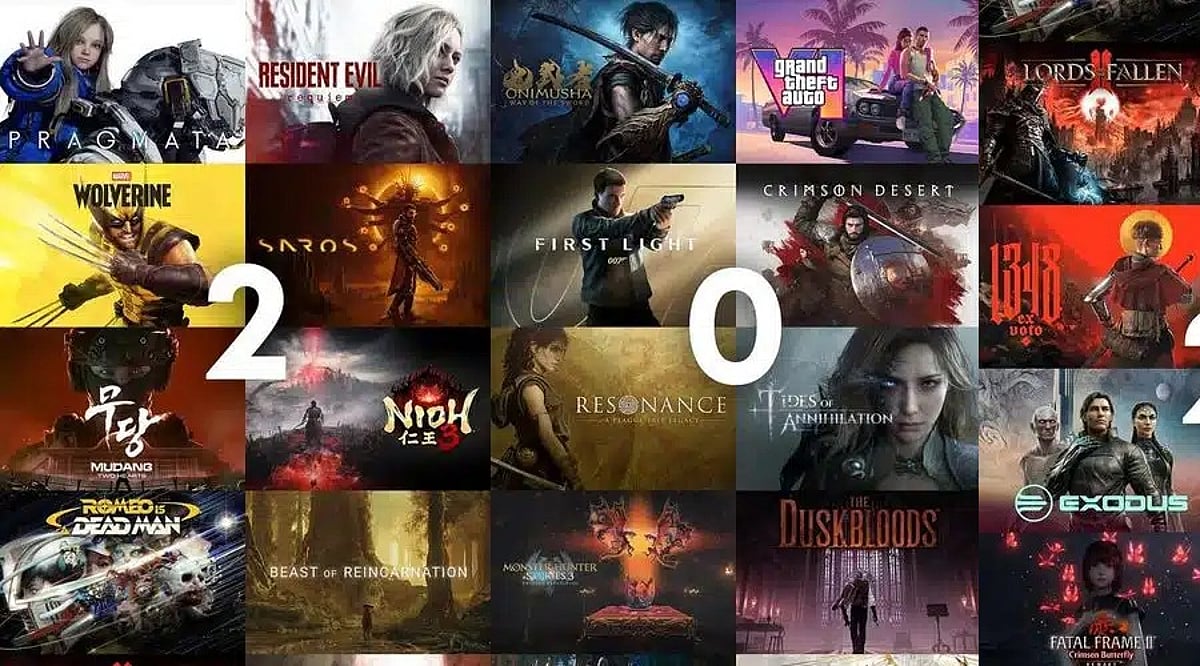
    The PlayStation 5 continues to dominate the gaming landscape in 2026, offering an extensive library that caters to every type of player. From sprawling RPGs and heart-pounding horror to family-friendly platformers and competitive sports, the console has something for everyone. Whether you’ve just unboxed a new PS5 or you’re a seasoned veteran, these are the best PS5 games to dive into right now.

    Crimson Desert

    Pearl Abyss’s open-world action-adventure is a visual and mechanical triumph. With fluid swordplay, vast landscapes, and large-scale battles, Crimson Desert delivers an epic experience. Its responsive combat and cinematic set pieces make it a standout for those who crave exploration without sacrificing spectacle.

    Baldur’s Gate 3

    For RPG purists, Baldur’s Gate 3 remains a masterpiece. The game’s branching narratives, tactical turn-based combat, and deep character customization ensure every playthrough is unique. It’s perfect for players who love story-driven adventures with meaningful choices and hundreds of hours of replayability.

    Marvel’s Spider-Man 2

    Swinging through New York as both Peter Parker and Miles Morales is as exhilarating as ever. Marvel’s Spider-Man 2 offers fast-paced combat, seamless character switching, and a visually stunning open world. It’s an accessible yet polished experience ideal for fans of superhero action.

    Elden Ring

    FromSoftware’s epic action RPG continues to challenge and reward players. With its vast, interconnected world, hidden secrets, and formidable bosses, Elden Ring offers unparalleled freedom. Its demanding combat is perfect for those seeking a true test of skill and persistence.

    Gran Turismo 7

    Racing enthusiasts will find Gran Turismo 7 to be the gold standard. The game features meticulously detailed cars, authentic circuits, and realistic physics. The DualSense controller’s haptic feedback adds a new layer of immersion, and PS VR2 support takes the experience to another level.

    EA Sports FC 26

    Soccer fans can’t go wrong with EA Sports FC 26. With an extensive player database, in-depth career modes, and competitive online play, it offers endless content. Whether you’re a casual player or a hardcore manager, this title has something for everyone.

    Helldivers 2

    Co-op gaming reaches new heights with Helldivers 2. Teams drop onto hostile planets, complete objectives, and fight off alien threats—all while managing friendly fire and limited resources. It’s chaotic, hilarious, and incredibly fun with friends.

    Resident Evil Requiem

    Horror fans should look no further than Resident Evil Requiem. This 2026 release blends investigation, puzzles, and resource management with a gripping narrative. Playable in both first- and third-person, it offers diverse gameplay styles and is a must-play for genre enthusiasts.

    Astro Bot

    A celebration of PlayStation’s legacy, Astro Bot is a charming platformer that showcases the DualSense’s innovative features. Tight controls, creative level design, and delightful surprises make it a perfect choice for families and newcomers alike.

    PRAGMATA

    Set in a lunar research facility, PRAGMATA offers a unique blend of shooting, exploration, and hacking puzzles. Its sci-fi narrative and strategic gameplay provide a refreshing change from typical AAA titles. Released in April 2026, it’s a standout for fans of thoughtful action.

    Choosing the Right Game for You

    The best PS5 game ultimately depends on your preferences. If you crave deep RPG mechanics, Baldur’s Gate 3 is a safe bet. For open-world exploration, try Crimson Desert or Marvel’s Spider-Man 2. Multiplayer fans will love Helldivers 2, while racing and sports enthusiasts can’t go wrong with Gran Turismo 7 or EA Sports FC 26. And for horror aficionados, Resident Evil Requiem is a must-play.

    Frequently Asked Questions

    What is the best PS5 game to play in 2026?

    Astro Bot is an excellent starting point, offering inventive platforming and showcasing the DualSense’s unique features.

    Which PS5 game is best for RPG fans?

    Baldur’s Gate 3 stands out with its branching story, tactical combat, and immense replay value.

    What is the best PS5 game for challenging gameplay?

    Elden Ring offers demanding combat and a vast world that rewards exploration and persistence.

    Which new PS5 game should horror fans try?

    Resident Evil Requiem is a top choice, blending survival horror with engaging puzzles and multiple perspectives.

    Are there enough PS5 games for different preferences?

    Absolutely. The PS5 library covers RPGs, platformers, racing, sports, horror, and multiplayer, ensuring there’s something for everyone.

  • My Hero Academia: All’s Justice DLC Adds Overlay Full Style Izuku Midoriya

    My Hero Academia: All’s Justice DLC Adds Overlay Full Style Izuku Midoriya

    Bandai Namco has expanded the roster of My Hero Academia: All’s Justice with the addition of Izuku Midoriya Overlay Full Style as the game’s third DLC character. This new form of Deku brings enhanced One For All abilities and a fresh moveset to the arena.

    Release Details and Availability

    The Overlay Full Style Deku arrived on September 3, 2026 for PlayStation 5, Xbox Series X|S, and PC. Nintendo Switch 2 players will get access to the character with the game’s launch on September 4, 2026.

    The DLC is included with the Deluxe Edition, Ultimate Edition, and Season Pass. Alternatively, players can purchase the character individually for $4.99 USD (approximately Rs. 415 in India).

    New Moves and Abilities

    This version of Deku is based on his appearance during the Final War arc, showcasing his advanced control over One For All. Key moves include:

    • Blackchain – A powerful binding attack that can trap opponents.
    • Delaware Smash – A long-range projectile strike.
    • Combo-focused attacks – Emphasis on rapid strikes for aggressive players.

    These abilities make Overlay Full Style Deku an excellent choice for players who prefer an offensive playstyle.

    About the Game

    My Hero Academia: All’s Justice is a three-on-three fighting game featuring a diverse cast of heroes and villains from the series. Each character brings their unique Quirk to battle. The game’s Rising system allows players to boost attack power, speed, and Quirk abilities during matches.

    The Story Mode lets players relive key moments from the Final War, including the epic confrontation between One For All and All For One. Team Up Missions offer cooperative gameplay with Class 1-A students in virtual training scenarios.

    Future Content

    This DLC demonstrates Bandai Namco’s ongoing support for the game. Additional paid and free characters are planned, ensuring the roster will continue to grow. For Deku fans, Overlay Full Style offers a compelling way to experience his most powerful form yet.

    With more content on the horizon, My Hero Academia: All’s Justice remains a must-play for fighting game enthusiasts and anime fans alike.

  • 2027 Augmented Reality Outlook: AI Glasses, Spatial Computing, and Privacy Take Center Stage

    2027 Augmented Reality Outlook: AI Glasses, Spatial Computing, and Privacy Take Center Stage

    Augmented reality is entering a new phase in 2027, driven by AI-powered smart glasses, spatial computing, enterprise adoption, immersive shopping, gaming, translation, and growing privacy concerns. Here’s what to expect.

    AI-Powered Smart Glasses Go Mainstream

    The most significant shift is the integration of AI assistants into smart glasses, enabling them to recognize what users see, hear, and ask. Google’s Android XR glasses, powered by Gemini, offer hands-free directions, messaging, and photography. IDC reports global smart-glass shipments jumped 167% year over year in Q1 2026, signaling strong momentum for 2027.

    Lightweight AR Glasses Replace Bulky Headsets

    Consumers prefer sleek, normal-looking frames over heavy headsets. Omdia forecasts XR headwear shipments to reach 6.5 million units in 2027, with growth driven by lighter XR glasses. Expect better battery life, improved displays, and wireless connectivity.

    Practical Spatial Computing

    AR will understand physical environments, anchoring digital information and 3D objects to real-world spaces. This makes AR useful for work, navigation, education, design, retail, and entertainment. The integration with AI creates systems that know where users are and what they need.

    Enterprise AR Expansion

    Manufacturing, healthcare, energy, and utilities remain strong adopters. Applications include remote assistance, training, maintenance, surgical support, and digital-twin visualization. AI agents using video, audio, and sensor data will assist workers in real time.

    Generative AI Simplifies AR Content Creation

    Developers will create 3D objects, scenes, and animations using natural language prompts, reducing costs and lowering technical barriers. Generative AI also makes AR experiences more contextual.

    AR Navigation and Real-Time Translation

    Hands-free directions and contextual assistance through glasses become normal. Real-time translation via integrated microphones, cameras, and AI will aid international travel, business meetings, and learning.

    AR Shopping and Location-Aware Gaming

    Retailers increasingly let customers visualize products before purchase. AR gaming incorporates real places and objects into gameplay, making streets and homes part of the game.

    Privacy Becomes a Major Debate

    Always-on cameras and microphones raise concerns about recording, facial recognition, data collection, and consent. As smart glasses become common, clearer rules will be required.

    The Big Picture

    The defining trend of 2027 is the convergence of AI, smart glasses, spatial computing, and real-time context. IDC expects optical see-through display glasses to grow from 3 million units in 2026 to 12.2 million by 2030. Omdia sees the XR market returning to growth as lighter glasses replace bulky headsets. AR is evolving from something we deliberately ‘use’ to something that quietly works around us.

  • Shiba Inu 2026 Outlook: Shibarium Growth and Token Burns Drive SHIB’s Future

    Shiba Inu 2026 Outlook: Shibarium Growth and Token Burns Drive SHIB’s Future

    Shiba Inu (SHIB) remains one of the largest meme coins, but its outlook in 2026 increasingly depends on whether the project can build lasting utility beyond social media speculation. SHIB entered September with fresh momentum, yet the token remains sensitive to crypto liquidity, burn activity, and adoption across Shibarium.

    SHIB Rebounds After a Volatile Start to September

    Shiba Inu closed September 5 at approximately Rs. 0.000523, gaining 6.72% during the session. The move followed a 4.46% decline the previous day, highlighting how quickly sentiment can shift across meme coins. On September 6, SHIB traded near Rs. 0.000519, up around 4.97%. The rebound suggests buyers remain active, but the swings also show why short-term price targets should be treated cautiously.

    Supply Remains a Major Challenge

    SHIB’s enormous token supply continues to shape its long-term valuation debate. Token burns permanently remove coins from circulation, theoretically increasing scarcity if demand remains stable or rises. However, large percentage increases in daily burn rates can be misleading when measured against total circulating supply. A meaningful impact would require sustained burning over long periods rather than occasional spikes. For investors, the important metric is not simply whether burns are rising, but whether the amount removed becomes significant relative to total supply.

    Shibarium Needs Stronger Economic Activity

    Shibarium was created to give the Shiba Inu ecosystem more utility through applications, payments, and blockchain transactions. The future of the platform will rely on how long it continues to be used beyond speculative interest. Key indicators such as total active users, decentralized finance liquidity, transaction fees, and application revenue can provide a better measure of its economic potential than transaction counts alone. If Shibarium manages to attract repeat users, SHIB could cultivate a narrative around its ecosystem that is more complex than simply being a meme coin.

    Competition Among Meme Coins Is Rising

    SHIB also faces a more crowded market than during its 2021 breakout. Solana and other networks have made creating and trading meme coins easier, spreading speculative capital across thousands of tokens. That means a large community is no longer enough. SHIB needs to retain users, liquidity, and developer interest while competing with newer tokens attracting attention.

    Bitcoin Still Drives Risk Appetite

    SHIB remains linked to the broader crypto market. Bitcoin recently recovered to around USD 80,000 after an approximately 30% rally. Strong Bitcoin momentum can improve risk appetite for smaller tokens, while renewed BTC weakness can put pressure on speculative assets such as SHIB.

    Final Thoughts

    Shiba Inu’s direction will likely depend on three factors: broader crypto liquidity, Shibarium adoption, and meaningful supply reduction. SHIB still benefits from a large community, but sustainable long-term valuation will require measurable network usage and stronger economic activity, not just social-media attention.

  • 7 Fun Games That Teach You to Code While Playing

    7 Fun Games That Teach You to Code While Playing

    Learning to code doesn’t have to mean staring at dry textbooks or boring tutorials. These seven games turn programming into an engaging adventure, letting you pick up skills like loops, variables, and debugging while having a blast. Whether you’re a complete beginner or looking to sharpen your logic, there’s a game here for you.

    CodeCombat

    CodeCombat transforms coding lessons into a fantasy adventure. Players control heroes by writing real code—using loops, variables, conditions, and functions to fight enemies and solve puzzles. The game’s immersive design makes learning feel like progressing through an epic quest rather than studying.

    Human Resource Machine

    In Human Resource Machine, you solve office-themed puzzles by directing tiny workers with simple instructions. The game introduces core programming concepts such as logic, loops, variables, and problem-solving. Its clever puzzles gradually increase in difficulty, helping beginners grasp programming ideas without feeling overwhelmed.

    7 Billion Humans

    Building on Human Resource Machine, 7 Billion Humans adds more complex challenges. Players command groups of workers using instructions and logic to complete tasks. The game develops skills like loops, conditions, automation, and problem-solving through increasingly tricky puzzles that reward careful thinking.

    Screeps

    Screeps offers a unique approach: you build and manage an online strategy game using JavaScript. Instead of manually controlling units, you write code that runs your colony and makes autonomous decisions. It’s ideal for learners who want to see how programming can create self-sustaining systems.

    TIS-100

    TIS-100 is a puzzle game centered on programming a fictional computer. Players solve challenges by writing low-level instructions across multiple processor nodes. While challenging for beginners, it teaches logical thinking, debugging, optimization, and basic computer architecture through hands-on experimentation.

    Shenzhen I/O

    Shenzhen I/O blends puzzle solving with electronics and programming. Players design circuits and write simple assembly-style code to make devices work. The game encourages experimentation and covers concepts such as instructions, data flow, debugging, and optimization—perfect for those interested in coding and hardware.

    Code Hunt

    Code Hunt turns programming into a series of challenges where you write code to match hidden test results. It supports languages like Java and C++. Instead of following tutorials, you learn by experimenting, testing solutions, spotting mistakes, and improving your code as you progress through levels.

  • Understanding Crypto Gas Fees: How Blockchain Transaction Fees Work

    Understanding Crypto Gas Fees: How Blockchain Transaction Fees Work

    Crypto transactions may appear instantaneous to users, but every transfer or smart-contract interaction consumes network resources. Gas fees are the mechanism many blockchains use to price those resources and prevent networks from being overwhelmed by unlimited transactions.

    Ethereum provides the best-known example, although Bitcoin, Solana, and other networks use different fee models.

    What is Gas?

    On Ethereum, gas measures the computational effort required to execute an operation. A straightforward ETH transfer requires less computation than interacting with a complex decentralized finance (DeFi) smart contract.

    According to Ethereum.org, a standard ETH transfer requires 21,000 units of gas. More complicated smart-contract transactions consume more. Gas therefore separates the amount of computation from the market price users pay for it.

    How Ethereum Gas Fees are Calculated

    Ethereum pricing involves two main parts: a base fee and a priority fee. The base fee is set by the protocol based on the demand across the network. The priority fee serves validators by providing them with an incentive to prioritize transactions.

    The calculation is: Gas consumed × (base fee + priority fee). According to Ethereum.org, an example shows that a transfer of ETH costing 21,000 gas would charge 10 gwei as a base fee and 2 gwei as the tip. As a result, the fee would be equal to 252,000 gwei or 0.000252 ETH. Note that 1 gwei equals 1 billionth of the value of ETH.

    Where Does the Fee Go?

    Not all Ethereum fees go to validators. The base fee is burned, permanently removing that ETH from circulation. The priority fee goes to the validator that includes the transaction. This means network activity can influence ETH supply alongside new issuance from staking.

    Why Fees Rise

    Fees increase when many users compete for limited blockspace. Token launches, decentralized exchange trading or sudden market volatility can increase transaction demand. Users willing to offer higher fees receive faster inclusion.

    Layer 2 networks address this problem by executing or aggregating transactions outside the Ethereum mainnet before settling data back to Ethereum, reducing costs for many applications.

    Other Blockchains Work Differently

    Bitcoin uses transaction fees based largely on transaction size and demand for limited blockspace rather than Ethereum-style computational gas.

    Solana charges much lower base transaction fees and also supports priority fees that users can pay when particular network resources become congested. The word ‘gas’ is therefore often used loosely across crypto even though fee mechanisms differ significantly.

    Failed Transactions Can Still Cost Money

    An important Ethereum detail is that a transaction can consume gas even if its smart-contract execution fails. Validators still performed the computation, so that work must be paid for.

    Why this Matters

    Gas fees are not simply charges added by wallets. They are part of blockchain economics. Fees ration scarce network resources, discourage spam and compensate participants for processing activity. For users, checking network conditions before sending complex transactions can reduce costs. For investors, fee levels can also reveal how much real demand exists for blockchain blockspace.

    Final Thoughts

    Gas fees are a core part of how blockchains manage limited network resources and prioritize transactions. Their impact varies by network, but users can often reduce costs by choosing less congested periods or lower-fee scaling solutions. For investors, fee activity can also provide clues about underlying network demand.

    FAQs

    1. What are crypto gas fees? Gas fees are charges users pay for blockchain transactions and smart-contract execution. They help price limited network resources, prevent spam and compensate participants processing activity.
    2. How are Ethereum gas fees calculated? Ethereum fees are based on the amount of gas used multiplied by the base fee plus the priority fee. A standard ETH transfer generally requires 21,000 gas units.
    3. Why do Ethereum gas fees increase? Fees rise when more users compete for limited blockspace. High activity from token launches, DeFi trading or market volatility can increase demand and push transaction costs higher.
    4. Do failed Ethereum transactions still charge gas? Yes. A failed transaction can still consume gas because validators performed computational work before the execution failed. Users therefore may pay a fee even when the intended action is not completed.
    5. Are gas fees the same on Bitcoin and Solana? No. Bitcoin fees depend largely on transaction size and blockspace demand, while Solana uses base and priority fees under a different model. The term “gas” is often used broadly despite these differences.
  • Key Players Driving India’s Oil and Fuel Sector

    Key Players Driving India’s Oil and Fuel Sector

    India’s energy landscape is being shaped by a handful of dominant oil and fuel companies that span upstream exploration, refining, marketing, and emerging clean energy ventures. These giants are not only ensuring the nation’s fuel security but also investing in next-generation solutions like biofuels, hydrogen, and electric vehicle infrastructure.

    IndianOil

    IndianOil remains one of India’s biggest energy companies, with operations spanning refining, fuel marketing, pipelines, natural gas, petrochemicals and exploration. Its massive network helps supply petrol, diesel, LPG and aviation fuel across the country. The company is also investing in biofuels, hydrogen and other cleaner energy solutions.

    Reliance Industries

    Reliance Industries has built a major position in India’s oil and chemicals sector through its giant Jamnagar refining complex. Its energy business covers refining, petrochemicals and fuel retailing through Jio-bp. The company is also expanding into new energy, aiming to combine its existing energy strength with cleaner technologies.

    ONGC

    ONGC plays a key role in India’s domestic oil and gas production. The company explores and develops oil and gas fields both onshore and offshore. Its focus is especially important for energy security, as India looks to reduce dependence on imported crude. ONGC is now stepping up deepwater exploration investments.

    Bharat Petroleum (BPCL)

    Bharat Petroleum Corporation Limited, or BPCL, is a major public-sector oil marketing company with large refining and fuel distribution operations. Its Mumbai, Kochi and Bina refineries support its downstream business. BPCL also operates thousands of fuel stations and is expanding into CNG, EV charging, and other energy services.

    Hindustan Petroleum (HPCL)

    Hindustan Petroleum Corporation Limited, or HPCL, has a strong presence across refining and fuel marketing. Its retail network serves cities, highways and rural markets across India. Along with petrol and diesel, HPCL offers CNG, LPG, and EV charging, while technology is being used to make its fuel stations more efficient.

    Oil India Limited

    Oil India Limited is another important upstream player supporting India’s oil and gas supply. The company has produced hydrocarbons for more than six decades and operates thousands of wells across India and overseas locations. Its continued use of new production technologies is helping it manage mature fields and challenging areas.

    Adani Total Gas

    Adani Total Gas is helping expand India’s shift toward natural gas and cleaner mobility. The company develops city gas networks that supply PNG to homes and businesses and CNG for vehicles. It is also building EV charging and compressed biogas infrastructure, giving it a growing role in India’s changing energy mix.

  • Best Dyson Air Purifiers of 2026: Top Picks for Every Room and Budget

    Best Dyson Air Purifiers of 2026: Top Picks for Every Room and Budget

    Choosing a Dyson air purifier in 2026 involves more than just checking the filter. The latest lineup includes models for compact bedrooms, large living areas, heavy city pollution, formaldehyde concerns, and homes that need both heating and cooling in one device. The new HushJet family also introduces quieter operation. Here are the top Dyson air purifiers for 2026, with key specs and prices to help you decide.

    1. Dyson Big+Quiet BP02 – Best for Large Rooms

    The Dyson Big+Quiet BP02 is a powerful option for large living rooms or open-plan spaces, covering up to 1,076 square feet. Its sealed HEPA H13 filter captures fine particles, while activated carbon removes gases and odors. With high airflow designed to circulate purified air across big areas, this model is ideal for whole-home purification. Price: ₹68,900 in India.

    2. Dyson HushJet Compact HJ10 – Best Compact Choice

    The HushJet Compact HJ10 introduces a major design change with its HushJet projection system, delivering strong airflow from a compact body (230 mm wide, 469 mm high). Perfect for bedrooms, studies, or smaller spaces, it covers up to 1,076 square feet and operates as quietly as 24 dB in Sleep mode (max 41 dB). It features an electrostatic filter with up to five years of life and an activated carbon filter for gases and odors. Price: ₹29,900.

    3. Dyson Purifier Cool PC2 De-NOx – Best for Pollution Control

    Designed for homes near busy roads or high-pollution areas, the PC2 De-NOx captures 50% more nitrogen dioxide (NO₂) than earlier models, thanks to its potassium-carbonate-treated K-Carbon filter. It also destroys formaldehyde and uses sealed HEPA H13 filtration. A 350-degree oscillation feature distributes clean air widely. Price: ₹54,900 (currently out of stock on Dyson India).

    4. Dyson Purifier Hot+Cool HP2 De-NOx – Best for Year-Round Use

    Combining purification with heating and cooling, the HP2 De-NOx is perfect for homes that need one device all year. It captures 50% more NO₂, destroys formaldehyde, and removes gases and odors. Heat keeps you warm in winter, while cool airflow refreshes you in summer. Price: ₹68,900.

    5. Dyson Purifier Cool PC1 – Best Value for Most Rooms

    The PC1 offers a simpler entry into Dyson’s newer range. It uses HEPA H13 filtration, capturing 99.95% of pollutants down to 0.1 microns (under Dyson’s test conditions). With MyDyson app support for remote control and air-quality data, it covers 81 cubic meters (POLAR test) – ideal for a typical bedroom or living room. Price: ₹39,900.

    6. Dyson Purifier Hot+Cool HP1 – Best Budget Three-in-One

    The HP1 provides heat, cooling, and purification in one unit at a lower cost than the HP2 De-NOx. It uses HEPA and activated-carbon filtration, plus MyDyson app support. Its main strength is versatility – saving space and money by replacing separate appliances. Price: ₹56,900 (HP1 and HP11).

    7. Dyson Purifier Cool Formaldehyde TP09 – Best for Formaldehyde Control on a Budget

    Though an older model, the TP09 remains relevant for homes concerned about formaldehyde. It’s still supported by Dyson and can be a great value if discounted. The newer PC2 De-NOx offers more advanced features, so the TP09 is best as a lower-cost formaldehyde solution.

    8. Dyson Purifier Cool TP07 – Good for Bargain Hunters

    The TP07 belongs to an earlier generation but still performs well. Marketplace listings range from ₹35,000 to ₹38,000. It’s a solid basic Dyson purifier if you find a significant discount and don’t need the latest features. Dyson continues to support it.

    9. Dyson Purifier Cool Gen1 TP10 – Most Affordable Dyson

    The TP10 is the most budget-friendly option, currently around ₹35,900. It’s for buyers who want a Dyson without paying for advanced features. However, if the price gap is small, the newer PC1 is a stronger choice. The TP10 becomes more appealing with a larger discount.

    10. Dyson Big+Quiet Formaldehyde BP04 – Best Premium for Large Homes

    The BP04 is Dyson’s quietest, most powerful, and most advanced purifier. It includes a K-Carbon filter, carbon dioxide sensing, and targets NO₂ and formaldehyde. Ideal for large open-plan homes with a premium budget. Price: approximately ₹75,000–₹90,000.

    Upcoming: Dyson HushJet Big+Quiet Cool Pure+ Formaldehyde

    Dyson’s most notable 2026 release is the HushJet Big+Quiet Cool Pure+ Formaldehyde, launching in India in late 2026. It can purify connected rooms up to 20 meters away, producing up to 334 liters per second of purified air. Tests show 99.999% particle capture down to 0.01 microns, with Sleep mode at 24 dB. If you can wait, this is a top contender for large homes.

    FAQs

    Which Dyson air purifier is best for a large room?

    The Dyson Big+Quiet BP02 is a strong choice, covering up to 1,076 sq. ft.

    Which Dyson purifier is the quietest?

    The HushJet Compact HJ10 reaches 24 dB in Sleep mode, ideal for bedrooms.

    Which Dyson purifier is best for high pollution and NO₂?

    The Dyson Purifier Cool PC2 De-NOx captures 50% more NO₂ than earlier filters.

    Which Dyson air purifier also provides heating and cooling?

    The Dyson Purifier Hot+Cool HP2 De-NOx combines purification with heating and cooling.

    Should I wait for the Dyson HushJet Big+Quiet?

    If you need a large-room purifier and can delay, the HushJet Big+Quiet Cool Pure+ Formaldehyde is worth waiting for, with a late-2026 launch.

  • Solana vs Traditional Blockchains: Key Differences and Unique Advantages

    Solana vs Traditional Blockchains: Key Differences and Unique Advantages

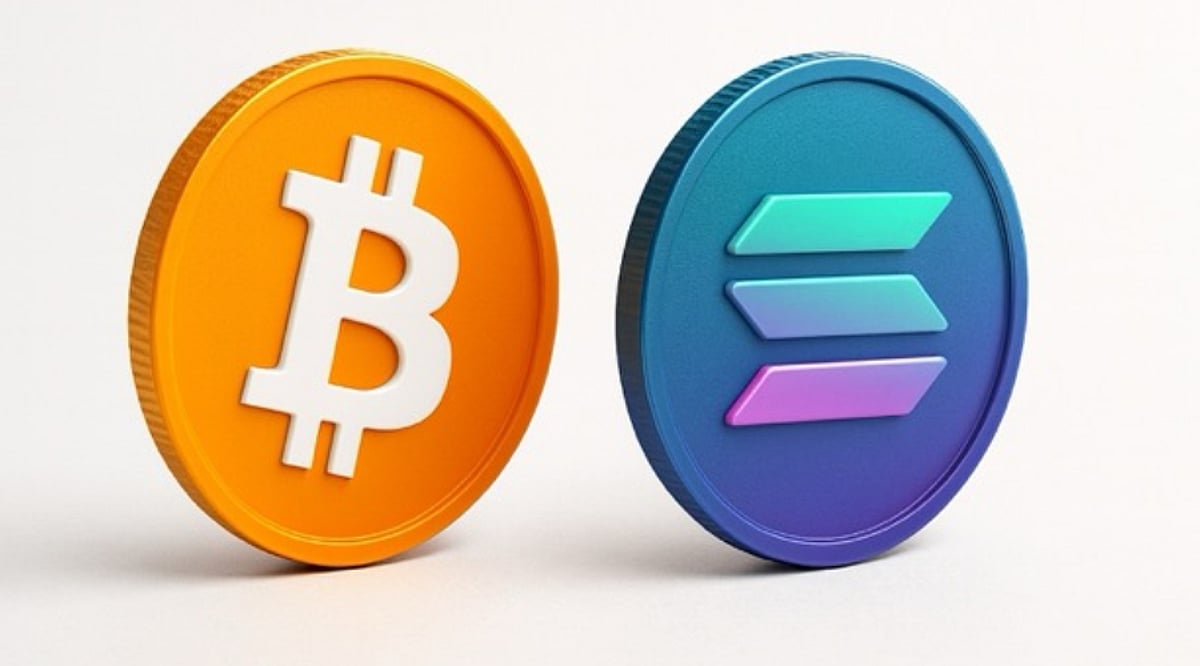
    Solana was designed to address some of the biggest challenges facing traditional blockchains, particularly slow transaction speeds and high costs. While older networks often process transactions sequentially, Solana uses a different architecture to handle large volumes efficiently. Its approach combines multiple technologies to deliver faster confirmations, lower fees, and greater scalability.

    The Speed Advantage

    Transaction speed is one of Solana’s biggest selling points. Its architecture allows the network to process transactions much faster than many traditional blockchain systems. This speed makes Solana attractive for applications requiring quick settlement, including decentralized exchanges, gaming platforms, payments, and other Web3 services where delays can affect user experience.

    Proof of History

    Solana’s distinctive feature is Proof of History, a cryptographic timekeeping system that helps establish the sequence of events before consensus is reached. Instead of requiring every validator to independently agree on timing, the network can reference a verifiable timeline. This reduces coordination overhead and helps transactions move through the network faster.

    Lower Transaction Costs

    Traditional blockchain networks can experience significant fee increases when demand rises and block space becomes limited. Solana generally aims to keep transaction costs low by processing substantially more activity through its architecture. Lower fees can make frequent transactions more practical, supporting applications such as trading, gaming, micropayments, and digital asset transfers.

    Scalability and Architecture

    Solana combines Proof of History with Proof of Stake and several performance-focused technologies. Its architecture is built to process transactions concurrently and efficiently across network resources. Traditional blockchains may rely more heavily on sequential processing. This design difference gives Solana greater theoretical throughput, although performance also depends on network conditions and implementation.

    The Trade-Offs

    Solana’s performance comes with trade-offs. Running validators can require substantial hardware resources, potentially creating barriers for some participants. The network has also experienced periods of congestion and outages. Traditional blockchains may offer slower performance, but their longer operating histories and broader decentralization can appeal to users prioritizing resilience and network maturity.

    What Makes Solana Different?

    Solana’s key difference is its focus on combining blockchain security with high-speed, low-cost transaction processing. Rather than simply increasing block capacity, it redesigns how time, transactions, and computation are coordinated. This makes Solana particularly suited to high-volume applications, while traditional blockchains can remain attractive where decentralization, maturity, or ecosystem depth matter most.