Blog

  • AI and Tech Innovation Take Center Stage at the 2026 Global Awards

    AI and Tech Innovation Take Center Stage at the 2026 Global Awards

    The 2026 Global Awards are set to celebrate the brightest minds in sustainability, procurement, and supply chain, with a strong emphasis on AI-led innovation and digital solutions. The event will take place on September 8 at the JW Marriott Grosvenor House in London, following Day 1 of The London Summit.

    This black-tie gala unites three major ceremonies: The Global Sustainability Awards, The Global Procurement Awards, and The Global Supply Chain Awards. It recognizes organizations and individuals driving responsible, efficient, and forward-thinking operations.

    Key AI and Tech Categories

    The Global Sustainability Awards – Tech & AI Award
    This award honors initiatives that leverage digital innovation, emerging technologies, and AI to accelerate sustainability. Judges evaluate how effectively technology addresses specific environmental or social challenges, with measurable outcomes like resource efficiency or emissions reduction.

    The Global Procurement Awards – AI in Procurement Award
    Celebrating organizations using AI to transform procurement, this category looks for smarter decision-making through AI integration. Entries are assessed on improvements in efficiency, forecasting, supplier management, cost optimization, and risk reduction.

    The Global Procurement Awards – Procurement Technology Award
    Recognizing innovative digital solutions that enhance procurement performance, this award emphasizes technology that improves visibility, automates processes, and drives business value.

    The Global Supply Chain Awards – Digital Supply Chain Award
    This category showcases digital innovation for smarter, more agile supply chains. It highlights the use of data, automation, and advanced technologies to boost visibility, connectivity, and resilience.

    Entries close June 29, 2026. Judging takes place in July, with the shortlist announced that same month. For more details, visit the official awards page.


  • India Pushes for Guaranteed Access to Anthropic’s Fable 5 as US-India AI Dialogue Opens

    India Pushes for Guaranteed Access to Anthropic’s Fable 5 as US-India AI Dialogue Opens

    India and the United States have launched high-level discussions focused on the rollout of Anthropic’s advanced Fable 5 AI model. The talks aim to balance the need for trusted partners to gain early, uninterrupted access to frontier AI while managing national security and infrastructure risks.

    Jacob Helberg, US Under Secretary for Economic Affairs, confirmed that both sides share a common understanding of the concerns at stake. The discussions center around national security safeguards, critical infrastructure protection, and the safe deployment of powerful AI systems.

    The US has advocated for a phased release of Anthropic’s latest models, including Claude Fable 5 and Mythos 5, arguing that a gradual approach will protect essential services such as power grids, digital networks, and government operations. India, for its part, has welcomed the dialogue but pressed for long-term assurance that trusted partners will not face sudden disruptions in AI access. Stable and predictable access is essential for India’s growing AI-driven projects in healthcare, education, finance, manufacturing, and public services.

    The negotiations come after the US introduced export controls limiting foreign access to Anthropic’s newest AI technology. MeitY Secretary S. Krishnan noted that India requested clarity on Washington’s long-term policy and commitments to uninterrupted supply for trusted allies. US officials have outlined a framework that could ensure reliable access moving forward.

    Industry experts see these talks as a potential blueprint for future global AI governance. As more nations view frontier AI models as strategic assets rather than ordinary software, the outcome of the Fable 5 discussions could shape how AI companies release advanced technology internationally. A successful agreement would also strengthen the broader technology partnership between India and the United States.

  • MIT Startup Spotlight: Breakthroughs in AI, Sustainability, and Engineering

    MIT Startup Spotlight: Breakthroughs in AI, Sustainability, and Engineering

    MIT continues to drive innovation through its vibrant startup ecosystem, with recent ventures spanning cooling systems for data centers, real-time retail tracking, reusable emergency housing, and AI-driven protein design. Here are the latest developments from the Institute’s entrepreneurial community.

    Sustainable Data Center Cooling

    Ferveret, a startup founded by two MIT researchers, uses a nuclear-inspired cooling system to reduce the energy and water required for AI chips in data centers.

    Real‑Time Retail Tracking

    Cartesian, based on MIT‑invented technology, helps retailers track products in real time, with potential applications in manufacturing, logistics, and robotics.

    Reusable Emergency Housing

    Uplift Microhome won the MIT $100K competition with modular housing units that provide their own power and water, enabling faster disaster response.

    AI‑Driven Protein Design

    OpenProtein.AI, co‑founded by MIT alumni, offers open‑source models and tools for protein engineering, making advanced design accessible to biologists everywhere.

    These stories are just a glimpse of how MIT’s research and entrepreneurial initiatives continue to solve real‑world problems across industries.

  • UN Chief Unveils AI Environmental Transparency Initiative to Curb Rising Energy and Water Use

    UN Chief Unveils AI Environmental Transparency Initiative to Curb Rising Energy and Water Use

    United Nations Secretary-General António Guterres has launched a new environmental initiative aimed at holding the technology sector accountable for the growing resource consumption of artificial intelligence. Speaking at London Climate Action Week, Guterres drew attention to what he called a ‘Tale of Two Crises’—the climate emergency and the global energy crisis—and positioned AI as a major driver of escalating demand for power and water.

    The proposed ‘AI Environmental Transparency Initiative’ calls on major AI companies to measure and publicly disclose the carbon, water, and land footprints of their systems. Guterres emphasized that data centers already consume more electricity than most individual nations and predicted that by 2030 their power usage could surpass that of all but five countries worldwide. He also warned that AI infrastructure could consume enough water by the end of the decade to meet the basic needs of all 1.3 billion residents of sub-Saharan Africa for a full year, while occupying vast land areas that often see little benefit.

    To address these hidden costs, Guterres urged every major AI firm to commit to powering all data centers with renewable energy by 2030. He stressed that clean energy—particularly solar and wind, whose costs have fallen dramatically since 2010—offers the most scalable solution to feed strained power grids. The initiative also calls for upgrades to outdated transmission systems, faster permitting for renewable projects, and treating electrical grids as strategic infrastructure.

    The UN initiative is part of a broader strategy to manage the inevitable energy transition while ensuring that AI contributes to climate solutions rather than exacerbating environmental burdens on vulnerable communities.

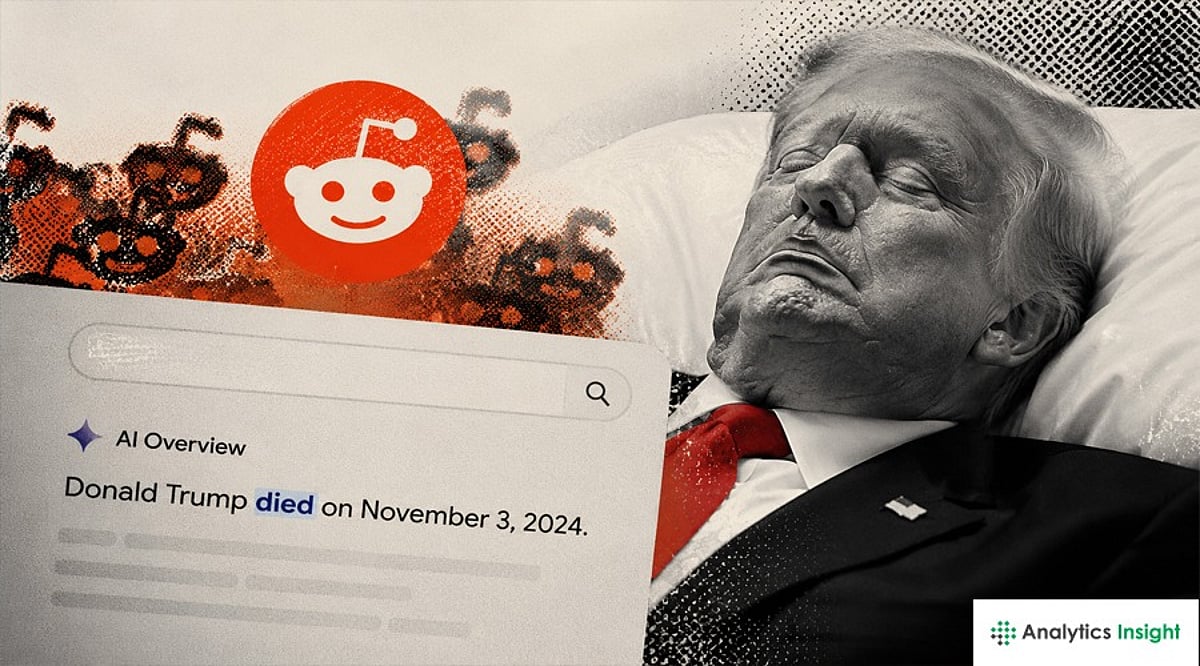
  • Coordinated Reddit Trolls Exploit AI Search Engines with Fabricated Trump Death Story

    Coordinated Reddit Trolls Exploit AI Search Engines with Fabricated Trump Death Story

    A coordinated campaign on Reddit has exposed a critical vulnerability in AI-powered search systems. Members of the subreddit r/poisonai deliberately fabricated a story claiming that US Vice President JD Vance had died from rabies after allegedly biting President Donald Trump. While entirely false, the narrative was sufficiently amplified that some AI search tools began treating it as factual.

    The hoax was crafted to appear authentic through a barrage of fake mourning posts, fabricated screenshots, and supporting comments on Reddit. It also appeared on an AI-generated news site masquerading as a local news outlet, providing additional fodder for AI search engines to index.

    Investigations found that DuckDuckGo and Brave’s AI features propagated the false claims, revealing how coordinated misinformation can bypass systems heavily reliant on user-generated content. Brave, however, emphasized that users should independently verify any AI search results. This incident has sparked renewed concerns about how conversational AI determines which information to trust.

    These findings echo a study from Cornell Tech, which demonstrated that even brief lies posted on Reddit can influence AI programs. The study found that when 60% of statements are misleading, they become redundant in many discussions, leading AI systems to perceive them as truthful. This scenario underscores the challenge AI companies face in delivering timely information without compromising accuracy.

  • Pangaea Data and Sanofi Use AI to Detect Rare Disease Alpha-1 Antitrypsin Deficiency

    Pangaea Data and Sanofi Use AI to Detect Rare Disease Alpha-1 Antitrypsin Deficiency

    Pangaea Data, a provider of guideline-configured AI solutions, has partnered with Sanofi to deploy machine learning algorithms that analyze electronic health record (EHR) data. The collaboration aims to identify patients with Alpha-1 Antitrypsin Deficiency (AATD) earlier, addressing the chronic underdiagnosis of this rare genetic disorder across the United States.

    Research indicates that up to 90% of individuals with AATD remain undiagnosed, often waiting five to eight years for confirmation after symptoms appear. The AI platform processes real-time clinical data, including structured fields and unstructured physician notes, to flag patients who may need further evaluation without adding administrative burden.

    “We are pleased to support the deployment of innovative solutions like Pangaea’s platform that can help not only identify patients in need of evaluation earlier using real-time, real world data that remains securely within the health system, but also address workflow challenges,” said Lisa Sniderman King, Senior Director, Scientific Affairs and Diagnostics, US Medical at Sanofi.

    The technology integrates with existing EHR systems, scheduling tools, and communication platforms, delivering insights directly into clinical workflows. Population health dashboards further enable health system leaders to spot care gaps and ensure guideline adherence.

    While the initial focus is on AATD, both companies envision broader applications for respiratory and rare diseases such as severe asthma and COPD. Dr. Vibhor Gupta, CEO and Founder of Pangaea Data, commented, “We are excited to work with Sanofi beginning with AATD while advancing a broader vision for scalable, guideline-configured AI that can help scale earlier detection, screening and management across chronic and rare hard-to-diagnose conditions.”

  • BMW Expands Use of Figure 03 Humanoid Robots at Spartanburg Plant to Boost AI-Powered Manufacturing

    BMW Expands Use of Figure 03 Humanoid Robots at Spartanburg Plant to Boost AI-Powered Manufacturing

    BMW is advancing its AI-driven manufacturing strategy by expanding the deployment of Figure AI’s latest humanoid robot, the Figure 03, at its Spartanburg plant in South Carolina. This move builds on earlier trials with the Figure 02 and marks a shift from limited pilot testing to broader integration of humanoid robots in real production environments.

    The company states that the robots are introduced to improve efficiency while reducing physical strain from repetitive factory tasks. The Figure 03, developed by California-based Figure AI, features advanced artificial intelligence, computer vision, and dexterous arms, allowing it to perform tasks requiring precision, agility, and flexibility on the production line. Unlike traditional static industrial robots, the Figure 03 can move around the factory floor, manipulate materials, and work alongside human employees. It is programmed to handle repetitive tasks and adapt to changes in the production process without causing job losses.

    This deployment follows successful trials of earlier Figure robot versions at the Spartanburg plant, where they handled tasks like sheet metal manipulation. Those trials helped BMW assess safe integration into existing workflows while maintaining quality. Insights from the pilot program paved the way for deploying the Figure 03 across additional operations. The technology is intended to support workers by taking over physically demanding and ergonomically challenging jobs.

    BMW’s latest move underscores the growing role of physical AI in automotive manufacturing. Major automakers worldwide are working to deploy humanoid robots capable of performing various factory tasks instead of conventional industrial machines. At BMW, the Spartanburg plant remains a hub for testing production innovations. As AI-powered robot capabilities improve, the company is expected to expand their use while keeping people at the center of manufacturing.

  • MIT Researchers Unveil Ways to Cut Data Center Energy Use and Boost Sustainability

    MIT Researchers Unveil Ways to Cut Data Center Energy Use and Boost Sustainability

    A new study from MIT suggests that flexibility in the timing of electricity consumption at data centers could lower consumer costs. The research highlights how adjusting when energy is used can help manage demand and reduce strain on the grid.

    In related work, MIT researchers have developed a system called Murakkab that improves the speed and energy-efficiency of AI agents. This innovation optimizes the design and deployment of multistep workflows powering AI applications.

    Another project introduces a computer model that enables bridges and buildings to use less material while remaining buildable. The approach bridges the gap between optimized design and real-world construction constraints.

    MIT Professor Susan Solomon was named a 2026 Tang Prize laureate for her groundbreaking work on atmospheric chemistry, which helped lay the foundation for ozone layer recovery and demonstrated the lasting impacts of carbon emissions on climate.

    The MIT Environmental Solutions Journalism Fellowship has expanded climate reporting through local messengers, reaching nearly 3 million readers and listeners with community-centered coverage.

    A startup co-founded by two MIT researchers, Ferveret, uses a nuclear-inspired cooling system to reduce energy and water needed for cooling chips that power AI, making data centers more sustainable.

    Other MIT projects explore low-cost personal cooling and emissions-free air conditioning to address extreme heat, while researchers develop innovative carbon capture methods and a low-cost technique to extract lithium from rocks.

    A study on wetlands preservation shows that tradeoffs between conservation and development can be less stark with a policy featuring tradeable offsets and taxes. The MIT Asia Real Estate Initiative expands into booming Asian cities, and MIT Sloan fellows share insights on leading a sustainable future.

    For most U.S. drivers, electric vehicles offer emissions benefits and cost savings, with individual driving patterns and regional electricity mix playing key roles.

  • Bitcoin Options Expiry Looms as Crypto Market Sinks to New Lows

    Bitcoin Options Expiry Looms as Crypto Market Sinks to New Lows

    Bitcoin and Ethereum options worth approximately $11 billion are set to expire on Friday, June 26, as the cryptocurrency market trades near fresh lows. The batch includes around 153,500 Bitcoin contracts valued at roughly $9.3 billion. Month-end and quarter-end expiries often bring sharper price swings, adding to market tension.

    The total crypto market value has dropped by more than $180 billion since Monday, slipping to an almost two-year low. Spot prices have taken another hit as traders face a fresh wave of pressure.

    Bitcoin traded near $58,000 before recovering toward $60,000 in Asian trading, down 2.7% on the day and 4.5% on the week. The expiry could add more pressure to an already battered spot market.

    Bitcoin Options Lean Toward Calls

    Bitcoin options show a put/call ratio of 0.73, indicating call sellers slightly outweigh put sellers in this week’s expiration. Even so, the setup still points to a tense finish for traders. Max pain sits near $72,000, about $13,000 above current spot prices, meaning most contracts would expire out of the money.

    Open interest remains highest at the $80,000 strike on Deribit, reaching $1.4 billion. Short sellers also hold about $1 billion in open interest at $60,000. Across all exchanges, total BTC options open interest has climbed to $34 billion, according to Coinglass.

    Deribit noted that BTC heads into expiry well below its $72,000 max pain level, and recent quarterly expiries have shown limited evidence of a stable pinning effect before settlement.

    Ethereum Joins the Wider Risk-Off Move

    Ethereum options add another layer of pressure. Around 1 million ETH contracts worth $1.6 billion are expiring, with max pain near $2,000 and a put/call ratio of 0.54. Total ETH options open interest across exchanges stands near $5.7 billion.

    Greeks Live said puts continue to command a clear premium over calls across major tenors, with near-term downside protection remaining in demand while longer-dated pricing stays more stable.

    Ether fell more than 5% to about $1,555 and briefly touched $1,522. XRP dropped 4.9% to $1.03, Dogecoin slid 3.8% to $0.074, and Solana fell 1.2% to $68. Ether was also briefly overtaken by Tether in market cap.

    Pressure also came from outside crypto. Global stocks fell to a two-week low after Apple dropped 6.1% on higher product prices. South Korea’s Kospi sank as much as 9%, while Nasdaq 100 futures fell 1.5%. Brent crude slipped below $74 a barrel after a strike in the Strait of Hormuz briefly renewed supply concerns.

    What’s Next?

    The $11 billion Bitcoin options expiry arrives as crypto markets remain under heavy pressure following sharp price declines across major digital assets. Rising open interest, key max pain levels, and broader weakness in global markets leave traders focused on potential volatility during the quarterly settlement.

  • AIB Debuts AI-Driven Mobile App to Deliver Personalized Financial Insights

    AIB Debuts AI-Driven Mobile App to Deliver Personalized Financial Insights

    Allied Irish Banks (AIB) has launched a completely redesigned mobile banking application, marking what the lender calls its most significant digital channel update in over a decade. The new app, rolling out from late June, leverages machine learning and advanced data analytics to turn everyday transaction data into actionable, personalized financial guidance.

    The upgrade addresses a key industry challenge identified by AIB’s own research: while 76% of Irish adults check their banking app multiple times a week, 47% rarely use it for financial insights. The app aims to close this gap by embedding AI-powered intelligence directly into the user experience, moving beyond basic balance checks and payments.

    Developed over 18 months with extensive customer collaboration and pilot programs, the app introduces intelligent spending categorization, merchant-level analysis, and proactive budget recommendations. Machine learning algorithms analyze transaction histories to surface spending trends, helping users set goals and make more informed decisions. This directly responds to the 31% of consumers who report low confidence in managing their finances and the 24% who find long-term planning frustrating.

    Security remains a cornerstone of the new platform. It integrates passkey authentication, intelligent card controls (including freeze functionality), and what AIB describes as best-in-class cyber security technology — likely leveraging ML for fraud detection and anomaly identification. The bank emphasizes that trust is foundational, supported by secure, resilient technology.

    The app is built on a cloud-based, modular architecture designed for continuous delivery and iterative improvement. This platform approach enables faster deployment of new AI features and positions AIB to compete against a fragmented fintech ecosystem. Upcoming enhancements include tools for children and parents, goal-based savings pots with predictive modeling, and mortgage management with personalized recommendations.

    AIB maintains a hybrid service model with 170 branches and ongoing investment in human support, reflecting that 94% of customers still value access to human assistance. Geraldine Casey, Managing Director of Retail Banking, stated: "This new AIB app is a major step forward in digital innovation and security for our customers, providing the convenience and accessibility of best-in-class banking they can trust." Chief Operating Officer Graham Fagan added: "We’ve built a digital engagement platform that sits beneath the app that is designed to enable us to continuously add to it quarter on quarter."