Blog

  • NYT Strands #937 (September 26, 2026): Hints, Spangram, and Answers for ‘A Breath of Fresh Air’

    Overview

    The NYT Strands puzzle for September 26, 2026, is Game #937 with the theme “A breath of fresh air.” This puzzle challenges players to find words related to moving air, from gentle breezes to strong gusts. The Spangram ties it all together.

    How NYT Strands Works

    Strands is a daily word search puzzle centered on a single theme. Players find hidden words in a grid of letters, which can appear horizontally, vertically, or diagonally. A Spangram is a special word or phrase that spans the entire grid and reveals the connection between all theme words. Finding extra non-theme words can unlock hints when stuck.

    Hint for September 26

    The clue is “A breath of fresh air.” Think about the many ways air moves through the sky—some gentle and soft, others short bursts or stronger gusts.

    Spangram Hint

    The Spangram consists of two words describing a soft, light movement of air.

    Spangram: GENTLE WIND

    Answers for September 26

    Here are all seven theme words for today’s puzzle:

    • BREEZE
    • ZEPHYR
    • GUST
    • WHIFF
    • PUFF
    • FLURRY
    • CURRENT

    Spangram: GENTLE WIND

    Final Thoughts

    Today’s Strands puzzle uses “A breath of fresh air” as its theme, linking seven words that describe air in motion. Words like ZEPHYR and FLURRY add a bit of challenge alongside more familiar terms. Good luck and happy puzzling!

  • Lenovo Monitor Deals: Save Up to 44% on Top Models for Gaming and Productivity

    Lenovo Monitor Deals: Save Up to 44% on Top Models for Gaming and Productivity

    Lenovo monitors are seeing significant price cuts on Amazon this weekend, with several models available at more than 20% off. From high-refresh-rate gaming displays to QHD productivity monitors, the lineup covers a wide range of needs and budgets. Prices start at Rs. 8,799, and the steepest discount reaches 44%.

    Key Highlights

    • Discounts from 20% up to 44% on select Lenovo monitors
    • Entry price of Rs. 8,799 for the Lenovo LOQ 24-10
    • Full HD, QHD, and curved display options available
    • Features include IPS panels, AMD FreeSync, and NVIDIA G-Sync

    Lenovo LOQ 24-10: Budget-Friendly 200Hz Gaming Display

    The Lenovo LOQ 24-10 Smartchoice is listed at Rs. 8,799, down from its MRP of Rs. 12,190 — a 28% discount. SBI Bank Card holders can save an additional flat Rs. 1,000. This 23.8-inch monitor packs a Full HD (1,920 x 1,080) IPS panel with a 200Hz refresh rate and a 0.5ms response time, making it a strong entry-level gaming option. It also supports HDR10, AMD FreeSync, and covers 99% of the sRGB color space. Connectivity includes two HDMI 2.1 TMDS ports and one DisplayPort 1.4. The Lunar Grey finish and tilt stand round out the package.

    Lenovo L-Series 27-Inch QHD IPS Monitor: 44% Off

    The Lenovo L-Series 27-inch QHD IPS Monitor is the standout deal of the collection, priced at Rs. 16,829 versus an MRP of Rs. 29,999 — a 44% discount. It features a QHD IPS display with a 100Hz refresh rate and 1ms response time, along with AMD FreeSync support. Color accuracy is impressive with 99% sRGB and 90% DCI-P3 coverage. Built-in 3W x2 speakers handle audio, while two HDMI 2.1 ports and one DisplayPort 1.4 offer flexible connectivity. The stand provides tilt, swivel, pivot, and height adjustments for ergonomic comfort.

    Lenovo Legion R32qc-30: Curved QHD Gaming Monitor

    For gamers seeking an immersive experience, the Lenovo Legion R32qc-30 is available for Rs. 22,982, down from Rs. 32,390 (29% off). This 32-inch curved QHD display delivers a 180Hz refresh rate and a 0.5ms response time. It includes AMD FreeSync support and 99% sRGB coverage. Dual 3W speakers, two HDMI 2.1 TMDS ports, and one DisplayPort 1.4 provide solid connectivity, while the stand supports tilt, swivel, pivot, and height adjustment to suit any setup.

    Lenovo Legion 24-10: 240Hz Competitive Gaming Monitor

    The Lenovo Legion 24-10 is listed at Rs. 10,496, compared with its MRP of Rs. 13,090 — a 20% discount. This 24-inch Full HD IPS monitor is built for competitive esports, offering a blazing 240Hz refresh rate and a 0.5ms response time. It supports both AMD FreeSync Premium and NVIDIA G-Sync, along with 99% sRGB coverage. Dual HDMI ports and a DisplayPort handle video input, and the stand offers full ergonomic adjustments including height and pivot.

    Lenovo ThinkVision S27-4e: Productivity-Focused Display

    The Lenovo ThinkVision S27-4e is available for Rs. 11,999, against an MRP of Rs. 18,000 — a 33% discount. This 27-inch Full HD IPS monitor targets everyday productivity and office use, with a 100Hz refresh rate, 4ms response time, and 99% sRGB coverage. It includes one HDMI 1.4 port and one VGA port, plus a tilt stand. Note that the Amazon listing currently shows limited stock, so interested buyers should act quickly.

    Quick Comparison

    Model Price MRP Discount Key Specs
    Lenovo LOQ 24-10 Rs. 8,799 Rs. 12,190 28% 23.8″ Full HD, 200Hz, 0.5ms
    Lenovo L-Series 27″ Rs. 16,829 Rs. 29,999 44% 27″ QHD, 100Hz, 1ms
    Lenovo Legion R32qc-30 Rs. 22,982 Rs. 32,390 29% 32″ Curved QHD, 180Hz, 0.5ms
    Lenovo Legion 24-10 Rs. 10,496 Rs. 13,090 20% 24″ Full HD, 240Hz, 0.5ms
    Lenovo ThinkVision S27-4e Rs. 11,999 Rs. 18,000 33% 27″ Full HD, 100Hz, 4ms

    Which Lenovo Monitor Should You Choose?

    • Budget gaming: Lenovo LOQ 24-10 offers a 200Hz refresh rate at the lowest price.
    • Competitive esports: Lenovo Legion 24-10 delivers a 240Hz refresh rate with G-Sync and FreeSync Premium.
    • Immersive gaming: Lenovo Legion R32qc-30 provides a large curved QHD display.
    • Creative work: Lenovo L-Series 27-inch offers QHD resolution and wide color coverage.
    • Office productivity: Lenovo ThinkVision S27-4e balances screen size, price, and essential features.

    Prices, stock levels, and additional bank offers on Amazon can change at any time. Before placing an order, verify the final selling price, applicable discounts, delivery dates, and availability.

  • How to Uncover Your Professional Strengths and Leverage Them for Career Advancement

    How to Uncover Your Professional Strengths and Leverage Them for Career Advancement

    Identifying career strengths through repeated patterns, feedback, and successful work experiences can help professionals choose suitable roles, build useful habits, improve workplace visibility, and create stronger opportunities for long-term career growth.

    What a Career Strength Actually Means

    A career strength is not simply a skill you learned in school or a talent listed on your resume. It is something you do with less effort than most people and with better results. Career experts at Indeed describe strengths as a mix of natural talent, learned knowledge, and practiced skill that shows up in your daily work. Gallup research, built on decades of workplace study, found that people who use their strengths every day at work are six times more likely to feel engaged in their job. This shows that strengths are not a soft idea. They shape how satisfied and productive you feel every single day, and they also influence how far your career moves over the years ahead.

    Look for Patterns in What Comes Naturally

    Start by noticing tasks that feel simple to you, yet others find hard. This one habit reveals more about your strengths than any test.

    • What work do you finish quickly without feeling drained?
    • What topics do people expect you to already understand?
    • What tasks do you often volunteer for in group settings?

    Many people ignore these patterns since the work feels ordinary to them. What feels ordinary to you may feel impressive to someone else. Treat this ease as information, not something to overlook, and write these patterns down over one or two weeks to see what repeats. Over time, this simple habit builds a clear and honest picture of where your natural ability truly lies, far better than guesswork or assumption ever could.

    Ask Colleagues, Managers, and Friends

    Other people often notice your strengths before you do. Career guidance from Intuitive’s employee stories and Stay Nimble both point to outside feedback as one of the most reliable ways to spot a real strength, since it removes personal bias from the process. Ask a small group of colleagues and friends direct questions.

    • What do you come to me for help with most often?
    • What would you say I am naturally good at?
    • What have you seen me do that surprised you?

    Collect five or six honest answers and look for words that repeat. A strength that three or more people mention independently is rarely a coincidence. It is a signal worth acting on and building into your work, and it often points to abilities you had stopped paying attention to.

    Review Your Proudest Work Moments

    Your best memories at work often hold clues to your strengths. Think back over the last two or three years and list the projects or tasks that made you genuinely proud, whether small or large. For each one, ask what specific ability you used to get there. A person who felt proud after calming an angry client may have a natural strength in patience and communication. A person who felt proud after solving a technical problem may have a strength in analysis. This exercise works well since it separates real strengths from tasks you simply completed without much personal satisfaction, and it often surfaces strengths tied closely to your values, not just your job title.

    Match Strengths with the Right Career Direction

    Once you have a clear list of strengths, match them against roles and tasks that use them often. A strength you rarely use at work will not help your career grow, however talented you are at it. The right match depends on your interests, values, and the type of work environment where you feel most comfortable.

    Turn Strengths into Daily Habits

    A strength only helps your career when you use it often, not once in a while. Gallup’s studies also found that people who use their strengths for many hours each day report lower stress. More than half of people who use their strengths for three hours a day or less feel stressed, and this figure drops sharply among people who use their strengths for ten hours a day or more. To apply this, look at your regular weekly tasks and ask where you can bring your top strength into each one, whether it is a meeting, a report, a client call, or a team discussion. Small, repeated use adds up faster than most people expect, and it changes how energized you feel by the end of each working day.

    Make Your Strengths Visible to Others

    Knowing your strengths and being known for them are two different things. Share your strengths openly with your manager during reviews, and mention them naturally when you take on new projects. Offer to help on tasks that match your strengths, since visible, repeated contribution builds your reputation faster than a resume line ever will. Over time, colleagues will start to associate specific outcomes with your name, and that reputation becomes one of the strongest tools for professional growth. This holds whether you are aiming for a promotion, a new role, or a change in career direction altogether, and it tends to open doors that applications alone rarely can.

    Frequently Asked Questions

    1. What are career strengths and why do they matter?

    Career strengths combine natural abilities, learned knowledge, and practiced skills that consistently produce good results. Understanding them can help professionals choose suitable responsibilities, improve workplace performance, and build a clearer direction for future career development.

    2. How can I identify my strongest skills at work?

    Look for tasks that feel easier to complete, areas where colleagues regularly seek your help, and projects that produced meaningful results. Comparing these patterns over several weeks can reveal strengths that may otherwise be overlooked.

    3. How can feedback help identify career strengths?

    Feedback from colleagues, managers, and trusted friends can reveal abilities you may not recognise yourself. Asking what people regularly seek your help with can highlight recurring strengths and provide an outside perspective on your professional abilities.

    4. How can career strengths help with professional growth?

    Using your strengths regularly can help you contribute more effectively to projects, develop a stronger professional reputation, and identify roles that suit your abilities. Consistent application also makes your contributions easier for managers and colleagues to recognise.

    5. How can I make my career strengths visible at work?

    Apply your strengths consistently in projects, meetings, reports, and team discussions. You can also discuss relevant strengths during performance reviews and volunteer for responsibilities where your abilities can create useful, visible outcomes.


  • How AI Is Revolutionizing Business Operations in 2026: Automation, Insights, and Strategy

    How AI Is Revolutionizing Business Operations in 2026: Automation, Insights, and Strategy

    AI Becomes an Everyday Business Tool

    By 2026, artificial intelligence has moved far beyond experimental projects and into the core of daily business operations. Companies across industries are embedding AI into workflows to automate repetitive tasks, analyze vast datasets, improve customer interactions, and support faster, more informed decision-making. Rather than a standalone technology, AI now functions as an integrated capability that augments human effort.

    Automation and Operational Efficiency

    One of the most visible impacts of AI is automation. Routine activities such as data entry, scheduling, paperwork, and handling common customer inquiries are increasingly handled by AI systems without direct human involvement. This frees employees to focus on higher-value work that requires judgment, creativity, and interpersonal skills. Machine learning algorithms also analyze operational data to uncover patterns that might escape human notice, helping teams optimize processes and reduce inefficiencies.

    Transforming Customer Service

    Customer support has been reshaped by AI-powered chatbots and virtual assistants that provide round-the-clock assistance. These tools handle high-volume, repetitive queries, while more complex issues are escalated to human representatives. Generative AI further empowers support teams by drafting responses, summarizing conversations, and quickly retrieving relevant information, enabling faster resolution and improved customer satisfaction.

    Data-Driven Decision-Making

    AI-driven analytics platforms turn raw operational, financial, and customer data into actionable insights. Predictive analytics help businesses forecast demand, identify risks, and optimize supply chains through inventory tracking and threat detection. While AI enhances decision-making with richer information, human judgment remains essential for evaluating options and making strategic choices.

    Generative AI in the Workplace

    Generative AI tools have expanded the range of tasks that can be accelerated or automated. Employees use them to draft emails, compile reports, brainstorm ideas, and support research. Software developers leverage AI for code generation and documentation, while marketing teams create campaign content more efficiently. However, AI-generated outputs require human review to ensure accuracy and relevance, as errors or misleading information can occur.

    Evolving Workforce Roles

    Rather than replacing jobs, AI is transforming roles by taking over routine components. Employees now need new skills such as data literacy, critical thinking, AI tool management, and validation of machine-generated outputs. Organizations are rethinking workforce planning to determine which tasks remain human-led and which can be automated, balancing efficiency with the need for human oversight.

    Challenges and Considerations

    The widespread adoption of AI brings significant challenges. Data privacy, cybersecurity, accuracy, transparency, and responsible use are top concerns. Companies must establish clear policies on what data can be fed into AI systems and how to protect sensitive information. Employee training and ongoing human oversight are critical to mitigate risks and ensure ethical deployment.

    AI as a Strategic Capability

    By 2026, leading organizations view AI not merely as a technology but as a core business capability that influences automation, customer service, data processing, content creation, and personnel management. Success depends not only on adopting AI but on integrating it thoughtfully into processes while preserving human decision-making and education. The result is a partnership where AI handles routine tasks and people focus on strategic, creative, and relational work.

    Frequently Asked Questions

    • How is AI changing business operations in 2026? AI automates repetitive tasks, analyzes data, improves customer service, and supports faster, informed operational decisions across departments.
    • Which business functions are using AI? AI is deployed in customer service, finance, marketing, human resources, supply chains, and other operational areas.
    • How does AI improve customer service? AI-powered chatbots handle routine queries around the clock, allowing human representatives to focus on complex issues.
    • Can AI replace human employees completely? No. AI primarily supports employees by automating repetitive work, while human judgment, creativity, and decision-making remain essential.
    • What challenges do businesses face when adopting AI? Key challenges include data privacy, cybersecurity, accuracy, transparency, responsible usage, employee training, and maintaining human oversight.
  • Crypto Investment Strategies: From Bitcoin HODLing to DeFi, ETFs and Tokenized Assets

    Crypto Investment Strategies: From Bitcoin HODLing to DeFi, ETFs and Tokenized Assets

    Why crypto investing looks different today

    Crypto investing has moved well beyond the early model of buying Bitcoin and safeguarding private keys. Today’s market includes exchange-traded funds, staking, decentralized finance, derivatives and tokenized assets. That shift reflects technological progress, new financial infrastructure and growing institutional participation. Investors can now choose between direct ownership, yield-generating strategies and regulated investment products.

    The first playbook: buy, hold and self-custody

    In Bitcoin’s early years, investment options were limited. Investors typically bought BTC through exchanges or peer-to-peer markets and then moved it into personal wallets. Long-term holding, later widely known as HODLing, became one of crypto’s defining strategies. Investors were mainly betting on Bitcoin’s scarcity and future adoption rather than expecting income from the asset. Self-custody was therefore a central part of early crypto investment strategy.

    Altcoins and the diversification lesson

    Ethereum and other blockchain networks widened the investment universe beyond Bitcoin. Ethereum introduced programmable smart contracts, giving investors exposure to decentralized applications and blockchain infrastructure. The 2017 ICO boom then brought thousands of new tokens to market. Failed projects and severe corrections showed that spreading capital across cryptocurrencies does not automatically reduce risk when assets share similar market drivers.

    DeFi and staking add yield, along with new risks

    Decentralized finance changed how investors could use their crypto holdings. Lending, borrowing, liquidity provision and yield farming became accessible strategies. Proof-of-stake networks also expanded staking, allowing holders to earn rewards by participating in blockchain security. These approaches introduced potential income but also added risks tied to smart contracts, liquidation, validators, token incentives and protocol failures.

    ETFs bring crypto into traditional brokerage accounts

    Exchange-traded products marked another major shift by bringing crypto exposure into conventional brokerage accounts. By 2026, US-listed products extended beyond Bitcoin. SEC filings show the Grayscale Solana Staking ETF supports in-kind creations and redemptions, while its updated trust structure provides for distributions derived from staking rewards. The Bitwise Solana Staking ETF similarly seeks SOL exposure while generating additional SOL through staking. These products illustrate how traditional investment vehicles are incorporating features once associated with on-chain investing.

    Tokenization connects blockchains and traditional assets

    The latest phase increasingly links blockchain infrastructure with traditional financial assets. Solana currently indexes approximately USD 7 billion in tokenized value across nearly 2,700 assets, including equities, ETFs, Treasuries and commodities, with roughly USD 348 million in 24-hour real-world asset volume. More broadly, Bitwise reported that tokenized real-world assets reached USD 32.89 billion during 2026 after increasing 50.3% year-to-date in its Q2 review. Tokenization is also becoming more integrated with DeFi, where real-world assets can potentially serve as collateral or interact with lending and trading protocols.

    Data-driven portfolio management takes hold

    Modern crypto investors increasingly monitor ETF flows, derivatives positioning, on-chain cost bases, liquidity and macroeconomic conditions alongside traditional technical indicators. This creates strategies that combine blockchain-specific data with techniques already familiar to conventional financial markets.

    What investors should keep in mind

    Crypto investment strategies have evolved from straightforward Bitcoin holding into a multi-layered market spanning diversification, staking, DeFi, ETFs and tokenization. More options give investors greater flexibility, but they also introduce custody, liquidity, smart-contract and market risks that require careful research and risk management. This article is for informational purposes only and does not constitute investment advice.

    FAQ

    How did early crypto investment strategies work?

    Early crypto investing largely involved buying Bitcoin through exchanges or peer-to-peer markets and holding it in personal wallets. Investors generally focused on Bitcoin’s scarcity and long-term adoption rather than earning income from their holdings.

    How did Ethereum change crypto investing?

    Ethereum introduced programmable smart contracts, expanding investment opportunities beyond digital money. Investors could gain exposure to decentralized applications, tokens and eventually DeFi protocols, creating new strategies involving lending, liquidity provision and other blockchain-based financial activities.

    What role does staking play in modern crypto investing?

    Staking allows holders of proof-of-stake cryptocurrencies to participate in network security while potentially earning rewards. It provides an alternative to simply holding tokens, although investors must consider validator, liquidity, slashing and protocol-related risks.

    How have crypto ETFs changed investment strategies?

    Crypto ETFs allow eligible investors to gain digital-asset exposure through traditional brokerage infrastructure without directly managing wallets and private keys. By 2026, some products also incorporated features such as staking and in-kind creations and redemptions.

    How is tokenization changing crypto investment strategies?

    Tokenization brings traditional assets such as equities, ETFs, Treasuries and funds onto blockchain infrastructure. This increasingly connects conventional finance with crypto markets and can enable programmable transfers, on-chain trading and integration with decentralized-finance applications.

  • ZEE5’s September 2026 Streaming Slate: Toxic, Agadha and Bakaiti Season 2 Arrive This Week

    ZEE5’s September 2026 Streaming Slate: Toxic, Agadha and Bakaiti Season 2 Arrive This Week

    ZEE5’s September 2026 Lineup: Three Releases to Watch

    ZEE5 is closing out September with a packed slate across Kannada, Telugu and Hindi content. The biggest titles arriving this week include Toxic: A Fairytale for Grown-Ups, Agadha and Bakaiti Season 2, spanning action, supernatural mystery and family comedy.

    ‘Toxic: A Fairytale for Grown-Ups’ (September 25)

    Yash’s highly anticipated Kannada gangster drama is reportedly set to make its OTT debut on ZEE5 on September 25. Directed by Geetu Mohandas, the film also stars Nayanthara, Kiara Advani, Huma Qureshi, Tara Sutaria and Rukmini Vasanth. ZEE5 is expected to offer the title in multiple languages. However, the streaming date is still tentative until officially confirmed by the platform or the filmmakers.

    ‘Agadha’ (September 25)

    Telugu supernatural mystery thriller Agadha will premiere on ZEE5 on September 25. The film adds a darker, suspense-driven option to the platform’s regional content slate for the week.

    ‘Bakaiti’ Season 2 (September 25)

    ZEE5’s Hindi family comedy Bakaiti returns for a second season on September 25. The new episodes continue following the same family through everyday struggles, misunderstandings and chaotic moments, while expanding their relationships and situations.

    What to Watch on ZEE5 This Week

    September 25 is the busiest day of the week for OTT fans. ZEE5’s main releases that day are Agadha and Bakaiti Season 2, alongside the reported arrival of Toxic: A Fairytale for Grown-Ups. Viewers looking for action, mystery and comedy will find options in Kannada, Telugu and Hindi.

  • Fortnite Quests Made Simple: A Practical Guide to Finding, Tracking, and Finishing Challenges

    Fortnite Quests Made Simple: A Practical Guide to Finding, Tracking, and Finishing Challenges

    Fortnite quests add optional objectives to every match, giving players a way to earn XP and move through the Battle Pass while still playing the battle royale they enjoy. The key is knowing where to look, which challenges to combine, and how to track progress without turning every match into a checklist.

    Where to find Fortnite quests

    Open Fortnite and go to the Quests section from the lobby. Available quests are organized by type and can change with the season, live events, and the specific Fortnite experience being played. Reviewing the list before you enter a match helps you choose objectives that fit your preferred landing spot, weapons, and play style.

    How to complete quests without disrupting your match

    Read each objective carefully before you drop. A location-based quest is easier to handle when you plan your landing spot around it. A combat quest that asks for damage with a particular weapon is easier when you look for that weapon early. You do not need to change your entire approach for one challenge; the goal is to work quests into normal play.

    • Group similar objectives: Pick a location quest, a collection quest, and a weapon challenge that can be completed in the same area.
    • Plan around your landing spot: Choose challenges near where you already intend to drop.
    • Do not force everything into one match: Longer challenges can be finished across several games.
    • Use Daily and Weekly quests to structure sessions: Daily quests reset each day, while Weekly quests refresh on Tuesdays.

    Tracking progress and timing

    The Quests section also shows how much progress you have made. Fortnite has consolidated different quest types into a more central view, making it easier to move between objectives and see what is available. Check your progress during or after a match so you know which challenges are close to completion and which ones need a different strategy.

    Why completing Fortnite quests is worth the effort

    The biggest benefit is XP. Daily, Weekly, Seasonal, and other quests give players additional ways to build XP and advance the Battle Pass. Quests can also encourage exploration: you may visit a new area or try a weapon you usually ignore because a challenge asks for it. Even a match that does not end in a Victory Royale can still feel productive if you complete one or two objectives.

    Epic Games also notes that players who miss some Daily or Weekly quest XP may receive Supercharged XP under certain conditions, which can increase XP gains afterward. That makes regular quest check-ins even more useful for players working through the Battle Pass.

    Build a simple quest plan

    1. Open the Quests tab before you ready up.
    2. Choose two or three objectives that can be completed together.
    3. Pick a landing spot and loadout that support those objectives.
    4. Track progress in the Quests section and adjust your plan for the next match.

    Fortnite quests do not replace the thrill of the battle royale. They add another layer to it. With a little planning, ordinary matches can become steady progress toward XP, Battle Pass rewards, and a broader understanding of the island.

    FAQs

    Where can I find Fortnite quests?

    Go to the Quests section from the Fortnite lobby. The available quests can vary by season, event, and the Fortnite experience you are playing.

    How can I complete Fortnite quests faster?

    Combine objectives that can be finished in the same match. For example, pair a location-based task with a collection or weapon challenge.

    Do Fortnite quests give XP?

    Yes. Quests are one of the ways to earn XP in Fortnite. Daily, Weekly, Seasonal, and other quests can help you build XP and progress through the Battle Pass.

    How do I track Fortnite quest progress?

    Open the Quests section to view objectives and progress. The updated Quests view brings different quest types together for easier management.

    When do Fortnite Daily Quests reset?

    Daily quests reset each day. Check the Quests section for current tasks and reset information.

  • The Soft Skills GCCs Need Most in an AI-Driven Era

    The Soft Skills GCCs Need Most in an AI-Driven Era

    Global Capability Centers (GCCs) in India are racing to hire AI talent, but a critical gap is emerging: leadership and product skills are lagging behind technical hiring. According to the GCC Talentscope India 2026 Report by Ceipal and People Matters, 66% of GCCs rank generative AI and prompt engineering among their top hiring priorities, while only 26% prioritize program and transformation leadership, and just 22% focus on product management and design. As AI reshapes technical roles, soft skills such as domain translation, AI fluency, communication, adaptability, and ethical judgment are becoming core to technical work—not separate from it.

    Business and Domain Translation

    GCCs are expanding beyond traditional delivery into product development, innovation, and higher-value enterprise functions. This shift demands professionals who can bridge the gap between technical builds and business outcomes. Domain translation determines whether a technical investment yields measurable results. When product ownership and transformation leadership remain thin while technical hiring accelerates, the distance between a working AI pilot and scaled deployment widens.

    AI Fluency Beyond Technical Specialization

    Employees no longer need to build models to work effectively with them. What matters is the ability to judge a model’s output, identify its limits, and flag when a human check is required. Critical thinking, adaptability, and the capacity to explain AI concepts to non-specialists are now baseline skills alongside coding. A team with strong engineering talent but no ability to communicate system limitations to business stakeholders can turn that talent into a barrier to adoption.

    Digital Communication and Emotional Intelligence

    GCC teams span time zones and rely heavily on written, asynchronous communication. Reading tone and intent correctly in a short message carries real weight. A misread message across a distributed team can cost hours to untangle, while clarity from the start avoids the problem entirely. This skill becomes even more critical as AI automates routine coordination, leaving humans to handle ambiguous exchanges.

    Adaptability and Learning Agility

    AI tools and workflows evolve rapidly, forcing GCC teams to update processes more frequently than previous technology cycles. A PwC India-FICCI study found that nearly 72% of GCCs need to reskill or upskill more than 40% of their workforce to capture AI’s full value. Teams that treat each new tool as a disruption lose time; those trained through repeated exposure and short feedback loops maintain momentum.

    Ethical Judgment and Accountability

    Automation now touches more of the decision chain. Compliance, responsible AI, and ethical judgment are becoming relevant to technical teams, not just legal and risk functions. Someone must still own the outcome when a system produces a wrong or biased result, and that responsibility is moving closer to the teams building and deploying the system.

    Why These Skills Are Becoming Operating Skills

    None of this means technical depth matters less. Strong Python, cloud, and security talent remain foundational. What is shifting is the weight placed on the layer above that talent: people who translate, judge, communicate, and adapt fast enough to match the pace of their own technology. The line between technical and soft skills grows thinner as AI settles into everyday workflows. Treating these capabilities as an afterthought leaves that layer thin exactly where GCCs need it most.

    Final Thoughts

    The centers that succeed will not necessarily be those with the largest AI teams, but those where strong technical talent and strong translators work side by side. This calls for career paths and reviews that reward both. As GCCs take on more product ownership, this pairing shifts from a hiring preference to a structural requirement.

  • From Code to Your Smartphone: The Complete Process of Mobile OS Updates

    From Code to Your Smartphone: The Complete Process of Mobile OS Updates

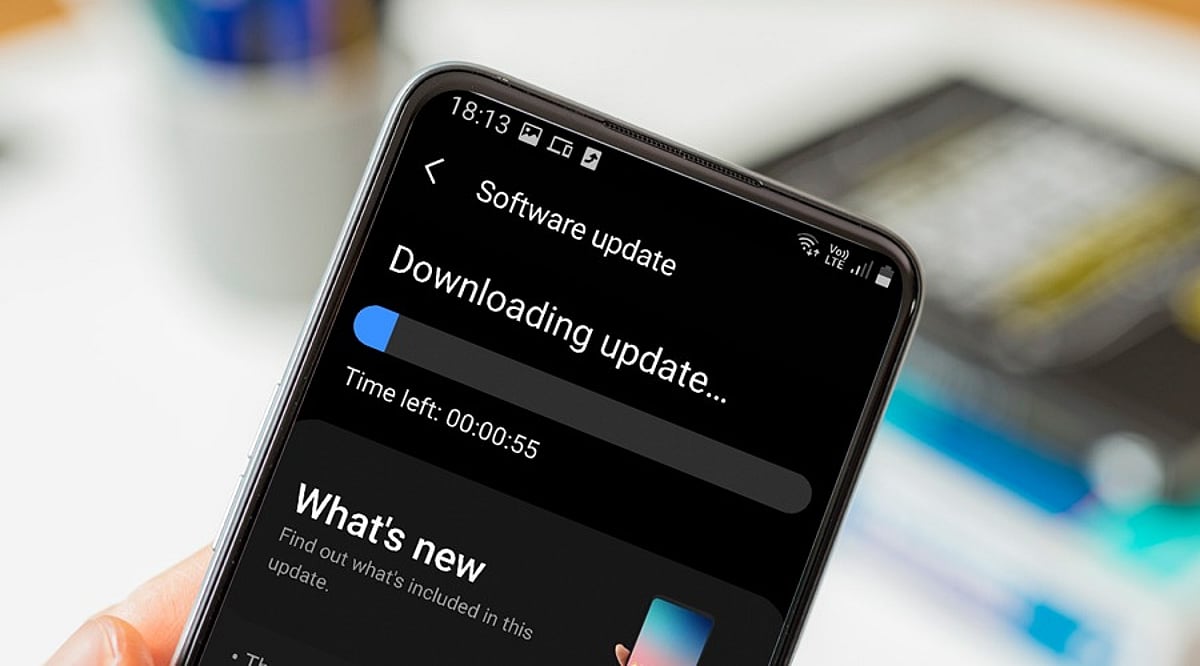
    When you tap ‘Download and Install’ on a mobile OS update, you’re triggering a process that began months earlier with software developers writing code. This article explains the entire journey of a mobile operating system update, from initial development to the moment it lands on your device.

    Development: Where Updates Begin

    Mobile OS updates start with software engineers creating new features, security patches, and system improvements. Individual components are tested before being integrated into larger builds. Major releases may introduce redesigned interfaces, new privacy controls, or updated system applications, while security updates focus on vulnerabilities and stability.

    Hardware Integration: Adapting to the Device

    An operating system cannot work without compatible hardware. Processors, cameras, modems, and displays require drivers and firmware to communicate with the OS. Chipset manufacturers play a key role, which is why Android updates often reach different models at different times. Manufacturers must adapt the OS to their specific hardware configurations, including user interface modifications and device-specific functions.

    Testing: Multiple Stages of Quality Assurance

    Before release, updates undergo extensive testing. Engineers check core functions like calling, messaging, Wi-Fi, Bluetooth, cameras, and battery management. Beta programs provide additional feedback from real users, helping developers catch issues that internal testing might miss.

    Certification and Carrier Approval

    For some devices, mobile operators test updates to ensure network compatibility. This stage can cause variations in update timing between countries and carriers.

    Distribution: OTA and Staged Rollouts

    Once testing is complete, the update is packaged for over-the-air (OTA) delivery. Companies often use staged rollouts, releasing the update to a small percentage of users first. If serious problems are found, distribution can be paused.

    Installation: What Happens on Your Phone

    Your smartphone periodically checks for updates. When available, it verifies the package’s authenticity, then replaces or updates system components. The device may restart several times. Modern recovery mechanisms help prevent bricking if the installation fails.

    Why Updates Arrive at Different Times

    Timing depends on device model, region, manufacturer, chipset, carrier requirements, and testing status. Older devices may follow different schedules. For Android, the many hardware configurations mean additional adaptation stages.

    Post-Installation

    After installation, the phone performs background tasks like app optimization and file reorganization. Users may notice new features, interface changes, or performance differences. Follow-up patches can address bugs discovered after wider deployment.

    Frequently Asked Questions

    • Why do smartphones receive OS updates at different times? Timing varies due to hardware adaptation, testing, carrier requirements, and regional distribution schedules.
    • What does OTA mean? OTA stands for Over-The-Air, allowing updates to be downloaded and installed directly without cables or service center visits.
    • How does hardware affect updates? Components like processors and cameras require compatible drivers, necessitating hardware-specific testing and adaptation.
    • Can a failed update brick my phone? Modern smartphones have recovery mechanisms to protect system integrity and recover from installation failures.
    • Why are staged rollouts used? They allow manufacturers to monitor updates on a small group and pause distribution if serious issues arise.
  • Free Fire MAX Redeem Codes (September 27, 2026): Unlock Diamonds, Skins, and In-Game Loot

    Free Fire MAX Redeem Codes (September 27, 2026): Unlock Diamonds, Skins, and In-Game Loot

    Garena keeps Free Fire MAX players busy with a fresh batch of redeem codes almost every day, and September 27, 2026 is no exception. These codes let you unlock diamonds, weapon skins, outfits, and other in-game extras without spending real money. The catch? Most of them stop working within a day, sometimes sooner.

    Below is today’s list of codes making the rounds, along with a quick guide on how to redeem them before they run out.

    Free Fire MAX Redeem Codes for September 27, 2026

    • 4ST1ZTBZBRP9 – free in-game rewards
    • FT4E9Y5U1I3O – special in-game item
    • FM6N1B8V3C4X – gun crate or related reward
    • FFDMNSW9KG2 – free in-game rewards
    • B1RK7C5ZL8YT – free in-game item
    • BR43FMAPYEZZ – free rewards
    • UPQ7X5NMJ64V – in-game collectible
    • S9QK2L6VP3MR – free in-game reward
    • FFR4G3HM5YJN – free reward

    These codes were pulled from public listings, not confirmed one by one. Some may already be expired, tied to specific regions, or maxed out on redemptions by the time you try them, so don’t be surprised if a couple don’t go through.

    How to Redeem Free Fire MAX Codes

    1. Go to Garena’s official Free Fire Rewards Redemption site.
    2. Log in with the account linked to your Free Fire MAX profile.
    3. Paste the code into the redemption field, double-checking every character.
    4. Hit confirm. If the code is still valid, the reward lands directly in your linked account.

    Copy and paste each code instead of typing it manually. These strings mix numbers and letters that look nearly identical on some screens, and a single wrong character is enough to trigger an error.

    Why These Codes Expire So Fast

    Redeem codes aren’t unlimited. Garena typically caps how many times a single code can be used, and once that cap is reached, no one else can claim it — even if the posted expiry date hasn’t passed. Region locks add another layer of unpredictability, since a code that works for one player might not work for someone in another country.

    That’s also why a code that worked for a friend or on a forum thread doesn’t guarantee it will work for you. Timing matters more than most players realize.

    What to Do if a Code Fails

    If a code shows an error, retrying it rarely helps. The code has likely expired, hit its redemption limit, or isn’t valid for your server. Skip it and try the next code on the list. Checking back later in the day can also help, since Garena sometimes releases additional codes as older ones run out.

    New codes tend to appear daily, so players who miss out today shouldn’t worry too much. Keep an eye on official Free Fire channels and redeem codes early in the day, before the redemption cap fills up — that remains the most reliable way to grab free rewards consistently.