Blog

  • Apple Watch Ultra 4: Blood Pressure Monitoring, Satellite Messaging, and Faster Performance Lead the Upgrades

    Apple Watch Ultra 4: Blood Pressure Monitoring, Satellite Messaging, and Faster Performance Lead the Upgrades

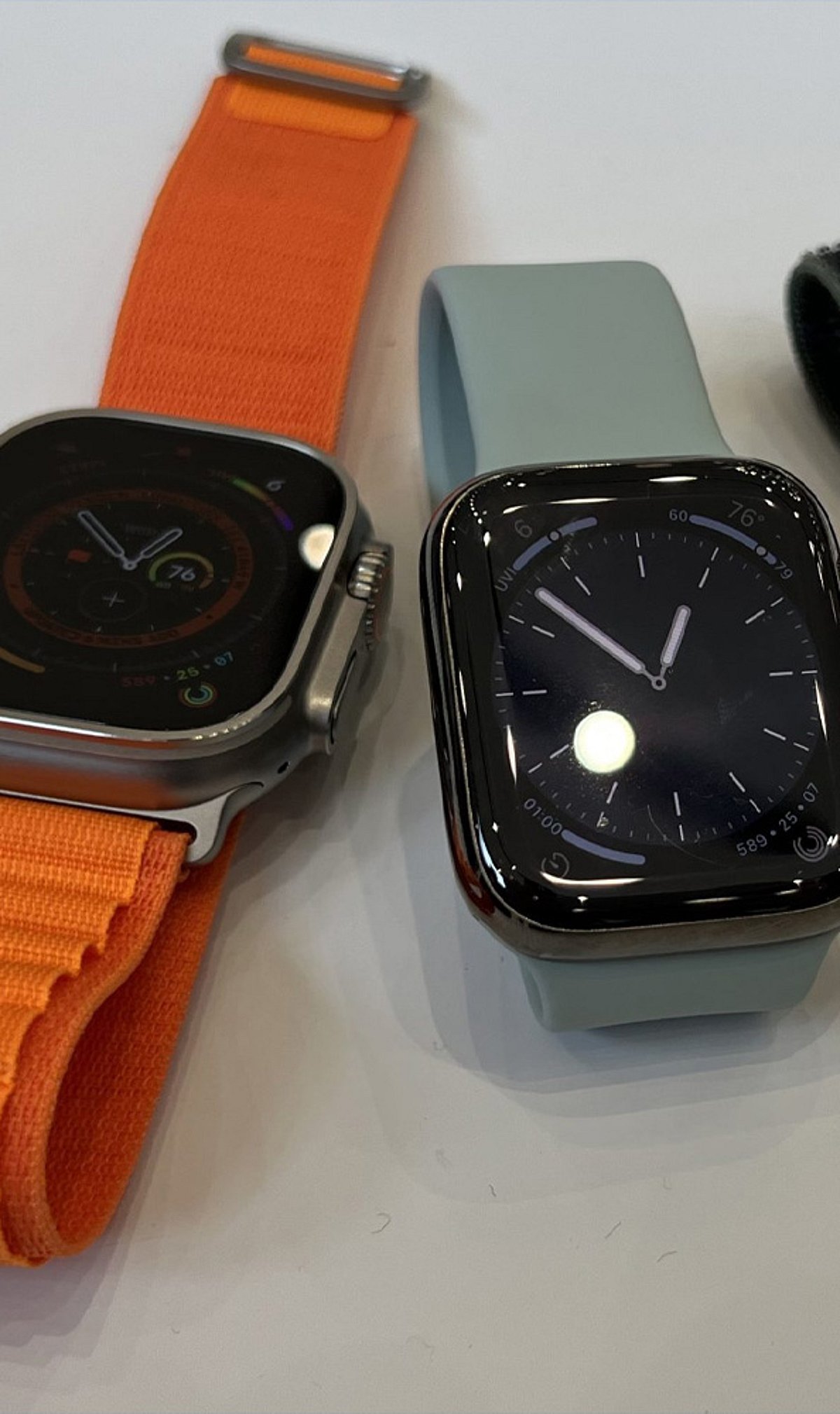
    The Apple Watch Ultra 4 is generating significant buzz ahead of its expected launch, promising meaningful upgrades that focus on health, connectivity, and performance. Here are three standout features that have me particularly excited.

    Smarter Health Tracking with Blood Pressure Monitoring

    Apple is reportedly introducing blood pressure monitoring to the Ultra 4, allowing users to track this vital metric directly from their wrist. This addition complements the existing heart rate and ECG capabilities, providing a more holistic view of cardiovascular health and early insights into potential issues.

    Satellite Connectivity for Off-Grid Communication

    One of the most anticipated features is satellite messaging, which would enable wearers to send messages even without cellular or Wi-Fi coverage. This is a game-changer for hikers, outdoor enthusiasts, and anyone who ventures into remote areas, offering peace of mind during emergencies.

    Faster Performance with a New Chip

    A next-generation Apple chip is expected to boost overall speed, battery efficiency, and app responsiveness. This means smoother navigation, quicker workout tracking, and improved multitasking for everyday tasks and fitness sessions.

    Beyond these three core upgrades, the Ultra 4 is also rumored to feature a brighter, more efficient display for better sunlight visibility, extended battery life, enhanced fitness tracking with smarter recovery insights, and a refined yet rugged titanium design. Combining health breakthroughs with outdoor-ready connectivity and powerful performance, the Apple Watch Ultra 4 is shaping up to be one of the most exciting smartwatch releases of the year.


  • Top Smartwatches in India 2026: A Comprehensive Guide

    Top Smartwatches in India 2026: A Comprehensive Guide

    Smartwatches have become essential companions for fitness enthusiasts, tech lovers, and everyday users alike. As we look ahead to 2026, the Indian market offers a diverse range of options, from premium flagships to budget-friendly models. Below is a curated list of the best smartwatches available in India in 2026, covering top-tier features, health tracking, and value for money.

    • Apple Watch Ultra 3: Premium titanium design, advanced health tracking, precise GPS, satellite connectivity, exceptional performance, and seamless integration with the Apple ecosystem.
    • Samsung Galaxy Watch 8: Excellent Wear OS experience, accurate sleep tracking, AI-powered health insights, smooth performance, and a premium AMOLED display for Android users.
    • OnePlus Watch 3: Flagship performance, long battery life, dual-chip architecture, accurate fitness tracking, and a premium design suitable for everyday use and fitness enthusiasts.
    • Google Pixel Watch 4: Refined Wear OS software, beautiful circular design, advanced Fitbit health features, reliable performance, and seamless integration with Pixel smartphones.
    • Garmin Forerunner 970: Built for serious athletes with advanced training metrics, multi-band GPS, endurance analytics, long battery life, and premium fitness capabilities.
    • Amazfit Active 3: Impressive battery life, comprehensive health monitoring, built-in GPS, lightweight design, and excellent value for fitness-focused buyers.
    • CMF Watch Pro 2: Stylish design, AMOLED display, accurate health tracking, Bluetooth calling, and outstanding value for budget-conscious buyers.
    • Noise ColorFit Pro 5: AMOLED display, Bluetooth calling, health monitoring, dependable battery backup, and affordable pricing for everyday users.
    • Redmi Watch 5 Active: Large display, essential fitness tracking, Bluetooth calling, dependable battery life, and exceptional affordability for first-time smartwatch buyers.

    Whether you prioritize advanced health metrics, long battery life, or a sleek design, there is a smartwatch on this list to meet your needs. Stay tuned for more updates on the latest gadgets and wearable technology.

  • New Gilmore Girls Documentary Coming to HBO Max with Rare Behind-the-Scenes Footage

    New Gilmore Girls Documentary Coming to HBO Max with Rare Behind-the-Scenes Footage

    HBO Max is developing an official Gilmore Girls documentary that celebrates the beloved series with exclusive stories and never-before-seen behind-the-scenes footage.

    The documentary will include unseen outtakes, production footage, and original script pages, offering fans a closer look at the show’s creation. Series creator Amy Sherman-Palladino and executive producer Daniel Palladino will share memories, creative insights, and personal stories from the production journey.

    Lauren Graham, who played Lorelai Gilmore, is confirmed to appear and reflect on the show’s lasting impact and unforgettable moments. The film will explore how Gilmore Girls became a global favorite through its fast dialogue, memorable characters, and small-town charm.

    The documentary remains untitled, and HBO Max has not announced an official release date for fans eagerly awaiting its debut. This marks the first officially authorized Gilmore Girls documentary, giving filmmakers access to exclusive archives and behind-the-scenes material unavailable elsewhere.

    The announcement comes alongside continued fan excitement as Gilmore Girls celebrates its enduring legacy more than two decades after its premiere. Fans can expect heartfelt interviews, rare footage, and fresh perspectives that honor the show’s influence on television and popular culture.

  • Microsoft’s Next Xbox Could Play Every Xbox Game Ever Made – Including All 5 Generations

    Microsoft’s Next Xbox Could Play Every Xbox Game Ever Made – Including All 5 Generations

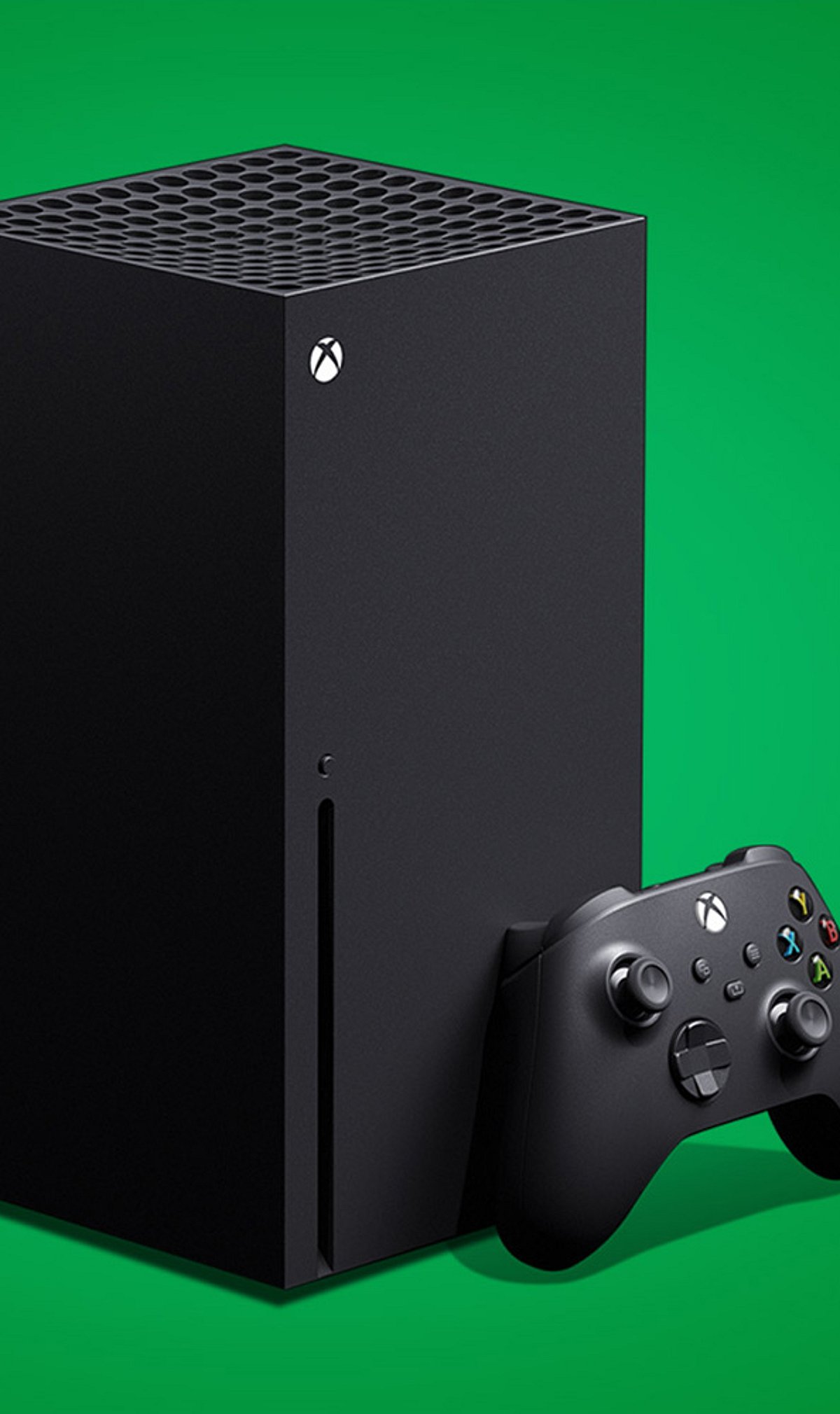
    Microsoft’s next-generation Xbox console is reportedly set to achieve an unprecedented backward compatibility milestone, supporting games from every Xbox generation ever released. According to recent reports, the upcoming console will run titles from the original Xbox, Xbox 360, Xbox One, Xbox Series X|S, and the new generation itself—all on a single device.

    A Massive Leap in Backward Compatibility

    This would mark the first time a single Xbox console supports all five generations of Xbox games, creating a seamless ecosystem that preserves decades of gaming history. Players would no longer need to keep multiple legacy consoles connected to revisit classic favorites.

    Preserving Gaming History

    By supporting older titles, Microsoft helps preserve classic Xbox experiences. Gamers can revisit beloved franchises without hunting down old hardware, and digital libraries remain relevant across generations. Existing digital purchases are expected to continue working, giving players confidence that their collections retain value.

    Enhanced Performance for Classics

    Older games could benefit from modern hardware enhancements, including faster loading times, smoother frame rates, and improved stability. This optimization could breathe new life into classic titles, making them more enjoyable on current displays and systems.

    A Competitive Edge Over Rivals

    Comprehensive backward compatibility could give Xbox a strong advantage by offering a single platform that spans decades of gaming. This approach appeals to both long-time collectors with extensive libraries and new players eager to explore iconic franchises.

    Great News for Collectors and Longtime Fans

    For Xbox enthusiasts who have built up large game collections over the years, the next console promises easier access to their entire library without reconnecting multiple older consoles. It could become Microsoft’s most consumer-friendly console yet.

    Important Note: Microsoft has not officially confirmed these compatibility claims. The current reports should be treated as rumors until the company makes a formal announcement. If accurate, however, the next Xbox could redefine backward compatibility in the console space.

  • 10 Fintech Leaders Revolutionizing Digital Payments Worldwide

    10 Fintech Leaders Revolutionizing Digital Payments Worldwide

    From mobile wallets to global payment networks, a new wave of fintech companies is transforming how the world sends and receives money. Here are ten key players driving innovation in digital payments.

    Stripe

    Stripe powers online payments for millions of businesses with developer-friendly APIs and global payment solutions, making it a cornerstone of modern e-commerce.

    PayPal

    PayPal remains one of the world’s most trusted digital payment platforms, serving both consumers and merchants with secure and convenient transactions.

    Block (Square)

    Block, formerly known as Square, simplifies digital payments for businesses while expanding into banking, Bitcoin, and financial services.

    Adyen

    Adyen enables seamless omnichannel payments for global brands through a unified commerce platform, catering to enterprise-level needs.

    Razorpay

    Razorpay has become a leading fintech firm in India, offering payment gateways and business banking solutions to a growing market.

    PhonePe

    PhonePe continues to drive UPI adoption across India with digital payments, financial services, and merchant solutions.

    Revolut

    Revolut combines digital banking, global payments, investing, and cryptocurrency services in a single app, appealing to modern consumers.

    Wise

    Wise makes international money transfers faster and cheaper through transparent exchange rates, challenging traditional remittance services.

    These companies exemplify the rapid evolution of fintech, each contributing to a more accessible and efficient financial ecosystem.

  • SpaceX Software Engineer Compensation: What Top Engineers Earn in 2025

    SpaceX Software Engineer Compensation: What Top Engineers Earn in 2025

    SpaceX has become one of the most sought-after employers for software engineers, combining cutting-edge aerospace technology with competitive compensation packages. This article breaks down the salary tiers, benefits, and skills that define a career at the rocket company.

    Entry-Level Engineer

    Early-career software engineers at SpaceX earn competitive salaries while working on groundbreaking aerospace systems. The hands-on experience and exposure to mission-critical projects often outweigh the base pay for many new graduates.

    Mid-Level Engineer

    Experienced engineers receive higher compensation as they take on greater project responsibilities. Mid-level roles involve leading development of software that controls launch vehicles, satellites, and ground systems.

    Senior Software Engineer

    Senior engineers command premium salaries for overseeing mission-critical software development. They are responsible for architecture decisions and mentoring junior team members.

    Principal Engineer

    Principal engineers shape SpaceX’s software architecture and receive top-tier compensation packages. These roles influence the technical direction of the entire company.

    Stock-Based Compensation

    Employees may receive equity awards alongside their base salary and bonuses, aligning their interests with the company’s long-term success.

    Benefits

    SpaceX offers healthcare, retirement plans, paid leave, and other employee benefits that complement the total compensation package.

    Skills Required

    Strong programming skills, experience with distributed systems, embedded software development, and problem-solving abilities are highly valued. Engineers must thrive in a fast-paced, innovative environment.

    Work Environment

    The engineering culture at SpaceX is defined by rapid iteration, challenging projects, and a mission-driven focus. Employees work on technologies that push the boundaries of space exploration.

  • RBI’s New Rules on Remote Locking of Financed Devices: What Borrowers Must Know

    RBI’s New Rules on Remote Locking of Financed Devices: What Borrowers Must Know

    The Reserve Bank of India (RBI) has unveiled a regulatory framework that governs how banks and other regulated lenders can remotely restrict smartphones, tablets, and laptops that were financed through specific loans. Slated to take effect on January 1, 2027, these rules aim to strike a balance between lenders’ recovery rights and stronger consumer protections.

    Under the new guidelines, lenders cannot block a device immediately after a missed EMI. Restrictions may only be imposed after a loan is overdue for at least 30 days, and even then, lenders are expected to use a phased approach rather than an immediate lock. A full device restriction can only occur after 60 days of overdue repayments, giving borrowers additional time to regularize payments.

    The RBI has also mandated that certain essential services must remain operational even under restrictions. These include incoming phone calls, SMS services, emergency SOS functions, and work-related features. Furthermore, lenders are prohibited from accessing personal information on the financed device—such as contact lists, photos, videos, SMS, call logs, or location history—unless directly related to loan recovery.

    Borrowers must receive prior intimation before any restriction is applied, and lenders must clearly explain the terms at the time of loan sanction. If a borrower clears their overdue payment, the lender must restore full device access within one hour of payment clearance. Failure to do so results in a penalty of Rs. 250 per hour of delay, up to the outstanding loan amount.

    The framework also preserves borrowers’ contractual rights to prepay or foreclose loans. Overall, the RBI’s new rules provide a balanced approach to using technology in loan recovery without imposing undue restrictions on consumers or compromising their data privacy.

  • IT Stocks Rise as Infosys Shorts Are Covered and Tech Mahindra Draws Fresh Bets

    IT Stocks Rise as Infosys Shorts Are Covered and Tech Mahindra Draws Fresh Bets

    The Indian IT sector rallied in Tuesday’s trading session as bearish bets on Infosys were unwound and fresh buying emerged in Tech Mahindra. TCS led the gains, helping the entire sector close on a strong note.

    Tech Mahindra’s futures surged 2.30% to Rs 1,675, with open interest climbing 9.86% — a clear sign of new money entering the stock. Meanwhile, TCS, Infosys, and HCLTech futures advanced between 1% and 2%, but their open interest declined, indicating short covering rather than fresh accumulation. Wipro futures edged up 0.91%, but open interest fell 0.26%.

    The contrasting open interest data reveals diverging investor strategies. Short covering in Infosys suggests that bearish traders rushed to exit positions as the stock rebounded. In contrast, Tech Mahindra’s rising open interest signals that institutional and retail investors are placing fresh bets, betting on further upside.

    The broader market context also supports the rotation into IT. After a strong run in banking and other cyclical sectors, traders are now rotating capital into technology stocks, seeking the next wave of growth. This shift in focus has given the Nifty IT index a fresh lift.

    Market analysts note that fresh buying — rather than mere short covering — is often viewed as a more durable indicator of confidence. The latest data suggests that while some investors were forced to cover shorts in Infosys, others are actively building positions in Tech Mahindra, expecting the stock to outperform.

    The IT sector’s performance will remain sensitive to global cues, corporate earnings, and currency movements. However, the recent price action and volume patterns indicate that many traders believe the rally has further room to run.

    As always, investors should monitor evolving macro conditions and company-specific developments before making trading decisions.

  • Infosys Co-Founder Nandan Nilekani: Applied AI Can Unlock Major Productivity Gains for India

    Infosys Co-Founder Nandan Nilekani: Applied AI Can Unlock Major Productivity Gains for India

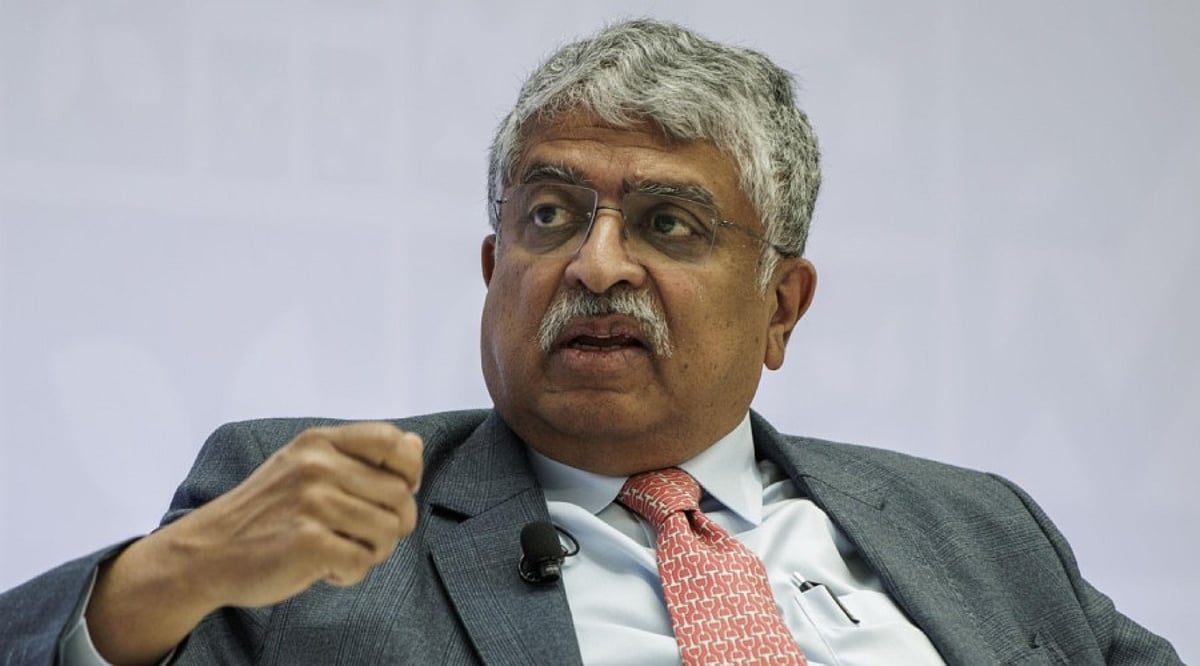
    India could see strong productivity gains from artificial intelligence over the next decade, Infosys co-founder Nandan Nilekani said Thursday at the India Policy Forum in New Delhi. He emphasized that applied AI represents India’s biggest opportunity, not cutting-edge hardware or large language models.

    “It’s in the area of applied AI that India will become a leader,” Nilekani said, according to sources. He argued that India could become the “AI use case capital of the world” by deploying practical AI solutions to everyday problems in sectors such as healthcare, education, agriculture and financial services.

    Nilekani noted that India’s existing digital public infrastructure—including Aadhaar and UPI—provides a strong foundation to deliver AI tools to millions of people across the country, including those in remote areas.

    However, he also raised concerns about AI’s impact on employment, particularly in large organizations. “Large companies will probably be net job losers in the coming years,” he warned, as routine tasks become automated. Small businesses, he suggested, could become the primary engine for job creation in an AI-driven economy.

    To fully realize the benefits of AI, Nilekani stressed the need for improved skills training, broader digital access, and reliable systems. Wider adoption, he said, could turn AI-driven productivity into stronger economic growth and greater inclusion for all Indians.

  • Suno’s New Copyright Measures: A Smart Move or Legal Damage Control?

    Suno’s New Copyright Measures: A Smart Move or Legal Damage Control?

    On August 6, 2026, Suno, the AI music generation platform valued at $5.4 billion following its June 2026 Series D, announced a set of new measures aimed at addressing copyright concerns. The company revealed plans to implement audio watermarking and fingerprinting technology, update its community guidelines, and introduce a new download policy to prevent the mass distribution of AI-generated songs on streaming services. This move comes as Suno faces multiple copyright lawsuits from major labels and artist bodies, including a recent ruling in Munich where the company was found liable for infringing German song copyrights.

    CEO Mikey Shulman outlined four operating principles in a blog post titled “How We’re Building the Future of Music Responsibly”: that great music is made by people, technology unlocks new creative possibilities, AI should encourage originality rather than imitation, and that more people making music should strengthen the wider ecosystem. The concrete changes include the rollout of watermarking and fingerprinting to identify Suno-generated tracks on streaming platforms, updated community guidelines with tiered enforcement (warnings, suspensions, bans, and referrals to authorities), and a download policy designed to prevent mass distribution of AI-generated songs on streaming services. The company also announced a partnership with lyrics provider Musixmatch to integrate its Sentinel copyright detection system.

    However, many questions remain unanswered. Suno has not confirmed which specific watermarking technology it will use, whether it will adopt an existing system like Google’s SynthID or build its own, and has not provided a specific rollout timeline beyond “coming weeks.” The company’s approach to transparency is also ambiguous: Shulman explained that the new tools give artists and platforms the choice to disclose AI origins but do not mandate it. Critics from the music industry note that these measures fail to address the core question of whether Suno’s training datasets included copyrighted material without authorization, which is the central allegation in the ongoing RIAA lawsuit.

    The situation has been further complicated by a hack of Suno’s source code in July, which reportedly revealed that the AI was trained by scraping music and lyrics from platforms such as YouTube Music and Genius. The music industry, including major labels like Sony and Universal, has been pursuing legal action against Suno for mass copyright infringement since 2024. Many experts believe that while Suno’s new transparency tools are a step in the right direction for industry cooperation, they are insufficient to satisfy the music industry’s demand for answers regarding training data.