Blog

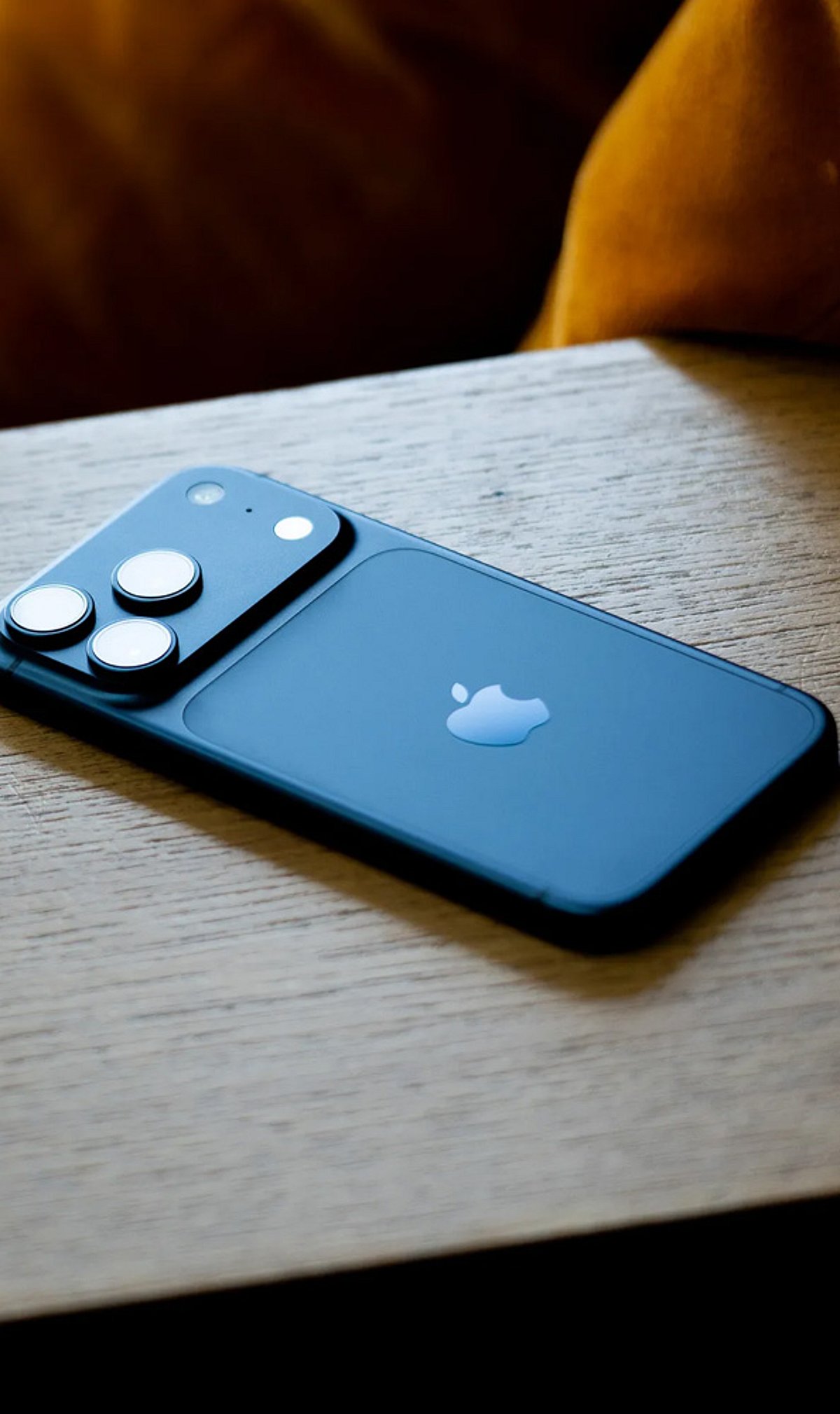
  • iPhone 20 Pro and Pro Max Rumored to Debut with Larger Screens and Bezel-Free Design

    iPhone 20 Pro and Pro Max Rumored to Debut with Larger Screens and Bezel-Free Design

    Apple’s upcoming 20th anniversary iPhone lineup is generating buzz with reports of significant display upgrades and a refreshed aesthetic. According to a well-known Chinese tipster, Digital Chat Station, the iPhone 20 Pro could feature a 6.4-inch screen, while the iPhone 20 Pro Max may push to 7 inches—marking the largest displays ever on an iPhone. The devices are expected to launch in September 2027, commemorating two decades since the original iPhone’s release.

    The new Pro models are also tipped to adopt a bezel-free design with curved glass wrapping around all four edges. This approach could make the screen appear even larger without substantially increasing the phone’s overall footprint, giving the anniversary edition a distinctive, modern look.

    Beyond the display, the iPhone 20 Pro series may introduce several other innovations. Under-display Face ID technology could reduce the size of the Dynamic Island, while solid-state buttons might replace traditional physical buttons on the frame. Additional rumored upgrades include a brighter OLED panel, a next-generation 2nm chip, and a silicon anode battery designed to enhance battery life without adding thickness.

    It’s important to note that Apple has not officially confirmed any of these details, and the final design and features could change before the 2027 launch. As always, these rumors should be approached with cautious optimism.

  • Sovereign Gold Bond August 2026 Redemption: Six Eligible Series and Key Dates

    Sovereign Gold Bond August 2026 Redemption: Six Eligible Series and Key Dates

    Key Takeaways

    • Six Sovereign Gold Bond series are eligible for premature redemption in August 2026.
    • Investors must submit redemption requests within each series’ application window.
    • Redemption value is based on the average IBJA 999-purity gold price over the three business days before redemption.

    Six SGB Series Eligible for Premature Redemption

    The Reserve Bank of India (RBI) has confirmed the Sovereign Gold Bond (SGB) series that can be redeemed early in August 2026. All six series have completed the mandatory five-year lock-in period, giving investors a chance to exit before the full eight-year tenure ends.

    Here is the complete list of eligible series, redemption dates, and application windows:

    Bond Series Redemption Date Application Window
    SGB 2020-21 Series XI Aug 7, 2026 Jul 9 – Jul 28, 2026
    SGB 2019-20 Series IX Aug 11, 2026 Jul 10 – Aug 1, 2026
    SGB 2020-21 Series V Aug 11, 2026 Jul 10 – Aug 1, 2026
    SGB 2018-19 Series VI Aug 12, 2026 Jul 10 – Aug 3, 2026
    SGB 2019-20 Series III Aug 14, 2026 Jul 14 – Aug 4, 2026
    SGB 2021-22 Series V Aug 17, 2026 Jul 17 – Aug 7, 2026

    Five-Year Lock-In Still Applies

    Sovereign Gold Bonds carry an eight-year maturity, but RBI allows early redemption after five years. This facility is available only on the interest payment dates assigned to each series. Only investors who have held the bonds for at least five years from the issue date are eligible for premature redemption.

    How the Redemption Price Is Set

    The redemption value is not fixed. RBI calculates it as the simple average of the closing price of 999-purity gold over the three business days immediately before the redemption date. The official prices published by the India Bullion and Jewellers Association (IBJA) are used for this calculation. This means the payout tracks current market conditions closely.

    How to Submit a Redemption Request

    Eligible investors must file their redemption requests within the specified window. Applications are accepted by banks, post offices, Stock Holding Corporation of India Limited (SHCIL), and authorised stockbrokers, depending on where the bonds were originally purchased. After processing, the redemption amount is credited to the investor’s linked bank account.

    Missing the deadline means waiting for the next eligible redemption date or holding the bond until full maturity. Timely submission is essential for anyone planning an early exit.

    Part of a Larger Redemption Schedule

    The August calendar is part of RBI’s broader redemption schedule for the first half of the financial year. Between April and September 2026, 33 SGB tranches are eligible for premature redemption. This gives bondholders across multiple series ample time to plan their next move and prepare the required paperwork.

    Why Gold Investors Are Paying Attention

    Sovereign Gold Bonds continue to draw interest because they combine market-linked gold exposure with a fixed 2.5% annual interest on the original investment. With gold prices remaining strong, many investors are weighing the benefits of early redemption versus holding until maturity. Since no new SGB issues have been launched after February 2024, existing series have become even more valuable in investor portfolios.

    Frequently Asked Questions

    Which SGB series can be redeemed in August 2026?

    The six eligible series are SGB 2020-21 Series XI, SGB 2019-20 Series IX, SGB 2020-21 Series V, SGB 2018-19 Series VI, SGB 2019-20 Series III, and SGB 2021-22 Series V.

    When can SGB investors redeem before maturity?

    Premature redemption is allowed after five years from the issue date, but only on the fixed interest payment dates announced for each series.

    How is the SGB redemption price calculated?

    RBI uses the simple average of the closing prices of 999-purity gold for the three business days preceding the redemption date, based on IBJA rates.

    Where can investors submit redemption requests?

    Applications can be submitted through the bank, post office, SHCIL, or authorised stockbroker where the bonds were purchased.

    What happens if an investor misses the application deadline?

    They will not be able to redeem in the current window and must wait for the next eligible redemption date or hold the bond until its eight-year maturity.

  • iVenus Freedom to Upgrade Sale 2026: Top Apple Deals on iPhone, MacBook, iPad and More

    iVenus Freedom to Upgrade Sale 2026: Top Apple Deals on iPhone, MacBook, iPad and More

    The iVenus Independence Day Offer 2026, themed “Freedom to Upgrade,” is now live, bringing substantial savings across the latest Apple lineup. Running until August 17, 2026, this campaign combines store discounts, exchange bonuses, cashback, student offers, easy EMI, and free accessories to make upgrading more affordable. Shoppers can save up to ₹21,000 on the MacBook Air M4 and ₹13,000 on select iPhones.

    Key Highlights

    • Save up to ₹21,000 on MacBook Air M4 and ₹13,000 on selected iPhone models.
    • Exchange bonuses up to ₹10,000, plus cashback via ICICI Bank and SBI Cards.
    • Enjoy easy EMI, student discounts, and free Apple accessories on eligible purchases.

    iPhone 16 Offer – Effective Price from ₹38,900

    The iPhone 16 is a standout deal. With an exchange of an iPhone 14 (128GB, good condition) valued at ₹20,000, the effective price starts at ₹38,900. Total benefits reach ₹13,000, including an exchange bonus of up to ₹8,000. ICICI Bank and SBI Card users can get additional cashback. EMI starts at ₹2,954/month, and selected purchases include a free MagSafe Power Bank worth ₹4,000.

    iPhone 16e – Great Value for Budget-Conscious Buyers

    The iPhone 16e offers an effective exchange price from ₹19,900, with total benefits of ₹12,000 and an exchange bonus of up to ₹8,000 (minimum eligible exchange value of ₹10,000). EMI starts at ₹2,162/month, making this an accessible entry point to the latest iPhone experience.

    iPhone 16 Pro – Premium Savings for Power Users

    Upgrade to the iPhone 16 Pro with an effective exchange price from ₹75,500. Total benefits amount to ₹11,400, with an exchange bonus of up to ₹8,000 (based on iPhone 15 128GB trade-in value of ₹25,000). EMI starts at ₹9,042/month, and buyers receive a free Apple MagSafe Case worth ₹4,900 on select purchases.

    MacBook Air M4 – Save Up to ₹21,000

    The latest MacBook Air with the M4 chip starts at an effective price of ₹78,900. Total savings reach ₹21,000, combining store discounts, student discounts, exchange bonuses (up to ₹10,000), and cashback. EMI from ₹3,705/month makes it ideal for students, professionals, and creators.

    iPad A16 – Festive Price Drop

    The iPad with A16 chip (128GB Wi-Fi) is available from ₹29,400, with total savings of ₹5,500. Eligible buyers can combine store discounts, student discounts, and bank cashback. EMI starts at just ₹1,309/month.

    Additional Value: Cashback, Exchange & EMI

    Beyond price cuts, the campaign offers instant store discounts, cashback via ICICI Bank and SBI Cards, and the Cashify exchange program. Many products qualify for easy EMI, and selected iPhone purchases come with free Apple accessories worth up to ₹4,900. Students enjoy extra savings on Mac and iPad models.

    Why This Matters

    Apple products typically carry high price tags, making festive sales a key opportunity to purchase at lower rates. The iVenus Independence Day Offer combines multiple savings avenues, giving customers a rare chance to upgrade affordably.

    Final Thoughts

    The 2026 iVenus campaign includes savings of up to ₹13,000 on iPhone models, ₹21,000 on MacBook Air M4, and ₹5,500 on iPad A16, along with free accessories, cashback, student discounts, and convenient EMI. The sale runs until August 17, 2026—an ideal window for anyone considering an Apple upgrade.

    FAQs

    1. When does the iVenus Independence Day Offer 2026 end? The campaign runs until August 17, 2026.
    2. Which Apple products are included? The sale covers iPhone 16 series, MacBook Air M4, iPad A16, and selected accessories.
    3. Are exchange offers available? Yes—eligible device exchanges provide bonuses up to ₹10,000.
    4. Is cashback available? Yes, cashback is offered via ICICI Bank and SBI Cards on eligible purchases.
    5. Do students receive extra discounts? Yes, eligible students enjoy additional savings on select MacBook and iPad models.

  • Christopher Nolan’s ‘The Odyssey’ Nears $1 Billion After Surpassing $910 Million Worldwide

    Christopher Nolan’s ‘The Odyssey’ Nears $1 Billion After Surpassing $910 Million Worldwide

    Christopher Nolan’s epic drama The Odyssey has achieved another major box office milestone, earning over $910 million globally after a powerful third weekend in theaters. The film now stands between $910 million and $912 million in worldwide collections, cementing its place as one of the biggest releases of 2026. Strong audience demand continues across multiple countries, with cinema owners reporting sustained interest and near-sellout screenings.

    Domestic and International Performance

    During its first ten days, The Odyssey generated approximately $286 million in North America and $353.2 million from international markets, bringing the early total to $639.6 million. The film maintained momentum into its second and third weeks, with audiences in Europe, Asia, Australia, and other regions driving steady ticket sales.

    Remarkable Third-Weekend Stability

    Unlike many blockbusters that see sharp drops after opening weekend, The Odyssey showed exceptional staying power. Its third weekend added an estimated $87 million worldwide, keeping it at the top of the global box office. Positive word-of-mouth and repeat viewership have contributed to consistent business across multiple weekends, a standout achievement in its theatrical run.

    IMAX Sets New Records

    Premium screens played a crucial role in the film’s success. IMAX alone generated over $200 million globally, making The Odyssey the fastest title in IMAX history to cross that milestone. Large-format presentations have remained sold out at many locations, driven by praise for the film’s visual scale and cinematic experience. The performance also helped IMAX record its highest-grossing month ever in July 2026, with $257 million in revenue.

    Another Historic Hit for Nolan

    Christopher Nolan continues to deliver epic movie experiences. The Odyssey ranks among his highest-grossing films, with the speed of its billion-dollar climb underscoring his widespread popularity. The film appeals both to loyal fans and general audiences, thanks to its high production values, large-scale storytelling, and memorable theatrical experience.

    Racing Toward $1 Billion

    With the worldwide total already above $910 million, The Odyssey needs less than $90 million to reach the coveted $1 billion mark. Industry experts expect the film to continue its strong run over the next few weeks, supported by stable weekend earnings, healthy weekday collections, and ongoing demand for premium formats. International markets still offer fresh opportunities, while repeat viewership provides an additional boost. Crossing the billion-dollar threshold would place The Odyssey among an elite group of global box office champions and mark another historic chapter in Nolan’s career.

    Key Takeaways

    • Worldwide total exceeds $910 million, making it one of 2026’s biggest blockbusters.
    • IMAX contributed over $200 million, setting a new record for the fastest film to reach that milestone.
    • The $1 billion global box office milestone is now within striking distance.
  • 10-Step AEO Guide for Publishers to Boost AI Search Visibility in 2027

    10-Step AEO Guide for Publishers to Boost AI Search Visibility in 2027

    As artificial intelligence reshapes how users discover content, publishers must adapt their strategies to remain visible in AI-driven search results. Answer Engine Optimization (AEO) focuses on creating clear, reliable, and easy-to-understand content that AI systems can interpret and present directly to users. Here is a practical 10-step checklist for publishers aiming to improve their AI search visibility in 2027.

    1. Understand Answer Engine Optimization

    Learn the fundamentals of AEO: how AI search engines prioritize content that directly answers user questions with clarity and authority. Consistent application of AEO principles helps your content appear in featured snippets, voice search results, and AI-generated summaries.

    2. Focus on Search Intent

    Shift from keyword stuffing to intent-driven content. Every article should address a real user question or problem. Match the format—whether step-by-step, listicle, or FAQ—to the searcher’s underlying need rather than just targeting high-volume keywords.

    3. Create Helpful Content

    Publish original, accurate, and actionable articles. AI algorithms favor content that provides clear value, solves problems, and leaves readers satisfied. Avoid fluff; every sentence should serve the user’s intent.

    4. Use Clear Content Structure

    Break articles into well-defined sections with descriptive headings, short paragraphs, bullet points, and numbered lists. A logical hierarchy helps AI systems parse and extract key information quickly. Include an FAQ section when appropriate.

    5. Build Trust and Authority

    Include author bylines, credentials, and links to reliable sources. Cite updated data and transparent methodologies. Trust signals—like expert quotes, reputable references, and publication dates—boost your chances of being chosen for AI-generated answers.

    6. Add Schema Markup

    Implement structured data such as FAQ, Article, and How-To schemas. Schema markup provides explicit context to search engines, enabling them to understand your content’s structure and improve its eligibility for rich results and AI features.

    7. Improve Website Performance

    Optimize page load speed, ensure mobile responsiveness, and use HTTPS for security. Fast, accessible websites enhance user experience and are prioritized by AI-powered platforms that measure performance as a ranking signal.

    8. Keep Content Fresh

    Regularly review and update articles with new information, statistics, and examples. Stale content loses relevance for both readers and AI models. Set a schedule to refresh high-traffic pages and add timely insights.

    9. Track Performance and Improve

    Monitor key metrics: rankings in AI search results, click-through rates, AI referral traffic, and user engagement (time on page, bounce rate). Use these insights to refine your AEO strategy and iterate on what works.

    10. Stay Ahead of AI Evolution

    Keep informed about updates to major AI search algorithms (Google SGE, Bing Chat, etc.) and adapt your tactics accordingly. Attend webinars, follow industry leaders, and experiment with new content formats like video and interactive media.

    By following this checklist, publishers can build a sustainable AEO framework that ensures their content remains discoverable and valuable in an AI-first search landscape.

  • Apple’s 2026 Product Roadmap: iPhone 18, Smart Home Hub, and More

    Apple’s 2026 Product Roadmap: iPhone 18, Smart Home Hub, and More

    Apple has a packed schedule for the remainder of 2026, with new iPhones, smart home devices, software updates, and refreshed accessories all expected before the year ends. Here’s a breakdown of the major launches and enhancements coming your way.

    iPhone 18: Faster, Smarter, Longer-Lasting

    The iPhone 18 lineup is rumored to feature faster processors, improved camera systems, extended battery life, and advanced on-device AI capabilities. Apple continues to push the boundaries of performance and intelligence with each generation.

    HomePod with Display and Smart Home Hub

    Apple is reportedly working on a refreshed HomePod that includes a smart display, enabling better home controls, video calls, and deeper HomeKit integration. Additionally, a dedicated smart home hub is in development to manage lights, security devices, entertainment systems, and connected appliances seamlessly.

    AirPods and Apple Watch Updates

    AirPods are expected to receive software enhancements that bring smarter voice features, improved audio quality, and tighter integration across Apple’s ecosystem. The Apple Watch will likely focus on health tracking, battery efficiency, and new watchOS features designed to improve daily fitness and productivity.

    Apple Intelligence Expands Across Devices

    Apple Intelligence will be broadened to include more AI tools across iPhone, iPad, Mac, and home devices. The upcoming software updates – iOS 27, iPadOS, and macOS improvements – promise smoother performance, stronger privacy protections, and useful everyday enhancements for users.

    Overall, Apple’s remaining 2026 roadmap highlights a stronger emphasis on AI, smarter homes, and connected devices, reinforcing its ecosystem as the center of daily digital life.

  • ElevenLabs Explained: AI Voice Technology for Text-to-Speech, Voice Cloning, and More

    ElevenLabs Explained: AI Voice Technology for Text-to-Speech, Voice Cloning, and More

    ElevenLabs is an artificial intelligence company at the forefront of voice technology innovation. The platform offers a suite of tools—including text-to-speech, voice cloning, dubbing, and conversational AI—designed for creators, businesses, and developers who need natural, expressive audio.

    Text-to-Speech

    ElevenLabs converts written text into speech with realistic intonation, emotion, and pronunciation. It supports multiple languages and accents, making it easy to produce high-quality voiceovers for any project.

    Voice Cloning

    From just a short audio sample, ElevenLabs can create a digital replica of a person’s voice. With proper permissions, this enables narration, content creation, accessibility tools, and enterprise communication.

    AI Dubbing

    The platform translates and dubs videos into different languages while preserving the original speaker’s tone, style, and delivery. This helps global audiences enjoy content without losing the authentic feel.

    Speech-to-Text

    ElevenLabs also transcribes spoken audio into accurate text. This makes interviews, meetings, podcasts, and videos easier to search, edit, and repurpose.

    Conversational AI

    The conversational AI feature powers voice agents that can handle customer support, virtual assistance, and interactive dialogues with natural speech responses.

    Multilingual Support

    With support for dozens of languages, ElevenLabs allows creators and businesses to produce localized audio content without hiring multiple voice actors.

    Content Creation

    ElevenLabs is widely used for audiobooks, YouTube videos, podcasts, games, e-learning, marketing campaigns, and accessibility–focused applications across industries.

    Safety Features

    To reduce misuse, ElevenLabs includes voice verification, moderation tools, and consent–focused policies. These measures promote responsible AI voice generation while protecting users.

    For more stories like this, join our WhatsApp channel to get the latest news, exclusives, and videos.

  • Anthropic’s $10B Norway Compute Deal Taps 121MW of NVIDIA Vera Rubin Capacity

    Anthropic’s $10B Norway Compute Deal Taps 121MW of NVIDIA Vera Rubin Capacity

    Anthropic has reportedly signed a six-year, $10 billion compute agreement with Volta Infra Holdings for 121 megawatts of NVIDIA Vera Rubin capacity in Norway. Bloomberg identified Anthropic as the unnamed AI laboratory behind the contract, citing people familiar with the matter.

    Key Details at a Glance

    • Parties: Anthropic (reported), Volta Infra Holdings, and Bitdeer
    • Capacity: 121 critical IT megawatts of NVIDIA Vera Rubin compute
    • Location: Bitdeer’s hydro-powered Tydal campus in Norway
    • Timeline: First capacity by December 31, 2026; second phase by March 31, 2027

    A Major Early Win for Volta Infra

    Volta, which began operations in January 2026, will supply the NVIDIA-based infrastructure from Bitdeer’s Tydal site. The company describes itself as an integrated compute platform that combines infrastructure capital, secured power, and industrial-scale development. Co-founders Boada and Sofia Gumuzio previously worked at Brookfield Asset Management.

    Volta operates within NVIDIA’s Cloud Partner program, a network of providers that deploy NVIDIA GPUs while arranging physical data center sites through landlords and infrastructure owners.

    Lease Terms Give Bitdeer Long-Term Revenue Visibility

    Bitdeer’s Tydal subsidiary signed a 16-year lease with a Volta unit covering 121 critical IT megawatts and roughly 133 gross megawatts. Scheduled payments total approximately $4.7 billion during the base term. An optional eight-year extension could lift the total contract value to about $8 billion over 24 years.

    • Lease pricing begins near $202 per kilowatt-month, with 3% annual increases.
    • Bitdeer expects net operating income margins near 90% from contracted revenue.
    • Volta’s obligations carry about $1.3 billion in standby letters of credit, supported by affiliates of JPMorgan and another unnamed global institution.
    • The structure resembles Alphabet’s $43.8 billion in lease guarantees across its TPU ecosystem.

    Bitdeer shares rose as much as 23% on the news before settling about 10% above the previous close.

    Hydropower and Liquid Cooling Shape the Buildout

    Dell Technologies will provide NVIDIA’s Vera Rubin platform. Each Vera Rubin NVL72 rack combines 72 Rubin GPUs and 36 Vera CPUs inside a liquid-cooled chassis. Liquid cooling is required because chip-level heat density exceeds the limits of standard air cooling, and this shapes the design of the four planned data halls. Bitdeer has operated in Norway since 2018 and acquired the Tydal site in 2024, with delivery planned in two phases across those four halls.

    Norway produces more than 90% of its electricity from hydroelectric sources. Its cold climate helps Nordic facilities reach power usage effectiveness ratios near 1.1, versus about 1.58 for the average U.S. facility. At 121 megawatts of IT load, that efficiency advantage can free about 48 megawatts that would otherwise go to cooling and overhead.

    Anthropic’s Expanding Compute Footprint

    Anthropic previously signed a 300-megawatt agreement for SpaceX’s Colossus 1 facility in Memphis and has arranged computing deals with Amazon, Google, and Fluidstack. In November 2025, NVIDIA and Microsoft agreed to invest a combined $15 billion in Anthropic, alongside a $30 billion Azure compute purchase at a valuation near $350 billion.

    The reported Norway deal secures six years of Vera Rubin capacity for Anthropic, gives Volta a major launch customer, and locks in long-term lease income for Bitdeer. Delivery depends on two construction phases scheduled between late 2026 and March 2027 at Tydal. The disclosures do not state whether Anthropic will own the campus or the chips, nor do they divide capacity between model training and inference.

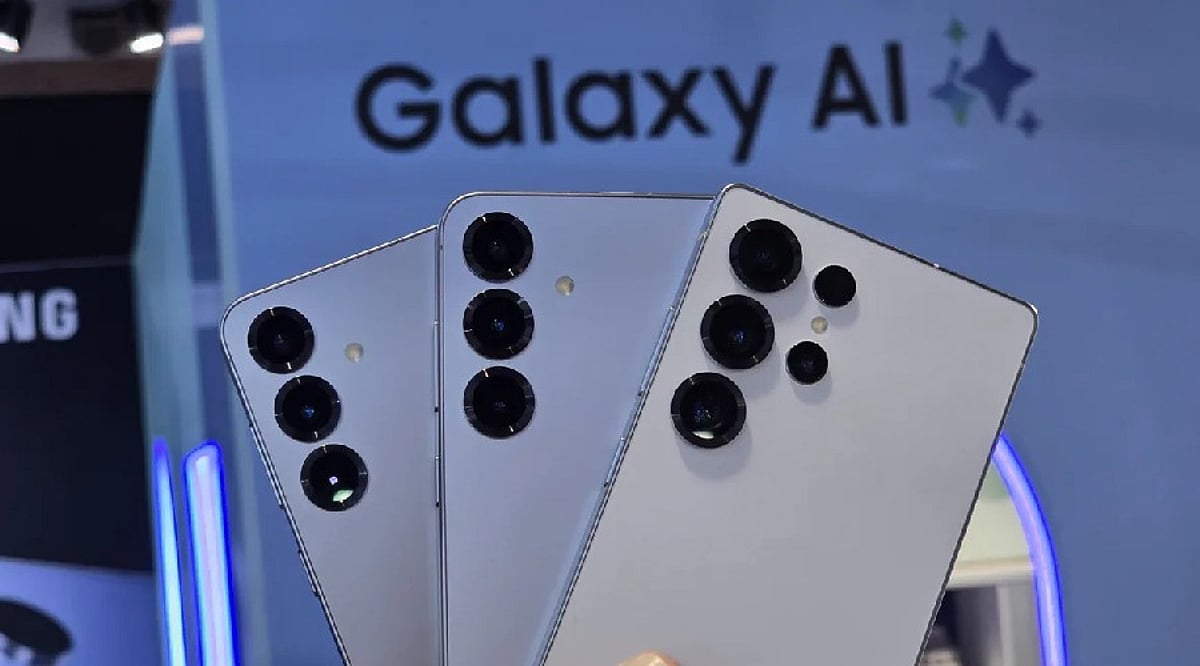
  • Samsung Galaxy AI Roadmap: The End of App-Swapping and the Rise of Intelligent Agents

    Samsung Galaxy AI Roadmap: The End of App-Swapping and the Rise of Intelligent Agents

    Samsung is preparing a major shift for its Galaxy AI platform. The company envisions a future where smartphones no longer require users to open one app after another. Instead, AI agents will autonomously handle tasks across multiple applications, making everyday interactions faster and more seamless.

    In a recent interview, Jay Kim, Corporate EVP and Head of the Customer Experience Office at Samsung’s MX Division, explained that the company is moving toward an era of redesigned user experiences. “Interactions aren’t always typed in a box,” Kim said, emphasizing that Galaxy AI will deliver contextual, cloud-reliant agentic experiences.

    Kim acknowledged that traditional apps are unlikely to disappear entirely. “Will apps go away? Probably not. It will be there. It’s so optimized for mobile devices and the industry. Many players are building their business around it, so there will be a balance between how app usage changes based on the evolution of AI. But definitely, as you have mentioned, the industry is moving into a more agentic area,” he stated.

    Samsung’s approach involves moving beyond the initial “stitching everything to the AI” model, which Kim admitted was not scalable. The company is now adopting the Mobile Context Protocol (MCP), an industry standard that enables different players to collaborate and support the ecosystem.

    Smarter AI Without Sacrificing Privacy

    To make AI more useful, Samsung must balance deep personalization with data protection. The company plans to increase on-device processing, ensuring sensitive information remains on the user’s phone whenever possible.

    Kim also highlighted the challenges of scaling Galaxy AI in linguistically diverse markets like India. “India is a very complex market because you have many different languages. We’ll do our best to make sure that we work with local teams because all R&D centres get a lot of feedback. So, we’ll make sure that we put a lot of effort into addressing the local needs,” he said.

    Samsung’s latest AI roadmap signals a gradual departure from the traditional app-based smartphone experience. In the near future, users may spend less time tapping between apps and more time conversing with AI. If Samsung’s vision becomes reality, Galaxy AI will simplify daily tasks and fundamentally change how people interact with their phones.

  • SpaceX Q2 2026 Revenue Surges to $7.8B as AI Investment Weighs on Stock

    SpaceX Q2 2026 Revenue Surges to $7.8B as AI Investment Weighs on Stock

    SpaceX reported second-quarter revenue of $7.8 billion, a 92% increase year-over-year, driven by strong growth in its Starlink satellite internet and artificial intelligence businesses. However, the company posted a net loss of $541 million, and shares fell about 11% in pre-market trading after the earnings release as investors focused on rising capital expenditures tied to AI infrastructure.

    Starlink remained the largest revenue contributor, generating $4.29 billion in the quarter, up from $2.59 billion a year earlier. The satellite internet service now has 12 million subscribers, and CEO Elon Musk said during the earnings call that Starlink could eventually deliver a majority of the world’s internet.

    SpaceX’s AI segment also saw significant growth, with revenue rising to $2.56 billion from $737 million in the same period last year. The company provides computing capacity for AI projects and works with partners including Google and Anthropic. It currently operates 1.4 gigawatts of AI computing capacity and plans to expand to at least 10 gigawatts next year. However, the AI division recorded a $1.2 billion loss despite generating $2.5 billion in revenue.

    Capital spending surged to about $18 billion during the quarter, compared with less than $3 billion a year earlier. CFO Bret Johnsen said spending would remain at a similar level for the rest of the year. The increased costs, combined with a $542 million loss in the space division, fueled investor concerns after the earnings report.

    SpaceX shares had gained 9.43% during regular trading on Tuesday, closing at $125.33, but reversed course in after-hours trading. The stock had already declined from its June high following the company’s public listing.

    Musk said SpaceX expects its AI investments to support future growth and reiterated a goal of reaching $1 trillion in annual revenue by 2030, one year earlier than his previous estimate. The company continues to focus on its Starship program, with President Gwynne Shotwell stating that SpaceX aims to send astronauts to the Moon by 2028 through NASA’s lunar program.

    SpaceX’s earnings report also revealed changes in the value of its Bitcoin holdings. The company held 18,712 BTC at the end of the second quarter, with the value falling to about $1.1 billion from $1.64 billion at the end of 2025. SpaceX did not indicate plans to sell its holdings.