Blog

  • Xiaomi HyperOS 4 Leak: Android 17-Based Update Brings Glass UI and Performance Boost

    Xiaomi HyperOS 4 Leak: Android 17-Based Update Brings Glass UI and Performance Boost

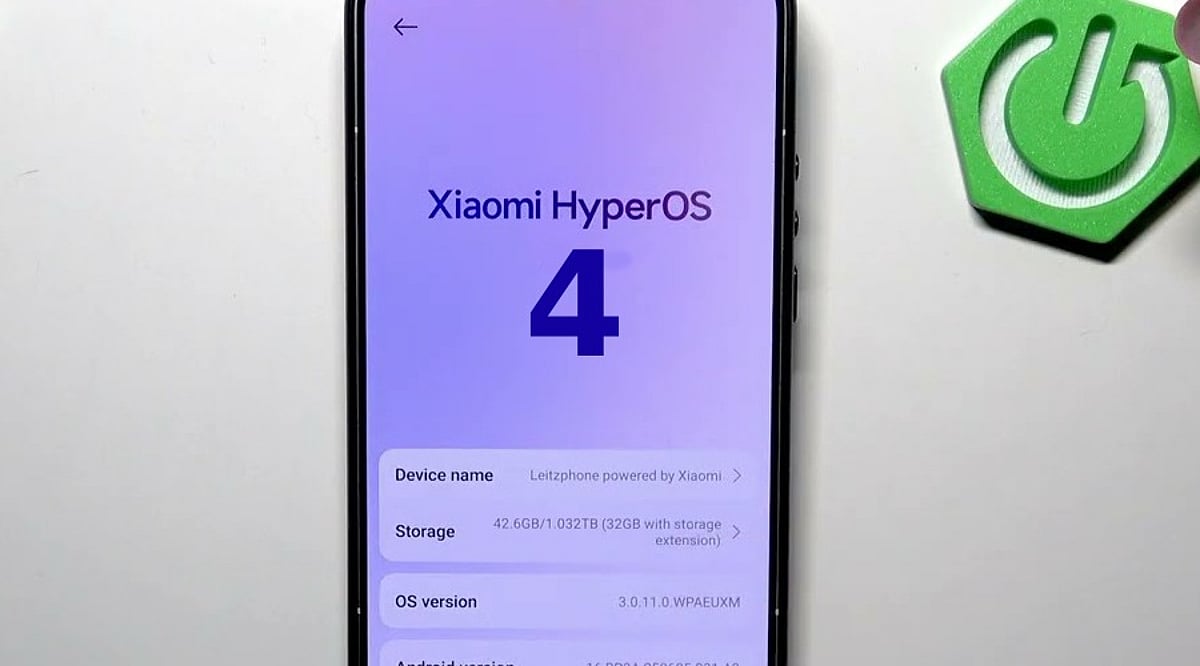
    Xiaomi is reportedly preparing to kick off beta testing for its next-generation HyperOS 4 software as early as August 7, according to a leaked roadmap. The update, built on Android 17, promises a redesigned interface, enhanced system performance, and deeper ecosystem integration.

    The leak indicates that beta registrations in China opened on August 5, followed by a software announcement on August 6. The first beta builds are expected to reach eligible users this week. While Xiaomi has not officially confirmed the timeline, the update is anticipated to introduce a fresh visual language centered on translucent glass-like interface elements.

    Visual Overhaul with New Interface Elements

    HyperOS 4 is expected to bring an all-new design language featuring translucent glass effects. Leaks suggest Xiaomi will overhaul system icons, animations, notifications, and the Control Center to create a sleeker, more modern look. Updated 2.5D icons, smoother transitions, and added visual depth are among the changes rumored. Improved lockscreen notifications, stacked widgets, and refined system navigation may also be part of the update, marking one of the largest visual upgrades since Xiaomi transitioned from MIUI to HyperOS.

    Focus on Performance and Security Upgrades

    Beyond aesthetics, HyperOS 4 is expected to emphasize system optimization. Reports indicate that Xiaomi is rebuilding several core applications using modern programming frameworks to improve stability, memory management, and overall responsiveness. Users can anticipate faster app launches, smoother multitasking, and better battery efficiency across compatible smartphones and tablets. Some leaks also mention deeper ecosystem integration between Xiaomi phones, tablets, wearables, and smart home devices, allowing seamless switching between connected products. However, Xiaomi has yet to officially reveal the complete feature list.

    Global Rollout Likely to Follow China Beta

    The China beta will be the first large-scale test, after which Xiaomi is expected to expand the software globally. Historically, Xiaomi releases new software in China first, followed by beta and stable versions for international markets after a few weeks. Industry sources suggest the stable version may arrive in late 2026, initially on flagship devices and then on Redmi and POCO series. Until Xiaomi issues an official statement, this information should be regarded as tentative. The leak indicates that HyperOS 4 could become one of Xiaomi’s most significant software releases, combining a bold new design with substantial performance gains.
  • Master Canva AI: Speed Up Your Design Workflow with Smart Automation

    Master Canva AI: Speed Up Your Design Workflow with Smart Automation

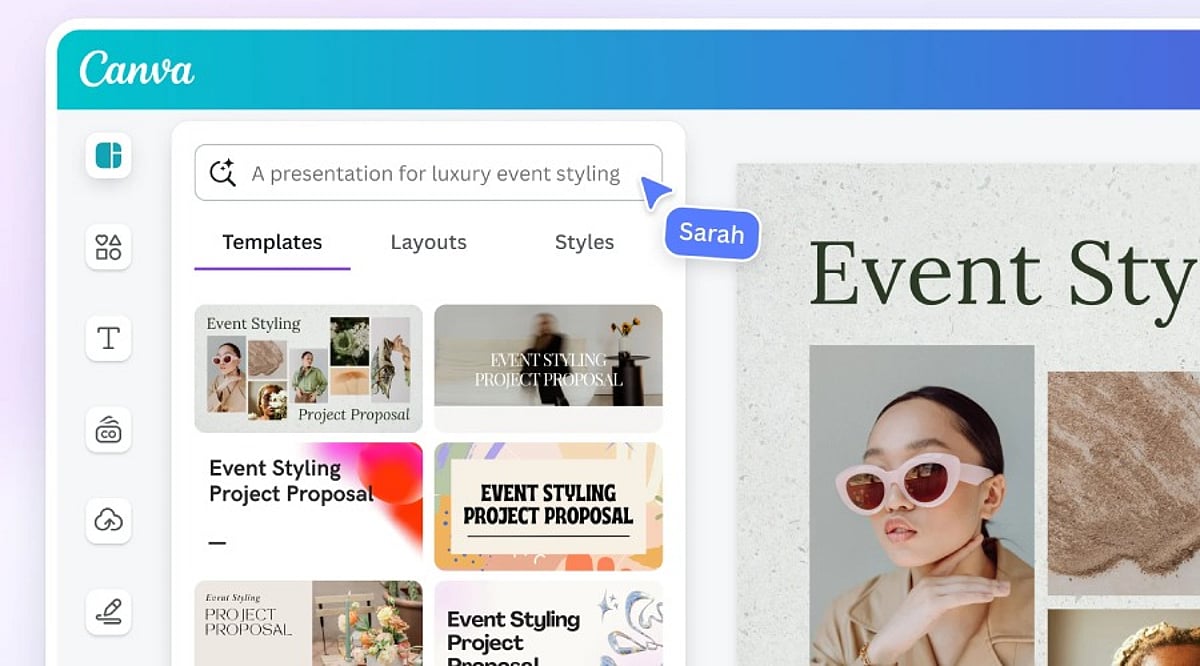
    Creating professional graphics no longer requires starting from a blank canvas. With Canva’s suite of artificial intelligence tools, users can generate layouts, write copy, edit images, and automate repetitive tasks—all within the familiar drag-and-drop editor. These features help designers, marketers, and content creators move from concept to polished visual in record time, while still preserving the human touch needed for branding and originality.

    Why Canva AI Accelerates the Design Process

    Traditional design involves multiple steps: choosing templates, selecting fonts and colors, sourcing images, and writing copy. Canva AI collapses these stages by generating ready-to-edit designs based on minimal input. For example, a business owner creating a marketing poster or a student preparing a presentation can receive several design options instantly, skipping the initial setup and focusing only on refinement.

    Key Canva AI Tools That Matter Most

    Magic Design

    This feature generates complete layouts from a text prompt or an uploaded image. It suggests templates for presentations, social media posts, posters, flyers, and more, giving users a strong starting point.

    Magic Write

    Magic Write creates headlines, captions, product descriptions, blog outlines, and other written content directly inside Canva. It’s ideal for quickly generating copy that matches your design theme.

    Magic Edit

    With Magic Edit, users can modify parts of an image by typing descriptive text. Combined with tools like Background Remover and Magic Eraser, photo cleanup becomes effortless.

    AI for Video

    Canva also offers AI-powered video editing, including automatic subtitle generation and smart resizing for different platforms.

    Better Prompts Deliver Better Designs

    The quality of AI-generated outputs depends heavily on the prompt. A vague request like “design a poster” yields generic results. A detailed prompt specifying the target audience, purpose, color palette, and style helps Canva understand your vision. For instance, “a simple Instagram post promoting a weekend café offer, using warm colors and modern fonts” produces more relevant designs. Experimenting with slight variations in wording can also unlock fresh layouts and concepts.

    AI Is Just the Beginning

    While AI-generated designs are often impressive, they should never be published without human review. Canva’s AI cannot grasp a brand’s unique style, marketing strategy, or audience preferences. Adjustments to layout, typography, colors, images, and text are typically necessary. The best results come from combining AI’s initial ideas with human creativity and editorial oversight.

    Tips to Maximize Results

    • Be specific in your prompts: include the goal, color scheme, style, and target audience.
    • Never treat AI-generated designs as final—always edit, check brand compliance, and proofread copy.
    • Save personalized templates to speed up future projects.

    The Bottom Line

    Canva AI has made design faster without adding complexity. Tools like Magic Design, Magic Write, Magic Edit, and AI-powered image editing cut down routine tasks while providing a strong creative foundation. However, technology works best when paired with human judgment. AI generates ideas and automates processes, but the final result requires careful editing, clear messaging, and audience awareness. By combining both, users can produce professional designs quickly without sacrificing quality.

    Frequently Asked Questions

    What is Canva AI used for?

    Canva AI helps users create designs, generate content, edit images, and automate creative tasks using artificial intelligence.

    Is Canva AI free to use?

    Canva offers some AI features for free, while advanced tools and higher usage limits require a Canva Pro subscription.

    Which Canva AI tool is best for beginners?

    Magic Design is ideal for beginners because it generates ready-to-edit templates from simple prompts or uploaded images quickly.

    Can Canva AI create social media posts?

    Yes, Canva AI generates social media graphics, captions, presentations, videos, and marketing materials for multiple digital platforms efficiently.

    Does Canva AI replace professional designers?

    No. Canva AI speeds up design creation, but human creativity and editing remain essential for unique, accurate, and brand-aligned results.

  • 5 Undervalued Indian Renewable Energy Stocks to Watch in 2026

    5 Undervalued Indian Renewable Energy Stocks to Watch in 2026

    India’s renewable energy sector is experiencing a structural boom driven by government support, rising electricity demand, and net-zero commitments. While some stocks have already priced in growth, several high-quality companies remain undervalued, offering compelling long-term opportunities. Here are five renewable energy stocks that deserve a spot on your watchlist.

    NTPC Green Energy

    NTPC Green Energy is the clean energy arm of state-owned NTPC, focusing on solar, wind, and green hydrogen projects. Backed by NTPC’s financial strength, the company is aggressively expanding its capacity. Its scale, execution track record, and government backing make it a core holding for investors tracking India’s energy transition.

    JSW Energy

    JSW Energy has successfully diversified from thermal power into renewables through large-scale solar, wind, and hydro projects. The company’s strong project execution, improving profitability, and ambitious capacity targets position it as an attractive long-term play. Market corrections often present entry points for this quality energy business.

    KPI Green Energy

    KPI Green Energy has built a strong presence in solar power generation and captive solar projects for industrial clients. Consistent revenue growth, an expanding project pipeline, and rising demand for clean energy solutions enhance its investment appeal. Its relatively smaller size also offers significant upside potential.

    Waaree Energies

    Waaree Energies is a key beneficiary of India’s growing solar manufacturing ecosystem. The company gains from rising domestic demand, government incentives, and increasing exports. Its expansion into integrated solar solutions strengthens its business outlook, making it a stock worth monitoring despite periodic volatility.

    Premier Energies

    Premier Energies has emerged as a major domestic solar cell and module manufacturer, capitalizing on India’s push for self-reliance in renewable energy. Capacity expansion, technological investments, and a robust order book support future growth. Investors looking beyond short-term price swings often consider it a promising long-term bet.

    Sector Outlook and Investment Considerations

    India’s renewable energy industry benefits from supportive policies, rising power demand, net-zero targets, and growing private investment. Companies with strong balance sheets, scalable business models, and diversified clean energy portfolios are well-positioned to capture this multi-decade growth trend.

    Undervalued stocks are not risk-free. Investors should evaluate valuations, debt levels, earnings growth, execution capability, promoter quality, and industry outlook before investing. Diversification, disciplined investing, and a long-term perspective remain essential when building exposure to renewable energy companies.

  • 5 Key Tech Updates: Sony Goes All-Digital, Redmi K100 Pro Leaks, Alibaba’s New AI, and More

    5 Key Tech Updates: Sony Goes All-Digital, Redmi K100 Pro Leaks, Alibaba’s New AI, and More

    This week’s top tech stories span gaming, smartphones, artificial intelligence, e-commerce, and tracking devices. Here’s a quick rundown of five announcements that could reshape how you play, shop, and interact with technology.

    1. Sony Doubles Down on Digital PlayStation Gaming

    Sony is pushing further into all-digital gaming, signaling a shift away from physical discs. The move could change how gamers purchase and access titles, with implications for game ownership and storage.

    2. Redmi K100 Pro Display Leaks Surface

    Leaked details of the Redmi K100 Pro reveal a cutting-edge display, hinting at flagship-level specs. The device is already generating buzz online, suggesting Xiaomi intends to compete at the high end.

    3. Alibaba Unveils Qwen3.8-Max AI

    Alibaba has released its latest large language model, Qwen3.8-Max, aiming to advance AI capabilities for enterprise and consumer applications. The model promises improved reasoning and multilingual support.

    4. Flipkart Plus Adds Free Netflix

    Flipkart is sweetening its loyalty program by bundling free Netflix access with Flipkart Plus. The perk is likely to boost subscriber retention and compete with Amazon Prime’s streaming benefits.

    5. JioTag 2 Launches with Cross-Platform Tracking

    Reliance Jio’s JioTag 2 brings Bluetooth-based item tracking that works across Android and iOS, offering a low-cost alternative to Apple’s AirTag. The device aims to help users locate keys, bags, and more.

    These five developments highlight the rapid pace of innovation across multiple tech sectors. Stay tuned for deeper dives into each story.

  • Apple Mac Studio: What to Expect This Fall and Beyond

    Apple Mac Studio: What to Expect This Fall and Beyond

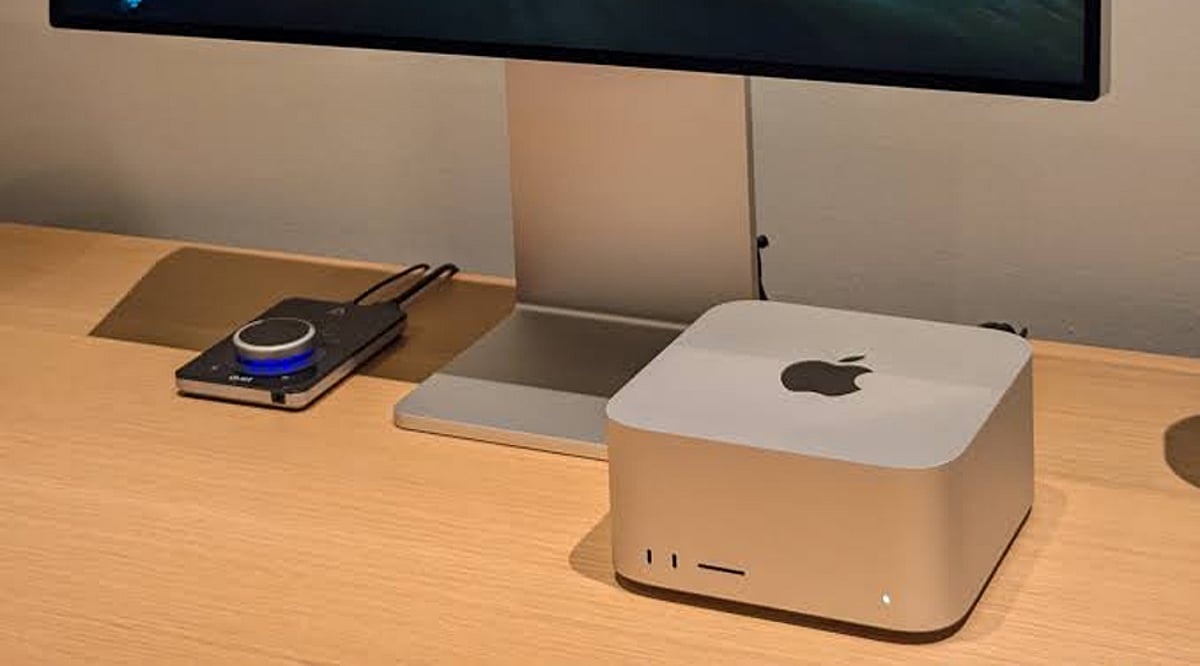
    Apple’s Mac Studio is evolving. The powerful desktop continues targeting creative professionals with exceptional performance. New hardware and software improvements are expected this fall and beyond. From advanced chips to AI features, the Mac Studio could become even more capable. Here’s what to expect.

    Next-Generation Apple Silicon

    Apple is expected to introduce even more powerful Apple Silicon chips for the Mac Studio. Improved CPU and GPU performance could significantly boost demanding creative workflows. AI processing capabilities may also receive a major upgrade. Professionals could see faster rendering and development speeds.

    Better AI Performance

    Artificial intelligence is becoming central to Apple’s desktop strategy. Future Mac Studio models may feature stronger Neural Engine performance for AI-assisted applications. Developers, designers, and content creators stand to benefit. Local AI processing could also improve privacy and responsiveness.

    Thunderbolt & Connectivity

    Apple may expand connectivity with faster Thunderbolt ports and additional high-speed I/O options. Improved support for external displays and storage is also expected. Faster data transfers will benefit video editors and engineers. Connectivity remains one of Mac Studio’s biggest strengths.

    macOS Improvements

    Upcoming macOS updates are expected to bring better multitasking, productivity, and Apple Intelligence integration. Creative software should become more optimized for Apple Silicon. Improved collaboration tools may also arrive. The overall desktop experience is likely to become even smoother.

    Professional Workflows

    Mac Studio continues to target professionals working in video editing, 3D rendering, software development, and music production. Future hardware improvements could reduce rendering times significantly. Better AI acceleration may automate repetitive tasks. Productivity gains remain a key focus.

    Final Outlook

    Apple’s Mac Studio is expected to remain one of the company’s most powerful desktop computers. Continued Apple Silicon innovation and software optimization should strengthen its appeal. Professionals looking for high-end desktop performance have plenty to watch. This fall could bring another major leap forward.

  • Wall Street Hits Fresh Records as Strong Earnings and Easing Geopolitical Tensions Fuel Five-Day Rally

    Wall Street Hits Fresh Records as Strong Earnings and Easing Geopolitical Tensions Fuel Five-Day Rally

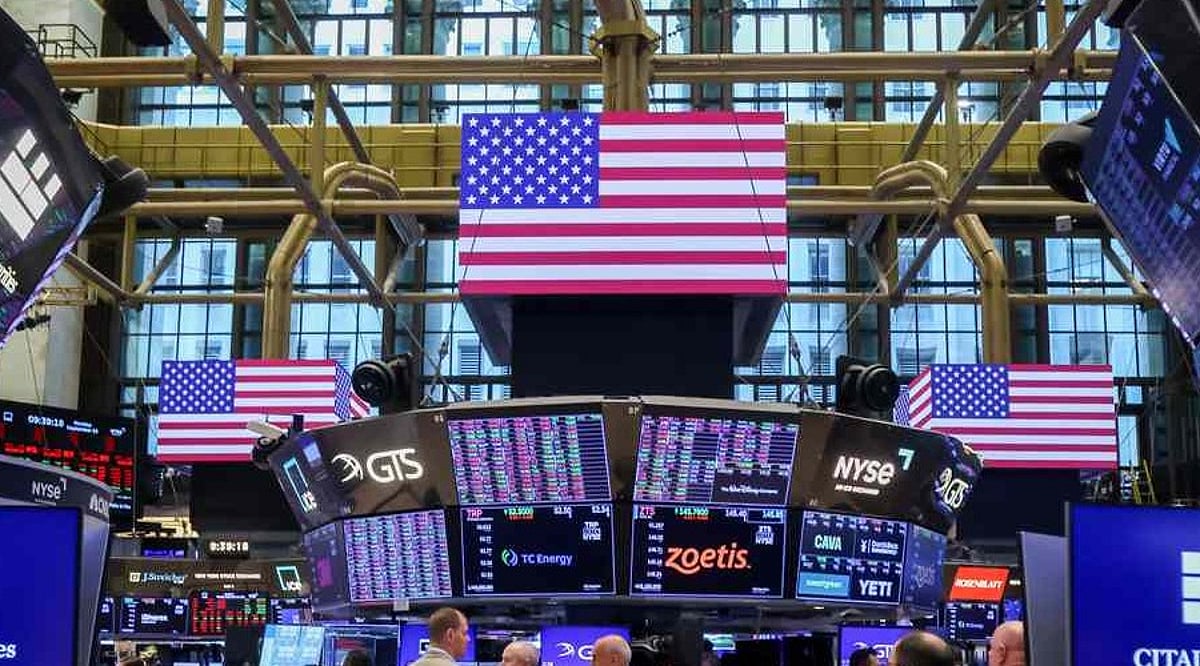
    Wall Street opened higher on Wednesday, reaching record highs as strong corporate earnings and easing geopolitical concerns in the Middle East buoyed investor sentiment. The S&P 500 and Dow Jones Industrial Average both hit fresh intraday highs, extending a five-day rally.

    The S&P 500 rose 0.61% to 7,783.50 shortly after the opening bell. Meanwhile, the Dow advanced 450 points to 54,536.68, and the Nasdaq Composite added 0.41% to 26,694.42.

    US Stocks Extend Five-Day Rally

    US stocks continued their five-session winning streak, which began with renewed demand for technology and consumer shares. All three major indexes are on track for their strongest five-day performance since April 2025. Over the past week, the S&P 500 has gained more than 6%, the Dow has risen over 5%, and the Nasdaq has climbed more than 9%. In the previous session, the S&P 500 closed above 7,700 for the first time, while the Dow gained more than 900 points and secured another record close.

    Market breadth remained positive during early trading. On the New York Stock Exchange, advancing stocks outnumbered declining ones by 1.26 to one, and the ratio on the Nasdaq was 1.13 to one.

    Disney and Eli Lilly Lead Major Stock Moves

    Disney shares rose 2.9% after the company reported better-than-expected fiscal third-quarter profit, helping lift the Dow. Eli Lilly climbed 7.3% after beating second-quarter revenue and earnings estimates and raising its full-year revenue forecast. Healthcare led the S&P 500 sectors with a 1.9% gain.

    Arista Networks jumped 7.3% after forecasting third-quarter revenue above market estimates. Microsoft and Alphabet each gained about 1%, supporting the broader technology sector. However, Uber fell 5.5% after forecasting current-quarter adjusted earnings below estimates, and utilities lagged the broader market, losing nearly 1%.

    According to FactSet, more than 84% of S&P 500 companies have beaten earnings estimates this season, helping investors look past weaker economic data.

    SpaceX and AMD Fall as NVIDIA Rallies

    SpaceX shares dropped 12.5% following its first quarterly report since its June public listing. While the company nearly doubled revenue and narrowed operating losses, a sixfold increase in capital spending to $18.4 billion, largely for AI projects and infrastructure, raised concerns. Nic Puckrin, founder of Coin Bureau, described AI spending as “getting out of hand,” adding that companies showed “no signs of slowing down anytime soon.” AMD shares fell 6.5%, despite forecasting quarterly revenue above analyst estimates, as investors expected a stronger outlook after the stock had gained 142% this year.

    In contrast, NVIDIA rose 3.4% after Elon Musk confirmed that SpaceX would use its processors for AI infrastructure. Musk called NVIDIA’s product “the best AI computer” during the earnings call.

    Hormuz Hopes Support Wall Street

    Oil prices held near recent levels as investors monitored talks involving Iran, Oman, and the Strait of Hormuz. Brent crude rose 1% to $80.22 per barrel, while West Texas Intermediate futures gained 0.46% to $76.12. Prices rose after Houthi militants claimed an attack on a Saudi tanker in the Red Sea.

    Reuters reported that Iran and Oman were discussing a framework covering inbound ship traffic through Hormuz. However, regional sources questioned claims that an agreement was close. One source noted that “the concession has already been made regarding some form of control over Hormuz,” but other details still required negotiation.

    Jobs and Services Data Enter Focus

    US private employers added 44,000 jobs in July, according to ADP, below June’s 95,000 increase and the 75,000 forecast. Investors now await Friday’s official nonfarm payrolls report, which could affect expectations for Federal Reserve interest-rate policy in the coming months.

    Meanwhile, the ISM Services PMI reached 54.1 in July, compared with 54.0 in June, with a reading above 50 signaling expansion. The employment component fell to 47.4, its lowest level since March, while the prices index rose to 70.3, pointing to persistent service-sector inflation.

    Strong corporate earnings and easing geopolitical concerns have kept Wall Street’s record-breaking rally intact despite weak hiring data. Investors now look to Friday’s nonfarm payrolls report for fresh clues on the Federal Reserve’s next policy moves, with earnings momentum and AI-driven growth remaining key drivers of market sentiment.

  • BlackRock ETHA Reverse Split: Key Details for Ethereum ETF Investors

    BlackRock ETHA Reverse Split: Key Details for Ethereum ETF Investors

    BlackRock is implementing a one-for-three reverse split on its iShares Ethereum Trust ETF (ETHA) to improve trading efficiency. The change, effective October 6 with a record date of October 5, consolidates every three existing shares into one new share. While the number of shares investors hold will decrease, the net asset value (NAV) will adjust proportionally, keeping the total value of each investor’s position unchanged. Fractional shares generated during the process will be redeemed for cash, which may create tax liabilities.

    Why the Reverse Split?

    Although BlackRock did not provide an explicit reason, Bloomberg Senior ETF Analyst Eric Balchunas noted that the primary goal is to lower trading costs by narrowing the ETF’s bid-ask spread. He estimated the cost to trade would drop from 7 basis points to approximately 2 basis points. This administrative adjustment targets enhanced trading efficiency and reduced transaction costs for investors, especially for lower-priced ETFs like ETHA, which currently trades at about $14 per share—down roughly 40% year-to-date amid Ethereum’s price decline.

    What It Means for Investors

    The reverse split does not alter ETHA’s investment policy, Ethereum holdings, or total assets under management (AUM). It simply changes the number of shares outstanding and the per-share price. Despite recent price drops, ETHA remains the largest spot Ethereum ETF, with over $5 billion in AUM. Reverse splits are not uncommon in the crypto ETF space; Grayscale executed similar moves for its Bitcoin Mini Trust and Ethereum Mini Trust in November 2024.

    This announcement comes as institutional demand for Ethereum ETFs has cooled in 2026. BlackRock has expanded its Ethereum ETF lineup with the iShares Staked Ethereum Trust ETF, launched in March 2026, offering investors both staking and non-staking options.

    Frequently Asked Questions

    1. What is BlackRock’s ETHA reverse split?

    BlackRock is consolidating three existing ETHA shares into one new share. The total value of an investor’s holdings remains unchanged because the share price increases proportionally.

    2. Why is BlackRock conducting a reverse split?

    While BlackRock hasn’t officially stated the reason, Bloomberg ETF analyst Eric Balchunas said the higher share price should narrow bid-ask spreads, reducing trading costs from around 7 basis points to roughly 2 basis points.

    3. Will the reverse split affect my investment value?

    No. The reverse split only changes the number of shares outstanding and the price per share. The ETF’s assets, Ethereum holdings, and your overall investment value remain the same, excluding any cash paid for fractional shares.

    4. What happens to fractional ETHA shares after the split?

    Fractional shares will not be issued. Instead, they will be redeemed for cash and credited to your brokerage account, which may have tax implications.

    5. Does the reverse split change BlackRock’s Ethereum ETF strategy?

    No. ETHA will continue tracking the price of Ethereum as before. The reverse split is an administrative adjustment aimed at improving trading efficiency and does not alter the ETF’s investment objective or portfolio composition.

  • Bitcoin Faces Potential Pullback: 3 Warning Signs Investors Should Watch

    Bitcoin Faces Potential Pullback: 3 Warning Signs Investors Should Watch

    Bitcoin is trading around $64,000, up 0.56% in the last 24 hours, despite Strategy’s third Bitcoin sale this year. However, several on-chain and market signals suggest the top cryptocurrency may face additional selling pressure in the near term.

    Exchange Inflows and Miner Selling Raise Caution

    Crypto analyst Ali Martinez reports that over the past week, more than 20,000 BTC — worth over $1.2 billion — have moved toward cryptocurrency exchanges. CryptoQuant data shows exchange reserves are now roughly at 2.72 million BTC, the highest since early July.

    “When coins move onto trading platforms, it often signals rising sell-side pressure. Keep an eye on this trend,” Martinez noted.

    While higher exchange balances are often interpreted as a precursor to selling, recent security concerns surrounding the ColdCard wallet incident may also be encouraging some investors to temporarily move assets from self-custody into centralized exchanges without intending to sell.

    Another bearish signal comes from Bitcoin miners. According to Martinez, miners have sold approximately 1,774 BTC, valued at roughly $112 million, during the past week. Miner selling is often viewed as profit-taking and can increase short-term supply entering the market.

    Seasonal Trends Keep Traders on Alert

    Bitcoin’s historical performance also adds uncertainty. Market data shows the cryptocurrency has finished August in negative territory nine out of the past thirteen years, making it one of Bitcoin’s weaker seasonal months.

    Market opinions remain divided. Some analysts expect additional downside before a sustained recovery. Rekt Fencer suggested a potential bull trap could drive Bitcoin toward $30,000 later this month.

    According to Ali Martinez, a decline toward $60,000 could actually strengthen Bitcoin’s technical outlook by confirming an inverse head-and-shoulders pattern, potentially setting the stage for a rally toward $74,000. Crypto analyst MikybullCrypto also believes the bullish setup has already formed, stating, “Breakout is next. $80K is the magnet target.”

    Technical Structure

    Bitcoin price is currently hovering around $64,038 on Wednesday with a slight downward trend, trapped between a dense range of Exponential Moving Averages (EMAs). BTC is struggling to move above the 50-day EMA near $64,650.

    The Relative Strength Index (RSI) is sitting around 50.50 on the daily time frame, indicating no real conviction for an upside move today. The Moving Average Convergence Divergence (MACD) remains under the zero line, with a mild downward bias; it suggests price is still in a downtrend.

    For the upside, immediate resistance is near $64,650 at the 50-day EMA. A break above $64,650 would lift the downside pressure for a leg toward the 100-day EMA at $67,079, followed by the 200-day EMA at $72,649. On the downside, support is seen at $64,004; a break below this support could drag the asset into a deeper corrective trend.

    FAQs

    1. Why are rising Bitcoin exchange inflows considered bearish? When large amounts of Bitcoin move onto exchanges, it often signals that investors may be preparing to sell. Higher exchange balances can increase available supply, creating short-term selling pressure if demand does not keep pace.
    2. Why does miner selling affect Bitcoin’s price? Bitcoin miners periodically sell a portion of their holdings to cover operational costs or lock in profits. Increased miner selling adds fresh supply to the market, which can weigh on prices during periods of weak buying demand.
    3. What does Bitcoin’s RSI currently indicate? The Relative Strength Index (RSI) is hovering around 50.50, suggesting neutral momentum. It indicates that neither buyers nor sellers currently have strong control, leaving Bitcoin vulnerable to movement in either direction.
    4. Which technical levels should Bitcoin traders watch? Immediate resistance is near the 50-day EMA at $64,650. If Bitcoin breaks above this level, the next upside targets are the 100-day EMA near $67,079 and the 200-day EMA around $72,649. On the downside, key support lies near $64,004.
    5. Does a short-term pullback mean Bitcoin’s long-term trend has turned bearish? Not necessarily. Short-term corrections are common in crypto markets. Some analysts believe a pullback toward $60,000 could strengthen Bitcoin’s longer-term bullish structure by confirming a potential inverse head-and-shoulders pattern before another upward move.
  • Google Pixel 11 Pro Matte Black Renders Leak: Design, Camera, and Tensor G6 Details

    Google Pixel 11 Pro Matte Black Renders Leak: Design, Camera, and Tensor G6 Details

    Fresh leaked renders have revealed the Google Pixel 11 Pro in a striking matte black finish. Unlike previous Pixel Pro models, the matte coating now covers the back, frame, and even the sides of the camera bar, giving the phone a cleaner and more premium appearance. The images, shared by trusted leaker Evan Blass, closely resemble official marketing renders.

    The new matte finish is exclusive to the black model, also referred to as Obsidian or Midnight in different leaks. It extends across both the Pixel 11 Pro and Pixel 11 Pro XL, while other colors are expected to retain glossy metallic frames. This design aims to reduce fingerprints and improve grip without changing the phone’s overall shape.

    The leaked gallery highlights the phone from multiple angles, showing a more uniform look around the camera bar. Google appears to have removed the reflective metal sides found on earlier Pro models, making the camera module blend seamlessly with the rest of the device for a more refined design.

    Leaks also point to major camera improvements. The Pixel 11 Pro is expected to offer up to 120x zoom, simultaneous photo and video capture, and enhanced Night Sight performance. While the 120x zoom sounds impressive, some of that range may rely on AI-powered image processing rather than optical zoom.

    Google is also expected to introduce the Tensor G6 processor, bringing faster AI performance and better power efficiency. Another leaked feature is the new HiLight interface, a successor to Pixel Glow, which appears in multiple visual modes and is designed to work closely with Gemini AI.

    According to recent leaks, the Pixel 11 Pro lineup could arrive in Midnight, Fog, Pine, and Dune color options. However, only the Midnight (matte black) version is expected to feature the fully matte frame and camera bar, making it the standout choice for buyers who prefer a cleaner finish.

    Google is expected to unveil the Pixel 11 series at its Made by Google event on August 12, 2026. If the leaks prove accurate, the matte black design, Tensor G6 chip, and upgraded AI camera features could make the Pixel 11 Pro Google’s most polished flagship yet.

  • Top Canva Pro Template Families for Social Media, Business, and Marketing Success

    Top Canva Pro Template Families for Social Media, Business, and Marketing Success

    Brand consistency often unravels once content production scales across multiple platforms and team members. Canva Pro templates solve this by turning individual designs into reusable systems. Features like Brand Kit, Magic Resize, and locked elements streamline content creation, helping businesses maintain a cohesive look without repetitive manual work.

    Key Features That Make Templates Work at Scale

    Canva’s free plan offers a large template library, but Pro adds the machinery for true reusability. Brand Kit automatically applies your brand colors and fonts. Magic Resize adapts one design into multiple formats instantly. Locked elements prevent accidental layout shifts during team edits. These features don’t replace design judgment—they eliminate the repetitive tasks that slow down production.

    Essential Templates for Social Media, Business, and Marketing

    Social Media

    Instagram Carousel Posts lead in engagement. Metricool’s 2026 study of over 24 million posts found carousels generate nine times more saves than single images. Magic Resize converts one carousel into a Story and a Pin without extra design time. LinkedIn thought-leadership posts benefit from Brand Kit, keeping every post visually traceable to the same person.

    Business

    A Proposal Template with auto-applied brand kit reduces back-and-forth before client sign-off. A locked Brand Guidelines template prevents style drift as more team members create content. These templates ensure professional, on-brand communication every time.

    Marketing

    Lead Magnets with premium layout elements boost opt-in rates compared to plain PDFs. Resized Landing Page and Ad Banner sets keep the click and the page visually matched—a common reason paid traffic underperforms. Presentations, like locked Pitch Decks, keep founders focused on the argument instead of slide alignment.

    Building a Template Library, Not a File Pile

    A few rules separate an effective system from a folder of disconnected files:

    • Match templates to the platform before prioritizing aesthetics—a static post design often breaks as a Story.
    • Favor template families over single graphics; one carousel plus matching Story and Reel covers holds a brand together better than any isolated design.
    • Limit typography to two fonts through Brand Kit rather than choosing five for variety.
    • Treat heavy edits as a signal to pick a different template, not a reason to force one to fit.

    Smaller categories—newsletters, invoices, business cards, thumbnails—still deserve a spot in the same Brand Kit. Start with three template families: one for social, one for client communication, and one for marketing. Everything else becomes easier to standardize once that foundation is set.

    Final Thought

    The templates that earn a place in a real workflow are rarely the most decorative. They are the ones a team reaches for without thinking twice, resized in seconds, locked against accidental damage, and instantly recognizable as belonging to one brand.