Blog

  • The Massive Conglomerates That Own the World’s Most Iconic Brands

    The Massive Conglomerates That Own the World’s Most Iconic Brands

    Many of the world’s most beloved brands are actually owned by a small group of massive parent companies. These conglomerates control thousands of products that consumers purchase every day, from food and beverages to household goods and digital services.

    Nestlé, the Swiss food and beverage giant, owns household names such as Nescafé, KitKat, Purina, and Gerber, making it one of the largest food companies globally.

    Procter & Gamble (P&G) dominates household and personal care with brands like Tide, Pampers, Gillette, Ariel, and Head & Shoulders.

    Unilever, a British-Dutch multinational, oversees Dove, Vaseline, Knorr, Hellmann’s, and Ben & Jerry’s, operating in over 190 countries.

    PepsiCo is a global leader in snacks and beverages, owning Pepsi, Lay’s, Doritos, Quaker, and Gatorade.

    In the tech world, Alphabet controls Google, YouTube, Fitbit, and Waymo, while Meta owns Facebook, Instagram, and WhatsApp. Amazon has expanded into diverse sectors with Whole Foods, Twitch, Ring, and Audible, and Disney manages Marvel, Pixar, Star Wars, and ESPN.

    Automotive giant Volkswagen Group includes Audi, Porsche, Bentley, and Lamborghini, while luxury conglomerate LVMH holds Louis Vuitton, Dior, Bulgari, and Moët & Chandon.

    Altogether, these parent companies collectively control nearly 1,500 brands, shaping prices, competition, and the products consumers buy every day. Understanding these corporate structures reveals just how concentrated the global marketplace has become.

  • Exploring the Universe: The Most Powerful Space Telescopes of Our Time

    Exploring the Universe: The Most Powerful Space Telescopes of Our Time

    The James Webb Space Telescope is revolutionizing astronomy with its advanced infrared imaging capabilities. It allows scientists to observe distant galaxies, analyze exoplanet atmospheres, and peer into some of the universe’s earliest cosmic structures ever discovered.

    The Hubble Space Telescope continues to deliver iconic deep-space images while contributing decades of groundbreaking discoveries across astronomy, cosmology, and planetary science research worldwide.

    The Nancy Grace Roman Space Telescope is designed to survey vast cosmic regions, helping scientists investigate dark energy, exoplanets, and galaxy formation with unprecedented observational capabilities.

    The Euclid Space Telescope maps billions of galaxies to improve our understanding of dark matter, dark energy, and the large-scale structure of the expanding universe.

    The SPHEREx Space Telescope conducts an all-sky infrared survey, studying galaxy evolution, cosmic origins, and the molecular ingredients essential for planetary system formation.

    The Chandra X-ray Observatory observes high-energy cosmic events including black holes, neutron stars, and supernova remnants through powerful X-ray detection capabilities.

    The XMM-Newton Observatory studies energetic astronomical phenomena using sensitive X-ray instruments that help scientists understand galaxy clusters and extreme cosmic environments.

    The CHEOPS Space Telescope focuses on known exoplanets, measuring their sizes accurately to improve understanding of planetary composition and habitability across nearby star systems.

    The PLATO Space Telescope searches for Earth-like exoplanets around Sun-like stars while studying stellar evolution through long-term, highly precise brightness observations.

  • Best Quiet Air Purifiers for a Peaceful, Healthy Home (2026 Guide)

    Best Quiet Air Purifiers for a Peaceful, Healthy Home (2026 Guide)

    Key Takeaways:

    • Clean indoor air does not require loud fan noise.
    • Low-noise air purifiers suit bedrooms, offices, and study spaces.
    • Room size and filtration quality matter as much as quiet performance.

    A good air purifier keeps dust, pollen, smoke, pet hair, and other tiny particles away from indoor air. Many people want fresh air at home, yet loud fan noise often becomes a problem during work, sleep, or study. Silent air purifiers solve this issue with quiet motors and smart airflow. These models clean the room while keeping sound at a very low level. The latest expert tests also show that quiet performance does not reduce cleaning power. The following air purifiers offer excellent air cleaning along with peaceful operation.

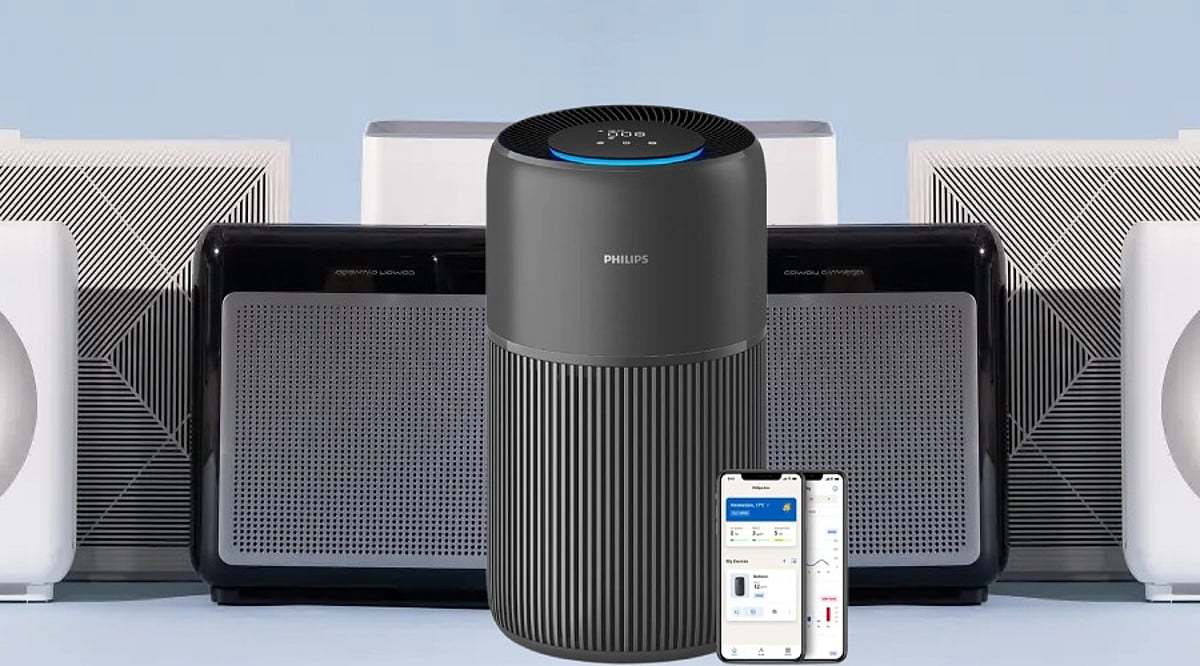
    Coway Airmega 150

    The Coway Airmega 150 stands at the top of the list for quiet performance and reliable air cleaning. This model works well in bedrooms, living rooms, and home offices where silence matters. Sound levels stay between 22 and 49 decibels, so the fan never creates a major disturbance. The True HEPA filter removes dust, pollen, pet dander, and other fine particles from indoor air. The modern design also blends easily with different home styles. Strong cleaning ability, low sound, and dependable quality make this purifier a favorite among experts.

    Blueair Blue Pure 511i Max

    The Blueair Blue Pure 511i Max is a compact air cleaner but powerful enough to match the performance of bigger models. It is suitable for smaller bedrooms, apartments, and workspaces as it takes almost no usable space. The sound level ranges from 19 to 48 decibels, making it one of the world’s quietest models. It features smart technology that enables control via mobile app and has an advanced filtration system that efficiently captures different airborne pollutants.

    Levoit Core 300S

    The Levoit Core 300S is a good choice if you are looking for a reasonably priced unit that is quiet and offers smart features. This air purifier works quietly, making little noise during sleep mode, at 22-50 decibels. The True HEPA filter ensures excellent filtering of contaminants such as dust, pollen, and smoke. Voice control and app functions make it convenient for users.

    Winix 5500-2

    The Winix 5500-2 continues to earn praise for dependable performance at an affordable price. Sound levels remain between 27 and 54 decibels, which keeps the room comfortable throughout the day and night. Its True HEPA filter works together with an activated carbon filter to reduce dust, allergens, and household odors. Sleep Mode lowers fan speed automatically, creating a quieter atmosphere during bedtime. Strong filtration and long-lasting value make this purifier a popular choice.

    Coway Airmega AP-1512HH Mighty

    The Coway Airmega AP-1512HH Mighty has established itself as a trusted purifier over the years. It works quietly in the range of 24-53 dB while providing efficient air cleaning in medium-sized rooms. Thanks to its multi-stage filtration system, it captures even the tiniest air particles and eliminates unwanted odors. With its compact design, it is easy to place anywhere. This device shows great performance and works quietly.

    Smart Air SA600

    The Smart Air SA600 works well and quietly both in medium and large rooms. Noise levels are 23-52 dB, allowing it to work peacefully without disturbing the atmosphere. Thanks to effective airflow, it cleans bigger areas without producing unnecessary noise. The design focuses on practical use rather than superfluous features.

    Blueair DustMagnet 5410i

    The Blueair DustMagnet 5410i combines a stylish appearance with advanced air cleaning technology. Noise remains between 23 and 50 decibels, which allows comfortable conversation, work, or rest without distraction. Its design attracts dust before it spreads across furniture and floors, helping maintain a cleaner home. Smart features provide simple control, while efficient filtration removes fine airborne particles. The elegant exterior matches modern home décor without difficulty.

    Dyson Purifier Big+Quiet BP04

    The Dyson Purifier Big+Quiet BP04 focuses on large rooms that need strong air circulation without loud fan noise. Sound levels range from 21 to 56 decibels, which stays surprisingly low for a purifier with such high airflow. Advanced engineering directs purified air across wide spaces while limiting unnecessary sound. The premium build quality, modern appearance, and excellent filtration system place this purifier among the leading choices for spacious homes and offices.

    IQAir HealthPro Plus

    The IQAir HealthPro Plus delivers hospital-grade air purification with impressive attention to detail. Noise levels stay between 25 and 57 decibels, which remains comfortable at lower fan speeds. The HyperHEPA filtration system captures extremely small airborne particles that many standard filters cannot remove. This purifier suits people who need very high air quality for health reasons or sensitive indoor environments. Exceptional filtration performance makes it one of the most trusted premium air purifiers available.

    Rabbit Air MinusA2

    The Rabbit Air MinusA2 offers quiet performance along with a unique wall-mount design that saves floor space. Noise stays between 20 and 45 decibels, making this purifier one of the quietest models on the market. Customizable filters allow better control over specific air quality needs such as pet odors, smoke, or allergies. The slim appearance blends naturally into modern interiors while the efficient filtration system keeps indoor air fresh and clean. Its combination of silent operation, flexible filter options, and attractive design makes it a strong choice for peaceful living spaces.

    Why This Matters

    Clean indoor air supports better health, comfortable sleep, and a pleasant home environment. A silent air purifier improves air quality without constant fan noise that interrupts daily life. Quiet performance allows normal activities such as reading, working, relaxing, or sleeping while fresh, filtered air circulates throughout the room every day.

    Final Thoughts

    Silent air purifiers offer an excellent combination of effective air cleaning and peaceful operation. Every model on this list delivers reliable filtration while keeping noise at a comfortable level. Room size, budget, and preferred features help determine the right choice. A quality silent air purifier creates a cleaner, fresher, and more comfortable indoor space throughout the year.

    Frequently Asked Questions

    What is considered a quiet air purifier?

    Most quiet air purifiers operate between 20 and 30 decibels on low settings, which creates very little background sound.

    Do silent air purifiers clean air effectively?

    Yes. Many silent air purifiers use True HEPA filters and activated carbon filters that remove dust, pollen, smoke, pet dander, and odors without loud operation.

    Which room works best for a silent air purifier?

    Bedrooms, nurseries, home offices, and study rooms benefit the most from a quiet air purifier, although larger models also perform well in living rooms.

    How often should an air purifier filter be replaced?

    Most manufacturers recommend filter replacement every 6 to 12 months, although usage and indoor air quality may change the schedule.

    Which feature deserves the most attention before purchase?

    Room coverage, filtration system, noise level, energy efficiency, and maintenance costs help determine the best air purifier for long-term use.

  • Fujifilm X Series vs. GFX: Choosing the Right Camera System in 2026

    Fujifilm X Series vs. GFX: Choosing the Right Camera System in 2026

    Fujifilm X Series vs. GFX: Which Camera System Fits Your Needs in 2026?

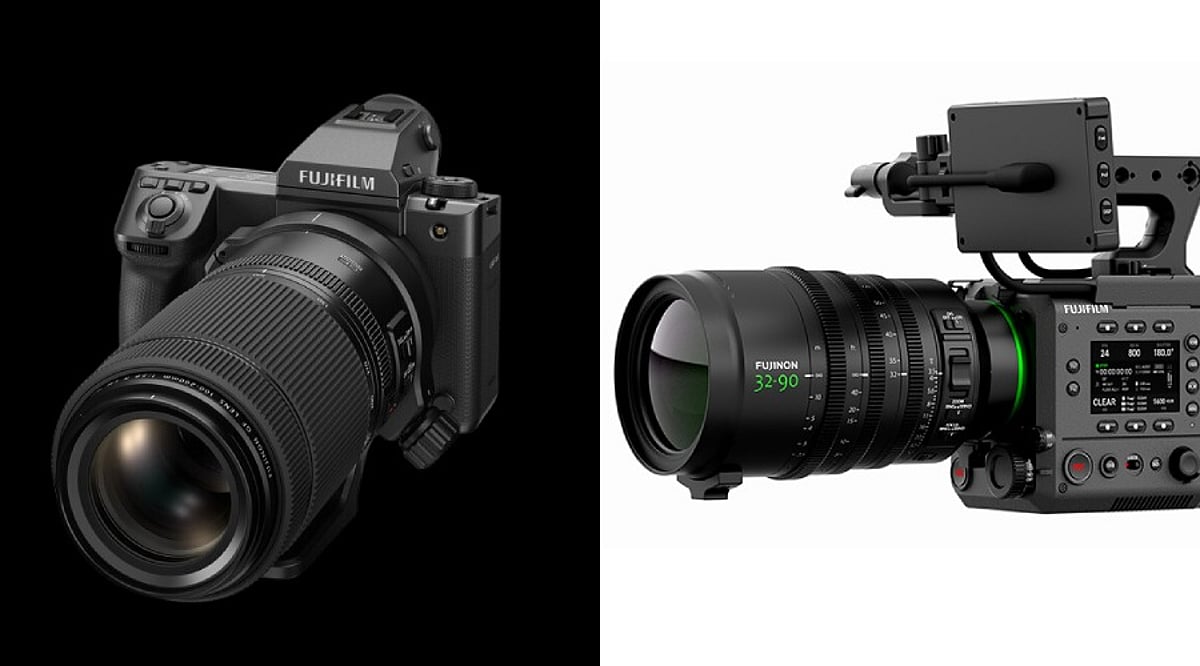
    Fujifilm offers two distinct camera systems tailored to different photographic needs. The X Series, with its APS-C sensor, prioritizes speed, portability, and value. The GFX Series, featuring a much larger sensor, delivers exceptional image quality for professional applications. Both share Fujifilm’s renowned color science, film simulations, and robust build, but they serve different shooting styles. Your choice ultimately depends on the type of photography you pursue, your work environment, budget, and the level of detail required in your images.

    2026 Camera Lineup Overview

    In 2026, the X Series remains Fujifilm’s most extensive family, with models like the X-M5, X-T50, X-T5, X-H2, X-H2S, X100VI, and X-E5. Rumors about an X-T6 persist, but an official announcement hasn’t been made. The GFX lineup now includes the GFX100 II, GFX100S II, GFX100RF, and the GFX ETERNA cinema camera. The GFX100S II stands out with a 102MP sensor, the latest X-Processor 5, up to eight stops of in-body image stabilization, improved autofocus, and burst shooting at 7 frames per second.

    Price Gap Remains Significant

    Price is the most substantial differentiator. In India, the GFX100S II retails around Rs. 5,11,000, while the GFX100RF is similarly priced at Rs. 5,10,999. The flagship GFX100 II typically costs between Rs. 6.5 and Rs. 7.5 lakh. In contrast, most flagship X Series cameras fall between Rs. 1.5 and Rs. 2.5 lakh. This lower entry point leaves room in your budget for additional lenses, memory cards, batteries, and accessories—a practical advantage for many photographers.

    Sensor Size: The Core Difference

    The X Series uses a 23.5 × 15.6 mm APS-C sensor (approx. 366 sq mm), while the GFX Series features a 43.8 × 32.9 mm sensor (approx. 1,441 sq mm)—nearly four times the surface area. This larger sensor enables finer detail, smoother color transitions, richer tonal range, cleaner shadows, and superior dynamic range. Portraits benefit from softer background blur, and landscapes reveal exceptional texture across the frame.

    Resolution and Output Flexibility

    Most X Series cameras offer 26MP or 40MP sensors, whereas the GFX Series starts at 51MP and reaches 102MP in its latest models. A 102MP image measures roughly 11,648 × 8,736 pixels, allowing for extensive cropping without significant quality loss. This resolution is invaluable for commercial studios, advertising agencies, and fine art photographers who demand large prints and detailed editing. For everyday photography, this level of detail is rarely necessary, though professionals often appreciate the added flexibility.

    Performance: X Series Leads in Speed

    The X Series excels in speed. The X-H2S achieves up to 40 frames per second (electronic shutter), and the X-H2 reaches 20 fps. In contrast, the GFX100S II manages 7 fps, and the GFX100 II up to 8 fps. Fujifilm has improved autofocus across the GFX line with subject detection for people, animals, birds, vehicles, insects, and drones. Still, the X Series remains the stronger choice for sports, wildlife, and other fast-moving subjects.

    Lens Ecosystem and Everyday Usability

    The X Mount system offers over forty Fujinon lenses plus numerous third-party options, covering every focal length with compact primes, versatile zooms, and affordable choices. This breadth helps both beginners and professionals build a complete kit without extreme costs. The GF Mount prioritizes absolute image quality; every lens delivers exceptional sharpness and corner performance, even with a 102MP sensor. However, these lenses are more expensive and add considerable weight to your gear bag.

    Choosing Based on Photography Style

    The X Series suits travel, wildlife, sports, weddings, events, street photography, and hybrid photo-video work. Its compact bodies, lighter lenses, and faster operation allow comfortable long shooting sessions. The GFX Series shines in landscape, fashion, commercial advertising, architecture, product photography, studio portraits, and fine art. Large files, excellent dynamic range, and remarkable image quality give professionals greater creative freedom in editing and printing.

    Final Verdict

    For most photographers in 2026, the X Series offers the best balance of image quality, autofocus speed, lighter equipment, lower prices, and a vast lens selection—making it suitable for everyday and demanding professional assignments alike. The GFX Series is the ultimate choice for those who prioritize image quality above all else. Its larger sensor, higher resolution, richer tonal detail, and superior dynamic range produce standout photographs in commercial, studio, landscape, and fine art work. The higher price and bulk are justified only when that extra quality directly enhances your final output.

    Frequently Asked Questions

    1. What is the main difference between Fujifilm X Series and GFX cameras?
    The X Series uses an APS-C sensor, while the GFX Series features a much larger large-format sensor with higher resolution and better image quality.

    2. Which system is better for beginners?
    The X Series is more beginner-friendly, offering lower prices, lighter bodies, and a wide range of affordable lenses.

    3. Is the GFX Series worth the higher price?
    Yes, for those who need exceptional detail, dynamic range, and print quality—especially in commercial, studio, landscape, and fine art photography.

    4. Which system is better for sports and wildlife?
    The X Series delivers faster autofocus and higher burst speeds, making it the preferred choice for fast-moving subjects.

    5. Which system has more lens options?
    The X Mount system offers a much larger selection, including many affordable Fujinon and third-party lenses.


  • How to Spot Genuine Electronics Deals: Smartphone, Laptop, and TV Discount Cycles Explained

    How to Spot Genuine Electronics Deals: Smartphone, Laptop, and TV Discount Cycles Explained

    Electronics prices are shaped more by product launches, inventory clearance, and retailer competition than by seasonal sale events. Smartphones, laptops, and TVs each follow different discount patterns. Understanding these pricing cycles and verifying deals carefully helps buyers identify genuine savings instead of relying on promotional banners.

    Why Electronics Discounts Differ from Other Categories

    Electronics run on shorter, harder product cycles than most retail categories. A television line refreshes roughly once a year, a flagship phone line does the same, and laptops split into spring and back-to-school refresh windows tied to the chipset supplier’s own release schedule. Each refresh point creates a predictable window where the older model gets priced to move, separate from any brand-wide sale event.

    Smartphones: The Exchange Offer Often Hides the Real Price

    Apple typically emphasizes exchange offers, cashback, and financing over deep list-price reductions. Samsung and OnePlus follow similar launch-season strategies. Reading the headline discount alone understates the real savings on most flagship phone price cuts this year.

    Laptops: Component Pricing Moves Faster Than Retail Pricing

    Laptop discount timing tracks the cost of the chipset and memory inside it more closely than any retail calendar. When a new processor generation ships, models built on the prior chip see faster markdowns than televisions or phones do. Back-to-school season and the weeks after a major chip launch mark the two windows where this shows up most clearly.

    Televisions: The Discount Depends on the Panel, Not the Brand

    TV price drops depend heavily on panel type. LED and QLED models cycle through inventory faster and discount sooner than OLED lines, which retailers protect at a higher margin for longer. Sony, LG, and Samsung all follow this pattern, holding OLED pricing firm well into a sale season while cutting entry- and mid-range LED lines early.

    Retailer Competition Adds a Second Layer

    Marketplace competition also shapes pricing. When Amazon, Flipkart, Croma, Reliance Digital, and brand stores all stock the same model, they often match each other’s promotions through cashback, bundled accessories, or financing offers instead of a direct price cut. This explains why the same phone can carry different effective prices across platforms even when the listed discount looks identical.

    A Short Verification Routine Before Buying

    Checking a price history tracker for the specific model, rather than trusting the banner discount, catches most inflated markdowns. Comparing the same model across two or three retailers takes a few minutes and reveals whether a listed “before” price was raised shortly ahead of the sale. Confirming the seller is an authorized retailer and that the warranty comes directly from the brand rather than a third-party seller prevents the most common bad purchase in electronics shopping.

    Final Thought

    Pricing power in electronics is shifting away from a single seasonal event toward year-round micro-cycles tied to chip launches and inventory refreshes. Buyers who track these signals alongside major sale events are more likely to identify genuine value than those relying on promotional banners alone.

    FAQs

    1. Why do electronics prices drop after new product launches?

    Electronics prices often fall after new smartphones, laptops, or TVs are introduced because retailers clear older inventory to make room for the latest models. Previous-generation devices typically see the most significant markdowns during this period.

    2. When is the best time to buy smartphones and laptops in 2026?

    The best time to buy is usually after a new model or processor generation launches, as older devices receive price cuts. Major online sale events can offer additional savings through exchange offers, cashback, and bank discounts.

    3. Do festive sales always offer the lowest prices on electronics?

    Not necessarily. While festive sales can provide attractive deals, the deepest discounts often coincide with product refresh cycles, inventory clearance, or increased competition among retailers rather than the sale event itself.

    4. How can I check if an electronics deal is genuine?

    Compare the product’s price across multiple retailers, review its price history, and verify whether exchange bonuses, cashback, or bank offers are additional savings or simply replace the advertised discount.

    5. Which electronics categories usually receive the biggest discounts?

    Smartphones, laptops, entry-level and mid-range TVs, audio devices, and wearables frequently receive notable discounts. The timing and depth of these markdowns vary depending on product launches, inventory turnover, and retailer promotions.

  • Insider-Owned UK Growth Stocks Forecast Up to 83% Earnings Surge

    Insider-Owned UK Growth Stocks Forecast Up to 83% Earnings Surge

    UK growth companies with substantial insider ownership are capturing investor attention as global trade headwinds pressure equity markets. The FTSE 100 and FTSE 250 recently slipped following weak Chinese trade data, raising concerns about demand. Against this backdrop, a stock screener has identified 63 fast-growing UK firms where insiders hold significant stakes, with projected earnings growth ranging from 25% to over 100% and insider ownership between 13% and nearly 40%.

    Next 15 Group: Aiming for a Turnaround

    Next 15 Group, listed on AIM with a market cap of roughly £298 million, operates across data, technology, creative services, and marketing. Its largest segment, marketing and communications, generated £330.19 million in revenue. Insiders own about 15.2% of the company. Analysts forecast annual earnings growth of 83.5%, though near-term results are weak: the company reported a net loss of £30.24 million and revenue is expected to decline 8% annually. Despite “going concern” doubts raised by its auditor, analysts expect a return to profit within three years. Insiders have made modest share purchases, increasing their exposure while the stock trades below estimated fair value.

    Foresight Group Holdings: Steady Profit Growth

    Foresight Group Holdings manages infrastructure and private equity assets in the UK and internationally, with a market cap of approximately £521 million. Its real assets division brought in £114.81 million in revenue, while private equity contributed £50.11 million. Insiders hold a substantial 35.7% stake. Analysts project revenue growth of 10.2% per year and earnings growth of 16.2% annually, both exceeding UK market averages. Recent accounts showed net profit rising to £42.83 million from £33.25 million. The company has also returned cash via a £9.6 million buyback program, and no large insider trades were reported. Foresight trades below its estimated fair value and at a lower valuation than some peers.

    Mortgage Advice Bureau: Revenue and Earnings on the Rise

    Mortgage Advice Bureau, a London-listed group valued at about £302 million, provides mortgage, protection, and insurance advice. Its financial services operations generated £317.62 million in revenue. Insiders own 18.4% of the company. Analysts expect annual earnings growth of 18.1%, above the UK market rate. First-half 2026 revenue reached £160 million, up 8% year-over-year, driven by higher activity across its adviser network. Small insider purchases have occurred recently, and the company has joined the FTSE All-Share Index. Although the stock trades above some fair value measures, analyst estimates point to further gains. Revenue growth is expected to trail earnings growth.

    These three companies illustrate how insider ownership can align management interests with shareholders, even as broader market conditions remain uncertain. Investors should weigh the risks—such as Next 15’s near-term losses and Foresight’s valuation discount—against the potential for significant earnings expansion.

  • Assassin’s Creed Hexe Rumored for Late 2027 Release

    Assassin’s Creed Hexe Rumored for Late 2027 Release

    A new leak suggests that Assassin’s Creed Hexe, the next major installment in the franchise, may not arrive until the second half of 2027. According to a well-known tipster, NateTheHate, Ubisoft is taking its time with the project, stating, “Game won’t launch until second half of 2027, at earliest. They don’t need to rush a reveal/announcement.”

    This claim has gained traction due to the leaker’s previous accurate predictions. However, Ubisoft has not officially acknowledged the project or given it a name—the code-name “Hexe” comes from rumors.

    Little is known about Project Hexe. Reports indicate a rocky development cycle following the departure of primary director Benoit Richer in April 2026, and creative director Clint Hocking also left after a leadership change. The game is rumored to be a darker experience focused on stealth, exploration, and survival, set during the European witch trials, giving it a horror-like atmosphere new to the series.

    A New Direction for Assassin’s Creed

    Hexe is expected to move away from the large open-world RPG formula of Valhalla and Odyssey. Instead, it may emphasize tension, investigation, and mystery-solving over constant combat. Players could spend more time hiding and exploring eerie environments.

    While the late 2027 release window remains unconfirmed, extra development time could allow Ubisoft to polish the game and deliver the unique, darker experience fans are anticipating.

    For the latest updates, join our WhatsApp Channel for exclusive news and videos.

  • PMI Hospitality Management Software Review: Streamline Hotel Operations with BI and Forecasting

    PMI Hospitality Management Software Review: Streamline Hotel Operations with BI and Forecasting

    PMI is a comprehensive hospitality property management and productivity software designed to help hotels achieve greater efficiency through business intelligence, forecasting, and workforce management. Rated 4 out of 5, the tool supports revenue management, labor productivity, food cost control, energy usage tracking, and employee scheduling. Available as both on-premise and cloud-based solutions, PMI empowers hotel managers to make data-driven decisions that enhance overall performance.

    General Information

    • Founded: 1969
    • Platform Support: Web, Cloud-based, On-premise
    • Category: Hospitality Property Management Software
    • Download: Available on the official website

    Key Features

    • Predict revenue, labor needs, and operational costs
    • Evaluate staff efficiency through business intelligence dashboards
    • Plan employee schedules with workforce planning tools
    • Measure cost control in food and beverage departments
    • Review energy consumption for operational efficiency
    • Develop intelligent budgets using forecasting and reporting modules

    Benefits

    • Accurate labor scheduling through precise forecasts
    • Cost reduction via productivity analysis
    • Revenue management tailored for hospitality industries
    • Intuitive interface that simplifies management tasks
    • Responsive customer support during implementation
    • Improved decision-making with business intelligence reporting

    Challenges

    • Exporting reports for advanced analysis can be difficult
    • Excel schedule import feature lacks comprehensiveness
    • Report formatting may require manual adjustments
    • Customized reporting tools could offer more flexibility
    • Pricing information is not publicly disclosed

    Subscription & Support

    PMI does not list pricing publicly, but a free trial is available for qualified organizations. Interested businesses should contact the vendor for licensing and pricing details. Support options include a help center with implementation guidance, forecasting assistance, scheduling resources, and software onboarding. Customer support offers live chat, technical troubleshooting, and account management.

    Conclusion

    PMI is a robust hospitality property management solution ideal for hotels seeking accurate forecasting and better labor management. Its business intelligence, scheduling, and revenue forecasting features make it a strong choice for optimizing hotel operations. The main drawbacks are limited report exporting and data customization options.

  • Free Advertising Strategies for Small Businesses on a Tight Budget

    Free Advertising Strategies for Small Businesses on a Tight Budget

    Free advertising helps small businesses grow through consistent effort rather than large marketing budgets. Strategies such as Google Business Profile, reviews, referrals, content marketing, and local partnerships improve visibility and customer trust. Long-term success comes from measuring results and staying consistent.

    Free advertising has a hidden cost. It rarely takes money, but it always takes time, and that is the real constraint for most small businesses trying to grow without an ad budget. Free advertising refers to marketing channels that require little or no media spend but rely on consistent effort—such as optimizing local listings, publishing helpful content, collecting reviews, and building customer relationships. For businesses with limited marketing budgets, these channels often deliver a higher return than small, inconsistent paid campaigns. The ideas below are ranked by return relative to effort, so the first steps deliver visibility fast and the later ones build value slowly.

    Google Business Profile

    A complete Google Business Profile decides whether a business appears in local search and maps results at all. Google favors listings with accurate hours, photos, categories, and direct contact options over sparse or outdated ones. A business that adds recent photos, sets accurate service hours, and enables direct messaging or booking links gives potential customers a reason to choose it over a competitor with a half-filled profile. Profile views, calls, direction requests, and website clicks all show up in the profile’s own dashboard. That gives a business a clear signal of whether local visibility is actually improving. This is the fastest free channel available, and it should be set up before anything else on this list.

    Reviews and directories

    Reviews work differently from a Google Business Profile. The profile helps a business get found. Reviews decide whether it gets chosen once found, since most buyers check star ratings and recent feedback before making contact. That trust signal extends beyond Google. Directories such as Bing Places, Apple Maps, and industry-specific listing sites carry the same weight for the customers who search there instead, and keeping business details consistent across all of them strengthens local visibility rather than fragmenting it. A simple system, such as asking every satisfied customer for a review within a few days of service, produces steadier results than occasional requests. Responding to negative feedback professionally and promptly matters as much as collecting positive reviews, since unanswered complaints signal neglect to future customers.

    One focused social platform

    Small businesses often spread across every social platform and gain traction on none. Familiarity builds through repetition on a single platform where the target audience already spends time, not through scattered posting across five. Visual businesses often perform well on Instagram. LinkedIn suits B2B services, and Facebook remains useful for many local communities. The goal is recognition over time, not a single viral post.

    A referral system

    Word of mouth converts better than most paid advertising. A recommendation from a trusted source carries built-in credibility that an ad cannot buy. Referrals rarely happen without a nudge, though. A home cleaning service offering a small discount on the next visit when an existing customer refers to a new client turns a passive habit into a repeatable system. That kind of specific, low-friction prompt produces far more referrals than a generic mention on a website or invoice.

    Content marketing

    Content marketing serves a different purpose than social media. Social bonds build familiarity through repeated contact. It builds discovery through search, answering the specific questions buyers type into Google months or years after it is published. This does not have to mean blog posts alone. Short videos, downloadable checklists, and customer case studies all work, as long as they answer a real question a buyer is already asking. One recurring format, tied to a common customer question, compounds in value over time and keeps attracting search traffic long after the posting date.

    Local partnerships

    Partnering with a complementary local business borrows an already-built audience instead of starting from zero. A bakery cross-promoting with a nearby coffee shop, or a tutor partnering with a local bookstore, reaches a new but relevant group of potential customers without any media spend. This is one of the most practical forms of local business promotion, since both businesses gain shared visibility without increasing advertising costs. The key is choosing a partner whose audience overlaps with the target customer but whose offering does not directly compete.

    Measuring what is working

    Free does not mean unmeasurable. Profile views and direction requests show whether local visibility is improving. Referral leads and repeat customers show whether word of mouth is converting. Reviewing growth over time shows whether reputation is strengthening or stalling. Tracking even two or three of these numbers each month turns free advertising from a set of habits into a system that can be judged and adjusted.

    Common mistakes to avoid

    Several habits quietly undermine free advertising efforts. Businesses often join every platform at once instead of committing to one, spreading effort too thin to build recognition anywhere. Business details left inconsistent across directories confuse potential customers and hurt local search rankings. Referral requests are frequently treated as a one-time ask, and review requests often stop after the first attempt instead of becoming a habit.

    Final Thought

    None of these channels require a budget, but all of them require follow-through past the first attempt. Start with a Google Business Profile, build a review habit, focus on one social platform, and then expand into content and partnerships as time allows. These free advertising ideas for small businesses work best when treated as an ongoing process rather than isolated marketing tasks.

  • 8×8: Unified AI-Powered Cloud Communications and Customer Engagement Platform

    8×8: Unified AI-Powered Cloud Communications and Customer Engagement Platform

    8×8 is a cloud communications company that provides unified communications as a service (UCaaS) and contact center as a service (CCaaS) solutions. The platform combines voice, video, chat, and contact center capabilities with AI-powered tools, CPaaS APIs, and global messaging to help businesses improve collaboration, simplify operations, and deliver secure, scalable customer engagements worldwide.

    About 8×8

    The 8×8 platform redefines business communication by merging innovative features, intelligent capabilities, and a complete cloud solution. With advanced analytics, AI-driven insights, and real-time collaboration tools, 8×8 helps organizations connect their teams and customers seamlessly. The company’s services support customer service teams and internal workflows, enabling businesses to operate with greater flexibility, efficiency, and competitiveness in a digital-first market.

    8×8 serves multiple industries with a secure and reliable platform designed to deliver exceptional customer experiences.

    Products and Services

    8×8 offers a comprehensive cloud platform that includes:

    • AI-powered contact center solutions
    • Unified communications for voice, video, and chat
    • Microsoft Teams integration
    • CPaaS APIs
    • Global messaging and analytics
    • Workforce engagement tools

    Core Leadership Team

    The leadership team at 8×8 oversees the company’s product innovation, global operations, and go-to-market strategy, with experience across cloud communications, enterprise software, and customer experience technologies.

    Revenue Streams

    8×8 generates revenue primarily through subscription-based UCaaS and CCaaS services. This is supplemented by usage-based CPaaS fees, AI-driven tools, contact center solutions, hardware sales, and professional implementation and support services.

    B2B Client Segments and Target Market

    8×8 supports a global customer base across cloud communications, AI contact centers, collaboration tools, CPaaS APIs, and Microsoft Teams integration. The company targets enterprises and mid-sized businesses across industries that need complete communication and customer engagement solutions.

    Geographically, 8×8 operates worldwide, with strong presence in the United States, the United Kingdom, Australia, and Asia, supporting international teamwork and customer engagement.

    Summary

    8×8 is positioned as a unified, AI-powered communication and customer engagement platform for modern businesses. Its combination of UCaaS, CCaaS, CPaaS APIs, and global messaging makes it a flexible option for organizations looking to modernize their communications and deliver personalized customer experiences at scale.