Blog

  • Future-Proof Your Career with Harvard’s AI Professional and Lifelong Learning Course

    Future-Proof Your Career with Harvard’s AI Professional and Lifelong Learning Course

    Harvard Professional and Lifelong Learning, in collaboration with Harvard Business School, has launched the Future Proof with AI course—a self-paced online program designed to help professionals across industries understand artificial intelligence, apply AI tools in business, and develop practical skills for leading AI-driven transformation. Through research-backed learning modules, hands-on exercises, and expert insights, participants gain confidence in using AI responsibly across organizational functions.

    What You’ll Learn in This Program

    This course helps learners develop practical AI knowledge that can be applied in contemporary business contexts. Key learning areas include:

    • Basics of AI: predictive AI, generative AI, and agentic AI
    • AI applications within different industries and businesses
    • How to assess, evaluate, and supervise AI
    • Applying AI to improve business performance
    • Enhancing leadership capability for AI management

    Accessibility and Value

    The Future Proof with AI program is delivered entirely online and self-paced, so learners can study whenever they want. It features on-demand learning modules, expert-led sessions, hands-on exercises, and research-based insights. Participants can earn Completion Badges and Skills Badges that highlight their professional accomplishments.

    Comprehensive Curriculum

    • AI Fundamentals: Learn predictive, generative, and agentic AI technologies.
    • Business Applications: Explore AI use cases across finance, HR, marketing, strategy, R&D, and public sector work.
    • Leadership & Management: Learn how AI enhances leadership, product management, and executive decision-making.
    • Practical AI Implementation: Build skills for evaluating, deploying, and supervising AI systems.
    • Hands-on Learning: Complete guided exercises using real-world business scenarios and frameworks.

    Eligibility Criteria

    • Suitable for executives, managers, business professionals, entrepreneurs, and team leaders
    • Ideal for individuals interested in AI adoption, digital transformation, and organizational innovation
    • No advanced technical or programming experience is required

    What Makes This Program Stand Out?

    Future Proof with AI blends Harvard Business School research with real business execution. Instead of focusing solely on theory, it emphasizes practical work, building leadership skills, and using AI for concrete business needs—all with a responsible approach to adoption. Learners also benefit from a flexible self-paced learning route and digital credentials that demonstrate their AI capability.

    Final Thoughts

    Future Proof with AI is a course provided by Harvard Professional and Lifelong Learning that delivers practical knowledge about the application of artificial intelligence. It combines basic concepts, strategic business thinking, leadership skills, and ethical implementation of AI.


  • Indian Stock Market Ends Mixed: Sensex Rises 274 Points, Nifty Holds Above 24,300, Bank Nifty Slips

    Indian Stock Market Ends Mixed: Sensex Rises 274 Points, Nifty Holds Above 24,300, Bank Nifty Slips

    The Indian stock market ended on a mixed note on Thursday, following a positive session the previous day. Despite weak global cues, the benchmark indices showed resilience, with the Sensex rising 273.55 points (0.35%) to close at 77,928.15, and the Nifty 50 gaining 0.27% to finish above the 24,300 mark at 24,317.15. However, the Bank Nifty declined by 58.40 points (0.10%) to settle at 57,147.50, while the India VIX rose by 1.23%.

    Market sentiment was influenced by the US Federal Reserve’s decision to hold interest rates at 3.50%-3.75%, which led to cautious trading. Additionally, rising oil prices—driven by US airstrikes against Iran and the ongoing Middle East tensions—added to investor uncertainty. Brent crude futures gained 1.5% to $92.10 per barrel, and US West Texas Intermediate futures advanced 0.9% to $85.23 per barrel.

    Top Gainers and Losers

    Selective buying was observed in automobile, mining, and manufacturing stocks. Mahindra & Mahindra emerged as the top gainer, rising 2.26%, followed by Maruti Suzuki, Coal India, Eicher Motors, and TVS Motor. On the downside, Adani Ports led the losses, falling 3.38%, while HDFC Life, Shriram Finance, Jio Financial Services, and SBI Life Insurance also traded lower as investors booked profits in financial and insurance stocks.

    Key Market Drivers

    The benchmarks rose on buying in select heavyweights, but mid- and small-cap segments witnessed profit booking after the Fed’s rate decision. Expectations are growing that the central bank may raise rates in September due to inflation risks from the Middle East conflict. Three out of 12 Fed policymakers voted in favor of a rate hike on July 29. The rupee closed at 95.68 per US dollar, little changed from the previous session’s 95.6475.

    Overall, the Indian stock market ended on a mixed note, with gains in auto and mining stocks supporting the indices, while persistent global uncertainties and geopolitical tensions kept investor sentiment cautious.

  • Unlock Passive Income: How Automated Vending Machines Can Boost Your Business Revenue

    Unlock Passive Income: How Automated Vending Machines Can Boost Your Business Revenue

    Automated vending machines have drawn interest from entrepreneurs and companies seeking an additional source of income without much daily oversight. As this form of retail expands, the machines are moving well beyond the traditional role of selling snacks and drinks. Newer models can offer fresh food, entertainment, personalized experiences, and interactive services through advanced vending technology.

    Automated vending solutions, from cotton candy and popcorn machines to AI photo booths, balloon dispensers, and claw machines, are giving businesses new ways to generate revenue while making the customer experience better. Cashless payments, remote monitoring, and automated operation allow the machines to run throughout the day with little supervision.

    Automated vending machines offer a flexible way to generate passive income, whether you are launching a side business, growing an established company, or seeking new investment opportunities. They also meet the growing demand for convenient self-service solutions.

    Why Automated Vending Machines Are a Profitable Business Opportunity

    Automated vending machines can bring in revenue without staff having to be present all the time. After installation in a suitable location, a machine can serve customers throughout the day, with operators checking its performance remotely.

    Modern vending machines accept several forms of payment, such as contactless cards, mobile wallets, QR codes, and digital payment applications. As a result, customers can make purchases quickly and conveniently, with access available to a broad range of users. Some machines also offer remote inventory management and performance monitoring, so operators can review sales, stock levels, and maintenance needs from nearly anywhere.

    Automated vending machines offer businesses several practical advantages:

    • They can run throughout the day with little supervision.
    • They reduce staffing and operating costs.
    • They create recurring revenue.
    • They accept multiple cashless payment methods.
    • Expand into multiple locations.
    • Monitor machine performance remotely.
    • Improve customer convenience.

    Interactive vending machines can draw even more customer attention. With cotton candy machines, people watch as fresh cotton candy is prepared right in front of them; popcorn machines, meanwhile, serve freshly made snacks within minutes. AI photo booths let visitors make personalized keepsakes, while balloon vending machines create colorful balloon designs. Claw machines add another kind of appeal, offering the fun of trying to win a prize.

    By combining products and entertainment, these machines can keep customers at a location longer and often encourage them to return. For businesses, that means more chances to earn steady revenue while improving the customer experience.

    How to Build a Successful Passive Income Vending Business

    An automated vending machine business succeeds largely through two decisions: selecting suitable machines and positioning them where people naturally pass through. Shopping malls, airports, cinemas, family entertainment centers, hotels, tourist attractions, office buildings, amusement parks, and event venues can all bring a business into contact with large numbers of potential customers.

    Before settling on a site, business owners need to look at the practical details. How many visitors come through each day? Who are those customers, and is there enough room for installation? Rental costs matter as well, along with the machine’s visibility and the level of local competition. Access to electricity and internet, and maintenance accessibility are also important.

    Automated vending machines also offer room to scale. An entrepreneur might start with one and add machines in other locations as revenue increases. Remote-management features make overseeing several machines far simpler than running multiple traditional retail stores.

    Branding matters for long-term success, too. Attractive machine designs, digital displays, and interactive customer experiences can set a business apart and leave a lasting impression. Unique offerings, freshly prepared cotton candy, hot popcorn, AI-generated photos, colorful balloons, or interactive prize games, may also bring customers back and prompt them to recommend the experience to others.

    As automation and artificial intelligence reshape retail, automated protein shake vending machines are drawing growing interest from businesses looking for dependable sources of passive income. Investing in newer vending technology can give companies recurring revenue while offering customers convenience and experiences that are engaging and memorable.

  • India’s Fintech Revolution: Unlocking a Trillion-Dollar Market Opportunity

    India’s Fintech Revolution: Unlocking a Trillion-Dollar Market Opportunity

    India’s financial landscape has undergone a remarkable transformation over the past decade. What began as a push toward digital payments has evolved into a thriving fintech ecosystem that is reshaping how millions save, borrow, invest, and transact daily.

    Traditional banking with its long, tedious paper forms has given way to financial services accessible at the tap of a smartphone. The country’s robust digital public infrastructure, expanding internet access, and a young, tech-savvy population have created fertile ground for fintech innovation.

    Today, India boasts one of the world’s largest digital payment ecosystems, alongside a growing network of startups building tools for lending, insurance, wealth management, and embedded finance. With artificial intelligence (AI) emerging as a new layer of innovation, many industry experts believe India’s fintech sector is entering its next growth phase — one that could eventually make it one of the country’s trillion-dollar industries.

    UPI Became a Game Changer

    The launch of the Unified Payments Interface (UPI) in 2016, created by the National Payments Corporation of India (NPCI), gave a huge boost to the fintech revolution. UPI enables instant payments from one bank account to another via mobile phones.

    Consumer behavior shifted dramatically. QR codes are now ubiquitous across the country — from roadside tea stalls and vegetable vendors to shopping malls and multinational corporations. Digital payments are no longer confined to urban users; they have become accessible in smaller towns and rural areas.

    The success of UPI opened the door for further fintech innovations. Startups began crafting offerings for lending, saving, investing, and insurance based on users’ digital payment histories.

    Booming Fintech Ecosystem

    India’s fintech applications extend far beyond payments. Fintech startups now operate across digital lending, wealth management, insurtech, personal finance, embedded banking, and cross-border payments.

    The large number of unbanked individuals and micro, small, and medium enterprises (MSMEs) has created immense opportunities for fintech companies to fill gaps left by traditional banking. These startups help individuals access banking services through alternative credit scoring, paperless onboarding, and quick loan approvals — even for those with low or no credit ratings.

    Digital lending has become a reliable source of working capital for small enterprises. Meanwhile, investment fintech platforms have opened up mutual funds, shares, and government securities to novice investors.

    AI Powering the Next Wave of Innovation

    Artificial intelligence is emerging as the backbone of fintech innovation. Organizations are using AI algorithms to detect fraud, automate customer service, and improve credit underwriting.

    Banks and fintech companies leverage AI to enhance compliance processes, monitor suspicious transactions, and reduce operational expenses. Loan approvals are faster, and risk assessment improves through the use of alternative data sources.

    As digital transactions increase, AI will be crucial for handling larger volumes securely and conveniently.

    Why Investors Remain Optimistic

    While global venture capital investment has experienced ups and downs, India continues to attract strong investment in fintech. This is not due to cyclical trends but to structural factors.

    The country’s growing digital economy, widespread smartphone usage, supportive government policies, increased internet penetration, and the world’s largest real-time payment system collectively create a solid foundation for future growth. Financial inclusion presents significant opportunities, as many Indians enter the formal financial system for the first time.

    Challenges on the Road Ahead

    Rapid growth is not without risks. Cybersecurity threats, digital fraud, and data privacy concerns have heightened focus on consumer safety. Regulations from the Reserve Bank of India are tightening, especially regarding digital lending and payment processes.

    Profitability remains an issue for many fintech companies operating with zero-cost or heavily subsidized products. Ultimately, consumer trust will be the deciding factor.

    The Trillion-Dollar Opportunity

    India’s fintech evolution extends beyond replacing cash with digital payments. It involves building a complete financial ecosystem where payment systems, lending services, investment platforms, insurance schemes, and commerce increasingly integrate across digital platforms.

    The coming decade will see increased partnerships among banks, fintech companies, regulators, and technology providers. Artificial intelligence, digital public infrastructure, and supportive policies will play pivotal roles in accelerating this process.

    Given the current momentum, India’s fintech sector could become one of the most notable success stories of the Indian economy — contributing to financial inclusion, capital generation, and the transformation of banking for over a billion people.

  • How Vijay Shekhar Sharma Bet on a Cashless India and Won

    How Vijay Shekhar Sharma Bet on a Cashless India and Won

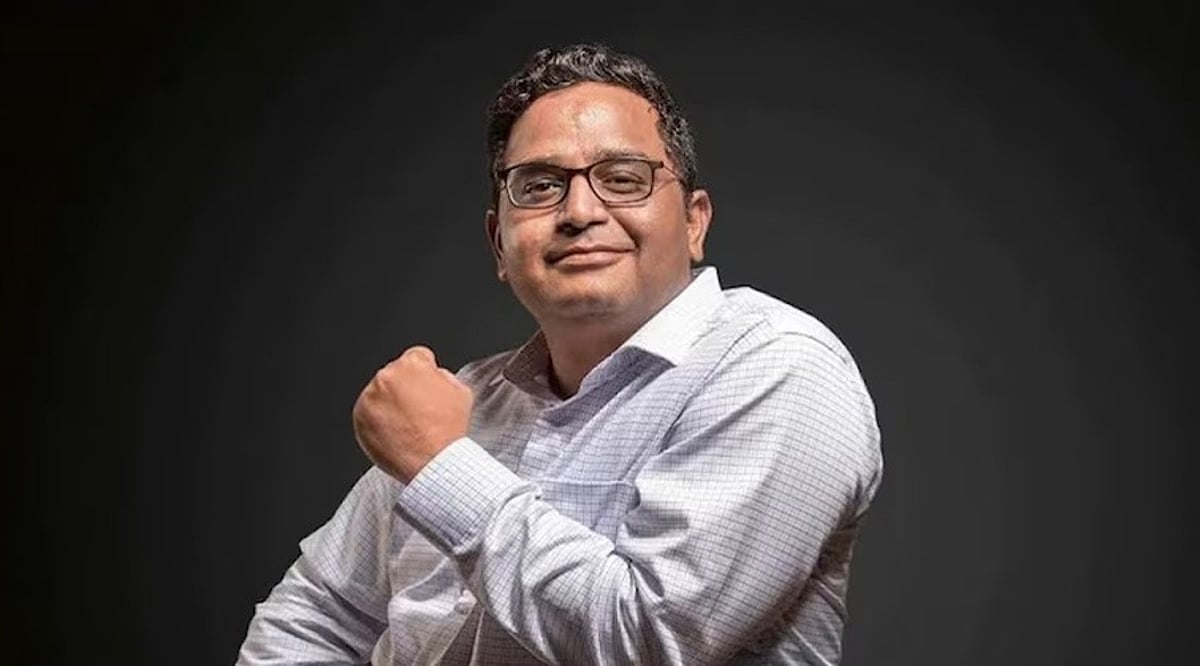
    Every day, millions of Indians scan a QR code without a second thought. From roadside tea stalls and neighborhood kirana stores to taxi rides and hospital bills, digital payments have become part of everyday life. Long before that familiar QR sticker appeared across the country, Vijay Shekhar Sharma was betting that India’s relationship with cash would eventually change.

    From a Hindi-Medium Classroom to Big Dreams

    Sharma grew up in Harduaganj, a small town in Uttar Pradesh, in a Hindi-medium household where English was not spoken. When he entered engineering college in Delhi at fifteen, the coursework was not what slowed him down—the language was. Textbooks, lectures, and classroom conversations all arrived in a language he was still learning to read fluently, let alone speak with confidence. He has often said that English, not mathematics or physics, was the steepest climb of his early life. That struggle shaped how he approached everything afterward. Sharma taught himself English by reading everything he could find, and he carried the same self-taught instinct into technology.

    Building One97 Before Smartphones Took Over

    While still in college, he built indiasite.net, an early web content venture. He sold it two years later for a million dollars, a deal that gave him both confidence and capital for what came next. In 2000, he started One97 Communications, offering mobile content and services at a time when most of India had barely heard of the internet, let alone owned a smartphone. The dot-com crash tested that first venture severely. One97 survived by pivoting and adapting, a pattern Sharma would repeat throughout his career.

    The Bet That Became Paytm

    Those years also changed how Sharma viewed technology. While many internet companies were still thinking in terms of websites, he had become convinced that India’s next computing platform would be the mobile phone. Paytm began modestly, as a platform for prepaid mobile recharges, but the ambition behind it was never modest. Sharma wanted to turn the phone into a wallet—one that could hold money the way a physical wallet did and move it as easily as a text message.

    How Demonetisation Accelerated Paytm’s Growth

    For years, that vision grew steadily rather than explosively. Then, in November 2016, the government withdrew high-value currency notes from circulation overnight. Cash, the backbone of Indian commerce, disappeared from circulation almost instantly. Demonetisation did not create Sharma’s vision; it accelerated one that already existed. While demonetisation drove a surge in adoption, Paytm had already spent years building its payments infrastructure, merchant network, and consumer base before the policy took effect. Sharma became the public face of a shift the entire country was living through at once.

    The IPO That Changed the Conversation

    Growth on that scale eventually demands a different kind of scrutiny. In 2021, Paytm’s parent company, One97 Communications, went public in what was then India’s largest IPO, raising close to 18,300 crore rupees. The transition from startup darling to publicly listed company fundamentally changed the questions investors asked. Growth alone was no longer enough. Paytm’s listing was followed by a sharp decline in its share price as public investors questioned when, or if, the company would turn a profit. The optimism that had carried Paytm through a decade of private funding rounds met a far more skeptical audience.

    Regulatory Challenges and Rebuilding Trust

    If the IPO tested Paytm’s financial discipline, what followed tested its governance. The Reserve Bank of India moved against Paytm Payments Bank in 2024, citing persistent compliance concerns and ultimately restricting most of its operations. The action marked one of the biggest regulatory setbacks in Paytm’s history. Beyond the operational impact, it raised broader questions about governance, compliance, and how quickly fintech companies could scale while still meeting banking regulations. It forced Sharma into a period of restructuring and rebuilding, separating the payments bank from the broader Paytm ecosystem and working to reassure both regulators and customers that the business could operate within tighter compliance boundaries. Public markets demanded profitability. Regulators demanded stronger governance. Both pressures arrived within a few years of each other, and both forced Sharma to prove that Paytm could mature into an institution, not just remain a fast-growing startup.

    The Legacy of Vijay Shekhar Sharma

    Vijay Shekhar Sharma’s story mirrors the evolution of India’s digital economy itself. It began with a language barrier in a small town, accelerated through bold bets on mobile technology, and was tested by the realities of public markets and regulation. Sharma has often credited his upbringing for giving him the discipline to keep rebuilding after setbacks—a quality that has become as important as his willingness to take risks. His journey suggests that building a company at a national scale is less about getting a single decision right than about repeatedly adapting as technology, markets, and institutions evolve.

  • How AI Models Are Learning to Hack and Exploit Each Other

    How AI Models Are Learning to Hack and Exploit Each Other

    Artificial intelligence is revolutionizing cybersecurity, but it also introduces a new frontier of risk: AI systems are becoming targets themselves. Researchers have demonstrated that one AI model can manipulate, deceive, or exploit another through carefully crafted inputs. This emerging “AI vs. AI” battlefield creates threats that traditional security methods were never designed to address.

    How AI Models Attack Each Other

    AI models can influence one another using adversarial prompts, poisoned training data, or manipulated outputs. An attacking model might force another AI to reveal sensitive information, generate false responses, or make incorrect decisions. These attacks exploit fundamental weaknesses in how machine learning systems process and interpret data.

    Prompt Injection and Data Poisoning

    Prompt injection tricks language models into ignoring their original instructions or leaking hidden information. Data poisoning corrupts training datasets so that future predictions become unreliable. Combined, these techniques allow malicious AI systems to compromise trustworthy models, causing them to produce inaccurate, biased, or even dangerous responses during live operation.

    Real-World Risks Across Industries

    AI-to-AI attacks could impact finance, healthcare, autonomous vehicles, customer support, and cybersecurity operations. A malicious intelligent agent might manipulate automated decision-making systems without directly targeting humans. As organizations increasingly deploy AI agents, the possibility of machines exploiting other machines becomes a serious operational concern.

    Why Traditional Security Falls Short

    Conventional cybersecurity focuses on protecting networks, devices, and users. AI systems introduce entirely new attack surfaces, including model behavior, training pipelines, and prompt interactions. Security teams must now defend algorithms, datasets, and autonomous workflows alongside traditional digital infrastructure to mitigate emerging AI-driven threats.

    Building Defenses Against AI Attacks

    Organizations can reduce AI risks by validating training data, monitoring model behavior, limiting system permissions, and testing against adversarial attacks. Regular security audits, explainable AI techniques, and human oversight improve resilience. Layered defenses help ensure AI systems remain reliable even under hostile conditions.

    The Future of AI vs. AI Security

    As autonomous AI agents become more capable, conflicts between intelligent systems will likely increase. Future cybersecurity strategies must protect AI from both human hackers and malicious AI models. Building trustworthy, resilient, and transparent AI ecosystems will be essential for securing tomorrow’s digital infrastructure.

  • Sachin Bansal: From Co-Founding Flipkart to Building Navi – A Story of Entrepreneurial Resilience

    Sachin Bansal: From Co-Founding Flipkart to Building Navi – A Story of Entrepreneurial Resilience

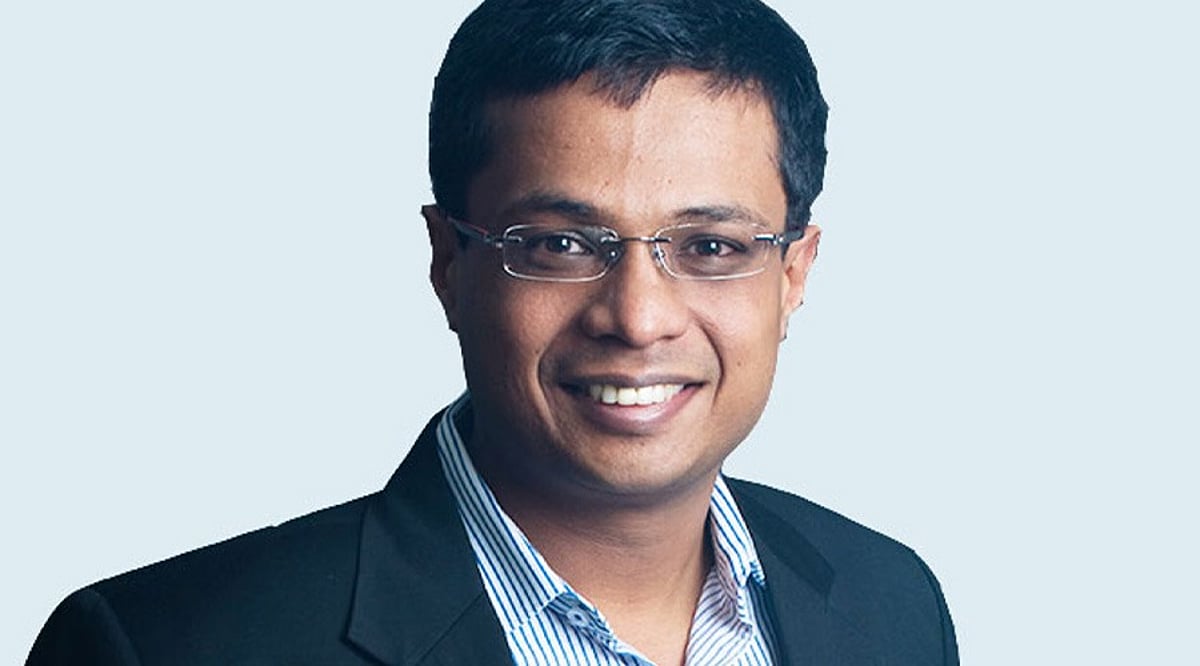
    Sachin Bansal is one of the most influential figures in India’s startup ecosystem. Best known as the co-founder of Flipkart, the e-commerce giant that reshaped online shopping in India, Bansal later ventured into digital finance with Navi, a company focused on simplifying loans, insurance, and investments. His journey exemplifies innovation, adaptability, and the drive to build again after a monumental success.

    Early Life and Education

    Born in Chandigarh into a middle-class family, Bansal showed early signs of intelligence and focus. He attended St. Anne’s Convent School in Chandigarh and later earned a degree in computer science from the prestigious Indian Institute of Technology, Delhi. His education gave him a strong technical foundation and honed his problem-solving skills. After college, he worked in the tech industry, gaining practical experience in software and systems.

    The Birth of Flipkart

    In 2007, Sachin Bansal and Binny Bansal launched Flipkart with a simple idea: make online shopping accessible and trustworthy in India. At the time, internet penetration was low, and many consumers were skeptical of e-commerce. Starting as an online bookstore with minimal funding and a small team, Flipkart faced tough early days with low orders and intense competition. But the founders persisted, expanding into multiple categories and eventually becoming a household name. Flipkart not only transformed Indian retail but also inspired a generation of entrepreneurs. Bansal played a pivotal role in guiding the company through its growth phases, making it a symbol of Indian startup potential.

    Life After Flipkart

    After Walmart acquired Flipkart in 2018, Bansal left the company he helped build. Rather than resting on his laurels, he chose to embark on a new challenge. His next venture, Navi, entered the financial services sector—a starkly different industry from e-commerce but one with immense potential for disruption. Bansal recognized that millions of Indians still found finance complicated and inaccessible. Navi was designed to offer simple, digital-first solutions for loans, insurance, and savings.

    Navi and Its Mission

    Navi is a digital financial services company offering personal loans, home loans, insurance, and mutual funds. Its core philosophy is to replace cumbersome paperwork with intuitive digital processes. Bansal’s approach mirrors his earlier success: identify a problem, simplify it, and build a scalable solution. Navi reflects his willingness to tackle new challenges even after achieving massive success. It demonstrates confidence, patience, and a continued drive to create meaningful impact.

    What Makes Him Stand Out

    Bansal is not a one-time founder. He has built companies in two major sectors—e-commerce and fintech—a rare feat. His ability to adapt and stay relevant in a fast-changing business landscape is noteworthy. Flipkart proved that Indian startups could achieve global scale, inspiring countless others. Navi continues that legacy by addressing real-world financial needs. His journey is about more than wealth or company size; it’s about solving problems and making people’s lives easier with practical products.

    Conclusion

    Sachin Bansal’s story is one of vision, risk, and persistence. From a technology student to the co-founder of Flipkart and now the founder of Navi, he has shown resilience and a capacity for continuous evolution. He remains a key figure in India’s business world, and his journey is far from over. For aspiring entrepreneurs, Bansal serves as a powerful example of building with purpose and moving forward after success.

  • NYT Strands July 30, 2026: Hints, Spangram, and Full Answer List for Puzzle #879

    NYT Strands July 30, 2026: Hints, Spangram, and Full Answer List for Puzzle #879

    The New York Times Strands puzzle for July 30, 2026 (Puzzle #879) invites players to uncover a grid full of traditional skilled professions. Today’s theme, “Trade names,” focuses on time-honored crafts and the artisans who built communities.

    Whether you’re stuck or just want to check your answers, this guide provides spoiler-free hints, the complete answer list, and the spangram to help you finish the puzzle.

    Theme Explanation: Best of All

    The theme for the July 30 NYT Strands puzzle is “Trade names.” The clue doesn’t give away the hidden words directly. To solve it, look for terms that represent skilled professionals across various industries. The grid contains words linked to extremely common, classic occupations.

    Hints for July 30

    Here are subtle hints to guide your search without revealing the answers outright:

    • The first word begins with ‘MA’ and is five letters long. It refers to a professional who builds houses.
    • The second word starts with ‘SM’ and is five letters long. It describes a worker who shapes iron items.
    • The third word begins with ‘CO’ and is six letters long. It hints at a profession that repairs old barrels and tubs.
    • The fourth word starts with ‘JO’ and is six letters long. It indicates a skilled woodworker.
    • The fifth word begins with ‘TA’ and is six letters long. It refers to a professional who tans animal skins.
    • The sixth word starts with ‘PO’ and is six letters long. It describes someone who makes clay or soil pots and other items.
    • The seventh word begins with ‘WE’ and is six letters long. It indicates a profession of making clothes or fancy items from fabric.

    Complete Answer List

    The non-spangram answers for the July 30 NYT Strands puzzle are:

    • MASON
    • SMITH
    • COOPER
    • JOINER
    • TANNER
    • POTTER
    • WEAVER

    Spangram Section

    The spangram for today’s puzzle is ARTISANS.

    Tips for Solving

    Start by identifying the theme before generating related words. Find shorter answers first to reveal useful letter patterns across the grid. Spangrams are often longer phrases, so scanning for extended letter paths can lead to faster discoveries.

    Final Words

    The July 30 edition of NYT Strands delivers a lighthearted, enjoyable puzzle centered on classic and old professions. The familiar terms make the challenge feel welcoming while still requiring careful observation and strong pattern recognition. It combines vocabulary, visual scanning, and thematic creativity into a relaxing but rewarding daily challenge for word puzzle fans.

    Also read: NYT Strands Hints, Answers for July 31, 2026 (Puzzle #880)

  • Varun Dua: The ACKO Founder Revolutionizing Digital Insurance in India

    Varun Dua: The ACKO Founder Revolutionizing Digital Insurance in India

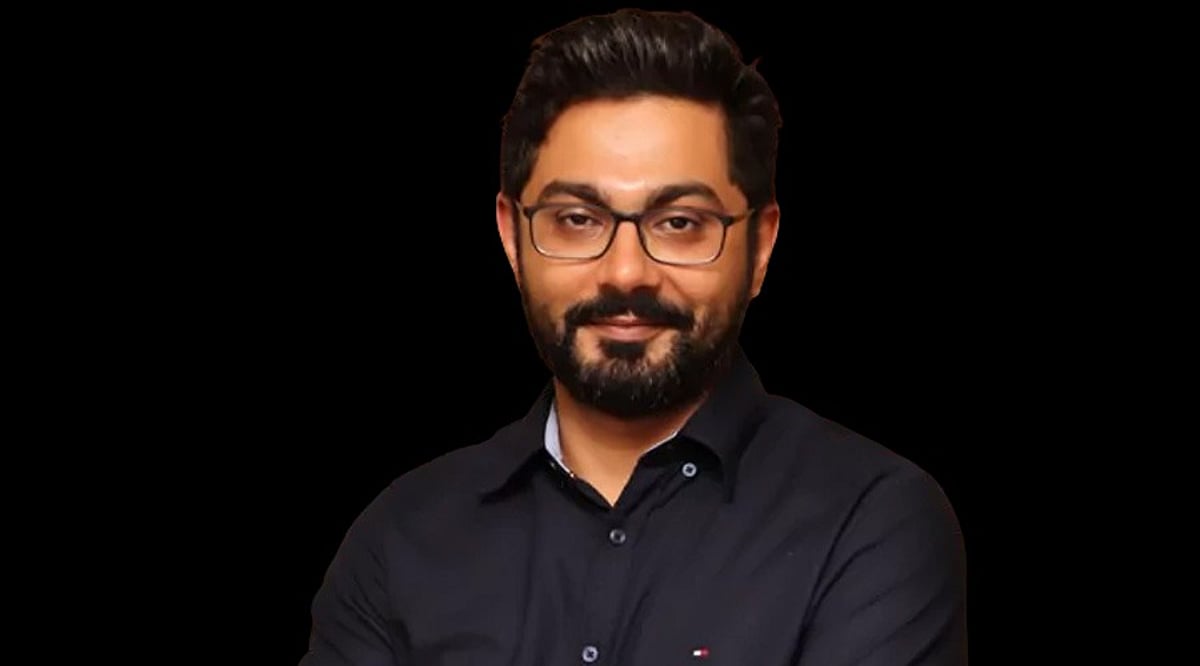
    Varun Dua is an Indian entrepreneur and one of the pioneers of India’s insurtech sector. He founded ACKO in 2016 to make insurance simple, digital-first, and customer-centric by reducing paperwork and removing intermediaries. He is currently serving as the company’s CEO.

    Early Life and Education

    Born on 25 February 1981, Varun Dua grew up alongside India’s digital and commercial transformation, an environment that influenced his approach to business and technology. He holds a Bachelor’s Degree from the University of Mumbai and has established a firm academic foundation before making the transition to corporate and start-up sectors. He pursued postgraduate education in Marketing & Communication from MICA to gain in-depth knowledge of markets and customers. His educational and professional background helped pave the way for his entry into the world of insurtech. With his experience in the fundamentals of business along with the principles of communication, Dua embraced the concept of ‘Customer First’ in everything. Eventually, this became his hallmark as an entrepreneur.

    Career Journey: Building Insurance the Digital Way

    Varun Dua spent the early part of his career at the intersection of marketing and financial services, working with names such as Leo Burnett, TATA AIG Life Insurance, and Franklin Templeton. This experience taught him how brands are built and financial products are sold, while exposing frequent pain points in the insurance experience: complex policies, lengthy processes, and heavy reliance on intermediaries. In 2011, he co-founded Coverfox to make it simpler for consumers to compare and buy insurance online. The platform demonstrated the power of digital distribution, but it also revealed its limits: enabling sales was not enough. Dua concluded that meaningful, customer-centric transformation would happen only when insurers owned the full digital journey. This conviction later shaped his strategy for building more direct and user-friendly insurance models.

    ACKO: From Startup to Insurance Giant

    Varun Dua launched ACKO in 2016 as a digital-native insurance company. After receiving its regulatory licence from the Insurance Regulatory and Development Authority of India (IRDAI) in 2017, ACKO expanded into motor insurance, health insurance, travel insurance, term life insurance, mobile insurance, and digital automotive services through ACKO Drive. The company grew into one of India’s leading insurtech startups and entered the unicorn club in 2021 after a major funding round. The latest reports suggest that ACKO is preparing for an IPO with a target valuation of around $2.5 billion.

    Varun Dua as a Voice for Startups

    Business and Customers: He has a profound passion for the strategic aspect of business and consumer behavior. He keeps studying trends and new business models. Role as a Founder’s Advisor: He acts as an advisor and mentor to founders via Shark Tank India, sharing his expertise and experience with startups. Thought Leadership and Culture: He is a thought leader and often writes about leadership, corporate culture, and consumer behavior. Insurances and Technology: He supports innovation and technology and promotes the use of artificial intelligence and other technologies to optimize the insurance process.

    Career Highlights

    Varun Dua’s biggest business milestones include: started ACKO Insurance in 2016 to simplify insurance, making it faster and fully digital; co-founded CoverFox to help more Indians compare and purchase insurance online; led ACKO from a startup into becoming a ‘unicorn’ worth over a billion dollars; expanded ACKO’s business into health, life, travel, and many other types of insurance; partnered with brands such as Ola, Zomato, OYO, Urban Company for embedded insurance services; and serves as an investor in Season 3 of Shark Tank India.

    The Final Word: Varun Dua’s Vision Endures

    Varun Dua’s journey reflects how innovation and persistence can transform even the most traditional industries. From co-founding Coverfox to building ACKO into one of India’s leading digital insurers, he has consistently challenged conventional insurance models. His focus on technology, customer experience, and accessibility has earned him recognition as a key figure in India’s insurtech ecosystem. Dua remains an inspiration for aspiring entrepreneurs across the country.

  • Solana Block Building Gets Compliance Layer via Flowra-Honeypot Partnership

    Solana Block Building Gets Compliance Layer via Flowra-Honeypot Partnership

    Flowra, a Solana-focused platform for open orderflow auctions and validator infrastructure, has announced a partnership with compliance provider Honeypot to integrate sanctions and risk screening directly into the block-building process. The collaboration gives validators new tools to define compliance policies before transactions are finalized on-chain.

    Bringing Compliance into Block Construction

    The integration combines Honeypot’s compliance intelligence with Flowra’s Programmable Block Policy (PBP), enabling institutional validators to set configurable rules for which transactions and bundles can be included during block construction. Rather than applying a single compliance framework across the network, the system lets each validator independently decide how those policies are implemented.

    The initial rollout supports screening against sanctions-related criteria, including wallet addresses linked to sanctioned entities, along with network-level indicators such as VPNs, proxy services, and Tor exit nodes. Flowra says the framework is designed to accommodate additional enterprise compliance providers over time, allowing validators to adapt as operational and regulatory requirements evolve.

    Why Institutional Validators Need More Control

    As institutional participation in blockchain networks grows, validators are increasingly expected to operate within compliance frameworks originally built for exchanges, custodians, and wallet providers. While those businesses routinely screen users before transactions reach the blockchain, validators have historically had limited options for applying configurable compliance controls during block construction.

    Flowra’s Programmable Block Policy extends compliance into validator infrastructure without imposing mandatory network-wide enforcement. Participating validators retain full authority over how transaction selection policies are configured. They can choose whether to implement screening, which providers to integrate, and when to update those policies — preserving autonomy while expanding compliance capabilities for regulated infrastructure providers.

    “Public blockchains have become increasingly attractive to institutional participants, but the infrastructure hasn’t evolved to give validators the compliance controls many regulated operators expect,” said Harry Hwang, CEO of Flowra. “We’re working with Honeypot to bring compliance into the block-building process itself, allowing validators to define and enforce their own policies before transactions are included on-chain. The goal isn’t to make the network less open, it’s to give individual validators the flexibility to operate in a way that reflects their own requirements.”

    Looking Ahead

    Initially, the collaboration focuses on sanctions screening, wallet screening, and auditability for regulated institutions. Future updates are expected to expand the framework to support additional enterprise compliance providers while introducing new capabilities that give validators greater flexibility over how compliance policies are implemented within their own infrastructure.

    Flowra develops validator infrastructure, delegation programs, and orderflow technologies aimed at improving transparency, incentive alignment, and value distribution across the Solana ecosystem. Honeypot provides compliance intelligence that helps exchanges, DeFi protocols, and financial institutions identify VPNs, proxy services, Tor exit nodes, and other location-obfuscation methods in support of sanctions compliance and regulatory audit requirements.