Blog

  • 5 Best Biotech Stocks to Buy in 2026: Vertex, Gilead, Regeneron, Argenx, and CRISPR Therapeutics

    5 Best Biotech Stocks to Buy in 2026: Vertex, Gilead, Regeneron, Argenx, and CRISPR Therapeutics

    Biotech stocks continue to attract serious investor interest despite their reputation for sharp price swings. Drug approvals, patent protection, and steady cash flow separate durable holdings from names built purely on promise. Several companies have already delivered regulatory wins and label expansions this year, giving investors real data to weigh rather than speculation alone.

    Choosing a strong biotech stock means looking beyond a single earnings report. Pipeline depth, cash reserves, and genuine patient demand often tell a more reliable story than short-term stock movement. The five companies profiled below combine established commercial leaders with one higher-risk name built around breakthrough gene editing science.

    Top 5 Biotech Stocks to Buy in 2026

    1. Vertex Pharmaceuticals

    Few companies in medicine hold the kind of pricing power Vertex has built around cystic fibrosis. Its treatments target the disease at the genetic level, leaving rivals little room to compete directly. First-quarter revenue climbed to $2,986.9 million, up from $2,770.2 million in the same period last year. ALYFTREK alone brought in $424.4 million, a sharp rise from $53.9 million a year earlier. Guidance for the full year now sits between $12.95 billion and $13.1 billion in total revenue. CASGEVY, the gene therapy built with CRISPR Therapeutics, keeps gaining ground through Vertex’s treatment network worldwide.

    2. Gilead Sciences

    Gilead’s market capitalization above $172 billion makes it the heaviest name among these five picks. Decades of HIV treatment sales built the foundation, and that franchise still throws off dependable, recurring cash every quarter. Oncology has since become a second growth engine, fed by steady reinvestment into newer drug classes across several tumor types. This scale buys Gilead room to move that smaller rivals rarely get. Many investors treat the stock as a defensive healthcare holding rather than a growth story chasing headlines.

    3. Regeneron Pharmaceuticals

    Eye disease treatments built Regeneron’s early reputation, and that franchise still anchors a market capitalization near $69 billion. Its antibody discovery platform has since produced approved therapies spanning immunology and oncology, broadening the business well past one drug category. Several analysts group Regeneron with Vertex and Gilead when naming the sector’s steadier, lower-drama holdings. Rather than chase entirely new molecules, Regeneron keeps pushing existing drugs into fresh patient populations, an approach that tends to carry less clinical risk than betting everything on a brand-new approval.

    4. Argenx SE

    Full-year revenue at Argenx reached €4.2 billion, a substantial jump from prior periods. Vyvgart and its subcutaneous sibling, Vyvgart Hytrulo, treat generalized myasthenia gravis alongside related autoimmune disorders. Regulators recently expanded approval to cover all adult patients with the condition, rather than a narrower subset defined by antibody markers. Market capitalization now stands near $56 billion following that expanded label. Unlike broader holding companies juggling dozens of programs, Argenx built its entire business around antibody therapies for autoimmune disease and cancer. Staying narrow has let the company move faster than less specialized competitors managing wider portfolios.

    5. CRISPR Therapeutics

    CRISPR Therapeutics carries the most risk on this list by a wide margin, with a market capitalization under $5 billion. CASGEVY, its flagship gene editing therapy, treats two rare blood diseases through the ongoing partnership with Vertex. Revenue remains thin, with analyst forecasts landing near $36 million for the full year. A first-quarter net loss of $122.9 million shows just how much the company still spends on research. Several pipeline candidates could change that picture if clinical data holds up. New programs aimed at autoimmune conditions now run alongside continued efforts to expand CASGEVY access globally.

    Key Factors Driving Biotech Stocks in 2026

    Several forces are shaping returns across biotech this year, from regulatory decisions to balance sheet strength. The two categories below explain what separates the stronger performers from the rest of the pack.

    Regulatory and Commercial Momentum

    • Expanding approvals across gene editing and antibody therapy platforms
    • Label expansions widening eligible patient populations for existing drugs
    • Continued regulatory clearances from the Food and Drug Administration

    Financial Strength Across the Sector

    • Strong cash reserves supporting ongoing pipeline investment
    • Dependable recurring revenue from established commercial drug franchises
    • Sustained institutional investor interest despite broader sector volatility

    Final Thoughts

    Biotech rewards investors who can tell durable commercial strength apart from short-term speculation. Vertex, Gilead, and Regeneron each offer dependable revenue streams protected by genuine drug monopolies. Argenx shows what focused execution around a single therapeutic area can achieve. CRISPR Therapeutics stands as a reminder that early-stage science still carries real financial risk.

    Anyone weighing these five names should balance exposure between established leaders and smaller, higher-risk pipeline bets. Solid fundamentals and expanding patient access continue supporting the sector heading into the year’s second half. Careful, patient stock selection, rather than chasing headlines, will likely separate investors who do well from those who do not.

  • How Blockchain Strengthens Business Data Security: Benefits and Challenges

    How Blockchain Strengthens Business Data Security: Benefits and Challenges

    Data breaches cost companies more than money now. They cost trust, and trust is hard to rebuild once it’s gone. That gap is pushing more businesses toward blockchain, a technology once tied mostly to crypto trading, now finding a second life as a security layer for sensitive records.

    What Makes Blockchain Hard to Break Into

    A blockchain stores data across many computers instead of one central server. Each new entry links back to the one before it through cryptographic proof, forming a chain that every participant can see. Changing one record means rewriting every entry after it. That change also needs approval from most nodes on the network before it sticks. This setup is what draws security teams in. A single hacked server can bring down a whole database. A blockchain spread across participating organizations gives an attacker no single point to target.

    This setup is also what gives blockchain its core security value: a record that is hard to alter once written, paired with a clear audit trail. Every entry stays linked to a timestamp and the entries before it, so an unauthorized change is easy to spot rather than easy to hide. That same trail helps after an attack too. If ransomware or a breach hits other systems, a verifiable blockchain record can help a business confirm what data was touched and support the forensic work that follows.

    Where Businesses Are Putting It to Work

    Banks and payment firms were early adopters. They use blockchain to record transactions in a way auditors can check without trusting a middleman. Supply chain firms now track goods from factory to shelf on shared ledgers, making it easy to spot a tampered shipment record or a fake product entering the chain. Healthcare providers are testing blockchain for patient records too, using it to manage patient consent and track who has viewed a file, letting hospitals share records safely without losing a clear history of every change.

    Government agencies have started piloting blockchain for land registries and identity systems, where a forged document can cause real financial harm. Beyond these industries, many organizations face the same challenge: several parties need access to the same data, but no single organization can always be trusted to manage it alone. Blockchain solves this problem by letting everyone share and verify the same records without relying on one central authority.

    Smart Contracts Add a Second Layer

    Many enterprise blockchain systems also run smart contracts, small pieces of code that execute automatically once agreed terms are met. A payment can be released only when a shipment is confirmed delivered. A contract can hold funds until both sides sign off. This cuts out manual approval steps that are often the weak point in a security chain, the spot where a forged email or a stolen login can slip past a human reviewer.

    Encryption and Access Control Get an Upgrade

    Traditional databases rely on passwords and firewalls, which can be compromised if login credentials are stolen. Blockchain uses public and private cryptographic keys to verify access instead of depending only on passwords. Many enterprise blockchain platforms also offer permissioned access, allowing businesses to decide who can view or update specific records while keeping the ledger secure and tamper-resistant.

    The Limits Businesses Still Face

    Blockchain does not fix every security problem. Running a full network takes real computing power, and public blockchains can run slower than a standard database built for speed. Rules around data storage, especially in finance and healthcare, are still catching up with how blockchain actually works. Some businesses stay cautious about full adoption. There is also a skills gap: setting up and running a blockchain system takes specialized skills that many IT teams are still building.

    Enterprise blockchains are expensive, often costing lakhs to set up and run. For smaller companies, the investment doesn’t really pay off until they are handling massive amounts of data or facing heavy regulatory pressure. For many, a mixed approach works best: sensitive records on a blockchain layer, routine work left on existing systems.

    A Shift in How Trust Gets Built

    What blockchain offers, at its core, is a different way to build trust. Instead of asking everyone to trust one company or one server, it spreads that trust across a network where tampering becomes hard to pull off rather than simply against the rules. For businesses handling sensitive data—whether financial records, medical files, or supply chain documents—that shift is worth real thought, even if it doesn’t fit every system on day one.

    Final Thoughts

    Blockchain adoption in enterprise security is still young, and most businesses will end up running it alongside older systems rather than replacing them outright. The companies gaining the most ground now are the ones testing it on a narrow, high-value problem first, then scaling once the results hold up under pressure.

  • 10 Most Satisfying Careers to Pursue in 2026

    10 Most Satisfying Careers to Pursue in 2026

    Job satisfaction goes beyond salary. Meaningful work, work-life balance, and career growth matter most. Healthcare and technology lead the rankings. Purpose, flexibility, and stability continue to define the happiest careers.

    Job satisfaction is driven by a mix of competitive pay, work-life balance, supportive workplace culture, and meaningful work. Healthcare, technology, business, and wellness careers stand out for offering strong career growth, stability, and long-term satisfaction. Roles that combine purpose, flexibility, and opportunities for professional development continue to rank among the happiest careers.

    Job satisfaction goes beyond a high salary. Workplace surveys show people care about a mix of things: good pay, work-life balance, room to grow, supportive managers, a decent culture, and work that actually feels meaningful. This is why some lower-paying jobs end up ranking above roles with much bigger paychecks.

    Monster’s 2026 Workplace Experience Report looked at millions of employee ratings and reviews collected between January and April 2026. It found that healthcare practitioners, data science professionals, and science technicians scored highest overall, across pay, culture, job security, and career outlook. A separate 2026 study by Blink, covering 100 in-demand occupations, came to a similar conclusion. Strong pay, meaningful work, and a supportive workplace mattered more to people than low stress alone. This ranking takes the same approach, weighing overall workplace experience rather than just salary or prestige.

    1. Nurse Practitioner

    The Bureau of Labor Statistics puts the median annual wage at $129,210 as of May 2024. The role sits among the fastest-growing jobs tracked nationally. That growth, paired with real independence in patient care, keeps satisfaction scores high.

    2. Data Scientist

    Data science stays one of the most satisfying tech careers. The median annual wage was $112,590 in May 2024, and employment is expected to grow 34% by 2034. Intellectual challenge and demand across nearly every industry keep the role near the top.

    3. Financial Manager

    Financial managers post strong satisfaction scores tied to pay and clear paths upward. A 2026 study by Blink ranked financial managers third among America’s happiest careers, with a score of 84.99. Steady demand across sectors adds to the appeal.

    4. Recreation and Fitness Worker

    Pay runs lower here than most entries on this list, yet these roles score near the top for meaning and low stress. Payscale found that 85% of recreation workers said their job makes the world better, and 76% reported high satisfaction overall. That sense of purpose outweighs pay for many in the field.

    5. Dental Hygienist

    Dental hygienists post some of the best work-life balance scores of any tracked profession. US News gave the role a perfect work-life balance score and a low stress score of 6. Payscale found 79% of hygienists report high job satisfaction. Steady hours and low stress make this one of healthcare’s most rewarding roles.

    6. Software Developer

    Software development pairs strong pay with real autonomy. Developers earn a median salary above $133,000, per BLS figures. Industry surveys point to remote and hybrid work staying common across the field, which keeps satisfaction high.

    7. Psychiatrist

    Psychiatry has climbed in satisfaction rankings as mental health awareness grows worldwide. BLS data lists physicians and surgeons, the group that covers psychiatrists, among the highest-paid roles nationally, at $239,200 or more a year. Beyond pay, psychiatrists often describe the work as deeply meaningful given rising global demand for mental health care.

    8. Physical Therapist

    Physical therapists often name visible patient progress as their biggest source of satisfaction. Recovery unfolds week by week, and they see it happen. The national median wage sits just under six figures, at $99,710, though pay clears $100,000 in several higher-cost states. Strong work-life balance and steady demand round out the appeal.

    9. Human Resources Manager

    HR management has grown into a more strategic, people-focused role over the past few years. Professionals in the field often point to shaping workplace culture as the most rewarding part of the job. That shift shows up clearly in newer satisfaction data.

    10. UX Designer

    The BLS does not track ‘UX Designer’ as its own title. It folds the role into web and digital interface designers. The median annual wage for that group was $98,090 in May 2024, with employment expected to grow 7% by 2034. Designers often cite the mix of autonomy and visible product impact as key to lasting satisfaction, along with remote flexibility that has held up better than in many other tech roles.

    Across all ten roles, a pattern holds. Pay matters, but it rarely explains satisfaction alone. Manageable stress, a sense that the work matters, and enough flexibility to build a life outside the job show up again and again as the real difference makers, right alongside careers that offer low stress and high pay together.

    Final Thoughts

    As automation reshapes routine tasks, the careers holding onto high satisfaction scores are built around judgment, care and human connection, qualities that remain hardest to copy. That shift is likely to keep reshaping which roles top these lists in the years ahead.

  • NYT Connections Hints & Answers for July 26, 2026: Baby Milestones, Obsolete Tech & Rainy Wordplay

    NYT Connections Hints & Answers for July 26, 2026: Baby Milestones, Obsolete Tech & Rainy Wordplay

    The New York Times Connections puzzle for July 26, 2026 challenges players to sort 16 words into four hidden groups: baby milestones, outdated consumer technology, expressions for rainy weather, and multiple meanings of the word ‘shell.’ While the first two categories are relatively straightforward, the rain-related phrases and the final wordplay group require closer attention.

    Today’s Connections Clues

    Here is one representative word from each category to help you start:

    • Yellow Category: FIRST WORDS
    • Green Category: PLASMA TV
    • Blue Category: SCOTCH MIST
    • Purple Category: GAS STATION

    Additional clues for each group:

    • Yellow: Important stages during a baby’s early development.
    • Green: Once cutting-edge electronics that have largely disappeared.
    • Blue: Different ways people refer to rainy conditions.
    • Purple: Think of different things the word ‘shell’ can describe.

    Today’s Categories

    • Yellow Category: Baby Milestones
    • Green Category: Outmoded Consumer Tech
    • Blue Category: Expressions for Rain
    • Purple Category: What ‘Shell’ Might Refer To

    Complete Answers

    Yellow: Baby Milestones

    • CRAWLING
    • FIRST WORDS
    • ROLLING OVER
    • SOLID FOOD

    Green: Outmoded Consumer Tech

    • BLACKBERRY
    • DISCMAN
    • DVD PLAYER
    • PLASMA TV

    Blue: Expressions for Rain

    • APRIL SHOWERS
    • LIQUID SUNSHINE
    • SCOTCH MIST
    • WET WEATHER

    Purple: What ‘Shell’ Might Refer To

    • CARAPACE
    • GAS STATION
    • PASTRY CRUST
    • ROWING BOAT

    The Bottom Line

    Today’s puzzle offers an enjoyable mix of everyday knowledge, nostalgia, weather vocabulary, and creative wordplay. The baby milestones and outdated gadgets are easy to spot, while the rain-themed expressions and multiple uses of ‘shell’ make the last two categories more challenging. Great for puzzle fans looking for a satisfying mental workout.

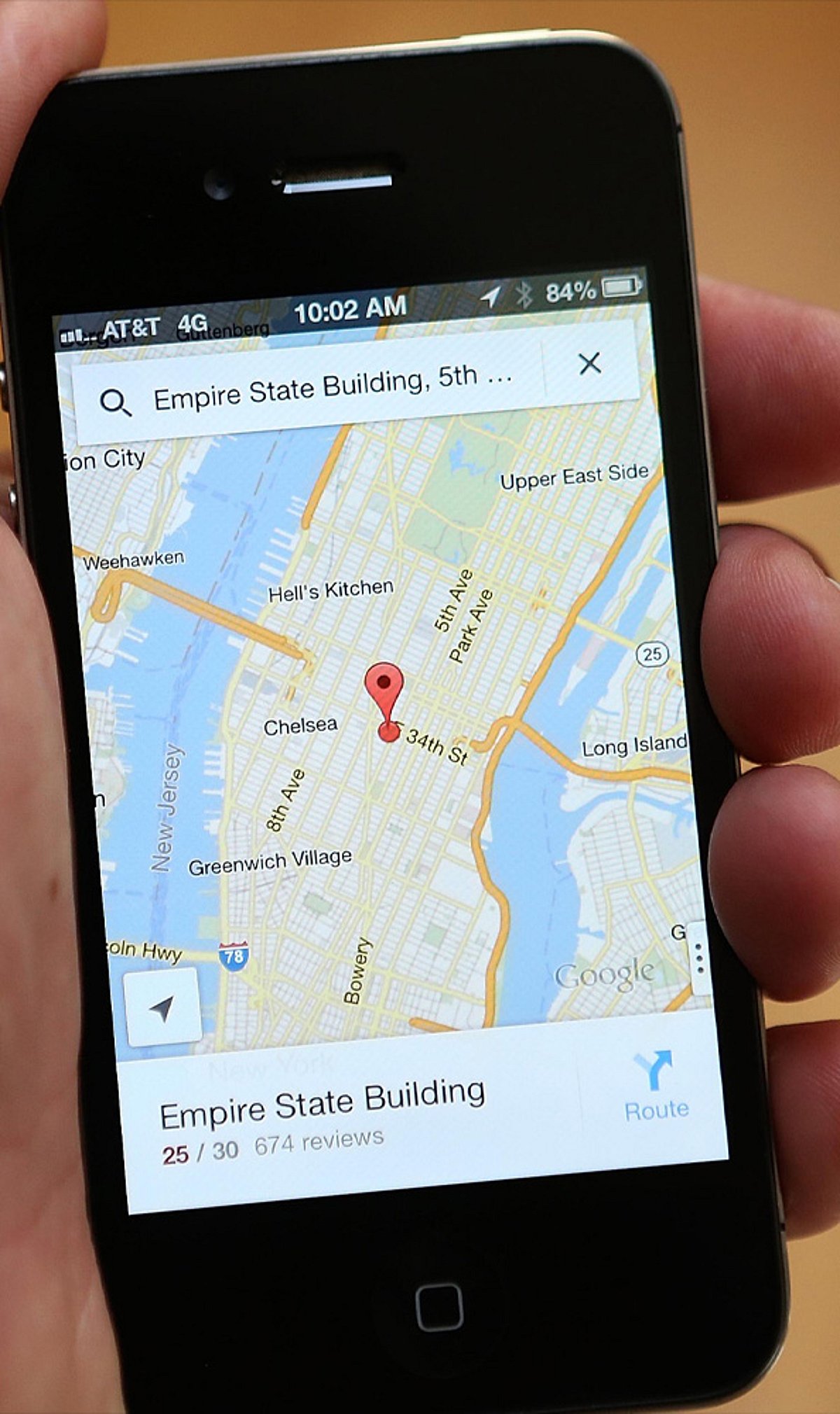
  • 9 Clever Google Maps Features That Save You Time

    9 Clever Google Maps Features That Save You Time

    Google Maps is more than just a navigation tool—it’s packed with features that can streamline your daily commute, road trips, and errands. Here are nine time-saving tricks you may not be using.

    1. Save Home & Work for One-Tap Directions

    Add your home and work addresses to Google Maps for instant directions and live ETA updates. No more typing the same locations every day—just tap and go.

    2. Beat Traffic with Smart Navigation

    Enable live traffic updates to compare travel times and avoid congestion. Set your departure or arrival time to plan the fastest route before you even start driving.

    3. Download Offline Maps Before You Travel

    Save maps for cities or regions in advance. This lets you navigate even without mobile data or in areas with weak network coverage—perfect for travel abroad or remote areas.

    4. Plan Better with Multiple Stops & Parking Saver

    Add up to nine stops on a single route for errands or road trips. After parking, save your location to quickly find your car later—no more wandering around.

    5. Find What You Need Along the Way

    Search your route for petrol pumps, cafés, restaurants, ATMs, or EV chargers without ending navigation. You can also avoid tolls, highways, or ferries to suit your preference.

    6. Use Hidden Features for Faster Travel

    Share your live location with friends, use one-finger zoom to quickly scan the map, explore indoor maps for large buildings, and check popular times at businesses to avoid crowds. These small tricks add up to big time savings.

    Start using these tips today to make your travel smoother and more efficient. For more productivity tips, stay tuned.

  • Crypto Security Best Practices: Safeguard Your Investments with These Expert Tips

    Crypto Security Best Practices: Safeguard Your Investments with These Expert Tips

    Storing cryptocurrency securely is essential for every investor. Hardware wallets such as Ledger or Trezor provide offline storage that keeps private keys away from hackers and malware. For long-term holdings, a hardware wallet is the safest option.

    Your recovery seed phrase must be protected at all costs. Write it down on paper or metal and store it in a safe place. Never save it in cloud storage, emails, screenshots, or phone notes—any digital copy increases the risk of theft.

    Enable two-factor authentication (2FA) using an authenticator app or a hardware security key instead of SMS-based 2FA. This prevents SIM-swap attacks and adds an extra layer of security to your exchange accounts.

    Use a unique, strong password for every crypto account and store them in a trusted password manager. Activate withdrawal whitelists and security alerts to monitor any suspicious activity.

    Phishing scams are rampant. Always bookmark the official websites of your exchanges and use those bookmarks to log in. Never click login links from emails, social media posts, ads, or random direct messages.

    Additional best practices include keeping most of your funds in cold storage, regularly updating your devices, verifying wallet addresses before sending any transaction, and never sharing your seed phrase or private keys with anyone.

  • BitMart Announces Closure After Nine Years; BMX Token Plunges 58%

    BitMart Announces Closure After Nine Years; BMX Token Plunges 58%

    BitMart, a cryptocurrency exchange that has operated for nine years, has announced that it will shut down its trading platform. The company will cease all trading on August 26, 2026, and fully close operations on January 31, 2027. The decision follows a review of its business conditions, market environment, and future strategic direction, though no specific financial, legal, or security issue was cited.

    According to the announcement, new registrations, deposits, and trading orders were halted at 01:30 UTC on July 26. Futures accounts were switched to reduce-only mode, allowing users to close existing positions but not open new ones. BitMart advised users to complete identity verification, cancel open orders, and submit withdrawal requests before 05:00 UTC on August 26. After trading ends, accounts will remain accessible, but withdrawals may undergo additional review.

    The exchange also stated that services such as Earn, staking, lending, Launchpad, copy trading, grid trading, and automated features will be phased out gradually, with separate notices detailing redemption dates.

    BMX Token Drops 58% Amid Withdrawal Delays

    Following the closure announcement, BitMart’s native BMX token plummeted by approximately 58%, trading near $0.08 with a market capitalization of around $27 million. The token had already lost about 70% of its value over the past year before this latest decline. Users reported slower withdrawal processing, including pending Tether requests, which BitMart attributed to additional checks such as identity verification, device and IP address review, source-of-funds analysis, sanctions screening, and Travel Rule compliance.

    Blockchain data from Arkham indicated that wallets linked to BitMart held approximately $71 million on Sunday, down from roughly $102 million on July 6. Most assets tracked were WFI tokens, with only about $91,000 in USDT.

    Second Exchange Closure in a Week

    BitMart is the second crypto exchange to announce a shutdown within a week. On July 23, BitMEX revealed it would close its trading platform in September after 11 years. Both companies used similar language, describing their decisions as strategic reviews. The announcements also caused confusion among social media users, who mistakenly associated BitMart’s BMX token with BitMEX’s BMEX token, leading to a sharp decline in BMEX as well.

    Despite the closure, BitMart reported approximately $1.6 billion in 24-hour trading volume after the notice, with Bitcoin accounting for nearly half of that activity. The exchange did not clarify whether the volume spike was due to users closing positions or moving funds.

    BitMart previously suffered a $196 million hot-wallet breach in December 2021, though it covered customer losses at that time. The company has not linked the earlier attack to its current decision to wind down.

  • Best RPGs to Play in 2026: Must-Play Role-Playing Games

    Best RPGs to Play in 2026: Must-Play Role-Playing Games

    Role-playing games (RPGs) offer players the freedom to explore new worlds, meet unforgettable characters, and shape their own journey through meaningful choices, tactical battles, and story-driven adventures. From action-packed combat to slow, thoughtful storytelling, every RPG delivers a unique experience. Whether you’re new to the genre or a longtime fan, these titles deserve a spot on your 2026 gaming list.

    RPGs That Tell Great Stories

    Kingdom Come: Deliverance 2

    Developer: Warhorse Studios | Platforms: PC, PlayStation 5, Xbox Series X|S

    If you enjoy realistic adventures, Kingdom Come: Deliverance 2 is hard to ignore. No magic or fantasy monsters here—instead, the game drops you into medieval Europe and lets you experience life during that era. Every sword fight feels meaningful, and every choice can change the story. The detailed world makes exploration just as rewarding as completing the main quests.

    Assassin’s Creed Shadows

    Developer: Ubisoft | Platforms: PC, PlayStation 5, Xbox Series X|S

    Assassin’s Creed Shadows finally delivers the Japan-set adventure fans have awaited for years. You can switch between two main characters, each with a distinct combat style—one stealthy, the other aggressive. The world is beautiful, the missions are engaging, and there’s always something new to discover.

    Yakuza 0

    Developer: Ryu Ga Gotoku Studio | Platforms: PC, PlayStation, Xbox

    Years after its release, Yakuza 0 remains one of the best RPGs ever made. It follows Kazuma Kiryu and Goro Majima as they navigate Japan’s 1980s criminal underworld. The game balances serious drama with laugh-out-loud moments, ensuring there’s never a dull hour between emotional beats and fun side activities.

    RPGs That Feel Different

    Octopath Traveler 0

    Developer: Square Enix | Platforms: Nintendo Switch 2

    Octopath Traveler 0 retains the series’ stunning HD-2D art style and classic turn-based battles. Each character has a unique story, keeping the adventure fresh from start to finish. The combat rewards smart planning rather than button mashing, offering a nostalgic yet modern JRPG experience.

    Unicorn Overlord

    Developer: Vanillaware | Platforms: Nintendo Switch, PlayStation 5, PlayStation 4, Xbox Series X|S

    Unicorn Overlord blends role-playing with strategy in an accessible way. Build your army, recruit allies, and reclaim your kingdom. Every battle requires thoughtful tactics. The hand-drawn art gives the game its own identity, and the growing roster of characters keeps each fight interesting.

    Fable 2

    Developer: Lionhead Studios | Platforms: Xbox

    Some games never lose their charm, and Fable 2 is one of them. The world feels alive, and your choices matter from start to finish. You can become a hero, take a darker path, or simply explore towns and forests. The lighthearted humor, memorable characters, and relaxing pace make it an easy recommendation even today.

    Which RPG Should You Start With?

    There’s no single right answer—it depends on the adventure you want. If story is your priority, begin with Yakuza 0 or Kingdom Come: Deliverance 2. Both offer characters and moments that stay with you long after the credits roll.

    If you enjoy open-world exploration, Assassin’s Creed Shadows is a great pick. Prefer slower, tactical battles? Look at Unicorn Overlord. Fans of classic JRPGs will feel right at home with Octopath Traveler 0, while Fable 2 remains one of the easiest fantasy RPGs to enjoy.

    Final Thoughts

    A good RPG isn’t just about winning battles—it’s about losing yourself in another world for a few hours, meeting characters you care about, and making decisions that feel important. Each game on this list offers something different: emotional stories, exploration, or strategy. If you’re looking for your next adventure, these titles are all well worth your time.

    FAQs

    1. Which RPG has the best story on this list? Yakuza 0 and Kingdom Come: Deliverance 2 are widely praised for their strong storytelling, memorable characters, and emotional moments.
    2. Is Assassin’s Creed Shadows an RPG? Yes. It includes character progression, quests, exploration, and combat with many role-playing elements.
    3. Which game is best for strategy lovers? Unicorn Overlord is a great choice because it mixes tactical battles with RPG progression and character building.
    4. Is Fable 2 still worth playing in 2026? Yes. Its fun world, meaningful choices, and charming characters still make it one of the best fantasy RPGs to revisit.
    5. Which RPG should JRPG fans choose first? Octopath Traveler 0 is a great place to start, combining classic turn-based gameplay with beautiful visuals and engaging character stories.
  • 10 Budget-Friendly Games Under €10 That Deliver Premium Fun

    10 Budget-Friendly Games Under €10 That Deliver Premium Fun

    Finding high-quality games for under €10 is easier than ever with the right timing, seasonal sales, and price-tracking tools. This guide covers ten standout titles that offer exceptional gameplay, memorable stories, and strong replay value across multiple genres, along with smart buying tips to maximize your gaming budget.

    Why Cheap Games Can Still Be Great

    Low price doesn’t mean low quality in gaming. Many top-rated titles are built by small teams or even solo developers, focusing on tight design, compelling stories, and polished mechanics rather than huge marketing budgets. Trying affordable games opens doors to new genres without financial risk, helping players value design over hype.

    What to Check Before You Buy

    A few quick checks can save money and disappointment:

    • Reviews & Ratings — Look for Steam’s Overwhelmingly Positive tag or a Metacritic score above 85.
    • Playtime vs. Price — Longer games at lower prices offer better value.
    • System Compatibility — Verify the game runs on your device, including Steam Deck support.
    • Price History — Use tools like GG.deals to confirm discounts are genuine.
    • Complete Editions — Check whether the base game feels whole without paid DLC.

    Ten Games Under €10 Worth Trying

    1. Hollow Knight — A hand-drawn metroidvania set in a haunting underground world. Exploration, combat, and secrets abound.
    2. Hades — A roguelike with fast combat and a story that evolves with every run. Characters remember your progress.
    3. Stardew Valley — A deep farming sim with crops, friendships, mining, fishing, and seasonal festivals.
    4. Dead Cells — A fast-paced action-platformer where skill matters and each run feels fresh with new weapons.
    5. Celeste — A precision platformer with a heartfelt story about anxiety and perseverance.
    6. Portal — A classic puzzle game with clever writing and iconic portal mechanics, often deeply discounted.
    7. Undertale — A story-driven RPG where your choices shape the narrative and music stands out.
    8. Vampire Survivors — A simple but chaotic survival game with deep strategy and short, replayable runs.
    9. The Stanley Parable: Ultra Deluxe — A meta-narrative game about choice, with witty narration and hilarious outcomes.
    10. Subnautica — An underwater survival game blending exploration, base-building, and tense encounters with sea creatures.

    Where to Find Deals

    Steam holds major sales in summer, autumn, and winter. Epic Games Store runs regular promotions and sometimes offers free games. GOG provides DRM-free classics perfect for older or story-heavy titles. Use GG.deals to compare prices across dozens of stores and see the lowest recorded price.

    A Note on Timing

    Patience pays off. A €12 game may drop to €6 within a season. Add games to your wishlist and enable price-drop alerts to avoid impulse buys and capture the best discounts.

    Final Thoughts

    Spending under €10 isn’t a compromise — it’s an opportunity. These ten titles prove that a small budget can unlock puzzles, action, farming, and storytelling. With reviews, playtime checks, and price-history tools, every purchase becomes a smart decision. Patience and research turn a ten-euro budget into real gaming value.

  • Top Fintech Stocks to Watch in July 2026: Global and Indian Picks for Digital Payments and Lending

    Top Fintech Stocks to Watch in July 2026: Global and Indian Picks for Digital Payments and Lending

    The fintech sector continues to surge, offering investors a mix of high-growth opportunities and varied risk profiles. From global payments leaders to Indian digital-finance champions, these seven stocks provide exposure to digital payments, lending, cross-border finance, and financial technology innovation.

    PayPal (PYPL, US)

    PayPal stock trades at $56.08 with a market cap of $49.53 billion, a P/E ratio of 10.64, and a dividend yield of 0.74%. Growth drivers include rising digital payments, merchant services, and new products like cryptocurrency and buy now, pay later (BNPL). The stock is down 27.72% over the past year after peaking in 2025, with a 52-week range of $38.46 to $79.50.

    Risks: Intensifying competition (Visa, fintechs), margin pressure, regulatory scrutiny.
    Thesis: PayPal’s entrenched network and transition to AI-driven merchant tools and crypto features could revive growth, though near-term execution and macro uncertainty temper the outlook.

    Block, Inc. (SQ, US)

    Block trades at $77.15 with a market cap of $45.92 billion, a P/E of 63.33, and average daily volume of 4.9 million shares. Its 52-week range is $48.21 to $84.08. Key drivers are Cash App (payments, Bitcoin) and SMB payment terminals (Afterpay BNPL). Analysts give a Positive/Buy rating.

    Risks: High valuation, crypto volatility, consumer spending slowdown.
    Thesis: Block’s diversified fintech ecosystem (POS, digital bank products, crypto) drives strong revenue growth. Prudent reinvestment and expansion in developing markets and crypto can reward long-term holders despite short-term volatility.

    Adyen (ADYEY, Netherlands)

    Adyen’s market cap is $28.55 billion, stock at $9.01. The company powers payments for global merchants (Netflix, Shopify) and expands in Asia. FY25 net revenue grew 17%, but market cap dropped 50% YoY amid margin pressure. P/E is 23.7, and analysts rate it Buy on 30%+ long-term EPS growth.

    Risks: E-commerce slowdown, pricing competition, FX swings.
    Thesis: Adyen’s unified platform and global reach support above-market growth. Despite headwinds, its conservative profitability and digital commerce migration make it attractive.

    Wise plc (WISE, UK)

    Wise market cap is £9.28 billion, FY25 revenue £1.212 billion, profit before tax £565 million. It has 10 million+ users for low-cost cross-border transfers and multi-currency accounts. P/E is 24.8. Analysts rate it Buy.

    Risks: FX risk, competition from banks and fintechs, economic downturn cutting remittances.
    Thesis: Wise dominates peer-to-peer currency transfers with a trusted brand and asset-light model. As cross-border payments grow, Wise should deliver steady profit growth.

    One97 Communications (PAYTM, India)

    Market cap: Rs. 82,213 crore ($9.8 billion), FY25 revenue Rs. 6,494 crore (+5.7% YoY). Turned profitable in FY26 (est. profit $5.4 billion). Paytm’s digital payments, financial services (UPI, wealth, lending), and commerce platforms fuel India growth. Q1 FY26 revenue rose 28% YoY to Rs. 2,410 crore. Analysts raised target to Rs. 1,476.

    Risks: Regulatory changes, intense competition (Google Pay, banks), profitability execution.
    Thesis: India’s leading fintech super-app with immense scale. Government push for digital finance and expansion into banking/loans should drive outsized growth. Suits high-growth, India-focused investors.

    Bajaj Finance (BAJFINANCE, India)

    Market cap: Rs. 6,30,565 crore, FY25 net profit Rs. 16,779 crore, AUM Rs. 4.17 lakh crore. Bajaj Finance offers consumer loans, BNPL, insurance, and app-based lending. Stock up 10% in one year, near fair value per analysts. P/E is 32.6.

    Risks: Rising credit defaults (auto, MSME loans), higher borrowing costs, regulatory lending limits.
    Thesis: Blends fintech innovation (BFL app) with prudent risk management. Should deliver 20%+ annual growth, strong franchise and capital make it a core long-term holding in India.

    MercadoLibre (MELI, Argentina/US)

    Market cap: $91.2 billion, FY25 net revenues over $30 billion (Q126: $8.8 billion, +49% YoY). Net income $1.99 billion (2025 estimate). Dominates Latin American e-commerce and fintech (MercadoPago payments, credit). Trades at 46x earnings. Analysts: Moderate Buy.

    Risks: Latin America economic instability, high valuation, rising competition.
    Thesis: With 600M+ addressable users and increasing fintech penetration, MercadoLibre is uniquely positioned. Diversified model (commerce + fintech) should generate strong double-digit growth. High-risk, high-reward.

    Frequently Asked Questions

    1. Which fintech stocks are included in this July 2026 list? The seven companies are PayPal, Block, Adyen, Wise, MercadoLibre, One97 Communications (Paytm), and Bajaj Finance.
    2. Which stock may suit value-focused fintech investors? PayPal’s P/E of 10.64 is considerably lower than peers, though its valuation reflects competition and margin concerns.
    3. Which two Indian fintech stocks are covered? One97 Communications (Paytm) and Bajaj Finance — the former high-growth digital ecosystem, the latter established consumer lending.
    4. Which stock carries the highest growth and valuation risk? Block and MercadoLibre, due to valuation and execution risks, crypto volatility, consumer spending, and economic instability.
    5. Are fintech stocks suitable for conservative investors? Fintech can be volatile. Conservative investors may prefer Bajaj Finance or PayPal over speculative high-growth names.

    Disclaimer: This article is for informational purposes only and does not constitute investment advice. Always conduct your own research before investing.