Blog

  • Paytm Shifts Focus from Bonus Shares to Wealth Management with Rs. 100 Crore Investment in Paytm Money

    Paytm Shifts Focus from Bonus Shares to Wealth Management with Rs. 100 Crore Investment in Paytm Money

    One97 Communications, the parent company of Paytm, is trading at around Rs. 1,265.20 after its board withdrew the proposed bonus share issue and approved an investment of up to Rs. 100 crore in its wholly owned subsidiary, Paytm Money. While the decision disappointed investors expecting a bonus issue, it signals a notable shift in the company’s capital allocation strategy.

    Rather than opting for a corporate action that could have boosted short-term market sentiment, Paytm is channeling fresh capital into its wealth management business, underscoring its confidence in the segment’s long-term growth potential and ability to drive future profitability.

    Capital Allocation Reflects a Long-Term Strategy

    Dividend stocks are generally seen as an indication of confidence since they boost shareholders’ holdings without requiring any further investments. Nevertheless, they do not create new funds, enhance performance levels, nor help to improve competitiveness. Paytm’s board has instead chosen to deploy capital into Paytm Money, signaling that expanding its wealth management business is a higher strategic priority than issuing bonus shares. The Rs. 100 crore investment, to be made through a rights issue, will enable the subsidiary to strengthen its business while remaining wholly owned by One97 Communications. The move indicates that the company is prioritizing sustainable growth over short-term market enthusiasm.

    Paytm Money Emerges as a Strategic Growth Engine

    India’s payments ecosystem has reached a point where there is no dearth of users but little scope for monetization. There is continued pressure on transaction margins owing to the level of competition and regulations. In such a scenario, it makes more sense to focus on wealth management, which generates revenue from various avenues like equity trading, mutual funds, ETFs, IPOs, advisory services, and margin lending. Such a business generates high margins and increases the lifetime value of the customer.

    Paytm Money has gradually added more products in the investment domain over the past few years, making it a critical part of the Paytm financial services suite. The new round of funding will help with product development and regulatory compliance.

    Technology and AI Are Driving Platform Expansion

    Artificial intelligence has started playing a vital role in the development of online investment applications, and the Paytm Money application is one of them. The company has been utilizing AI features to make the investment process easier and more personalized for customers. These features help investors analyze their portfolios and make decisions, which will not only improve the customer experience but also lower the cost of serving customers. In addition, AI enhances operational efficiency, making it possible to scale up without increasing costs.

    Margin Trading Strengthens the Revenue Model

    A similarly important element driving trust in Paytm’s wealth management products is the growing importance of the Margin Trading Facility (MTF) service offered by the company. While traditional brokerage depends on trading volumes, the margin facility gives Paytm the chance to make money through interest generated by clients’ borrowed capital used to buy shares. Thus, the improved profit stream is why margin financing may become one of the most lucrative sources of income for Paytm Money.

    Beyond Payments: Expanding to a Multifunctional Financial Services Platform

    This trend corresponds to the overall strategy in India’s fintech sector. Firms that built their business model on a digital payments platform gradually started offering wealth management, lending, and insurance services to increase profits. In the case of Paytm, the ultimate goal is not only processing payments but also leveraging its large user base to cross-sell investments and financial services, generating higher profits.

    Improved Financial Performance Supports Expansion

    This improved financial stability allows the company to make such moves. Recently, Paytm posted a net income of Rs. 220 crore against an annual revenue growth of 28% to Rs. 2,448 crore. With its improved profitability, the company’s balance sheet is now stronger, and it can invest in companies with long-term growth potential.

    Strategic Implications

    While the pullback of the bonus share proposal might have hogged most of the limelight, the more important thing here is Paytm’s changing strategy. What the company is telling us is that any future growth will not come through expanding its payments business, but rather through improving its high-margin financial services. With an investment of Rs. 100 crore in Paytm Money, the company is focusing more on a business area with better earning potential and monetization. If the company succeeds in converting its huge payments base into an investing base, this move could turn out to be much more rewarding than even a bonus share proposal.


  • Incredible Survival Films Based on True Stories You Need to Watch

    Incredible Survival Films Based on True Stories You Need to Watch

    Survival stories have always captivated audiences, especially when they are rooted in real events. The raw human spirit, the will to live, and unimaginable courage are themes that resonate deeply. Here are seven top-rated survival movies based on true stories that showcase the extraordinary strength of ordinary people facing life-threatening situations.

    127 Hours

    Based on the harrowing true story of mountaineer Aron Ralston, this gripping survival drama follows his desperate fight for survival after becoming trapped beneath a massive boulder in a remote Utah canyon. James Franco delivers a powerful performance, capturing the determination, fear, and resilience of a man who must make an unthinkable choice to free himself. The film is a masterclass in tension and human endurance, making it one of the most unforgettable survival stories in cinema.

    The Revenant

    Inspired by the real-life frontiersman Hugh Glass, this epic survival film chronicles his extraordinary journey after a brutal bear attack and betrayal by his fellow hunters. Left for dead in the harsh wilderness, Glass must endure extreme cold, starvation, and hostile encounters to seek revenge. Leonardo DiCaprio’s Oscar-winning performance, combined with breathtaking cinematography and a relentless natural setting, creates an unforgettable tale of endurance and vengeance.

    Alive

    Based on the 1972 Andes plane crash, this emotional drama follows a Uruguayan rugby team stranded in the freezing mountains. Facing starvation, avalanches, and isolation, the survivors are forced to make unimaginable choices to stay alive. The film remains one of the most compelling and respectful depictions of human resilience ever made, highlighting the strength of the human spirit in the face of overwhelming odds.

    Captain Phillips

    Inspired by the 2009 hijacking of the Maersk Alabama, this intense thriller follows Captain Richard Phillips as Somali pirates seize his cargo ship. His courage, quick thinking, and determination to protect his crew turn the real-life incident into a gripping survival story filled with tension and emotional depth. Tom Hanks delivers a standout performance that captures the fear and resolve of a man in a life-or-death situation.

    The Impossible

    Based on the devastating 2004 Indian Ocean tsunami, the film follows a family torn apart by the disaster as they desperately search for one another amidst the chaos. Stunning performances, realistic disaster sequences, and emotional storytelling highlight the extraordinary courage displayed by thousands of real survivors during one of history’s deadliest natural catastrophes. The film is a powerful tribute to the human capacity for hope and love in the darkest moments.

    Everest

    Recounting the tragic 1996 Mount Everest disaster, this survival drama portrays a group of climbers battling brutal weather, oxygen shortages, and impossible decisions. Featuring an ensemble cast, the film showcases both the breathtaking beauty and deadly unpredictability of the world’s highest mountain. The realistic and emotionally powerful narrative captures the perilous nature of high-altitude climbing and the human cost of ambition.

    Rescue Dawn

    Based on the true story of U.S. pilot Dieter Dengler, the film follows his capture during the Vietnam War and his daring escape through the jungle. Christian Bale portrays remarkable mental strength and determination as Dengler overcomes imprisonment, starvation, and harsh terrain. The gripping story of survival against overwhelming odds is a testament to the indomitable human will.

    These films remind us of the incredible resilience that lies within us all. Whether facing nature’s fury, human cruelty, or personal tragedy, each story celebrates the triumph of the human spirit.

  • FTSE 100 Rises Above 10,598 Despite UK Inflation Data; Brent Crude Jumps to $94.22

    FTSE 100 Rises Above 10,598 Despite UK Inflation Data; Brent Crude Jumps to $94.22

    The FTSE 100 traded 12.33 points higher at 10,598.24 on Wednesday, defying cooler-than-expected UK inflation data that boosted the likelihood of near-term Bank of England rate cuts. Investors weighed rising oil prices and ongoing US-Iran tensions, with Brent crude futures surging 3.53% to $94.22 per barrel and US West Texas Intermediate (WTI) gaining 3.53% to $87.32 per barrel.

    Gainers and Losers

    Top gainers:

    • Endeavour Mining: +2.34% to £36.37
    • Fresnillo: +1.29% to £25.99
    • Shell: +1.15% to £32.92
    • Admiral Group: +1.13% to £35.78
    • Reckitt Benckiser: +0.75% to £49.75
    • AstraZeneca: +0.45% to £125.48

    Top decliners:

    • Games Workshop Group: -2.43% to £196.50
    • London Stock Exchange Group: -1.86% to £84.40
    • Halma: -1.72% to £35.54
    • Experian: -1.52% to £26.59
    • Next: -1.51% to £147.25
    • Pershing Square Holdings: -0.95% to £37.54

    Mulberry Narrows Losses

    Mulberry reported a sharp reduction in annual losses and a return to revenue growth, with trading accelerating into the new financial year. Pre-tax losses narrowed to £8.9 million from £32.2 million, as revenues grew 4% to £125.5 million. Growth accelerated to 11% in the second half. The company swung to positive EBITDA of £0.8 million, compared with a £16.8 million loss a year earlier.

    Bloomsbury Expects Cash from Anthropic Settlement

    Bloomsbury, the publisher of Harry Potter, expects a significant payout from the $1.5 billion settlement paid by Anthropic following a copyright dispute. The firm will receive $3,000 for each of its 14,087 books included in the claim, putting it in line to take as much as $42 million (£32 million). Settlement payments will begin in the second half of this financial year. Bloomsbury shares jumped 1.5% to £652 at Wednesday’s market open.

    Fresnillo’s Gold Production Declines

    Fresnillo reported a decline in gold production in the first half of the year, despite an increase in the second quarter. The miner saw a 7.3% fall in production in the six months to end of June, while second-quarter volumes were up 13.8% compared to the first quarter. The firm stated it will continue to focus on efficiency, cost control, and consistent volume performance. Fresnillo shares have fallen by almost a quarter since the start of the year.

    Global Market Overview

    In the US, stocks closed sharply higher, with semiconductor stocks leading the Nasdaq to a 1.3% gain to 25,837. The S&P 500 rose 0.9% to 7,509, and the Dow Jones added 0.7%. In Asia on Wednesday, Tokyo’s Nikkei 225 fell 0.18% to 66,115.6, while China’s Shanghai Composite advanced 0.07%. Hong Kong’s Hang Seng fell 1.13%, and South Korea’s Kospi gained 0.74%. In India, both the Nifty 50 and the Sensex fell by 0.84% and 0.97%, respectively.

  • MEXC Hires Robert MacDonald as Chief Compliance Officer to Steer Global Regulatory Strategy

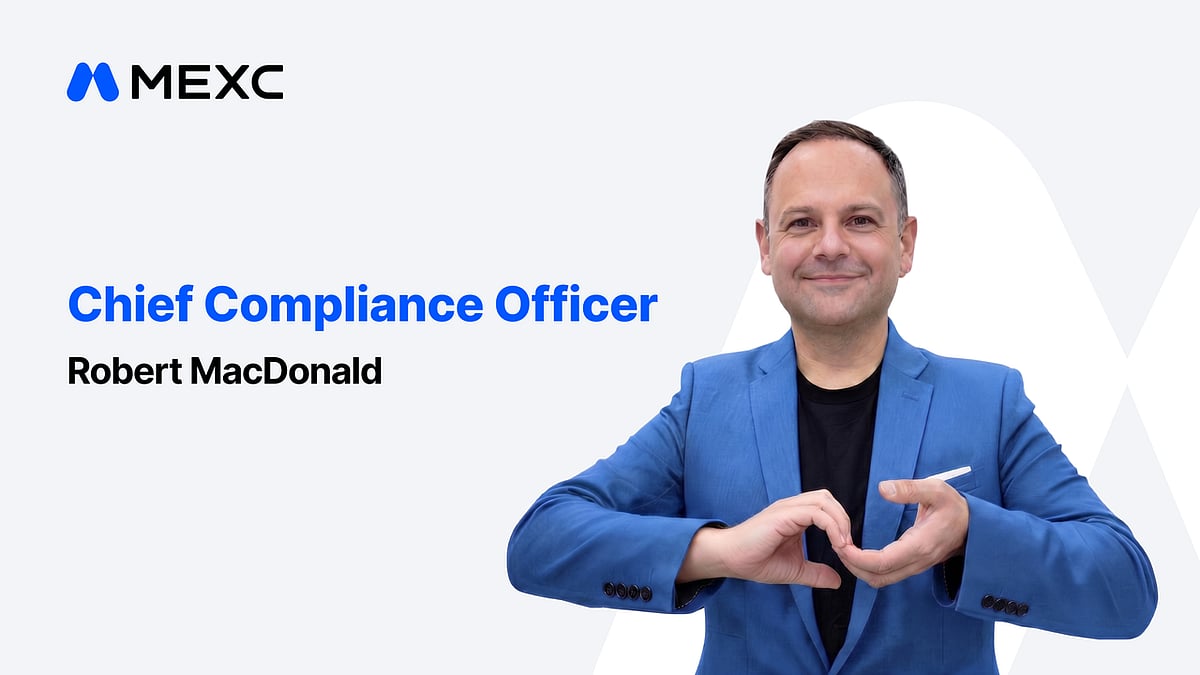
    MEXC Hires Robert MacDonald as Chief Compliance Officer to Steer Global Regulatory Strategy

    MEXC, a leading zero-fee digital asset trading platform, has appointed Robert MacDonald as its new Chief Compliance Officer. MacDonald brings more than two decades of experience in regulatory transformation spanning traditional finance and digital assets. He will oversee MEXC’s global compliance strategy, governance framework, and regulatory engagement.

    MacDonald joins MEXC from Bybit, where he served as Chief Legal & Compliance Officer, directing global licensing and corporate legal operations while implementing international AML and KYC frameworks. His prior roles include senior positions at Standard Chartered and Binance, focusing on regulatory strategy and compliance transformation. In 2025, Asian Legal Business recognized him among the Top 15 Chief Compliance Officers for navigating regulatory complexity in digital assets.

    MEXC has recently expanded beyond crypto to offer retail users access to equities-related products, IPO access, and other asset classes. MacDonald’s mandate centers on three pillars: cross-jurisdictional governance, data-driven risk management, and strategic regulatory engagement.

    “Trust won’t be a competitive advantage but the price of entry,” MacDonald said. “Compliance is the gateway to trust and sustainable growth. The platforms that endure protect their users.”

    CEO Vugar Usi added, “Innovation and compliance can no longer be treated as separate priorities. Robert’s experience will strengthen the governance foundation needed to scale responsibly.”

    MEXC, trusted by over 40 million users across 170+ markets, continues investing in compliance infrastructure to support its multi-asset expansion.

  • Stock Market Wrap: Sensex Drops 567 Points, Nifty Slips Below 24,100 During Broad Sell-Off

    Stock Market Wrap: Sensex Drops 567 Points, Nifty Slips Below 24,100 During Broad Sell-Off

    Indian benchmark indices ended Wednesday’s session in the red, as selling pressure across banking, IT, and pharmaceutical stocks dampened investor sentiment. Rising crude oil prices, escalating geopolitical tensions in the Middle East, and global trade uncertainties fueled a risk-off mood, extending the recent losing streak for both the BSE Sensex and NSE Nifty50 despite selective gains in auto stocks.

    Market Performance

    The BSE Sensex closed at 76,903.37, down 567 points (0.73%), while the NSE Nifty50 settled at 24,021.75, losing 166 points (0.69%). Selling was widespread, with 15 of the 16 sectoral indices finishing in negative territory. Pharma stocks tumbled amid new US tariff concerns, while bank stocks declined on weak earnings reports. Midcap and small cap indices also ended lower.

    Top Gainers and Losers

    Top Gainers: Some stocks posted gains, though exact percentage changes were not disclosed in the end-of-day summaries. Notably, the automobile sector delivered decent quarterly results despite the broader market weakness.

    Top Losers: Banking, IT, and pharma stocks were among the worst performers, dragged by profit-taking and external headwinds.

    Market Trends and Key Takeaways

    Wednesday’s decline underscores the heightened sensitivity of Indian equities to global developments. Tensions in the Strait of Hormuz pushed crude oil prices above $92 per barrel, raising concerns about India’s import bill, inflation, and corporate profitability. Additionally, new US tariff proposals on imported drugs weighed heavily on pharmaceutical companies.

    The trading session also highlighted the importance of earnings reports: while the auto sector posted decent results, overall sentiment remained cautious. Moving forward, investors will closely monitor geopolitical events, crude oil price movements, foreign institutional investor (FII) activity, and the ongoing earnings season. Market volatility is likely to persist until clearer signals emerge.

  • Top Wireless Keyboards of 2026 – Expert Buying Guide

    Top Wireless Keyboards of 2026 – Expert Buying Guide

    Selecting a wireless keyboard becomes easier once buyers focus on actual usage rather than marketing terms printed on packaging. This guide outlines the strongest wireless keyboard options available today, along with practical advice on narrowing down your choices.

    Wireless Keyboard Buying Guide

    A wireless keyboard should match a person’s work, rather than how it looks on a retail listing. Connectivity range, battery backup, and key spacing all shape daily comfort.

    Logitech K380

    Logitech offers a compact keyboard that pairs with three devices via Bluetooth and readily switches between them. Its rounded keys reduce finger strain during long hours of usage. Battery life stretches close to two years on two AAA cells, making replacements rare.

    Price: Rs. 2,495 to Rs. 3,223
    Buy Now

    Dell KM3322W

    Dell’s wireless combo pairs a keyboard with a matching mouse through a single 2.4GHz USB receiver. The keyboard includes spill-resistant keys and a numeric pad, suited to office environments with heavy typing loads. Battery backup extends over twelve months comfortably.

    Price: Rs. 1,899
    Buy Now

    Lenovo Wireless Combo 4000

    Lenovo offers a straightforward keyboard and mouse set built for everyday office tasks. Its keys use a low-profile design that feels closer to a laptop keyboard. Connectivity relies on a single USB nano receiver, avoiding pairing delays common with Bluetooth.

    Price: Rs. 8,145
    Buy Now

    Logitech K480

    Built for desktop use, the Logitech K480 includes a cradle that holds a tablet or phone while typing. It connects to three devices through Bluetooth and switches between them using a dial. The keyboard suits users who regularly work across a laptop and a mobile device simultaneously.

    Price: Rs. 1,999 to Rs. 2,995
    Buy Now

    RAPOO E9700M

    RAPOO’s ultra-slim keyboard uses scissor-switch keys for a shallow, quiet typing feel. It supports both 2.4GHz and Bluetooth connections, giving buyers flexibility across devices. The aluminum body adds durability without increasing overall weight.

    Price: Rs. 2,599 to Rs. 2,999
    Buy Now

    How to Choose the Best Wireless Keyboard

    Buyers should weigh these factors before purchasing:

    • Connectivity Type: 2.4GHz receivers generally offer steadier performance than Bluetooth for daily typing tasks.
    • Battery Backup: Keyboards using replaceable AA or AAA batteries often last longer than rechargeable units.
    • Build Quality: Spill-resistant designs protect against accidental office desk mishaps.

    Which is the Best Wireless Keyboard in 2026?

    No single keyboard can suit every buyer, since work habits and budgets vary considerably across users. Professionals managing multiple devices gain the most from the Logitech K380. Office teams handling heavy data entry benefit from the Dell KM3322W, given its numeric pad and spill resistance. Budget-focused buyers find dependable performance in the Portronics Toad 23.

    Final Words

    Choosing a wireless keyboard comes down to daily habits rather than brand reputation alone. A professional switching between a laptop and tablet gains more from Bluetooth multi-pairing, while an office worker handling spreadsheets benefits from a numeric keypad and steady 2.4GHz connectivity. Prices across this segment range from under Rs. 900 to nearly Rs. 2,500, giving most buyers a suitable option without overspending. Matching the keyboard to genuine work patterns, rather than chasing the most popular listing, remains the surest path to long-term satisfaction.

    Note: Price can vary based on availability and region.

    FAQs

    Which is the best wireless keyboard for multi-device use?

    The Logitech K380 supports pairing across three devices through Bluetooth. Users switching between a laptop, tablet, and phone benefit from its quick device-switching dial and long battery backup.

    Is 2.4GHz connectivity better than Bluetooth for keyboards?

    2.4GHz receivers typically offer steadier connections with less input delay. Bluetooth allows pairing with more device types, though it may show occasional lag during heavy multitasking sessions.

    How long does a wireless keyboard battery last?

    Battery life varies significantly by model. Some Bluetooth keyboards last close to two years on standard batteries, while 2.4GHz receiver models often need replacement after ten to fourteen months.

    Are spill-resistant wireless keyboards worth buying?

    Spill-resistant designs protect internal circuitry from accidental liquid exposure. Office environments with shared desks or frequent beverage use benefit noticeably from this added protection over standard keyboard models.

  • 10 Proven Strategies to Grow Your X (Twitter) Followers Organically in 2026

    10 Proven Strategies to Grow Your X (Twitter) Followers Organically in 2026

    Building a genuine following on X (formerly Twitter) takes more than just posting random updates. In 2026, organic growth hinges on strategy, consistency, and authentic engagement. Here are ten actionable tactics to help you attract and retain followers without resorting to paid promotions.

    1. Optimize Your Profile

    Your profile is the first impression. Use a professional profile photo, write a compelling bio that includes relevant keywords, and clearly state your niche. This builds trust and helps targeted followers find you.

    2. Post High-Value Content

    Share posts that educate, entertain, or solve problems. Data-driven insights, actionable tips, and thought-provoking questions establish credibility and encourage engagement from your ideal audience.

    3. Stay Consistent

    Post regularly—aim for several high-quality updates each week. Consistency keeps your account visible in feeds and algorithms, helping you retain existing followers while attracting new ones.

    4. Engage With Others

    Reply thoughtfully to industry leaders, followers, and trending conversations. Meaningful interactions increase your visibility and attract like-minded users who appreciate your insights.

    5. Create Shareable Threads

    Break down complex topics into simple, informative threads. Well-structured threads encourage reposts, saves, and discussions, expanding your reach across the platform.

    6. Leverage Trending Topics

    Join relevant trending conversations with unique perspectives rather than generic comments. This boosts discoverability while keeping your content authentic and aligned with your niche.

    7. Use Visual Content

    Incorporate images, videos, infographics, and charts in your posts. Visuals capture attention quickly and significantly improve engagement rates and sharing.

    8. Build Community

    Support other creators through meaningful interactions, collaborations, and discussions. Genuine relationships naturally encourage follower growth and long-term loyalty.

    9. Analyze Performance

    Track impressions, engagement, follower growth, and top-performing content using X Analytics. Regularly review these metrics and refine your strategy based on what resonates with your audience.

    10. Avoid Shortcuts

    Steer clear of bots, follow-for-follow schemes, or buying followers. These tactics damage credibility and rarely lead to real engagement. Stick to organic methods for sustainable growth.

  • Top Indian Web Development Companies to Partner With in 2025

    Top Indian Web Development Companies to Partner With in 2025

    India is home to some of the world’s most capable web development firms, offering everything from enterprise-grade applications to agile digital experiences. Whether you need a robust e-commerce platform, a cloud-native solution, or AI-powered customer portals, these Indian companies lead the market with proven expertise and global reach.

    Tata Consultancy Services (TCS): TCS delivers enterprise-grade web development, cloud integration, digital transformation, and scalable business applications for global organizations across multiple industries.

    Infosys: Infosys specializes in custom web applications, AI-powered digital experiences, responsive websites, and enterprise modernization solutions tailored to evolving business requirements worldwide.

    HCLTech: HCLTech provides secure web development, cloud-native applications, API integration, and digital engineering services that help businesses accelerate online transformation and growth.

    Wipro: Wipro builds responsive websites, enterprise portals, e-commerce platforms, and customer-focused digital experiences using modern technologies and agile development methodologies efficiently.

    Tech Mahindra: Tech Mahindra develops scalable web platforms, digital commerce solutions, customer engagement portals, and cloud-enabled applications for businesses across diverse sectors globally.

    LTIMindtree: LTIMindtree combines digital engineering, UI/UX expertise, cloud technologies, and application modernization to create high-performance web solutions for modern enterprises and startups.

    Persistent Systems: Persistent Systems focuses on custom web applications, SaaS platforms, API development, and cloud-based digital products that support innovation and business scalability effectively.

    Net Solutions: Net Solutions offers product engineering, web development, e-commerce solutions, and user-centric digital experiences for startups, enterprises, and fast-growing technology companies worldwide.

    OpenXcell: OpenXcell delivers affordable custom website development, web applications, e-commerce platforms, and dedicated development teams for businesses seeking scalable digital solutions.

  • Trump’s Phased Tariff Plan on Generic Drugs Threatens India’s Pharma Export Dominance

    Trump’s Phased Tariff Plan on Generic Drugs Threatens India’s Pharma Export Dominance

    US President Donald Trump has announced a phased tariff plan for imported generic medicines, offering a two-year window before imposing sharply higher duties. The proposal, aimed at encouraging pharmaceutical companies to shift manufacturing to the United States, could have significant implications for India’s export-driven generic drug industry.

    Under the plan, imported generic medicines will face zero tariffs for the next two years. Beginning in August 2028, the US will levy a 100 percent tariff for one year, followed by a 200 percent tariff thereafter. The policy is scheduled to take effect from August 1, 2026.

    Why India Has Most at Stake

    India is one of the major exporters of cheap generic drugs across the globe and holds an important place in the healthcare sector of the United States. Generic drug companies in India are responsible for almost 40 percent of generic drugs sold in the United States by volume, making them highly susceptible to any restrictions on their exports.

    According to the Global Trade Research Initiative (GTRI), India exported pharmaceuticals worth US$9.7 billion to the US during FY2024-25. This accounted for 38 percent of India’s total pharmaceutical exports.

    Industry Braces for Long-Term Impact

    Though the two-year grace period will give firms some breathing space, industry watchers feel that the new tariff structure will change the landscape of the pharmaceuticals business. Companies might be forced to think about increasing production facilities in America or rethinking their export strategy.

    The development is also likely to have an impact on the stock markets, with the stocks of certain Indian pharmaceutical giants facing pressure.

    Part of Trump’s Manufacturing Push

    This tariff idea is one of the latest attempts made by President Trump to ensure the production of pharmaceuticals in the US again. It is believed that such actions will result in lower dependence on imported drugs and help to make supply chains more secure. However, it may become another point of discussion regarding increased healthcare expenses and the international generic drug trade.

  • Nintendo Moves to Dismiss Class Action Over Switch 2 Tariff Refunds

    Nintendo Moves to Dismiss Class Action Over Switch 2 Tariff Refunds

    Nintendo has filed a motion in a U.S. court to dismiss a lawsuit demanding refunds for Switch 2 buyers following adjustments to import tariffs. The company argues that customers are not legally entitled to refunds because it never promised price reductions if tariffs changed.

    The lawsuit, initially filed in April 2026 by two consumers in California and Washington, claims Nintendo used tariff refunds to grow the company instead of returning the extra charges to gamers. The dispute stems from price hikes on Switch 2 controllers and the original Switch after U.S. tariffs were imposed—tariffs later declared illegal by the Supreme Court.

    In its legal filing, Nintendo stated it did not assure customers that the console’s price would fluctuate with tariff changes. “Customers knew the price before placing their orders and chose to buy the console at that amount,” the company said, emphasizing there are no legal grounds for refunds.

    Background of the Lawsuit

    The controversy began during the Switch 2 pre-order period. Nintendo delayed U.S. pre-orders to assess tariff impacts, but when orders opened, the console price remained unchanged—though the controller cost $5 more. After tariffs were overturned, Nintendo reportedly secured refunds on those duties, prompting the lawsuit.

    Plaintiffs Gregory Hoffert and Prashant Sharan seek class action status for all U.S. purchasers of price-hiked Nintendo items between February 1, 2025 and February 24, 2026. Nintendo CEO Shuntaro Furukawa previously stated the company views tariffs as a cost factor and incorporates them into pricing.

    Broader Implications

    The case raises a fundamental question for businesses: when a company saves money from reduced tariffs, must it lower prices for customers? Legal experts note that in most cases, companies are free to set their own prices unless they made explicit promises or violated consumer protection laws. Lower costs do not automatically translate to lower retail prices.