Blog

  • The Hidden Inflationary Risks of Central Bank AI Spending

    The Hidden Inflationary Risks of Central Bank AI Spending

    Massive investments in artificial intelligence are reshaping global economies, but they also carry hidden risks for central banks. As governments and corporations pour billions into AI infrastructure—chips, data centers, energy, and skilled labor—these spending surges are creating powerful demand pressures that could stoke inflation before any productivity benefits materialize.

    Central banks face a difficult policy dilemma. They must balance the promise of AI-driven growth against the risk of overheating economies. Prematurely restricting investments could stifle future productivity gains, but ignoring inflationary signals could destabilize prices. The challenge is compounded because AI’s productivity improvements may take years to emerge, while the costs are immediate.

    Financial markets are increasingly tied to AI optimism. Stock valuations and investor sentiment now hinge on AI companies’ performance, raising systemic risks if returns fall short. Meanwhile, corporate debt levels are climbing as firms borrow heavily to fund AI infrastructure. If demand slows or investments underperform, this debt could trigger financial stress.

    Energy demand is another concern. AI data centers require enormous electricity supplies, potentially driving up energy prices and adding to inflationary pressures. This creates a feedback loop where AI spending itself becomes a source of cost increases.

    Traditional economic models may prove unreliable in this new landscape. Rapid technological change is disrupting historical relationships between productivity, employment, inflation, and growth. Policymakers can no longer rely on conventional indicators alone. They must now monitor AI investment levels, market concentration, infrastructure spending, and corporate debt alongside standard metrics.

    Central banks need to develop new tools to track these hidden systemic risks. The era of AI-driven economies demands a broader, more dynamic approach to monetary policy—one that accounts for the unique pressures of technological transformation.

  • Essential Skills for a Career in Quantum Computing

    Essential Skills for a Career in Quantum Computing

    Quantum computing represents a transformative field in technology, and building a career in this area requires a deliberate approach to skill development. To help you get started, here are the key competencies that aspiring quantum computing professionals should focus on.

    Build a Strong Mathematics Foundation

    Linear algebra, probability, calculus, and complex numbers are essential for understanding quantum states, operations, and algorithmic principles. A solid grasp of these mathematical concepts forms the bedrock of quantum computing expertise.

    Learn Quantum Mechanics Fundamentals

    Basic knowledge of superposition, entanglement, measurement, and quantum states provides the conceptual grounding needed for a quantum computing career. These principles are the building blocks of quantum theory and its practical applications.

    Master Python Programming Skills

    Python remains the most widely used language for quantum software development, simulations, algorithm design, and working with quantum computing frameworks. Proficiency in Python is a non-negotiable skill for anyone entering the field.

    Explore Quantum Programming Frameworks

    Gain hands-on experience by learning platforms such as Qiskit, Cirq, or PennyLane. These tools allow you to build and test quantum circuits, giving you practical insight into quantum computing workflows.

    Understand Quantum Algorithms

    Study foundational algorithms like Grover’s algorithm for search and Shor’s algorithm for factoring. Understanding how quantum computing approaches complex computational problems is critical to advancing in the field.

    Develop Classical Computing Expertise

    Strong knowledge of algorithms, data structures, computer architecture, and computational complexity supports effective quantum computing development. Classical computing skills are indispensable, as they provide the context and tools for quantum innovation.

    Learn Quantum Hardware Principles

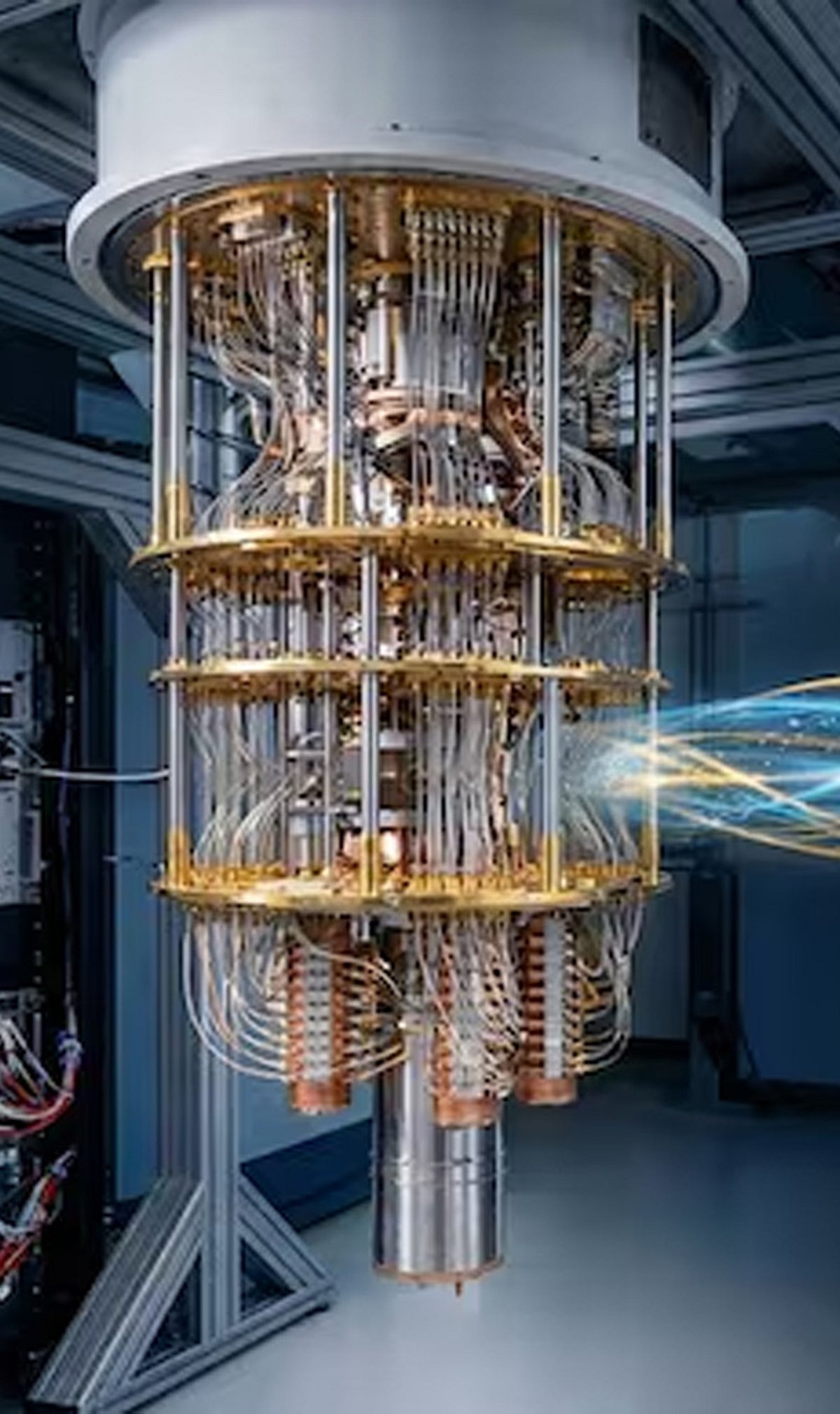
    Understanding superconducting qubits, trapped ions, photonic systems, and quantum processors helps connect software with physical technologies. This knowledge bridges the gap between theory and real-world implementation.

    Build Problem-Solving and Research Skills

    Quantum computing demands analytical thinking, experimentation, mathematical reasoning, and the ability to solve highly complex technical problems. Cultivating these skills will set you apart in the field.

    Gain Practical Project Experience

    Build quantum circuits, simulate algorithms, contribute to open-source projects, and complete hands-on work to strengthen your professional portfolio. Real-world experience is invaluable for demonstrating your capabilities to employers.

    By focusing on these essential skills, you can position yourself for a rewarding career in the rapidly evolving world of quantum computing.

  • Why Ethereum’s Price Breakout Is Generating Trader Optimism

    Why Ethereum’s Price Breakout Is Generating Trader Optimism

    Ethereum has recently staged a strong price breakout, moving above key resistance levels and signaling renewed bullish momentum. This development has attracted increased attention from traders worldwide, as the cryptocurrency shows signs of a sustained upward trend.

    Rising trading volumes indicate growing market participation, reinforcing confidence that the latest Ethereum rally is backed by substantial buying support. Furthermore, continued institutional investment in Ethereum has strengthened market sentiment, encouraging investors to anticipate long-term growth potential.

    Positive expectations surrounding Ethereum exchange-traded funds (ETFs) have also boosted investor confidence, contributing to stronger buying activity across the market. Meanwhile, on-chain activity growth—including increasing wallet activity, transactions, and network usage—highlights healthy blockchain adoption, supporting Ethereum’s recent price appreciation.

    Bullish chart patterns and favorable technical indicators suggest that Ethereum may continue its upward trajectory if buying momentum remains consistent. The rally has also lifted sentiment across the broader altcoin market, encouraging investors to explore additional cryptocurrency opportunities. Improving macroeconomic conditions and stronger risk appetite have further increased investor interest in digital assets, including Ethereum.

    Despite the bullish momentum, traders should remain cautious about potential risks, including market volatility, profit booking, and regulatory developments that could influence Ethereum’s direction.

  • Huawei FreeBuds SE 4: Premium Feel Without the Premium Price Tag

    Huawei FreeBuds SE 4: Premium Feel Without the Premium Price Tag

    Looking for reliable earbuds without breaking the bank? The Huawei FreeBuds SE 4 prove that you can enjoy a premium feel without the premium price. With long battery life, comfortable fit for hours of use, and solid sound quality for daily music and calls, they are an excellent choice for budget-conscious users. While not built for gaming, these earbuds excel at everything else. Join our WhatsApp Channel to get the latest news, exclusives, and videos.

  • 10 Smart Cities Using AI to Revolutionize Urban Living

    10 Smart Cities Using AI to Revolutionize Urban Living

    Artificial intelligence is reshaping urban life, helping cities become more efficient, sustainable, and livable. From traffic optimization to smart energy grids, here are ten cities leading the charge.

    Singapore

    Singapore uses AI for traffic optimization, predictive maintenance, public safety monitoring, and smart urban planning, improving efficiency, sustainability, and residents’ quality of life.

    Dubai

    Dubai implements AI across government services, policing, healthcare, and transportation, accelerating digital transformation while enhancing citizen experiences through intelligent automation.

    Barcelona

    Barcelona employs AI-powered sensors for waste management, traffic control, and energy efficiency, creating cleaner neighborhoods and more sustainable public infrastructure systems.

    Seoul

    Seoul integrates AI into public transportation, emergency response, surveillance, and administrative services, enabling faster decision-making and improved urban convenience for citizens.

    Amsterdam

    Amsterdam uses AI for mobility management, environmental monitoring, and energy optimization, supporting sustainable development while reducing congestion and carbon emissions citywide.

    Tokyo

    Tokyo applies AI to disaster preparedness, transportation networks, and smart infrastructure maintenance, increasing resilience and operational efficiency across one of the world’s busiest cities.

    New York City

    New York City leverages AI for traffic analysis, emergency services, crime prevention, and infrastructure monitoring, helping manage complex urban operations more effectively.

    Helsinki

    Helsinki uses AI-driven digital government platforms and mobility solutions to simplify public services while encouraging environmentally responsible urban development initiatives.

    Copenhagen

    Copenhagen integrates AI with smart energy grids, cycling infrastructure, and environmental monitoring to improve sustainability, resource efficiency, and overall urban livability.

  • 10 Biotechnology Breakthroughs Transforming Modern Healthcare

    10 Biotechnology Breakthroughs Transforming Modern Healthcare

    The field of biotechnology is advancing at an unprecedented pace, bringing revolutionary changes to how we diagnose, treat, and prevent diseases. Here are ten key breakthroughs that are reshaping healthcare today.

    CRISPR Gene Editing

    This powerful tool enables precise modifications to DNA, offering promising treatments for inherited disorders, advancing cancer research, and paving the way for personalized medicine with unprecedented genetic accuracy.

    mRNA Vaccines

    The rapid development of mRNA vaccines has revolutionized infectious disease prevention, and the same technology is now being explored for cancer therapies and treatments for rare medical conditions.

    CAR-T Cell Therapy

    By engineering a patient’s own immune cells to target cancer more effectively, CAR-T cell therapy provides new hope for those with difficult-to-treat blood cancers around the world.

    Liquid Biopsies

    These tests detect cancers using simple blood samples, enabling earlier diagnosis, reducing the need for invasive procedures, and improving monitoring of treatment effectiveness over time.

    Personalized Medicine

    Using genetic information to tailor treatments improves effectiveness while reducing side effects across multiple diseases and diverse patient populations globally.

    AI-Assisted Drug Discovery

    Artificial intelligence accelerates the identification of promising drug candidates, shortening research timelines and helping pharmaceutical companies develop innovative treatments faster than ever before.

    Regenerative Medicine

    Stem cells and tissue engineering are being used to repair damaged organs, offering hope for treating chronic diseases and severe injuries that were once considered irreversible.

    Synthetic Biology

    By designing biological systems and engineered microorganisms, scientists can produce medicines, vaccines, and therapeutic proteins more efficiently and at lower cost.

    Wearable Biosensors

    Continuous monitoring of health indicators through wearable devices enables early disease detection, personalized care, and real-time medical insights for both patients and healthcare providers.

  • Manual vs Electric Chopper: Which Kitchen Tool Suits You Best in 2026?

    Manual vs Electric Chopper: Which Kitchen Tool Suits You Best in 2026?

    Slice, dice, and chop smarter with the right kitchen companion. In 2026, the debate between manual and electric choppers continues. Here’s a quick comparison to help you decide.

    Key Differences

    • Speed: Electric choppers win on speed, while manual models are great for small, quick tasks.
    • Ease of Use: Electric choppers reduce effort, whereas manual versions offer better control.
    • Cleaning: Manual choppers are easier to clean with fewer parts than electric models.
    • Price: Manual choppers are budget-friendly, while electric options cost more but offer added convenience.
    • Best for Small Kitchens: Manual choppers save space and are easy to store after use.
    • Best for Families: Electric choppers handle larger quantities, making meal prep quicker and easier.

    Whether you choose manual or electric depends on your cooking habits, kitchen space, and budget. For quick everyday chopping, a manual chopper is perfect. For large meals and minimal effort, go electric.

  • Top 10 Fastest PCIe Gen4 and Gen5 SSDs in 2026: Speed, Endurance, and Best Use Cases

    Top 10 Fastest PCIe Gen4 and Gen5 SSDs in 2026: Speed, Endurance, and Best Use Cases

    PCIe Gen4 and Gen5 NVMe SSDs are pushing storage performance well beyond SATA. They deliver faster boot times, quicker game loading, and smoother 4K video editing, while AI workloads benefit from faster dataset and model transfers. Gen4 remains the practical choice for most users, but Gen5 is ideal for creators, professionals, and power users who regularly move huge files.

    Top 10 High-Speed PCIe Gen4 and Gen5 SSDs

    Samsung 9100 Pro

    The Samsung 9100 Pro is a PCIe Gen5 SSD with speeds up to 14,800 MB/s read and 13,400 MB/s write. It features 1TB, 2TB, 4TB, and 8TB capacities, with Samsung V-NAND TLC, an in-house controller, and up to 4,800TBW. A heatsink version is also available. It suits AI workloads, content creation, and demanding workstations.

    WD Black SN8100

    The read and write speeds of the WD Black SN8100 are up to 14,900 MB/s and 14,000 MB/s, respectively, through a PCIe Gen5 interface. Capacity options include 1TB, 2TB, 4TB, and 8TB. With TLC NAND, it comes with up to 4,800 TBW. The drive is available either with or without a heatsink. It is good for gaming, video editing, AI data workloads, and professional productivity.

    Crucial T710

    Crucial’s T710 is a PCIe Gen5 NVMe SSD offering up to 14,900 MB/s read and 13,800 MB/s write speeds, depending on capacity. Available in 1TB, 2TB, and 4TB versions, it offers up to 2,400 TBW. Heatsink and non-heatsink variants are available, making it a strong option for gaming, creative applications, and large file transfers.

    Kingston Fury Renegade G5

    The Kingston Fury Renegade G5 is a PCIe Gen5 SSD with the Silicon Motion SM2508 controller, 3D TLC NAND flash, and DRAM cache technology. The drive offers speeds of 14,800 MB/s for reading and 14,000 MB/s for writing, with a maximum capacity of 8 TB and up to 8,000 TBW endurance.

    Corsair MP700 Pro SE

    Corsair’s MP700 Pro SE is a Gen5 PCIe SSD that comes in 2TB and 4TB capacities. This device achieves up to 14,000 MB/s read and 12,000 MB/s write speeds with 3,000 TBW endurance. Users also get a bare drive, an active air cooling system, and a Hydro X water block.

    Seagate FireCuda 540

    FireCuda 540 features PCIe Gen5, 3D TLC NAND Flash, and the Phison E26 controller certified by Seagate. The 1TB capacity offers speeds of 9,500/8,500 MB/s. The 2TB capacity delivers read/write speeds of 10,000 MB/s.

    Lexar NM1090 Pro

    The NM1090 Pro by Lexar supports a PCIe Gen5 interface, 232-layer 3D TLC NAND, a 6nm controller, as well as DRAM/SLC caching. For the 2TB and 4TB capacities, read and write speeds are 14,000 MB/s and 13,000 MB/s, respectively. Storage capacities range from 1TB to 4TB.

    TeamGroup T-Force GE Pro

    The T-Force GE Pro is a Gen5 PCIe SSD that features the IG5666 controller from InnoGrit. The 2TB and 4TB versions boast a read speed of 14,000 MB/s and an 11,800 MB/s write speed, with a maximum endurance of 2,400 TBW. Cache memory, a graphene thermal pad, and an active cooler are included.

    Samsung 990 Pro

    Samsung 990 Pro still belongs to the category of the fastest PCIe Gen4 SSDs with 7,450 MB/s read and 6,900 MB/s write speeds. The storage device comes in 1 TB, 2 TB, and 4 TB versions. It uses an internal Samsung controller and TLC NAND and provides 2,400 TBW.

    WD Black SN850X

    The WD Black SN850X is a mature PCIe Gen4 SSD offering up to 7,200 MB/s read and 6,600 MB/s write speeds. Capacities extend to 8TB, with TLC NAND and up to 4,800 TBW. An optional heatsink version is available. It remains a practical choice for gaming PCs, content libraries, and general high-performance storage.

    Buying Guide: An Overview

    Check your motherboard before buying: a Gen5 SSD needs a compatible PCIe 5.0 M.2 slot to reach full speed, while Gen4 drives work on more platforms. DRAM can help with sustained workloads, and TLC NAND generally offers stronger endurance balance than QLC. Check TBW for heavy writing, and plan for a heatsink with Gen5 drives. For most users, 1TB is the minimum; 2TB is the better long-term choice.

    Choose a PCIe Gen4 SSD such as the Samsung 990 Pro or WD Black SN850X for excellent gaming and everyday performance with broad compatibility. Move to Gen5 for large-scale video editing, AI datasets, professional workloads, and frequent transfers of massive files where higher sequential bandwidth can make a measurable difference.


  • Best Cryptocurrency Investments for July 2026: Top Coins by Market Cap

    Best Cryptocurrency Investments for July 2026: Top Coins by Market Cap

    As we move into July 2026, the cryptocurrency market continues to evolve, with established digital assets maintaining their dominance. Here’s a look at the largest coins by market cap that are leading the crypto world this month.

    Bitcoin (BTC)

    The world’s largest cryptocurrency continues to dominate as digital gold, offering a store of value and a hedge against inflation.

    Ethereum (ETH)

    The leading blockchain powering DeFi, NFTs, and thousands of decentralized applications remains a top investment choice.

    Tether (USDT)

    The most widely used stablecoin for trading and preserving value, providing liquidity and stability in volatile markets.

    XRP

    Designed for fast, low-cost international payments and financial institutions, XRP continues to gain traction in cross-border transactions.

    BNB

    Binance’s native token continues to power one of the world’s largest crypto ecosystems, offering utility across trading, DeFi, and more.

    Solana (SOL)

    Known for lightning-fast transactions and growing developer adoption, Solana is a strong contender for scalable blockchain solutions.

    Dogecoin (DOGE)

    The meme coin that remains popular thanks to its strong community support and increasing real-world use cases.

    Cardano (ADA)

    A research-driven blockchain focused on security, sustainability, and scalability, Cardano offers a methodical approach to development.

    These digital assets represent the top crypto investments for July 2026, each with unique strengths and growing ecosystems. For the latest news and updates, join our WhatsApp channel.

  • How AI Is Reshaping the Insurance Industry: From Underwriting to Customer Retention

    How AI Is Reshaping the Insurance Industry: From Underwriting to Customer Retention

    Artificial intelligence is rapidly transforming the insurance industry, enabling carriers to streamline operations, reduce costs, and improve customer experiences. From underwriting to claims processing, AI-powered tools are being deployed across the value chain. Below are the key areas where AI is making a significant impact.

    AI Underwriting

    AI analyzes vast datasets to assess risk faster, allowing insurers to make accurate policy decisions while reducing manual processing time.

    Fraud Detection

    Machine learning identifies suspicious claims, minimizing financial losses and improving the integrity of insurance operations across multiple sectors.

    Claims Automation

    AI-powered document analysis processes insurance claims quickly, reducing settlement times while improving customer satisfaction and operational efficiency.

    Personalized Policies

    By evaluating customer behavior and risk profiles, AI enables insurers to offer customized insurance plans with more competitive pricing and relevant coverage.

    Customer Chatbots

    AI chatbots provide instant policy assistance, claim updates, and personalized support around the clock, enhancing customer engagement and reducing service costs.

    Predictive Risk Analysis

    Using historical and real-time data, AI forecasts potential risks, helping insurers improve pricing strategies and proactive risk management.

    Image-Based Damage Assessment

    AI evaluates vehicle and property damage from uploaded images, accelerating claims processing while improving assessment consistency and accuracy.

    Regulatory Compliance

    AI-powered analytics monitor evolving regulations, helping insurers maintain compliance while reducing administrative burdens and operational risks.

    Customer Retention Analytics

    AI identifies policyholders likely to switch providers, enabling targeted engagement strategies that improve loyalty and long-term business growth.