Blog

  • 2026’s Breakthrough AR and VR Trends Transforming Work, Learning, and Daily Life

    2026’s Breakthrough AR and VR Trends Transforming Work, Learning, and Daily Life

    Augmented reality (AR) and virtual reality (VR) have moved far beyond gaming and entertainment. By 2026, these technologies have become practical tools that help businesses train employees, improve customer experiences, and streamline everyday operations. From AI-driven smart glasses to immersive VR workspaces, the next wave of innovation is redefining how people work, learn, shop, and connect.

    Top Augmented Reality Trends in 2026

    AI-Powered AR Experiences

    AI is supercharging AR with real-time object recognition, contextual assistance, and personalized content. Scene understanding and automated content creation allow businesses to deliver deeply interactive experiences in retail, healthcare, and education.

    Spatial Computing and Smart AR Glasses

    Spatial computing enables devices to track and understand their environment. Lightweight smart glasses now blend digital information seamlessly into the physical world, enabling hands-free navigation, workplace assistance, and natural interactions.

    Enterprise AR for Training and Maintenance

    Companies use AR for employee training, remote support, equipment maintenance, and process optimization. Visual instructions reduce errors and accelerate learning, making AR a must-have for modern enterprises.

    Why This Matters: AR is evolving from a novelty into a business solution. Integrating AI, spatial computing, and enterprise tools boosts productivity, enhances customer experience, and simplifies complex workflows across sectors.

    Top Virtual Reality Trends in 2026

    Hyper-Realistic Immersive Environments

    Advances in graphics, AI, and spatial audio create incredibly realistic virtual worlds. These environments benefit not only entertainment but also training, education, architecture, and virtual tourism.

    VR for Collaboration and Remote Working

    VR transforms remote work with immersive meeting spaces and virtual offices. Teams can collaborate on designs, conduct training, and solve problems together without geographical barriers.

    Industry-Specific VR Simulations

    Healthcare, education, manufacturing, and retail increasingly adopt VR simulations for realistic, risk-free practice and scenario-based learning.

    Why This Matters: VR is no longer just for gaming. Its ability to simulate real-life scenarios, enable collaboration, and support specialized software helps organizations train, cooperate, and solve real-world problems in virtual settings.

    Final Takeaway

    With improvements in hardware and software, AR and VR are steadily integrating into daily life—boosting workplace productivity, revolutionizing education, and elevating customer experiences. Early adoption gives businesses a significant competitive edge.

    Frequently Asked Questions

    What is the biggest AR trend in 2026?

    AI-powered augmented reality is a top trend, enabling smarter object recognition, personalized experiences, and real-time assistance across retail, healthcare, manufacturing, and education.

    How are smart AR glasses changing everyday technology?

    Smart glasses display digital information directly in the user’s field of view, enabling hands-free navigation, workplace assistance, remote collaboration, and more natural interactions with digital content.

    Why is VR becoming popular outside gaming?

    VR is now widely used for employee training, virtual meetings, education, healthcare simulations, and product design because it creates immersive, realistic environments that improve learning, collaboration, and decision-making.

    Which industries benefit the most from AR and VR?

    Healthcare, manufacturing, retail, education, construction, and logistics are among the biggest adopters, using AR and VR to improve training, customer experiences, operational efficiency, and workplace safety.

    Should businesses invest in AR and VR technologies now?

    Businesses that adopt AR and VR early can improve productivity, reduce training costs, enhance customer engagement, and gain a competitive advantage as immersive technologies become mainstream.


  • 10 Hidden PS5 Features Most Gamers Overlook

    10 Hidden PS5 Features Most Gamers Overlook

    Many PlayStation 5 owners enjoy popular features, but several powerful tools remain hidden, improving gameplay, convenience, customization, and overall gaming experience.

    Game Help

    PlayStation Plus subscribers can access Game Help cards, offering spoiler-free hints and guidance without leaving supported games during challenging moments.

    Activity Cards

    Activity Cards let players jump directly into missions, challenges, or objectives, reducing loading time and making game sessions much more efficient.

    Custom Control Center

    Rearrange Control Center shortcuts to quickly access settings, downloads, music, notifications, and accessories without navigating through multiple menus every time.

    Mute Controller Speaker

    The DualSense controller speaker can be muted or adjusted, reducing distractions while keeping immersive haptic feedback and adaptive trigger features active.

    Automatic Trophy Videos

    PS5 automatically records short gameplay clips whenever trophies unlock, creating memorable highlights that players can revisit or easily share later.

    Remote Play

    Remote Play lets users stream PS5 games to compatible smartphones, tablets, PCs, or another PlayStation console over supported internet connections.

    Voice Commands

    Voice Commands allow players to open games, capture screenshots, or control media hands-free, making everyday console navigation faster and more convenient.

    Expand SSD Storage

    Compatible M.2 SSD upgrades expand PS5 storage, allowing players to install more games without constantly deleting favorite titles from the console.

  • Emerging AI Careers: 9 Roles That Didn’t Exist Five Years Ago

    Emerging AI Careers: 9 Roles That Didn’t Exist Five Years Ago

    The rapid evolution of artificial intelligence has created a wave of entirely new professions that were unheard of just half a decade ago. As businesses integrate AI deeper into their operations, they need specialized talent to manage, refine, and secure these systems. Below are nine AI job titles that have emerged since 2019, each playing a critical role in shaping the future of work.

    • AI Prompt Engineer: Craft detailed prompts that guide AI tools to generate accurate text, images, videos, and code for business applications.
    • AI Trainer: Improve AI models daily by reviewing outputs, correcting errors, and providing quality human feedback to teach machines.
    • Generative AI Content Specialist: Use AI platforms to produce articles, marketing copy, images, and social media content while preserving creativity and accuracy.
    • AI Ethics Consultant: Help companies build responsible AI systems by reducing bias, increasing transparency, and ensuring compliance with emerging regulations.
    • AI Data Curator: Collect, organize, clean, and label datasets that boost machine learning performance and support reliable AI models.
    • AI Video Creator: Leverage generative platforms to produce marketing videos, tutorials, animations, and short-form content with minimal manual editing.
    • AI Automation Specialist: Streamline repetitive tasks, improve workflows, and increase productivity using intelligent software and AI tools.
    • AI Security Analyst: Protect AI systems from cyber threats, prompt injection attacks, data leaks, and other emerging security challenges.
    • AI Avatar Designer: Create realistic virtual humans used in customer support, education, gaming, entertainment, and digital marketing.

    These roles highlight how AI is not just automating jobs but also generating new, specialized career paths that demand a blend of technical, creative, and ethical expertise.

  • GTA 6 Hacker Arion Kurtaj Transferred to Prison Ahead of New Trial

    GTA 6 Hacker Arion Kurtaj Transferred to Prison Ahead of New Trial

    Arion Kurtaj, the hacker accused of leaking early Grand Theft Auto 6 footage, has been moved from a secure hospital to prison. According to reports, doctors have decided that he no longer needs treatment in the hospital. He will now remain in prison while waiting for a new trial.

    Kurtaj was arrested after the 2022 cyberattack on Rockstar Games. Investigators believe he was part of the hacking group Lapsus$, which has been linked to attacks on several major companies. During the breach, more than 90 videos from an early version of GTA 6 were posted online. The clips spread across the internet within hours and quickly became one of the biggest leaks in gaming history.

    The Leak Left a Big Mark on Rockstar

    The leaked footage gave players a first look at GTA 6 years before Rockstar was ready to show it. Since the videos were taken from an unfinished build, many fans saw work that was never meant to be public. The leaked footage showed open-world gameplay, combat, vehicles, and even NPC interactions. Brands from the GTA universe could also be spotted in background assets, like Redwood Cigarettes and LifeInvader.

    After the incident, Rockstar confirmed that someone had gained access to its internal systems. The company thanked players for their support and said the leak would not affect the game’s development or release plans. The case also showed why leaks can be so damaging. They expose unfinished work, lead to confusion, and create pressure for developers. Many studios spend years making a game, and a leak can change how people judge it before it is finished.

    A Lesson Every Game Studio Will Remember

    The GTA 6 leak has changed the way many studios approach security. Since then, companies have locked down access to game files, refined internal systems, and become more cautious about who can see unfinished projects. Rockstar’s proactive response to the data breach is a lesson for the industry at large. Games have become bigger and take more time to create, and protecting them has become as important as making them. The GTA 6 leak showed that a single cyberattack can ruin years of work, and stronger security is now a top priority for game developers.

  • Wall Street Slips as Chip Rout Deepens, Netflix Forecast Disappoints, and Oil Price Worries Return

    Wall Street Slips as Chip Rout Deepens, Netflix Forecast Disappoints, and Oil Price Worries Return

    The S&P 500 fell on Friday as investors reduced exposure to semiconductor stocks. The index dropped 0.6%, while the NASDAQ Composite lost 1%. The Dow Jones Industrial Average traded near the flatline.

    Wall Street also faced pressure from Netflix, higher oil prices, and fighting between the United States and Iran. The major indexes moved toward weekly losses after a reversal in stocks linked to artificial intelligence spending.

    Chip Stocks Extend Weekly Selloff

    Semiconductor shares led the decline. NVIDIA, Advanced Micro Devices, Applied Materials, Lam Research, Intel, and KLA traded lower. The Philadelphia Semiconductor Index fell close to 2% and moved deeper into bear-market territory from its late-June peak.

    The index has lost about 11% this week and nearly 24% from its record high. Investors took profits after a three-month rally that lifted the chip gauge more than 100%. The VanEck Semiconductor ETF headed for its third weekly loss in four weeks.

    Fresh doubts over AI spending added pressure. Chinese startup Moonshot AI introduced Kimi K3, a large open-weight model that it says can compete with leading US systems. The launch raised questions over whether costly AI infrastructure plans will deliver the returns investors expect.

    Strategists at BBH said investors are ‘increasingly questioning the sustainability of the ongoing AI capital expenditure boom.’ Barclays took a less cautious view and said the pullback could create ‘more attractive entry points’ for long-term investors.

    Netflix Drops as Forecast Disappoints

    Netflix shares fell about 9% after its third-quarter forecast came in below Wall Street estimates. The decline weighed on the communication services sector and made Netflix one of the largest S&P 500 losers.

    Intuitive Surgical also dropped more than 11%. The medical device company kept its procedure-growth forecast unchanged and warned that insurance changes may delay care for some patients.

    Meanwhile, Apple shares edged higher while NVIDIA fell, allowing Apple to move ahead of the latter as the most valuable US company. NVIDIA had held the top position since late June last year.

    Meanwhile, the CBOE Volatility Index rose above 18, its highest level in more than a week. Declining stocks outnumbered gainers on both the New York Stock Exchange and the NASDAQ.

    Oil and Inflation Risks Return

    Oil prices rose as fighting between the United States and Iran widened across the Middle East. West Texas Intermediate traded above $81 per barrel, while Brent crude moved above $86.

    Kuwait said Iran attacked a power and water desalination plant. US Central Command said it completed a sixth straight night of strikes on Iranian military targets. Iran later claimed attacks on US forces in Syria and Bahrain.

    The conflict disrupted energy flows through the Strait of Hormuz, a route that handles about one-fifth of global oil traffic. Higher oil prices renewed concerns over inflation and future Federal Reserve policy.

    Cleveland Fed President Beth Hammack said business leaders are asking whether the central bank should act against inflation. She wrote that companies face pressure from energy, insurance, supply chains, and AI data center construction. Hammack added that ‘persistently high inflation is the bigger concern.’

    Consumer sentiment improved to 54.4, while one-year inflation expectations fell to 4.2%. Still, survey director Joanne Hsu said the rise may be hard to sustain if gas prices increase again.

    With semiconductor stocks under pressure, earnings disappointments weighing on sentiment, and geopolitical risks driving oil higher, investors remain focused on the outlook for inflation and Federal Reserve policy.

  • Top AI-Powered Home Features That Simplify Daily Life

    Top AI-Powered Home Features That Simplify Daily Life

    Artificial intelligence is no longer just about chatbots and digital assistants. Some of the most impactful AI applications are quietly transforming everyday homes, making them safer, more energy-efficient, and easier to manage. Instead of answering questions or generating content, these systems observe patterns, understand surroundings, and help residents control their living spaces with minimal effort.

    Key AI Home Features at a Glance

    Package Recognition for Better Delivery Security

    Smart cameras and video doorbells now include package detection capabilities. They can identify when a package is delivered, picked up, or if suspicious activity occurs. Many security brands offer this as a standard feature, while others require a paid subscription. With online shopping continuing to grow, package recognition has become an essential tool for protecting deliveries.

    AI That Listens for Important Sounds

    AI technology has advanced beyond voice recognition to detect critical sounds like fire alarms, breaking glass, or other unusual noises. Smart speakers and security equipment can alert homeowners via their phones, even when they’re away. Some security cameras are now sophisticated enough to identify the sound of smoke or fire, providing an extra layer of safety without constant monitoring.

    Smart Thermostats That Learn Household Patterns

    Modern smart thermostats go beyond remote temperature control. Using AI, they learn your daily routines — when you leave for work, return home, or go to sleep — and adjust heating and cooling accordingly. This optimizes comfort while reducing energy waste. Users can also manage privacy settings to control the data collected by these devices.

    AI for Understanding Pet Behavior

    Pet technology has been enhanced with AI capabilities. Cameras, feeders, and trackers can detect specific behaviors such as walking, playing, or entering off-limits areas. More advanced products even identify abnormal patterns that might indicate health issues, sending alerts to owners for early intervention.

    More Natural Smart Home Conversations

    Voice assistants are becoming more conversational. Instead of requiring rigid commands, users can speak naturally — for example, “Turn down the lights and set the thermostat to 72.” New AI-powered assistants can handle connected requests, manage multiple devices, and create personalized routines, making smart homes more accessible for everyone.

    AI-Based Water Monitoring and Leak Detection

    Smart water systems use AI to monitor usage patterns and detect unusual changes that signal leaks. They provide early alerts before minor issues become major problems and can recommend ways to reduce water consumption based on household habits. This technology supports both cost savings and better resource management.

    AI Video Summaries for Faster Security Updates

    Security cameras traditionally required manual review of footage. AI now generates quick summaries of recorded events, describing what happened — such as a person arriving, a vehicle appearing, or activity near a specific area — rather than just triggering a motion alert. This helps users quickly grasp important events without sifting through hours of footage.

    AI Support During Wildfire Alerts

    AI is also playing a role in emergency response. Smart security networks can detect signs of smoke or fire and send faster alerts. Some platforms integrate cameras with emergency information services, helping residents stay aware during hazardous weather conditions. However, privacy concerns mean user control over settings is crucial.

    Final Thoughts

    The trend in home AI goes beyond simple automation. Devices now recognize needs, enhance security, and save effort. From protecting packages to managing energy, monitoring pets, and detecting dangers, AI is becoming a valuable part of modern living. As technology advances, the best home solutions will not just respond to commands but anticipate needs and provide proactive assistance.

  • Top Metal 3D Printers of 2026: Performance, Precision, and Value Compared

    Top Metal 3D Printers of 2026: Performance, Precision, and Value Compared

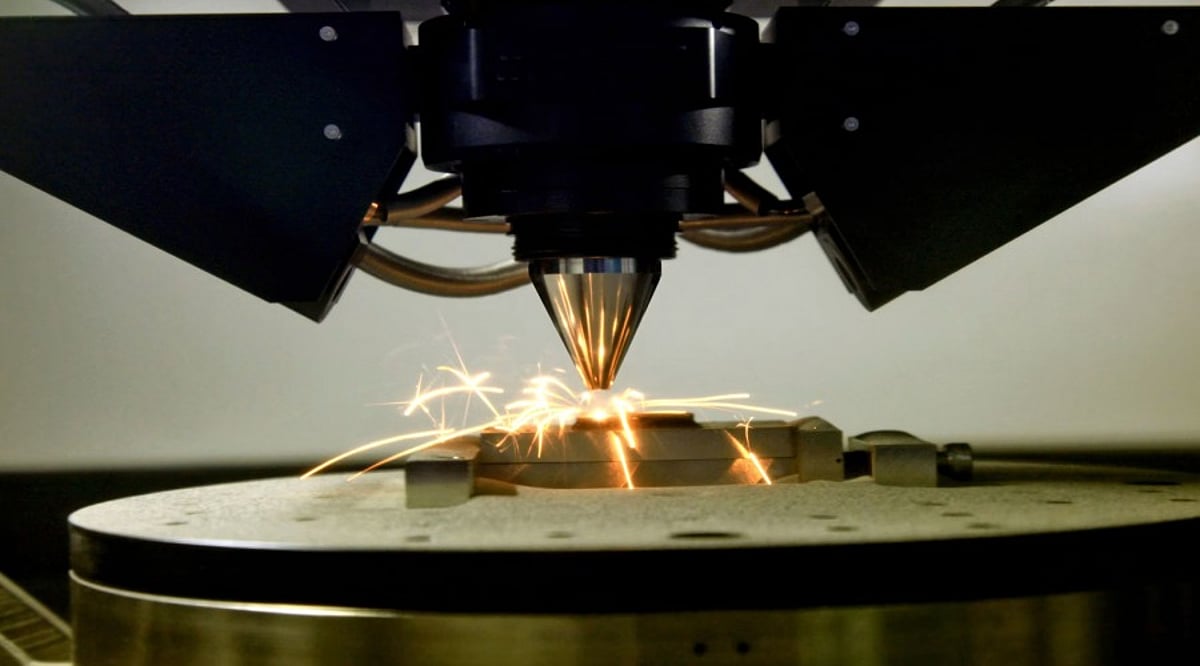
    Metal 3D printing has evolved from a niche prototyping tool into a critical manufacturing technology powering aerospace, automotive, healthcare, defense, and industrial production. Modern systems can produce lightweight, high-strength parts with exceptional accuracy while reducing material waste and lead times.

    From production-scale Laser Powder Bed Fusion (LPBF) machines to office-friendly bound metal systems, today’s best metal 3D printing machines cater to diverse manufacturing needs, balancing performance, precision, scalability, and long-term value. We have listed the best of the lot for you:

    EOS M 290

    Company: EOS
    Technology: Direct Metal Laser Sintering (DMLS)

    EOS M 290 continues to set the standard for additive metal manufacturing processes used in the industrial sector. The machine is fitted with a 400 W fiber laser and boasts a build envelope size of 250 x 250 x 325 mm. It is capable of producing metals such as stainless steel, titanium, aluminum, cobalt chrome, Inconel, and tool steels. The software package and processing controls are robust and make use of a tested material library.

    TRUMPF TruPrint 3000

    Company: TRUMPF
    Technology: Laser Powder Bed Fusion (LPBF)

    TruPrint 3000 is characterized by productivity through a dual-laser system and accuracy in an industrial environment. This machine comes with a 300 × 300 mm build platform, which makes it efficient in handling materials such as stainless steel, titanium, aluminum, and nickel alloy. Its stable process control makes it reliable and easy to integrate into automated factory environments.

    SLM Solutions NXG XII 600

    Company: SLM Solutions (Nikon SLM Solutions)
    Technology: LPBF

    The NXG XII 600 has been specifically developed for mass manufacturing. It features twelve 1 kW lasers and one of the biggest build sizes in the industry. It enhances productivity while ensuring that quality is not compromised. Best suited for aerospace assemblies, energy parts, and automotive manufacturing. This machine works with aluminum, titanium, stainless steel, and superalloys.

    3D Systems DMP Flex 350

    Company: 3D Systems
    Technology: Direct Metal Printing (DMP)

    The vacuum chamber used by the DMP Flex 350 helps to achieve accuracy and an excellent surface finish with reduced levels of oxygen contamination. This printer can use titanium, cobalt chrome, stainless steel, and nickel alloys, resulting in high-density products that find application in the medical, dental, and aerospace industries. The advanced software, consistent performance, and superior mechanical properties of the machine make it reliable.

    Renishaw RenAM 500Q

    Company: Renishaw
    Technology: LPBF

    With four lasers that increase productivity without compromising the level of dimensional accuracy achieved, the RenAM 500Q is well suited for industrial production. It has a powder management system as well as process monitoring software, which makes manufacturing easier and lowers costs. It can work with titanium, stainless steel, aluminum, and cobalt chrome.

    Markforged Metal X

    Company: Markforged
    Technology: Bound Metal Deposition (BMD)

    Unlike powder-bed systems, the Metal X printing process involves printing the bound metal filaments, which is much simpler and less hazardous. It works well with stainless steel, H13 tool steel, Inconel 625, copper, and several engineering materials. Reduced infrastructure needs have made it an ideal choice for engineers who need to produce tooling, jigs, and functional models.

    Desktop Metal Studio System 2

    Company: Desktop Metal
    Technology: Bound Metal Deposition

    This machine can help offices and engineering labs get rid of metal powders. It produces accurate metal parts through a printing and sintering process. The machine can work with stainless steel, copper, and various engineering alloys. This machine is easy to use, affordable, and requires few safety considerations, making it suitable for companies starting in metal additive manufacturing.

    Metal 3D Printers: Future Outlook

    Metal 3D printing is no longer limited to prototyping—it has become a practical manufacturing solution for producing complex, high-performance parts with greater design flexibility and lower material waste. If production consistency and certified quality are priorities, the EOS M 290 remains a strong choice.

    The best choice will always depend on the volume of production, the material compatibility, software compatibility, post-processing required, and the total cost of ownership. High-volume production facilities will definitely make the best use of SLM Solutions’ NXG XII 600. The TRUMPF TruPrint 3000 and Renishaw RenAM 500Q provide the best compromise between precision, automation, and productivity. On the other hand, engineers who have just started using metal additive manufacturing in their projects can choose either Markforged’s Metal X or the Desktop Metal Studio System 2.

    FAQs

    1. Which metal 3D printer offers the best overall performance? The EOS M 290 consistently delivers exceptional precision, repeatability, validated materials, and reliable production, making it the preferred industrial benchmark across aerospace, healthcare, and manufacturing sectors.
    2. Which machine is best for high-volume metal production? The SLM Solutions NXG XII 600 excels in high-volume manufacturing with twelve lasers, large build capacity, rapid throughput, automation, and excellent productivity for industrial production environments.
    3. Are bound metal printers suitable for small businesses? Yes. Markforged Metal X and Desktop Metal Studio System 2 reduce infrastructure costs, simplify operation, improve safety, and provide affordable entry into professional metal additive manufacturing.
    4. Which industries benefit most from metal 3D printing technology? Aerospace, automotive, medical devices, dental, defense, industrial tooling, energy, and research organizations benefit from lightweight, complex, durable, and highly accurate metal components produced efficiently.
    5. What should buyers evaluate before purchasing a metal 3D printer? Assess printing technology, supported materials, build volume, precision, software ecosystem, production speed, post-processing requirements, maintenance, operating costs, and long-term technical support before investing.
  • Modern Energy Storage Technologies: A Comprehensive Guide to Batteries, Hydrogen, and Grid Solutions

    Modern Energy Storage Technologies: A Comprehensive Guide to Batteries, Hydrogen, and Grid Solutions

    Energy storage is essential for saving electricity generated from renewable sources and ensuring a stable power supply when demand peaks. As the world shifts toward cleaner energy, understanding the various storage technologies becomes critical for homes, businesses, and utilities alike.

    Why Energy Storage Matters More Than Ever

    Global electricity demand continues to rise, driven by electric vehicles, air conditioning, and smart devices. Renewable sources like solar and wind are intermittent—solar panels generate only during daylight, and wind turbines depend on sufficient wind. Energy storage bridges this gap by capturing excess power when production is high and releasing it when generation drops or demand surges. Storage also provides backup during outages, supporting hospitals, factories, and homes.

    Main Types of Energy Storage Technologies

    Electrochemical Storage (Batteries)

    Rechargeable batteries are the most widespread storage technology. Lithium-ion batteries power electric cars, smartphones, laptops, and home backup systems. Other chemistries include lead-acid, sodium-ion, and flow batteries. They store energy via chemical reactions and release it almost instantly.

    Pros: High efficiency, fast charging/discharging, easy installation, suitable for homes and EVs.

    Cons: Degradation over time, expensive materials, recycling challenges.

    Mechanical Storage

    Mechanical methods use motion rather than chemicals. Pumped hydro storage lifts water to a higher elevation during excess generation; when demand rises, water flows down to spin turbines and produce electricity. Other forms include compressed air and flywheels that store energy in rotating mass.

    Pros: Large capacity, long operating life, reliable for grids.

    Cons: High construction cost, geographic constraints, not practical for homes.

    Thermal Storage

    Thermal storage saves energy as heat or cold. Solar thermal plants use molten salt to store heat for electricity generation after sunset. Ice storage systems cool large buildings during off-peak hours, reducing strain on the grid.

    Pros: Enables better use of renewable energy, cuts peak demand, improves overall efficiency.

    Cons: Heat loss over time, limited applications, high installation costs.

    Electrical Storage

    Supercapacitors store energy in electric fields and can charge in seconds, delivering power rapidly. They are used in buses, trains, factories, and backup systems where quick bursts of energy are critical.

    Pros: Ultra-fast charging, long cycle life, instant power delivery.

    Cons: Low energy density, unsuitable for long-term storage, expensive.

    Chemical Storage (Hydrogen)

    Chemical storage converts electricity into fuels like hydrogen. Electrolysis splits water into hydrogen and oxygen; the hydrogen can later be turned back into electricity or used as fuel for transport and industry. Experts see hydrogen as a key enabler of long-duration, large-scale storage.

    Pros: Long-term storage, high energy density, supports clean transport and industry.

    Cons: High production costs, difficult storage and handling, infrastructure still developing.

    The Future of Clean Power Depends on Storage

    No single storage technology fits all needs. Batteries excel for homes and EVs; pumped hydro handles grid-scale demands; hydrogen shows promise for seasonal storage. Together, these technologies form a resilient energy system. As renewables expand, storage will become even more vital to ensure clean electricity is available whenever needed.

    Modern energy storage technologies are making a sustainable future possible—by storing energy wisely, we can power the world reliably without depending on weather conditions.

  • Future-Proof Leadership: Essential Skills Business Leaders Need to Stay Competitive

    Future-Proof Leadership: Essential Skills Business Leaders Need to Stay Competitive

    Nearly 39% of workers’ core skills are expected to transform or become outdated between 2025 and 2030, according to the World Economic Forum. Leadership training investment climbed 126% between 2024 and 2025, per Lepaya’s State of Skills report, while talent shortages remain a top business risk for 78% of organizations surveyed by Deloitte. Authority once sufficed. Now, leaders need adaptability, AI fluency, and real emotional intelligence to stay relevant.

    The Changing Definition of Leadership

    A decade ago, a strong leader was someone who had climbed the ranks and knew the business cold. That still matters, but it no longer covers the job. Teams now stretch across continents, AI tools are embedded in daily workflows, and employees compare their managers’ habits against what better companies offer. Boards increasingly judge leaders on how fast they learn, not how long they have served. Firms that fund structured leadership programs report better retention and faster decisions in volatile quarters. Leadership development has shifted from a discretionary budget line to a core business function.

    Key Future Leadership Skills

    Command-and-control leadership worked in a world where information moved slowly and org charts stayed fixed for years. That world is largely gone. What replaces it is judgment built for uncertainty.

    Adaptability and Change Leadership

    Markets move faster than annual plans can track. Leaders who treat disruption as routine keep teams steady when the ground shifts. Organizations run by adaptable executives bounce back quicker after shocks because decision authority already exists for handling surprises.

    Emotional Intelligence Across Distributed Teams

    Hybrid work has stripped away cues leaders once took for granted. Reading a room is easy; reading tone in a Slack thread spanning four time zones is not. Leaders attuned to this catch friction before it festers. A tense exchange caught early rarely turns into a resignation letter three months later.

    AI and Digital Fluency

    Executives don’t need to write Python, but guessing at what AI can do leads to bad contracts and worse expectations. Basic fluency changes the conversation. Leaders who understand the technology ask harder, more useful questions before signing off on automation spend.

    Top Future-Ready Skills for Executives

    A smaller cluster of skills separates executives who stay ahead from those who fall behind. Most blend technical awareness with judgment no algorithm has replicated yet. Companies running skills-first hiring report noticeably better retention numbers. Practical moves to close gaps include:

    • Make AI fluency a baseline expectation for every leader
    • Plan for disruption ahead of time
    • Build mentorship structures that pass down judgment, not just information
    • Check skill gaps quarterly instead of annually

    Staying Competitive in 2026

    Staying competitive now depends less on polished strategy decks and more on how fast leaders act on what they learn. Companies treating learning as infrastructure keep outpacing those treating it as optional. Leadership training budgets have grown across nearly every sector. A widening skills gap actually benefits leaders willing to reskill early. Firms connecting development to real business problems hold onto talent longer and pivot faster when markets turn.

    Comparing progress against competitors matters more than assuming internal momentum equals readiness. Skills platforms now map capability gaps as they appear, replacing guesswork with actionable visibility.

    Final Words

    Leadership is moving away from something earned through years served toward something rebuilt continuously through learning. Executives committing to adaptability, emotional intelligence, and AI fluency give their organizations a real shot at handling volatility, not just surviving it. Skill-building works best as a habit, not a certificate filed away. The leaders forming that habit now are shaping their careers and their organizations’ resilience for years to come.

  • How Continuous Glucose Monitoring Will Evolve by 2030: AI, Automation, and Beyond

    How Continuous Glucose Monitoring Will Evolve by 2030: AI, Automation, and Beyond

    Continuous Glucose Monitoring (CGM) has moved far beyond its origins as a niche tool for Type 1 diabetes management. Today, it is widely adopted by individuals with Type 2 diabetes, healthcare professionals, athletes, and health-conscious consumers seeking deeper insights into metabolic health. As technology accelerates, the next five years promise to expand both the capabilities of CGMs and the range of people who benefit from them. By 2030, these devices are expected to become smaller, smarter, and more connected, with artificial intelligence (AI), wearable ecosystems, and automated insulin delivery playing a much larger role. This article explores the key trends shaping the future of CGM.

    From Monitoring to Predicting Blood Sugar Trends

    Current CGM devices notify users when glucose levels change. However, future systems will likely predict changes before they occur. AI-enhanced algorithms will analyze glucose data alongside diet, physical activity, stress, sleep patterns, and medication history. This will enable proactive warnings and personalized recommendations, helping users prevent extreme glucose fluctuations rather than simply reacting to them.

    Artificial Pancreas Systems Become More Autonomous

    Closed-loop insulin pumps, often called artificial pancreas systems, are already in use but still require manual meal input or adjustments in some scenarios. By the end of the decade, these systems are expected to become fully automated, regulating insulin delivery based on real-time CGM data with minimal user involvement. Researchers are also exploring dual-hormone systems that administer both insulin and glucagon, offering better glucose control while reducing the risk of hypoglycemia.

    Smaller Sensors, Longer Wear, and Less Discomfort

    Sensor technology is advancing rapidly. Most current CGMs need replacement every 10–15 days, though implantable versions already last months. Future sensors will be thinner, more comfortable, and capable of operating far longer without sacrificing accuracy. Non-invasive methods—measuring glucose from sweat, tears, or saliva—are also under investigation. While still in development, these breakthroughs could eliminate the need for needle-based sensors altogether.

    Beyond Glucose: A Broader Health Picture

    Next-generation wearables will track more than glucose. Researchers are designing sensors that simultaneously measure ketones, lactate, cortisol, hydration, inflammation, and other metabolic markers. Combined with data from smartwatches—heart rate, sleep quality, activity levels—CGMs will provide a comprehensive snapshot of an individual’s health, enabling more personalized treatment plans and deeper insights into daily metabolic responses.

    Expanding Beyond Diabetes Care

    Although CGMs were developed for diabetes management, their applications continue to grow. People with prediabetes use them to identify glucose-raising foods and behaviors. Athletes leverage CGM data to optimize training and performance. Scientists are also exploring their role in weight management and early detection of metabolic conditions. However, current evidence does not yet support routine CGM use for healthy individuals without a medical need.

    Affordability and Access Remain Major Challenges

    Despite rapid innovation, widespread adoption depends on overcoming significant barriers. High device costs, limited insurance coverage, data security concerns, and uneven access to healthcare continue to hinder uptake in many regions. Regulatory approvals and clinical evidence will also determine how quickly new technologies reach patients. At the same time, improvements in sensor precision, reduced latency, and seamless connectivity with phones, smartwatches, and telehealth platforms are making CGMs more practical and user-friendly.

    The Road to 2030

    Continuous glucose monitoring is entering a new chapter. By 2030, these tools will act less like passive monitors and more like intelligent health companions—anticipating glucose fluctuations, automating treatments, and delivering personalized insights. Not every innovation will become mainstream by the end of the decade, but the direction is clear: diabetes care is becoming more connected, data-driven, and proactive. For millions living with diabetes and for many others seeking to improve metabolic health, the next generation of CGMs promises simpler, more precise, and less intrusive daily management.