Blog

  • Walmart’s Best Gadget Deals: RTX Gaming Laptops and Apple AirTag 4-Pack on Sale

    Walmart’s Best Gadget Deals: RTX Gaming Laptops and Apple AirTag 4-Pack on Sale

    Walmart’s latest gadget deals bring significant savings on gaming laptops and everyday accessories. The retailer’s GeForce Week promotion, running through September 27, 2026, cuts prices on selected RTX-equipped gaming laptops. Additionally, the Apple AirTag 4-pack is discounted, offering a low-cost tracking solution. This roundup covers five products where the price drop aligns with a clear use case: four gaming laptops at various price points and one tracking accessory.

    Gaming Laptop Deals

    MSI Vector 16 Gaming Laptop

    The MSI Vector 16 features an Intel Core Ultra 7 255HX processor, RTX 5070 Ti GPU with 12GB VRAM, 16GB RAM, and a 512GB SSD. Its 16-inch FHD+ display has a 144Hz refresh rate. Priced at $1,399 (down from $1,749, saving $350), this is a strong pick for gamers, though storage is limited.

    ASUS ROG Strix G16 Gaming Laptop

    This model combines an AMD Ryzen 9 processor with an RTX 5070 GPU, 16GB RAM, and a 1TB SSD. The 16-inch 165Hz screen ensures smooth gameplay. At $1,599 (down from $2,000, saving $401), it offers ample storage and solid performance.

    Alienware 15.3-inch Gaming Laptop

    For budget-conscious buyers, this Alienware laptop costs just $899. It includes a Ryzen 5 processor, RTX 4050 GPU, and a 165Hz display. While the RTX 4050 is less powerful than higher-tier options, it provides an affordable entry into gaming.

    Acer Nitro V 15.6-inch Gaming Laptop

    Also priced at $899, the Acer Nitro V features an Intel Core 5 210H processor, RTX 4050 GPU, 16GB RAM, 512GB storage, and a 165Hz screen. It’s a good alternative for those who prefer Intel over AMD.

    Accessory Deal

    Apple AirTag 4-Pack

    The AirTag 4-pack is available for $79.99, working out to about $19.99 per tracker. A single AirTag normally costs $24, making this pack a smart buy for tracking keys, bags, luggage, and other items.

    Before You Buy

    Prices and specifications were checked on September 22-23, 2026. Walmart can change prices, stock, and seller listings without notice. Always verify the current listing, seller, and exact configuration before checkout.

    Final Thoughts

    Gaming laptops dominate Walmart’s current gadget discounts, with selected RTX models offering savings of up to $401 during GeForce Week. The AirTag 4-pack provides an affordable everyday tech option. Checking live listings and configurations is essential before purchasing.

  • Apple’s Smart Home Push: New Apple TV, HomePod Mini, and Siri-Focused Hub on the Horizon

    Apple’s Smart Home Push: New Apple TV, HomePod Mini, and Siri-Focused Hub on the Horizon

    Apple is reportedly planning a major expansion of its smart home product lineup, with an October event expected to introduce new devices including an Apple TV, a HomePod mini, and a dedicated smart home hub that puts Siri at the center of the experience.

    According to reports, the event would follow Apple’s traditional September iPhone launch and is likely to also feature updates to Macs and iPads. Among the products rumored to be in the pipeline are an OLED iPad mini, new MacBook and iMac models, along with the smart home hardware. While Apple has not confirmed the event or any specific products, Bloomberg’s Mark Gurman has indicated that most of these devices are planned for later this year, with an October reveal looking increasingly likely.

    The speculation is not without precedent. Apple has frequently used October events to announce new hardware, often through press releases rather than keynotes. For example, the company unveiled its M1 Pro and M1 Max MacBook Pro models in October 2021, and Macs were also announced during October events in 2024 and 2025.

    Siri Could Take Center Stage

    The reported launch comes at an interesting time for Apple, as the company is reportedly working on a more capable version of Siri. The new home products could give the assistant a larger role in daily life, moving beyond simple queries to controlling smart devices, checking information, and managing tasks. The screen on the rumored Home Hub could make these interactions more visual and intuitive.

    This strategy could allow Apple to connect several products through a single ecosystem. The Apple TV would handle entertainment, the HomePod mini would focus on audio, and the Home Hub would serve as the command center for Siri and device controls. If the reports prove true, Apple’s next step may be less about any single device and more about building a truly connected home—a vision that hinges on how useful Siri becomes across the product range.

    Until Apple makes an official announcement, these remain rumors, but the pattern of October hardware reveals suggests that a smart home push could be imminent.

  • Why HR Data Automation Across All Systems Is Critical for Efficiency

    Why HR Data Automation Across All Systems Is Critical for Efficiency

    HR teams today manage employee information across more systems than ever before—applicant tracking systems, HRIS, payroll platforms, ERPs, and identity management tools. Each system serves a specific purpose, but they all rely on the same core employee data. The problem arises when that data must be moved manually between these platforms. Manual entry for new hires, promotions, and terminations creates repetitive work and increases the risk of errors. Instead, companies should automate the flow of employee data so that information entered once updates every connected system automatically.

    The Hidden Costs of Manual HR Data Processes

    Manual data entry might seem harmless for small tasks, but as headcount grows, so does the burden. Every hire, promotion, pay change, or benefits update requires someone to re-enter or verify data across multiple systems. This not only wastes time but also introduces errors—mistyped codes, missed updates, or inconsistent records. Automation eliminates these inefficiencies by moving approved data between systems without human intervention.

    Employee Data Must Flow Throughout the Entire Lifecycle

    From pre-hire to offboarding, employee data needs to travel across systems. Recruiting collects candidate information, which HR, payroll, IT, and finance all need after an offer is accepted. Without automation, each handoff requires manual re-entry. Promotions, transfers, and compensation changes trigger similar cycles. Offboarding adds another layer of updates for payroll, IT, and finance. An automated approach treats employee data as a continuous flow: HR enters or approves information once, and connected systems receive updates instantly.

    Key Benefits of Automating HR Data Movement

    • Time savings: Reduces repetitive data entry and file management.
    • Accuracy: Minimizes errors from manual entry and ensures consistency across systems.
    • Speed: New hires and updates propagate immediately, without waiting for manual handoffs.
    • Better reporting: All systems use the same approved data, eliminating reconciliation efforts.
    • Scalability: HR can support company growth without a proportional increase in administrative work.

    Moving Toward Fully Automated HR Data

    Many companies have adopted partial automation, but isolated solutions still leave gaps. True efficiency comes from treating HR data as a single connected process. Information should be entered once and flow to every system that needs it—from recruiting through payroll, benefits, IT, and finance. Automation handles the predictable movement, while HR professionals retain control over approvals and exceptions.

    Platforms like UKG Ready keep HR, payroll, and time data in a unified record, so a new hire or promotion updates pay and benefits without separate handoffs. Integrations then carry that record to external systems like ATS, ERP, and identity tools, ensuring consistency across the enterprise.

    Conclusion

    HR technology has advanced significantly, but the processes connecting these systems often still rely on manual work. Automating the movement of employee data reduces repetitive tasks, improves accuracy, speeds up operations, and keeps records consistent. Companies don’t need to automate every decision—they should automate the data movement around those decisions. When employee information flows automatically from recruiting through offboarding, HR teams can focus on supporting people rather than managing systems.

  • How Bluetooth Beacons Transform Indoor Spaces into Connected Environments

    How Bluetooth Beacons Transform Indoor Spaces into Connected Environments

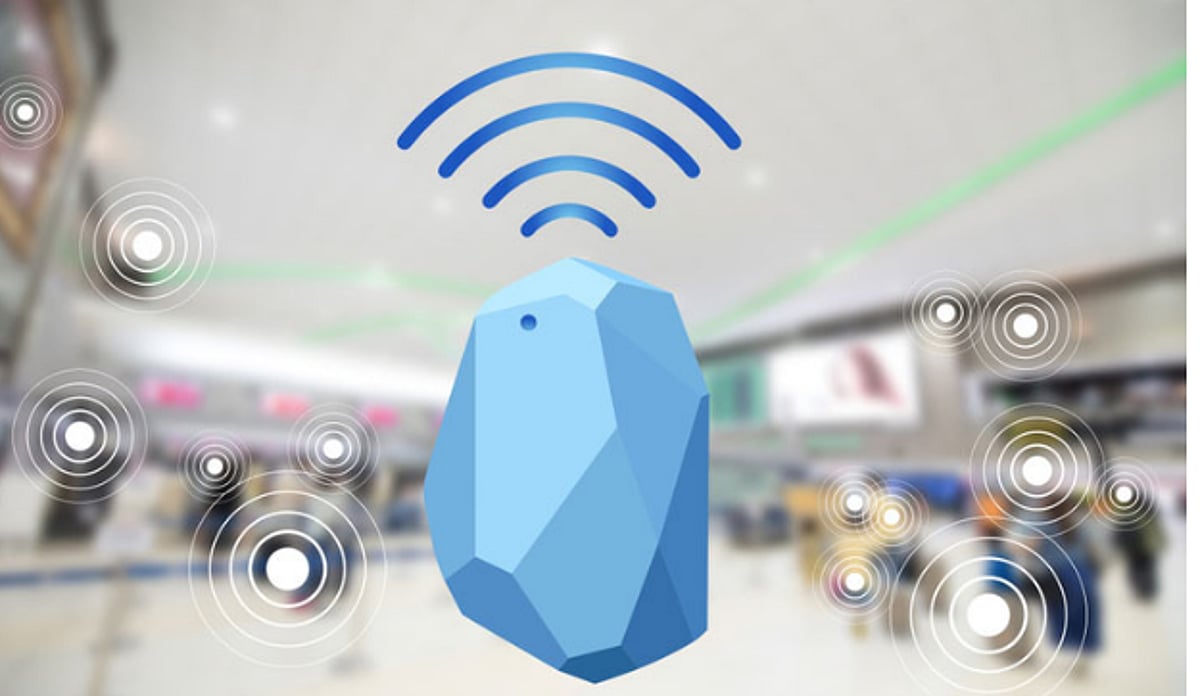
    Finding a specific item in a large facility sounds simple, but it becomes challenging when that item is constantly moving. A hospital cart may shift floors, a warehouse tool may transfer between stations, or a visitor may struggle to navigate a sprawling venue. Bluetooth beacons offer a practical solution, making spaces easier to navigate and track.

    This technology uses Bluetooth Low Energy (BLE) transceivers to send and receive small data packets to and from enabled devices like smartphones or gateways. The system doesn’t require constant communication with every receiver; beacons simply broadcast information at regular intervals. A device within range picks up the signal and forwards it to a program or management system, which then makes decisions and performs actions.

    What Makes a Bluetooth Beacon Useful?

    The primary advantage is simplicity. Beacons don’t need to stay connected to every receiver—they only broadcast packets periodically. A warehouse management system can detect a tagged trolley entering a loading bay, a museum app can recognize a visitor near an exhibit, or an office system can track equipment moving between rooms. All this is possible without attaching complex, power-hungry computers to every object.

    Bluetooth Low Energy Helps Save Power

    Battery life is critical when deploying dozens or hundreds of wireless devices. BLE was designed for short message exchanges, allowing transmitters to enter sleep mode after sending a signal and wake up only when needed. Battery longevity depends on transmitter power, broadcast frequency, battery size, temperature, and other factors. Striking a balance between update frequency and power conservation is essential.

    Why Indoor Tracking Needs Different Technology

    GPS works well outdoors but fails indoors due to signal blockage by walls and ceilings. Bluetooth beacons circumvent this by using a network of receivers inside buildings that pick up signals from wireless devices and relay them to software. The software processes data to determine an object’s location—often down to the floor or department rather than centimeter-level precision, which is sufficient for many business needs.

    Practical Uses Across Different Industries

    • Asset tracking: In large warehouses, wireless tags help workers quickly locate tools, containers, and vehicles.
    • Healthcare: Portable medical equipment can be found faster, saving critical time for hospital staff.
    • Retail: Apps recognize when a customer enters a section and provide relevant information or directions.
    • Indoor positioning: Airports, museums, universities, and conferences use beacon-based systems to replace physical signs with digital guidance.
    • Manufacturing: Production chains can be monitored automatically, reducing manual checks.

    Understanding Range and Location Accuracy

    Signal strength can indicate proximity, but real-world obstacles like walls, metal shelves, people, and other wireless devices distort signals. Therefore, signal strength should not be relied upon for precise distance measurement. For higher accuracy, advanced methods like direction finding using multiple antennas are available. Businesses should choose the approach that fits their needs.

    Choosing Hardware for the Real Environment

    Specifications alone don’t tell the full story. Installation environment greatly affects performance. Key questions include: How far must the signal travel? Is the device indoors or outdoors? What are the temperature extremes? How long should the battery last, and how often can it be changed? Mounting method matters too—a device on a moving vehicle differs from one on a fixed structure. Hardware should be appropriate to the task, not necessarily the toughest option.

    Software Matters as Much as the Device

    Wireless hardware is just a transmitter; real value comes from analytics, location history, alerts, and integrations. For example, an asset management system might alert when inventory leaves a location, or a warehouse dashboard shows which aisle a container is in. Systems must integrate seamlessly with gateways, apps, APIs, cloud platforms, and existing infrastructure. Compatibility issues can derail an otherwise excellent solution.

    Security Should Be Part of the Design

    Wireless broadcasts can be intercepted by any compatible receiver. Never transmit sensitive information in open packets. Instead, send only an identifier and store data in a protected application or database. Protect device configuration with passwords, authentication, and secure firmware to prevent unauthorized changes that could affect coverage, battery life, or system integrity. When personal devices are involved, define what data can be collected and why.

    Test Before Installing at Scale

    A pilot project is crucial to avoid costly mistakes. Test devices in real environments—especially busy areas, doorways, and challenging spots like thick-walled rooms or near heavy machinery. Experiment with receiver placement; moving a gateway a few feet can improve coverage. Document factors like advertising intervals, transmit power, mounting location, battery characteristics, and firmware version. This data helps quickly resolve issues during testing.

    Building a System That Solves a Real Problem

    Start with a clear goal: locate equipment faster, enable indoor positioning, track materials, etc. Choose technologies based on the need. Systems should be built around a purpose, not complicated by unnecessary features. A Bluetooth beacon provides a simple signal, but receivers, software, network infrastructure, and planning turn that signal into something useful. Plan for maintenance—battery changes, firmware updates, and coverage checks. Realistic expectations and thorough testing make Bluetooth-based location systems practical and valuable. Successful implementations often start modestly and expand based on actual performance.

  • NYT Strands #934 Answers and Hints: ‘Practically Paleolithic’ Theme (September 23, 2026)

    NYT Strands #934 Answers and Hints: ‘Practically Paleolithic’ Theme (September 23, 2026)

    Overview

    NYT Strands puzzle #934 for Wednesday, September 23, 2026, challenges players with the theme “Practically Paleolithic.” The puzzle hides five theme words and one spangram that all relate to age, history, and things from the distant past.

    Understanding Today’s Theme

    The official clue is “Practically Paleolithic,” pointing toward words that describe something old, ancient, or belonging to a bygone era. The five theme words are synonyms or descriptors for extreme age: ANCIENT, ARCHAIC, BYGONE, PRIMEVAL, and TIMEWORN.

    How NYT Strands Works

    NYT Strands is a daily word‑search puzzle where players find words connected to a specific theme. Letters can be connected in any direction across the 6×8 grid. The spangram is a special word or phrase that captures the puzzle’s central idea; it stretches across the board and touches two opposite sides. Once found, the spangram appears in yellow. Players can also find non‑theme words to earn hints: three qualifying non‑theme words unlock a hint that highlights letters belonging to one of the theme answers.

    Hints for September 23, 2026

    Main hint: “Practically Paleolithic”
    Simpler clue: Think of things that are very old or belong to another era. The five theme words describe different forms or examples of age. Looking for synonyms connected to ancient history, outdated objects, or earlier periods will help you uncover the grid.

    Spangram Hint

    Still searching for the longest answer? Today’s spangram has 12 letters when written without spaces. It starts with T and ends with S. The phrase refers to information or an idea that is already old news, tying directly into the puzzle’s broader theme of things from the past.

    Spangram Answer

    The spangram for September 23, 2026, is THATSOLDNEWS. This phrase describes something that is already old or no longer new and provides a useful clue for finding the five related words hidden across the board.

    Complete List of Answers

    • ANCIENT
    • ARCHAIC
    • BYGONE
    • PRIMEVAL
    • TIMEWORN
    • THATSOLDNEWS (Spangram)

    All five theme words describe something associated with the past, age, or long‑term wear. PRIMEVAL points specifically toward the earliest ages, while TIMEWORN can describe something made old or worn through long use.

    Why Today’s Puzzle May Take Some Time

    The similarity between several answers—ANCIENT, ARCHAIC, and BYGONE—can make it harder to identify the exact words hidden in the grid. PRIMEVAL may also require more thought since it refers specifically to the earliest ages. The spangram often provides the breakthrough; once you identify THATSOLDNEWS, the connection between the remaining words becomes easier to recognize.

    NYT Strands gives players a fresh theme and letter grid every day. Puzzle #934 focuses on words connected with age and the distant past, using “Practically Paleolithic” as its central clue. For players stuck on September 23, the full answer list above provides a direct route through the puzzle. The next Strands challenge will bring another theme and a new set of hidden words.

  • 5 Must-Track AI Visibility Platforms for Generative Engine Optimization in 2026

    5 Must-Track AI Visibility Platforms for Generative Engine Optimization in 2026

    As more searches happen inside AI assistants, traditional SEO metrics no longer tell the full story. Generative Engine Optimization (GEO) helps brands stay visible in AI-generated answers, citations, and recommendations. Here are five AI visibility platforms worth watching in 2026 to support your GEO strategy.

    Profound

    Profound focuses on tracking how brands appear across AI-generated answers and citations. It offers visibility into prompts, mentions, and competitive presence across supported AI engines. Its enterprise positioning makes it a strong fit for organizations managing large-scale GEO programs and multiple brands.

    Ahrefs Brand Radar

    Ahrefs brings AI visibility into an established SEO ecosystem through Brand Radar. This tool helps marketers understand how brands appear in AI-generated search experiences while connecting those insights with broader SEO data. It is especially useful for teams already working extensively with Ahrefs.

    Peec AI

    Peec AI is built specifically around AI-search visibility and GEO monitoring. It tracks brand mentions across several generative engines and provides reporting designed for marketers and agencies. Its main appeal is its intense focus on AI-search performance rather than traditional search rankings alone.

    Scrunch AI

    Scrunch AI focuses on answer-engine optimization and AI visibility monitoring. It tracks how brands are represented across multiple AI platforms and can surface competitive differences. Its broad engine coverage makes it useful for teams wanting a wider view of generative search performance.

    Semrush AI Visibility Toolkit

    Semrush adds AI visibility capabilities to its broader digital-marketing platform. The toolkit helps monitor brand presence in AI-generated responses and connects those findings with familiar SEO workflows. For existing Semrush users, the integration makes GEO monitoring easier to incorporate into everyday marketing operations.

    What Should Marketers Track?

    AI visibility is more than counting mentions. Teams should monitor several factors to get a full picture:

    • Citations
    • Sentiment
    • Competitors
    • Prompts
    • Engine coverage
    • Changes over time

    Platform capabilities vary significantly, so marketers should compare the engines tracked, prompt limits, reporting depth, and integrations before choosing a solution.

  • 2026 QLED TV Buying Guide: Top Models for India and Expert Tips

    2026 QLED TV Buying Guide: Top Models for India and Expert Tips

    Introduction

    A QLED TV offers more than just a large screen and high resolution. Its quantum dot technology delivers deeper contrasts, more vibrant colors, and superior brightness, transforming your home entertainment experience. Since early 2025, the Indian QLED market has evolved significantly. Mini-LED backlighting is now standard on mid-range models, and native 144Hz panels are available under ₹60,000. New brands like Lumio have raised the bar for budget QLED performance, making 2026 an exciting year for buyers.

    Key Features to Consider

    • Refresh Rate (Hz): Standard TVs run at 60Hz, but 120Hz is common in mid-range sets, and 144Hz panels are now widely available in India. Higher refresh rates reduce motion blur for sports and gaming.
    • Local Dimming: This feature allows different parts of the screen to adjust brightness independently, boosting contrast by making dark areas blacker and bright areas whiter within the same scene.
    • HDR (High Dynamic Range): HDR displays a wider range of brightness levels, preserving details in both very bright and very dark areas for a more realistic image with greater depth.
    • Gaming Features: Auto Low Latency Mode (ALLM) reduces input lag, while Variable Refresh Rate (VRR) eliminates screen tearing. Premium 2026 models often include sub-6ms input lag and full HDMI 2.1 support.

    Top QLED TVs in India for 2026

    1. Acer 139 cm (55 inches) Super Series 4K Ultra HD Smart QLED Google TV

    The Acer Super Series stands out with its powerful 80W PRO speakers and GIGA Bass, delivering room-filling sound without external audio. MEMC technology reduces motion blur in fast scenes, and AI picture optimization automatically adjusts settings. Dolby Vision enhances contrast and color accuracy, while Google TV provides easy access to streaming services.

    Pros: Exceptional color accuracy; powerful 80W speakers with rich bass. Cons: No Dolby Vision IQ support; limited premium app availability.

    2. TCL 139 cm (55 inches) 4K Ultra HD Smart QLED Google TV 55C61B

    The TCL 55C61B excels in motion handling with a 120Hz refresh rate, making it ideal for sports and action content. The ONKYO 2.1 channel speakers provide balanced sound, often eliminating the need for a soundbar. Dolby Vision and AI-enhanced picture quality ensure optimal viewing across different content types.

    Pros: Excellent motion clarity for sports and gaming; quality ONKYO speakers. Cons: Limited HDMI ports; slightly lower brightness than premium models.

    3. Lumio Vision 9 (2026) [NEW]

    Marketed as a flagship killer, the Lumio Vision 9 brings 144Hz refresh rates to the budget segment across 55-inch and 65-inch sizes. It targets buyers who want high-speed performance without the flagship price tag.

    Pros: 144Hz at a budget price; strong value for gamers. Cons: Newer brand with a shorter service track record.

    4. LG QNED evo QNED85B

    Built for sunlit Indian living rooms, this model holds saturation and clarity against heavy ambient light. Full HDMI 2.1 gaming support pairs with LG’s Magic Remote for easy navigation. It’s a solid choice for bright-room daytime viewing.

    Pros: Excellent bright-room performance; full HDMI 2.1 gaming support. Cons: Colors can look less punchy in dark rooms.

    5. Hisense 139 cm (55 inches) E68N Series 4K Ultra HD Smart Google QLED TV

    The Hisense E68N Series offers vibrant colors and sharp contrast at an affordable price. Quantum Dot display and Dolby Vision support enhance content, while Google TV integration provides voice control and easy access to streaming services.

    Pros: Vibrant colors at an affordable price point; user-friendly interface. Cons: 24W speakers insufficient for larger rooms; standard 60Hz refresh rate.

    6. TOSHIBA 164 cm (65 inches) C450NP Series 4K Ultra HD Smart QLED TV

    The Toshiba C450NP Series provides a large 65-inch screen for an immersive experience. Quantum Dot technology delivers good contrast and rich colors on the large display, and the VIDAA TV platform offers easy navigation and access to streaming apps.

    Pros: Immersive large-screen experience; straightforward user interface. Cons: Basic 24W speakers; 60Hz refresh rate limits gaming performance.

    Finding Your Perfect QLED TV

    When selecting a QLED, consider your room size and viewing distance. For an average living room, a 55-inch screen is ideal; larger rooms benefit from 65 inches or more. Brightness is key for well-lit rooms—look for models with at least 1000 nits for the best daytime viewing. Gamers should prioritize higher refresh rates, ALLM, VRR, and HDMI 2.1 support. Movie lovers should focus on color accuracy and HDR quality. Budget shoppers should rank their must-have features before comparing prices.

    Conclusion

    QLED technology continues to improve picture quality through better color reproduction, contrast, and brightness. The models on this updated list reflect where the Indian market stands in September 2026, with 144Hz panels and HDMI 2.1 support now reaching budget tiers that lacked them a year ago. Each pick suits a different need, from premium gaming to bright-room daytime viewing. These aren’t just better specs on paper—they translate into daily viewing that feels sharper, smoother, and more lifelike than ever before.

  • Top 10 Crazy Online Games to Play in 2026: Updated List with Fresh Picks

    Top 10 Crazy Online Games to Play in 2026: Updated List with Fresh Picks

    Introduction

    The world of online gaming is diverse and ever-evolving. From strategic territory battles to competitive first-person shooters, these crazy games provide endless entertainment. Whether you are a seasoned gamer or a casual player, these online games will captivate you with their unique gameplay and competitive nature. Here, we have listed the top 10 crazy games to play online in 2026, with updates on new modes, community maps, and enhanced visuals. While the list below represents the top 10, new games like Bloxd.io and Veck.io are also reshaping the browser gaming scene and are worth checking out.

    1. Shell Shockers

    Shell Shockers is a unique first-person shooter where players take on the role of eggs armed with various weapons. The goal is to crack your opponents while avoiding getting scrambled yourself. This game offers multiple modes, including free-for-all and team-based battles, making it a versatile and engaging experience. It still ranks among the top browser shooters in 2026, and the developers keep adding fresh weapon skins to hold player interest.

    2. Paper.io 2

    In Paper.io 2, your objective is to capture as much territory as possible by drawing lines and enclosing areas. The twist is that other players can cut your line and eliminate you, adding a strategic element to the game. This simple yet addictive game keeps you coming back for more. The mobile version has picked up a steady following this year, especially among players who want short matches during a commute.

    3. Agar.io

    Agar.io is a massively multiplayer online game where you control a cell and try to grow by consuming smaller cells while avoiding being eaten by larger ones. The game is easy to learn but hard to master, with a competitive edge that keeps players hooked. A decade on, it remains the game most people point to when they explain what an .io game actually is.

    4. Slither.io

    Slither.io combines the classic game Snake with the competitive nature of Agar.io. You control a snake and aim to grow by eating pellets while avoiding other snakes. If your head touches another snake, you explode into pellets that other players can consume. The core formula has barely changed since launch, and that consistency is a big reason players keep returning to it.

    5. Krunker.io

    Krunker.io is a fast-paced, pixelated first-person shooter that offers various game modes like free-for-all, team deathmatch, and capture the flag. With a wide range of weapons and maps, it provides endless entertainment for FPS fans. It now faces real competition from newer shooters in the genre, though its low system requirements still give it an edge on older laptops.

    6. ZombsRoyale.io

    ZombsRoyale.io is a battle royale game with a top-down perspective. Players parachute onto a map, scavenge for weapons and supplies, and fight to be the last one standing. The game offers solo, duo, and squad modes, making it great for playing with friends. Seasonal map updates have kept the game feeling current well into 2026.

    7. Bonk.io

    Bonk.io is a physics-based multiplayer game where you control a ball and try to knock other players off the map. It features various maps and modes, and you can create your own maps to share with the community. The custom map editor is still one of its strongest draws, with new community-made arenas showing up every week.

    8. Diep.io

    In Diep.io, you command a tank and fight other players while expanding its capabilities. The game includes modes like free-for-all and team-based battles, with an arsenal of weapons to choose from. The tank upgrade trees give it more depth than most games in this list, which explains why it still has a loyal player base.

    9. Skribbl.io

    Skribbl.io is a fun-filled multiplayer drawing and guessing game. One player draws a word, and the others try to guess what it is. This game is simple but incredibly fun, especially when played with friends. It has become a regular pick for online team hangouts and virtual game nights.

    10. Little Big Snake

    Little Big Snake is very similar to Slither.io but includes extra activities and is more elaborate. You control a snake, eat pellets to grow, and avoid other snakes. The game includes missions, achievements, and a progression system that adds depth to the experience. Its RPG-style upgrades set it apart from simpler snake games, and that extra structure keeps players engaged longer.

    Conclusion

    These ten crazy games provide a broad spectrum of adventures, from tactical conquest to rapid-fire action and intense survival challenges. Whether you want a simple game to pass the time or a more complex game to get lost in, these platforms contain every kind of game you would want. The domain of wild games continues to evolve, offering fun and challenges for everyone.

  • Vivo V50 vs Vivo V40: Which Mid-Range Phone Offers Better Value in 2026?

    Vivo V50 vs Vivo V40: Which Mid-Range Phone Offers Better Value in 2026?

    Even in 2026, the Vivo V50 and Vivo V40 remain popular picks for budget-conscious smartphone buyers. They share nearly identical camera hardware and the same processor, but key differences in battery capacity, storage, and software make one a more compelling choice. Let’s break down how these two mid-range phones compare today.

    Camera: Same Hardware, Software Edge for the V50

    Both the Vivo V50 and V40 come with a dual rear camera setup featuring a 50MP main sensor with optical image stabilization (OIS) and a 50MP ultra-wide lens. Zeiss optics are present on both models, helping deliver sharp, color-rich photos across various lighting conditions. Selfie lovers will also find a 50MP front camera on both phones, making them solid options for social media and video calls.

    While the physical camera hardware is identical, the V50 has a slight advantage thanks to Funtouch OS 15, which brings improved image processing compared to the V40’s Funtouch OS 14. However, neither phone supports 4K cinematic video, a feature now common on Vivo’s newer V-series models. If advanced videography is a must-have, you may need to look at newer devices.

    Battery and Charging: V50 Pulls Ahead

    The Vivo V50 packs a larger 6000mAh battery with 90W fast charging, giving it a clear edge in endurance. Heavier users can expect longer screen-on time and quicker top-ups compared to the V40’s 5500mAh cell with 80W charging. While the V40’s battery remains respectable for daily use, the V50 is the better choice if all-day battery life is your priority.

    That said, if raw battery capacity is your primary buying factor, Vivo’s newest models like the V80 push capacity close to 7,200mAh, so it’s worth considering current-generation options before making a final decision.

    Performance: Same Chip, Better Sustained Gaming on V50

    Both phones run on the Qualcomm Snapdragon 7 Gen 3 processor, with AnTuTu scores hovering around 810,000 points. In everyday tasks, you won’t notice much difference. However, the V50 features improved thermal management, which helps maintain stable performance during extended gaming sessions. That makes the V50 a slightly better pick for mobile gamers.

    Storage options also differ. The V50 goes up to 512GB, while the V40 tops out at 256GB. Both offer up to 12GB of RAM, but the V50’s extra storage makes it more suitable for users who store lots of media or install many heavy apps. On the software side, the V50 ships with Android 15-based Funtouch OS 15, while the V40 launched on Android 14 and remains upgradeable.

    Display and Design: Curved vs. Flat, Both Smooth

    The Vivo V50 sports a 6.77-inch Full HD+ AMOLED display with a 1080 x 2392 resolution and a stunning peak brightness of 4500 nits. Its quad-curved design gives a premium, immersive feel, though some users may prefer the V40’s flatter screen to avoid accidental touches. The V40 has a slightly larger 6.78-inch AMOLED panel with a sharper 1260 x 2800 resolution.

    Both displays support a 120Hz refresh rate, ensuring smooth scrolling, fluid animations, and solid gaming performance. Even by 2026 mid-range standards, these displays hold up well.

    Which One Should You Choose in 2026?

    If battery life, larger storage, and newer software matter most to you, the Vivo V50 is the stronger choice. Its 6000mAh battery, 90W charging, and up to 512GB storage make it a more future-proof buy. The V50 also handles long gaming sessions better thanks to its improved thermal management.

    On the other hand, if you prefer a sharper display resolution, a flatter design, and want to save money, the Vivo V40 still delivers solid all-round performance. It may lack the V50’s battery and storage advantages, but it remains a dependable smartphone even against Vivo’s newer 2026 lineup.

    FAQ

    What is the main difference between the Vivo V50 and V40?

    The biggest differences are battery capacity and storage. The V50 offers 6000mAh with 90W fast charging and up to 512GB of storage, while the V40 has 5500mAh with 80W charging and a 256GB maximum.

    Do the Vivo V50 and V40 have the same camera setup?

    Yes, both phones feature a 50MP main sensor with OIS, a 50MP ultra-wide lens, and a 50MP selfie camera. The V50 benefits from improved image processing thanks to Funtouch OS 15.

    Which phone is better for gaming?

    The Vivo V50 is slightly better for gaming because its thermal management prevents performance throttling during long sessions. Both use the same Snapdragon 7 Gen 3 processor and score similarly in benchmarks.

    Is the Vivo V50 worth buying over the V40 in 2026?

    Yes, if you value battery life, storage, and newer software. The V40 remains a good budget option if you prefer a higher-resolution display and don’t need the extra endurance.

    How do these phones compare to Vivo’s newer models?

    Newer Vivo phones like the V80 offer larger batteries, 4K cinematic video, and more advanced processors. If you want the latest features, that lineup is worth considering.