Blog

  • Proven Ways to Make Your LinkedIn Content Stand Out and Get Cited by ChatGPT

    Proven Ways to Make Your LinkedIn Content Stand Out and Get Cited by ChatGPT

    Want your LinkedIn posts to be discovered and referenced by AI-powered tools like ChatGPT? Follow these actionable tips to create content that both people and AI search engines find valuable and trustworthy.

    • Publish Original Insights: Share first-hand experiences, research, or unique analysis instead of repeating trending topics.
    • Write Clear Headlines: Use descriptive titles with relevant keywords so your content is easier to discover.
    • Support Claims With Sources: Reference reliable reports, studies, or official announcements to build credibility.
    • Keep Posts Well Structured: Use short paragraphs, bullet points, and clear formatting for better readability.
    • Focus on Expertise: Publish consistently within your niche to strengthen your authority over time.
    • Add Useful Visuals: Charts, infographics, and screenshots make your content more engaging and informative.
    • Encourage Meaningful Engagement: Ask thoughtful questions and respond to comments to keep discussions active.
    • Update Evergreen Content: Refresh older posts with new data and insights to keep them relevant and valuable.
  • Top-Paying Tech Skills Employers Will Hire for in 2026

    Top-Paying Tech Skills Employers Will Hire for in 2026

    The demand for AI and machine learning professionals continues to grow across industries, making these skills among the most lucrative in 2026. Cybersecurity experts remain at the top of the pay scale as threats evolve and companies prioritize data protection.

    Cloud computing expertise on platforms like AWS, Azure, and Google Cloud is highly valued, with organizations migrating more operations to the cloud. Data engineers are earning competitive salaries as companies expand their AI initiatives and need robust data pipelines.

    Generative AI application development is creating new career opportunities worldwide, from content generation to automated workflows. DevOps and platform engineering roles continue to offer strong earning potential as businesses seek to streamline software delivery and infrastructure management.

    Blockchain and Web3 expertise remain valuable in specialized technology sectors, particularly in finance and supply chain. AI prompt engineering and automation consulting are emerging as fast-growing skill sets, with companies looking to optimize their use of large language models and robotic process automation.

    Continuous learning and certifications can help professionals stay competitive in the evolving tech market. Investing in these high-demand skills now can position you for top salaries and career growth in 2026.

  • Top AI-Powered Side Hustles to Boost Your Income in 2026

    Top AI-Powered Side Hustles to Boost Your Income in 2026

    As artificial intelligence continues to reshape the way we work, a new wave of side hustles has emerged for those looking to supplement their income in 2026. From content creation to automation, AI tools are enabling freelancers and entrepreneurs to work smarter, not harder. Here are the most promising AI-driven side hustles gaining traction this year.

    AI-Powered Writing & Content Creation
    AI writing assistants help freelancers produce blogs, email campaigns, and marketing copy at unprecedented speed, allowing them to take on more clients and increase earnings.

    Graphic Design with AI Generators
    AI image generators like DALL·E and Midjourney are making professional-quality design accessible to everyone. Creators can offer custom visuals for social media, branding, and advertising on a freelance basis.

    AI-Assisted Video Editing
    Video content is in high demand, and AI tools now simplify tasks like cutting, color correction, and transcription. Creators can produce polished videos faster and manage multiple projects simultaneously.

    Coding with AI Assistants
    Developers are using AI copilots to write code faster, debug efficiently, and build websites or apps for freelance clients. This lowers the barrier for non-experts while boosting productivity for seasoned coders.

    AI Automation Specialists
    Businesses seek experts to streamline repetitive tasks using AI-powered workflows, from email sorting to data entry. This niche is rapidly growing as companies adopt automation.

    Digital Products & Templates
    Creating AI-generated templates, e-books, and online courses allows entrepreneurs to sell scalable digital assets with minimal ongoing effort.

    Social Media Management
    AI scheduling, content curation, and analytics tools enable managers to handle multiple client accounts efficiently, making it a lucrative side gig.

    Voice Generation & Podcast Production
    AI voice cloning and text-to-speech tools open doors for voiceover work, audio books, and podcasting—perfect for side hustlers looking to tap into the audio market.

    Success in any of these side hustles hinges on combining AI efficiency with genuine human expertise. As the technology evolves, those who adapt early will find the greatest opportunities.

  • Must-Have Smart Home Devices for 2026: Upgrade Your Lifestyle with AI and Automation

    Must-Have Smart Home Devices for 2026: Upgrade Your Lifestyle with AI and Automation

    As we look ahead to 2026, the smart home ecosystem is becoming more integrated, intuitive, and energy-efficient than ever. Whether you’re a tech enthusiast or simply looking to simplify daily routines, these devices are worth the investment for a smarter, more connected lifestyle.

    AI-Powered Smart Speakers

    Smart speakers continue to evolve as the central hub of the connected home. With enhanced AI assistants, they now offer better voice recognition, multi-room audio, and seamless control over other smart devices. They are the cornerstone of any modern smart home setup.

    Advanced Security Cameras

    Modern security cameras go beyond simple recording. In 2026, models feature advanced object detection—distinguishing between people, animals, and vehicles—and send real-time alerts directly to your phone. This adds a new layer of safety and convenience.

    Video Doorbells

    Video doorbells have become essential for monitoring deliveries and visitors when you’re not home. Many now include package detection, two-way audio, and cloud storage, ensuring you never miss a moment at your doorstep.

    Smart Thermostats

    Energy savings and comfort go hand in hand with smart thermostats. These devices learn your schedule and preferences, automatically adjusting temperature settings to reduce energy consumption without sacrificing comfort.

    Connected Lighting Systems

    Smart lighting offers voice control, scheduling, and customizable scenes to match your mood or activity. From dimming lights for movie night to simulating occupancy while away, these systems add both convenience and ambiance.

    Robot Vacuum Cleaners

    Robot vacuums have become remarkably efficient thanks to AI navigation. They map your home, avoid obstacles, and clean thoroughly with minimal human intervention. Many models also include mopping functionality for complete floor care.

    Smart Locks

    Forget physical keys—smart locks provide app-based access, temporary digital keys for guests, and integration with other security systems. They enhance home security and offer peace of mind whether you’re inside or away.

    Smart Plugs

    Smart plugs are an affordable way to automate any appliance. Use them to schedule coffee makers, control lamps remotely, or monitor electricity usage—all from your smartphone. They are a simple entry point into home automation.

    Matter-Compatible Devices

    The Matter standard continues to unify the smart home landscape, making devices from different brands work together seamlessly. Investing in Matter-compatible products ensures future-proof interoperability and a smoother user experience.

    These smart home devices not only add convenience but also improve energy efficiency, security, and overall quality of life. As technology advances, the home of 2026 is smarter, safer, and more responsive to your needs.


  • Expert Picks: The Best Bean-to-Cup Coffee Machines of 2026 – Reviews and Buying Guide

    Expert Picks: The Best Bean-to-Cup Coffee Machines of 2026 – Reviews and Buying Guide

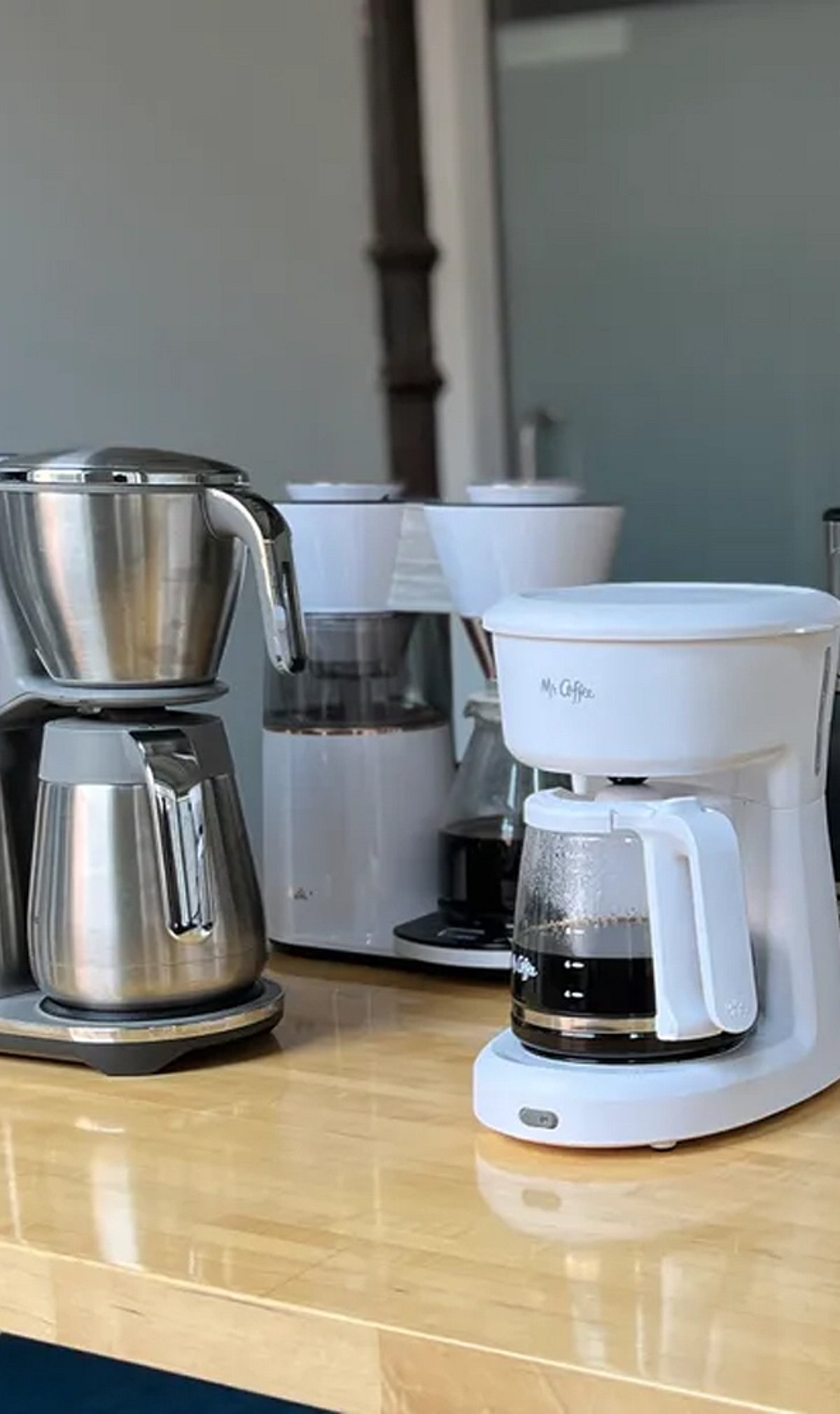
    Looking for the perfect bean-to-cup coffee machine in 2026? We’ve tested the top models to bring you expert reviews and a comprehensive buying guide. Whether you’re a coffee connoisseur or a first-time buyer, these machines deliver fresh, café-quality brews at home.

    De’Longhi Rivelia

    The De’Longhi Rivelia stands out with dual bean hoppers, an intuitive touchscreen, personalized drink profiles, and exceptional espresso quality, making it ideal for demanding coffee enthusiasts.

    Jura C8

    Premium Swiss engineering delivers rich espresso, effortless maintenance, intelligent brewing technology, and compact styling for modern kitchens and daily convenience.

    Sage Oracle Jet

    Automatic grinding, tamping, steaming, and precision brewing combine with manual controls for café-quality coffee without requiring professional barista experience.

    Philips Baristina

    Affordable automatic brewing, stylish design, simple maintenance, and consistent espresso performance provide excellent value for first-time bean-to-cup coffee buyers.

    De’Longhi Magnifica Evo Next

    Fast operation, customizable beverages, a reliable grinder, and improved milk frothing deliver dependable performance for everyday coffee lovers at home.

    Bosch 300 Series

    Quiet grinding, simple controls, excellent espresso extraction, and efficient milk frothing create enjoyable coffee experiences with minimal daily effort.

    Terra Kaffe TK-02

    Smart connectivity, touchscreen controls, customizable recipes, and modern aesthetics appeal to technology-focused users seeking premium automated coffee brewing experiences.

    Smeg BCC12

    Retro-inspired styling meets reliable espresso brewing, automatic grinding, and one-touch beverage preparation for kitchens that value aesthetics alongside excellent coffee performance.

    Ninja AutoBarista Pro

    Multiple brewing styles, GrindIQ calibration, customizable beverages, and versatile functionality make it a strong all-in-one coffee solution.

    Each machine excels in different areas, so consider your budget, features, and taste preferences. For more updates on the latest gadgets, join our WhatsApp Channel.

  • Top CompactFlash Memory Cards to Buy in 2026: Reliable Picks for Photographers

    Top CompactFlash Memory Cards to Buy in 2026: Reliable Picks for Photographers

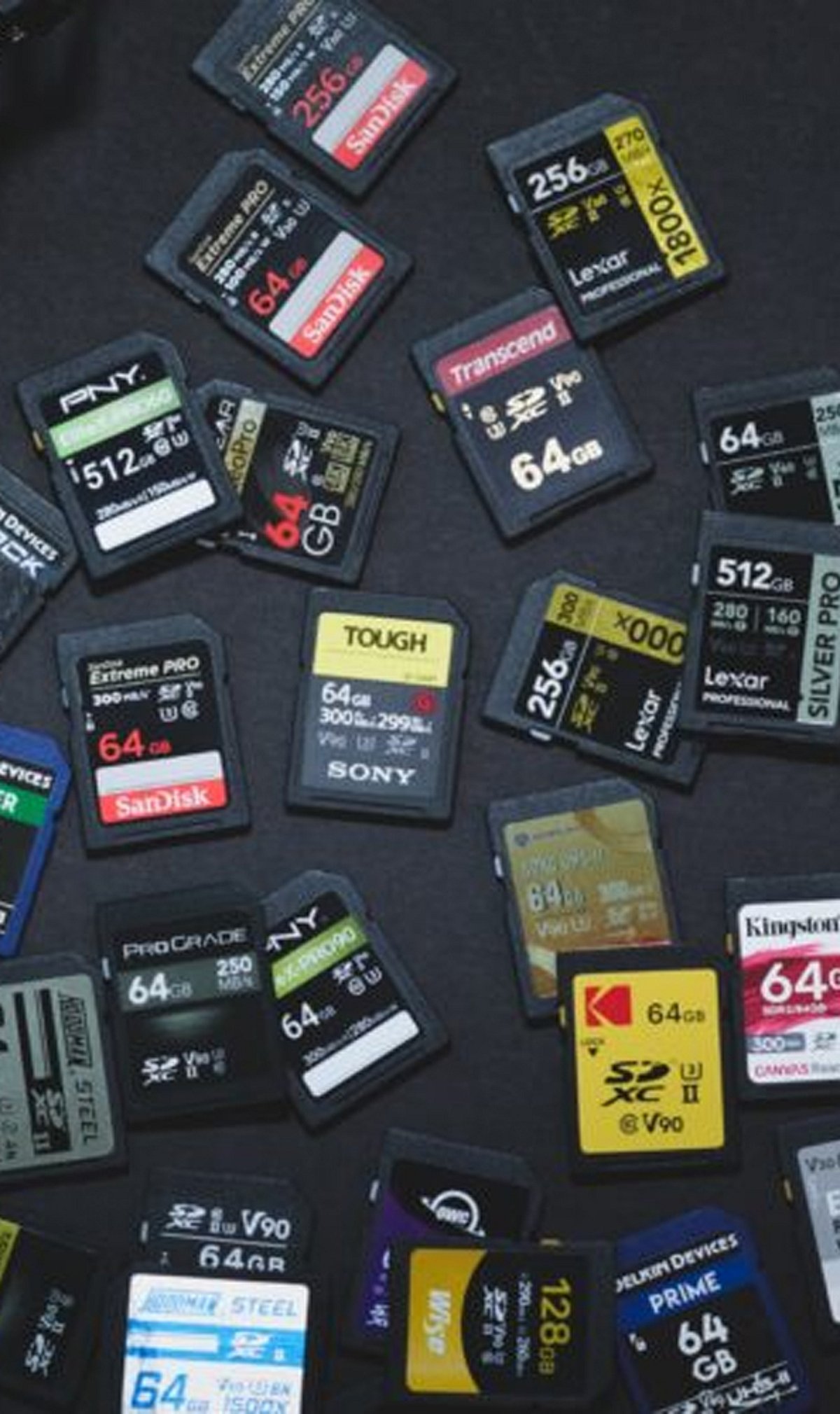
    CompactFlash (CF) cards continue to be a staple for professional and enthusiast photographers who rely on legacy DSLR systems or high-end cameras that still use this durable storage format. In 2026, the market offers a range of options balancing speed, reliability, and value. Below are the best CompactFlash cards to consider for your photography needs.

    SanDisk Extreme Pro CF

    This card delivers outstanding read and write speeds, exceptional reliability, and rugged durability. It is ideal for professional DSLR photographers who shoot high-resolution RAW images continuously without interruption.

    SanDisk Extreme CF

    An excellent balance between affordability, dependable performance, and durable construction makes this card a great choice for enthusiasts and semi-professional camera operators using older cameras that support CompactFlash.

    Lexar Professional 1066x

    Fast data transfers and stable recording performance, combined with broad camera compatibility, support demanding workflows involving continuous burst photography and Full HD video capture.

    Transcend 800x CF

    This card offers reliable storage, consistent transfer speeds, and affordable pricing. It is well-suited for photographers upgrading older DSLR systems without overspending.

    Kingston CompactFlash Elite Pro

    Dependable performance, rugged construction, and stable recording capabilities ensure reliable storage for professional photography and long shooting sessions outdoors.

    Delkin Devices CF Card

    Built for demanding environments, this card provides strong durability, consistent write speeds, and dependable performance for professionals working in challenging outdoor conditions.

    Wise Advanced CompactFlash

    Reliable high-speed performance supports continuous shooting, efficient file transfers, and dependable recording for commercial photography and creative production workflows.

    Verbatim CompactFlash

    A cost-effective storage solution that offers dependable compatibility and everyday reliability for hobbyists using older DSLR cameras that require CompactFlash media.

    PNY CompactFlash Card

    This affordable memory card provides reliable storage, stable data transfers, and broad compatibility for photographers seeking dependable backup recording without a premium price tag.

    Whether you are a professional needing maximum speed or a hobbyist looking for a budget-friendly upgrade, these CompactFlash cards offer proven performance for your camera in 2026.

  • Solana Foundation and Toss Bank to Pilot Blockchain Remittance Service in South Korea

    Solana Foundation and Toss Bank to Pilot Blockchain Remittance Service in South Korea

    The Solana Foundation and South Korea’s Toss Bank have signed a memorandum of understanding to test blockchain-based remittance and settlement services. The pilot program is designed to serve the bank’s 15 million customers, aiming to deliver faster and lower-cost international payments.

    This partnership marks the first direct collaboration between a South Korean internet-only bank and the Solana ecosystem. Both organizations will explore whether blockchain infrastructure can enhance the cross-border transfer services Toss Bank currently provides across 30 countries.

    Proof-of-Concept Targets Cross-Border Payments

    The initial phase will assess Solana’s capability to support cross-border remittance and settlement. Toss Bank already handles international transfers in seven major currencies through its digital platform. The bank aims to reduce settlement costs and shorten transfer times compared with traditional correspondent banking networks.

    Executives described the initiative as an upgrade to existing financial services rather than a move into speculative cryptocurrency activity. The pilot will measure whether blockchain settlement can deliver clear operational advantages over conventional systems.

    Compliance and Stablecoin Research Take Priority

    The memorandum covers four key areas: the remittance pilot, joint research into blockchain-based payment systems, stablecoin services and digital assets, international banking links, and long-term compliance cooperation. Both organizations plan to integrate anti-money laundering and know-your-customer controls throughout the project to address regulatory duties.

    Solana continues to position its network as infrastructure for financial services beyond decentralized applications. Its low transaction fees and near-instant settlement are central to the project’s technical appeal.

    South Korea Strategy Gains a Major Banking Partner

    The agreement expands Solana’s presence in South Korea, where earlier initiatives involved local fintech companies and research into Korean won-denominated stablecoin infrastructure. Toss Bank now brings a major banking institution into that effort.

    Toss Bank is South Korea’s third-largest internet-only bank, serving about 15 million users through the broader Toss ecosystem. Its parent company, Viva Republica, is preparing for a potential public offering in the United States, with industry reports citing a valuation above $10 billion.

    South Korea is also developing additional oversight for crypto-related cross-border transactions, while the central bank continues exploring digital currency and tokenized deposit initiatives.

    What’s Next?

    The Solana Foundation and Toss Bank will test blockchain remittances for faster international payments and lower settlement costs. The initiative also covers stablecoin research, regulatory compliance, and future banking integrations. Results could guide similar partnerships between regulated financial institutions and blockchain networks.

  • iPhone Ultra Dummy Leak Reveals Black Colorway and Premium Foldable Design

    iPhone Ultra Dummy Leak Reveals Black Colorway and Premium Foldable Design

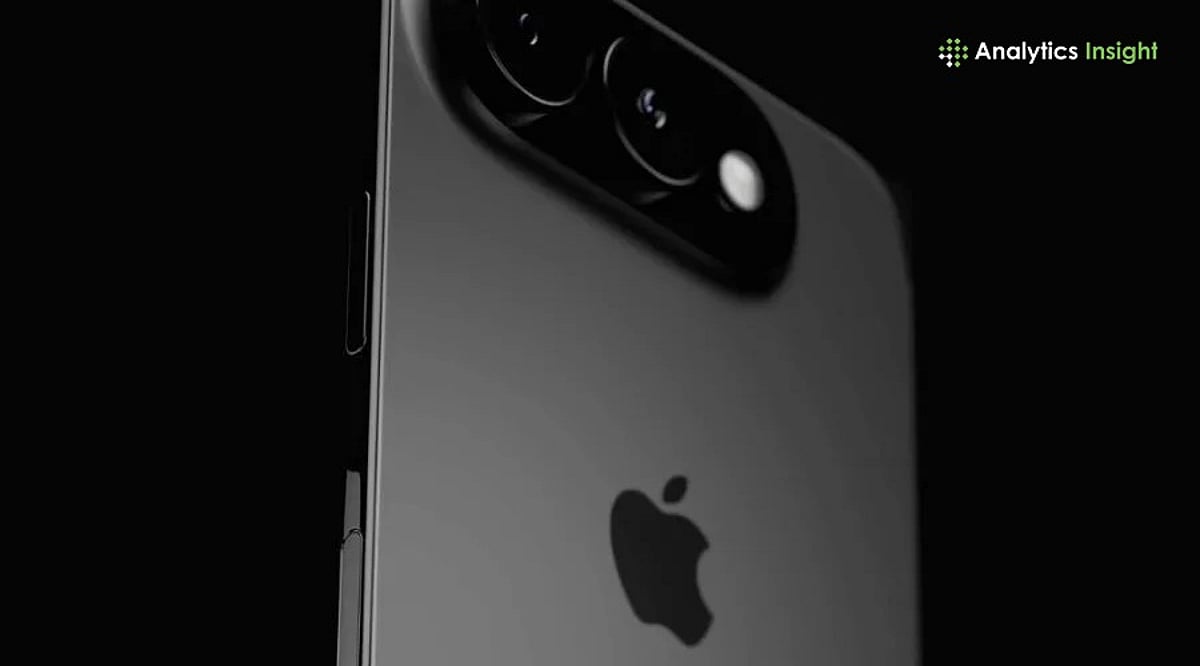
    A leaked dummy unit of Apple’s rumored iPhone Ultra has surfaced in a sleek black finish, offering the most detailed look yet at the company’s anticipated foldable flagship. The images, published by Jam Online, show a device that closely matches earlier design rumors and hint at Apple’s strategy to compete directly with Samsung’s Galaxy Z Fold 7.

    Design and Build Quality

    The dummy unit reveals a wider form factor when unfolded compared to conventional iPhones, with an aspect ratio reminiscent of the OPPO Find N rather than the tall, narrow Galaxy Z Fold 7. This makes the device more compact and button placement more accessible, especially for users with smaller hands. In its unfolded state, the phone reportedly resembles a compact iPad Mini in portrait orientation.

    The black colorway shown in the renders is likely one of several options Apple will offer. The camera module is raised to accommodate internal components, meaning the phone won’t lie flat on a table unless placed screen-first. A selfie camera is visible in the upper-left corner of the main display, while a second front-facing camera is integrated into the outer cover screen.

    Camera and Hardware Specs

    The dual rear cameras are arranged horizontally in a pill-shaped module, accompanied by an LED flash and a microphone. Both sensors are expected to be 48-megapixel units. The leaked model also includes a Camera Control button positioned below the power button, with volume keys along the upper edge. A USB Type-C port sits at the bottom between dual speaker grilles.

    Under the hood, the iPhone Ultra is rumored to ship with Apple’s A20 Pro chipset paired with 12GB of LPDDR5x RAM. It is also said to feature Apple’s in-house C2 modem. The device is expected to have a 5.3-inch cover display and a 7.8-inch foldable inner screen, offering an immersive tablet-like experience when opened.

    Competing in the Foldable Market

    Apple’s entry into the foldable market comes as Samsung continues to dominate with its Z Fold series. The iPhone Ultra is reportedly nearly as thin as the Galaxy Z Fold 7 (8.9mm thick), and Apple is likely working to make its foldable even slimmer. Some reports suggest Apple may abandon Face ID to reduce thickness further.

    While the dummy unit shows a visible crease in the middle of the inner display, this is common among prototypes and final production units are expected to have improved panels. The foldable iPhone Ultra is anticipated to launch alongside the iPhone 18 Pro and iPhone 18 Pro Max in September this year, marking Apple’s boldest design shift in years.

  • OpenClaw Android App Transforms Smartphones into AI-Powered Automation Hubs

    OpenClaw Android App Transforms Smartphones into AI-Powered Automation Hubs

    OpenClaw has officially launched its Android app, bringing its powerful AI agent to mobile devices with voice control, automation features, and user-controlled permissions through the OpenClaw Gateway. This marks a significant evolution from the open-source tool that originally debuted in November 2025, which turned an AI into a fully automated personal assistant capable of performing tasks on a computer.

    Now, for the first time, OpenClaw’s AI agent is available on smartphones via dedicated iOS and Android apps. Users can converse with the AI assistant and grant it access to device capabilities such as the camera, screen, location, images, contacts, calendar, and reminders. Unlike ordinary chatbots that simply answer queries, OpenClaw technology interacts with apps and systems to execute specific actions with user permission.

    Key Features and User Control

    • Pair the app with a private OpenClaw Gateway using a setup code or QR code.
    • Engage in direct conversations with the AI assistant via smartphone.
    • Use push-to-talk and Talk mode for real-time voice chats.
    • Review and approve actions requested by the connected gateway.
    • Allow the AI to access the camera, screen, location, and notifications on demand.
    • Receive status updates and push notifications for linked workflows.

    Users remain in full control of which device permissions to grant, ensuring privacy and security.

    Industry Impact and Future Outlook

    The launch represents a major milestone for OpenClaw, which has grown from a small-scale open-source project into a recognized brand in the AI industry. Following the integration of Peter Steinberger—the app’s creator—into OpenAI, the OpenClaw Foundation now manages the project. While the foundation has released the mobile apps, OpenAI has expressed support without specifying exact terms.

    According to the Google Play Store listing, the Android app works through the user’s personal OpenClaw Gateway, making the smartphone an ideal partner for AI-driven automation and communication. The broader shift from chatbots to AI agents that can perform real-world tasks with user consent is evident, with OpenClaw leading the charge. Moving forward, the focus will be on security, reliability, and developer adoption.

  • XRP Holds Above $1 as ETF Inflows Increase and XRPL Lending Protocol Enters Testing

    XRP Holds Above $1 as ETF Inflows Increase and XRPL Lending Protocol Enters Testing

    XRP maintained its crucial $1 support level as leverage declined, network activity expanded, ETF demand continued, and Ripple opened its proposed XRPL Lending Protocol for developer testing. The token gained 1.59% during the session, although resistance near $1.10 prevented a confirmed technical recovery.

    XRP Defends $1 After Major Leverage Reset

    XRP rose from $1.0451 to $1.0544 within a 24-hour range of $0.0435. The token later consolidated between $1.03 and $1.06, leaving the market range-bound rather than signaling a broader recovery. It remains 19% lower for the month. Trading activity peaked on June 29 at 17:00 UTC, with volume reaching 86.5 million XRP—about 67% above the session’s average volume. Open interest across major exchanges dropped below 150 million after reaching 1.3 billion previously, removing much of the crowded leverage behind XRP’s earlier rally. Funding rates turned negative, and forced long liquidations cleared additional bullish positioning. The four-hour relative strength index recovered from oversold conditions to 46. XRP still trades below major moving averages, with resistance near $1.10, followed by the 50-day EMA around $1.20 and the 100-day EMA near $1.31.

    Network Growth and XRP ETF Inflows Continue

    Daily active addresses climbed from 23,000 on June 14 to nearly 39,500 by June 27—a 72% surge in two weeks. At the same time, XRP spot ETFs recorded an eighth consecutive week of inflows, bringing cumulative inflows to $144.7 million despite broader weakness across cryptocurrency investment funds. On June 26, XRP ETFs attracted $15.6 million in net inflows, while Bitcoin ETFs saw $444.5 million in outflows and ether funds lost $12.9 million. The strength in network use and sustained ETF inflows could push XRP through the $1.10 resistance zone, but price action has not yet confirmed that shift. Initial resistance sits at $1.06, followed by $1.09–$1.10. A move above $1.20 would provide a stronger recovery signal; a break below $1 could bring the $0.90–$0.87 region back into focus.

    Ripple Opens XRPL Lending Protocol Testing

    Ripple announced that developers can now test the proposed XRPL Lending Protocol in a dedicated environment. The system would introduce native borrowing and lending functions to the XRP Ledger via two technical specifications—XLS-65 and XLS-66. These would help financial firms structure credit agreements directly on the network. The Single Asset Vault creates a standard format for pooling assets, while the Lending Protocol manages loan terms, servicing, and repayment rules. If network validators approve both specifications, institutions could use tokenized real-world assets like money market funds and commodities as working capital for lending. Developers can experiment with the framework while XRP continues trading between key support and resistance levels.

    What’s Next for XRP?

    XRP continues to defend the $1 support level with declining leverage, strengthening network activity, and positive ETF inflows. The XRPL lending development adds another institutional use case. Traders should watch whether XRP can break above $1.10 and advance toward $1.20 in the coming sessions.