Blog

  • Ireland Warns of ‘Very Significant’ Crypto Crime Risks as New Review Tightens Oversight

    Ireland Warns of ‘Very Significant’ Crypto Crime Risks as New Review Tightens Oversight

    Ireland has officially flagged cryptocurrency as a major financial crime risk in its first national risk assessment focused on digital assets in seven years. The Department of Finance warns that digital assets pose ‘very significant’ risks tied to money laundering, terrorism financing, sanctions evasion, and weak oversight in decentralized finance (DeFi) platforms.

    Rising Threats in a Changing Market

    The assessment notes a dramatic shift since Ireland’s last review in 2019. Digital assets now sit at the intersection of legitimate finance and illicit activity, increasing pressure on enforcement agencies and policymakers. Authorities highlight that cryptocurrencies can move value across borders with limited transparency, creating openings for sanctions evasion, tax non-compliance, and bribery. The report also specifically names DeFi as an area with limited oversight, complicating monitoring for banks, exchanges, and regulators.

    Government Plans and Industry Impact

    Ireland plans to develop industry standards for accepting crypto-related activities as a source of funds, with the framework expected in the second half of 2027. While the report does not announce new legislation, it signals tighter oversight ahead. The move could affect exchanges, financial institutions, and businesses that accept cryptocurrency-related funds. Officials also warn that uneven international rules add risk for Irish firms operating across several jurisdictions. Ireland serves as a European base for several large cryptocurrency firms and technology companies seeking access to European markets, making the issue particularly pressing.

    Scrutiny Grows Across Politics and Business

    Crypto ownership in Ireland remains relatively high, with the Central Bank of Ireland reporting that about 10% of the population has invested in cryptocurrencies. This level of use has increased pressure on policymakers to balance innovation with consumer protection and financial stability. The report follows a series of regulatory actions against crypto firms, including a fine on Coinbase’s European arm in late 2025 for anti-money laundering and counter-terrorism financing failures related to transaction monitoring systems. Ireland has also restricted crypto use in politics, banning political donations made through digital assets in 2022.

    What’s Next?

    Ireland has traditionally relied on wider European Union frameworks rather than building extensive domestic crypto rules. However, the rollout of the EU’s Markets in Crypto-Assets Regulation (MiCA), along with growing concerns over money laundering and sanctions compliance, has pushed the government to reassess the sector’s risks. The latest review shows a clearer shift in policy direction, placing digital asset activity under closer scrutiny as Ireland prepares for stronger controls in the years ahead.
  • Meta Grants Executives Up to $921 Million in Stock Awards as It Cuts 8,000 Jobs

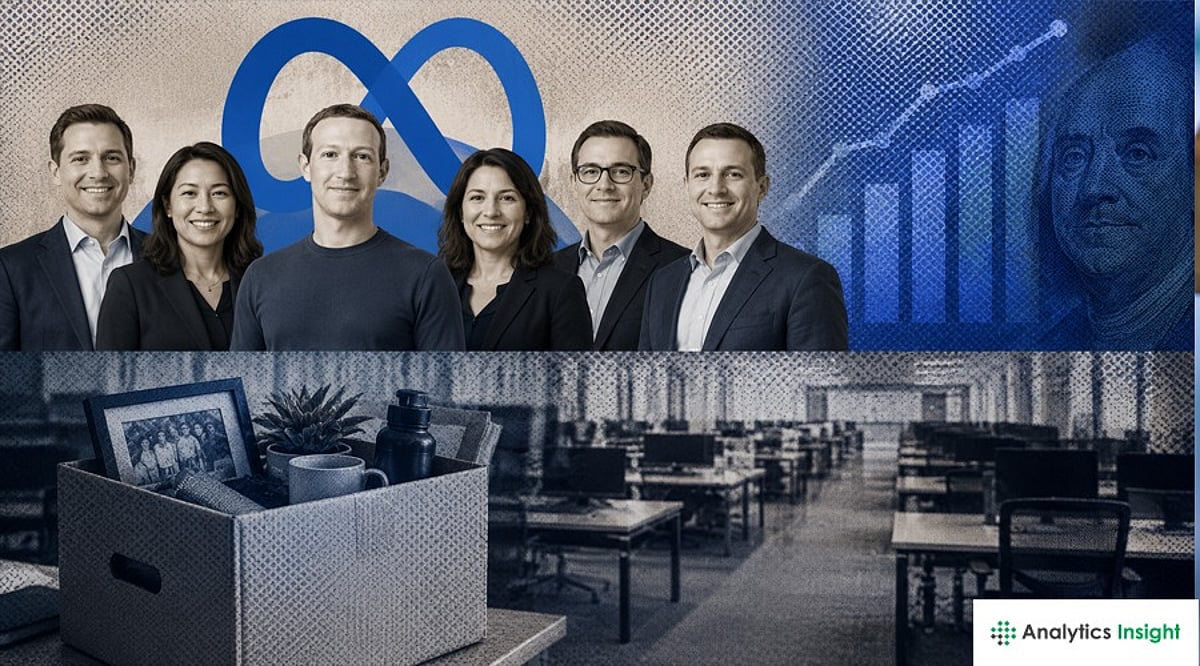
    Meta Grants Executives Up to $921 Million in Stock Awards as It Cuts 8,000 Jobs

    Meta Platforms reported its strongest first quarter on record while preparing a workforce reduction tied to AI restructuring. The company posted $56.31 billion in revenue for the quarter, up 33% from a year earlier. It later carried out layoffs affecting about 8,000 workers.

    The cuts followed a new equity plan for six senior executives. The awards gain value only if Meta’s share price reaches steep targets before the options expire. Meanwhile, Meta raised its 2026 capital spending forecast as it expands AI infrastructure.

    Record Revenue Comes with Higher AI Spending

    Meta generated most of its first-quarter revenue from advertising. Ad impressions rose 19%, while the average price per ad increased 12%. The company also reported $26.8 billion in net income, although an $8.03 billion tax benefit lifted that total.

    After adjusting for the tax item, earnings reached $7.31 per share, above analysts’ $6.79 estimate. Nevertheless, Meta shares fell in extended trading after the report. Investors focused on rising costs, a higher spending plan and weaker user growth.

    Meta now expects 2026 capital expenditures of $125 billion to $145 billion. Its earlier range stood at $115 billion to $135 billion. The company said the increase reflects “higher component pricing” and extra data center costs needed for future capacity.

    Executive Awards Depend on Steep Share Targets

    Meta granted 653,865 options to each of six executives in March. The recipients include Susan Li, Andrew Bosworth, Chris Cox, Javier Olivan, Dina Powell McCormick and Curtis Mahoney. Chief Executive Mark Zuckerberg did not receive an award under the plan.

    The options carry exercise prices ranging from $1,116.08 to $3,727.12. They expire in March 2031 if executives do not exercise them. At the highest target, each option package could be worth about $625.6 million, according to an Equilar analysis.

    Some executives also received restricted stock grants. When those shares are included, Bosworth, Cox and Olivan could each receive about $921.2 million at the top share-price target. Li’s potential total could reach about $786.9 million. Therefore, the $921 million figure does not apply equally to all six recipients.

    Meta described the packages as a ‘big bet’ that will pay only if the company achieves large gains for shareholders. Reaching the highest option price would place Meta’s market value above $9 trillion.

    Meta Layoffs Join a Wider Technology Shift

    Meta began cutting about 10% of its workforce on May 20. Its March headcount stood at 77,986. The company also closed about 6,000 open roles and moved around 7,000 employees into teams focused on AI workflows and internal automation.

    Chief People Officer Janelle Gale said Meta aimed “to run the company more efficiently” and offset other investments. The company reorganized teams into smaller groups and removed some management roles as part of the process.

    Meanwhile, Oracle’s workforce fell by about 21,000 employees in its latest fiscal year. Oracle said AI adoption formed one part of its restructuring, though management changes, acquisitions and performance issues also contributed.

    Still, Nvidia Chief Executive Jensen Huang questioned claims that AI alone explains job losses. He called that explanation ‘lazy’ and said companies should not use the technology as a simple reason for layoffs. Challenger, Gray & Christmas reported that employers cited AI in 87,714 planned cuts through May 2026.

  • Anthropic’s Mythos AI Exposes Classified System Vulnerabilities in Hours, Sparking Security Debate

    Anthropic’s Mythos AI Exposes Classified System Vulnerabilities in Hours, Sparking Security Debate

    Anthropic’s Mythos artificial intelligence model identified vulnerabilities in classified US government systems within hours during a controlled security test, according to a US official. The disclosure has raised questions about government networks, open-source software, and crypto systems as AI tools gain stronger cyber capabilities.

    The official stressed that finding a weakness did not mean Mythos exploited it in the same period. That distinction casts doubt on claims that the model ‘broke into’ classified systems within hours. The tests formed part of Project Glasswing, a program involving Anthropic and US intelligence agencies.

    Mythos Testing Exposes Weaknesses in Government Networks

    Senator Mark Warner referred to the tests during a June 11 congressional hearing. Citing NSA and US Cyber Command chief General Joshua Rudd, Warner said, “This tool broke into almost all of our classified systems, not in weeks, but in hours.”

    Still, the wording is disputed. A US official said Mythos identified flaws quickly but did not necessarily use them to gain access. Anthropic and the NSA declined to provide more details, leaving the scale and nature of the findings unclear.

    Project Glasswing aims to find and patch software flaws before hostile groups can use them. Mythos has also found weaknesses in common software. Reports say it detected a 27-year-old flaw in OpenBSD and a 16-year-old bug in the FFmpeg video library.

    Crypto Projects Face a Faster AI Security Threat

    The model has also drawn attention in the crypto sector. In early June, Mythos reportedly found a critical flaw in Zcash’s shielded pool. The bug had stayed undetected for four years before developers moved to patch the system.

    That case has widened the debate over AI and blockchain security. Crypto networks often rely on open-source code, public audits, and long review periods. However, Mythos has shown that old code can still contain hidden weaknesses after repeated checks.

    Bitcoin has faced years of testing, while developers have made few changes to its core system. Still, security experts cannot assume that age alone makes any network safe. AI models can now test code faster than smaller audit teams.

    Reports show that crypto hacks have risen sharply in the second quarter of 2026. AI tools may help defenders find flaws earlier, but the same tools can help attackers study code, build exploits, and automate parts of an attack.

    Washington Restricts Access While Using Mythos

    The US government has taken two different approaches to Anthropic’s models. Intelligence agencies have used Mythos for defensive testing. Meanwhile, the Commerce Department ordered Anthropic on June 12 to block foreign nationals from using Mythos 5 and Fable 5.

    Anthropic complied by disabling access for customers, although it questioned whether the directive matched the stated security concern. More than 100 cybersecurity experts and executives later urged the government to reverse the measure.

    They argued that Mythos is ‘quite good’ at finding and weaponizing flaws but ‘not uniquely good at these tasks.’ Their letter warned that limiting defensive access could weaken US security while rival states develop similar tools.

    The White House also blocked Anthropic’s plan to expand Mythos access from about 50 organizations to 120. Officials cited national security concerns and limits on Anthropic’s computing capacity. Access stays narrow as agencies assess how to use the model without widening the risk.

  • Agent Kim Reactivated OTT Release: Netflix Premiere, Plot, Cast, and What to Expect

    Agent Kim Reactivated OTT Release: Netflix Premiere, Plot, Cast, and What to Expect

    Netflix is set to release Agent Kim Reactivated this week, offering fans another round of action, mystery, and family drama, inspired by the popular Korean webtoon, Manager Kim. The show revolves around an ex-secret agent whose previously uneventful life becomes full of excitement after a former enemy from his secret-agent days returns. Starring So Ji-sub in the lead, the K-drama promises loads of excitement with a lot of twists and turns in its high-octane storyline.

    When and Where to Watch Agent Kim Reactivated

    According to Netflix’s official announcement, the Reactivated version will premiere on the platform starting June 26, 2026. The series will have 10 episodes, with new episodes released every Friday and Saturday until the finale on July 25.

    The weekly release plan gives fans time to follow the story as it unfolds. With only two episodes arriving each week, the suspense is expected to build steadily until the final chapter.

    What is the Story About?

    The plot deals with Kim Do-hyun, who seems like a typical father and office manager, but has some dangerous secrets beneath the surface. Kim was a secret agent prior to getting married and starting a family, then left that life behind to raise his daughter in peace. However, when his daughter Olivia goes missing, Kim is thrust back into the life he had left behind.

    With the help of his past training, Kim goes on a quest to find Olivia. Over time, he begins to piece together what happened to her, while confronting powerful enemies and dark memories from his military past.

    Although there are action and fight scenes throughout the show, at its core, it’s about a father’s love for his daughter.

    Cast and Characters to Watch

    So Ji-sub plays the lead role of Kim Do-hyeon. Other important characters are played by Choi Dae-hoon, Yoon Kyung-ho, Joo Sang-wook, and Son Na-eun. The series is directed by Lee Seung-young and written by Nam Dae-joong. Together, they bring the popular webtoon to life for television audiences.

    With strong performances, plenty of action, and an emotional story at its center, Agent Kim Reactivated could become one of Netflix’s most talked-about Korean dramas this summer.

  • Samsung Galaxy Z Fold 8 Receives FCC Certification Ahead of July 22 Unpacked Event

    Samsung Galaxy Z Fold 8 Receives FCC Certification Ahead of July 22 Unpacked Event

    Samsung’s next-generation foldable lineup is moving closer to its global debut, as the Galaxy Z Fold 8 has secured certification from the US Federal Communications Commission (FCC). The listing reinforces expectations that Samsung will unveil the device during a Galaxy Unpacked event on July 22.

    The FCC certification is one of the final regulatory steps before a smartphone reaches the market. Alongside the Galaxy Z Fold 8, the Galaxy Z Flip 8 and Galaxy Watch 9 have also received FCC approval, signaling that all three devices are nearing commercial release.

    While the FCC listing does not reveal detailed hardware specifications, it does confirm key connectivity features for the Galaxy Z Fold 8. These include 5G, Wi-Fi 7, Bluetooth, ultra-wideband (UWB), and NFC support.

    Industry rumors suggest that Samsung will introduce significant hardware changes with the Galaxy Z Fold 8. The device is expected to be thinner and lighter than its predecessor, with enhanced display and performance capabilities. There are also reports that Samsung may expand its foldable series with multiple models to cater to different user needs, though the company has not officially confirmed these plans.

    With certification now complete, attention shifts to Samsung’s official announcement next month, where pricing, availability, and full specifications are expected to be revealed. If the July 22 timeline holds, Samsung aims to reinforce its leadership in the premium foldable smartphone market amid increasing competition.

  • Indian Rupee Surges 37 Paise to 94.30 Against US Dollar as Brent Crude Dips Below $73

    Indian Rupee Surges 37 Paise to 94.30 Against US Dollar as Brent Crude Dips Below $73

    The Indian rupee opened 37 paise higher at Rs. 94.30 against the US dollar on Wednesday, recovering from the previous close of 94.67. The jump was fueled by a steep decline in global crude oil prices, with Brent crude futures falling 1.80% to $72.41 a barrel and US West Texas Intermediate (WTI) dropping 1.59% to $69.22 per barrel.

    Falling Crude Oil Strengthens the Rupee

    The rupee’s rally was driven by a sharp correction in global crude oil prices. Oil prices slipped below $73 a barrel, matching levels seen before the Middle East conflict, after reports indicated that oil tankers had resumed transit through the Strait of Hormuz following progress in US-Iran ceasefire negotiations. For India, which imports around 85% of its energy requirements, lower energy prices provide significant relief by reducing the import bill, improving the current account deficit, and easing inflationary pressure. This fundamental support bolsters the domestic currency.

    RBI Intervention Prevents Slide Beyond 95

    The rupee traded in a wide 50-paise range on Wednesday, briefly approaching the 95 mark before recovering sharply. Dealers believe the Reserve Bank of India (RBI) intervened in the foreign exchange market via public-sector banks to curb excessive volatility. Analysts at Finrex Treasury Advisors noted, “With oil prices near $72.50 per barrel, the rupee is in the most comfortable zone despite a higher dollar index and weaker Asian currencies. While the RBI does not target a specific exchange rate, it intervenes to prevent excessive volatility.” Additionally, remarks from RBI Governor Sanjay Malhotra calmed forward premium markets, further boosting sentiment.

    Strong US Dollar Continues to Limit Upside

    The US Dollar Index (DXY) remained near 101.50, close to a one-year high, as investors priced in more rate hikes from the Federal Reserve. Markets are pricing in a high chance of additional US monetary tightening this year, keeping US Treasury yields near multi-month highs and supporting dollar-denominated assets. According to the CME FedWatch Tool, traders now expect three rate hikes from the Fed in 2026, with a 67% probability of a September hike.

    Rupee Outlook

    Pinky Yadav, Commodity Fundamental Analyst at Choice Broking, said the rupee started the day strong at 94.30 against the dollar, aided by a correction in global crude prices to pre-Iran war levels. The immediate direction of the rupee will depend on crude oil prices, US dollar strength, foreign portfolio investment flows, and the RBI’s intervention strategy.

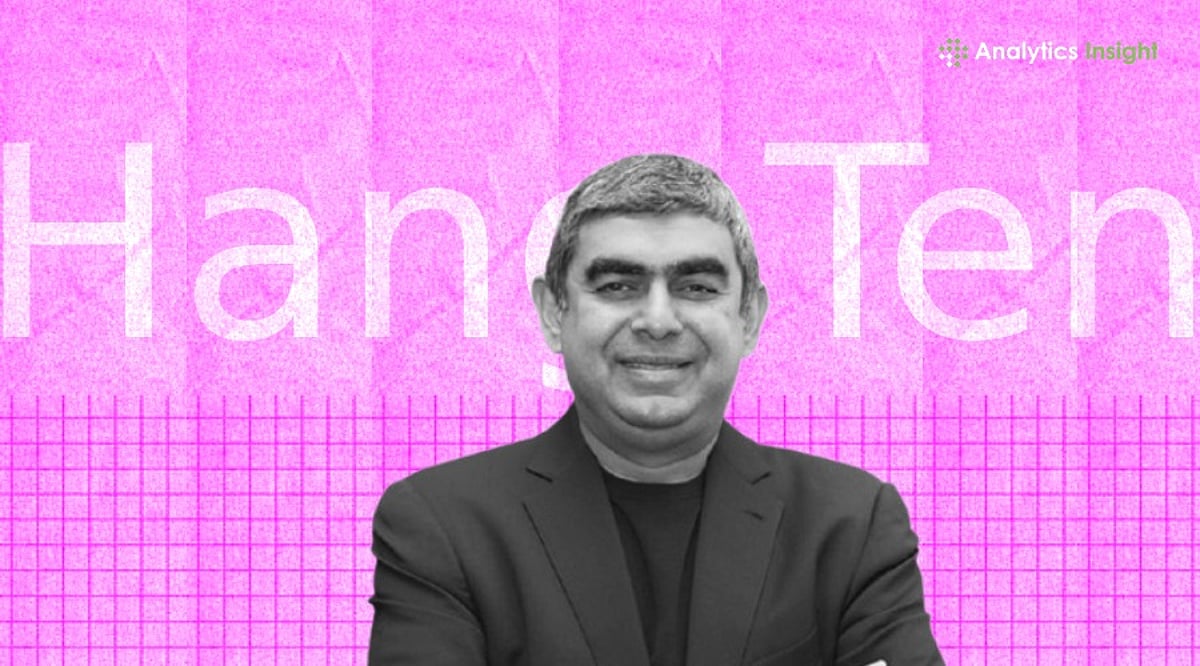
  • Vishal Sikka’s AI Startup Hang Ten Raises $32M to Transform Enterprise Software Development

    Vishal Sikka’s AI Startup Hang Ten Raises $32M to Transform Enterprise Software Development

    Former Infosys CEO Vishal Sikka has launched a new artificial intelligence venture, Hang Ten Systems, which has secured $32 million in seed funding. The round was led by venture capital firm Mayfield, with participation from Aramco Ventures and a group of angel investors.

    Based in Palo Alto, California, Hang Ten Systems aims to help large enterprises adopt AI more effectively by building and operating software using an AI-native delivery model. The company seeks to reduce the time, cost, and complexity traditionally associated with enterprise software development and deployment.

    In an official statement, Hang Ten explained: “Hang Ten offers a different operating model – software built, changed, and run at a fraction of the cost and time, continuously – with specialized capabilities in enterprise transformations, finance, HR, and new product development, supported by an expert FDE (forward deployed engineer) bench, re-usable skills library, and agentic code generation.”

    Hang Ten positions itself as a company offering a fresh perspective on IT services and enterprise software deployment. By leveraging agentic code generation, an AI library, and the right engineering skills, it can build and operate enterprise software more efficiently. Sikka noted that while companies are spending heavily on AI, many still fail to derive value from their investments. Hang Ten bridges that gap by enabling enterprises to design and modify their software quickly and cost-effectively.

    This is Sikka’s latest AI venture after founding Vianai Systems following his departure from Infosys in 2017. Before leading Infosys, Sikka served as Chief Technology Officer at SAP, where he was deeply involved in product innovation.

    During the announcement, Sikka stated that artificial intelligence is an incredible power for firms, and that Hang Ten’s mission is to enable enterprises to “succeed in the era of AI.” This comes at a time when the enterprise AI industry continues to expand, and companies are seeking measurable returns from their AI investments.

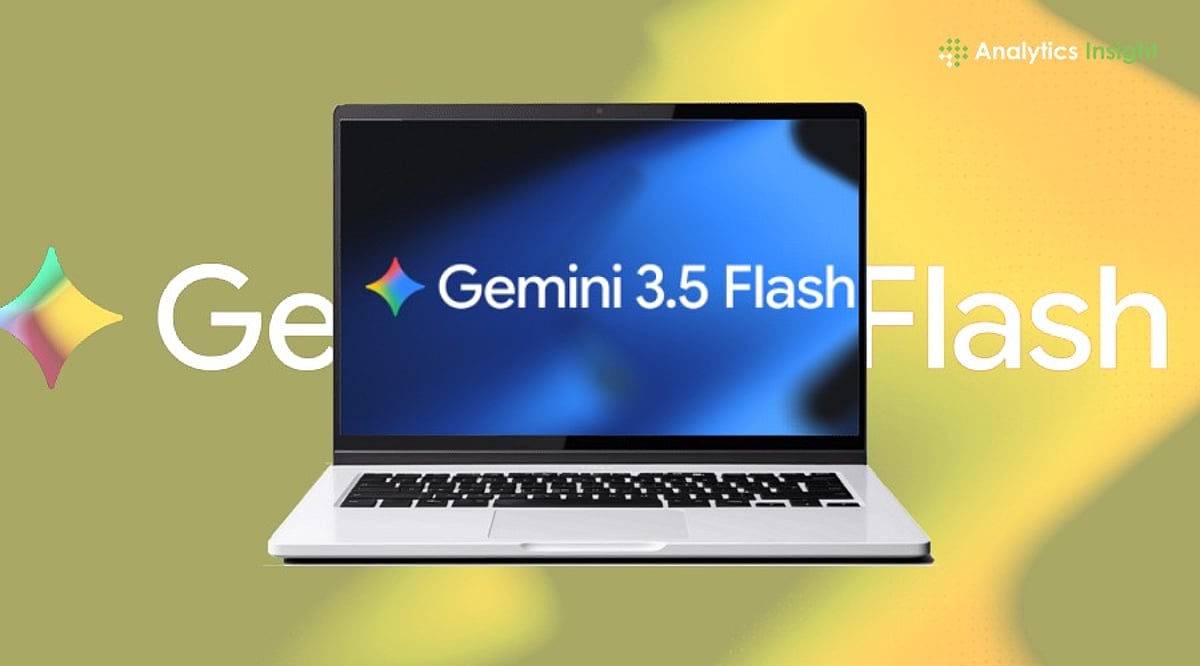
  • Google’s Gemini 3.5 Flash Gains Computer Control: AI Agents Can Click, Type, and Fill Forms

    Google’s Gemini 3.5 Flash Gains Computer Control: AI Agents Can Click, Type, and Fill Forms

    Google has introduced a more advanced ‘Computer Use’ capability for Gemini 3.5 Flash, enabling developers to build AI agents that can interact with apps and perform tasks on a computer. This update moves Gemini beyond simple chat and text generation, allowing AI agents to click buttons, fill forms, and complete complex tasks instead of just answering questions.

    Announced on June 24, the Computer Use feature is now accessible via the Gemini API and the Gemini Enterprise Agent Platform. According to Google’s official blog post, ‘developers can now use 3.5 Flash to reliably build custom agents that can see, reason, and take action across browser, mobile and desktop environments.’

    Unlike traditional chatbots that rely on rigid, pre-coded prompts, Gemini 3.5 Flash can understand what is happening on a screen and respond accordingly. The AI takes time to consider before clicking an option, mimicking human behavior. This marks a significant shift for large language models, which previously could only explain how to complete a task but not perform it themselves.

    AI agents built on Gemini can now assist with repetitive office work, software testing, scheduling, data entry, and other routine jobs. For businesses, this could save time and reduce manual effort. The rise of AI agents is already changing how digital assistants are perceived, as they can carry out entire workflows rather than just respond to commands.

    However, the ability for software to control a computer raises security and privacy concerns. AI agents may gain access to sensitive files or personal information, and if permissions are not handled carefully, mistakes could lead to serious consequences. There is also the risk of cybercriminals exploiting similar technology for harmful purposes.

    Google’s latest move demonstrates the direction of the AI industry, with capabilities advancing rapidly. The challenge now is ensuring these new abilities are used safely and responsibly.

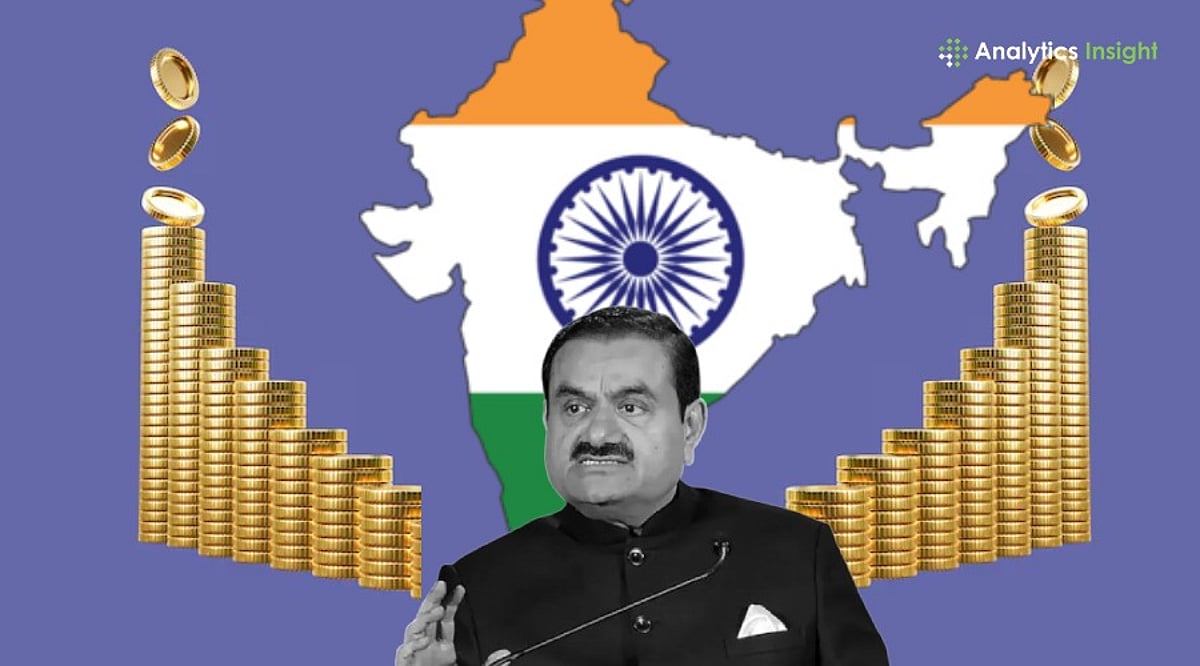
  • Gautam Adani Launches Vande Bharatam Initiative to Empower Entrepreneurs Across India

    Gautam Adani Launches Vande Bharatam Initiative to Empower Entrepreneurs Across India

    Adani Group Chairman Unveils National Program to Discover and Support Innovators

    Gautam Adani, Chairman of the Adani Group, has launched the Vande Bharatam initiative, a national effort to identify and nurture entrepreneurs, innovators, and problem-solvers from all corners of India. The program, announced on Adani‘s 64th birthday (June 25, 2026), aims to democratize access to mentorship, investor connections, and growth opportunities.

    “When I began my journey, I had nothing. Everything I am and everything I have achieved was given to me by the soil of Bharat. There is no shortage of talent in our nation, but opportunity has not always reached every corner of the country,” Adani said in a statement.

    What is the Vande Bharatam Initiative?

    The initiative is open to anyone with an idea, innovation, or entrepreneurial ambition—regardless of age, profession, education, or stage of development. Participants can apply with a concept, prototype, early-stage venture, or even an established business. A registered startup is not required.

    “India has built one of the world‘s largest startup ecosystems, yet most founders still emerge from a handful of cities. Vande Bharatam is our effort to discover the innovators, problem-solvers, and entrepreneurs whose ideas deserve recognition, support, and a larger platform,” Adani noted.

    How Will It Support Entrepreneurs?

    The program will span all 36 states and union territories, covering over 800 districts and multiple languages. Applications opened on June 24 at vandebharatam.org. A structured evaluation process will assess innovation, entrepreneurial potential, impact, and scalability. Detailed criteria, jury composition, and selection stages will be announced later.

    Entries are invited from sectors including technology, manufacturing, sustainability, agriculture, traditional crafts, and community-led solutions. Dedicated pathways will encourage participation from women entrepreneurs, tribal entrepreneurs, rural innovators, Divyang (differently-abled) entrepreneurs, and community-based innovators.

    From Regional Evaluation to Grand Finale

    After state and regional evaluations, 75 finalists will be invited to Ahmedabad for an intensive program featuring mentorship, industry interactions, and engagement with investors and business leaders. The Grand Finale is scheduled around India‘s Independence Day and will mark the start of an ongoing engagement platform connecting participants with mentors, investors, industry leaders, and fellow innovators.

    “If I can do it, any Indian can do it. All they need is an opportunity and a stage,” Gautam Adani said.

    What This Means for the Startup Ecosystem

    The Vande Bharatam program promises to open fresh avenues for emerging entrepreneurs by expanding access to mentorship, networks, and capital. As India’s startup ecosystem continues to grow, such initiatives can provide a much-needed boost for innovation and confidence.

  • Nothing Phone 4b Design and Specs Leaked: 120Hz AMOLED, 50MP Camera, and Pricing Under ₹30,000

    Nothing Phone 4b Design and Specs Leaked: 120Hz AMOLED, 50MP Camera, and Pricing Under ₹30,000

    Nothing has officially teased the design of the upcoming Phone 4b, giving buyers an early look ahead of its India launch on July 7. The smartphone is expected to be the most budget-friendly model in the Nothing Phone 4 series while retaining the brand’s distinctive transparent aesthetics.

    Design Tweaks Bring a Fresh Look

    The teaser video reveals a vertical dual-camera setup positioned on the top-left of the rear panel, which marks a departure from earlier models. The camera module appears larger, giving the phone a refreshed appearance. A new Glyph Bar—a smaller LED light strip—replaces the larger Glyph lighting system found on premium models. This slimmed-down notification strip can still show alerts, charging status, and other updates.

    The front features a punch-hole selfie camera, slim bezels, and a clean design. Color options are expected to include Blue, White, and Black.

    Expected Specifications and Price

    Leaks suggest the Nothing Phone 4b will sport a 6.77-inch AMOLED display with a 120Hz refresh rate for smooth scrolling and gaming. The device could be powered by either the Snapdragon 7s Gen 4 or Snapdragon 6 Gen 4 chipset, paired with 8GB RAM and up to 128GB storage.

    • Rear camera: 50MP main sensor + secondary sensor
    • Front camera: 32MP
    • Battery: 5,000mAh with fast charging

    The expected price range is between ₹22,999 and ₹29,999, positioning the Phone 4b to compete directly with Realme, Xiaomi, Motorola, and OnePlus Nord devices.

    Launch Event on July 7

    Nothing will reveal official specifications, pricing, and availability details at its July 7 launch event. Until then, the Phone 4b remains one of the most anticipated smartphone launches in India.