Blog

  • MIT’s Latest Breakthroughs in 3D Technology: Augmented Reality, Bioprinting, and Holography

    MIT’s Latest Breakthroughs in 3D Technology: Augmented Reality, Bioprinting, and Holography

    MIT continues to push the boundaries of three-dimensional technology across multiple disciplines. From medical imaging to advanced manufacturing and computer vision, researchers at the institute are developing solutions that transform how we interact with the physical and digital worlds. Below is a curated overview of recent innovations in 3D technology from MIT labs.

    Medical and Health Applications

    An augmented reality system developed at MIT makes medical ultrasounds easier to interpret by generating a real-time 3D representation of the imaged object. Another project leverages machine learning to model fetal shape and movements in 3D, aiding doctors in detecting abnormalities. In bioprinting, the MagMix magnetic mixer enables scalable 3D printing of tissues, and a deep-learning model predicts cellular formation in fruit flies, potentially applicable to human tissues.

    Photonics and Manufacturing

    MIT engineers created tiny 3D photonic devices with features small enough to channel visible light, using a powerful shrinking technique. A new chip tests cooling solutions for stacked microelectronics, addressing overheating in 3D integrated circuits. Additionally, an AI agent called VideoCAD learns to create 3D objects from sketches, boosting design productivity.

    Robotics and Simulation

    PhysicsGen, a simulation-based pipeline, tailors training data for dexterous robots to handle items in homes and factories. A method for predicting forces needed to push objects through granular material can help drive robots or anchor ships. Smart textiles sense wearer activities like walking and running through fabric-embedded sensors.

    Computer Vision and Display Technology

    A new computer vision technique enhances 3D understanding from 2D images. Tensor holography uses artificial intelligence to generate 3D holograms in real-time, even on a smartphone, benefiting virtual reality and medical imaging. SeaSplat, a color-correcting tool, removes the effect of water in underwater scenes for more realistic 3D imagery.

    For the full collection of MIT news on 3-D, visit the original topic page.

  • Exploring the Frontiers of 2D Materials: MIT’s Latest Breakthroughs in Superconductivity, Transistors, and Quantum Computing

    Exploring the Frontiers of 2D Materials: MIT’s Latest Breakthroughs in Superconductivity, Transistors, and Quantum Computing

    MIT researchers continue to push the boundaries of two-dimensional (2D) materials, unveiling a series of groundbreaking discoveries that promise to revolutionize electronics, quantum computing, and material science. From terahertz microscopes revealing superconducting electron motion to atom-thin transistors grown directly on silicon chips, these advances highlight the immense potential of 2D materials.

    Terahertz Microscope Reveals Superconducting Electron Motion

    For the first time, physicists used a novel terahertz microscope to observe the ‘jiggling’ of superconducting electrons in a fluid state. This breakthrough, reported on February 4, 2026, offers unprecedented insights into the dynamics of superconductivity.

    FabObscura: Turning Everyday Objects into Animated Displays

    On September 10, 2025, MIT introduced FabObscura, a software tool that enables users to design and print barrier-grid animations without electronics. This system transforms household items into dynamic, eye-catching displays, blending creativity with technology.

    Unexpected Magnetism in Atomically Thin Materials

    Physicists discovered and explained unexpected magnetism in an atomically thin material on January 23, 2025. This finding opens a new platform for studying quantum materials and their exotic properties.

    High-Rise 3D Chips: Stacking Transistors for AI Hardware

    On December 18, 2024, MIT engineers unveiled a technique to grow ‘high-rise’ 3D chips, exponentially increasing transistor density. This innovation could lead to more efficient AI hardware by stacking electronic components vertically.

    Non-Abelian Anyons: Exotic Matter for Quantum Computing

    MIT physicists predicted the formation of non-Abelian anyons without a magnetic field on November 18, 2024. These fractionalized electrons could enable robust quantum computing and open new avenues for basic research.

    Superlative Transistor Properties for Broad Electronics

    On July 26, 2024, researchers demonstrated a new transistor made from an ultrathin material that meets or exceeds industry standards. It offers superfast switching and extreme durability, promising broad applications in electronics.

    Superconductivity from Quasicrystals

    On October 11, 2023, physicists coaxed superconductivity from quasicrystals, creating a flexible platform for studying exotic phenomena and potentially leading to new materials.

    Powerful Tool for Tuning Atomically Thin Materials

    An international team reported a powerful tool for studying and tuning atomically thin materials on June 27, 2023. This work could lead to novel electronic applications.

    Atomically Thin Transistors Grown on Computer Chips

    On April 27, 2023, MIT engineers developed a low-temperature growth technique to integrate 2D materials directly onto silicon circuits, enabling denser and more powerful chips.

    Skyrmions: Recipe for Exotic Phenomena

    Physicists predicted new phenomena involving skyrmions on March 17, 2023, offering a recipe for realizing them. These could have applications in future computers and beyond.

    Superconductivity Switching in Magic-Angle Graphene

    On January 30, 2023, a study showed that a quick electric pulse can flip the electronic properties of magic-angle graphene, enabling ultrafast, brain-inspired superconducting electronics.

    Perfect Atom-Thin Materials on Industrial Silicon Wafers

    MIT engineers grew ‘perfect’ atom-thin materials on industrial silicon wafers on January 18, 2023, allowing chip manufacturers to produce next-generation transistors beyond silicon.

    Dresselhaus Lecture on Moiré Quantum Matter

    On December 21, 2022, Professor Pablo Jarillo-Herrero delivered the Dresselhaus Lecture, discussing moiré quantum matter and its potential for investigating strongly correlated and topological physics.

    Expanding 2D Materials: New Measurement Technique

    A new technique reported on November 18, 2022, accurately measures how atom-thin materials expand when heated, aiding the development of faster, more powerful electronic devices.

    Family of Robust Superconducting Graphene Structures

    On July 8, 2022, physicists discovered a family of robust superconducting graphene structures, which could inform the design of practical superconducting devices.


  • Sharplink Resumes Ethereum Purchases After Eight-Month Pause, ETH Price Support at $1,500 in Focus

    Sharplink Resumes Ethereum Purchases After Eight-Month Pause, ETH Price Support at $1,500 in Focus

    Sharplink has resumed buying Ethereum for the first time in eight months. A wallet linked to the company received 5,000 ETH, worth nearly $7.85 million, from FalconX, according to Arkham data. The purchase marks Sharplink’s first ETH acquisition since October 2025. The company has not publicly confirmed the transaction, and The Block said it had reached out for comment.

    Sharplink now holds around 876,285 ETH and ETH equivalents. As of June 21, the company said that stash was worth roughly $1.3 billion.

    Treasury Position and Market Scale

    EmberCN estimated Sharplink’s average acquisition cost at $3,609 per ETH. That estimate points to an unrealized loss of about $1.79 billion on the treasury. Even so, Sharplink remains the world’s second-largest public ETH treasury company. Tom Lee’s Bitmine Immersion leads the category with 5.67 million ETH, or about $8.7 billion, as of June 14.

    Sharplink rebranded from SharpLink Gaming in February. Since then, it has moved beyond ether staking and into other on-chain yield strategies.

    The company also reported $12.1 million in first-quarter revenue this year. That total rose sharply from $742,000 in the same quarter last year.

    Ethereum Catalysts and Price Watch

    Sharplink pointed to regulation, improving market conditions, and real-world asset tokenization as long-term reasons for its Ethereum view. It also backed Ethlabs, a nonprofit formed by former Ethereum Foundation researchers.

    Ethlabs aims to prepare the network for its next stage of institutional adoption. Ethereum co-founder and Sharplink chairman Joe Lubin supports the group, along with Bitmine Immersion. At the same time, Ethereum price watchers remain focused on network upgrades that could speed transfers between Layer 1 and Layer 2 systems. Lubin said the goal is smoother coordination through zero-knowledge proofs, or ZK proofs.

    The planned changes could also reduce the need for bridges. In addition, they may connect liquidity more closely across the Ethereum ecosystem and support more activity on-chain. Can Ethereum keep its structure intact if the $1,500 level breaks?

    That question has traders watching the chart closely. Analyst Ardi said ETH should avoid closing below $1,500 over the next four months. He said the level has held through every major pullback since the 2022 bear market ended. For now, buyers are trying to keep ETH above that support zone while the market waits for stronger demand.

    What’s Next?

    Sharplink has resumed buying Ethereum after an eight-month pause and now holds more than 876,000 ETH and equivalents. The company cited regulation, tokenization, and network upgrades as long-term drivers. Traders are now watching whether ETH can hold the key $1,500 support level.

  • How Dataiku Is Transforming Enterprise AI with a Unified Platform for Everyday AI

    How Dataiku Is Transforming Enterprise AI with a Unified Platform for Everyday AI

    Dataiku is a global artificial intelligence and machine learning platform that empowers organizations to build, deploy, and manage data-driven applications at scale. The company is a recognized leader in enterprise AI solutions, predictive analytics, and automated machine learning. Its revenue is generated primarily through software subscriptions, supported by professional services, training programs, and advanced AI capabilities, and it maintains a strong international presence across North America, Europe, Asia-Pacific, Latin America, the Middle East, and Africa.

    About the Company

    Dataiku transforms raw data into actionable insights through a centralized platform designed for Everyday AI. The platform enables both coders and non-coders to build, deploy, and manage AI solutions that incorporate generative AI, machine learning, analytics, and comprehensive data preparation tools. Robust AI governance features ensure compliance and reduce risks across all projects, while unified AI engineering operations foster a collaborative ecosystem. Teams can create dashboards, interactive web apps, and data products, supporting self-service analytics and smarter, data-driven decision-making across organizations worldwide.

    Core Leadership Team

    Dataiku is guided by an experienced leadership team that drives its vision of democratizing AI. While specific names are not detailed in this profile, the leadership oversees strategy, product development, and global expansion.

    Revenue Streams

    The company generates revenue mainly through enterprise software subscriptions for its Data Science Studio (DSS) platform. Additional income comes from professional services, training programs, and premium AI capabilities. These solutions support use cases in generative AI, machine learning, analytics, financial forecasting, supply chain optimization, and customer engagement, helping global organizations scale their decision-making and operational efficiency.

    Client Segments

    • B2B Focus: Large enterprises, public sector organizations, financial institutions, retailers, manufacturers, healthcare providers, and technology companies.
    • Target Companies: Fortune 500 corporations, SMBs, government agencies, tech startups, and AI-driven businesses.

    Target Geography

    Dataiku maintains a global presence with operations in North America, Europe, Asia-Pacific, Latin America, the Middle East, and Africa.

  • DeepMind Company Profile: Business Model, Leadership, and AI Breakthroughs

    DeepMind Company Profile: Business Model, Leadership, and AI Breakthroughs

    DeepMind, a subsidiary of Alphabet Inc., is widely regarded as the world’s leading artificial intelligence research lab, with a mission to create artificial general intelligence. Known for groundbreaking achievements such as AlphaGo and AlphaFold, DeepMind applies deep learning and reinforcement learning to solve complex problems in science, healthcare, and technology, driving a global transformation in AI. Below is an in-depth look at the DeepMind company profile.

    About the Company

    Google DeepMind is a premier AI research lab within Alphabet, dedicated to building safe and ethical AI for positive impact. The lab has made significant contributions to science and technology through high-profile innovations like AlphaGo, AlphaFold, and the original transformer architecture. Beyond research, DeepMind prioritizes responsibility, inclusivity, and collaboration to ensure AI innovations are deployed safely and ethically. Its work demonstrates AI’s potential as a trusted partner working alongside human intelligence to drive discovery, deliver solutions, and create new approaches to pressing global challenges in health, climate, and beyond.

    Core Leadership Team

    DeepMind’s leadership comprises experts in AI, machine learning, and ethics, guiding the lab’s strategic direction and research priorities. Key figures include founders and senior executives who oversee operations, research, and partnerships, ensuring alignment with Alphabet’s broader goals.

    Revenue Streams

    DeepMind generates revenue primarily through its parent company Alphabet by delivering advanced AI research and solutions. Income sources include internal service agreements with Google, technology licensing (e.g., WaveNet), scientific research partnerships, and limited healthcare collaborations. While DeepMind does not sell directly to consumers, its innovations are embedded into Google products, creating indirect value across Alphabet’s global ecosystem. This positions DeepMind as both a cutting-edge research hub and a strategic enabler of enterprise-scale AI impact.

    B2B Client Segments and Target Companies

    • Client Segments: Alphabet Inc. (Google), Public Sector Institutions, Research Organizations, Healthcare Providers, AI Developers
    • Target Companies: Large Enterprises, Government Bodies, Research Labs, Cloud Platforms
    • Target Geography: Global, including North America, Europe, and selected regions in Asia-Pacific

    Social Media and Contact

    Follow DeepMind on Facebook, Twitter, LinkedIn, YouTube, and visit their official website for the latest updates.

  • AMD: Driving Innovation in Semiconductor and High-Performance Computing Solutions

    AMD: Driving Innovation in Semiconductor and High-Performance Computing Solutions

    AMD (Advanced Micro Devices) is a multinational semiconductor corporation headquartered globally, recognized as a premier supplier of high-performance computing and graphics technology. The company’s solutions, including the Ryzen and Radeon product lines, deliver commercial advantages through superior performance for PCs, gaming, data centers, and embedded systems. AMD’s mission is to enable technological innovation worldwide.

    About the Company

    As a global leader in semiconductor technologies, AMD transforms the computing and graphics experience for users across every sector. The company supplies next-generation solutions for high-performance computing and advanced processing in PC, gaming, data center, and embedded markets. AMD is renowned for its processors built from cutting-edge graphics technologies and adaptive solutions that stimulate innovation and deliver engaging digital experiences globally.

    AMD focuses on high-performance computing, continuously innovating for future generations of technology, including artificial intelligence functionality, advanced graphics, and enterprise solutions. As digital transformation evolves across industries, AMD stands as a key innovator shaping the future of technology.

    Core Leadership Team

    Note: Source material does not provide specific names or roles for the leadership team. Prominent executives include Dr. Lisa Su (CEO) and other industry leaders guiding corporate strategy.

    Revenue Streams

    AMD generates revenue through the sale of CPUs (Ryzen, EPYC), GPUs (Radeon), semi-custom chips for video game consoles, data center solutions, adaptive computing products, AI-based technologies, and licensing. These offerings address consumer, commercial, and enterprise markets worldwide.

    Client Segments

    B2B: Enterprises, governments, educational institutions, retailers, app developers, advertising agencies, content creators. Target companies include large corporations, SMBs, public sector organizations, tech startups, and e-commerce platforms.

    B2C: Age range 13–65+, covering low to high income levels, with a global presence spanning North America, Europe, Asia-Pacific, Latin America, Middle East, and Africa.

    Social Media

    Follow AMD on Facebook, Twitter, LinkedIn, YouTube, and the official website for the latest updates.

  • OnePlus Nord CE 6 Review: A Balanced Mid-Range Smartphone for 2026

    OnePlus Nord CE 6 Review: A Balanced Mid-Range Smartphone for 2026

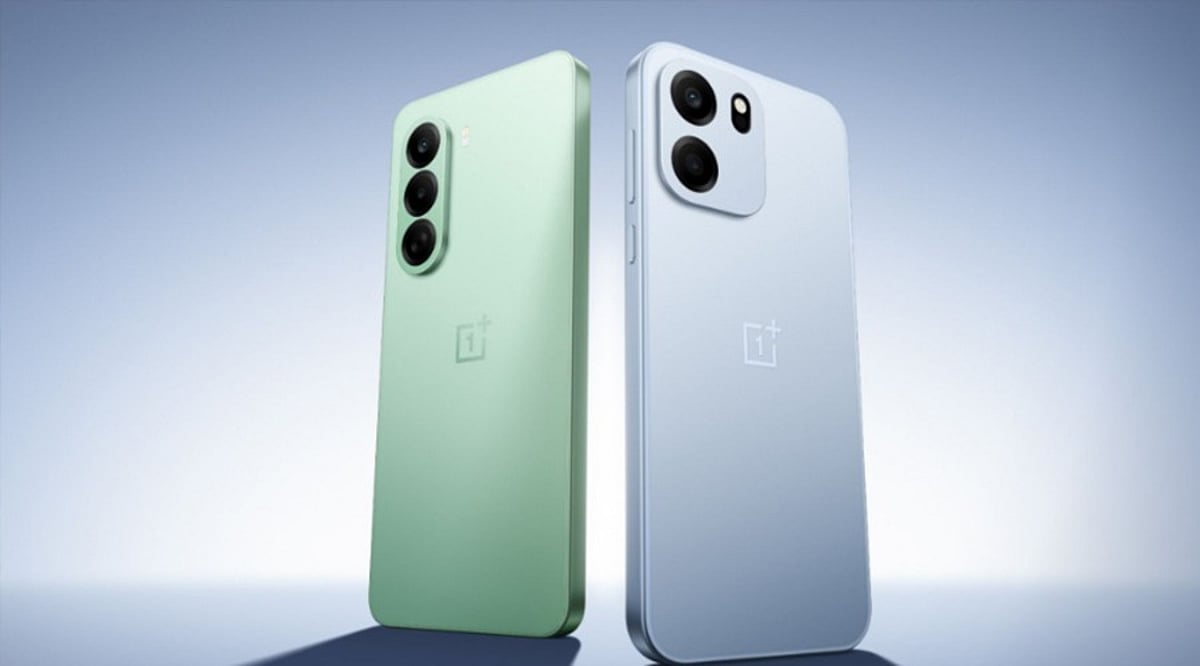
    The OnePlus Nord CE 6 (rated 3.5 out of 5) offers an excellent balance of features for everyday smartphone use. With its slim profile, vibrant display, and reliable performance, it delivers an enjoyable user experience. The software is smooth, the battery life is long-lasting, and the touchscreen is responsive. The camera produces realistic images, and the overall design has been refined for durability and a polished feel.

    General Specifications

    While the official spec sheet is not fully detailed in this preview, the OnePlus Nord CE 6 is positioned as a well-rounded mid-ranger. Key highlights include a sleek build, a high-quality display, and efficient performance suitable for daily tasks.

    Pros and Cons

    • Pros: Smooth software, long battery life, vibrant display, durable design, realistic camera output.
    • Cons: Does not boast top-tier specs; may not satisfy power users looking for flagship-level hardware.

    Pricing and Availability

    The OnePlus Nord CE 6 is available directly from OnePlus and on Amazon. Check the links below for current pricing and offers.

    Verdict

    The OnePlus Nord CE 6 proves to be one of the best mid-range phones of 2026. It doesn’t flaunt flashy specifications, but it excels in the areas that truly matter – performance, display, software, usability, and battery efficiency. For users seeking a reliable daily driver without breaking the bank, the Nord CE 6 is a solid choice.

  • MIT Issues New Guidelines for Responsible Use of Generative AI in Communications

    In a move to maintain editorial integrity and public trust, the Massachusetts Institute of Technology (MIT) has released a set of guidelines governing the use of generative artificial intelligence (AI) across its official communications channels. The guidelines, effective December 6, 2023, were developed by the Institute Office of Communications (IOC) with input from internal communicators and MIT faculty members.

    The core principle is that human authorship remains paramount. All articles, newsletters, and video scripts published on IOC-managed platforms—including MIT News, the MIT Daily/Weekly newsletters, the MIT homepage, and Institute-level social media accounts—must be written by humans. The IOC cites the well-documented potential for inaccuracy and bias in AI-generated text as the primary reason for this restriction. While much of MIT’s content undergoes expert vetting before publication, the IOC aims to minimize any risk of disseminating incorrect or biased information.

    However, the guidelines do permit limited use of generative AI tools in a preparatory or assistive capacity. This includes generating ideas, researching background information, creating outlines, analyzing data, copyediting, cutting text, drafting headlines, image captions, alt-text, meta descriptions, and social media posts. These uses are classified as preparation and summarization, and content prepared with such assistance is allowed on IOC channels, provided that all material is thoroughly fact-checked and vetted by human communicators before submission.

    A notable change is the prohibition on publishing AI-generated images in IOC content. Previously accepted for accompanying MIT News articles, such images will no longer be used, aligning with the emphasis on human authorship. Exceptions may be made for AI-generated images used for research purposes that directly illustrate the described research. Brainstorming, planning color palettes, moodboarding, or developing an image concept using generative AI is still acceptable. AI-generated thumbnail images for links to non-IOC websites are also allowed.

    While these guidelines are mandatory for IOC platforms, other MIT departments, labs, and centers are free to adopt them or develop their own approaches. The IOC acknowledges that these guidelines will evolve as AI technology and its societal use continue to develop. Any significant changes will be communicated across the Institute.

    By adopting these principles, MIT aims to preserve the trust, accuracy, and editorial standards that its audiences expect, while responsibly integrating new technologies that can enhance communications.

  • MIT News Republishing Guidelines and Terms of Use

    MIT News, operated by the MIT News Office, provides RSS feeds for syndication. All republished stories on third-party websites must include the headline, sub-headline, author’s byline, and a citation of “MIT News” linking to the original story at the top. The bottom must feature the phrase “Reprinted with permission of MIT News” with a link to the MIT News homepage (http://news.mit.edu/).

    Images available for download on the MIT News website are offered to non-commercial entities, the press, and the general public under a Creative Commons Attribution Non-Commercial No Derivatives license. Users may crop images to size but cannot alter them otherwise. A credit line must accompany every image; if none is provided, credit the image to “MIT.”

    Print Media

    Book Publishers: Book publishers seeking to use MIT News content must obtain prior permission from the MIT News Office. Email requests to newsoffice@mit.edu with details about the photo or article and its intended use. Requests are evaluated on a case-by-case basis.

    News Organizations: Print republishing of MIT News stories requires the headline, sub-headline, author’s byline, and “MIT News” at the top. The footer must include the words “Reprinted with permission of MIT News (http://news.mit.edu/).” Images may not be reproduced without prior approval from MIT News. For press inquiries, contact the MIT News Office.

    Massachusetts Institute of Technology
    77 Massachusetts Avenue, Cambridge, MA, USA