Blog

  • MIT in the News: Financial Aid, 3D Printing, Cancer Research, and I.M. Pei Archive

    MIT continues to make headlines with groundbreaking research, innovative startups, and transformative educational initiatives. Here is a roundup of recent media coverage highlighting MIT’s impact across diverse fields.

    Free Tuition Program Gains Attention

    Fortune reporter Emma Burleigh spotlights MIT’s financial aid programs that provide free tuition to students whose parents earn less than $200,000 a year. Additionally, tuition, housing, dining, fees, books, and personal expenses for students with parental incomes of less than $100,000 are covered by MIT. “Famed research university MIT is not only footing the tuition bill of its lower-income students—it’s making ‘free college’ a reality,” writes Burleigh.

    VulcanForms to Create Over 1,000 Jobs

    For The Boston Globe, reporter Aaron Pressman features MIT startup VulcanForms, a 3D printing manufacturer expected to create over 1,000 jobs with a new 1-million-square-foot plant in Devens, MA. The facility will bring capacity for more customers in medical devices, aerospace and defense, and consumer goods industries. “MIT professor John Hart started the company with grad student Martin Feldmann [’14] as a way to bring 3D printing techniques using lasers and powdered metals to larger-scale manufacturing jobs,” writes Pressman.

    Colon Cancer Cells Can Change Identity

    MIT researchers have found that colon cancer cells can “change their identity, allowing them to travel through the body and form new tumors,” reports Daniella Gray for Newsweek. The findings could point to future treatments that can prevent metastasis—the leading cause of death for colorectal cancer patients, Gray explains.

    I.M. Pei Archive Donated to MIT Museum

    For Archinect, reporter Niall Patrick Walsh spotlights how the full archive of architect and alumnus I.M. Pei ’40 has been donated to the MIT Museum. “Among the materials are drawings and documents from some of Pei’s best-known works, including the Louvre Museum modernization project in Paris, the John F. Kennedy Presidential Library and Museum in Boston, and the Rock and Roll Hall of Fame in Cleveland,” writes Walsh. “The archive also contains records relating to four buildings designed by Pei on the MIT campus: the Green Building, Dreyfus Building, Landau Building, and Wiesner Building.”

    Schwarzman College of Computing Prepares Students for AI Era

    Chronicle of Philanthropy reporter Maria Di Mento spotlights how the creation of the MIT Schwarzman College of Computing allowed MIT to develop new “interdisciplinary programs to prepare students for an AI-saturated world and help them understand the social and ethical implications of digital technologies.” Prof. Daniel Huttenlocher, dean of the Schwarzman College of Computing, explains that: “MIT realized that effective education in the age of AI has to look different than it has in the past. Traditional siloing of expertise won’t work when AI is expected to touch nearly every part of people’s lives and is changing the way people in disciplines outside of computing are advancing their work.”

    New Robot System Describes Objects in Plain English

    Writing for Forbes, contributor Ron Schmelzer highlights Describe Anything, Anywhere, at Any Moment (DAAAM), a new system developed by MIT researchers that could enable robots to capture details of objects they see while exploring an environment. In the future, the system could allow factory workers to send robotic assistants to find items. DAAAM “lets a robot build a detailed map of a space, attach descriptions to objects in that map, and answer plain English questions later,” Schmelzer explains.

    Air-Guardian System Enhances Flight Safety

    Writing for Forbes about efforts to improve air travel safety, Tanya Eves highlights the Air-Guardian system, an eye-tracking monitor for pilots developed by CSAIL researchers that assists when attention wavers. “In tests, it reduced flight risk and improved navigation success rates,” writes Eves. “It’s a model for how the virtual co-pilot relationship should work: not replacement, but a seamless, intelligent partnership that understands when to act and when to stay silent.”

    AI’s Impact on Jobs and Economy

    Prof. Simon Johnson discusses the impact of AI on jobs in an interview with Financial Times reporters Delphine Strauss and Sam Fleming. “We are trying very hard at MIT to find ways to incorporate AI into the curriculum but to push harder on the entrepreneurship angle, the creation of new products and services, the development of critical thinking,” says Johnson.

    In a separate piece for Bloomberg, Prof. Simon Johnson and Prof. Elisabeth Reynolds describe how the U.S. can maintain its technological leadership by investing in research focused on critical minerals, semiconductors, biotechnology, quantum computing, drones and advanced manufacturing.

    In an interview with Fortune, Prof. Daron Acemoglu discusses AI’s economic impact and estimates AI will deliver roughly 0.55% in total factor productivity gains.

    Solar-Electric Boat Launches on Charles River

    For Axios Boston, reporter Steph Solis highlights “Anita,” a solar-electric boat created by alumnus James Worden ’89 that is due to launch this year. The boat was previewed at the 80th anniversary Charles River sail-a-thon. “The prototype, named ‘Anita’ after Worden’s late wife, moves silently with no fumes or exhaust and uses LiFePO4 battery cells with a battery management system (it lets you charge the batteries while they’re in use),” writes Solis.
  • Complete Guide to MIT’s Centers, Labs, and Programs

    MIT is home to a vast network of research centers, laboratories, and academic programs that drive innovation across disciplines. Below is a comprehensive directory of these entities, organized for easy exploration.

    Centers, Labs, and Programs

    • Abdul Latif Jameel Clinic for Machine Learning in Health
    • Abdul Latif Jameel Poverty Action Lab (J-PAL)
    • Abdul Latif Jameel Water and Food Systems Lab (J-WAFS)
    • Abdul Latif Jameel World Education Lab (J-WEL)
    • Admissions AgeLab
    • Arts at MIT
    • Bates Research And Engineering Center
    • Broad Institute of MIT and Harvard
    • Center for Advanced Nuclear Energy Systems
    • Center for Advanced Urbanism
    • Center for Advanced Virtuality
    • Center for Advanced Visual Studies
    • Center for Art Science and Technology (CAST)
    • Center for Biomedical Innovation (CBI)
    • Center for Bits and Atoms
    • Center for Brains Minds and Machines
    • Center for Civic Media
    • Center for Collective Intelligence
    • Center for Computational Science and Engineering
    • Massachusetts Institute of Technology

    This list represents just a sampling of the many entities at MIT. For the most current information, visit the official MIT Centers, Labs, and Programs page.

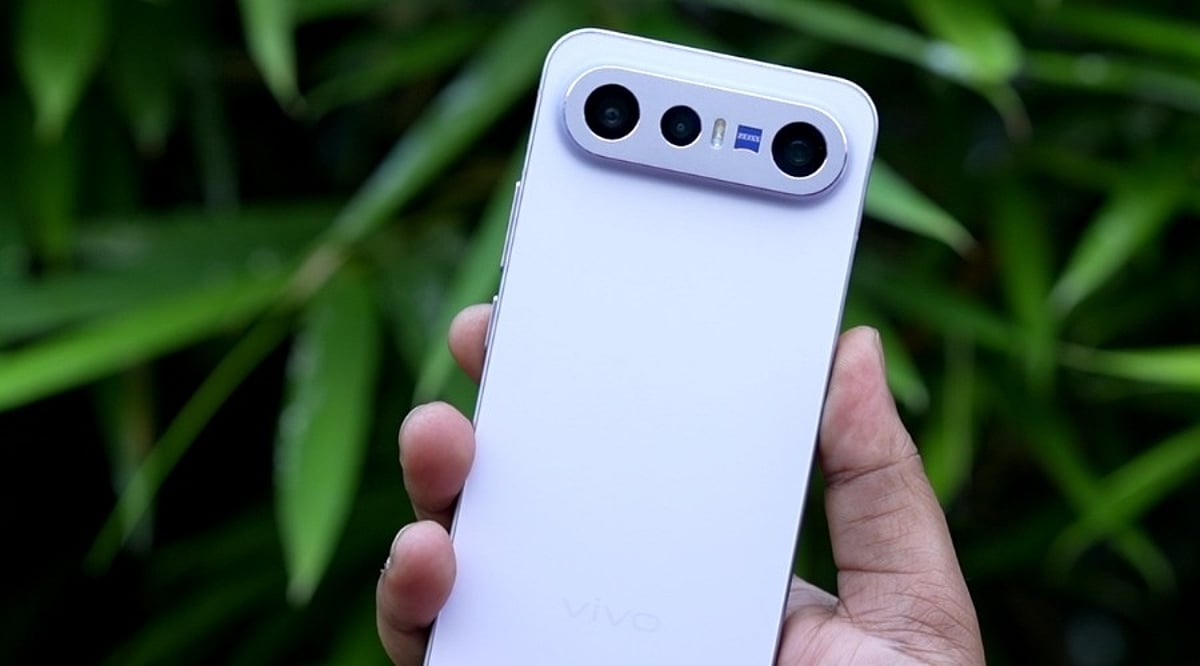
  • Vivo X300 FE Review: A Compact Flagship That Balances Features and Price

    Vivo X300 FE Review: A Compact Flagship That Balances Features and Price

    The Vivo X300 FE is a compact flagship that aims to deliver a premium experience without the premium price tag. It combines strong battery life, a vivid display, and a versatile camera system in a sleek, pocket-friendly design. While it succeeds in many areas, its pricing lands dangerously close to the Vivo X300, making it a tough choice for budget-conscious buyers.

    General Specifications

    The Vivo X300 FE packs flagship-level internals, including a high-refresh-rate AMOLED display, a capable processor, and a triple-camera setup. The device supports fast charging and offers ample storage options. Exact specs include a 6.1-inch FHD+ display, a 50MP main camera, and a 4500mAh battery with 66W wired charging.

    Pros and Cons

    • Pros: Excellent battery life, vibrant display, dependable camera performance, compact form factor.
    • Cons: Pricing too close to the standard Vivo X300, lacks a telephoto lens, no wireless charging.

    Pricing and Availability

    The Vivo X300 FE is priced competitively but sits just below the Vivo X300. It is available on Flipkart and Amazon with bank and exchange offers.

    Available on Flipkart: Click Here
    Available on Amazon: Click Here

    Verdict

    The Vivo X300 FE is a solid compact flagship that delivers a balanced experience with strong battery life, a great display, and dependable cameras. However, its pricing places it too close to the Vivo X300, making it harder to justify. It makes more sense for users who value compact design and overall usability over absolute performance gains.

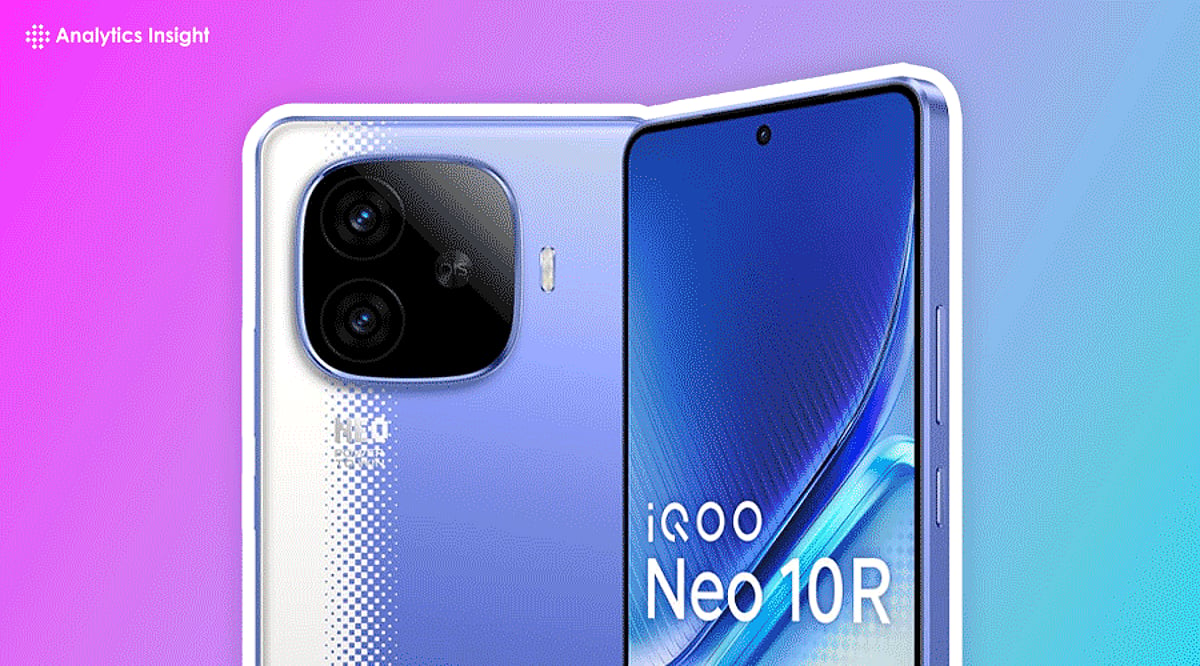
  • iQOO Neo 10 Review: A Balanced Powerhouse for Everyday Use in 2025

    iQOO Neo 10 Review: A Balanced Powerhouse for Everyday Use in 2025

    The smartphone market in 2025 is more crowded than ever, with new models launching almost daily. Some phones try to reinvent the wheel, while others simply add a feature or two. But every now and then, a device comes along that just works—no fuss, no gimmicks. The iQOO Neo 10 is exactly that kind of phone.

    It combines flagship-level performance with a midrange price, offering a vibrant AMOLED display, ultra-fast charging, a capable camera system, and strong battery life. Whether you’re a tech enthusiast or someone who just needs a reliable daily driver, the iQOO Neo 10 delivers where it counts.

    Design and Build Quality

    The iQOO Neo 10 doesn’t try to reinvent smartphone design—and that’s a good thing. Its clean, minimalist look feels premium without being flashy. The back panel resists fingerprints, and the device sits comfortably in the hand. The camera module is neatly arranged and doesn’t protrude excessively, making it easy to slip into a pocket.

    Processor and Performance

    Under the hood, the iQOO Neo 10 packs a processor that handles anything you throw at it. App switching is fluid, and even graphically intensive games run without stuttering. Video editing and long gaming sessions are smooth, and the device manages heat well—a common issue with many budget-friendly powerhouses.

    Display and Visuals

    The AMOLED display is one of the standout features. Colors are rich, blacks are deep, and sharpness is excellent. Scrolling feels buttery smooth, and the screen is bright enough for outdoor use. This level of quality is typically reserved for much more expensive flagships.

    Camera System

    The main camera captures natural colors and good detail in both bright and low-light conditions. An ultra-wide lens and macro sensor add versatility for creative shots. While not quite on par with premium flagships, the cameras are more than adequate for everyday photography. Video recording is stable, and audio capture is clear.

    Battery Life and Charging

    Battery life is a highlight. The iQOO Neo 10 easily lasts a full day of heavy use, and with moderate usage, it can stretch into a second day. When it’s time to recharge, the included fast charger takes the battery from empty to full in under an hour. The charging process remains cool and safe.

    Software Experience

    The software is clean and free of unnecessary bloatware. It’s intuitive to navigate and offers plenty of customization options. The manufacturer is known for regular updates, so your phone should stay current with security patches and new features.

    The Bottom Line

    The iQOO Neo 10 is a no-nonsense smartphone that focuses on what matters: dependable speed, long battery life, a great display, and solid cameras. It’s an excellent choice for work, gaming, content creation, or staying connected. For anyone looking for a reliable all-rounder in 2025, the iQOO Neo 10 is a top contender.

  • Perplexity AI Review 2025: Features, Pricing, and CEO Vision for AI-Powered Search

    Perplexity AI Review 2025: Features, Pricing, and CEO Vision for AI-Powered Search

    Perplexity AI is rapidly emerging as a compelling alternative to traditional search engines, blending natural language processing with real-time web data to deliver conversational, citation-backed answers. Unlike conventional search that returns a list of links, Perplexity provides direct, fact-driven responses with transparent sourcing—making it both reliable and user-friendly.

    What Is Perplexity AI?

    Perplexity is an intelligent, fast-growing AI search tool that prioritizes correctness, clarity, and speed. It processes millions of queries monthly—approximately 780 million in May 2025, with nearly 20% month-over-month growth—and stands out for its clean interface and human-like comprehension.

    Why It Stands Out

    • Transparent sourcing and citations: Every answer includes clear sources, boosting credibility.
    • Speed in response: Handles vast numbers of queries efficiently.
    • Innovative tools: The upcoming ‘Comet’ browser assistant will perform high-level tasks like article summarization and candidate sourcing from a single sidebar.

    Pricing & Plans

    Perplexity offers flexible pricing:

    • Free Plan: 5 premium-level queries plus unlimited basic searches per day.
    • Pro Plan: $20/month (~₹1,650) for 300 Pro daily queries with access to GPT-4, Claude, and other premium models.
    • Enterprise Pro: $40/month per seat (~₹3,300) for unlimited Pro queries, advanced research tools, and collaboration features.

    Notably, Airtel is offering a one-year free Perplexity Pro subscription to its 360 million users—a value of nearly ₹17,000 per user at no cost.

    Leadership & Vision

    CEO Aravind Srinivas (IIT Madras and UC Berkeley alumnus) has grown the company’s valuation from $1 billion in 2024 to over $14 billion by mid-2025. His strategy focuses on long-term AI development rather than short-term profit, with plans for the Comet browser—an AI assistant that goes beyond search to assist professionals in real time.

    Strengths & Limitations

    Strengths

    • Reliable, well-sourced answers with citations.
    • Advanced AI models available in Pro/Enterprise tiers.
    • Comet tool could redefine multitasking with real-time assistance and summarization.

    Limitations

    • Comet is still in beta, limiting access for casual users.
    • Like any AI, occasional inaccuracies require user discretion.

    Final Thoughts

    Perplexity AI introduces a new paradigm of clarity, speed, and intelligence in search. Its tiered pricing serves casual users, professionals, and enterprises alike, while partnerships like Airtel’s bring premium tools to millions. Under Aravind Srinivas, the company is evolving beyond search into a comprehensive knowledge assistant. For those seeking more control, smarter results, and a clean interface, Perplexity is worth exploring.

  • Realme 15 Pro Review: Triple 50MP Cameras, 7000mAh Battery & 144Hz Display Tested

    Realme 15 Pro Review: Triple 50MP Cameras, 7000mAh Battery & 144Hz Display Tested

    Realme 15 Pro Enters the Mid-Range Arena with Flagship-Level Features

    Announced on July 24, 2025, and available from July 30, the Realme 15 Pro is making waves in the mid-range smartphone segment. Priced between Rs. 31,999 and Rs. 38,999 in India (depending on memory configuration), it offers a compelling mix of ultra-bright display, triple 50MP cameras, and a massive 7,000mAh battery. This review dives into the design, performance, camera, and battery life to help you decide if it’s worth your money.

    Design and Build: Slim, Light, and Premium

    The Realme 15 Pro comes in three colors: Flowing Silver, Velvet Green, and Silk Purple. Despite packing a 7,000mAh battery, it measures just 7.7–7.8mm thick and weighs around 187 grams—impressively slim and light. Curved edges and narrow bezels give it an upscale feel. Realme claims “IP69+ Corning Glass” for durability, though no official third-party certification exists yet, so caution with water exposure is advised.

    Display: 6.8-Inch 144Hz AMOLED with 6,500 Nits Peak Brightness

    The display is a standout. The 6.8-inch curved AMOLED panel boasts 1.5K resolution, a 144Hz refresh rate, and peak brightness up to 6,500 nits. Touch sampling rate reaches 2,500 Hz, making scrolling and gaming exceptionally responsive. Reading in sunlight, watching videos, and navigating social feeds feel premium—well beyond typical mid-range offerings.

    Performance: Snapdragon 7 Gen 4 with Vapor-Chamber Cooling

    Powered by Qualcomm’s Snapdragon 7 Gen 4 (4nm), paired with up to 12GB RAM and UFS 3.1 storage up to 512GB, the Realme 15 Pro handles everyday tasks smoothly. Games like Free Fire run at 120fps and BGMI at 90fps. The vapor-chamber cooling system keeps heat in check. While it doesn’t match last year’s flagship Snapdragon 8-series chips, it delivers commendable performance for its class.

    Cameras: Triple 50MP with 4K60 Video on Both Front and Rear

    The camera setup includes three 50MP sensors: main (Sony IMX896 with OIS), ultrawide, and front-facing selfie camera. Both rear and front cameras can record 4K60 video. Daylight shots are clear and well-colored; low-light performance benefits from stabilization. The selfie camera excels in skin tones and detail. The only drawback is the lack of a dedicated telephoto lens—zooming relies on software cropping.

    Battery Life: 7,000mAh with 80W Fast Charging

    Battery life is a key strength. The 7,000mAh cell easily lasts a full day of heavy use—social media, video, gaming, chatting. The included 80W charger (in the box) tops up the battery quickly. This combination of endurance and fast charging sets it apart from many competitors.

    Software and AI Features: Realme UI 6.0 on Android 15

    Realme UI 6.0 introduces several AI tools: “AI Edit Genie” lets you edit photos via voice commands (remove objects, change backgrounds, reduce glare, adjust exposure). “AI Party Mode” adds creative frames and optimizes low-light shots. The camera app also includes AI Landscape, MagicGlow, and enhanced Night mode. Both rear and front cameras support 4K60 recording—a rare feature at this price.

    Connectivity and Extras

    The phone supports dual SIM 5G, Wi-Fi 6, Bluetooth 5.4, in-display fingerprint sensor, and even an IR blaster. Navigation covers GPS, GLONASS, Galileo, Beidou, QZSS. The box includes a protective case and fast charger, adding value.

    Pricing in India

    • 8GB/128GB: Rs. 31,999
    • 8GB/256GB: Rs. 33,999
    • 12GB/256GB: Rs. 35,999
    • 12GB/512GB: Rs. 38,999

    Bank discounts and exchange offers can reduce the effective price further. A non-Pro Realme 15 starts at Rs. 25,999.

    How It Stacks Up Against Competitors

    Main rivals include Xiaomi 14 Civi (faster Snapdragon 8s Gen 3), OnePlus Nord 5 (fluid software), and Samsung Galaxy S24 FE (better software support and camera polish). Realme differentiates with its ultra-bright 144Hz curved display, dual 4K60 video, and massive battery with bundled fast charging.

    Strengths and Trade-Offs

    Strengths: Striking display, outstanding battery endurance, strong video features, AI tools, slim design, competitive pricing.

    Trade-Offs: Snapdragon 7 Gen 4 may underwhelm hardcore gamers vs. 8-series chips; no optical zoom; IP69+ claims remain unverified.

    Final Verdict: A Well-Rounded Mid-Range Contender

    As of mid-August 2025, the Realme 15 Pro proves to be a strong contender in the Rs. 30,000–Rs. 35,000 zone. It excels at display brightness, battery life, and creative video features, all in an attractive design. While not leading in raw performance or zoom capabilities, it delivers a well-rounded, value-packed experience for everyday users and video-savvy creators.

  • Apple iPhone Air Review: A Deep Dive into Design, Performance, and Key Compromises

    Apple iPhone Air Review: A Deep Dive into Design, Performance, and Key Compromises

    Apple iPhone Air Review: Design, Performance, and the Trade-Offs You Should Know

    Apple introduces the iPhone Air, its thinnest and lightest iPhone yet, designed to blend elegance with power. Featuring a titanium frame, a stunning OLED display, and the A19 Pro chip, the iPhone Air promises smooth performance with everyday usability. The Air model comes with trade-offs in the camera system, battery life under heavy use, and certain connectivity features.

    Since the announcement of the iPhone 17 lineup, one model that has drawn the most attention is iPhone 17 Air. This slimmest iPhone model has captured the interest of every tech enthusiast, despite some notable drawbacks. With a thickness of only 5.6 mm and a weight of 165 grams, iPhone 17 Air offers a featherlight experience compared to other models. Apple’s approach is clear: the company has prioritized portability over raw power. If you are considering an upgrade and wonder whether the thin design affects functionality, this detailed review of iPhone 17 Air will help you decide if it deserves your attention.

    When Will it Impress? Design, Display & Everyday Performance

    The latest lightweight iPhone model excels in two aspects that users will immediately notice. First, design and second, usability. The titanium frame, combined with Apple’s Ceramic Shield, makes this model durable, contrasting its slim build. Covering all the concerns around its design and build, the brand-new Air model feels sturdy in daily use.

    At a $999 price, the model integrates a 6.5-inch OLED display with a 120 Hz refresh rate. It is one of the standout features of iPhone 17 Air that’s bound to impress users. One interesting point is that users will notice the display size of the Air fits right between the base model iPhone 17 and iPhone 17 Pro Max. Scrolling in Air feels fluid, while streaming looks crisp. Regarding brightness, the iPhone 17 Air can withstand bright sunlight.

    On the performance aspect, A19 Pro chip ensures everything can be handled without lag. From heavy gaming to multitasking, iPhone 17 Air can handle everything. Surprisingly, the battery life, although a bit compromised by the design, can last for 24 hours under regular use. For power users, they probably need to charge the phone once in the middle of the day.

    In short, for daily tasks, including calls, web browsing, watching videos, and casual gaming, the brand-new iPhone model is more impressive than initially speculated. Therefore, if you aren’t a power user, this device is a good choice to go for.

    What Hampers the Experience? Trade-Offs You Should Consider

    All the Air products in Apple’s lineup sacrifice some features to gain the desired slimness. iPhone 17 Air isn’t an exception. So, here are the main trade-offs to consider:

    • Camera Limitations: The first thing that the model has sacrificed is the camera. The Air model sticks to a single 48MP main lens, while leaving the ultrawide and telephoto lenses behind, which are core features of premium iPhone models. Low-light shots are decent, but not as good as Pro models.
    • Heat Build-Up: Air supports gaming, but extended gaming sessions cause the phone to heat up, especially in the camera area. It’s not like the device gets too hot to use, but the heat is noticeable compared to thicker models with better cooling.
    • Connectivity & Data Transfer: iPhone Air supports only sub-6 5G (no mmWave). Notably, it comes with USB 2 transfer speeds, which doesn’t fit with a model that costs nearly $1,000.

    For casual gamers and users, iPhone Air isn’t disappointing. Instead, they will find this lightweight device impressive. On the contrary, hardcore gamers and professional photographers will be bothered by these trade-offs.

    Pros and Cons of iPhone 17 Air at a Glance

    iPhone Air is a compelling choice, but before investing in this model, consumers should consider the following positive and negative effects:

    Pros:

    • Slim and lightweight design
    • iOS 26
    • Impressive battery life
    • Enhanced durability
    • A19 Pro Chip
    • 6.5-inch OLED display

    Cons:

    • Single rear camera
    • No ultrawide and telephoto lens
    • Device heating issue
    • USB 2 Transfer Speed
    • Higher price tag

    Final Thoughts: Strategic Choice or Beautiful Compromise?

    iPhone Air is undoubtedly one of the boldest steps in iPhone design. The Air model is Apple’s lightest and thinnest model yet, striking a balance between performance and elegance. However, there are some compromises, as the camera features, connectivity, and heat management make the device less convenient for power users.

    If you’re looking for a sleek and everyday iPhone that looks premium, iPhone 17 Air is worth considering. However, for those who require professional photography, long gaming sessions, or fast data transfers, the Pro lineup best suits their needs.

  • Microsoft and Inworld AI Join Forces to Create Generative AI Tools for Xbox Game Development

    Microsoft and Inworld AI Join Forces to Create Generative AI Tools for Xbox Game Development

    Microsoft has announced a multi-year partnership with Inworld AI to develop generative AI tools for Xbox game developers. The collaboration aims to empower creators with AI-driven tools for building characters, stories, quests, and dialogue, leveraging large language models similar to those powering OpenAI’s GPT.

    The partnership will produce an “AI design copilot” system that helps developers create detailed scripts, dialogue trees, and quest lines. Additionally, an AI character engine will enable more immersive and dynamic in-game interactions. The tools are designed to be cross-platform and accessible to developers of all sizes, from indie studios to major AAA teams.

    Ilya Gelfenbeyn, CEO of Inworld AI, noted that generative AI unlocks new opportunities for storytelling and character engagement within games. Haiyan Zhang, General Manager of Gaming AI at Xbox, emphasized that the approach is rooted in meaningful innovation, empowering people, and responsibility. She stated that the tools will be built on Microsoft’s AI principles and Responsible AI Standard.

    This announcement follows Microsoft’s broader AI push, including the recent introduction of Copilot for Office, which automates tasks like email drafting and document summarization. By extending generative AI into gaming, Microsoft aims to reduce complexity for developers and enhance player experiences, particularly as the metaverse and VR/AR sectors are projected to grow to $615 billion by 2030.

    The partnership brings together Inworld’s expertise in generative AI for characters, Microsoft’s Azure OpenAI Service, Microsoft Research’s insights into future play, and Xbox’s legacy of responsible creator tools. Together, they plan to deliver an accessible, responsibly designed multi-platform toolset for dialogue, story, and quest design.

  • Apple Vision Pro Launch Ushers in Spatial Computing Era

    Apple Vision Pro Launch Ushers in Spatial Computing Era

    Apple has officially announced the launch date for its first headset, the Apple Vision Pro, marking the company’s entry into the spatial computing market. The device will be available in the United States starting February 2, 2024, with pre-orders opening on January 19, 2024. CEO Tim Cook shared the news on Twitter, declaring, “The era of spatial computing has arrived!” The release is currently limited to the US, with no global availability timeline confirmed.

    Priced at $3,499 for the 256GB model, the Vision Pro is Apple’s most expensive product since the original iPhone and costs roughly three times as much as Meta’s top-tier headset. The device runs on Apple’s M2 chip alongside a new R1 chip designed to process data from sensors, cameras, and microphones in real time. Users can control the interface without a physical controller, using eye, head, and hand movements.

    Spatial computing—the integration of virtual objects with the real world—is expected to become a dominant force in technology over the next decade, leveraging AI, extended reality (XR), IoT, and advanced sensors. The Vision Pro aims to blend digital content seamlessly with physical environments, potentially transforming industries such as education and professional training.

    Despite the hype, skepticism remains. Some Apple executives reportedly referred to the project as a “science project” in 2023, according to CNBC. Meanwhile, Meta continues to lead the headset market with its Quest 3, which offers mixed reality at a starting price of $500. Apple’s stock has faced recent pressure, losing $177 billion in market value in January 2024, making the Vision Pro a critical test for the company’s future growth.

  • ARtGlass Brings History to Life with Wearable Augmented Reality for Cultural Tourism

    ARtGlass Brings History to Life with Wearable Augmented Reality for Cultural Tourism

    ARtGlass, a global leader in wearable augmented reality (AR) experiences for cultural and heritage tourism, is transforming how visitors interact with historic sites. By combining advanced AR glasses with immersive storytelling, the company creates unforgettable experiences that blend digital visuals with real-world environments.

    Founded on the vision of making history accessible and engaging, ARtGlass provides software and services for museums, historic sites, and attractions. Its proprietary TourBuilder platform enables the creation of unique, interactive tours tailored to each location’s stories. The company is best known for its hands-free, transparent smartglasses that overlay AR content onto the real world, allowing visitors to see historical events unfold before their eyes.

    One standout example is the Hegra Alive experience, launched in November 2023 at Hegra, Saudi Arabia’s first UNESCO World Heritage site. Developed in partnership with the Royal Commission for AlUla and NOUS Digital, this two-hour extended reality (XR) tour uses smartglasses to display 3D visuals, holograms, and reenactments. Visitors explore Nabataean tombs and ceremonial spaces guided by local Rawis, supporting Saudi Arabia’s Vision 2030 for sustainable tourism. This was the first XR experience on smartglasses in the Middle East.

    ARtGlass continues to collaborate with cultural institutions worldwide, from Pompeii to other iconic locations, ensuring that history is not just observed but experienced. The company’s work demonstrates the potential of AR to revolutionize cultural tourism, making the past vivid and interactive for modern audiences.