Blog

  • Jinhua Zhao Appointed Lead of MIT’s Urban Studies and Planning Department

    Jinhua Zhao Appointed Lead of MIT’s Urban Studies and Planning Department

    Jinhua Zhao MCP ’04, SM ’04, PhD ’09, a renowned transportation planner and educator, has been appointed head of the Department of Urban Studies and Planning (DUSP) at MIT, effective July 1. Zhao, the Class of 1941 Professor of Cities and Transportation, brings deep expertise in behavioral science and transportation, combined with artificial intelligence and public policy, to tackle urban challenges.

    MIT School of Architecture and Planning Dean Hashim Sarkis praised Zhao as a rare scholar who moves fluidly between cutting-edge research and real-world policy. ‘His work with governments and transportation agencies around the world is a model for what MIT’s impact can look like beyond our campus,’ Sarkis said. Zhao succeeds Professor Christopher Zegras, who served as department head since 2020.

    Zhao earned all three of his advanced degrees at MIT before joining the faculty. He noted that the Institute’s unconventional culture and interdisciplinary connectivity were key attractions. ‘We have fewer boundaries than other universities — intellectually and physically. Our infinite corridor literally connects us to so many disciplines,’ he said.

    Globally, Zhao has shaped mobility systems through collaborations with Transport for London, Hong Kong’s Mass Transit Railway, Japan Railways, and U.S. agencies like the MBTA, Chicago Transit Authority, and Washington Metropolitan Area Transit Authority. He has also guided autonomous vehicle deployment strategy in Singapore and the Middle East. ‘Every city I’ve worked with faces the same tension: The technology is moving faster than the institutions designed to govern it,’ Zhao explained. ‘My work has been about closing that gap.’

    At MIT, Zhao founded the MIT Mobility Initiative and hosts the weekly MIT Mobility Forum, which has grown from a small internal list to a global platform drawing over 200 practitioners, policymakers, and researchers weekly. He also directs the JTL Urban Mobility Lab, which unites behavioral science and transportation technology, and is a lead principal investigator with the Mens, Manus, and Machina initiative exploring AI, work, and learning.

    As department head, Zhao aims to accelerate the transfer of DUSP research to city leaders, planners, and engineers who make decisions on issues like aging infrastructure, AI integration, and congestion. ‘We know a great deal about how cities grow, how people move, and how that will change. The question is whether the people responsible for making these changes can access what we know, when they need it,’ he said.

    Zhao’s appointment underscores MIT’s commitment to addressing urgent urban challenges through interdisciplinary research and practice.

  • MIT’s New Manufacturing Initiative Gains Traction with Industry, Workforce, and Startup Programs

    MIT’s New Manufacturing Initiative Gains Traction with Industry, Workforce, and Startup Programs

    In its first year, the Initiative for New Manufacturing (INM) at MIT has built significant momentum by bridging research, workforce development, and industry engagement to accelerate the deployment of advanced manufacturing technologies. The initiative marked its first anniversary with MIT Manufacturing Week in May 2026, attracting over 800 registrants—including students, faculty, industry leaders, investors, entrepreneurs, and government officials—for four days of workshops, symposia, and discussions on AI in factories, startup innovation, and workforce solutions.

    “INM launched a year ago with the premise that strengthening the industrial base needed a coordinated response, and MIT has a responsibility to lead it,” said Paula T. Hammond, dean of MIT’s School of Engineering and co-chair of INM’s Steering Committee. “The response and participation level has been huge. MIT Manufacturing Week proved that the appetite for change—from students to chief executives—is real and urgent.”

    Manufacturing Week Highlights

    Manufacturing Week opened with a cybersecurity workshop co-led by INM and Google Cloud for industry members. It continued with the MIT MIMO (Machine Intelligence for Manufacturing Operations) symposium on deploying AI on factory floors, alongside sessions on workforce development, emerging technologies, startups, and industrial transformation. The week closed with a regional research showcase and competition featuring more than 140 graduate students and postdocs from across New England.

    Over the past year, INM also hosted a distinguished speaker series with manufacturing leaders including Keith Flynn (Anduril), Roland Busch (Siemens), and Venky Alagirisamy (Nike).

    Fostering New Manufacturing Startups

    A central goal of INM is to help students see manufacturing as a frontier for scientific discovery, technological innovation, entrepreneurship, and societal impact. The initiative partnered with NSF I-Corps New England to host its first manufacturing research showcase. More than 140 teams from 17 universities applied; 40 finalist teams received mentorship, and eight teams shared $50,000 in prize funding.

    The top prize for “most transformative innovation” went to MIT PhD student Jake Read for “The End of G Code,” a project on modular machine control architectures. Vatsal Patel (MIT) and Joshua Grace (Yale) won the research excellence category for “VisFT,” scalable six-axis force-torque sensors. Project themes included AI tools for manufacturing, semiconductor process control, robotics, digital twins, new materials, additive manufacturing, next-generation shipbuilding, and biomanufacturing.

    “Entrepreneurship is a transformative pathway to take research to market, and to drive faster innovation and scale-up,” said John Hart, INM faculty co-director and head of MIT’s Department of Mechanical Engineering. “At INM’s inaugural research showcase, we had tremendous interest from universities across New England, along with enthusiastic participation from industry, investors, and experienced founders. We are excited to build on this success and work toward a nationwide program and platform for entrepreneurship and translation in manufacturing.”

    Growing Industry Consortium

    During Manufacturing Week, First Solar became INM’s eighth industry member, joining Amgen, Autodesk, GE Vernova, Flex, PTC, Sanofi, and Siemens. The consortium’s growth reflects a recognition that modern manufacturing challenges—supply chain resilience, workforce development, industrial competitiveness—require cross-sector collaboration. INM provides a platform to convene and develop solutions through workshops and working groups on cybersecurity, digital twins, AI agents in regulatory environments, and continuous innovation.

    “Our members see MIT as a partner that can help them both address today’s challenges and think far into the future,” said Rick Locke, dean of the MIT Sloan School of Management and co-chair of INM’s steering committee. “This kind of multi-industry engagement is unusual and powerful.”

    Research and Workforce Development

    INM issued a call for proposals on AI and automation, receiving an overwhelming response and funding eight seed research projects. The initiative plans to publish eight white papers in June as part of a broader study on the future of manufacturing. During MIT’s Independent Activities Period in January 2026, INM collaborated with NSF I-Corps to guide 13 early-stage teams through customer discovery via the I-Corps Spark program.

    Workforce development is a major focus. MIT launched the Technologist Advanced Manufacturing Program (TechAMP), led by Principal Research Scientist John Liu, to create a new generation of shop floor leaders at six sites across New England, including three community colleges. “INM has the potential to transform the national manufacturing workforce,” said Liu. “It will require deep engagement between how people learn and lead, and how firms adopt new technologies and transform. We’re just getting started.” INM is now exploring a national rollout of TechAMP and expansion into biomanufacturing and semiconductor manufacturing.

    On campus, INM supported student engagements including an AI and automation lunch series and a Factory Observatory program. This spring, students founded MIT’s first manufacturing club, holding its launch event during Manufacturing Week. “We’re thrilled students are taking the lead,” said Sloan associate professor and INM faculty co-director Karen Zheng. “It was really exciting to see a full room of 80-plus students across campus coming together for the kickoff event during the busiest final period of a semester. This speaks to the students’ enthusiasm.”

    Global Reach and Future Plans

    While focused on strengthening domestic manufacturing, INM aims for global impact. It is collaborating with NAMTECH in Ahmedabad, India, where students are now taking an adaptation of MIT’s “yo-yo course” (2.008: Design and Manufacturing II). Next year, INM plans to bring more manufacturing leaders to campus, offer additional programming for emerging entrepreneurs, graduate TechAMP’s first cohort, expand TechAMP to new states, grow the consortium, and deepen research into manufacturing productivity.

    “INM aims to be a catalyst for transforming manufacturing across the nation to drive innovation, economic growth, and new types of jobs,” said Chris Love, faculty co-director of INM. “MIT’s work on the PIE (Production in the Innovation Economy) study in 2013 highlighted the value of proximity between production and innovation. INM seeks to rekindle this relationship in manufacturing across the country.”

  • 2025 Smartphone Buyer’s Guide: Launches, Reviews, and Price Comparisons

    Get all the latest news and updates on new handset launches, specifications, price analyses, and buying guides across Android and iOS. From flagship releases and mid-range contenders to budget picks worth considering, this section helps buyers understand what separates a strong device from an overpriced one. Coverage spans global launches and India-specific availability, with regular features on camera performance, battery life, processor benchmarks, and the software features that define the modern smartphone experience.

    Featured Articles

    • Best Smartwatches Under Rs 50000 – Shiva Ganesh (22 Jul 2024, 8 min read)
    • Best Xiaomi Phones Under Rs. 50,000 to Buy in 2025 – Samradni (07 Aug 2025, 3 min read)
    • Best Phones for Video Recording in 2025: Capture Every Moment Like a Pro – Samradni (18 Aug 2025, 3 min read)
    • Best Small Phones of 2025 – Saiprasad (16 Aug 2025, 3 min read)
    • Best Smartphones Under $300: 7 Power-Packed Phones You Can’t Miss in 2025 – Somatirtha (05 Sep 2025, 5 min read)
    • Best-Selling Mobile Phone Under Rs 30,000 in 2025 – Samradni (19 Jun 2025, 3 min read)
    • 10 Best AI-Powered Mobile Phones in 2025 – Harpreet Singh Kapula (19 Jun 2025, 5 min read) – Smart mobile technology finally delivers the personal assistant you always dreamed of.
    • Best Mobile Phones with Storage in 2025 – Somatirtha (28 Jun 2025, 2 min read)
    • Best 5G Mobile Phones in 2025 – Samradni (16 Jul 2025, 3 min read) – Top 5G Phones of 2025: Leading the Charge in Speed, Design, and Innovation.
    • Best iQOO Mobile Phones Under Rs. 30,000 in 2025 – Antara (22 Jul 2025, 4 min read) – New Smartphone Doesn’t Require Breaking Pocket; With iQOO Neo 10R One can Enjoy Premium Features at an Affordable Range.
    • Best Mobile Phones for Video Recording in 2025: Capture Like a Pro – Samradni (23 Jul 2025, 3 min read) – Top Smartphones of 2025 That Deliver Pro-Level Video Quality for Creators and Everyday Users Alike.
    • Best Oppo Mobile Phones Under Rs. 20,000 in 2025 – Anurag Reddy (07 Aug 2025, 3 min read) – Top Oppo Smartphones Under Rs. 20,000 to Buy in 2025.

    Whether you’re looking for the latest flagship, a reliable mid-range device, or a budget-friendly option, our curated guides and reviews help you make an informed decision. Stay tuned for more updates as new smartphones hit the market throughout 2025.

  • India’s AI Startup Ecosystem Expands Beyond Bengaluru: Key Hubs and Specializations

    India’s AI Startup Ecosystem Expands Beyond Bengaluru: Key Hubs and Specializations

    India’s artificial intelligence ecosystem has entered a new phase. Bengaluru still dominates the funding charts and deep-tech innovation, but the country’s AI growth story no longer revolves around a single city. Hyderabad, Mumbai, Pune, Delhi-NCR, Chennai, and emerging cities like Kochi, Chandigarh, Ahmedabad, and Kolkata are developing specialized strengths in enterprise AI, fintech, healthcare, industrial automation, and language technologies.

    Why Bengaluru Continues to Lead India’s AI Economy

    Bengaluru remains the country’s biggest AI startup destination because of its unmatched scale. The city hosts India’s deepest pool of engineers, startup founders, venture capital firms, and multinational R&D centers. AI companies working on foundational models, cloud infrastructure, and enterprise software continue to choose Bengaluru as their primary base. Notable startups include Sarvam AI, Observe.AI, Mad Street Den, and Uniphore. Global firms have also strengthened Bengaluru’s position, driven by engineering talent and startup density.

    How Hyderabad Turned into India’s Fastest-Growing AI Hub

    Hyderabad has rapidly transformed from an IT outsourcing destination into one of India’s most ambitious AI ecosystems. Government-backed initiatives, better infrastructure, and lower operational costs have encouraged startups to expand aggressively. HITEC City and T-Hub have played a major role in building the ecosystem around enterprise technology and AI innovation. The city has gained traction in conversational AI, enterprise automation, and cloud technologies.

    Why Mumbai’s AI Ecosystem Focuses on Finance and Media

    Mumbai’s AI startup landscape reflects the city’s larger economy. Unlike Bengaluru’s engineering-heavy ecosystem, Mumbai specializes in fintech, advertising technology, and consumer-facing AI products. Banks, financial institutions, media companies, and large enterprises create strong demand for AI-driven analytics and automation tools. AI firms in Mumbai work on fraud detection, financial analytics, personalized advertising, and generative content systems.

    How Delhi-NCR Became a Major AI Innovation Corridor

    Delhi-NCR has quietly emerged as one of India’s strongest AI startup regions. The ecosystem spreads across Gurugram, Noida, and Delhi, creating a large network of enterprise software firms, logistics platforms, and edtech startups. AI companies operating in automation, mobility, and cloud infrastructure are increasingly based in the region. The region also benefits from access to policymakers and government-backed technology initiatives.

    Why Pune is Becoming an Engineering and Industrial AI Center

    Pune’s AI rise comes from its strong engineering and manufacturing base. The city is home to major automotive companies, industrial firms, and educational institutions, creating demand for AI-powered automation and predictive technologies. Startups in robotics, supply-chain optimization, and industrial analytics are increasingly choosing Pune. Lower operating costs and access to skilled engineering talent further strengthen its ecosystem.

    How Chennai Built a Strong Presence in Healthcare and Industrial AI

    Chennai’s AI ecosystem has developed around manufacturing, mobility, and healthcare. The city’s long-standing automotive and industrial network created early demand for AI-led automation. Healthcare technology has emerged as another important sector, with AI startups working on diagnostics, medical imaging, and hospital management systems. Engineering institutions and research centers continue supporting innovation in robotics, mobility technology, and semiconductor research.

    Why Ahmedabad is Emerging as a Growing AI Startup Destination

    Ahmedabad represents the expansion of India’s AI economy beyond Mumbai into western India. The city’s strong business culture and manufacturing ecosystem have encouraged startups building automation and analytics solutions for SMEs and industrial firms. AI companies in Ahmedabad focus on retail intelligence, logistics, and operational software. Lower business costs and faster operational execution are major advantages.

    How Kolkata is Building a New AI Startup Identity

    Kolkata entered the AI startup race later than most major cities, but the ecosystem has begun to show steady growth. Lower operating costs and a strong technical education network have helped several startups emerge in analytics, edtech, and language technologies. University incubators and state-backed innovation programs continue to support early-stage companies. Founders focus on niche areas such as regional-language AI and civic technology.

    Why Kochi and Chandigarh are Attracting the Next Generation of Founders

    India’s AI boom isn’t restricted to metros anymore. Kochi and Chandigarh have started luring startups because of cheaper costs, better infrastructure, and remote work capabilities. Kochi’s ecosystem revolves around health-tech, digital products, and marine technologies. Chandigarh has evolved into a thriving hub for SaaS and enterprise software startups targeting northern India. Remote working practices have lowered the need to recruit from Bengaluru-centric centers.

    Why India’s AI Future Now Belongs to Multiple Cities

    The AI ecosystem in India is slowly breaking free from centralized control. While Bengaluru continues to lead in funding, talent, and startups, other cities have found their own ways to attract entrepreneurs and venture capitalists. Hyderabad comes across as the key city for business development. Mumbai acts as the engine for AI implementation by businesses. Pune serves as the engine for industrial AI research and development. The Delhi-NCR region acts as the engine for both business software and governance technology. Smaller cities are now part of the conversation. The current Indian startup ecosystem has transformed into a diverse network of innovation centers, each developing specialized capabilities to drive progress in the artificial intelligence economy.

  • 2026 Air Coolers: Top Picks for Efficient, Low-Power Cooling During Summer Heat

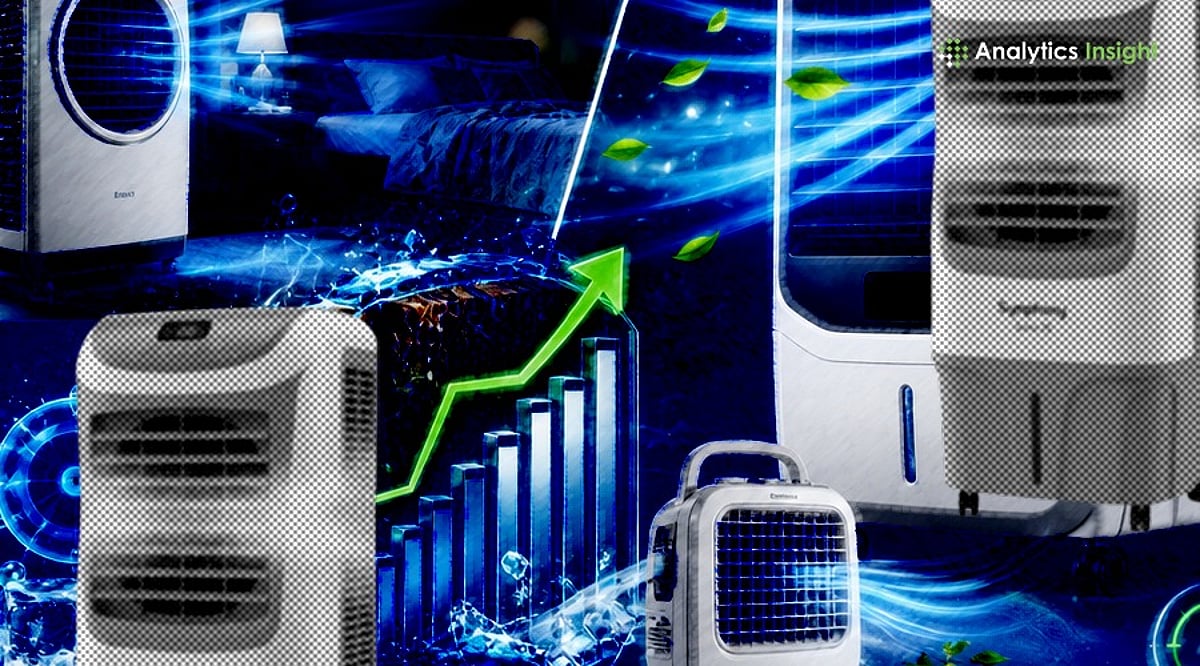
    2026 Air Coolers: Top Picks for Efficient, Low-Power Cooling During Summer Heat

    Beat the scorching summer heat with the best air coolers of 2026, which combine powerful airflow, large water tanks, and energy-saving performance. From compact personal coolers to heavy-duty desert coolers, discover top models designed for every room size and climate condition. Explore smart features like honeycomb cooling pads, inverter compatibility, low-noise operation, and ice chambers for faster and longer cooling comfort.

    Top-Rated Air Coolers in India 2026 for Maximum Cooling Performance

    Modern air coolers have evolved significantly, offering efficient airflow, improved cooling pad designs, and enhanced energy efficiency. Customers now prioritize strong airflow, room coverage, extended cooling hours, and minimal impact on monthly electricity costs. Desert air coolers remain highly sought after for their excellent ability to deliver maximum cooling performance, especially with multi-directional airflow and large coverage areas. Other trends include auto-fill systems, ice chambers, and low-maintenance cooling pads, all of which improve comfort and cooling efficiency. Portable air coolers have also gained popularity due to their compact size and low power consumption.

    Best Air Coolers for Extreme Heat and High Temperature Regions

    In regions where temperatures exceed 40°C, desert air coolers are essential. These units are designed for dry and hot areas, using both airflow and water systems to lower room temperature. Top models feature big water tanks, high air delivery, honeycomb cooling pads, and ice compartments. Many are inverter-compatible, making them ideal for areas with frequent power outages. Proper ventilation remains crucial for optimal performance.

    Best Portable Air Coolers for Home Use in 2026 (Compact & Powerful)

    Portable air coolers are lightweight and easy to move between bedrooms, apartments, studies, and offices. Despite their size, they offer impressive cooling performance and consume less power than air conditioners. They require minimal installation and maintenance, making them perfect for rented homes and small apartments. Inverter compatibility adds value during blackouts.

    High Airflow Air Coolers: Models with Strong Fan Speed and Coverage

    Designed for larger spaces, high-airflow coolers prioritize air delivery, high throw, and rapid cooling. They are suitable for living rooms, hallways, shops, and semi-outdoor areas. Many feature advanced fan systems and high-CMH ratings for even cold air distribution. Additional features include multiple airflow directions, turbo cooling, and high-capacity cooling pads. Large water tanks reduce the need for frequent refills.

    Best Air Coolers with Ice Chamber for Faster Cooling in Summer

    Ice chamber coolers allow users to add ice cubes directly for faster, colder airflow. They are especially effective during extreme afternoon heat. Modern versions combine ice chambers with honeycomb pads and efficient fans. Large water tanks and long air throw extend cooling duration. These coolers are portable, often with wheels, and consume less energy than ACs.

    Low Noise Air Coolers for Bedrooms and Night Use

    Noise levels are critical for bedrooms and nighttime use. Manufacturers now produce coolers with vibrationless motors, advanced fans, and sleep modes. Personal coolers operate quietly compared to desert coolers. Honeycomb pads ensure quiet airflow. Inverter compatibility is also common. These coolers eliminate disturbances during work, study, and sleep.

    Best Air Coolers for Humid vs Dry Climate: What Works Best?

    Desert air coolers excel in dry regions because of efficient evaporation. They have large reservoirs and thick pads. Personal air coolers are better in humid climates, where high humidity hampers evaporation. Modern coolers offer adjustable fan speeds and humidity-friendly airflow settings.

    Air Coolers with Inverter Compatibility for Power Cuts and Backup

    Inverter-friendly coolers are indispensable in areas with frequent power cuts. They use energy-saving motors and improved airflow design to run efficiently on home inverters. Portable and personal models are widely used, while larger desert coolers with inverter support are ideal for big rooms.

    Top Air Coolers with Honeycomb Cooling Pads for Better Efficiency

    Honeycomb cooling pads are superior to traditional wood wool pads. They retain water better, improve airflow, and require less maintenance. Their structure enhances evaporation for cooler air even in extreme conditions. Combined with powerful fans and large tanks, these coolers deliver low noise and high efficiency.

    Best Air Coolers with Large Water Tank Capacity for Long Cooling Hours

    Coolers with 50L–100L water tanks provide continuous cooling without frequent refills. This is ideal for large rooms and hot summer nights. Some models include auto-fill and ice chambers. They are portable, have castor wheels, and are energy-saving with inverter compatibility.

    Cooler Maintenance Guide

    Regular maintenance extends the life of your air cooler. Clean the tank frequently to avoid dirt and bacteria. Replace cooling pads regularly to prevent dust clogging. Always use fresh water and ensure proper ventilation for optimal cooling efficiency.

    Cooler Buying Guide

    Choosing the right cooler involves more than tank size. Consider air delivery (CMH), room size, cooling pad type (honeycomb vs. wood wool), energy consumption, portability (wheels), and balance between tank capacity and cooling performance.

    Final Thoughts

    Selecting the ideal air cooler requires evaluating room dimensions, climate, airflow capacity, energy savings, and maintenance needs. Whether it’s a small portable unit or a large desert cooler, features like honeycomb pads, inverter compatibility, ice chambers, and large water tanks significantly improve performance and user experience.

  • 2026 Air Conditioner Buying Guide: How to Pick the Perfect AC for Your Home

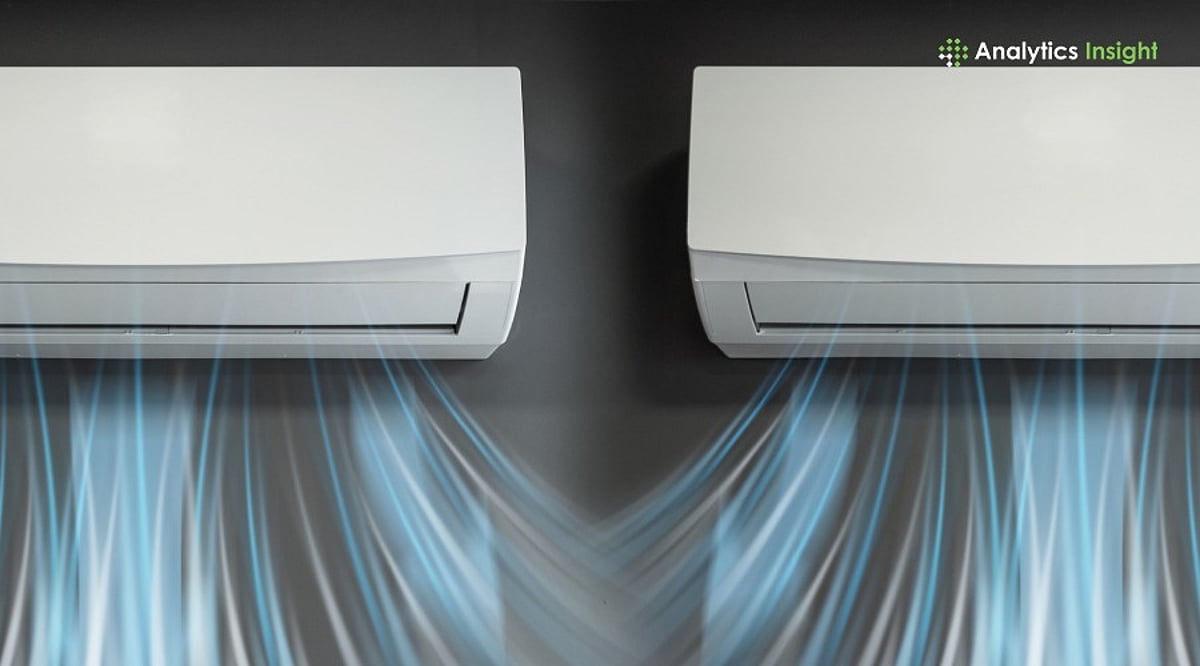
    2026 Air Conditioner Buying Guide: How to Pick the Perfect AC for Your Home

    Summer in India is growing longer and more intense each year, making air conditioners essential for most households. However, buying an AC today involves more than just picking the brand with the best discount. With many options available, each choice affects cooling efficiency and electricity consumption.

    Many people base their purchase solely on price, only to end up with high electricity bills and poor cooling. Proper selection requires matching the room’s cooling needs with the right unit. Ignoring factors like room size, sunlight exposure, insulation, and occupancy can lead to unsatisfactory results.

    Technological advancements add complexity. Inverter ACs offer energy efficiency and consistent cooling, while non-inverter models are cheaper upfront. Star ratings measure efficiency, but their value depends on usage frequency. Popular brands like LG, Daikin, Voltas, and Samsung offer numerous models, but the right choice depends on individual requirements rather than brand preference.

    This guide walks you through a step-by-step approach to selecting the best AC for your home or business—from unit size and type to energy efficiency and power consumption. It also covers pre-purchase considerations and common mistakes to avoid.

    How to Choose the Best Air Conditioner for Your Home

    The selection process should start by analyzing room conditions, not by picking a random model. Cooling capacity is influenced by room dimensions, ceiling height, sunlight, insulation, and the number of occupants. A small bedroom with limited sunlight behaves differently from a large, sunlit living room.

    The AC’s capacity—measured in tons—is the key criterion. An undersized unit cannot cool properly and runs continuously, increasing energy costs. Modern inverter ACs from LG and Daikin adjust compressor speed based on demand, maintaining consistent temperatures and reducing power usage—especially beneficial in India’s fluctuating climate.

    Usage pattern matters too. Bedrooms need long cooling hours, making inverter models from Samsung or Voltas ideal. Living rooms used briefly may not require advanced modulation. Energy savings are critical for long-term cost reduction, and high-star models from Blue Star and Hitachi help lower bills. Noise level is also important, especially for bedrooms and studies; split ACs are quieter than window units.

    Smart features like Wi-Fi connectivity and AI-driven cooling, available on LG and Samsung models, add convenience but should not distract from core considerations like efficiency.

    1 Ton vs 1.5 Ton vs 2 Ton AC: Which Is Right for You?

    Choosing the correct capacity directly impacts cooling performance and power consumption. Knowing the differences between 1-ton, 1.5-ton, and 2-ton ACs helps avoid a common mistake.

    • 1 Ton: Suitable for rooms up to 120 square feet, especially compact bedrooms with low sunlight.
    • 1.5 Ton: Ideal for rooms between 120 and 180 square feet.
    • 2 Ton: Best for larger spaces above 180 square feet or rooms with high heat load.

    Brands like Voltas and Blue Star offer reliable options across segments. Daikin and Hitachi provide high-performance models that handle extreme heat due to advanced compressor design. Room size alone doesn’t determine capacity: sunlight exposure, insulation, occupancy, and electronic devices all contribute to cooling demand. West- or south-facing rooms may need higher tonnage. Poor insulation allows heat ingress, increasing load.

    Choosing a lower capacity to save money often backfires, resulting in longer runtime and higher bills. Slightly oversizing can improve cooling performance in hot climates.

    AC Room Size Calculator: Determining the Right Capacity

    A room-size calculator simplifies selection by converting room conditions into the appropriate capacity. Start by measuring length and width to get square footage. For example, a 10×12 room is 120 sq ft. Adjust for sunlight: rooms with direct sun may need 10-15% extra capacity. Higher ceilings increase air volume. Electronic devices also add heat load.

    General guideline:

    • Up to 120 sq ft → 1 Ton
    • 120-180 sq ft → 1.5 Ton
    • 180-250 sq ft → 2 Ton

    These numbers serve as a base; actual conditions may vary. Brands like Daikin and Hitachi excel in high-heat scenarios.

    Split AC vs Window AC: Which Is Better for Home Use in 2026?

    Split and window ACs differ in design, operation, and user experience. Split systems have indoor and outdoor units, offering quieter operation and better airflow. LG, Daikin, and Samsung specialize in these. Window ACs combine everything in one unit, making them easier to install and more affordable. Voltas and Blue Star are key manufacturers.

    Split ACs generally provide more even cooling, lower noise, and slightly better energy efficiency. They also look sleeker. However, maintenance involves both units. The choice depends on budget and room requirements.

    Inverter AC vs Non-Inverter AC: Which One Should You Buy in 2026?

    The main difference lies in compressor operation. Inverter ACs adjust compressor speed based on demand, delivering steady temperatures and lower energy consumption. LG, Daikin, and Samsung lead in this technology. Non-inverter ACs run at full speed and cycle on/off, which causes temperature fluctuations and higher power usage. Voltas and Blue Star offer affordable non-inverter models.

    Inverter models cost more upfront but save money over time through reduced electricity bills. For daily long-hour use, inverters are preferable; for occasional use, non-inverters may suffice. Modern inverter systems have improved durability and are now the preferred choice for most households.

    Best Energy-Efficient AC in India: 5-Star vs 3-Star Comparison

    Energy efficiency directly affects electricity bills. The Bureau of Energy Efficiency (BEE) star rating indicates efficiency: a 5-star AC consumes significantly less power than a 3-star model of the same capacity. For units running 6-10 hours daily, the savings are substantial.

    Top brands like LG, Daikin, and Hitachi offer efficient models with advanced compressors. Voltas and Blue Star provide 3-star options that are cheaper upfront but may cost more in the long run. In hot regions, a 5-star AC pays off quickly.

    How Much Electricity Does an AC Consume?

    Electricity consumption depends on capacity, usage, and efficiency. A 1-ton AC typically uses 0.8-1 unit per hour; 1.5-ton uses 1.2-1.5 units; 2-ton up to 2 units. Inverter ACs minimize consumption by running only as needed, while non-inverters consume more due to start-stop cycles.

    Setting the thermostat to 24-26°C is ideal. Room conditions like insulation, open windows, and sun exposure affect usage. Regular maintenance—clean filters and adequate refrigerant—keeps performance optimal.

    Top AC Brands in India 2026

    • LG: Known for smart features, AI cooling, and inverter technology.
    • Daikin: Focus on performance and durability, strong cooling in extreme heat.
    • Voltas: Value for money, wide service network even in smaller cities.
    • Samsung: Sleek design and smart connectivity.
    • Blue Star & Hitachi: Reliable cooling performance.

    Service availability should guide your final decision—a strong local service network is more important than brand reputation alone.

    Things to Check Before Buying an Air Conditioner (Expert Checklist)

    • Capacity: Match to room size and conditions.
    • Energy rating: Higher star rating reduces long-term costs.
    • Condenser coils: Copper coils offer better durability and heat transfer.
    • Installation requirements: Include piping, brackets, labor costs.
    • Noise levels: Especially important for bedrooms.
    • Filters: Anti-dust and anti-bacterial improve air quality.
    • Warranty: Compressor warranties often up to 10 years.
    • After-sales service: Availability of service centers and response times.
    • Electrical compatibility: Ensure proper voltage and power supply.

    Common AC Buying Mistakes to Avoid in 2026

    • Wrong capacity: Undersizing leads to poor cooling and high bills; oversizing causes inefficiency.
    • Ignoring energy ratings: Leads to higher long-term costs.
    • Choosing brand over service: Even top brands fail without good local support.
    • Overlooking installation costs: Can significantly increase total expense.
    • Buying based on discounts or season without research.
    • Neglecting room conditions like sunlight and insulation.
    • Skipping maintenance: Regular servicing ensures efficiency and longevity.

    Conclusion

    Buying an air conditioner requires more than comparing prices and brands. A structured approach ensures better performance, lower electricity bills, and long-term satisfaction. Start with correct capacity selection, then consider inverter vs non-inverter, energy ratings, and brand service network. By following the expert checklist and avoiding common pitfalls, you can make an informed choice that keeps your home comfortable for years.


  • AI News Roundup: Investment Hurdles, Strategic Scaling, Chip Deals, and Global Regulation Efforts

    AI News Roundup: Investment Hurdles, Strategic Scaling, Chip Deals, and Global Regulation Efforts

    Weekly AI News Briefing

    This week’s AI landscape highlights critical shifts from experimentation to enterprise execution, major chip industry deals, and new regulatory frameworks. Below are the key stories.

    • AWS Co-Founder Matt Domo on Why AI Investments Are Stalling – Domo explains how organizations can move beyond pilot projects to full-scale AI deployment and unlock real value.
    • Micron and Rivals Secure US$22bn AI Deals with NVIDIA – To break the semiconductor boom-bust cycle, chipmakers like Micron are locking in multi-year contracts with NVIDIA, ensuring steady revenue streams.
    • McKinsey: Scaling AI Beats Fragmented Business Pilots – Partner Rahul Shahani reports that embedding AI across multiple functions yields double the profit margins compared to isolated experiments.
    • AIB Overhauls Mobile Banking App With Advanced AI Insights – The Irish lender uses machine learning to turn transaction data into personalized financial guidance for customers.
    • Pangaea Data and Sanofi Partner to Tackle Disease Underdiagnosis – Their AI scans electronic health records to help clinicians identify patients with Alpha-1 Antitrypsin Deficiency earlier.
    • UN’s New Environmental Initiative for AI – Secretary-General António Guterres launches a program to track the power and water consumption of AI systems during London Climate Action Week.
    • The Global Awards 2026: Tech and AI Categories – The upcoming awards will recognize AI-led innovation in sustainability, procurement, and supply chain.
    • Tech CEOs Push for US-Led AI Coalition at G7 Summit – Global executives propose an international framework to address national security risks and regulate advanced frontier models.
  • Leading AI Executives Shaping Finance in 2026

    Leading AI Executives Shaping Finance in 2026

    Artificial intelligence is rapidly transforming financial services, from trading floors to retail banking and wealth management. This list highlights the leaders driving that transformation inside the world’s most influential institutions and fintech innovators. From generative AI assistants for advisers to enterprise-wide risk and fraud systems, these executives are defining how intelligence is built, governed, and deployed at scale. Together, they represent the shift from experimentation to production-grade AI that is already changing how finance operates.

    10. Kristin Milchanowski – BMO Financial Group

    Kristin leads BMO’s data and AI strategy, driving digital transformation across the bank’s North American operations. With a background in science and psychology, she champions ethical AI adoption and strong governance frameworks, focusing on data-driven innovation that enhances customer trust while modernizing financial services.

    9. Sarah Guo – Conviction

    Sarah Guo founded Conviction, a venture capital firm that backs early-stage AI companies with funding and operational support. Her network connects startups with talent, customers, and investors.

    8. Andrew Chin – AllianceBernstein

    As the firm’s first Chief AI Officer, Andrew leads the strategy to embed machine learning across asset management. He previously served as Chief Risk Officer and focuses on leveraging data science to improve investment decisions and operational efficiency.

    7. Marco Argenti – Goldman Sachs

    Marco is a strong advocate for agentic AI in banking, promoting systems that actively execute complex tasks. He encourages engineering teams to build personalized AI model toolkits and emphasizes evolving developer roles toward supervising and orchestrating intelligent agents.

    6. Adam Lieberman – Finastra

    Adam leads the AI-first strategy at Finastra, focusing on open finance and generative AI. He oversees intelligent solutions that optimize lending and treasury operations while ensuring advanced analytics are securely embedded in global financial infrastructure.

    5. Shobhit Varshney – Citi

    As Global Head of AI, Shobhit drives generative AI adoption across Citi’s institutional and consumer businesses. Formerly an AI leader at IBM, he focuses on modernizing legacy banking systems and improving developer productivity with a disciplined, compliant approach.

    4. Rachel Schutt – BlackRock

    Rachel leads BlackRock’s AI Labs, a central hub applying AI to high-stakes financial problems. Co-author of Doing Data Science and former Chief Data Scientist at News Corp, she formalizes rigorous data science practices to improve alpha generation and risk management.

    3. Bhavesh Dayalji – S&P Global

    Bhavesh serves as Chief AI Officer at S&P Global and CEO of Kensho. He defines the company’s AI vision and enterprise-wide strategy, scaling practical, trusted AI solutions that enhance data-driven decision-making across global financial markets.

    2. Teresa Heitsenrether – JPMorgan Chase

    Teresa leads AI adoption at the world’s largest bank, overseeing a multi-billion-dollar technology budget supporting over 1,000 data scientists and machine learning engineers. She scales generative AI across fraud detection, risk management, operations, and wealth management while maintaining stringent governance and regulatory standards.

    1. Jeff McMillan – Morgan Stanley

    Jeff is the architect behind Morgan Stanley’s partnership with OpenAI and the AI @ Morgan Stanley Assistant, deployed to thousands of financial advisers. He leads firmwide generative AI strategy, capturing institutional knowledge and making it accessible across wealth management workflows with a human-in-the-loop model.

  • The 10 Most Influential Open-Source AI Platforms of 2026

    The 10 Most Influential Open-Source AI Platforms of 2026

    The open-source AI landscape is evolving at a breathtaking pace, democratizing access to cutting-edge technology and shifting power away from closed-door tech giants. From powerhouse models transforming natural language processing to advanced frameworks orchestrating complex autonomous agents, open-source innovation is the true engine driving the AI revolution. Whether you’re a developer looking to deploy efficient local models or an enterprise building scalable AI infrastructure, these tools offer unprecedented flexibility and control.

    1. Hugging Face (Founded 2016, CEO Clément Delangue) – Hugging Face occupies a unique position at the center of the modern AI ecosystem. While many focus on individual models, Hugging Face builds the infrastructure, community, and distribution network that powers much of the open-source AI movement. It hosts hundreds of thousands of models, datasets, and applications, making it the default destination for discovering, evaluating, and deploying AI technologies.
    2. Llama (Meta AI) (Launched 2023, CEO Mark Zuckerberg) – The Llama family of models has done more than any other project to legitimize open-weight AI at global scale. Successive generations push performance boundaries while remaining accessible to researchers, developers, and businesses. Llama has become the foundation for countless derivative projects and commercial applications worldwide.
    3. DeepSeek (Launched 2023, CEO Liang Wenfeng) – DeepSeek has become one of the most disruptive forces in AI, releasing highly-capable open models that rival established competitors while reportedly requiring far fewer resources. Its achievements challenge assumptions about the cost and complexity of building state-of-the-art AI systems.
    4. Mistral AI (Launched 2023, CEO Arthur Mensch) – Founded by former researchers from Google DeepMind and Meta, Mistral AI has become Europe’s most prominent AI challenger. Its open-weight philosophy combined with strong performance and efficiency attracts developers, enterprises, and governments alike.
    5. Qwen (Alibaba Cloud) (Founded 2023, CEO Eddie Wu) – Alibaba Cloud’s Qwen family has emerged as a strong challenger to Western AI platforms. With multilingual capabilities and impressive performance across reasoning, coding, and enterprise tasks, Qwen has gained substantial adoption throughout Asia and beyond.
    6. OpenClaw (Launched 2025, Creator Peter Steinberger) – OpenClaw represents the growing momentum behind truly open AI development. Built around transparency and accessibility, it attracts developers seeking alternatives to closed commercial systems. Its focus on open weights and community-led innovation reflects a broader movement toward decentralized development.
    7. Microsoft AutoGen (Launched 2023, CEO Satya Nadella) – AutoGen has become a leading framework for multi-agent AI systems, enabling multiple language models and software tools to collaborate on complex tasks. Its integration with the Microsoft ecosystem strengthens its appeal among enterprise users as agentic AI becomes a major trend.
    8. LangChain (Launched 2022, CEO Harrison Chase) – LangChain is one of the most widely used frameworks for building applications powered by large language models. It provides tools to connect AI systems with external data sources, workflows, and software environments, making it easier to build chatbots, autonomous agents, and enterprise AI solutions.
    9. Ollama (Launched 2023, CEO Jeffrey Morgan) – Ollama has democratized access to large language models by making local AI deployment straightforward. Users can run powerful open-source models on personal computers, removing dependence on cloud infrastructure for many use cases, and lowering technical barriers for a broad range of users.
    10. vLLM (Launched 2023, CEO N/A) – vLLM has become one of the most influential open-source inference engines in the AI ecosystem. Originally developed at UC Berkeley, it makes deployment of large language models faster and more cost-effective through innovative memory management, enabling organizations to serve AI applications at scale without excessive infrastructure costs.
  • 10 Leading Data Platforms Driving AI-Powered Enterprise Transformation

    10 Leading Data Platforms Driving AI-Powered Enterprise Transformation

    Data is the bedrock of the AI-driven enterprise, converting raw information into actionable intelligence and competitive advantage. As organizations accelerate their AI initiatives, the ability to connect, govern, and activate data at scale has never been more critical. Leading data platforms are enabling this shift, providing the infrastructure for advanced analytics, generative AI, and real-time decision-making. Here, we highlight the top platforms that help enterprises unlock greater value from their data and transform insights into measurable business impact.

    1. Databricks – Top spot goes to Databricks for unifying data engineering, data science, and warehousing through its pioneering Lakehouse architecture. With full integration of Mosaic AI, enterprises can train and deploy proprietary models using their internal data. The Unity Catalog ensures robust governance, while open standards like Apache Iceberg and Delta Lake prevent vendor lock-in.
    2. Snowflake – Snowflake has evolved from a cloud data warehouse into a comprehensive data cloud. Its Snowflake Cortex service allows enterprises to build and deploy generative AI applications within their secure data perimeter, maintaining data sovereignty. The Data Marketplace facilitates seamless, secure data sharing across supply chains.
    3. Microsoft Fabric – Fabric unifies Data Factory, Synapse, and Power BI into a single analytics platform. The OneLake concept eliminates data silos, and deep integration with Microsoft 365 Copilot enables natural language queries, making it a favorite among Global 2000 companies.
    4. Google Cloud – Google’s BigQuery offers serverless, planet-scale analytics. BigQuery ML and native integration with Vertex AI let data scientists run machine learning models directly on data without movement, handling petabytes with zero infrastructure management.
    5. AWS – Amazon Redshift provides real-time insights by removing the friction of moving data between databases and warehouses. Integration with S3 and Bedrock AI creates a seamless pipeline for training foundation models, with serverless scaling for unpredictable workloads.
    6. IBM watsonx – IBM’s watsonx.data is an open-source lakehouse designed to scale AI workloads while reducing storage costs. Using open formats like Apache Iceberg and Presto, it supports hybrid environments and is backed by IBM’s global consulting arm.
    7. Informatica – Informatica manages over 110 trillion transactions monthly through its Intelligent Data Management Cloud (IDMC). It ensures data is AI-ready, clean, and compliant by automating data quality, metadata management, and master data synchronization.
    8. Cloudera – Cloudera excels in hybrid data management with its CDP platform, offering consistent security and governance across on-premises, private cloud, and public cloud. The Shared Data Experience (SDX) layer ensures compliance and discoverability.
    9. Teradata – Teradata handles massive data workloads, especially in telco and finance. VantageCloud Lake modernizes high-performance analytics into a cloud-native architecture, enabling complex multi-statement queries at scale across hybrid and multi-cloud environments.
    10. MongoDB – MongoDB has grown from a NoSQL database to a comprehensive developer data platform. MongoDB Atlas offers integrated vector search and stream processing, allowing teams to build AI-enriched applications with a unified document-based model that scales across public clouds.