Blog

  • Top 5 VR Headsets of 2026: Standalone Gaming, PC Visuals, and Spatial Computing Compared

    Top 5 VR Headsets of 2026: Standalone Gaming, PC Visuals, and Spatial Computing Compared

    The virtual reality market in 2026 offers an unprecedented range of choices, from all-in-one standalone headsets to high-end PC-tethered systems and premium spatial-computing devices. Whether you are a gamer, a simulation enthusiast, or a productivity-focused user, there is a headset tailored to your needs. Below, we break down five standout VR headsets available this year and what makes each one unique.

    1. Meta Quest 3: Versatile All-in-One VR with Mixed Reality

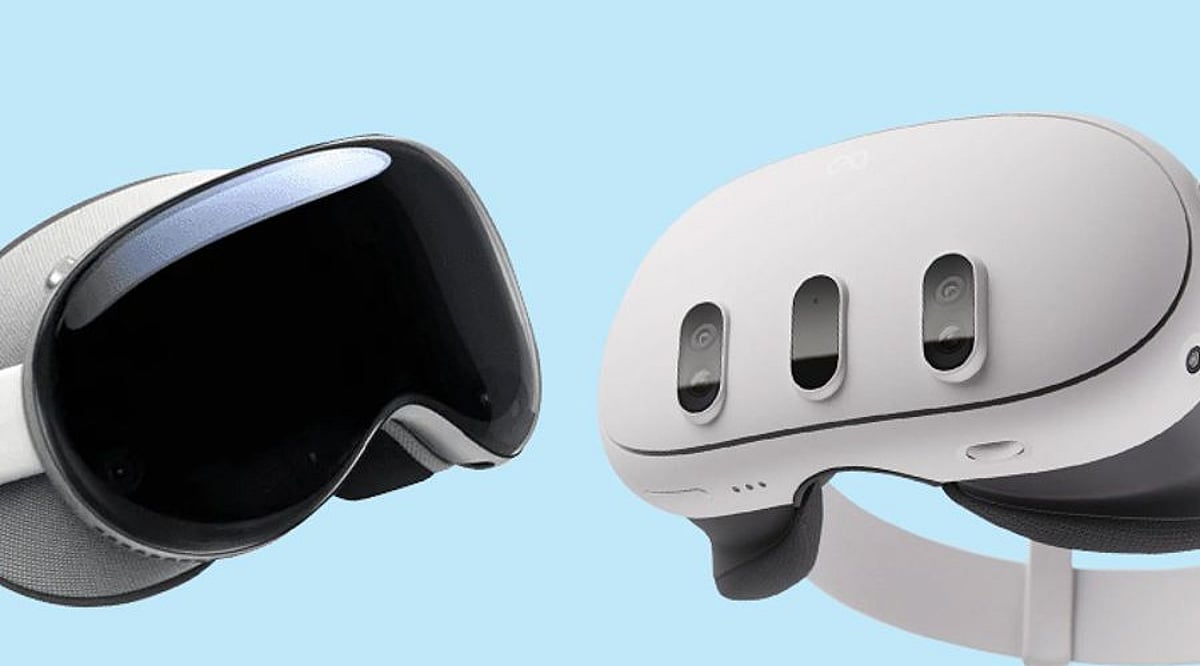
    The Meta Quest 3 continues to dominate the standalone VR segment by combining immersive virtual reality with color passthrough mixed reality. Powered by the Snapdragon XR2 Gen 2 platform and featuring pancake lenses, it requires no PC or console to operate. This headset is ideal for users who want a broad library of games and apps without the hassle of wires, while still offering the option to connect to a PC for more demanding experiences.

    2. PlayStation VR2: Console Gaming at Its Finest

    Designed exclusively for the PlayStation 5, the PS VR2 delivers a console-focused VR experience with stunning OLED displays, integrated eye tracking, and haptic headset feedback. Its advanced Sense controllers provide precise motion tracking and adaptive triggers. This headset is perfect for gamers who already own a PS5 and want access to a curated library of high-quality VR titles.

    3. Valve Steam Frame: Wireless PC VR Freedom

    Valve’s Steam Frame bridges the gap between standalone and PC VR. It runs on a Snapdragon 8 Gen 3 processor with 16GB of RAM and supports wireless connection to a gaming PC. With built-in eye tracking and standalone functionality, it targets users who want the flexibility of untethered play combined with the power of SteamVR’s extensive library. This is a strong choice for those who value both mobility and high-fidelity PC gaming.

    4. Pimax Crystal Light: Visual Fidelity for Simulation Enthusiasts

    The Pimax Crystal Light focuses on delivering exceptional image quality for PC VR. It features high-resolution displays, glass aspheric lenses, and a refresh rate of up to 120Hz. A DisplayPort connection ensures minimal compression and maximum detail, making it a top pick for flight and racing simmers, as well as anyone who prioritizes sharp visuals over standalone convenience.

    5. Apple Vision Pro: Redefining VR as Spatial Computing

    Apple’s Vision Pro takes a different approach by emphasizing spatial computing over gaming. Equipped with dual Micro-OLED displays, Apple silicon, and advanced eye tracking, it enables immersive experiences for productivity, entertainment, and creative work. Spatial video capture and seamless integration with the Apple ecosystem position it as a premium device for users seeking a versatile mixed-reality headset beyond gaming.

    Each of these headsets caters to a distinct audience. The Meta Quest 3 is the jack-of-all-trades; the PS VR2 is for console gamers; the Valve Steam Frame offers wireless PC flexibility; the Pimax Crystal Light delivers uncompromised visuals; and the Apple Vision Pro opens the door to spatial computing. Understanding your primary use case — from gaming and simulations to productivity and media consumption — will guide you to the perfect VR headset in 2026.
  • LG Xboom Bounce Review: Powerful Sound, Unique Design, and 30-Hour Battery Life

    LG Xboom Bounce Review: Powerful Sound, Unique Design, and 30-Hour Battery Life

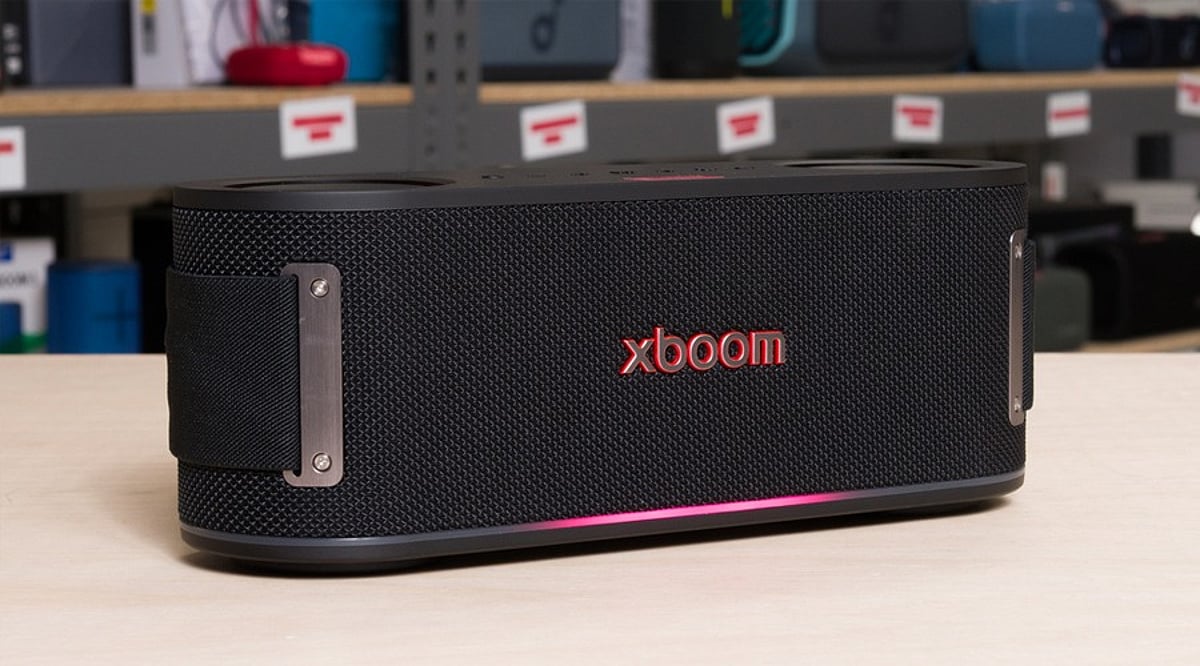
    The LG Xboom Bounce is a portable Bluetooth speaker that stands out thanks to its distinctive design and exposed passive radiators. Developed in collaboration with will.i.am, this speaker combines a unique aesthetic with robust audio performance. It features a 2.1-channel stereo system, Bluetooth 5.4, IP67 dust and water resistance, customizable EQ modes, AI-powered lighting, and an impressive 30-hour battery life. While the Xboom Bounce offers an innovative take on portable speakers, its app setup and included strap could use improvement.

    General Specifications

    Here are the key specifications of the LG Xboom Bounce:

    • Speaker Configuration: 2.1-channel stereo
    • Bluetooth Version: 5.4
    • Water and Dust Resistance: IP67
    • Battery Life: Up to 30 hours
    • Special Features: AI Lighting, customizable EQ
    • Design: Exposed passive radiators

    Pros and Cons

    Pros:

    • Excellent sound quality with rich bass
    • Long battery life (30 hours)
    • IP67 waterproof and dustproof
    • Customizable EQ settings
    • Unique, eye-catching design

    Cons:

    • LG ThinQ app can be cumbersome to use
    • Carry strap feels weak and low quality
    • Sound quality slightly degrades at maximum volume

    Final Verdict

    The LG Xboom Bounce is a strong contender in the portable Bluetooth speaker market. Its design gives it plenty of character, but it is far more than a novelty gadget. With good sound quality, flexible EQ adjustments, reliable waterproofing, and excellent battery performance, the speaker performs well across the board. However, the poor experience with the ThinQ app and the flimsy carry strap are notable drawbacks. Additionally, the audio takes a small hit when played at full volume. Overall, the Xboom Bounce is an easy recommendation at its price point.

  • Refurbished Galaxy Watch? 7 Key Checks to Make Before You Buy

    Refurbished Galaxy Watch? 7 Key Checks to Make Before You Buy

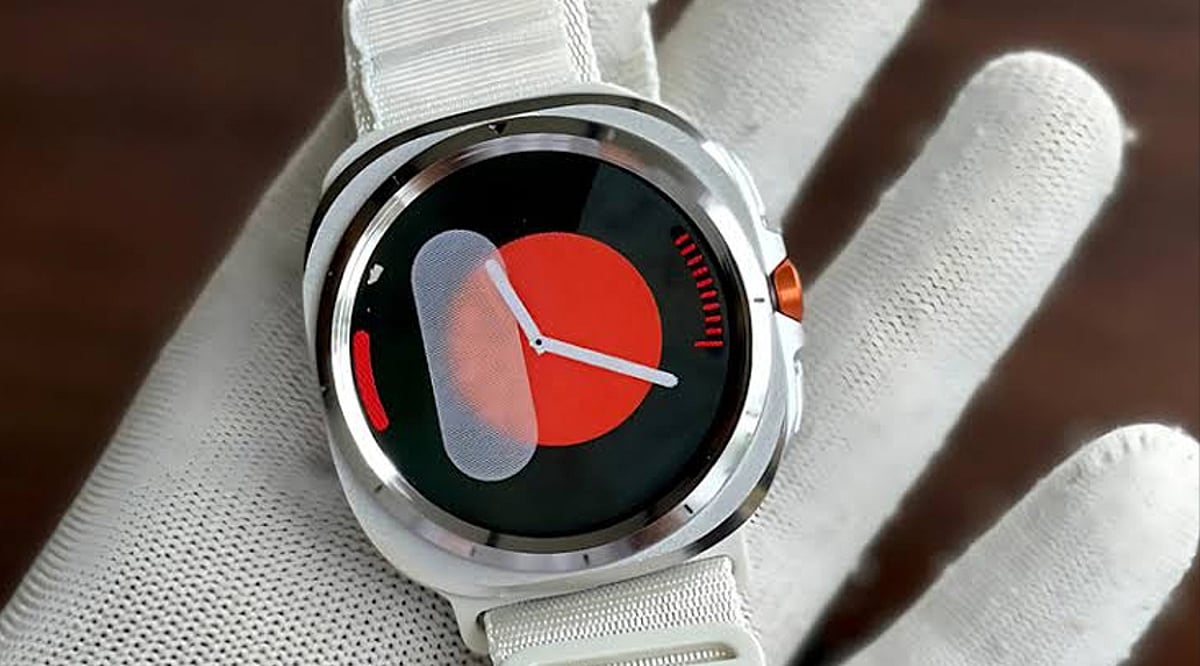
    Buying a refurbished Samsung Galaxy Watch can save you money, but it also requires careful evaluation. These seven checks will help you avoid hidden problems and choose a device that performs like a new one.

    1. Check Battery Health

    A refurbished Galaxy Watch may not deliver the same battery life as a brand-new model. Lithium-ion batteries naturally lose capacity over time, so ask whether the seller replaced the battery during refurbishment. If the original battery is still inside, request a health report or be prepared for shorter battery life.

    2. Confirm Software Update Support

    Older Galaxy Watch models may no longer receive software or security updates. Galaxy Watch4 and newer models run Wear OS, while earlier models use Tizen. Check the exact model number and verify how long Samsung continues to support it before committing to a purchase.

    3. Inspect the Screen and Buttons

    Examine the display closely for scratches, cracks, dead pixels, or other damage. Test every button and the rotating bezel if the model has one. Make sure the touchscreen responds accurately across the entire display, not just in the center.

    4. Test Charging and Water Resistance

    Confirm that the watch charges properly and connects firmly with its charger. Inspect the charging contacts, strap pins, and lugs for damage. Older seals and adhesives can break down over time, so do not assume an older refurbished watch still has its original water resistance rating.

    5. Verify Phone Compatibility

    Before buying, make sure the Galaxy Watch works with your smartphone. Compatibility can vary by model and phone brand. Checking this in advance can prevent issues with setup, apps, notifications, calls, and other smartwatch features.

    6. Research the Seller and Warranty

    Always research the seller before placing an order. Read customer reviews and check whether the listing clearly mentions repaired parts, cosmetic damage, battery condition, warranty, and return terms. A trustworthy refurbisher should also state what tests the device has passed.

    7. Compare Prices Across Sellers

    Do not choose a refurbished Galaxy Watch just because the price is low. Compare the same model across different sellers and consider condition, battery health, accessories, warranty, and software support. Paying a little more may give you better protection and a more complete package.

  • Time Series Analysis Explained: Methods, Real-World Examples, and Key Applications

    Time Series Analysis Explained: Methods, Real-World Examples, and Key Applications

    Time series analysis helps businesses understand how data evolves over time. By examining trends, seasonal patterns, and other changes, analysts uncover useful insights and make more accurate forecasts.

    Overview

    • Time series analysis studies data collected over a period of time.
    • Trends, seasonality, cycles, and random changes are the main components of time series data.
    • Methods such as moving averages, exponential smoothing, and ARIMA help analysts examine past data.
    • Time series analysis is used in sales, finance, healthcare, weather, energy, and technology.

    Time series analysis goes beyond turning old numbers into charts. These methods help various sectors understand the changes they have experienced over a specific period. Businesses can study pattern shifts, identify causes, and take appropriate action. In simple terms, time series analysis involves studying data collected over time. The data can be recorded every minute, hour, day, week, month, or year. Analysts look for patterns to understand what has happened and, in some cases, estimate what might happen next. However, it’s important to note that a forecast is never a guarantee. A sudden event can alter demand, prices, traffic, or customer behavior. Good analysis must account for uncertainty and continuously check new data. The goal is not merely to predict the next number but to understand the movement behind the numbers. When used properly, time series analysis can transform years of data into actionable information for today’s decisions and tomorrow’s plans. For businesses, this aids planning. For example, a retailer can study historical sales data before deciding how much stock to order. Similarly, a streaming service can analyze viewing data to understand audience habits before a major show release. The principle is simple: the past cannot tell us everything about the future, but it can offer valuable insight.

    Understanding the Main Parts of Time Series Data

    A time series can contain several types of movement. Knowing each one makes the data easier to interpret. The first is trend. A trend shows the general direction of data over a longer period. For instance, a smartphone company may see monthly sales fluctuate, but when looking at five years of data, it may observe steady growth. Short-term changes matter, but the larger trend provides a better view of growth. The second is seasonality. This refers to patterns that repeat at fixed times. For example, during festive seasons, online stores often experience order surges, and travel companies see booking increases during holidays. Ice cream sales rise during summer months. These patterns repeat annually as seasons arrive. Cycles are another component. They can resemble seasonal patterns but do not follow a fixed schedule. Economic booms and recessions are common examples. Demand may rise during strong economic periods and fall during slowdowns. Finally, random changes occur. Not every data movement has a clear reason. A sudden news event, supply issue, product launch, or natural disaster can cause unexpected shifts.

    Common Time Series Methods and Real-Life Applications

    Once data is prepared, analysts choose a method based on their analysis goals. One simplest method is the moving average. It calculates the average of a fixed number of recent values and moves forward as new data arrives. For example, a retailer might use a seven-day moving average to study daily sales. An unusually busy Saturday may spike sales, but the moving average smooths out these daily jumps, making the wider trend clearer. Another useful method is exponential smoothing, which assigns greater weight to recent data while still incorporating older numbers. Recent changes thus have a stronger impact on the result. A retailer could use this to estimate product demand: if phone sales have increased in recent weeks, those recent numbers influence the forecast more. More advanced methods include ARIMA, which uses past values and past changes in data to make forecasts. It is applied in areas such as sales, economic data, and demand planning. Machine learning has also become part of modern forecasting. AI models handle large datasets and consider multiple factors simultaneously. Some businesses use these tools to forecast demand, website traffic, energy usage, and customer activity. Time series analysis is widely applicable in real-life scenarios. In finance, it helps understand stock prices, interest rates, and trading activities. Analysts identify patterns from past data, though unpredictable events can alter outcomes. In healthcare, time series analysis helps hospitals study patient numbers over time. If cases rise continuously, hospital authorities can plan staffing accordingly. In the energy sector, electricity companies use these methods to track power consumption across hours and seasons, preparing for periods of high demand.

    Frequently Asked Questions

    What is time series analysis?
    Time series analysis is the study of data collected over time. It helps identify trends, repeated patterns, and changes in data.

    What are the main parts of time series data?
    The main parts are trend, seasonality, cycles, and random changes. Together, they explain how data moves over time.

    What is time series forecasting?
    Time series forecasting uses past data to estimate future outcomes. Businesses use it for sales, demand, traffic, and other areas.

    Where is time series analysis used?
    It is used in finance, healthcare, retail, energy, weather forecasting, technology, and many other fields.

    What are common time series analysis methods?
    Common methods include moving averages, exponential smoothing, and ARIMA. Machine learning is also used for more complex forecasting tasks.

  • 2027 Manufacturing Logistics Trends: AI, Automation, and Smart Warehouses Reshaping Supply Chains

    2027 Manufacturing Logistics Trends: AI, Automation, and Smart Warehouses Reshaping Supply Chains

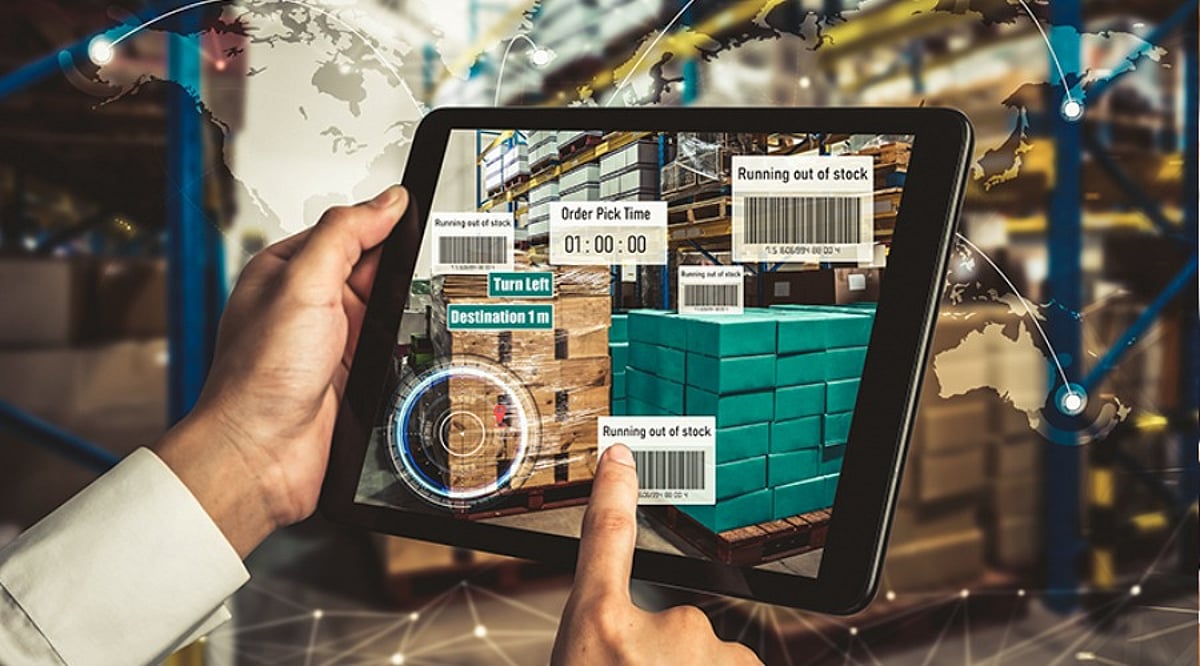
    Manufacturing and logistics are moving toward a more connected, automated, and data-driven model as companies look for ways to improve efficiency, manage supply-chain disruptions, and respond faster to changing demand. Artificial intelligence, robotics, smart warehouses, digital twins, and multimodal transportation are emerging as important areas of investment. In India, growing manufacturing activity is also driving demand for modern industrial and logistics infrastructure. Industry forecasts suggest these trends could become more visible through 2027 and beyond.

    AI Moves from Experiment to Operations

    Artificial intelligence is expected to play a larger role in manufacturing logistics, particularly in planning, procurement, inventory management, and disruption management. The National Institute of Standards and Technology’s 2026 roadmap identifies industrial data analytics, autonomous systems, digital twins, robotics, supply-chain optimization, and sustainable manufacturing as areas where AI and machine learning are enabling advances. AI-powered systems can analyze large volumes of supply-chain information and help companies identify potential disruptions earlier. Emerging agentic AI systems could also support tasks such as finding alternative suppliers and improving production planning.

    Smart Warehouses Gain Ground

    Warehouses are increasingly becoming technology-enabled logistics hubs rather than simple storage facilities. In India, technologies such as Warehouse Management Systems, automated storage and retrieval systems, robotics, RFID, IoT sensors, artificial intelligence, and digital twins are being used to improve inventory accuracy, operational efficiency, and supply-chain visibility. The expansion is also visible in market numbers: ICRA expects warehousing supply across eight primary Indian markets to grow 12–14% year-on-year to 550–570 million square feet in FY2027. Manufacturing and third-party logistics are expected to remain key demand drivers.

    Robotics and Automation Expand

    Automation is expected to move beyond repetitive production tasks and deeper into material movement, sorting, storage, and distribution. Physical AI is another trend manufacturers are developing, including more autonomous robots that can work in unstructured environments. Deloitte’s survey showed that 22% of manufacturers planned to use physical AI in the next two years, up from 9% at the time of the survey. In warehouses, autonomous mobile robots and automated distribution systems may become an integral part of the workforce, helping manufacturers handle increased volumes and improve operational consistency.

    Digital Twins for Real-Time Decision Making

    Digital twins are becoming another key aspect of connected manufacturing. They build virtual replicas of physical devices, processes, or facilities and use real-time data for monitoring, simulation, and decision-making. Industrial digital twins are an important technology in intelligent manufacturing, with multiple applications in predictive analysis and efficient resource management. For logistics functions, digital replicas may help model different scenarios before implementing changes in production, warehousing, or the supply chain network.

    Multimodal Logistics Gets More Attention

    Supply chains are also expected to rely more heavily on combinations of road, rail, air, and sea transportation. India’s National Logistics Policy, PM GatiShakti, and multimodal logistics parks aim to improve connectivity between production centers, warehouses, and consumption markets. The Unified Logistics Interface Platform is also designed to improve visibility across the logistics chain. The shift could become increasingly important as manufacturers seek greater flexibility and resilience amid geopolitical and transportation disruptions.

    Grade A and Automation-Ready Infrastructure

    Modern facilities that can accommodate automation and comply with compliance standards have become highly sought after by manufacturers. Light manufacturing leases in India’s eight biggest cities grew from 3.2 million sq. ft. in 2020 to 22.1 million sq. ft. in 2024, according to JLL data cited by The Economic Times. Leasing activity is estimated to rise to almost 34 million sq. ft. by 2027. JLL estimates India’s total warehouse needs to be about 1.2 billion sq. ft. by 2027, while Grade A warehouse inventory might be close to 400 million sq. ft.

    Sustainability Becomes Logistics Priority

    Companies are increasingly considering sustainability by weighing the environmental impact of manufacturing and delivery. Green logistics initiatives include renewable energy, energy-efficient warehouses, route optimization, and other ways to make transportation more environmentally friendly. India’s logistics and warehousing industry has also become more concerned with sustainability, alongside automation and digitization.

    What 2027 Could Look Like

    The logistics sector for manufacturing will most likely be defined by a combination of artificial intelligence, automation, smart warehousing, digital twins, and multimodal networks. The industry is moving away from adopting technologies separately toward integrating technologies that connect production, inventory, transportation, and supply chain decision-making. The difficulty for manufacturers will be scaling up and managing all of these aspects together.

  • Sony Bravia Theatre Bar 7 Review: A Modular 5.0.2 Soundbar for Cinematic Home Theater

    Sony Bravia Theatre Bar 7 Review: A Modular 5.0.2 Soundbar for Cinematic Home Theater

    Bravia Theatre Bar 7 Review

    Rating: 4.5/5

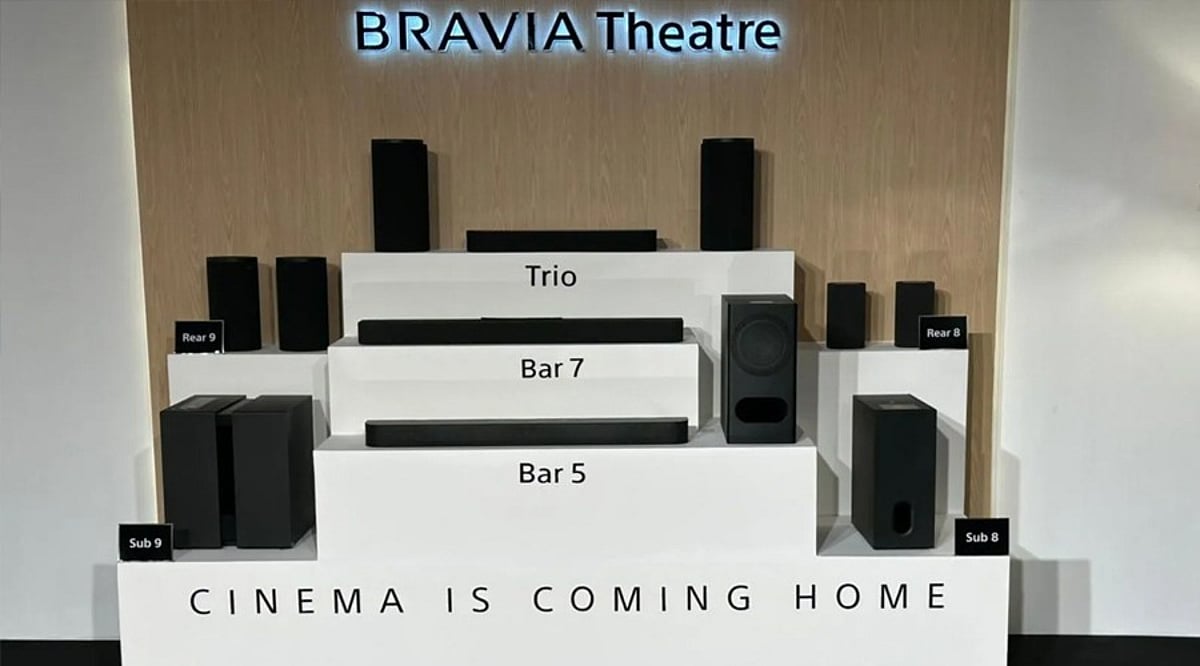
    The Bravia Theatre Bar 7 is a premium soundbar designed for users who want a modular home theater setup without compromising on audio quality. With a 5.0.2 channel configuration and nine speaker units, it delivers spacious, room-filling sound. The bar supports Dolby Atmos, DTS, and Sony’s proprietary 360 Spatial Sound Mapping to create an immersive listening experience.

    One of the standout features is its expandability. The system can be paired with the optional Theatre Sub 8 subwoofer and Theatre Rear 8 speakers to build a complete surround-sound setup. Connectivity is also comprehensive, with HDMI eARC, Bluetooth 6, Wi-Fi, Apple AirPlay, Spotify Connect, and HDMI 2.1 support for gaming.

    General Specifications

    • Channel configuration: 5.0.2
    • Speaker units: 9
    • Audio technologies: Dolby Atmos, DTS, 360 Spatial Sound Mapping
    • Connectivity: HDMI eARC, Bluetooth 6, Wi-Fi, Apple AirPlay, Spotify Connect
    • Gaming: HDMI 2.1 support
    • Optional add-ons: Theatre Sub 8 subwoofer and Theatre Rear 8 speakers

    Pros and Cons

    Pros

    • Cinema-quality sound with clear dialogue
    • Immersive spatial audio with Dolby Atmos
    • Strong gaming features with HDMI 2.1
    • Easy installation and calibration
    • Modular expansion options

    Cons

    • Optional Theatre Sub 8 and Theatre Rear 8 add significantly to the total cost

    Final Verdict

    The Bravia Theatre Bar 7 is an excellent soundbar for anyone seeking cinematic sound, advanced spatial audio, and useful gaming features. Its clear dialogue and straightforward setup make it a compelling choice. However, the full home theater experience depends on optional add-ons that considerably raise the overall price.

  • Solana Under Pressure: Can SOL Maintain Key Support as DeFi Competition Escalates?

    Solana Under Pressure: Can SOL Maintain Key Support as DeFi Competition Escalates?

    Solana (SOL) is testing a critical technical zone as competition across decentralized finance (DeFi) intensifies. The cryptocurrency recently defended the high-USD 90s area, recording a weekly low near USD 98.63 during the week ending September 13 before recovering above USD 100. A sustained break below that region could expose lower support levels.

    Solana DeFi Growth Pauses

    Solana’s DeFi ecosystem expanded strongly in August before momentum cooled. Total value locked (TVL) increased from approximately USD 4.82 billion on August 16 to USD 5.92 billion by August 30. As of September 18, TVL stood at USD 5.914 billion, according to DeFiLlama, almost unchanged for a second consecutive week. This indicates that liquidity remains broadly around the same range despite recent price volatility.

    DEX activity has been more resilient. Seven-day decentralized-exchange volume increased 7.8% to USD 17.3 billion during September 7-13, reversing the previous week’s 11.6% decline. That suggests trading demand remains active even as headline TVL growth slows.

    Competition Is Increasing

    Solana faces growing competition from Ethereum, BNB Chain, Base, Tron and other networks competing for stablecoins, lending, decentralized exchanges and tokenized assets. Stablecoin liquidity remains important. Solana held USD 16.46 billion in stablecoins during the week ending September 13, according to SolDataLab, although supply declined 1% week-on-week. USDT accounted for USD 7.31 billion, while USDC stood at USD 2.54 billion.

    Beyond DeFi, Solana is also attracting tokenized finance. As per RWA.xyz, real-world asset (RWA) value stands at USD 4.30 billion with 606,713 addresses, while xStocks exceeded USD 500 million in assets under management. This broadens competition beyond conventional lending and trading.

    Network Activity Remains Strong

    Underlying network performance continues improving. The Solana Foundation reported on September 14 that the blockchain recently sustained more than 5,000 user transactions per second for the first time. Solana has also reduced target slot times to 300 milliseconds, with 200 milliseconds targeted next. In August, the network processed a record 216 million non-vote transactions in a single day.

    Reliability has improved as well. During an August 12 infrastructure routing failure that knocked nearly 29% of network stake offline, Solana continued producing blocks and processing transactions.

    Final Thoughts

    Solana’s high-USD 90 area remains an important technical zone, but price alone cannot measure ecosystem strength. Stable TVL, strong DEX activity and improving network performance provide support for its DeFi position. However, intensifying competition means sustained liquidity, stablecoin growth and real application usage will matter. A simultaneous decline in SOL price, TVL and trading activity would provide stronger evidence that competitive pressure is becoming structurally significant.

    FAQs

    • What is the key support level for Solana? SOL recently defended the high-USD 90 region, recording a weekly low near USD 98.63 before recovering above USD 100. A sustained move below this area could expose lower technical support levels.
    • How much value is currently locked in Solana DeFi? As of September 18, Solana had approximately USD 5.914 billion in TVL, according to DeFiLlama. TVL has remained relatively stable after expanding strongly during August.
    • Is Solana’s decentralized exchange activity still growing? Recent DEX activity has remained resilient. Seven-day decentralized-exchange volume increased 7.8% to approximately USD 17.3 billion during September 7–13, reversing an 11.6% decline recorded during the previous week.
    • How large is Solana’s real-world asset market? According to RWA.xyz, Solana hosts approximately USD 4.30 billion in real-world assets across 606,713 addresses. Tokenized products such as xStocks are helping expand the network beyond traditional DeFi applications.
    • What could indicate that Solana is losing ground to competitors? A simultaneous deterioration in SOL price, DeFi TVL, stablecoin liquidity and DEX activity would provide stronger evidence of structural competitive pressure. Stable or growing network usage would indicate that ecosystem activity remains resilient despite competition.

    Disclaimer: This article is for informational purposes only and does not constitute investment advice. Cryptocurrency investments are risky; always conduct your own research (DYOR).

  • Google Launches Noto Emoji Site for Searching, Exploring, and Downloading 2D and 3D Emoji Assets

    Google Launches Noto Emoji Site for Searching, Exploring, and Downloading 2D and 3D Emoji Assets

    New Noto Emoji Website

    Google has launched a dedicated Noto Emoji website that provides users with a searchable interface to explore the entire collection. The platform allows users to search for individual emoji and browse available designs. Alongside viewing, users can download both 2D and 3D versions of the open-source emoji in various file formats.

    The site also grants access to the original proposals that helped transform certain concepts into official emoji, offering a behind-the-scenes look at the emoji creation process.

    Noto 3D Brings Emoji into Three Dimensions

    Earlier this year, Google unveiled Noto 3D, a major redesign of its emoji collection. The company reimagined nearly 4,000 emoji with richer expressions, improved accessibility, and a three-dimensional design. While the design process begins with 2D drawings, the Noto 3D collection exists as true 3D models, adding depth and physicality while retaining the expressive character of emoji.

    During development, Google utilized an AI-powered contrast tool that analyzes emoji at the pixel level, identifies areas of low contrast, and suggests solutions to improve visibility, particularly for emoji with darker skin tones displayed in dark mode.

    Noto Emoji Available for Creators

    The open-source approach enables creators to download and work with the emoji assets. Google has confirmed that raw OBJ files for Noto 3D emoji are available to the community. The files can support a range of uses, from immersive VR environments and indie applications to creative projects and memes. The new website serves as a central resource for anyone wanting to explore, download, and work with Google’s Noto Emoji designs.

  • A Complete Guide to Crypto Derivatives: Futures, Options, and Perpetual Contracts

    A Complete Guide to Crypto Derivatives: Futures, Options, and Perpetual Contracts

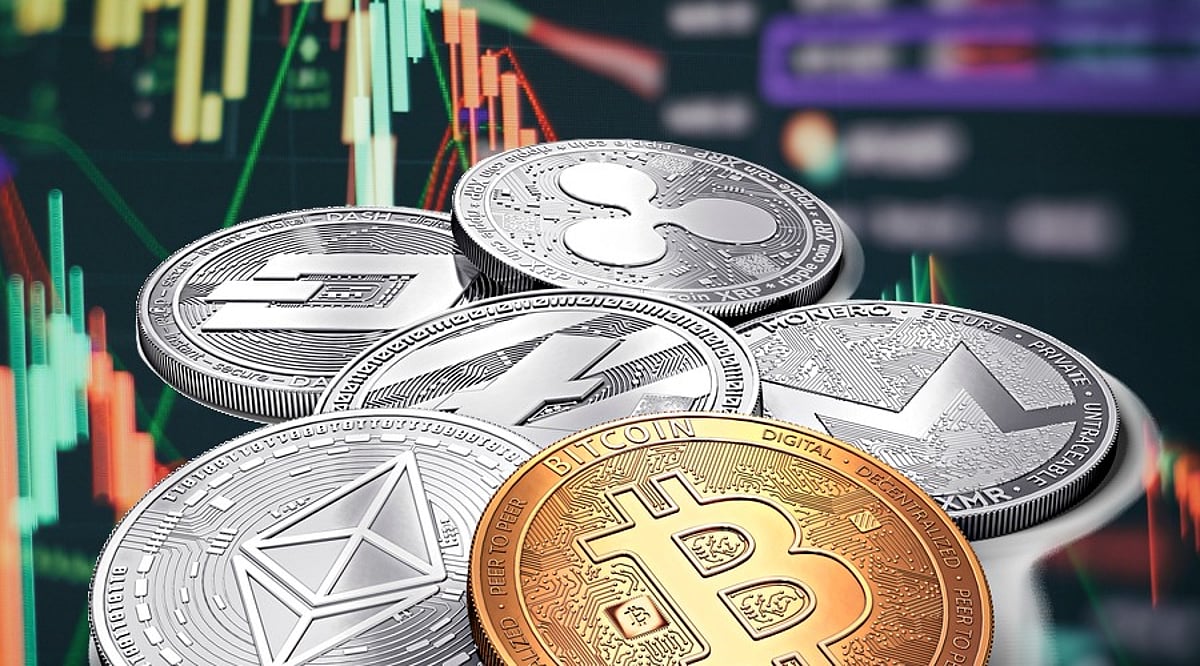
    Crypto derivatives are financial instruments that allow traders to speculate on cryptocurrency prices without owning the underlying assets. They include futures, options, and perpetual contracts, and are traded on both regulated exchanges and decentralized platforms. Unlike spot trading, derivatives derive their value from the price of the underlying cryptocurrency.

    Crypto Futures

    Futures are contracts to buy or sell an asset at an agreed price on a specified future date. For example, a Bitcoin futures contract provides exposure to Bitcoin’s price without requiring the trader to hold BTC directly. They are commonly used for speculation, hedging, and institutional risk management.

    Traditional futures have expiration dates. Traders can close positions before expiry or settle according to the contract’s rules. Regulated venues like the CME have brought crypto derivatives into traditional financial markets, giving institutional participants access through established futures infrastructure.

    Perpetual Contracts

    Perpetual futures, also known as perpetuals or perps, have no fixed expiration date. Instead, exchanges use funding payments to keep perpetual contract prices aligned with underlying spot markets. When perpetual prices trade above spot, long traders may pay funding to short traders; when below spot, the direction can reverse. Funding rates thus provide useful information about market positioning—extremely positive funding indicates aggressive leveraged long exposure, while negative funding suggests stronger short positioning.

    Crypto Options

    Options give the buyer the right, but not the obligation, to buy or sell an underlying asset at a predetermined strike price. Call options benefit from higher prices, while put options provide protection or exposure to declines. Options are useful for hedging, volatility strategies, and structured trades, as losses for an option buyer are generally limited to the premium paid.

    Leverage and Risk

    The defining risk across crypto derivatives is leverage. A trader may control a position substantially larger than deposited collateral, magnifying potential gains but also increasing losses and liquidation risk. Perpetual markets can experience rapid liquidation cascades when prices move sharply against leveraged positions.

    Open interest (the number of outstanding contracts) helps analysts understand market conditions. Funding rates indicate positioning in perpetual markets, and options implied volatility shows expectations about future price movements.

    Why This Matters

    Crypto derivatives increasingly shape price discovery, liquidity, and institutional risk management. In August 2026, the CME reported an average daily volume of 175,000 cryptocurrency derivative contracts, representing USD 7.9 billion notional—highlighting their growing role beyond speculative retail trading.

    Final Thoughts

    Crypto derivatives are becoming more integrated with traditional financial markets as regulated futures and options expand alongside perpetual contracts. Understanding leverage, funding rates, open interest, collateral, and liquidation risk is essential, as derivatives can amplify both market opportunities and losses.

    FAQs

    1. What are crypto derivatives?

    Crypto derivatives are financial contracts whose value is linked to an underlying cryptocurrency such as Bitcoin or Ethereum. They allow traders to gain price exposure, hedge positions, or speculate without necessarily owning the cryptocurrency directly.

    2. What is the difference between crypto futures and perpetual contracts?

    Traditional crypto futures have a predetermined expiration or settlement date, while perpetual contracts have no fixed expiry and use periodic funding payments to keep their prices aligned with the underlying spot market.

    3. How do crypto options work?

    Crypto options give buyers the right, but not the obligation, to buy or sell an underlying asset at a specified strike price. Calls provide upside exposure, while puts can be used for downside exposure or hedging.

    4. Why is leverage risky in crypto derivatives trading?

    Leverage allows traders to control positions larger than their deposited collateral, magnifying both potential gains and losses. Sharp adverse price movements can trigger liquidations, potentially causing traders to lose some or all of the collateral supporting a position.

    5. What do open interest and funding rates indicate?

    Open interest measures the value or number of outstanding derivative contracts, helping indicate market participation. Funding rates apply to perpetual markets and can provide insight into whether leveraged positioning is leaning more heavily toward longs or shorts.

    Disclaimer: This article is for informational purposes only and does not constitute investment advice. Cryptocurrency investments carry risk, and you should conduct your own research before making any investment decisions.

  • Best Gadget Shopping Stores in India: A Guide to Top Electronics Retailers

    Best Gadget Shopping Stores in India: A Guide to Top Electronics Retailers

    Introduction

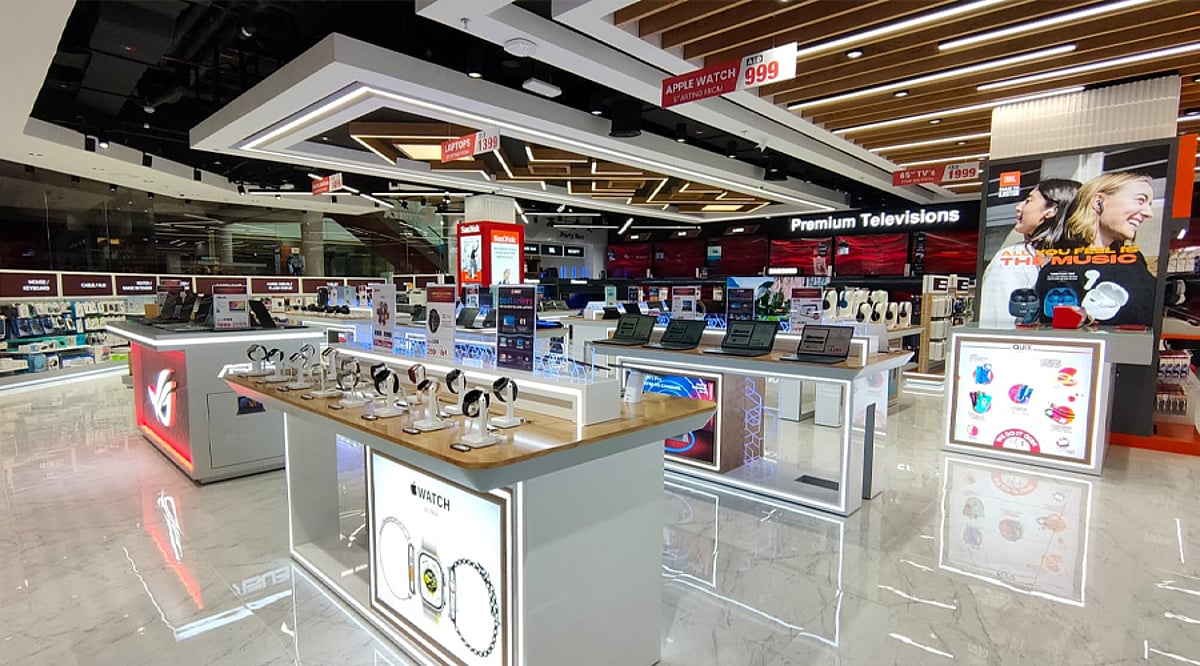
    India offers a diverse range of electronics retailers, from sprawling big-box stores to specialized mobile outlets. Whether you’re looking for the latest smartphone, a powerful laptop, or smart home devices, these stores provide extensive selections and competitive prices. Below is a look at some of the top gadget shopping stores in India.

    Croma

    Croma is a well-known electronics retailer in India, offering a comprehensive range of products including smartphones, laptops, televisions, home appliances, accessories, and gaming gear. With physical stores in numerous cities and a user-friendly online platform, Croma gives customers access to multiple brands and frequent promotional offers, making it a popular choice for gadget purchases.

    Reliance Digital

    Reliance Digital is a leading consumer electronics chain, stocking smartphones, laptops, televisions, cameras, headphones, smart devices, and more. Its widespread retail presence makes it easily accessible across the country, and it offers products from a variety of brands to suit different budgets and preferences.

    Vijay Sales

    Vijay Sales has established a strong foothold in India’s electronics retail sector, particularly in major cities. The store offers a wide array of products including smartphones, laptops, televisions, home appliances, gaming products, and accessories. Its online store complements its physical outlets, and regular discounts and exchange offers make gadget shopping more attractive.

    Sangeetha Mobiles

    Sangeetha Mobiles is a prominent electronics retailer, especially in South India. It specializes in smartphones, tablets, laptops, accessories, and other consumer electronics. The retailer frequently runs promotional offers and exchange deals, giving shoppers additional value when comparing prices across different brands.

    Poorvika Mobiles

    Poorvika Mobiles is another major electronics retailer, particularly popular in southern Indian markets. Its product range includes smartphones, laptops, tablets, smartwatches, headphones, and accessories. The company operates physical stores alongside an online platform, allowing customers to compare devices and explore different brands before making a purchase.

    Lot Mobiles

    Lot Mobiles has a strong retail presence in several parts of India and focuses primarily on smartphones and related electronics. Customers can explore devices from leading brands along with accessories and other gadgets. Its physical stores provide an option for shoppers who prefer hands-on product inspection before buying.

    Amazon India

    Amazon India is a major online destination for gadget shopping, offering a vast selection of smartphones, laptops, gaming accessories, smartwatches, headphones, cameras, and other electronics. The platform’s large inventory allows shoppers to compare brands, specifications, ratings, and prices easily. Major sale events like the Great Indian Festival bring attractive discounts across a wide range of electronic products.

    Conclusion

    Whether you prefer the hands-on experience of a physical store or the convenience of online shopping, India’s gadget retail landscape has something for everyone. From the extensive showrooms of Croma and Reliance Digital to the specialized mobile outlets like Sangeetha and Poorvika, and the e-commerce giant Amazon, shoppers have access to a wealth of options and deals.