Tag: 2026

  • Oracle Layoffs 2026: Thousands of Indian Employees Hit by 6 AM Termination Emails as AI Strategy Reshapes Workforce

    Oracle Layoffs 2026: Thousands of Indian Employees Hit by 6 AM Termination Emails as AI Strategy Reshapes Workforce

    Oracle has launched a new wave of layoffs affecting its global workforce, with Indian employees in Bengaluru and Hyderabad receiving termination notices at around 6 AM local time. The cuts, which began in the United States on September 14 and expanded to India the following day, are part of a broader organizational shift toward artificial intelligence and cloud infrastructure.

    Industry estimates suggest that between 1,000 and 3,000 Indian staff members, primarily in product engineering teams, may lose their jobs. Oracle has not confirmed the exact figures, but the restructuring comes on top of earlier reductions in 2026 that already trimmed the global workforce by approximately 21,000 employees.

    Employees reported losing access to company systems—including email, voicemail, and internal files—before receiving formal termination emails. The messages, reportedly signed by Oracle Leadership, stated simply: “Today is your last working day.” Affected staff were then instructed to provide personal email addresses to receive separation documents and severance details.

    The severance package for U.S. employees reportedly includes four weeks of base salary plus an additional week for each completed year of service. Indian packages vary, with employees discussing different settlement terms on internal forums and social media.

    The layoffs have been particularly jarring for long-tenured staff. LinkedIn posts highlighted employees with 12 years and even 33 years of service among those affected. One widely shared post from Pooja Sahu described her husband Sourabh losing his Oracle role after 12 years.

    Oracle recorded roughly 141,000 employees at the end of fiscal 2026, down about 13% from earlier in the year. The company also reported approximately $1.8 billion in restructuring expenses for fiscal 2026. In September, Oracle raised its estimated total restructuring costs by $700 million to around $2.8 billion, covering severance and exit costs.

    The increased spending reflects Oracle’s heavy investment in AI data centers and cloud infrastructure. The company maintained a capital expenditure forecast of $90 billion to $95 billion for fiscal 2027, with quarterly capex reported at $28.5 billion. The latest layoffs are thus directly tied to Oracle’s strategic pivot away from traditional product engineering and toward AI-focused infrastructure.

  • From Page to Screen: The Book Adaptations That Dominated Global Streaming in 2026

    From Page to Screen: The Book Adaptations That Dominated Global Streaming in 2026

    Streaming platforms have turned publishing houses into their most reliable talent scouts. A gripping novel, once confined to bookstores, now routinely becomes the blueprint for a worldwide television phenomenon. This shift is not a passing trend. Netflix confirmed that book-based titles generated more than 9 billion global views in 2025, accounting for nearly 20% of all hours watched on the platform.

    That figure explains why studios keep signing literary properties before a book deal even settles. Executives have realized that a novel with an existing fan base reduces financial risk while guaranteeing curiosity from day one. The following series turned this strategy into measurable, record-breaking success across continents.

    Bridgerton Rewrote the Rules of Period Romance

    Julia Quinn’s eight-book Regency series gave Netflix its most durable franchise. Season one alone was viewed for 625 million hours within its first month, a number that outpaced most scripted originals released that year. Season 4 crossed 889 million hours watched during the first half of 2026. The series has covered only four of eight source novels, leaving room for future seasons. A prequel spin-off, Queen Charlotte, extended the franchise beyond the original timeline. Each season adapts a different sibling’s love story, letting new viewers enter without prior context. This episodic book structure fits a season-by-season release model far better than most original scripts manage.

    His and Hers Proved Thrillers Travel Fast

    Alice Feeney’s psychological thriller, published in 2020, became a Netflix limited series in January 2026. It overtook Bridgerton to become the platform’s most-watched release of the first half of 2026, with 104 million views and 454.3 million hours watched. A five-year-old novel becoming a chart-topping series shows platforms are no longer limited to recent bestsellers when scouting material.

    Sacred Games Carried Indian Storytelling to a Global Stage

    Vikram Chandra’s 900-page crime novel became Netflix’s first original series produced in India, premiering in July 2018. Directed by Anurag Kashyap and Vikramaditya Motwane, the Hindi-English thriller earned an International Emmy nomination and a spot on The New York Times list of the decade’s best international shows. Netflix called it proof that authentically local stories carry genuine global appeal, a template later repeated across South Korea, Spain, and Turkey.

    Emily Henry’s Vacation Novel Reversed the Usual Order

    Most adaptations ride a book’s existing popularity, but some reverse the traffic entirely. After the release of People We Meet on Vacation, Spotify recorded a 515% jump in audiobook listens and an 800% rise in global saves. Sales across formats rose 97% within two weeks, and the novel returned to The New York Times bestseller list twice in a month. A book with nearly 3 million copies already in print found an entirely new readership through screen exposure.

    The Broader Publishing Ripple Effect

    Streaming success is now reshaping book sales industry-wide. Vladimir’s 2026 sales already surpassed total 2025 sales by 130% within the first quarter. Netflix kept a book adaptation in its global top 10 English TV list every week for the first thirteen weeks of 2026. Adaptations held the number one spot on that list for eight of those thirteen weeks. The 2026 slate drew source material from fourteen different countries. Publishers now treat streaming deals as marketing events rather than one-time licensing transactions. Backlist teams coordinate reprints and audiobook promotions directly around premiere dates, a level of planning that barely existed a decade ago.

    Fantasy and Crime Genres Remain Dependable Performers

    Genre fiction continues to anchor the biggest global numbers. HBO’s Game of Thrones prequel averaged close to 26 million global viewers per episode, built on George R.R. Martin’s expanded universe. The Witcher‘s first season, adapted from Andrzej Sapkowski’s novels, gathered 541 million hours watched within its debut month, among the highest totals Netflix has ever recorded for an original season. Fantasy and crime novels arrive with dense, pre-built mythologies and loyal readerships that translate directly into day-one viewership, reducing the marketing effort typically required for original concepts.

    Final Words

    The connection between publishing and streaming has moved past simple licensing agreements into something closer to a shared economy. Every major platform now treats a strong literary catalog as a direct pipeline to subscriber growth, and the numbers from 2026 confirm that this strategy delivers consistent returns. Authors are seeing their backlists revived, their audiobooks rediscovered, and their names introduced to audiences who may never have picked up the original edition. What began as a cautious experiment with a handful of prestige dramas has become the default strategy for platforms competing in a saturated global market. As streaming services chase audiences in newer regions, literary adaptations offer a shortcut past the usual guesswork of greenlighting original scripts. The books that shaped decades of reading habits are now shaping the next decade of screen habits, and neither industry shows signs of slowing that exchange down.

  • 2026 Neckband Earphones Buying Guide: Key Features Every Shopper Should Know

    2026 Neckband Earphones Buying Guide: Key Features Every Shopper Should Know

    Overview

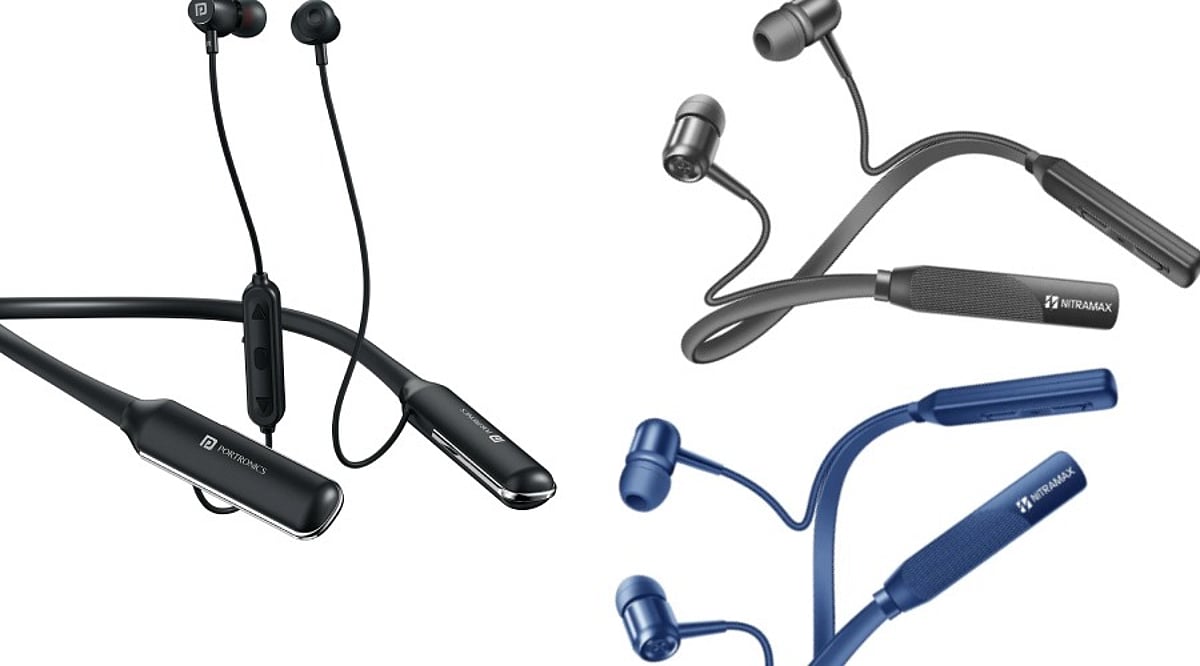
    Neckband earphones remain a practical alternative to true wireless earbuds, combining wireless convenience with a secure, connected design. The battery module rests around your neck, making the earphones harder to misplace. Modern neckbands now offer features once limited to expensive headphones, including active noise cancellation (ANC), fast charging, and multipoint connectivity. However, specifications can be confusing, so here are the key features to evaluate before buying.

    Battery Life and Fast Charging

    Battery life is one of the biggest advantages of neckbands. Many current models deliver several dozen hours of playback, and some budget options advertise even longer runtimes. Keep in mind that advertised figures use specific testing conditions; actual runtime varies with volume and feature usage. ANC can significantly reduce battery life, so check the expected runtime with noise cancellation enabled. Fast charging is equally important—a short charging session can provide several hours of playback. USB-C should be a priority for easy charging across modern devices.

    Sound Quality and Driver Size

    A larger driver doesn’t automatically guarantee better sound. Tuning, hardware quality, and software processing also play crucial roles. Look for a sound profile that matches your listening habits: bass-heavy tuning suits electronic music and action content, while balanced tuning works well for podcasts and vocal-heavy music. Some models offer equalizer controls through companion apps. Codec support matters too—higher-end models may support codecs like LDAC, but both phone and earphones must be compatible.

    Active Noise Cancellation vs. Call Quality

    ANC is increasingly common in affordable neckbands, with some models advertising levels up to 45dB or 50dB. However, these numbers don’t directly reflect real-world performance. ANC works best against steady sounds like air conditioners, engines, and background hum. Call noise reduction serves a different purpose—it helps make your voice clearer during calls. If you frequently take calls outdoors, microphone quality is critical. Multiple microphones can improve voice pickup and background-noise handling.

    Comfort, Fit, and Build Quality

    A neckband should feel comfortable after hours of use. Look for a lightweight design, flexible neckband, and ear tips that fit securely without pressure. Magnetic earbuds make storage easier, and some models pause playback when the buds connect magnetically. Durability matters—check for an appropriate water or sweat resistance rating (IP rating) if you plan to use them during workouts.

    Connectivity and Useful Features

    Bluetooth version is important but not the only factor. Newer standards improve efficiency, stability, and supported features. Multipoint connectivity lets compatible earphones connect with two devices simultaneously, simplifying switching between a laptop and smartphone. Some models offer low-latency modes for gaming and video. Companion apps provide additional controls and equalizer settings; verify app compatibility with your operating system. Magnetic controls and dedicated buttons enhance everyday convenience.

    Choosing Based on Your Daily Routine

    The best neckband depends on how you plan to use it:

    • Commuters: Prioritize ANC, comfort, and battery life.
    • Professionals: Focus on microphones and multipoint connectivity.
    • Frequent travelers: Look for longer battery life and fast charging.
    • Fitness users: Emphasize secure fit and sweat resistance.
    • Music listeners: Concentrate on sound quality and codec support.
    • Budget buyers: Avoid paying for rarely used features; a reliable neckband with good battery life often outperforms a feature-heavy model in daily use.

    Also consider warranty and after-sales support. A slightly more expensive model can provide better long-term value. Neckbands remain relevant because they solve everyday problems—they are hard to lose and often last longer between charges. Choose a model that fits your routine, not just the longest specification list.

    FAQs

    What should I look for when buying neckband earphones?

    Start with battery life, comfort, sound quality, microphone performance, and connectivity. ANC is useful for commuters and travelers. Fitness users should check water resistance. Fast charging and USB-C improve everyday convenience. Finally, consider warranty coverage and after-sales support.

    Are neckband earphones still worth buying in 2026?

    Yes. Neckbands remain useful for people who prefer longer battery life and a connected design. They are harder to lose than separate wireless earbuds. Current models offer ANC, multipoint connectivity, fast charging, and improved microphones.

    How much battery life should a neckband have?

    There is no universal requirement. Around 20 to 30 hours is sufficient for moderate users. Frequent travelers may prefer longer runtimes. Some 2026 neckbands advertise 40, 50, or even 100+ hours. Remember that actual battery life varies with volume, ANC, and usage conditions.

    Is ANC important in neckband earphones?

    ANC can be valuable in noisy environments, reducing steady background sounds from transport, offices, and other locations. Effectiveness depends on implementation and fit. Don’t judge performance solely by the advertised decibel figure; real-world reviews provide better context.

    Are neckband earphones good for phone calls?

    They can be, but microphone quality varies considerably. Models with multiple microphones and effective noise reduction provide clearer voice transmission. If you frequently make outdoor calls, look for reviews that test microphones in noisy environments. Specifications alone cannot fully predict call performance.

  • Top Dolby Atmos Laptops for Immersive Audio in 2026: Expert Picks

    Top Dolby Atmos Laptops for Immersive Audio in 2026: Expert Picks

    Immersive audio is becoming a key factor in laptop buying decisions, with premium models integrating advanced speaker systems and Dolby Atmos support. However, a Dolby Atmos label alone doesn’t guarantee superior sound—speaker placement, chamber design, amplification, and tuning all shape the listening experience.

    This guide compares the best Dolby Atmos laptops across different designs, use cases, display qualities, and price ranges, focusing on what actually delivers richer built-in sound.

    How We Selected These Laptops

    Every laptop on this list required manufacturer-confirmed Dolby Atmos support, real multi-speaker hardware, a strong display, and a verifiable India price. Certification alone wasn’t enough—speaker placement, amplifier design, chassis build, and tuning partner all mattered. Movie-focused use received extra weight: speaker placement, low-end capability, display quality, and soundstage width were key. Any model that couldn’t be cross-checked against a live, manufacturer-confirmed spec sheet was excluded. That’s why this list holds four laptops instead of five.

    Comparison Table

    *Prices marked with an asterisk are indicative and depend on configuration, retailer discounts, and availability. Always check the live price on the retailer page before purchase.

    Dell XPS 13 (2026): Best Compact Dolby Atmos Laptop

    XPS 13 comes with Dolby Atmos built in, not as an add-on. It features four speakers, a 13.4-inch screen with up to 120 Hz, and weighs close to 1 kg. Battery life reaches up to 17 hours, lasting through long viewing sessions. It costs less than every other laptop here and still offers a touchscreen.

    Lenovo Yoga 9i 2-in-1 (Gen 10, 14-inch): Best Premium 2-in-1 for Audio

    Lenovo Yoga 9i has strong speakers: woofers on the sides and tweeters near the hinge. Bowers & Wilkins tunes the sound, and a Smart Amplifier powers it. Music sounds fuller and wider than on most thin laptops. Note that Lenovo now sells a newer Gen 11 model with different specs, so check which generation you’re buying.

    ASUS Zenbook Duo (2025): Best Dual-Screen Experience

    Zenbook Duo has two 14-inch OLED screens, unlike any other laptop on this list. Harman Kardon speakers sit across its wide body and support Dolby Atmos. That width helps spread the sound. It suits anyone who wants two screens and good audio together.

    Samsung Galaxy Book5 Pro (2025): Best Battery and Audio Balance

    Galaxy Book5 Pro has four speakers split between woofers and tweeters, tuned for Dolby Atmos. It also has a 14-inch AMOLED screen at 120Hz. Battery life reaches 25 hours, the best on this list. Samsung phone owners get extra perks like Quick Share and using their phone as a webcam.

    Final Thoughts

    Dolby Atmos on a laptop works best as a starting point rather than a promise. What actually shapes the listening experience is the hardware behind the badge: speaker count, placement, amplifier design, and the tuning partner. The Dell XPS 13 leads on portability, the Yoga 9i on premium 2-in-1 audio, the Zenbook Duo on its dual-screen format, and the Galaxy Book5 Pro on the balance of battery and sound. Before assuming two laptops with the same Dolby Atmos label will sound alike, check what sits behind that label.

    FAQs

    1. Are laptops with Dolby Atmos good for watching movies? Yes. Laptops with Dolby Atmos can deliver a wider and more immersive soundstage than basic stereo laptop speakers. The actual experience depends on speaker placement, driver size, amplifier power, and audio tuning.
    2. Does Dolby Atmos mean a laptop has better speakers? Not necessarily. Dolby Atmos is an audio technology, but it does not determine the physical quality of the speakers. A laptop with better speaker hardware and tuning can sound better than another laptop carrying the same Dolby Atmos support.
    3. Which laptop is best for immersive audio in 2026? The best choice depends on the use case. The Dell XPS 13 is a strong compact option, while the Lenovo Yoga 9i is better suited to buyers seeking a premium 2-in-1 with enhanced audio. The Samsung Galaxy Book5 Pro is a strong choice for users who also prioritize battery life.
    4. Can Dolby Atmos laptop speakers replace headphones? For movies, music, video calls, and casual gaming, a good Dolby Atmos laptop can reduce the need for headphones. However, headphones or external speakers remain better when you need stronger bass, higher volume, or more precise positional audio.
    5. What should I check before buying a Dolby Atmos laptop? Look beyond the Dolby Atmos label. Check the number of speakers, their placement, amplifier technology, driver configuration, display quality, and the manufacturer’s audio tuning. These factors have a major effect on the laptop’s real-world sound quality.
  • Ethereum Price Prediction Reaches $3,341 by 2032 as Apeing Presale Accelerates Past 400M Tokens Sold

    Ethereum Price Prediction Reaches $3,341 by 2032 as Apeing Presale Accelerates Past 400M Tokens Sold

    What if the next big crypto story is already unfolding while the market watches Ethereum and Uniswap? That question is putting fresh attention on Apeing, a meme coin project whose presale is already live at $0.0004. With Stage 3 in progress and the next stage priced at $0.0005, the project has entered the spotlight at a time when early-stage crypto is drawing renewed interest.

    Ethereum and Uniswap bring established ecosystems and proven market narratives to the table. Apeing takes a very different path. Its 33-stage presale is built around limited stage allocations, rising prices between stages, community participation, and an upcoming exchange listing. For readers searching for the next big crypto, the contrast is hard to miss: established giants on one side and a live early-entry opportunity on the other.

    Apeing is also adding utility to its meme-driven identity through features such as tiered staking rewards. The combination of culture, community energy, and a structured presale gives $APEING a distinct position among crypto presale opportunities in 2026. With the current stage already moving forward, the chance to access an earlier price may not remain available once the presale advances.

    Apeing as the Next Big Crypto Opportunity

    Apeing is a meme coin brand built around culture, community participation, and utility. Its ecosystem combines meme-driven energy with features such as staking, referrals, and competitive Ape Wars activities. For traders searching for the next big crypto, Apeing is already in motion. Its live presale is progressing through 33 stages, with prices increasing as each stage advances.

    Stage 3, Paper Hand Panic, has a 300 million $APEING allocation and a combined allocation of 650M tokens. The current price is $0.0004, while the next stage is set at $0.0005. The supplied data also records 240 holders and more than $75,000 raised.

    Apeing’s $0.0004 Window Is Already Filling

    The appeal is simple: Stage 3 is live, but its price is temporary. Once the stage advances, the scheduled price moves from $0.0004 to $0.0005. Apeing’s stated listing price is $0.01, giving early buyers a clear benchmark when researching the best crypto presale 2026 opportunities. The project also features tiered staking with advertised rewards of 10%–85%, alongside Ape Referral and Ape Wars.

    A 33-Stage Presale With a Moving Price

    Each Apeing crypto presale stage has a defined allocation and price. That means early participants access an earlier price, while later stages become progressively more expensive. For anyone exploring an early stage crypto project, the current numbers make Stage 3 the key point of focus: $0.0004 now, $0.0005 next.

    What If $APEING Reaches $0.01?

    Purely as a hypothetical example, $2,000 at $0.0004 would buy 5 million $APEING before applicable fees or mechanics. At the stated $0.01 listing price, those tokens would hypothetically be worth $50,000.

    Why Apeing Is on the Early Crypto Radar

    Apeing is an Ethereum ERC-20 token with a fixed maximum supply of 16.75 billion $APEING. Its combination of a live presale, staged pricing, staking, and community mechanics gives it a distinct early-stage profile. For those searching for the next big crypto or a crypto presale 2026, Apeing’s Stage 3 is the current focal point, with $0.0004 available before the scheduled move to $0.0005.

    Ethereum Price Prediction: Established Strength Meets a New Crypto Cycle

    Ethereum remains one of the most established cryptocurrency projects in the market. Its smart contract network supports a huge range of decentralized applications, tokens, and financial protocols. That gives Ethereum a very different market narrative from a young token operating through a presale.

    The supplied Ethereum price prediction data places ETH at $2,617.75 in 2027, $2,748.63 in 2028, $2,886.07 in 2029, $3,030.37 in 2030, $3,181.89 in 2031, and $3,340.98 in 2032. The reference price in the supplied data is $2,493.09. The five-year projection reaches $3,181.89, representing a stated 27.63% increase.

    The short-term Ethereum price prediction data also points toward modest movement. ETH is projected at $2,493.43 on September 10, 2026, $2,495.43 on September 16, and $2,503.11 by October 9. The supplied technical data shows a bearish four-hour signal from the 50-day moving average, while the 200-day moving average is trending upward. RSI remains neutral, with a recent bullish divergence.

    That combination creates an interesting contrast. Ethereum represents an established network with years of development behind it, while Apeing is targeting people looking for an early-stage crypto story. For searches around the next big crypto, the difference between mature market infrastructure and a live token presale becomes especially important.

    Uniswap Price Prediction and the DeFi Market Narrative

    Uniswap has built a major identity around decentralized exchange activity and liquidity. Its UNI token therefore carries a market narrative linked closely to decentralized finance and the wider growth of on-chain trading.

    The supplied Uniswap price prediction places UNI at $6.94 in 2027, $7.29 in 2028, $7.65 in 2029, $8.03 in 2030, $8.43 in 2031, and $8.86 in 2032. UNI is listed at $6.61 in the supplied reference data, while the five-year projection reaches $8.43, also representing a stated 27.63% increase.

    The shorter-term Uniswap price prediction places UNI around $6.61 on September 10 and September 16, 2026, before potentially reaching $6.63 by October 9. Technical signals are mixed. The four-hour 50-day moving average is trending downward, while the 200-day moving average has risen since September 4. RSI remains neutral, while a recent bullish divergence suggests changing momentum.

    The Uniswap price prediction story is therefore tied to an established DeFi ecosystem. Apeing takes a different route. Instead of competing with Ethereum or Uniswap on maturity, the project is positioning itself around culture, community participation, utility, and a live presale. That difference is central to the next big crypto search trend.

    Conclusion

    Based on the latest research and market trends, Ethereum and Uniswap continue to represent established parts of the cryptocurrency landscape, while Apeing is creating a separate early-stage narrative through its live presale. The current $0.0004 Stage 3 price, scheduled $0.0005 next stage, 33-stage structure, staking rewards, and planned $0.01 listing price give the project a distinct position among emerging tokens.

    For readers searching for the next big crypto, Apeing is one project worth watching as its presale progresses. The live Apeing presale can be explored through the official website, while official channels provide the latest stage and pricing information. For anyone hunting for the next big crypto, the current stage represents a live point in the project’s evolving story rather than a future launch waiting to begin.

    Disclaimer: This article is provided for informational purposes and does not constitute investment advice. You are responsible for conducting your own research (DYOR) before making any investments. Cryptocurrencies are highly volatile and may result in total loss of capital.


  • Step-by-Step Guide to Setting Up a Binance Account in India: KYC, Deposits, and Crypto Buying Tips for 2026

    Step-by-Step Guide to Setting Up a Binance Account in India: KYC, Deposits, and Crypto Buying Tips for 2026

    Binance remains accessible to eligible Indian users in 2026 after registering as a reporting entity with the Financial Intelligence Unit–India. Opening an account is straightforward, but users must understand identity verification, funding methods, and Indian tax requirements before buying cryptocurrency.

    FIU registration places Binance under applicable anti-money-laundering reporting obligations. It should not be confused with an RBI banking licence or a guarantee that every Binance product is available in India.

    Step 1: Create a Binance Account

    It is better for users to visit the official Binance website or app instead of downloading the program via links received on social media. Usually, to register, users have to provide their email address or mobile number to be verified. Enabling two-factor authentication before adding funds and setting limitations on withdrawals will make it less likely for the account to be hacked.

    Step 2: Complete KYC

    Identity verification is required before accessing core exchange services. Binance’s India verification process includes PAN information alongside an accepted identity document, residence information, and facial or liveness verification. Existing customers can also be asked to complete re-verification when requirements change. Users should enter information exactly as it appears on official documents, as inconsistent details can delay verification.

    Step 3: Choose a Funding Method

    Funding options depend on what Binance displays for the verified account. Binance supports direct crypto deposits, card purchases, available fiat payment methods, and peer-to-peer trading in various markets. Indian users may also encounter Binance P2P, where buyers pay a verified counterparty using the payment method listed in the advertisement while Binance holds the cryptocurrency in escrow. P2P is different from depositing INR directly into a Binance bank account. Users should check the funding options currently shown inside their own account before transferring money.

    Step 4: Buy Cryptocurrency

    Once funded, users can choose the desired cryptocurrency and enter an order. A market order executes against available liquidity, while a limit order lets the trader specify the maximum buying price or minimum selling price. Binance currently lists its regular spot fee at 0.10% for both makers and takers. Paying eligible fees with BNB can reduce the listed rate by 25% to 0.075%.

    Step 5: Withdraw Carefully

    For crypto withdrawals, users must choose both the destination address and the blockchain network. Binance warns that sending funds through an incompatible network can lead to permanent loss. A small test transfer can be useful before moving a large amount.

    Why This Matters

    Opening an exchange account is only the first step. Indian users also need to account for KYC, applicable taxes, trading fees, and custody risk. Before buying, confirm the final transaction cost and network. For long-term holdings, investors should also decide whether exchange custody or a self-custody wallet better matches their security requirements.

    Final Thoughts

    Creating a Binance account in India is relatively straightforward, but users should understand KYC, funding methods, taxes, and trading fees before depositing funds. Security also matters, especially when withdrawing crypto, where users must carefully verify the wallet address and blockchain network.

    FAQs

    1. Is Binance available in India in 2026? Yes. Binance is accessible to eligible Indian users and is registered as a reporting entity with the Financial Intelligence Unit–India.

    2. What documents are needed for Binance KYC in India? Binance’s verification process can include PAN details, an accepted identity document, residential information, and facial or liveness verification.

    3. How can Indian users fund a Binance account? Funding options may include crypto deposits, cards, available fiat routes, and Binance P2P. Users should check the methods currently available in their verified account.

    4. What are Binance’s spot trading fees? Binance lists a regular spot trading fee of 0.10% for makers and takers. Eligible users paying fees with BNB can reduce the rate to 0.075%.

    5. What should users check before withdrawing crypto from Binance? Users should verify the wallet address, cryptocurrency, and blockchain network before confirming a withdrawal. Sending funds through an incompatible network can result in permanent loss.

  • Top Tech Companies by Revenue for 2026: Amazon Tops $742B, NVIDIA Surges on AI

    Top Tech Companies by Revenue for 2026: Amazon Tops $742B, NVIDIA Surges on AI

    Amazon leads the 2026 ranking of the world’s largest technology companies by trailing-12-month (TTM) revenue with $742.77 billion, followed by Apple and Alphabet. The list highlights how artificial intelligence, cloud computing, e-commerce, and semiconductors drive massive scale. NVIDIA’s exceptional rise underscores AI’s commercial impact, while Chinese giants JD.com and Alibaba hold strong positions.

    Key Takeaways

    • Amazon tops the 2026 ranking with $742.77 billion in TTM revenue.
    • AI is reshaping tech: NVIDIA’s surge highlights the growing commercial impact of artificial intelligence and data-center demand.
    • Diverse markets drive scale: Retail, cloud, advertising, semiconductors, e-commerce, software, and consumer electronics power the world’s largest technology companies.

    Amazon

    Amazon ranks first with TTM revenue of $742.77 billion. Its business covers online retail, cloud services, ads, devices, and digital products. Fortune also placed Amazon at No. 1 in its 2026 Global 500, with $716.9 billion in fiscal-year 2025 revenue. That reach gives the company unusual scale across several major technology markets.

    Apple

    Apple ranks second with $451.44 billion in TTM revenue. The iPhone remains a central part of its business, while Mac, iPad, services, and other devices add more sales. Fortune placed Apple at No. 6 on the 2026 Global 500, with $416.2 billion in fiscal-year 2025 revenue.

    Alphabet

    Alphabet ranks third with $422.49 billion in TTM revenue. Google Search remains a major source of sales, while YouTube, cloud services, and other digital products add more value. Alphabet also has a major role in artificial intelligence through its products and research. Fortune placed Alphabet at No. 8, with $402.8 billion in fiscal-year 2025 revenue.

    Microsoft

    Microsoft ranks fourth with $318.27 billion in TTM revenue. Its business covers software, cloud services, enterprise tools, games, and artificial intelligence products. Azure produced $101.9 billion in revenue for the fiscal year ended June 2026. Microsoft also reported $281.7 billion in latest fiscal-year revenue. Cloud and AI now hold a major place in its business.

    Samsung Electronics

    Samsung Electronics ranks fifth with $270.94 billion in TTM revenue. Its product range covers smartphones, televisions, home appliances, displays, and semiconductors. This mix gives Samsung several major sources of sales. Fortune placed Samsung Electronics at No. 26 on its 2026 Global 500, with $234.7 billion in fiscal-year 2025 revenue.

    Foxconn

    Foxconn ranks sixth with $261.93 billion in TTM revenue. The company follows a different model from Apple or Microsoft. Foxconn serves as a major electronics manufacturer and supports global brands across the hardware supply chain.

    NVIDIA

    NVIDIA ranks seventh with $253.49 billion in TTM revenue. The company has seen an exceptional rise in sales from artificial intelligence hardware. Its graphics processors and data-center products support large AI systems. Fortune reported $215.9 billion in fiscal-year 2025 revenue, with a 65.5% rise. NVIDIA now holds a much larger place in the semiconductor market.

    Meta Platforms

    Meta Platforms ranks eighth with $214.96 billion in TTM revenue. The company owns Facebook, Instagram, and WhatsApp. Digital ads provide most of its revenue, while artificial intelligence and virtual reality shape its product strategy.

    JD.com

    JD.com ranks ninth with $187.94 billion in TTM revenue. The Chinese company has a major position in online retail and related digital services. Its scale places it ahead of many well-known US and European technology firms.

    Alibaba

    Alibaba ranks tenth with $145.39 billion in TTM revenue. Its business covers e-commerce, cloud services, digital platforms, and other internet products. Alibaba remains one of China’s most important technology companies.

    What the 2026 Data Shows

    The top ten list shows several major sources of technology revenue. Amazon leads with a huge retail and cloud base, while Apple and Alphabet stay above $400 billion. Microsoft sits above $300 billion, while Samsung Electronics and Foxconn each exceed $260 billion. NVIDIA now exceeds $250 billion, while Meta Platforms, JD.com, and Alibaba each exceed $100 billion.

    TTM revenue offers the most current view, while Fortune’s 2026 Global 500 uses fiscal-year 2025 revenue. The two measures should remain separate in a direct comparison. The data also shows how artificial intelligence, cloud services, semiconductors, e-commerce, and consumer devices contribute to the scale of the world’s largest technology companies.

    FAQs

    Which is the largest technology company by revenue in 2026?

    Amazon ranks first, with $742.77 billion in trailing-12-month (TTM) revenue.

    Which technology companies have more than $400 billion in TTM revenue?

    Amazon, Apple, and Alphabet all exceed $400 billion in TTM revenue.

    Why has NVIDIA’s revenue grown so rapidly?

    NVIDIA has benefited from exceptional demand for AI-focused GPUs, data-center hardware, and infrastructure supporting large-scale artificial intelligence systems.

    What is TTM revenue?

    TTM, or trailing-12-month revenue, measures a company’s revenue over its most recent 12-month period, providing a more current view than an older fiscal year.

    Is TTM revenue directly comparable with Fortune’s Global 500 figures?

    Not exactly. TTM figures reflect the latest 12 months, while Fortune’s 2026 Global 500 ranking uses fiscal-year 2025 revenue, so the measures should be kept separate.

  • Top 5 Budget-Friendly Electric Cars to Watch in 2026

    Top 5 Budget-Friendly Electric Cars to Watch in 2026

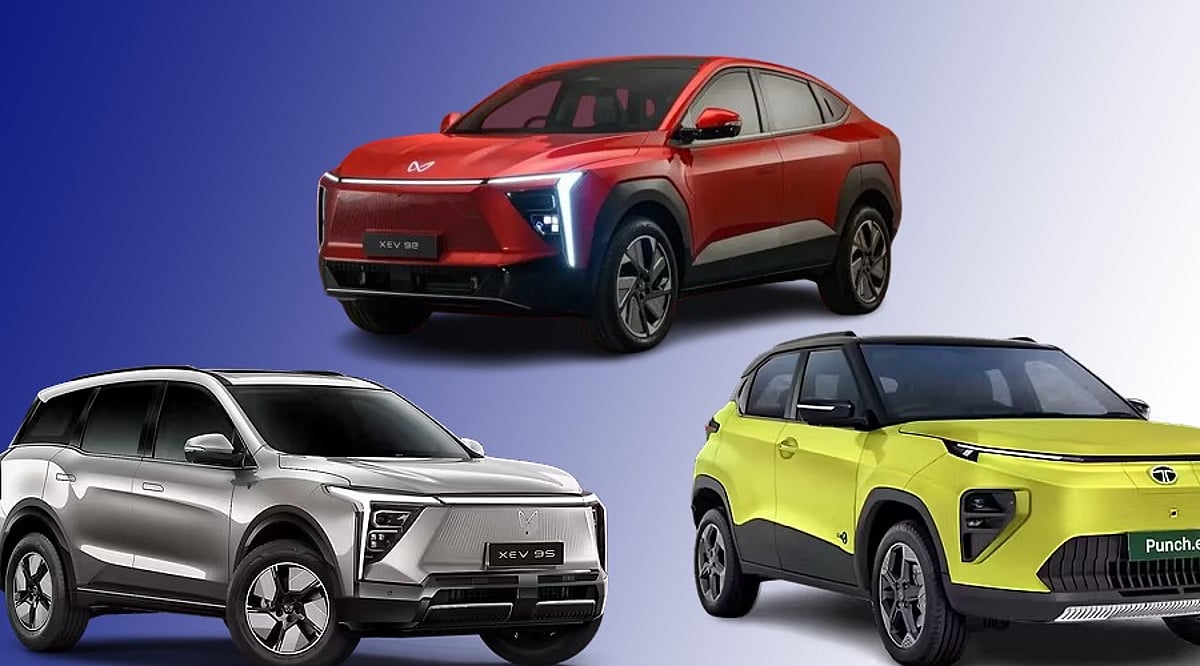
    Electric cars are becoming more accessible, with several affordable models now targeting everyday drivers. These vehicles prioritize practical range, simple interiors, and low running costs. However, the cheapest sticker price doesn’t always mean the best value—buyers should consider range, charging speed, safety, and equipment. Here are five affordable electric cars worth considering in 2026.

    Dacia Spring

    Dacia Spring remains one of Europe’s most affordable electric cars. Its compact size is ideal for urban driving, and its small battery and modest motor keep costs down while improving efficiency around town. The cabin is basic but offers essentials for city commuters. It’s a great choice for short daily trips where luxury isn’t a priority.

    BYD Dolphin Surf

    BYD Dolphin Surf (known as the Seagull in some markets) brings affordable electric driving to a wider audience. This small hatchback combines a compact body with modern electric technology and a more sophisticated interior than many budget EVs. Battery options provide varying ranges, allowing buyers to balance cost and driving distance. BYD’s strong reputation in battery tech gives the Dolphin Surf an edge in this segment.

    Citroën ë-C3

    Citroën ë-C3 offers familiar hatchback practicality with electric power. Its design feels like a conventional car, making the transition to electric easier. It provides enough space for everyday family use, and its comfortable suspension is a major selling point. Range varies by battery and market configuration, with the longer-range version suitable for occasional highway trips.

    Leapmotor T03

    Leapmotor T03 is a tiny, city-focused electric hatchback that excels in tight spaces. Its compact dimensions make parking and navigating busy streets a breeze, while packing more technology than its size suggests. Pricing is highly competitive in markets where Leapmotor operates, but buyers should verify local service support before purchasing.

    Hyundai Inster

    Hyundai Inster sits slightly above the cheapest EVs but offers a more complete package. Its compact dimensions hide a surprisingly flexible interior, configurable for various passenger and cargo needs. The Inster provides useful driving range and supports faster charging than many budget rivals. Hyundai’s established dealer network adds long-term ownership confidence.

    What Budget EV Buyers Should Check

    The purchase price is only part of the equation. Consider insurance, charging, servicing, and battery coverage. Home charging can significantly reduce running costs, while public charging may be more expensive. Battery warranties, local service availability, and government incentives also affect the final expense. Range figures should be evaluated based on driving conditions—cold weather, highway speeds, and heavy A/C can reduce range.

    Bottom Line

    Affordable EVs are becoming more competitive, with choices ranging from the super-budget Dacia Spring to the more rounded Hyundai Inster. Prices and availability vary by country, but these models show that electric mobility is increasingly within reach for everyday drivers.

  • eSIM vs Physical SIM: Which Smartphone Option Wins in 2026?

    eSIM vs Physical SIM: Which Smartphone Option Wins in 2026?

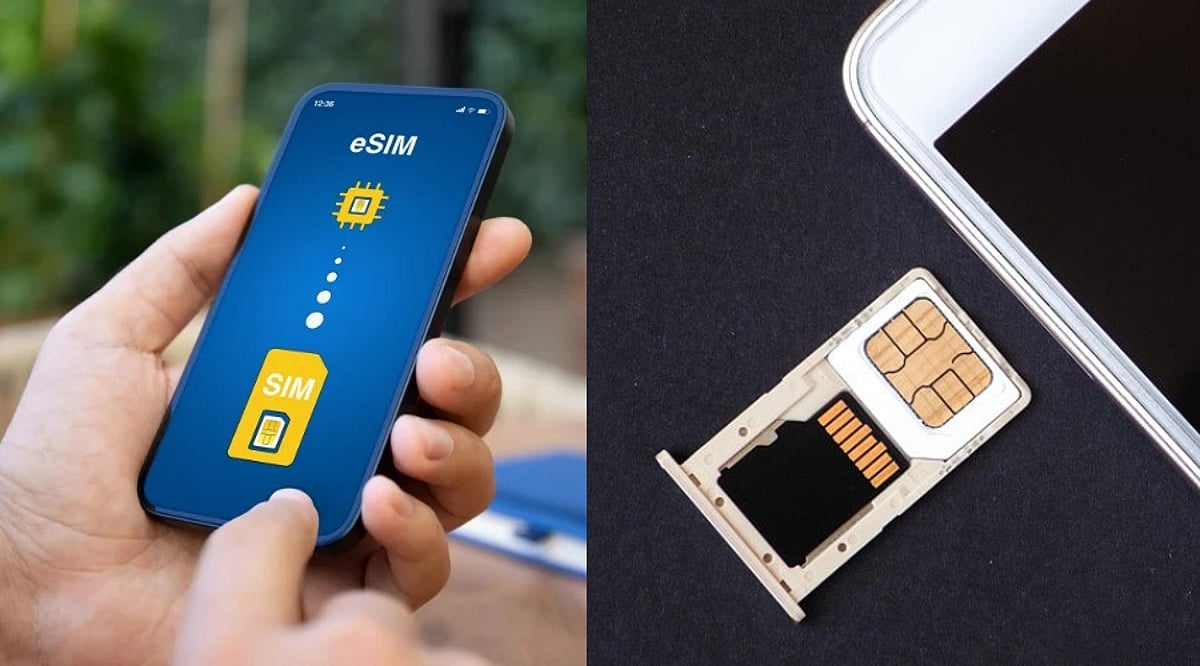
    Smartphones no longer require a small plastic card for mobile service. An eSIM stores a mobile plan directly inside the phone, while a physical SIM remains a removable card. Both options provide calls, messages, mobile data, and 5G access. The real difference lies in travel convenience, phone changes, security, carrier support, and recovery after device failure.

    For most modern flagship phones, eSIM offers the more flexible choice. A physical SIM still has a clear advantage for quick phone changes and broader device compatibility. A phone that supports both options provides the strongest mix of convenience and backup.

    Key Takeaways

    • eSIM wins on convenience: Ideal for travelers, multiple numbers, and digital activation.
    • Physical SIM wins on flexibility: Easy to move between compatible phones, especially during emergencies.
    • Dual-SIM is the best of both: Combines eSIM convenience with physical SIM backup.

    eSIM Makes Travel and Multiple Numbers Easier

    Travel stands out as a major advantage of eSIM. A travel data plan can be added without visiting a local store for a plastic SIM. Plans can often start before a flight or soon after arrival, simplifying mobile access abroad. Apple states that international eSIM providers offer plans across more than 190 countries and regions. Modern smartphones can also hold several eSIM profiles, keeping a main number active while a second plan handles travel data. For frequent international trips, eSIM offers a clear advantage.

    Multiple numbers also work well with eSIM. A personal number can stay on one line while a work number or travel plan uses another. A compatible phone can manage both lines without two physical cards. Security gives eSIM another useful edge: a thief cannot simply pull an eSIM from a stolen phone and place it in another device. That extra barrier helps preserve cellular access for device recovery. Strong screen locks, account protection, and theft protection remain essential, so eSIM should not serve as the only security measure.

    Physical SIM Still Has One Major Advantage

    A physical SIM remains useful for fast phone changes. A SIM card can be moved from one compatible phone to another within minutes. This matters when a main phone fails, loses power, or needs repair. A spare phone can often take the same card without a carrier visit or new digital activation. An eSIM may require carrier approval, account checks, a QR code, an app, or a transfer process. The exact steps vary by carrier and phone, creating trouble when fast access to a mobile number is critical.

    Physical SIM also offers broader compatibility. Older phones, budget models, and some imported devices may not support eSIM. Regional phone versions can have different SIM setups. A phone bought in one country may not match the SIM configuration of the same model sold elsewhere. Buyers should check the exact phone model and carrier before purchase. eSIM support alone does not confirm support for every carrier feature.

    2026 Phones Make the Choice More Important

    The smartphone market continues moving toward eSIM. Apple already sells eSIM-only iPhone models in some markets, while Android brands add eSIM support to more devices. Huawei also reports eSIM support for its upcoming Mate XT 2. India has reached a mature stage for eSIM use. Apple lists Airtel, Reliance Jio, and Vi as Indian eSIM carriers. Airtel and Jio support eSIM Quick Transfer on compatible iPhones. Carrier steps can still differ, so model and network checks remain important before a SIM conversion.

    One common myth needs clarification: eSIM does not make 5G faster. eSIM and physical SIM deliver the same cellular performance on the same phone and network. Modem quality, antenna design, supported network bands, carrier coverage, network traffic, and the mobile plan have a much greater effect on speed and signal quality.

    For most modern flagship phones, eSIM makes the most sense. Frequent travelers, people with several numbers, and buyers who want simple digital activation can gain more from the technology. A physical SIM remains the safer practical choice for those who often move a number between phones or keep a spare device. The strongest setup in 2026 remains a phone with both options: a physical SIM for the main number and an eSIM for a work line or travel plan. That combination brings eSIM flexibility without losing the quick recovery offered by a removable card.

    The choice depends less on speed and more on convenience, recovery, and carrier support. eSIM represents the direction of modern smartphones, while physical SIM still solves a problem that digital activation cannot always solve as quickly: getting a mobile number onto another phone at short notice.

    Frequently Asked Questions

    1. Is eSIM better than a physical SIM?

    For most modern smartphones, eSIM is more convenient, especially for travel and managing multiple numbers. Physical SIM remains better for quick phone transfers.

    2. Does eSIM provide faster 5G?

    No. eSIM does not inherently make 5G faster. Speed depends mainly on the phone’s modem, network bands, carrier, coverage, and plan.

    3. Can I use eSIM and physical SIM together?

    Yes, on compatible phones. You can use one for your main number and the other for a work, travel, or backup line.

    4. What happens if my eSIM phone breaks?

    Moving your number to another phone may require carrier verification or an eSIM transfer process. A physical SIM can usually be moved directly to a compatible backup phone.

    5. Should I choose eSIM or physical SIM in 2026?

    Choose eSIM for convenience and frequent travel. Choose physical SIM if you regularly switch phones or rely on a spare device. A phone supporting both offers the most flexibility.

  • Apple Products That May Be Discontinued in 2026: iPhone, iPad, MacBook and More

    Apple Products That May Be Discontinued in 2026: iPhone, iPad, MacBook and More

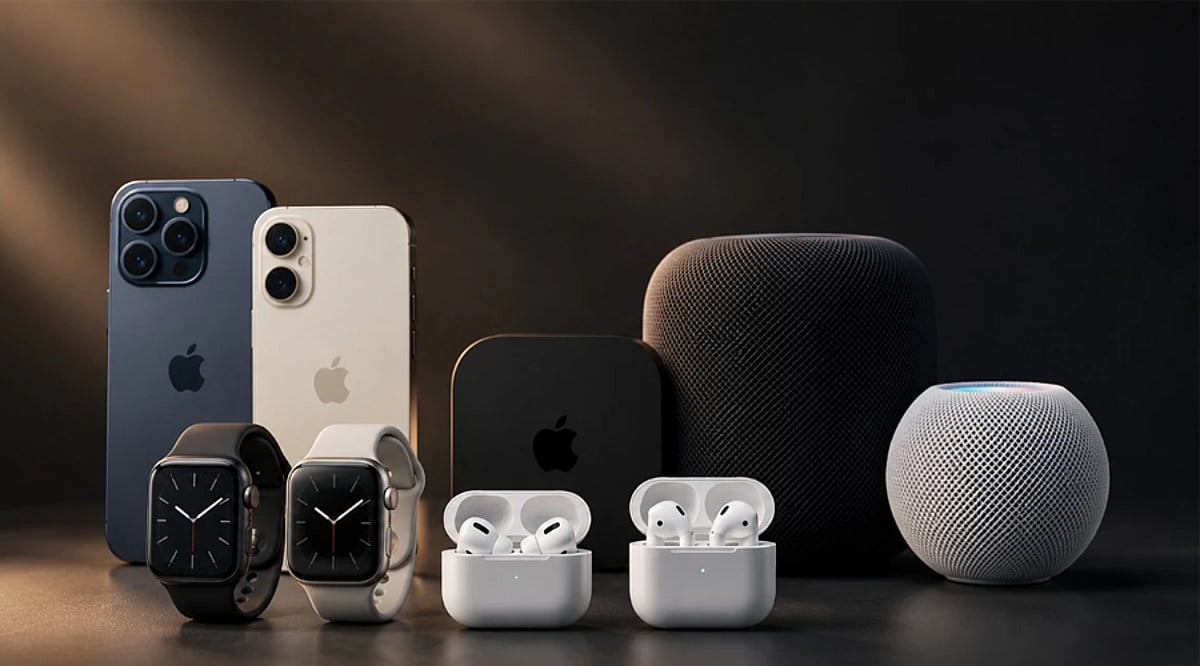
    Apple regularly refreshes its product lineup by replacing older hardware with newer models. As the company prepares for another major product cycle, several existing devices could be pushed aside. Here are Apple products that could potentially disappear from the lineup in 2026.

    Apple Watch Series 11

    The Apple Watch lineup is refreshed regularly, which puts older standard models at risk. If Apple introduces a newer generation, the Series 11 could eventually leave the official lineup. Retailers may continue selling remaining stock even after Apple stops offering it directly.

    Apple Watch SE 3

    The Apple Watch SE range targets buyers seeking a lower-cost entry into Apple’s smartwatch ecosystem. A future SE refresh could replace the existing model. Apple may choose to simplify the range rather than keep multiple generations competing at different prices.

    AirPods Pro 3

    AirPods Pro models usually remain available for some time, but a future upgrade could eventually replace the current generation. Apple could introduce new hardware or features that make the existing Pro model less attractive. Any discontinuation, however, would depend on Apple’s product strategy.

    iPad mini 7

    The iPad mini could face a refresh or repositioning as Apple updates its tablet portfolio. A new generation would likely take over the mini’s position rather than leaving two generations side by side. This makes the current model a possible candidate for retirement.

    MacBook Air M4

    Apple’s MacBook Air lineup moves quickly as new Apple silicon generations arrive. If a newer chip-based Air launches, the M4 generation could eventually disappear from Apple’s direct sales channel. Discounts and third-party availability could continue after its official retirement.

    Apple TV 4K

    The Apple TV 4K has remained in Apple’s lineup for years, making it a possible candidate for a major refresh. If Apple introduces a newer model with faster hardware or additional smart-home capabilities, the existing version could finally be retired.