Tag: artificial intelligence

  • IBM’s Sub-1nm Chip Breakthrough Paves the Way for Next-Generation AI

    IBM’s Sub-1nm Chip Breakthrough Paves the Way for Next-Generation AI

    IBM is pushing the boundaries of chip technology with a groundbreaking processor smaller than 1 nanometer. This achievement could redefine the performance and efficiency of artificial intelligence systems.

    Why Chip Size Matters

    Smaller chips deliver higher performance while consuming less power. For AI, this means faster processing and greater energy efficiency, enabling more complex models to run in real time.

    A Major Leap for AI

    IBM’s advanced chip research is designed to meet the growing demands of generative AI and machine learning workloads. The new architecture promises to handle massive data sets more quickly than existing technologies.

    Faster AI Processing

    By shrinking transistor dimensions below 1 nanometer, IBM has created a chip that can process information at unprecedented speeds. This directly benefits AI models that rely on rapid data analysis.

    Energy Efficiency and Sustainability

    Lower power consumption reduces operational costs and makes AI infrastructure more environmentally sustainable. Data centers, in particular, stand to gain from reduced energy use.

    Impact on Data Centers and Cloud Providers

    Cloud providers can deploy servers that handle AI tasks with far greater efficiency, leading to faster response times and lower overhead. This breakthrough positions IBM as a key player in next-generation computing.

    Beyond Today’s Processors

    The achievement highlights how semiconductor innovation continues to drive the future of computing. While commercial production may take years, IBM’s research points the way toward more powerful AI hardware.

    What It Means for Businesses

    Industries such as healthcare, finance, manufacturing, and research will benefit from faster, more affordable AI-powered applications. The sub-1nm chip could accelerate everything from drug discovery to autonomous systems.

    The road ahead is promising, and IBM’s breakthrough signals a new chapter in AI hardware development.

  • Top 10 AI Books to Boost Your Income in 2026: Expert Recommendations

    Top 10 AI Books to Boost Your Income in 2026: Expert Recommendations

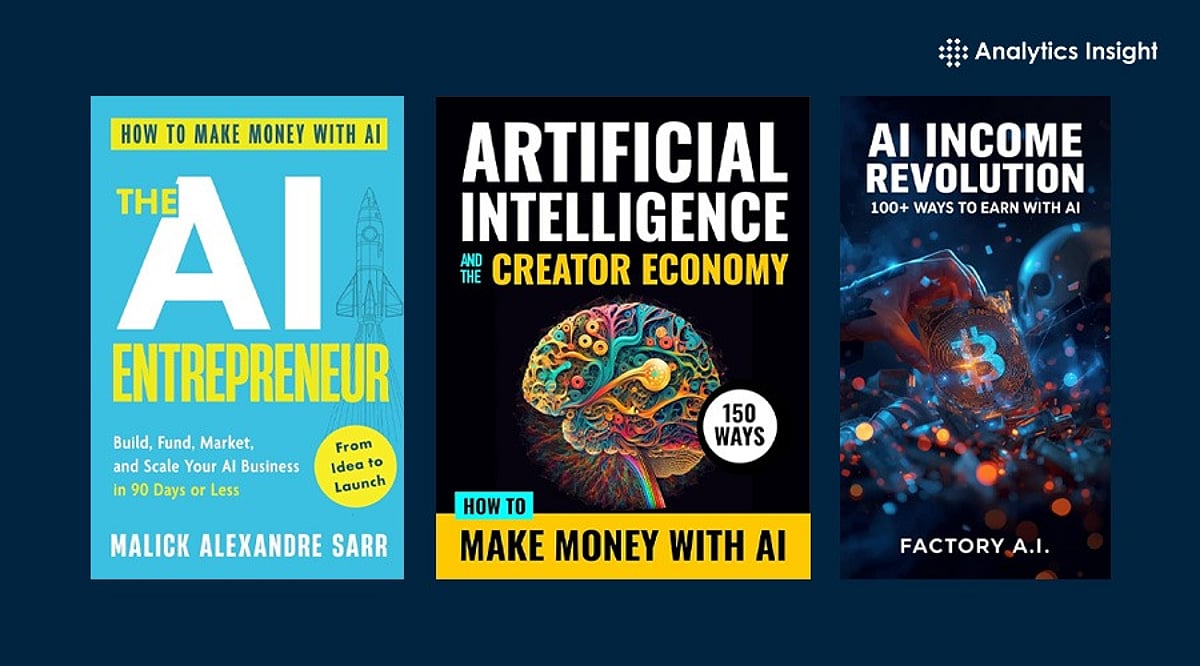
    The world of artificial intelligence has expanded far beyond technologists and large corporations. Today, freelancers, entrepreneurs, marketers, and content creators are leveraging AI to work faster, save time, and increase their earnings. However, simply using AI tools isn’t enough—understanding how they work and how to apply them effectively is crucial.

    Reading well-chosen books remains one of the best ways to build that understanding. Whether you’re a beginner or an experienced professional, the right AI books can sharpen your skills and open new career opportunities. Here are 10 essential AI books that can help you make money in 2026.

    1. Zero to One-Person AI Agency – Abhishek Ashtekar

    This book is ideal for anyone looking to start an AI-powered business. It explains how a single individual can launch and run an AI agency without hiring employees. You’ll learn how to offer AI services, acquire clients, automate workflows, and scale operations. The focus is on practical, actionable advice for turning AI into income.

    Buy Now

    2. The AI Advantage – Thomas H. Davenport

    Davenport explores how organizations are using AI to boost efficiency, cut costs, and make smarter decisions. This book helps professionals and business owners identify where AI can create new opportunities and generate revenue.

    Buy Now

    3. Prediction Machines – Ajay Agrawal, Joshua Gans, Avi Goldfarb

    Written by economics and technology experts, this book explains that AI’s core value lies in its ability to make predictions. It shows how businesses can forecast consumer behavior, market trends, and outcomes—enabling entrepreneurs to discover profitable ventures.

    Buy Now

    4. Architects of Intelligence – Martin Ford

    A collection of interviews with leading AI researchers, this book offers insights into current advances and future developments. While not directly about making money, it helps readers anticipate AI trends that can inform career and investment decisions.

    Buy Now

    5. Machine Learning Yearning – Andrew Ng

    Ng focuses on the practical aspects of building machine learning projects, covering how to plan, refine, and manage AI initiatives. Entrepreneurs and developers will find principles here that help create commercially valuable AI solutions.

    Download Book

    6. Deep Learning – Ian Goodfellow, Yoshua Bengio, Aaron Courville

    This is a comprehensive technical guide to the technology behind modern AI tools. Though advanced, it provides a solid foundation for understanding AI, which can lead to better career opportunities and higher earning potential.

    Buy Now

    7. Superintelligence – Nick Bostrom

    Bostrom examines what might happen when AI surpasses human intelligence. The book discusses risks and benefits, encouraging readers to think about long-term AI trends that could shape business and investment strategies.

    Buy Now

    8. Life 3.0 – Max Tegmark

    Physicist Max Tegmark explores how AI could transform society and the economy. The book presents various future scenarios, helping readers understand upcoming industry changes and identify new job trends and opportunities.

    Buy Now

    9. Human Compatible – Stuart Russell

    As AI becomes more powerful, safety and ethics are critical. This book covers AI safety and its importance, a topic increasingly relevant for companies and governments. Knowledge in this area can lead to careers in AI consultancy and governance.

    Buy Now

    10. You Look Like a Thing, and I Love You – Janelle Shane

    For those who prefer a lighter read, this book explains AI in a fun, accessible way. It covers basic machine learning concepts without technical jargon, making it perfect for beginners.

    Buy Now

    Why Reading AI Books Matters

    The AI industry is growing rapidly, and while videos and online tutorials are helpful, books often provide a deeper, more structured understanding. Reading AI books helps you acquire new skills, stay current with industry trends, and discover innovative ways to leverage AI for profit.

    Final Thoughts

    AI is creating opportunities across nearly every sector. Those who understand AI are better positioned to seize these opportunities. The books listed above offer practical business advice, technical knowledge, and insights into AI’s future. For immediate action, start with Zero to One-Person AI Agency, The AI Advantage, and Prediction Machines. For deeper technical skills, Machine Learning Yearning and Deep Learning are excellent choices. These books will equip you with the skills needed to thrive in the coming years.

    Frequently Asked Questions

    1. Which AI engineering book is best for beginners?

    Beginners can start with Hands-On Large Language Models or AI Engineering: Building Applications with Foundation Models. They explain key concepts and provide hands-on guidance.

    2. Do I need coding experience to read AI engineering books?

    Some books require basic programming knowledge, while others focus on concepts. Familiarity with Python can help you follow examples and implement projects.

    3. Which books are best for learning large language models (LLMs)?

    Hands-On Large Language Models and Build a Large Language Model (From Scratch) are excellent choices, covering how LLMs work, training, and deployment.

    4. Can AI engineering books help me get a job in AI?

    Yes, they build valuable skills in machine learning, deployment, prompt engineering, and AI systems—skills highly sought by employers.

    5. What topics should AI engineers focus on?

    Focus on large language models, prompt engineering, retrieval-augmented generation (RAG), AI agents, MLOps, and deployment—these areas drive the latest AI developments.

  • How AI Is Revolutionizing Web Stories and Digital Content Creation

    How AI Is Revolutionizing Web Stories and Digital Content Creation

    Artificial intelligence is rapidly changing how web stories are created, allowing writers and creators to generate high-quality content in seconds using advanced generative models.

    Modern AI tools can understand prompts and convert them into structured stories, blog posts, scripts, and social media content with impressive accuracy and creativity.

    With AI-powered writing assistance, creators can now focus more on ideas and storytelling while automation handles formatting, grammar, and structure.

    Generative AI models can adapt tone and style based on audience type, making content more engaging for tech readers, students, or general audiences.

    AI is also improving visual storytelling by generating images, thumbnails, and design layouts that match the written content automatically.

    In journalism and blogging, AI helps speed up research by summarizing complex topics and extracting key insights from large datasets.

    Personalized content delivery is becoming more common, where AI recommends stories based on user interests, reading behavior, and engagement patterns.

    However, challenges remain such as misinformation, bias in generated content, and the need for human fact-checking to ensure accuracy.

    Despite limitations, AI is expected to become a core part of digital publishing, enabling faster workflows and more interactive storytelling experiences.

  • AI-Generated Movies: Real Films or Just High-Tech Experiments?

    AI-Generated Movies: Real Films or Just High-Tech Experiments?

    AI-generated movies are moving beyond tech demos, with full-length films and festival entries proving that artificial intelligence can now create surprisingly realistic cinematic visuals. But are these productions real movies or just experiments?

    Most AI films today are hybrid productions, where AI assists with scripts, storyboards, visual effects, and editing while human filmmakers shape the narrative and emotional core. AI excels at generating stunning visuals quickly, but it still struggles with believable characters, emotional depth, and strong storytelling without human guidance.

    Low-budget creators are using AI tools to produce impressive films for just a few thousand dollars, making filmmaking more affordable than ever before. Studios are already integrating AI for dubbing, voice enhancement, digital effects, and background characters, but human actors remain essential for leading roles.

    The future of AI cinema is likely hybrid, combining human creativity with AI-powered production. Fully AI-made blockbuster movies are still largely experimental. The industry is watching closely as technology continues to evolve.

  • Top 9 AI Tools Trending This Week You Should Know About

    Top 9 AI Tools Trending This Week You Should Know About

    The world of artificial intelligence is evolving rapidly, and every week brings new tools that capture the attention of professionals and enthusiasts alike. Here are nine AI tools everyone is talking about this week, spanning productivity, creativity, research, and coding.

    ChatGPT – All-in-One AI Assistant

    ChatGPT helps users write, code, research, analyze documents, generate images, and automate workflows, making it the most versatile AI platform today.

    Google Gemini – AI Across Google Apps

    Gemini integrates with Gmail, Docs, Search, and Android, enabling seamless AI-powered writing, research, coding, planning, and multimodal content understanding across devices.

    Claude – Enterprise AI for Long Documents

    Claude excels at analyzing lengthy documents, summarizing reports, answering complex questions, and supporting enterprise workflows with strong contextual reasoning and safety.

    Perplexity AI – Search with Trusted Sources

    Perplexity AI combines conversational search with web citations, helping users quickly discover accurate information, compare sources, and conduct efficient online research.

    Microsoft Copilot – Workplace Productivity Booster

    Microsoft Copilot enhances productivity by drafting emails, summarizing meetings, creating presentations, analyzing spreadsheets, and automating repetitive tasks across Microsoft 365.

    Runway – AI Video Creation Platform

    Runway enables creators to generate videos, edit footage, remove backgrounds, create visual effects, and produce professional-quality content using advanced generative AI.

    Midjourney – High-Quality AI Image Generator

    Midjourney creates stunning, artistic images from text prompts, helping designers, marketers, and artists rapidly visualize creative ideas and marketing campaigns.

    Cursor – AI-Powered Coding Companion

    Cursor accelerates software development by generating code, explaining functions, fixing bugs, and assisting developers with intelligent programming suggestions inside the editor.

    NotebookLM – AI Research and Knowledge Assistant

    NotebookLM analyzes uploaded documents, PDFs, and notes to deliver contextual answers, summaries, and insights grounded in users’ own trusted source material.

    These tools represent the cutting edge of AI this week. Which one will you try first?

  • 10 Essential AI Books to Build Wealth in 2026

    10 Essential AI Books to Build Wealth in 2026

    Artificial intelligence is reshaping industries, creating new business opportunities, and changing how people invest, work, and build wealth. While AI tools can automate tasks, understanding the technology and its economic impact is what gives individuals a lasting advantage. Whether you’re an entrepreneur, investor, freelancer, or working professional, the right AI book can help you stay ahead. Here are the 10 best AI books to read in 2026 if your goal is to grow your knowledge and your wealth.

    Top 10 AI Books for Building Wealth in 2026

    1. The AI Economy by Roger Bootle

    This book describes the impact of artificial intelligence on markets, companies, and job markets worldwide. Bootle describes the industries that will be most affected by AI and what its wider economic impact will be. The book provides valuable information for investors interested in finding growth areas in AI-powered industries. Beyond market trends, the author explains how AI could affect productivity, inflation, the labor market, and global competitiveness, helping readers determine which industries might gain—and what economic challenges AI adoption could bring.

    2. Co-Intelligence by Ethan Mollick

    Instead of seeing AI as something that replaces human laborers, Co-Intelligence talks about cooperation between humans and AI. Ethan Mollick gives practical tips for using AI to increase productivity, creativity, and decision-making. This book is useful for entrepreneurs, freelancers, and professionals who want to learn more about boosting productivity and earning additional money. Mollick discusses which tasks can be effectively done by AI and which require human thinking, with real-life office examples showing how professionals can use AI without losing creativity or critical thinking.

    3. AI Superpowers by Kai-Fu Lee

    In AI Superpowers, Kai-Fu Lee compares the AI ecosystems of the United States and China while examining how the global AI race is reshaping economies and industries. The book offers valuable insights into emerging business opportunities and investment trends driven by AI innovation. Drawing on decades of experience in technology, Lee explains why data, talent, and government support play a crucial role in AI leadership. He also discusses how automation could transform employment and why individuals and businesses must prepare for significant changes in the global economy.

    4. Prediction Machines by Ajay Agrawal, Joshua Gans, and Avi Goldfarb

    Rather than concentrating on technicalities, Prediction Machines uses economics to explain AI. The authors state that the main advantage of AI is its ability to enhance predictions, making decisions easier and faster for firms. This book allows entrepreneurs and business managers to see how AI brings tangible business benefits. By using specific business cases, the authors show how AI reduces uncertainty and transforms decision-making across industries, considering the true cost and organizational transformation needed to make AI work.

    5. Competing in the Age of AI by Marco Iansiti and Karim R. Lakhani

    As organizations adopt more AI technology, Competing in the Age of AI explains how leading companies leverage artificial intelligence to optimize systems, save costs, and improve customer experience. This guide is useful for business owners and executives who want to develop an AI-first organization. The book looks at how digital platform technologies, cloud computing, and AI impact competition, using examples from successful businesses to illustrate why conventional companies cannot compete with those using AI technologies.

    6. Life 3.0 by Max Tegmark

    Life 3.0 examines the future of AI and its potential implications for jobs, industries, economic systems, and humanity. Author Max Tegmark provides readers with a comprehensive look at the benefits and risks of AI technology, inviting them to consider how developments may affect wealth creation in the future. The book also discusses ethical issues around governing and using AI, offering several future scenarios that help readers assess both optimistic and pessimistic sides of AI development.

    7. The Coming Wave by Mustafa Suleyman

    Mustafa Suleyman explains how artificial intelligence and other revolutionary technologies are expected to affect practically all industries. This book emphasizes the advantages generated through technology disruption and the skills and business areas that will benefit from them. Suleyman also discusses the dangers of rapid technological development, including problems of regulation and control. He argues that society needs to create a responsible attitude toward AI rather than simply being concerned about innovations.

    8. The Age of AI by Henry Kissinger, Eric Schmidt, and Daniel Huttenlocher

    Authored by prominent figures from politics, technology, and academia, The Age of AI examines the wider societal, economic, and geopolitical ramifications of artificial intelligence. It offers strategic insight into the role AI can play in shaping world business and governance. The authors explore potential impacts on diplomacy, education, medicine, national security, and scientific discovery. This multidisciplinary approach is particularly valuable for business executives and policymakers wanting to understand AI’s influence beyond business organizations.

    9. Human + Machine by Paul R. Daugherty and H. James Wilson

    Human + Machine argues that combining human imagination with AI technologies creates the most value for businesses. Using real-world company examples, the authors show that AI in daily business processes increases efficiency, innovation, and profits. The book provides useful frameworks for redesigning jobs, improving human-machine cooperation, and acquiring new workplace skills. The key idea is that companies should invest in both workers and technology to create sustainable competitive advantage.

    10. The Singularity Is Nearer by Ray Kurzweil

    Ray Kurzweil explores and expands upon his futuristic predictions about AI and technological advancement in The Singularity Is Nearer. Despite its futuristic nature, the book provides an interesting perspective on how artificial intelligence might create new industries and wealth in coming years. Kurzweil discusses developments in computing, biotechnology, robotics, and machine learning, demonstrating how these technologies will converge. While some forecasts are ambitious, the book encourages out-of-the-box thinking about the future.

    Choose Your Next AI Read: Final Thoughts

    Building wealth in today’s competitive era is no longer just about picking the right stocks or launching a startup—it also requires understanding the technology shaping tomorrow’s economy. This list of AI books offers valuable knowledge on investment, business, productivity, and innovation. If you want to secure your professional future or discover the next breakthrough opportunity, these books are worth considering.

    Frequently Asked Questions

    Which AI book is best for beginners?

    Co-Intelligence by Ethan Mollick introduces AI through practical workplace applications rather than technical concepts. It helps beginners understand how to use AI effectively in everyday professional and creative tasks.

    Which AI book is best for investors?

    Roger Bootle’s The AI Economy examines how artificial intelligence affects productivity, markets, employment, and industries, helping investors identify sectors with strong long-term growth potential and economic opportunities.

    Which book explains AI from a business perspective?

    Marco Iansiti and Karim R. Lakhani’s Competing in the Age of AI explains how AI-first organizations transform operations, customer experiences, and business models, offering practical lessons for founders, executives, and decision-makers.

    Are these books suitable for non-technical readers?

    Most books emphasize real-world applications, economic impact, leadership, and decision-making instead of programming, making them accessible to professionals, entrepreneurs, investors, students, and general readers interested in AI.

    Why should professionals read AI books in 2026?

    Understanding artificial intelligence enables professionals to work more efficiently, embrace automation, develop future-ready skills, identify emerging business opportunities, and stay competitive in an increasingly AI-driven global economy.


  • AI in Hypertension Management: Promising Tool, Not Yet a Standalone Solution

    AI in Hypertension Management: Promising Tool, Not Yet a Standalone Solution

    Overview

    Artificial intelligence is transforming hypertension care through predictive analytics, remote monitoring, and personalized treatment plans. While AI enhances risk detection and clinical decision support, significant challenges around data quality, transparency, regulation, and patient trust mean that human oversight remains indispensable.

    Key Insights

    • AI enhances detection and monitoring: Wearables and digital health systems generate vast data that machine learning algorithms analyze to predict hypertension risk, complications, and optimal treatment adjustments.
    • Data quality and transparency are major barriers: Incomplete, biased, or fragmented health data undermines algorithm performance, and lack of explainability makes clinicians hesitant to trust AI recommendations.
    • Human oversight remains essential: AI currently functions best as an assistive decision-support tool, not an autonomous doctor. Medical judgment is still required to interpret AI outputs and make final care decisions.

    The Growing Burden of Hypertension

    Hypertension, often called the ‘silent killer,’ affects millions worldwide without their knowledge. It is a leading cause of heart attacks, strokes, kidney failure, and premature death. Traditional healthcare systems struggle to provide the continuous monitoring, lifestyle coaching, medication management, and frequent consultations needed for effective blood pressure control.

    How AI Is Reshaping Hypertension Care

    AI-powered systems—including wearable blood pressure monitors, digital health platforms, and predictive algorithms—are increasingly used to manage hypertension. Machine learning models can identify individuals at high risk of developing hypertension, predict complications, and suggest personalized interventions based on historical data. Some tools even send medication reminders and track adherence. The goal is to shift from reactive to proactive care, catching problems before they escalate.

    The Promise of Personalization

    One of AI’s greatest strengths is its ability to tailor treatment. Hypertensive patients respond differently to therapies based on age, genetics, lifestyle, comorbidities, and medication history. AI algorithms can integrate these factors to recommend personalized regimens, potentially improving blood pressure control, reducing medication switches, and cutting down on clinic visits. However, translating research findings into real-world success remains challenging.

    Challenges Holding AI Back

    Despite rapid progress, several obstacles prevent AI from fully managing hypertension. Data accuracy is a primary concern—incomplete, inaccurate, or biased data can lead to flawed recommendations. Many healthcare organizations also face fragmented patient data across different systems. Transparency, or explainability, is another hurdle: clinicians are skeptical when they cannot understand how an algorithm reached a decision. Privacy and cybersecurity risks are also significant, given the sensitivity of health data.

    Where AI Delivers Value Today

    AI is proving its worth not as a replacement for clinicians but as an assistive technology. Hospitals use AI to identify high-risk patients, monitor blood pressure trends, and prioritize follow-ups. Remote patient monitoring programs benefit from AI’s ability to analyze data from large patient populations efficiently. Current AI systems are most effective as decision-support tools, helping clinicians make informed choices rather than making independent treatment decisions.

    AI in Hypertension Management: Opportunities and Limitations

    A Powerful Assistant, Not Yet an Autonomous Doctor

    The debate around AI readiness often misses the point. AI has already demonstrated value in monitoring, risk prediction, improving patient adherence, and supporting clinical decisions. However, it cannot yet manage hypertension without physician supervision. Medicine relies on trust and judgment; algorithms can spot patterns quickly, but doctors must interpret those patterns and decide on next steps. AI is not a substitute for hypertension specialists—it is a powerful aid. The future of AI in this field remains to be fully defined.

    Frequently Asked Questions

    1. What role does AI play in hypertension management? AI helps detect risks, monitor blood pressure trends, support treatment decisions, and improve patient engagement through data-driven insights.
    2. Can AI diagnose hypertension on its own? No. AI supports clinicians with analysis and recommendations, but diagnosis and treatment decisions still require medical expertise.
    3. How does AI improve medication adherence? AI-powered apps send reminders, track medication schedules, and encourage healthy habits, helping patients follow prescribed treatments.
    4. What are the biggest challenges facing AI in hypertension care? Data quality issues, privacy concerns, regulatory requirements, and limited transparency in some AI models remain challenges.
    5. Is AI the future of hypertension treatment? AI will likely significantly enhance hypertension management, but human oversight remains essential for safe, effective patient care.
  • Apple’s Siri AI Faces EU Delays: Davis Park Management Analyzes Regulatory Hurdles and Investor Impact

    Apple’s Siri AI Faces EU Delays: Davis Park Management Analyzes Regulatory Hurdles and Investor Impact

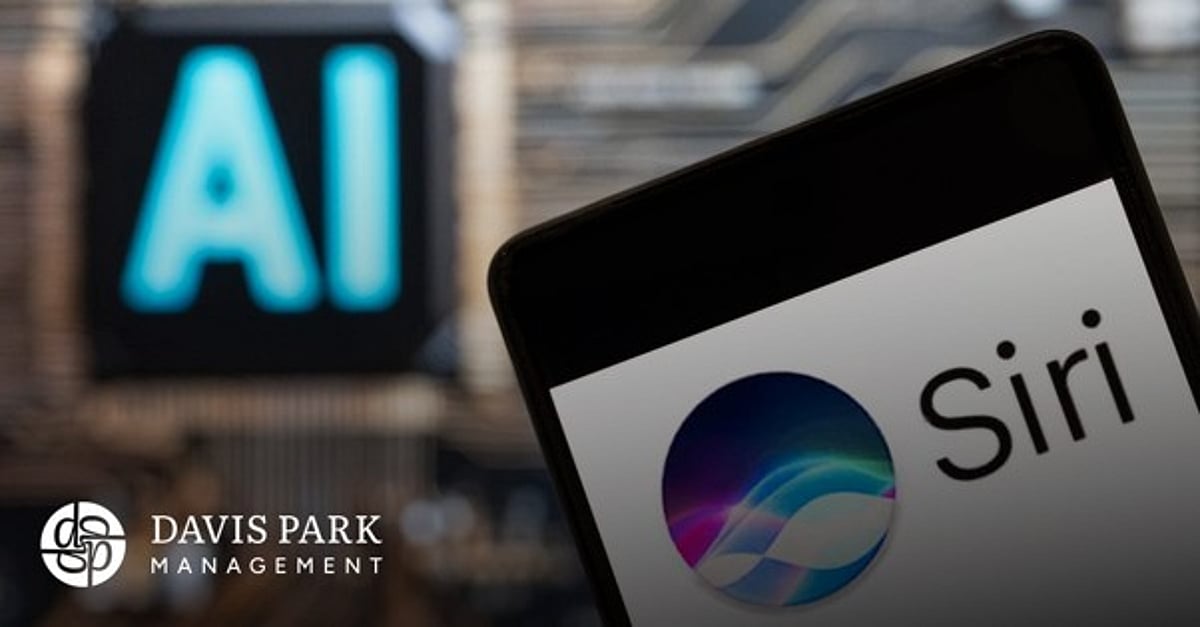
    Apple’s upgraded Siri AI assistant, unveiled at the Worldwide Developers Conference, has hit a regulatory roadblock in the European Union. The Digital Markets Act (DMA) compliance obligations are preventing the feature from launching on European devices, creating a staggered rollout that has caught the attention of institutional investors. Davis Park Management Pte. Ltd., a Singapore-based capital management firm, is examining the implications for allocators as the regulatory landscape complicates Apple’s AI ambitions.

    Regulatory Challenges and Market Access

    The new Siri architecture, powered by a custom version of Google’s Gemini model with 1.2 trillion parameters, represents a significant leap from the previous query-and-response design. However, Apple has confirmed that the assistant will not accompany the forthcoming iOS 27 and iPadOS 27 releases within the EU. Regulators have rejected a succession of proposals, including a phased plan built around a Trusted System Agent, marking the second occasion Apple Intelligence has been withheld from European markets.

    A parallel restriction applies in China, where foreign manufacturers must submit large language models for local approval. China accounts for 17% of Apple’s group revenue, sharpening the commercial stakes of prolonged delays in either market.

    Davis Park Management’s Perspective

    Michael Sheldon, Director of Private Equity at Davis Park Management, views the licensing approach as a deliberate decision to rent frontier capability rather than fund it outright. This preserves capital for areas where Apple retains a defensible advantage and reassures investors focused on margin durability. The firm reads the friction as a question of capital allocation rather than a verdict on the technology.

    Apple’s AI revenue stands near $1.1 billion for the period, while services revenue of about $33.2 billion carries a margin of 76.5%. The active device base exceeds two billion units, and paid subscriptions surpass one billion, expanding at a double-digit rate. Market capitalization briefly overtook Microsoft’s valuation of about $3.6 trillion following the conference, a three-day move adding $358.5 billion in value.

    Broader Implications for Investors

    Sheldon emphasizes that the clearer risk lies in the durability of the ecosystem. Every regulatory concession that loosens the integration between Apple’s hardware and its services chips away at the retention mechanics behind recurring revenue. Regulatory enforcement compounds trade-policy exposure, with a penalty of about $580 million for anti-steering breaches under the DMA and tariff payments approaching $3.7 billion in aggregate.

    Equity research remains divided. One bullish brokerage maintains an “Outperform” rating with a price target near $343.1, projecting AI could add between $83 and $110.7 per share. A more cautious peer has trimmed iPhone unit-growth expectations to 2% across the forecast period, to about 232 million units, with commercial availability slipping into the next year.

    For Davis Park Management, the open question is timing. European availability rests on continuing negotiation and precedent enforcement, while the staggered rollout shows the difficulty of reconciling deep platform integration with divergent compliance regimes. The delay weighs on near-term services projections given the scale of the European installed base, yet the underlying partnership keeps Apple within the competitive frontier of applied AI, leaving the investment case finely balanced between regulatory drag and long-term value.

  • 14-Year-Old Prodigy Jainam Jain Launches AI Startup from Burj Khalifa

    14-Year-Old Prodigy Jainam Jain Launches AI Startup from Burj Khalifa

    At an age when most teenagers are focused on school assignments, 14-year-old Jainam Jain has built an artificial intelligence startup that now operates from one of the world’s most iconic business addresses—the Burj Khalifa in Dubai. His remarkable journey from coding enthusiast to global tech founder has captured widespread attention and underscores a growing trend of young Indian entrepreneurs making their mark in the AI sector.

    From Coding Curiosity to AI Business

    Jainam developed a deep passion for technology from a very young age. Rather than treating programming as a mere hobby, he devoted years to mastering software development and AI automation tools. His startup now develops AI solutions designed to streamline business processes, and it has already expanded beyond India, establishing a physical presence in Dubai’s Burj Khalifa.

    Expanding Beyond India’s Startup Ecosystem

    Operating from the Burj Khalifa places the startup at the heart of one of the region’s leading business hubs. This strategic location is expected to help the company connect with international clients, investors, and technology partners. The move also reflects a broader trend of Indian startups venturing into global markets from the outset, particularly in AI and automation.

    Young Innovators Drive India’s AI Momentum

    Jainam’s story is part of a larger shift in India’s startup landscape, where younger entrepreneurs are increasingly entering the technology space. As artificial intelligence becomes essential to businesses worldwide, students and teenagers are building viable solutions long before traditional graduation age. While the long-term success of Jainam’s venture remains to be seen, his achievement proves that age is no barrier to launching a tech company. His journey highlights how AI is reshaping industries and creating fresh opportunities for young innovators on a global stage.

  • Tad AI: Generate Studio-Quality Songs Instantly Without Any Music Skills

    Tad AI: Generate Studio-Quality Songs Instantly Without Any Music Skills

    The music creation has entered a new era where technical skills and expensive equipment are no longer prerequisites. With the power of artificial intelligence, anyone can now produce complete, studio-quality songs in minutes. Tad AI is at the forefront of this transformation, making the entire music production process effortless and accessible.

    Using advanced AI music technology, Tad AI users can convert a simple concept into a polished song directly from a browser. This eliminates the need for professional studios, instruments, or software expertise.

    Music Production Is Becoming Faster, Simpler, and Smarter

    Traditional music production methods have given way to a more accessible, AI-driven system. Previously, creating music required deep knowledge of instruments, mixing software, and production techniques. Today, AI removes those barriers.

    The growing demand for instant content — on social media, digital ads, and online videos — has accelerated this shift. AI tools now fill the gap by providing immediate, original audio. Tad AI stands out by allowing users to compose music without technical production skills, empowering creators to focus on ideas, emotion, and storytelling rather than complex tools.

    How Tad AI Turns Ideas Into Full Songs in Seconds

    Removing Traditional Music Production Complexity

    Tad AI simplifies the entire music creation process. Instead of navigating complex workflows, users interact with a simple text-based interface. They describe what they want, and the AI constructs the music accordingly.

    AI-Powered Understanding of Creative Input

    At its core, Tad AI uses sophisticated AI models to interpret mood, style, and creative direction. Users input an idea, and the platform converts it into a complete musical piece.

    Turning Ideas Into Complete Musical Compositions

    The system goes beyond random sound generation. It produces structured music with a clear creative arc. Each output is well-organized, emotionally coherent, and ready for use. This is a guided creativity process, not manual production.

    Balancing Simplicity With Professional Quality

    Tad AI strikes a balance between ease of use and high-quality output. Beginners can create songs effortlessly, while advanced users can rapidly test new ideas. It transforms music production into an imaginative dialogue rather than a technical chore.

    Why Anyone Can Now Create Music Without Technical Skills

    This shift is significant because it allows more people to participate in music creation without traditional barriers. Users no longer need years of training; they can concentrate on creativity while the system handles the technical execution.

    No Technical Barriers to Creativity

    One of the biggest changes AI music tools bring is the elimination of technical hurdles. It used to take years to learn music production. Now, anyone can make a song without touching sophisticated equipment. Tad AI lets users think in natural language, and the system transforms those ideas into structured music. Creativity is no longer limited by technical ability — it’s driven by imagination.

    How AI Music Reaches Studio-Level Sound Quality

    Quality is a common concern with AI-generated music. Early systems often produced synthetic or repetitive sounds. Modern platforms like Tad AI have changed that. The system is built to deliver audio that is natural, balanced, and studio-ready.

    Every output maintains high sound quality, including proper flow, rhythm, and perception. Users don’t need to manually tweak tracks — the AI engine handles everything automatically. This makes AI-generated music practical for real-world use, such as videos, podcasts, advertisements, and digital campaigns, without additional editing. Tad AI meets automation with professionalism.

    Why AI Music Is Becoming Essential for Content Creators

    AI music generation is not just for musicians. It’s a vital tool for digital creators, marketing professionals, and developers. Tad AI fits this ecosystem perfectly, enabling users to create custom soundtracks for various content types without licensing concerns. The flexibility of AI music also allows creators to tailor sounds to their brand, whether for short videos, commercials, or app experiences.

    Where AI Music Creation Is Headed Next

    The future of music creation is leaning into full AI adoption. Systems will become more responsive to human emotion, context, and intent. Tad AI exemplifies this direction, evolving from a simple generation tool into an intelligent creative partner. Future systems will not only compose music but also understand intent, mood, and context better. Music creation will become more personalized, producing sound that is automatic, dynamic, and tailored to the user’s style and audience.

    How AI Is Redefining the Future of Music Creation

    AI has fundamentally changed how music is created and experienced. Technical expertise is no longer necessary when simple input and intelligent systems can deliver professional results. Tad AI is a key part of this transformation, making music production simpler, faster, and more accessible.

    Thanks to AI music technology, anyone can produce high-quality music without previous experience. This change is empowering a new generation of creators who can focus on ideas without technical obstacles. Music creation is no longer confined to studios and professionals — it’s open to everyone with creativity. Tad AI is helping build that future, turning mere thoughts into full musical experiences.