Tag: augmented reality

  • Report: Apple Smart Glasses to Launch in 2027 With Privacy as Key Selling Point

    Report: Apple Smart Glasses to Launch in 2027 With Privacy as Key Selling Point

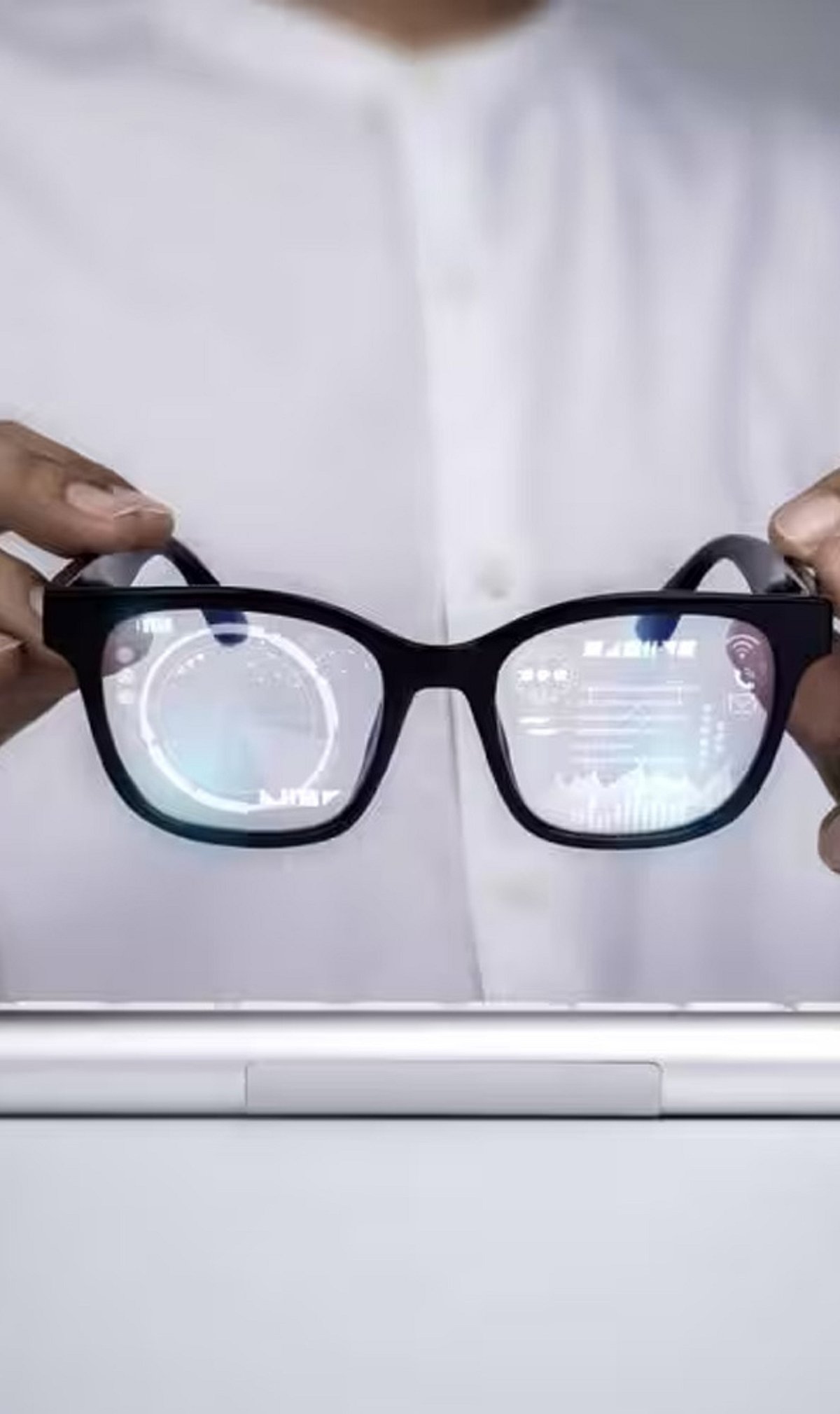
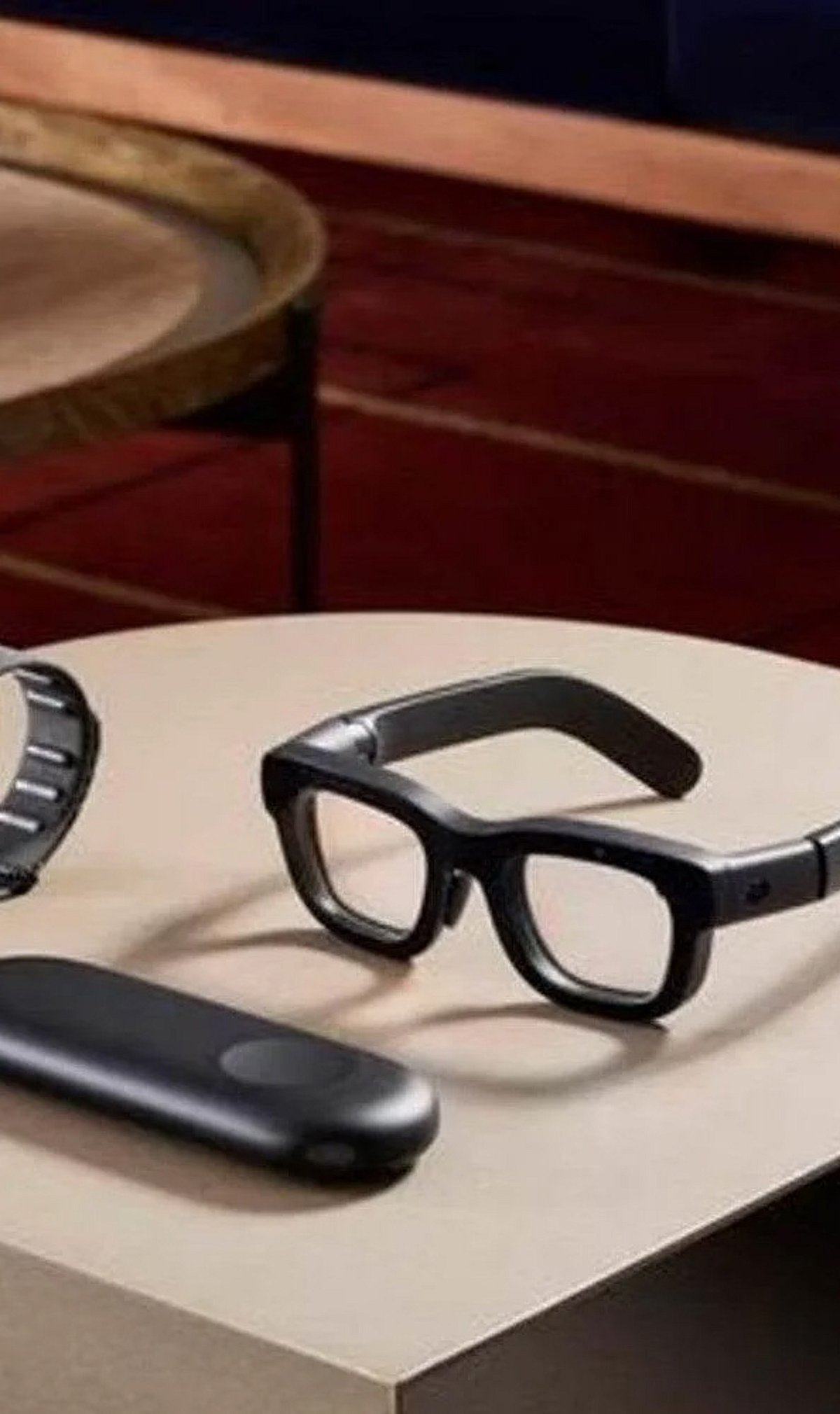
    According to a new report, Apple is planning to enter the smart glasses market in 2027 with a device that combines augmented reality, artificial intelligence, and deep ecosystem integration — all while making user privacy a central feature.

    The forthcoming Apple Smart Glasses are expected to be lightweight and stylish, designed for everyday wearable computing. Unlike many current smart glasses that collect extensive user data, Apple’s approach reportedly prioritizes secure on-device processing, minimal data collection, and transparent user controls.

    Built-in artificial intelligence could provide contextual assistance, real-time navigation, notifications, language translation, and personalized recommendations — all while maintaining responsive performance suitable for daily use.

    Display technology is likely to overlay digital information without obstructing the user’s natural vision, creating an immersive yet practical augmented reality experience. The glasses are expected to integrate seamlessly with the Apple ecosystem, including iPhone, Apple Watch, AirPods, and other devices, enabling synchronized experiences across hardware.

    Apple’s competitive positioning in the wearable technology market will hinge on premium design, privacy-first features, intuitive software, and polished user experience. The company aims to differentiate itself from rivals by ensuring that users have control over their data — a factor that could appeal to consumers seeking hands-free computing for navigation, communication, productivity, and entertainment.

    Industry reports indicate that Apple may unveil the smart glasses during 2027 after years of research, development, testing, and refinement. While the exact specifications and pricing remain unknown, the privacy focus and ecosystem synergy are expected to be major selling points.

  • Apple Smart Glasses Reportedly Prioritize Privacy in 2027 Launch Plans

    Apple Smart Glasses Reportedly Prioritize Privacy in 2027 Launch Plans

    Apple is reportedly preparing to enter the smart glasses market in 2027, with a strong emphasis on user privacy and data security. According to a new report, the Cupertino-based company has a smart glasses product in development that aims to offer useful features without collecting excessive personal data. While Apple has not officially confirmed the product, the rumors suggest a cautious approach that distinguishes it from competitors.

    The reported strategy includes on-device processing to prevent data from being sent to external servers. To avoid the backlash faced by rival companies, Apple’s glasses are expected to omit facial-recognition capabilities and always-on recording features. Instead, if a camera is included, it would likely be limited to motion sensing rather than capturing photos or videos. The glasses are rumored to debut at WWDC in June 2027 and will integrate with other Apple devices, with privacy as a core component from the start.

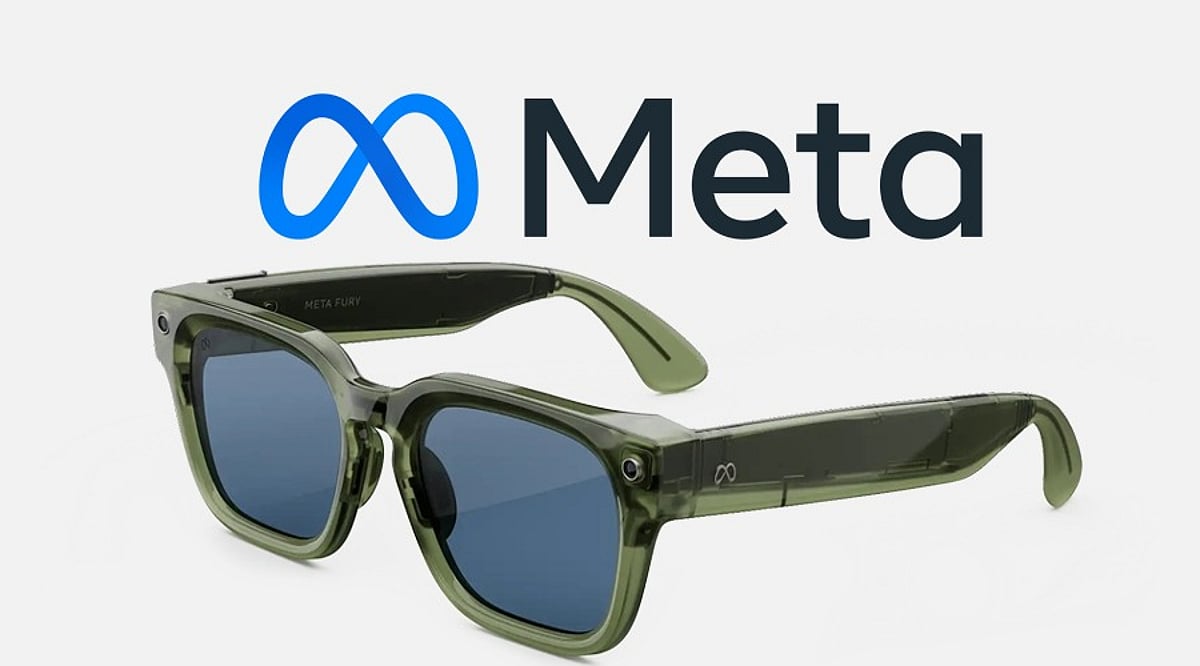
    Privacy concerns have become a significant issue in the smart glasses market, particularly with Meta’s camera-based AI smart glasses, which have raised alarms about unauthorized recording. Instagram head Adam Mosseri has responded by stating that content taking advantage of people will be removed. Apple appears to be avoiding these pitfalls by ensuring transparency in how the glasses operate. If cameras or sensors are present, clear indicators will alert users and bystanders when they are active.

    This privacy-first approach may result in fewer flashy features, but it could build trust and appeal to consumers who value data protection. As more companies enter the smart glasses arena, Apple believes that trust and privacy will be as important as technological innovation. A device that safeguards user data could become its strongest selling point.

  • Instagram Bans Harassing Videos Recorded with Meta Smart Glasses to Protect Privacy

    Instagram Bans Harassing Videos Recorded with Meta Smart Glasses to Protect Privacy

    Instagram is tightening its enforcement against secretly recorded videos captured using Meta’s smart glasses. The platform will now remove content that uses wearable cameras to harass individuals, particularly prank and pickup-style videos, following growing criticism over privacy violations.

    The policy change comes after a surge of clips showing creators approaching strangers, service workers, and women in public without their knowledge, then posting the footage as humorous content. This sparked widespread debate about consent and digital privacy.

    Instagram chief Adam Mosseri announced the update during a Q&A session on his Instagram Stories. “If you’re posting content that is taking advantage of people and harassing them, like a lot of these pickup line kind of videos, then we’re going to take the content down,” Mosseri said. He added, “We don’t want people to be surreptitiously taking videos of other people and harassing them and then posting them on our platform. So we’re trying to fight that every way we can.”

    According to a Business Insider report, Instagram has already deleted two popular accounts that frequently posted pickup videos recorded with Meta smart glasses. A Meta spokesperson confirmed that both accounts violated Instagram’s harassment policies.

    Meta has also introduced additional privacy safeguards in its smart glasses software. The company acknowledged that the recording indicator light on older models could be covered or altered, making it difficult for people to know if they were being recorded. A recent software update now automatically turns off the camera when it detects that the recording indicator light is blocked or tampered with.

    Despite these measures, concerns persist about the effectiveness of the recording indicator. The LED light is small and can be easily missed in bright outdoor conditions or large public spaces, leaving people unaware they are being filmed.

    Meta has not yet disclosed how it will determine whether uploaded videos violate the new policy, nor has it revealed how many videos have been removed since the policy took effect. The company has also not detailed how the rules will be applied in practice.

  • 10 Computer Vision Unicorn Startups Redefining Industries in 2026

    10 Computer Vision Unicorn Startups Redefining Industries in 2026

    Computer vision has become one of the fastest-growing areas of artificial intelligence, enabling machines to interpret images and video like humans. Businesses now leverage this technology to improve factory operations, inspect products, guide autonomous vehicles, detect fraud, monitor workplaces, and assist doctors with medical imaging. As AI advances, computer vision opens new business opportunities across many sectors. Industry reports project the global computer vision market will surpass $30 billion by 2030, and investors continue to back companies building practical AI solutions instead of experimental products.

    Several startups have already achieved unicorn status (valuations above $1 billion). Many have raised fresh funding, signed major enterprise deals, and expanded into new markets. Here are ten computer vision unicorn startups worth watching in 2026.

    Key Takeaways

    • Computer vision unicorns solve real business problems across multiple industries.
    • Strong funding and billion-dollar valuations reflect growing investor confidence.
    • These startups will drive the next phase of enterprise AI adoption.

    Shield AI

    Shield AI is a leading defense-focused AI company founded in 2015. Its Hivemind software enables aircraft to operate without GPS, relying on computer vision and sensors to navigate buildings, roads, and targets. In 2026, Shield AI is valued at nearly $12.6 billion, thanks to new investments and increased defense collaborations. Governments worldwide are expected to boost spending on autonomous defense solutions, positioning Shield AI for further growth.

    Netradyne

    Netradyne transforms commercial fleet safety with AI-powered dashboard cameras that analyze driver behavior in real time. It rewards safe driving and detects distracted driving, phone use, fatigue, harsh braking, lane changes, and road hazards. The company became India’s first unicorn of 2025 after a $90 million Series D round from Point72 Asset Management, Qualcomm Ventures, and Pavilion Capital. Netradyne now processes over 4 trillion sensor data points annually across more than 550,000 connected vehicles, helping logistics companies lower accidents and insurance costs.

    Gecko Robotics

    Gecko Robotics builds robotic inspection systems for large factories, power plants, oil refineries, and defense facilities. Its robots use advanced cameras and AI to detect corrosion, cracks, leaks, and structural damage early. The company crossed unicorn status in 2025 and works with major industrial firms and government organizations. As predictive maintenance investment grows, Gecko Robotics stands out as a top industrial AI company.

    Tractable

    Tractable revolutionizes insurance claims with computer vision. Customers upload photos of damaged vehicles or property, and the AI estimates repair costs in minutes. This speeds up claims, reduces fraud, and improves customer experience. Hundreds of insurers across North America, Europe, and Asia now rely on Tractable, which continues to expand as digital claims become standard.

    Runway

    Runway is a popular AI video creation platform. Its software removes objects, tracks motion, edits clips, changes backgrounds, and generates new videos from simple scripts, saving hours of manual editing. With strong investor backing and partnerships with media companies, Runway is well positioned for growth in enterprise AI.

    Covariant

    Covariant addresses the challenge of robotic grasping in warehouses. Its AI combines computer vision and machine learning to enable robots to identify and handle a wide variety of products, regardless of size, shape, or packaging. This improves efficiency, reduces costs, and speeds up operations. As e-commerce drives warehouse automation, Covariant expects strong revenue growth in 2026.

    Voxel

    Voxel uses computer vision to improve workplace safety. Its AI platform connects to existing security cameras in factories, warehouses, and industrial sites to detect safety violations like improper lifting, forklift hazards, and unauthorized access. By preventing accidents, Voxel helps businesses reduce injuries and financial losses. Stricter safety regulations are driving increased adoption.

    Magic Leap

    Magic Leap develops advanced augmented reality headsets equipped with computer vision that maps rooms, tracks eye movements, recognizes objects, and overlays information. The technology aids medical specialists, factory workers, engineers, and military personnel. Initially known for hardware, Magic Leap’s software has become equally valuable.

    Verkada

    Verkada modernizes enterprise security with cloud-connected AI cameras. Its platform recognizes faces, reads license plates, counts people, tracks occupancy, and detects unusual activity across thousands of cameras. Security teams receive instant alerts. Businesses choose Verkada for smarter security without large on-site infrastructure, making it one of the fastest-growing companies in the market.

    Afresh

    Afresh applies computer vision to grocery store inventory management. The AI analyzes product images and inventory data to predict demand for fresh produce, reducing food waste and improving stock availability. Retailers using Afresh see better profit margins and sustainability, gaining attention across the retail industry.

    Why This Matters

    Computer vision now supports tasks once done manually, helping businesses save time, lower costs, improve safety, and make faster, more accurate decisions. As AI adoption grows, companies leading computer vision innovation will shape the future of healthcare, manufacturing, transportation, retail, defense, and many other sectors.

    Final Thoughts

    Computer vision technology has evolved rapidly, powering unmanned vehicles, warehouse robots, insurance systems, workplace safety, and smart cameras. Companies like Shield AI, Netradyne, Gecko Robotics, Tractable, Runway, Covariant, Voxel, Magic Leap, Verkada, and Afresh are solving real organizational problems with strong funding and billion-dollar valuations, proving market confidence.

    FAQs

    1. What is a computer vision startup? A computer vision startup develops AI software that allows machines to understand and analyze images, videos, and visual data for real-world applications.
    2. What makes a startup a unicorn? A startup becomes a unicorn when its private valuation reaches $1 billion or more.
    3. Which industries use computer vision the most? Healthcare, manufacturing, logistics, retail, automotive, insurance, defense, agriculture, and security are the biggest users.
    4. Why do investors support computer vision startups? These companies build scalable AI solutions that improve efficiency, reduce costs, increase safety, and create long-term business opportunities.
    5. Why should businesses watch these startups in 2026? These companies lead innovation with advanced AI products, strong funding, expanding customer bases, and technologies that will influence enterprise automation.

  • Everyday Augmented Reality: 10 Surprising Ways AR Transforms Your Daily Life

    Everyday Augmented Reality: 10 Surprising Ways AR Transforms Your Daily Life

    Augmented reality (AR) is no longer a futuristic concept — it’s already woven into many of our daily routines. From shopping to fitness, AR enhances how we interact with the world. Here are ten everyday uses of augmented reality you might not have known about.

    1. Virtual Furniture Placement

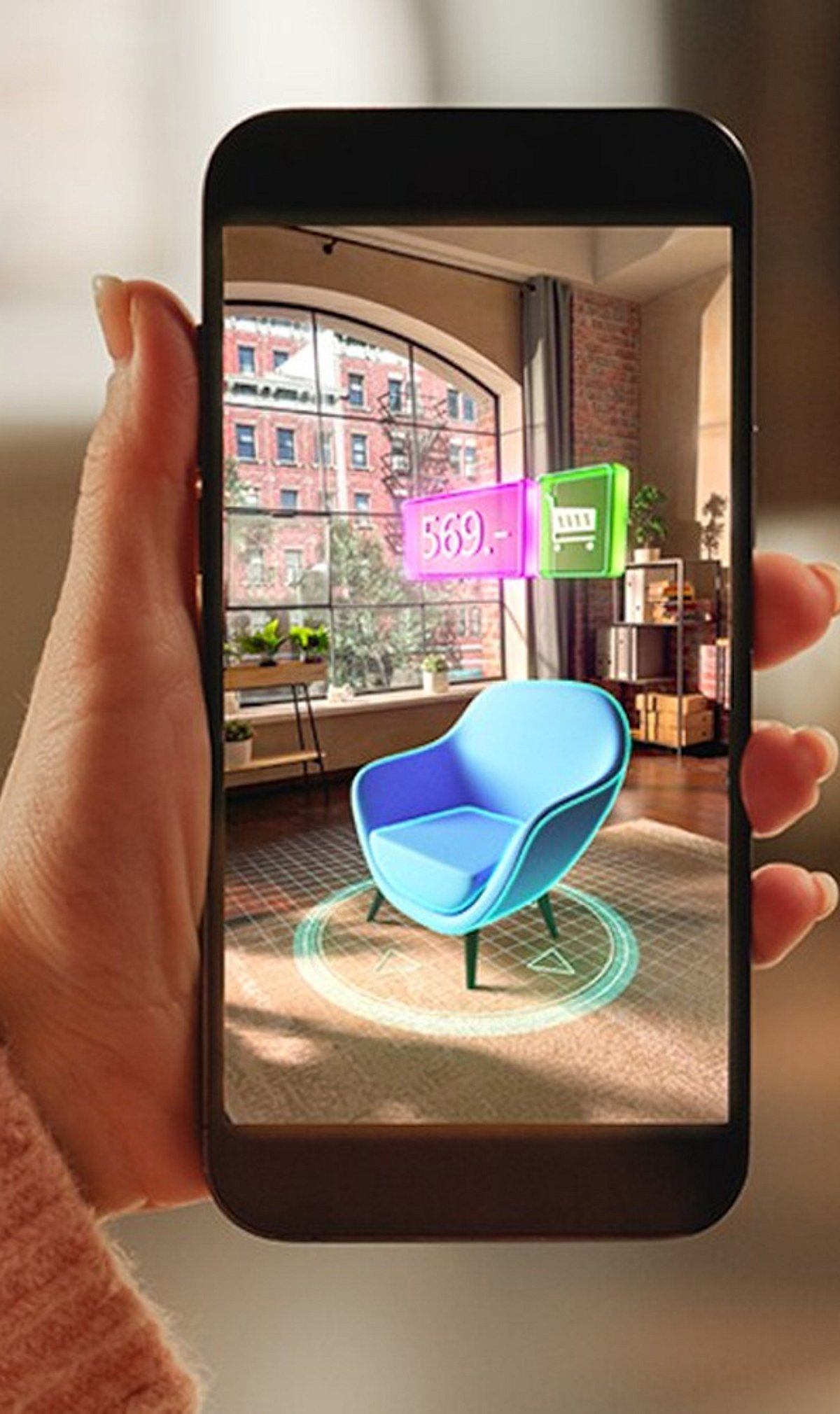
    AR apps allow you to visualize furniture in your own space before making a purchase. This helps avoid costly mistakes and improves home decoration decisions by giving you a realistic preview of how items will look.

    2. Interactive Navigation

    Smartphone cameras overlay directions directly onto real streets, making navigation easier and more intuitive for both pedestrians and drivers. No more squinting at a tiny map — just follow the arrows on your screen.

    3. Virtual Makeup Trials

    Beauty apps use AR to show how different makeup shades look on your face before you buy. This boosts confidence in your choices and reduces returns, saving time and money.

    4. Smart Shopping Assistance

    Retailers leverage AR to display product information, reviews, and comparisons instantly. Shoppers can make faster, more informed buying decisions without the hassle of searching for details.

    5. Educational Learning

    AR brings textbooks to life with interactive 3D models. Complex concepts become easier to understand for students of all ages, making learning more engaging and effective.

    6. Home Improvement Planning

    Homeowners can preview paint colors, wallpapers, and renovations before starting projects. AR helps you visualize the end result, saving time, money, and unnecessary redesign efforts.

    7. Fitness Coaching

    AR-powered fitness apps guide your workouts with virtual trainers. They correct your posture and improve exercise techniques, helping you achieve better health and performance.

    8. Medical Assistance

    Healthcare professionals use AR for surgical guidance, anatomy visualization, and patient education. This technology improves precision and understanding during medical procedures.

    9. Live Sports Experience

    AR enhances sporting events by overlaying real-time statistics, player information, and immersive visual effects. Fans get a more engaging and informative match experience.

    10. Everyday Convenience

    From measuring distances to translating signs in real time, AR is quietly becoming a part of our daily toolkit. The possibilities are endless, and adoption is only growing.

  • Smart Glasses: The Next Computing Frontier, Gradually Replacing Smartphones

    Smart Glasses: The Next Computing Frontier, Gradually Replacing Smartphones

    Smart glasses are emerging as the next major computing platform, enabling users to make calls, send messages, navigate, and use AI assistants without ever pulling out a smartphone. This shift is happening in stages, and experts predict that by 2030, glasses could become the primary way people access apps and the internet.

    Modern smart glasses already handle 60–70% of everyday smartphone tasks through voice commands, hand gestures, and AI-powered assistants. Users can send texts, translate languages in real time, get directions, and capture photos completely hands-free. However, phones remain essential for gaming, video editing, multitasking, and complex applications.

    Lightweight designs, stylish frames, real-time translation, navigation overlays, and proactive AI are driving rapid adoption across global markets, including India’s tech hubs. Despite these advances, battery life, limited app ecosystems, privacy concerns, and social acceptance still prevent smart glasses from fully replacing smartphones—for now.

  • Britannia Little Hearts Celebrates World Emoji Day with AI-Powered AR Campaign

    Britannia Little Hearts Celebrates World Emoji Day with AI-Powered AR Campaign

    Britannia Little Hearts has unveiled an innovative AI-powered augmented reality (AR) campaign titled ‘Share the OG Heart’ to mark World Emoji Day. The campaign blends browser-based AI, XR technology, and quick-commerce partnerships to transform the brand’s iconic heart-shaped biscuit into a digital symbol of affection.

    How the Campaign Works

    The initiative kicks off with QR-code-enabled print advertisements. Consumers simply scan the QR code using their smartphone camera to launch the ‘OG Heart Selfie’ experience directly in a web browser—no app download required. The AI-driven tool recognizes the popular Korean Heart gesture in real time, allowing users to capture a selfie and share it with friends and family.

    Britannia has extended the campaign beyond print by teaming up with quick-commerce platforms Zepto and Blinkit. On Zepto, shoppers who add Britannia Little Hearts to their cart encounter the Korean Heart animation alongside the brand’s signature ‘Ting Ting Ti-Ding’ sonic identity during checkout.

    Blending Nostalgia with Youth Culture

    Puneet Das, Chief Marketing Officer at Britannia Industries, explained that the campaign is a natural extension of Little Hearts’ brand identity of affection. By leveraging the Korean Heart gesture—a wildly popular expression among young people—the brand creates a fun, shareable experience that bridges traditional advertising and modern digital interaction.

    This campaign reflects a broader trend in FMCG marketing, where brands are combining print, AI, AR, and digital commerce to build interactive consumer journeys. For Little Hearts, the strategy not only celebrates a beloved product shape but also brings the brand closer to the moment of purchase through print media, browser-based technology, and quick commerce.

    The technology behind the campaign was ideated by Monks, with AI and XR development by Xtendr.

  • 2026’s Breakthrough AR and VR Trends Transforming Work, Learning, and Daily Life

    2026’s Breakthrough AR and VR Trends Transforming Work, Learning, and Daily Life

    Augmented reality (AR) and virtual reality (VR) have moved far beyond gaming and entertainment. By 2026, these technologies have become practical tools that help businesses train employees, improve customer experiences, and streamline everyday operations. From AI-driven smart glasses to immersive VR workspaces, the next wave of innovation is redefining how people work, learn, shop, and connect.

    Top Augmented Reality Trends in 2026

    AI-Powered AR Experiences

    AI is supercharging AR with real-time object recognition, contextual assistance, and personalized content. Scene understanding and automated content creation allow businesses to deliver deeply interactive experiences in retail, healthcare, and education.

    Spatial Computing and Smart AR Glasses

    Spatial computing enables devices to track and understand their environment. Lightweight smart glasses now blend digital information seamlessly into the physical world, enabling hands-free navigation, workplace assistance, and natural interactions.

    Enterprise AR for Training and Maintenance

    Companies use AR for employee training, remote support, equipment maintenance, and process optimization. Visual instructions reduce errors and accelerate learning, making AR a must-have for modern enterprises.

    Why This Matters: AR is evolving from a novelty into a business solution. Integrating AI, spatial computing, and enterprise tools boosts productivity, enhances customer experience, and simplifies complex workflows across sectors.

    Top Virtual Reality Trends in 2026

    Hyper-Realistic Immersive Environments

    Advances in graphics, AI, and spatial audio create incredibly realistic virtual worlds. These environments benefit not only entertainment but also training, education, architecture, and virtual tourism.

    VR for Collaboration and Remote Working

    VR transforms remote work with immersive meeting spaces and virtual offices. Teams can collaborate on designs, conduct training, and solve problems together without geographical barriers.

    Industry-Specific VR Simulations

    Healthcare, education, manufacturing, and retail increasingly adopt VR simulations for realistic, risk-free practice and scenario-based learning.

    Why This Matters: VR is no longer just for gaming. Its ability to simulate real-life scenarios, enable collaboration, and support specialized software helps organizations train, cooperate, and solve real-world problems in virtual settings.

    Final Takeaway

    With improvements in hardware and software, AR and VR are steadily integrating into daily life—boosting workplace productivity, revolutionizing education, and elevating customer experiences. Early adoption gives businesses a significant competitive edge.

    Frequently Asked Questions

    What is the biggest AR trend in 2026?

    AI-powered augmented reality is a top trend, enabling smarter object recognition, personalized experiences, and real-time assistance across retail, healthcare, manufacturing, and education.

    How are smart AR glasses changing everyday technology?

    Smart glasses display digital information directly in the user’s field of view, enabling hands-free navigation, workplace assistance, remote collaboration, and more natural interactions with digital content.

    Why is VR becoming popular outside gaming?

    VR is now widely used for employee training, virtual meetings, education, healthcare simulations, and product design because it creates immersive, realistic environments that improve learning, collaboration, and decision-making.

    Which industries benefit the most from AR and VR?

    Healthcare, manufacturing, retail, education, construction, and logistics are among the biggest adopters, using AR and VR to improve training, customer experiences, operational efficiency, and workplace safety.

    Should businesses invest in AR and VR technologies now?

    Businesses that adopt AR and VR early can improve productivity, reduce training costs, enhance customer engagement, and gain a competitive advantage as immersive technologies become mainstream.

  • Best Smart Glasses 2026: AI, AR Display, and Standalone Models Compared

    Best Smart Glasses 2026: AI, AR Display, and Standalone Models Compared

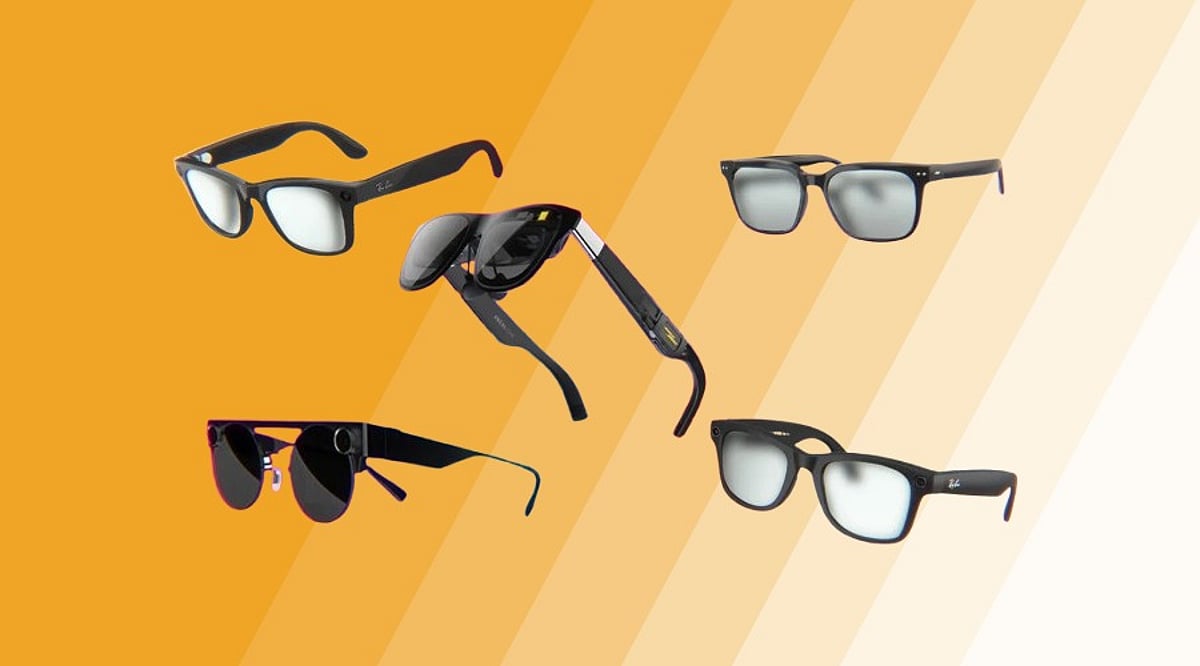
    Smart glasses now split into three distinct categories: AI camera and audio glasses, tethered AR display glasses, and standalone AR glasses with a built-in HUD. The category matters more than the model. Once the use case is clear, the shortlist narrows fast.

    Every spec here comes from manufacturers or retailers, including weight, battery, and connection type, not just headline features.

    A pair of smart glasses is sold every ninety seconds somewhere in the world, and the surprising part is not the sales figure. It is that three completely different products now share the same shelf. One pair replaces a phone call. Another replaces a monitor. A third tries to replace both at once and pays for it in battery life.

    That split is the real story behind the buying decision. Meta’s Ray-Ban line proved AI glasses could sell at scale, pulling Google, Samsung, and Warby Parker into a competing Android XR platform launching later this year. Meanwhile, the AR display category, led by Xreal, Viture, and RayNeo, moved past prototype status into something people actually use for a workday or a long flight. Anyone shopping this category for the first time needs to understand the split before comparing a single spec.

    Types of Smart Glasses in 2026: AI, AR Display, and Standalone AR Explained

    AI camera and audio glasses (led by Ray-Ban Meta Gen 2) skip the display entirely. They record video, take calls, and run an AI assistant through bone-conduction audio, pairing over Bluetooth rather than a cable. They look like ordinary glasses, which is the point.

    AR display glasses (including the Xreal, Viture, and RayNeo Air series) tether to a phone, laptop, or console over USB-C and project a large virtual screen through micro-OLED panels. Most carry no camera and no battery of their own; power and video come from the connected device.

    Standalone AR glasses (represented here by RayNeo’s X3 Pro) combine a lightweight HUD, a camera, and onboard AI in one frame with their own battery. That independence is the trade for shorter runtime, and the comparison table below shows exactly how much shorter.

    Best Smart Glasses for Work, Travel, Gaming, and Everyday Use

    Compatibility, comfort, and what to check before buying smart glasses:

    Tethered AR glasses need a source device with USB-C video output, often called DisplayPort Alt Mode. Xreal, Viture, RayNeo’s Air line, and Rokid Max 2 work with recent iPhones, most Android phones, Macs, Windows laptops, the Steam Deck, the ROG Ally, and the Nintendo Switch 2. Older phones without Alt Mode need an HDMI-to-USB-C adapter. Ray-Ban Meta Gen 2 pairs over Bluetooth instead, with no cable or Alt Mode requirement. RayNeo X3 Pro connects over Wi-Fi and Bluetooth as a standalone device rather than a tethered display.

    Weight alone does not decide comfort. RayNeo distributes the Air 4 Pro’s 76g at roughly 47 percent in the front and 53 percent in the rear to ease nose pressure, a design choice that matters more over a long session than the raw number on a spec sheet. The VITURE Luma Pro, the heaviest tethered pair here at close to 90g, offsets that with two frame sizes for different IPD ranges. Anyone who wears prescription lenses should confirm exact diopter support directly with the brand before buying, since ranges shift between hardware revisions.

    Best Smart Glasses to Buy in 2026

    Ray-Ban Meta Gen 2

    Ray-Ban Meta Gen 2 carries no screen and no cable, unlike every AR display pair on this list. Battery life roughly doubled over the first generation, and the camera now shoots 3K video. Giving up a private screen is the exchange for a frame that wears like ordinary sunglasses.

    Xreal One

    Xreal One suits a routine built around a laptop and a train seat. Its 50° field of view and 147-inch perceived screen sit below the Pro model’s numbers, though the gap rarely shows up during document work.

    Xreal One Pro

    Xreal One Pro pairs a 57° field of view with a 171-inch perceived screen through Sony’s 0.55-inch micro-OLED panel and X-Prism optics that hold sharpness at the edges. At 87g and a $150 premium over the standard One, it targets people who sit in front of the screen for hours, not casual users.

    VITURE Luma Pro

    VITURE Luma Pro stays visible in bright rooms where most AR glasses wash out, thanks to a 1,000-nit panel. Built-in myopia adjustment removes the need for a lens insert for milder prescriptions. Fixed tint, rather than electrochromic dimming, is the compromise.

    RayNeo Air 4 Pro

    RayNeo Air 4 Pro balances 76g of weight toward the rear of the frame, making it the most wearable tethered pair here over long flights. HDR10 support, rare in this category, is clearly visible during movie playback. It functions as a personal cinema rather than a work display.

    RayNeo X3 Pro

    RayNeo X3 Pro is the only pair here with a true waveguide HUD, a 12MP camera, and onboard AI in one 76g titanium frame. The 245 mAh battery caps active use at roughly three hours, a real limit for anyone expecting a full workday from it. Short navigation stretches or quick capture suits it better than sustained wear.

    Rokid Max 2

    Rokid Max 2 delivers a 215-inch perceived screen and 600-nit brightness in a 75g package, a strong match for Steam Deck and ROG handheld gaming. Without a camera or onboard AI, it stays focused on watching and playing rather than capturing.

    Final Thoughts

    AI glasses have reached a point where they can replace real phone interactions, not just supplement them, while AR display glasses now offer a workable substitute for carrying a second monitor. The category a buyer picks will shape daily use far more than any single spec inside it. Checking a workplace’s camera policy before wearing anything with a lens built in is worth doing before the purchase, not after.

  • 2026 XR Headset Buyer’s Guide: How to Pick the Perfect VR or AR Device

    2026 XR Headset Buyer’s Guide: How to Pick the Perfect VR or AR Device

    Choosing an XR headset in 2026 involves more than comparing specs. With budget standalone devices, premium spatial computers, console headsets, and lightweight AR glasses now available, the decision depends on your budget, purpose, comfort, and compatibility. This guide breaks down the key factors to help you make a smart purchase without getting lost in technical jargon.

    Checklist for Choosing a VR Headset in 2026

    Start by defining your primary use case. Gaming, fitness, design work, and remote meetings each require different hardware. List your top three planned activities to narrow your options.

    Check compatibility carefully. Some headsets require a console, a powerful PC, or a specific phone. Many buyers assume cross-platform support exists, which can lead to early disappointment.

    Explore app availability in each platform’s store, as libraries vary widely. Comfort matters more than expected—proper weight distribution prevents fatigue during long sessions. Beware of marketing gimmicks; don’t choose based on resolution numbers alone. An ‘AR-ready’ label does not guarantee full VR support, and battery life is crucial in multi-user modes.

    Insights & Cost Analysis

    Price remains the clearest dividing line. Total cost of ownership tells a better story than the sticker price.

    • Entry-level standalone headsets: Meta Quest 3S at $299, Meta Quest 3 at $499. No subscription needed; accessories are affordable.
    • Mid-range devices: Samsung Galaxy XR around $599. Offers on-device AI but has a smaller software library.
    • Premium spatial computers: Apple Vision Pro at $3,499, plus AppleCare and software pushing first-year cost near $3,900.

    For most shoppers, a standalone headset delivers great value. A premium pick makes sense only when spatial anchoring is essential for your work.

    Better Solutions & Competitor Analysis

    No single headset suits everyone. Developers building spatial apps often prefer Apple Vision Pro for its mature platform. Enterprise buyers needing industrial precision choose Varjo XR-4 or Magic Leap 2. Educators running large VR labs favor Meta Quest 3S for easy management. Remote teams can use Android XR devices for smoother workplace tool integration.

    Customer Feedback Synthesis

    Standalone headsets earn praise for easy setup and reliable tracking. Premium devices excel in eye-tracking accuracy and audio quality, but battery drain during long sessions remains a complaint. Passthrough camera quality is a common drawback across budget and mid-range models—users describe it as soft or low contrast. On the positive side, motion sickness complaints have dropped sharply due to higher refresh rates and smarter rendering in 2026 models.

    Maintenance, Safety & Legal Considerations

    Extend your headset’s life by cleaning lenses with a microfiber cloth only—avoid alcohol or rough materials. Store in a cool, dry place (below 30°C). Keep firmware updated to prevent tracking drift. No government currently regulates headset use at work, but general safety guidelines recommend a 20-minute break per hour of near-eye display use.

    Conclusion

    First-time buyers wanting gaming or fitness will do well with a standalone headset like Quest 3S. Professionals needing precise spatial anchoring should consider a premium spatial computer. Those tied to a specific phone ecosystem may find hybrid AR devices the smoothest fit, accepting a smaller app library. For personal screens during travel or media consumption, light AR glasses are often better than a full headset. Match the device to your real use case for the best purchase.

    FAQs

    1. What is the difference between VR and AR headsets? VR creates a fully virtual environment; AR overlays digital content onto the real world. Mixed reality combines both.
    2. Which XR headset is best for beginners in 2026? Standalone headsets like Meta Quest 3S are affordable, easy to set up, and require no PC or console.
    3. Is Apple Vision Pro worth buying in 2026? It’s best for professionals, developers, and enterprise users needing advanced spatial computing. Casual users may find better value in standalone headsets.
    4. What should I check before buying? Primary use case, compatibility, app availability, comfort, battery life, and total ownership cost.
    5. How to maintain my headset? Clean lenses with microfiber cloth, store in a cool dry place, update firmware, avoid heat and direct sunlight.