Tag: biometrics

  • Samsung Wallet Adds Fingerprint Authentication for UPI Payments in India

    Samsung Wallet Adds Fingerprint Authentication for UPI Payments in India

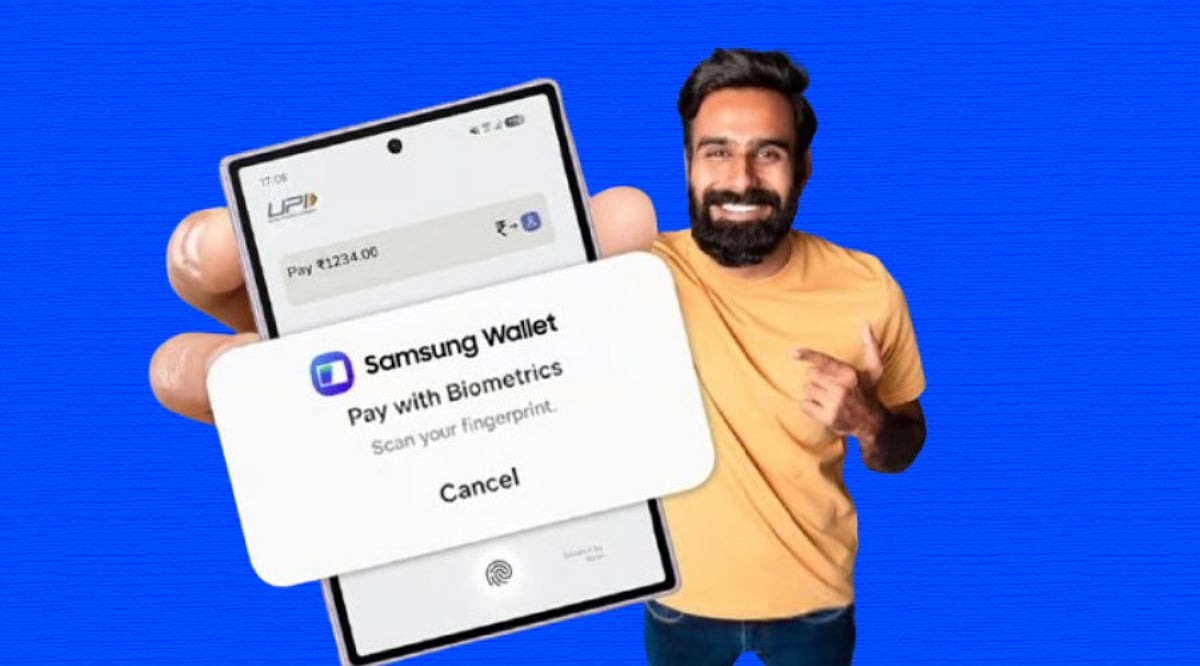
    Samsung has introduced a new fingerprint-based authentication feature for UPI payments through its Samsung Wallet app in India. The update allows users of compatible Galaxy smartphones to approve eligible transactions using the device’s built-in fingerprint sensor, eliminating the need to manually enter a UPI PIN for qualifying payments.

    How Fingerprint UPI Payments Work

    The authentication process is designed to be as seamless as unlocking a Galaxy phone. When a user initiates an eligible UPI payment of up to Rs. 10,000 via Samsung Wallet, the app prompts them to authenticate using the fingerprint sensor. Once the fingerprint is recognized, the transaction proceeds without requiring the user to type their UPI PIN on the screen.

    Samsung has confirmed that the biometric verification occurs entirely on the device. The company leverages its Knox security platform and encryption to protect sensitive payment information, ensuring that fingerprint data is stored securely.

    Enhanced Convenience and Privacy

    This update is particularly beneficial for frequent small-ticket UPI transactions. By removing the manual PIN entry step, Samsung aims to make routine payments faster. The feature also enhances privacy in crowded public spaces, where entering a PIN on a phone screen can risk exposure.

    According to Samsung, on-device biometric authentication can help reduce payment failures caused by incorrect UPI PIN entries. The move aligns with the National Payments Corporation of India’s (NPCI) broader initiative to introduce additional authentication methods for UPI transactions.

    More Than Just UPI

    Samsung Wallet serves as a comprehensive digital wallet. Beyond UPI, it supports contactless payments using tokenized credit and debit cards, utility bill payments, and storage for digital keys, boarding passes, tickets, and ID cards. Samsung emphasizes that the Knox security platform, combined with fingerprint recognition and encryption, creates a secure environment designed to protect sensitive data from both digital and physical threats.

    For Galaxy users in India, this update brings the UPI payment experience closer to the simplicity of unlocking their phone: a simple fingerprint scan is all it takes to complete an eligible payment.

  • How Modern Technology Is Making Payments Faster and More Secure

    How Modern Technology Is Making Payments Faster and More Secure

    Technology is transforming the way we pay, making transactions both faster and safer. From real-time settlement to biometric verification, here are the key innovations driving this change.

    Real-Time Payments

    Real-time payment systems enable money to move between accounts within seconds. Services like UPI have made instant transactions practical for everyday purchases, bills, and transfers. This reduces waiting periods and provides immediate confirmation. Businesses benefit from quicker settlements, improved cash flow, and smoother customer payment experiences.

    Biometric Authentication

    Biometric authentication adds an extra security layer by using fingerprints, facial recognition, or other unique characteristics. Instead of relying solely on passwords or PINs, payment systems can verify the person making a transaction. This deters unauthorized access while allowing users to complete transactions quickly without repeatedly entering lengthy credentials.

    Tokenization

    Tokenization replaces sensitive card information with unique digital tokens during transactions. Merchants and payment platforms process payments without directly exposing the actual card number. Even if transaction data is intercepted, the token generally cannot be used like the original card details, reducing risks associated with stolen payment information.

    Artificial Intelligence

    Artificial intelligence helps payment companies identify unusual transaction patterns and potential fraud. Systems analyze transaction behavior, location, device information, and other signals to detect suspicious activity quickly. This allows financial institutions to flag or block potentially fraudulent payments while minimizing unnecessary interruptions for legitimate transactions.

    Contactless Payments

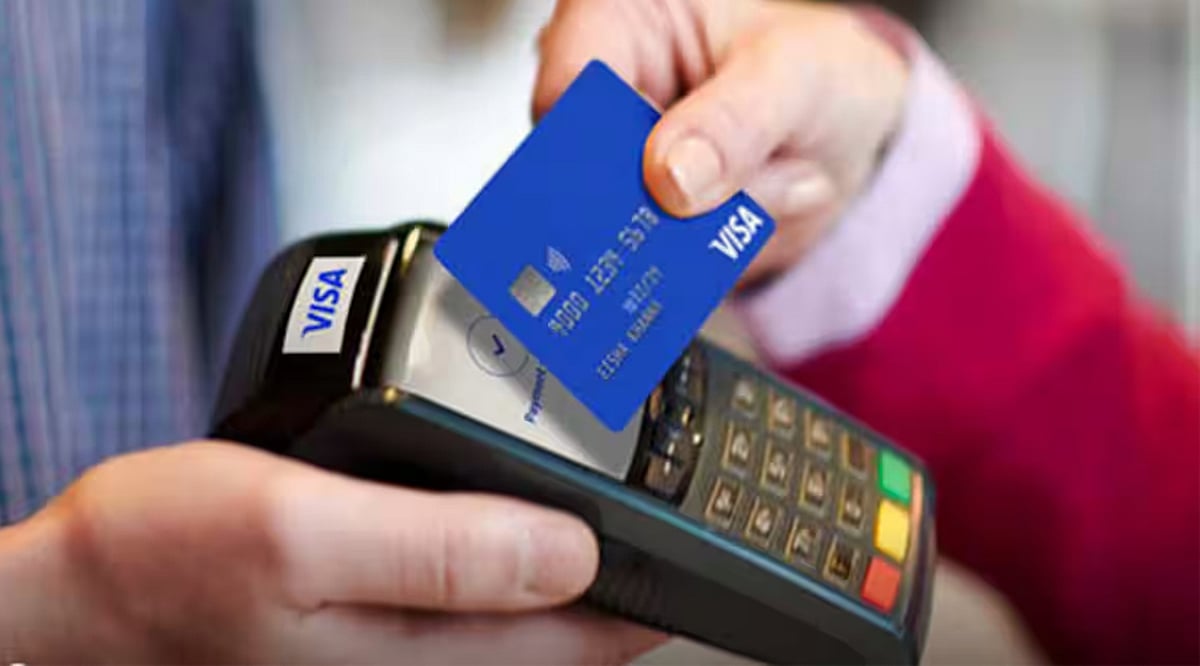
    Contactless payments use technologies like near-field communication (NFC) so users can pay by tapping compatible cards, phones, or wearables. Transactions complete within seconds without inserting a card or re-entering details. Secure authentication and transaction limits provide additional protection, making contactless payments convenient for everyday use.

    Encryption and Security

    Encryption protects payment information as it moves between devices, banks, and payment networks. Modern payment platforms also use secure authentication, fraud monitoring, and layered security controls. These measures help safeguard sensitive financial data from unauthorized access while allowing legitimate transactions to flow efficiently between customers, merchants, and financial institutions.

    Digital Wallets

    Digital wallets bring payment cards, bank accounts, and other payment options together in one application. Users can transact through smartphones or wearable devices without carrying physical cards. Wallets often incorporate device authentication, tokenization, and transaction monitoring, combining convenience with multiple security measures for everyday digital payments.

  • Amazon’s Next-Gen Technologies: Satellite Internet, AI Models, and Autonomous Deliveries

    Amazon’s Next-Gen Technologies: Satellite Internet, AI Models, and Autonomous Deliveries

    Amazon is far more than an online marketplace. The company is investing heavily in emerging technologies that span satellite internet, generative AI, robotics, autonomous vehicles, biometrics, healthcare, and sustainability. Here’s a look at the key innovations shaping Amazon’s future beyond e-commerce.

    Project Kuiper: Global Satellite Internet

    Amazon is building a satellite internet network called Project Kuiper to deliver affordable broadband connectivity globally. This initiative competes with existing low-Earth orbit providers, aiming to bridge the digital divide.

    Amazon Nova AI Models

    Amazon’s Nova foundation models power generative AI applications, enabling businesses to create intelligent assistants, content, and enterprise automation efficiently. These models are designed to make AI accessible for a wide range of use cases.

    Warehouse Robotics

    Advanced warehouse robots improve inventory handling, package sorting, and fulfillment speed while reducing operational costs across Amazon’s expanding logistics network. These robots are a cornerstone of Amazon’s operational efficiency.

    Autonomous Delivery Drones (Prime Air)

    Prime Air drones aim to deliver eligible packages within minutes, improving last-mile logistics through autonomous navigation and advanced aviation technology. This service promises faster delivery for customers.

    Zoox Robotaxis

    Amazon-owned Zoox develops fully autonomous electric robotaxis designed for urban transportation, offering driverless mobility with enhanced passenger safety and convenience. Zoox is poised to disrupt the ride-hailing industry.

    AI-Powered Alexa+

    Alexa+ integrates advanced conversational AI, delivering personalized assistance, smarter automation, and natural interactions across compatible smart home ecosystems. It represents a major leap in voice assistant technology.

    Amazon One Biometrics

    Palm-recognition technology enables secure identity verification and seamless payments, simplifying customer experiences across retail stores, workplaces, and entertainment venues. Amazon One is expanding its footprint.

    Amazon Health Services

    Amazon continues expanding healthcare through digital pharmacy, virtual consultations, and integrated health solutions focused on accessibility, affordability, and patient convenience. The company is becoming a key player in health tech.

    Sustainable Logistics Innovation

    Amazon invests in electric delivery vehicles, renewable energy, and eco-friendly packaging to reduce emissions while supporting sustainable global supply chains. These efforts align with its Climate Pledge commitment.

  • Why Passwordless Authentication is a Game-Changer for Security

    Why Passwordless Authentication is a Game-Changer for Security

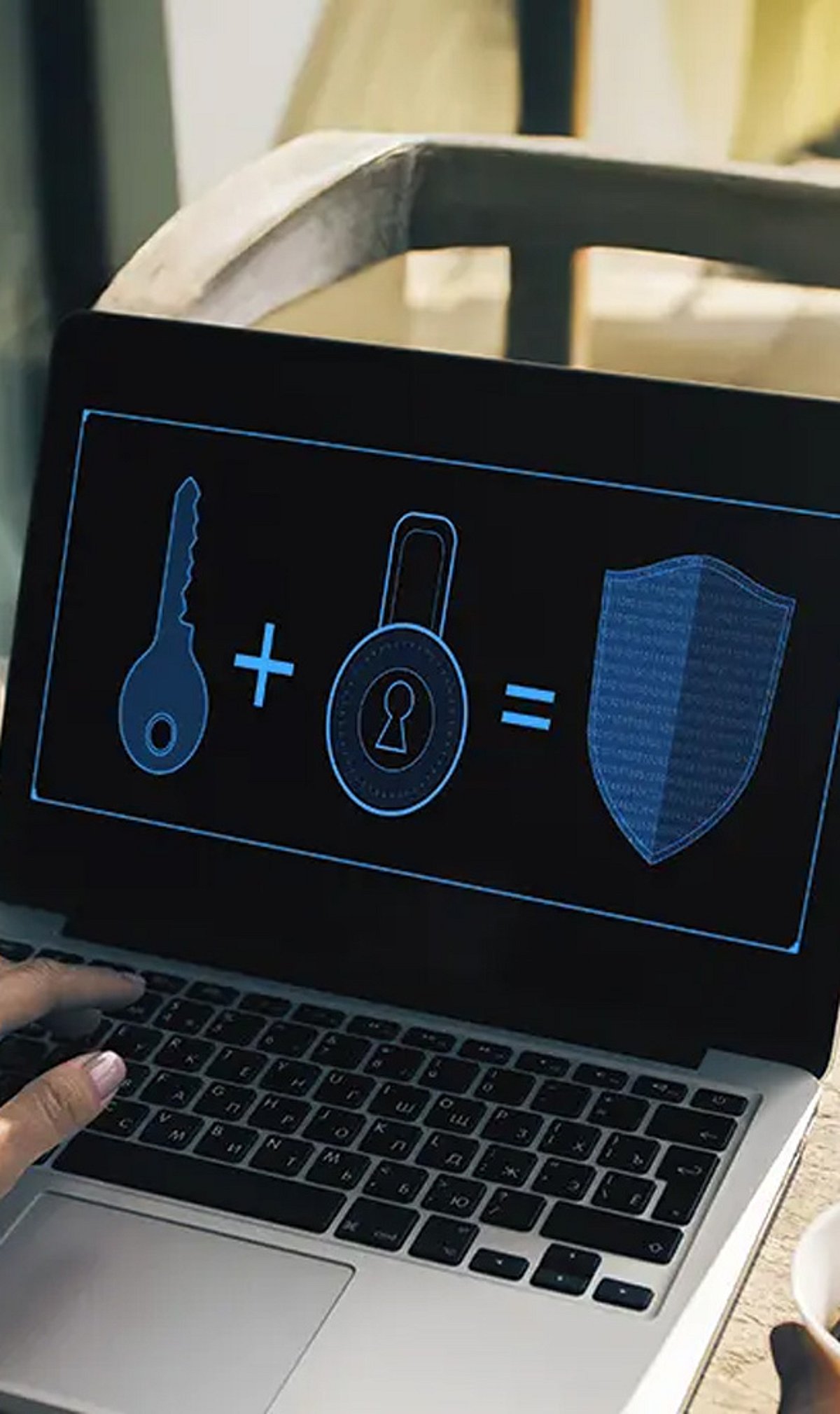
    Passwordless authentication is rapidly transforming how organizations protect digital identities. By eliminating traditional passwords, this approach addresses a wide range of security vulnerabilities while improving user experience. Below are the key benefits of adopting passwordless authentication.

    Eliminates Password Theft

    Traditional passwords are a prime target for cybercriminals. Passwordless authentication removes the risk of credential theft through phishing, brute-force attacks, password reuse, and database breaches. Without a password to steal, attackers lose a major entry point.

    Strengthens User Authentication

    Instead of relying on easily guessed or stolen passwords, passwordless methods use biometrics (fingerprint, facial recognition), security keys, or trusted devices. These factors provide a much higher level of assurance than conventional password-based systems.

    Reduces Phishing Attacks

    Phishing attacks often trick users into entering their passwords on fake websites. With passwordless authentication, users never enter a password, so attackers cannot steal credentials through deceptive login pages. This dramatically reduces the effectiveness of phishing campaigns.

    Improves User Experience

    Passwordless login simplifies access through fingerprint scans, facial recognition, passkeys, or device-based authentication. Users enjoy faster, frictionless logins without sacrificing security, leading to higher satisfaction and productivity.

    Minimizes Credential Reuse

    Many users reuse passwords across multiple accounts, increasing the risk of credential stuffing attacks. Passwordless authentication eliminates the practice of password reuse, reducing exposure when one service is compromised.

    Supports Multi-Factor Security

    Passwordless solutions can be combined with device verification, biometrics, or hardware tokens to create robust multi-factor authentication. This layered approach provides stronger protection against unauthorized access, even if one factor is compromised.

    Lowers IT Support Costs

    Organizations spend significant time and resources on password resets and account recovery. Passwordless authentication reduces help desk tickets related to forgotten passwords, freeing IT teams to focus on higher-value security initiatives.

    Enhances Regulatory Compliance

    Many regulations require strong authentication controls. Passwordless authentication helps organizations meet compliance standards for data protection and privacy, safeguarding sensitive business and customer information.

    Secures Remote Workforces

    As remote work becomes permanent, secure access to business applications is critical. Passwordless authentication allows employees to use trusted devices to log in from any location, maintaining security without compromising convenience.

    By adopting passwordless authentication, organizations can significantly improve their security posture while delivering a better user experience. The trend is clear: passwords are becoming obsolete, and passwordless authentication is the future of secure access.

  • Zero Trust Security in 2026: Why Enterprises Are Ditching Passwords for Continuous Identity Verification

    Zero Trust Security in 2026: Why Enterprises Are Ditching Passwords for Continuous Identity Verification

    Zero Trust Security has become a core cybersecurity model in 2026 as companies move away from traditional password-based systems. The model follows a simple rule: never trust any user or device by default, even inside the network perimeter.

    Organizations now rely on continuous identity verification instead of one-time password authentication to reduce security risks. Multi-factor authentication has evolved into passwordless systems using biometrics like fingerprints, face recognition, and device-based trust signals.

    AI-driven security tools now monitor user behavior in real time to detect unusual access patterns and potential breaches. Cloud adoption has accelerated Zero Trust implementation, especially in hybrid and remote work environments.

    Companies are using micro-segmentation to limit access, ensuring users only reach the systems they are authorized to use. Cyber threats are becoming more advanced, pushing enterprises to adopt adaptive security systems that respond instantly.

    Experts say Zero Trust is no longer optional, as data breaches and identity attacks continue to rise globally.