
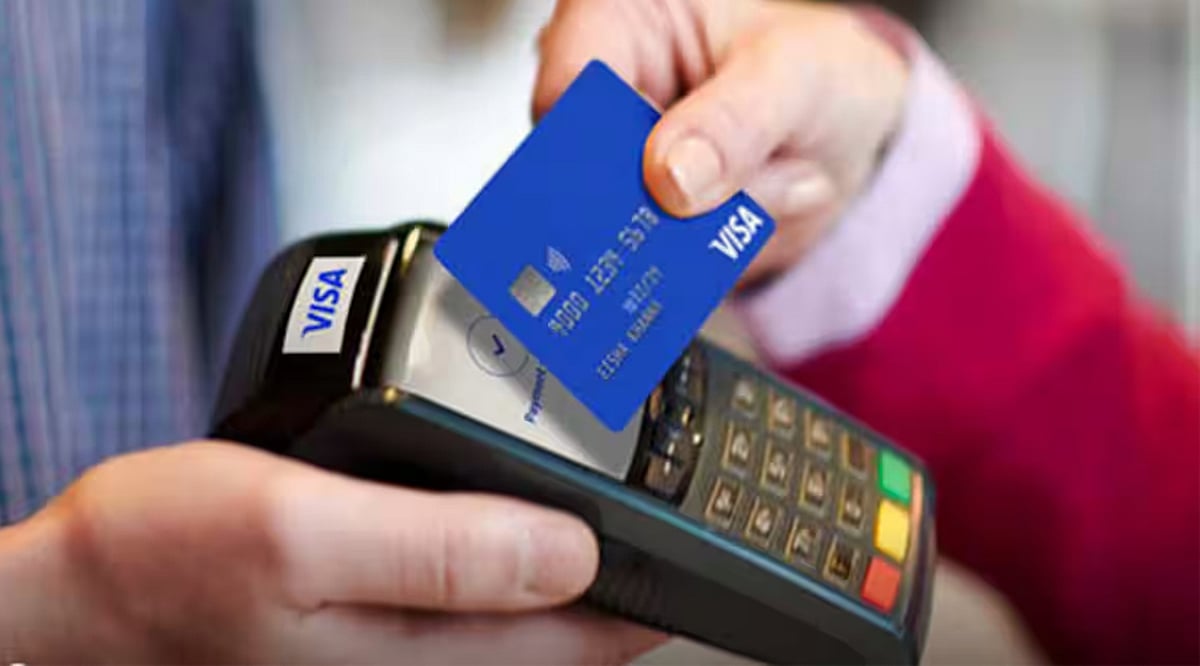
Technology is transforming the way we pay, making transactions both faster and safer. From real-time settlement to biometric verification, here are the key innovations driving this change.
Real-Time Payments
Real-time payment systems enable money to move between accounts within seconds. Services like UPI have made instant transactions practical for everyday purchases, bills, and transfers. This reduces waiting periods and provides immediate confirmation. Businesses benefit from quicker settlements, improved cash flow, and smoother customer payment experiences.
Biometric Authentication
Biometric authentication adds an extra security layer by using fingerprints, facial recognition, or other unique characteristics. Instead of relying solely on passwords or PINs, payment systems can verify the person making a transaction. This deters unauthorized access while allowing users to complete transactions quickly without repeatedly entering lengthy credentials.
Tokenization
Tokenization replaces sensitive card information with unique digital tokens during transactions. Merchants and payment platforms process payments without directly exposing the actual card number. Even if transaction data is intercepted, the token generally cannot be used like the original card details, reducing risks associated with stolen payment information.
Artificial Intelligence
Artificial intelligence helps payment companies identify unusual transaction patterns and potential fraud. Systems analyze transaction behavior, location, device information, and other signals to detect suspicious activity quickly. This allows financial institutions to flag or block potentially fraudulent payments while minimizing unnecessary interruptions for legitimate transactions.
Contactless Payments
Contactless payments use technologies like near-field communication (NFC) so users can pay by tapping compatible cards, phones, or wearables. Transactions complete within seconds without inserting a card or re-entering details. Secure authentication and transaction limits provide additional protection, making contactless payments convenient for everyday use.
Encryption and Security
Encryption protects payment information as it moves between devices, banks, and payment networks. Modern payment platforms also use secure authentication, fraud monitoring, and layered security controls. These measures help safeguard sensitive financial data from unauthorized access while allowing legitimate transactions to flow efficiently between customers, merchants, and financial institutions.
Digital Wallets
Digital wallets bring payment cards, bank accounts, and other payment options together in one application. Users can transact through smartphones or wearable devices without carrying physical cards. Wallets often incorporate device authentication, tokenization, and transaction monitoring, combining convenience with multiple security measures for everyday digital payments.
Leave a Reply