Tag: Bitcoin

  • Top Crypto Hardware Wallets for 2026: Secure Your Digital Assets Offline

    Top Crypto Hardware Wallets for 2026: Secure Your Digital Assets Offline

    As cryptocurrency adoption continues to accelerate, securing digital assets has never been more critical. Hacks, phishing attacks, and exchange breaches cause billions of dollars in losses annually. While keeping crypto on exchanges is convenient, many long-term investors turn to hardware wallets because they store private keys offline, drastically reducing exposure to online threats.

    Hardware wallets, also known as cold wallets, keep private keys out of reach of third parties, making them one of the safest ways to store Bitcoin, Ethereum, NFTs, and other digital assets. Below are the most recommended crypto hardware wallets for 2026.

    1. Ledger Nano X – Best Overall Hardware Wallet

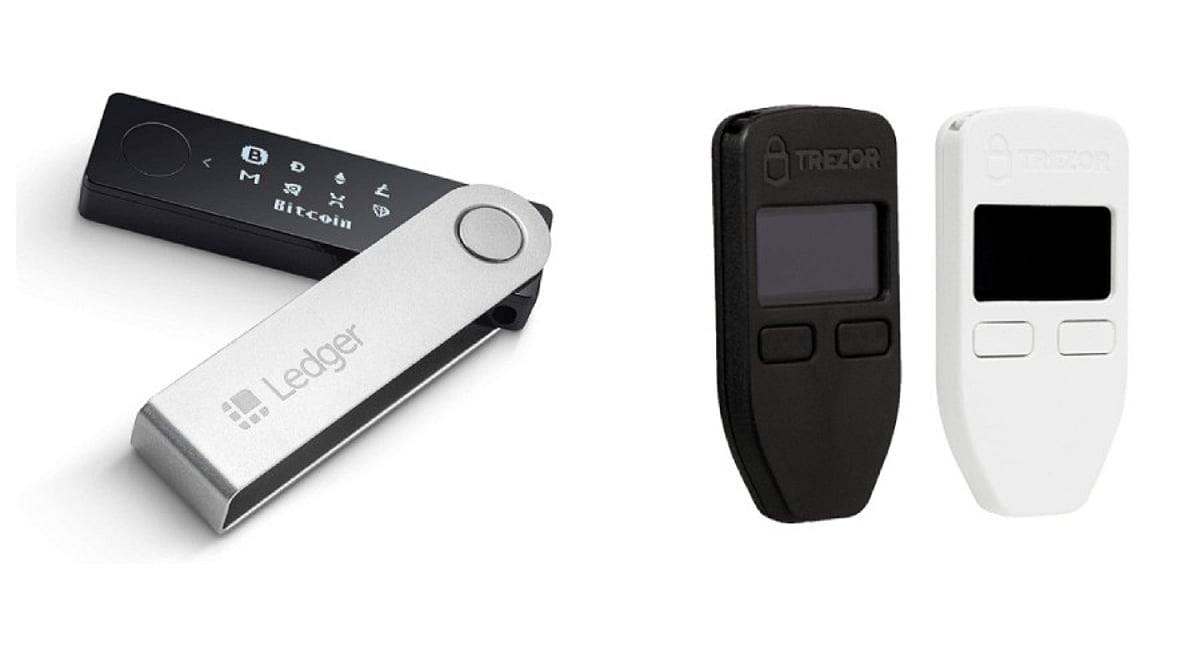
    The Ledger Nano X strikes an excellent balance between security and convenience. Through the Ledger Live app, users can stake, trade, buy, and sell over 5,000 cryptocurrencies. It connects via Bluetooth or USB-C for desktop and mobile devices and features Ledger’s Secure Element chip.

    Ideal For: Investors seeking an all-in-one mobile-enabled hardware wallet.
    Approximate Price: $99

    2. Ledger Stax – Best Premium Hardware Wallet

    For a premium experience, the Ledger Stax offers a large curved E-Ink touchscreen and Bluetooth connectivity. It supports thousands of cryptocurrencies and NFTs, using the same Secure Element technology as other Ledger devices. The larger display makes transaction verification easier at a glance.

    Ideal For: Long-term investors aiming for a premium user experience.
    Approximate Price: $399

    3. Trezor Model T – Best Open-Source Wallet

    The Trezor Model T features open-source firmware, which allows independent security researchers to inspect the code, enhancing transparency. It includes a color touchscreen and USB-C port, and manages hundreds of cryptocurrencies through the Trezor Suite app.

    Ideal For: Security-focused users who prefer open-source solutions.
    Approximate Price: $129

    4. Trezor Model One – Best Budget Choice

    The Trezor Model One remains an excellent entry-level wallet. It lacks a touchscreen but provides solid offline storage, open-source firmware, and simple two-button operation. It is compatible with most major cryptocurrencies and is one of the most affordable hardware wallets available.

    Ideal For: Newcomers to crypto investing.
    Approximate Price: $49

    5. Bitkey – Best Bitcoin-Only Wallet

    Block’s Bitkey is designed specifically for Bitcoin security, using a multi-signature architecture. It eliminates single points of failure through a combination of hardware, mobile app, and cloud-based recovery. Features like inheritance and recovery make it ideal for long-term Bitcoin holders.

    Ideal For: Maximum security for Bitcoin holders.
    Approximate Price: $215

    6. Tangem Wallet – Best Seedless Hardware Wallet

    Tangem takes a unique approach by eliminating traditional seed phrases. Its NFC-enabled smart cards store private keys in a certified secure chip. Users access their wallets by tapping the card on an NFC-enabled smartphone. It supports over 14,000 digital assets and offers an easy setup process.

    Ideal For: Beginners looking for a seed phrase-free wallet.
    Approximate Price: $54–$180

    Why This Matters

    As cryptocurrency-related cyber threats evolve, choosing the right hardware wallet is essential for protecting digital assets. Keeping funds offline reduces exposure to online attacks, giving investors more control over their private keys and enhancing long-term portfolio security.

    Final Thoughts

    In 2026, the hardware wallet market offers diverse options for every type of investor. Ledger’s feature-packed lineup continues to dominate, while Trezor’s open-source transparency appeals to those prioritizing trust. Bitkey’s multisig solution is ideal for Bitcoin-only investors, and Tangem’s seedless NFC design attracts users seeking simplicity. Regardless of the device chosen, storing private keys offline remains one of the best ways to safeguard digital assets from cyberattacks, phishing, and exchange-related risks.

    Frequently Asked Questions

    1. What is a crypto hardware wallet?

    A hardware wallet is a physical device that stores your cryptocurrency private keys offline. Because it remains disconnected from the internet, it offers significantly better protection against hacking, phishing, and malware compared to online wallets.

    2. Which hardware wallet is best for beginners?

    The Trezor Model One and Tangem Wallet are excellent choices for beginners. Both are easy to set up, affordable, and provide strong security without requiring advanced technical knowledge.

    3. Are hardware wallets safer than keeping crypto on exchanges?

    Yes. Hardware wallets give users complete control over their private keys, reducing the risk of exchange hacks or account compromises. However, users must safely store their recovery information to avoid losing access.

    4. Which hardware wallet supports the most cryptocurrencies?

    Tangem Wallet supports more than 14,000 digital assets, while the Ledger Nano X offers compatibility with over 5,000 cryptocurrencies and tokens through the Ledger ecosystem.

    5. Is a hardware wallet worth buying in 2026?

    For anyone holding a meaningful amount of cryptocurrency, a hardware wallet remains one of the best security investments. Offline storage greatly reduces exposure to online threats and gives users full ownership of their digital assets.

  • Bitcoin Long-Term Holders Begin Profit-Taking as On-Chain Metrics Hint at Market Bottom

    Bitcoin Long-Term Holders Begin Profit-Taking as On-Chain Metrics Hint at Market Bottom

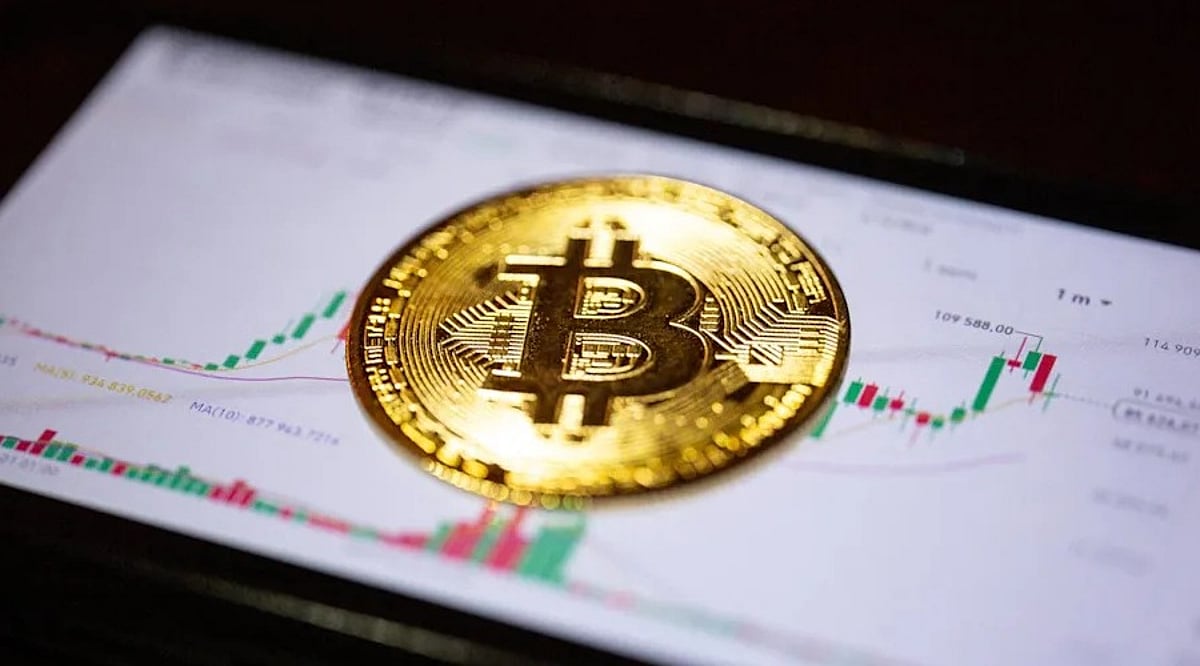
    Bitcoin’s long-term holders (LTHs) have started to sell after months of continued accumulation, signaling a potential new phase in the market. Despite profit-taking by seasoned investors—which is likely to create short-term selling pressure—several on-chain metrics suggest Bitcoin could be entering conditions more commonly seen near market bottoms.

    On-chain data reveals that LTH supply recently began declining after climbing close to 16 million BTC, while the supply of LTHs in short-term holding periods remains comparatively low. Historically, after extended price rallies, long-term investors have sold part of their holdings, allowing new investors to enter the market.

    On-Chain Indicators Suggest Accumulation

    The LTH/STH Spent Output Profit Ratio (SOPR) has moved closer to 1, indicating that the profits of long-term and short-term holders are converging. Historically, this pattern occurred in 2015, 2019, and 2022, with selling pressure easing slowly over time and accumulation resuming. While the ratio has not yet entered its traditional accumulation zone, current readings suggest the market is heading further toward that zone.

    This cycle also differs from previous ones. Bitcoin’s first major price increase in the current cycle took approximately 31 months to achieve—much longer than the 8 to 17 months seen in past cycles. This extended timeline suggests that investor behavior has evolved alongside the rising institutionalization of the market.

    Also Read: Bitcoin Security Faces New Questions After the Coldcard Wallet Hack

    Fear Persists Despite Improving Fundamentals

    LTH supply recently started declining after climbing close to 16 million BTC. Currently, the Crypto Fear & Greed Index stands at 40, indicating neutral market sentiment. Bitcoin’s Market Value to Realized Value (MVRV) ratio has been squeezed to the 1.21–1.22 zone. Historically, when sentiment turned negative while on-chain fundamentals improved, new accumulation phases have begun. Meanwhile, long-term investor supply remains near record levels, suggesting that established investors are holding onto most of their Bitcoin after recent distributions.

    Although no single indicator can accurately identify a market bottom, the combination of record long-term holder conviction, compressed valuations, subdued speculative activity, and cautious investor sentiment increasingly resembles conditions seen before previous Bitcoin recoveries.

    In the short term, Bitcoin appears to be transitioning from a distribution phase to what could become an accumulation phase. Whether this marks the cycle bottom will depend on overall macroeconomic conditions, investor demand, and the market’s ability to absorb continued selling pressure from long-term investors.

  • Bitcoin Faces Potential Pullback: 3 Warning Signs Investors Should Watch

    Bitcoin Faces Potential Pullback: 3 Warning Signs Investors Should Watch

    Bitcoin is trading around $64,000, up 0.56% in the last 24 hours, despite Strategy’s third Bitcoin sale this year. However, several on-chain and market signals suggest the top cryptocurrency may face additional selling pressure in the near term.

    Exchange Inflows and Miner Selling Raise Caution

    Crypto analyst Ali Martinez reports that over the past week, more than 20,000 BTC — worth over $1.2 billion — have moved toward cryptocurrency exchanges. CryptoQuant data shows exchange reserves are now roughly at 2.72 million BTC, the highest since early July.

    “When coins move onto trading platforms, it often signals rising sell-side pressure. Keep an eye on this trend,” Martinez noted.

    While higher exchange balances are often interpreted as a precursor to selling, recent security concerns surrounding the ColdCard wallet incident may also be encouraging some investors to temporarily move assets from self-custody into centralized exchanges without intending to sell.

    Another bearish signal comes from Bitcoin miners. According to Martinez, miners have sold approximately 1,774 BTC, valued at roughly $112 million, during the past week. Miner selling is often viewed as profit-taking and can increase short-term supply entering the market.

    Seasonal Trends Keep Traders on Alert

    Bitcoin’s historical performance also adds uncertainty. Market data shows the cryptocurrency has finished August in negative territory nine out of the past thirteen years, making it one of Bitcoin’s weaker seasonal months.

    Market opinions remain divided. Some analysts expect additional downside before a sustained recovery. Rekt Fencer suggested a potential bull trap could drive Bitcoin toward $30,000 later this month.

    According to Ali Martinez, a decline toward $60,000 could actually strengthen Bitcoin’s technical outlook by confirming an inverse head-and-shoulders pattern, potentially setting the stage for a rally toward $74,000. Crypto analyst MikybullCrypto also believes the bullish setup has already formed, stating, “Breakout is next. $80K is the magnet target.”

    Technical Structure

    Bitcoin price is currently hovering around $64,038 on Wednesday with a slight downward trend, trapped between a dense range of Exponential Moving Averages (EMAs). BTC is struggling to move above the 50-day EMA near $64,650.

    The Relative Strength Index (RSI) is sitting around 50.50 on the daily time frame, indicating no real conviction for an upside move today. The Moving Average Convergence Divergence (MACD) remains under the zero line, with a mild downward bias; it suggests price is still in a downtrend.

    For the upside, immediate resistance is near $64,650 at the 50-day EMA. A break above $64,650 would lift the downside pressure for a leg toward the 100-day EMA at $67,079, followed by the 200-day EMA at $72,649. On the downside, support is seen at $64,004; a break below this support could drag the asset into a deeper corrective trend.

    FAQs

    1. Why are rising Bitcoin exchange inflows considered bearish? When large amounts of Bitcoin move onto exchanges, it often signals that investors may be preparing to sell. Higher exchange balances can increase available supply, creating short-term selling pressure if demand does not keep pace.
    2. Why does miner selling affect Bitcoin’s price? Bitcoin miners periodically sell a portion of their holdings to cover operational costs or lock in profits. Increased miner selling adds fresh supply to the market, which can weigh on prices during periods of weak buying demand.
    3. What does Bitcoin’s RSI currently indicate? The Relative Strength Index (RSI) is hovering around 50.50, suggesting neutral momentum. It indicates that neither buyers nor sellers currently have strong control, leaving Bitcoin vulnerable to movement in either direction.
    4. Which technical levels should Bitcoin traders watch? Immediate resistance is near the 50-day EMA at $64,650. If Bitcoin breaks above this level, the next upside targets are the 100-day EMA near $67,079 and the 200-day EMA around $72,649. On the downside, key support lies near $64,004.
    5. Does a short-term pullback mean Bitcoin’s long-term trend has turned bearish? Not necessarily. Short-term corrections are common in crypto markets. Some analysts believe a pullback toward $60,000 could strengthen Bitcoin’s longer-term bullish structure by confirming a potential inverse head-and-shoulders pattern before another upward move.
  • SpaceX Q2 2026 Revenue Surges to $7.8B as AI Investment Weighs on Stock

    SpaceX Q2 2026 Revenue Surges to $7.8B as AI Investment Weighs on Stock

    SpaceX reported second-quarter revenue of $7.8 billion, a 92% increase year-over-year, driven by strong growth in its Starlink satellite internet and artificial intelligence businesses. However, the company posted a net loss of $541 million, and shares fell about 11% in pre-market trading after the earnings release as investors focused on rising capital expenditures tied to AI infrastructure.

    Starlink remained the largest revenue contributor, generating $4.29 billion in the quarter, up from $2.59 billion a year earlier. The satellite internet service now has 12 million subscribers, and CEO Elon Musk said during the earnings call that Starlink could eventually deliver a majority of the world’s internet.

    SpaceX’s AI segment also saw significant growth, with revenue rising to $2.56 billion from $737 million in the same period last year. The company provides computing capacity for AI projects and works with partners including Google and Anthropic. It currently operates 1.4 gigawatts of AI computing capacity and plans to expand to at least 10 gigawatts next year. However, the AI division recorded a $1.2 billion loss despite generating $2.5 billion in revenue.

    Capital spending surged to about $18 billion during the quarter, compared with less than $3 billion a year earlier. CFO Bret Johnsen said spending would remain at a similar level for the rest of the year. The increased costs, combined with a $542 million loss in the space division, fueled investor concerns after the earnings report.

    SpaceX shares had gained 9.43% during regular trading on Tuesday, closing at $125.33, but reversed course in after-hours trading. The stock had already declined from its June high following the company’s public listing.

    Musk said SpaceX expects its AI investments to support future growth and reiterated a goal of reaching $1 trillion in annual revenue by 2030, one year earlier than his previous estimate. The company continues to focus on its Starship program, with President Gwynne Shotwell stating that SpaceX aims to send astronauts to the Moon by 2028 through NASA’s lunar program.

    SpaceX’s earnings report also revealed changes in the value of its Bitcoin holdings. The company held 18,712 BTC at the end of the second quarter, with the value falling to about $1.1 billion from $1.64 billion at the end of 2025. SpaceX did not indicate plans to sell its holdings.

  • Bitcoin Tops $64K Amid Qatar-Iran Talks as Three Missouri Men Face Federal Robbery Charges

    Bitcoin Tops $64K Amid Qatar-Iran Talks as Three Missouri Men Face Federal Robbery Charges

    Federal prosecutors have charged three Missouri men in connection with an alleged home-invasion plot targeting a Connecticut family over stolen Bitcoin. The case unfolds as Bitcoin rebounds above $64,000, buoyed by news that Qatar is mediating renewed negotiations between the United States and Iran.

    Missouri Trio Accused in Bitcoin Extortion Plot

    According to prosecutors, Sedric Louis, John Davis, and Martel Williams traveled from Missouri to Connecticut between August 21 and August 24, 2024. The group is alleged to have rented vehicles, obtained air rifles and walkie-talkies, and surveilled the intended victim and his parents over two days.

    Authorities say the men planned to enter the family home, threaten the target, and force him to transfer stolen cryptocurrency into wallets controlled by coordinators. The plot was abandoned when the group feared that home-security cameras had captured them. Prosecutors also cited poor communication with alleged co-conspirators.

    A Second Group Kidnapped the Parents

    Shortly after the Missouri men backed off, a separate group from Florida allegedly carried out a kidnapping. On August 25, six men rammed a Lamborghini Urus driven by the parents and pulled them into a van. The attackers beat and restrained the couple until witnesses alerted police. Officers rescued the victims after a pursuit and arrested the suspects.

    Prosecutors say the couple’s son had participated in the theft of hundreds of millions of dollars in Bitcoin. The broader case involves approximately 4,100 BTC, valued at roughly $245 million at the time. The attackers allegedly used social engineering tactics, posing as tech and cryptocurrency support staff.

    Proceeds from the stolen Bitcoin were reportedly spent on luxury cars, jewelry, high-end rentals, and nightclub parties. Several defendants in the larger case have pleaded guilty. A federal grand jury returned a second superseding indictment against Louis, Davis, and Williams on May 22, 2026. All three have pleaded not guilty.

    Louis and Davis remain in custody, while a judge released Williams on bond. The Hobbs Act robbery conspiracy charge carries a maximum 20-year federal prison sentence.

    Bitcoin Rises as Qatar Pursues Iran Talks

    Bitcoin climbed above $64,000 after Qatar confirmed that regional mediators are working to restart negotiations between the United States and Iran. Qatari Foreign Ministry spokesperson Majed Al-Ansari stated that Doha wants normal conditions restored in the Strait of Hormuz. Qatar, Pakistan, and Oman continue exchanging proposals, though no timetable exists for an agreement.

    Iran has denied direct talks with Washington, describing its discussions as negotiations with Oman. Shipping through the strait remains restricted despite reported diplomatic progress. The route is a critical passage for global oil supplies.

    For U.S. investors, the outcome of these talks could influence oil prices, inflation expectations, and overall market sentiment. A ceasefire and restored shipping could support risk assets like cryptocurrencies and equities. Alternatively, a breakdown could drive demand for cash and defensive assets. Technical charts suggest Bitcoin may be poised for a breakout from a descending channel.

    A Brief Roundup

    Federal prosecutors allege that three Missouri men joined a failed Bitcoin extortion plot before another group kidnapped the target’s parents. Meanwhile, Bitcoin traded above $64,000 as Qatar pursues renewed US-Iran negotiations. Court proceedings and diplomatic developments remain the key events shaping both parts of the story.

  • Bitcoin and Ethereum ETFs See Renewed Inflows as Institutional Interest Picks Up

    Bitcoin and Ethereum ETFs See Renewed Inflows as Institutional Interest Picks Up

    US spot crypto ETFs recorded fresh inflows on August 4, with Bitcoin funds attracting $211.49 million and Ethereum products gaining $53.75 million. The renewed demand supported Bitcoin above $64,000 as investors focused on institutional flows and market positioning.

    Bitcoin traded near $64,043, up 0.57% over 24 hours. Stronger ETF demand and short liquidations added buying pressure above $64,000. Bitcoin accounted for the larger share of combined ETF demand.

    Bitcoin ETFs Extend Inflows

    According to SoSoValue data, Spot Bitcoin ETFs recorded $211.49 million in net inflows on August 4. BlackRock’s iShares Bitcoin Trust led the group with $111.4 million. The two-day inflow period reversed the $265.37 million outflow recorded on July 31. Bitcoin funds previously lost 4,217 BTC during that session.

    The change marked a return of capital after a single withdrawal period. However, daily ETF flows can shift as institutions adjust positions or complete fund transactions. BlackRock’s IBIT provides Bitcoin exposure through exchange-traded shares. Investors can access Bitcoin through brokerage accounts without managing private keys or direct custody.

    Authorized participants create and redeem ETF shares based on market demand. These transactions can reflect institutional buying, arbitrage activity, or portfolio adjustments.

    Moreover, the SEC approved in-kind creations and redemptions for crypto exchange-traded products in July 2025. Qualifying institutions can exchange underlying assets directly for fund shares.

    Ethereum ETFs Reverse Outflow Trend

    Ethereum spot ETFs recorded $53.75 million in net inflows on August 4. The figure reversed the $11.42 million outflow reported on August 3. Cumulative net inflows across US Ethereum spot ETFs reached $11.25 billion. Total net assets increased to $10.32 billion during the session.

    The asset total rose from $10.23 billion on August 3. Trading volume reached $387.96 million on August 4, compared with $519.88 million during the previous session.

    Ethereum products recorded withdrawals on August 3 while Bitcoin ETFs attracted $170.09 million. The August 4 figures showed renewed demand across both major crypto ETF categories.

    Fees, liquidity levels and portfolio rules can influence daily allocations. Fund creations can also reflect arbitrage activity instead of direct retail purchases.

    XRP products attracted $1.15 million on August 3, while HYPE funds recorded withdrawals of around $964,320. Other products covering Solana, Chainlink, BNB, Avalanche, Polkadot, Dogecoin, and Litecoin posted positive token flows.

    Bitcoin Faces $64,300 Resistance

    Bitcoin’s move above $64,000 triggered $27.36 million in short liquidations during the reported 24-hour period. Short positions represented about 83% of all Bitcoin liquidations.

    Forced closures required traders to buy Bitcoin to exit bearish positions. That activity added momentum during the recovery.

    Bitcoin faces resistance near $64,300. A confirmed four-hour close above that level could open a path toward $64,757 and $65,500.

    The first support area sits near $63,933. A rejection from resistance could send Bitcoin toward the $62,000 to $63,000 zone.

    Bitcoin also maintained an 84% correlation with the S&P 500, keeping the asset connected with broader market movements.

    Investors will monitor upcoming ETF flow reports for changes in institutional demand. Fund-level creation data can provide further information on allocation trends across crypto investment products.

  • AI Model Rediscovers Bitcoin Wallet Flaw for Just $2, Revealing New Era in Crypto Security

    AI Model Rediscovers Bitcoin Wallet Flaw for Just $2, Revealing New Era in Crypto Security

    Artificial intelligence is transforming cybersecurity at an unprecedented pace, and a recent experiment involving a Bitcoin hardware wallet has demonstrated just how quickly AI can uncover software vulnerabilities. Researchers reported that the AI model GLM 5.2 rediscovered the flaw behind the ColdCard wallet incident in approximately 20 minutes, at a total cost of roughly $2. While there is no evidence that cybercriminals used AI in the original theft, the experiment underscores how inexpensive AI-assisted code analysis has become.

    AI Makes Security Audits Faster and Cheaper

    Traditionally, finding vulnerabilities in cryptographic software required experienced security researchers spending days or even weeks reviewing firmware, source code, and cryptographic implementations. Now, AI models can perform an initial review across large codebases in a fraction of the time. According to Dragonfly managing partner Haseeb Qureshi, the most significant takeaway was the cost. “GLM 5.2 running for 20 minutes costs about $2. So what does that mean? It means we are in a new world.”

    Researchers directed multiple AI models to inspect the affected software after the ColdCard incident had become public. The models were reportedly not told where the vulnerability existed, yet GLM 5.2 identified the underlying weakness in roughly 20 minutes. However, rediscovering a vulnerability is not the same as carrying out an attack. Exploiting such a flaw still requires identifying affected devices, reconstructing usable private keys, locating valuable wallets, and successfully transferring funds before users or manufacturers can respond. The experiment therefore demonstrates AI’s growing ability to assist security research rather than proving that AI played any role in the original theft.

    Security Teams Face a New Arms Race

    The findings also highlight a shift in how cryptocurrency security may evolve. Much of the industry’s long-term focus has been on quantum computing, which could eventually threaten Bitcoin’s cryptographic foundations. AI presents a more immediate challenge because it can already identify mistakes in wallet firmware, random-number generation, key management, and cryptographic implementations without breaking Bitcoin’s underlying encryption.

    According to Qureshi, the affected users were “people who are doing all the right things.” Even users storing assets in offline hardware wallets remain dependent on the quality of the wallet’s firmware and cryptographic implementation. If private keys are generated using weak randomness, keeping a device offline cannot strengthen those keys afterward.

    For developers, AI represents both a defensive and offensive tool. Wallet manufacturers can repeatedly scan legacy firmware as newer AI models become available, while attackers can automate vulnerability discovery across older software releases at minimal cost. The experiment underscores an important lesson for the cryptocurrency industry: security reviews can no longer be treated as one-time events. As AI models become faster, cheaper, and more capable, continuous code auditing, responsible disclosure programs, and rapid patch deployment will become essential for protecting digital assets.

    FAQs

    1. What did the GLM 5.2 AI model accomplish?
    According to researchers, GLM 5.2 successfully rediscovered the software vulnerability linked to the recent ColdCard wallet incident in around 20 minutes. The exercise demonstrated AI’s ability to quickly identify known security flaws at a very low cost.

    2. Did AI play a role in the original ColdCard theft?
    No. There is currently no evidence that attackers used AI during the original theft. The experiment was conducted afterward to evaluate whether a modern AI model could independently identify the same vulnerability.

    3. Why is the reported $2 cost significant?
    The low cost shows that AI-assisted vulnerability research is becoming accessible to far more developers and researchers. It also means attackers could potentially scan many software projects for weaknesses without investing significant resources.

    4. Can AI break Bitcoin’s cryptography?
    No. The experiment did not demonstrate that AI can break Bitcoin’s underlying cryptographic algorithms. Instead, it showed that AI can help identify implementation bugs in wallet software, firmware, and cryptographic code surrounding Bitcoin.

    5. How can crypto developers use AI to improve security?
    Developers can use AI to scan source code before release, re-audit older firmware as AI models improve, identify potential vulnerabilities faster, and support bug bounty programs. Human security experts are still required to verify findings and deploy secure fixes.

  • Bitcoin ETF Inflows Hit $211M, BlackRock Tokenizes $311B Funds, Uniswap Launches Lending, SpaceX Reduces Crypto Holdings

    Bitcoin ETF Inflows Hit $211M, BlackRock Tokenizes $311B Funds, Uniswap Launches Lending, SpaceX Reduces Crypto Holdings

    The crypto market saw significant developments as spot Bitcoin ETFs recorded $211.49 million in daily net inflows, BlackRock expanded tokenized fund offerings in Europe, Uniswap entered the lending space, and SpaceX reduced its crypto exposure.

    Bitcoin ETF Inflows Surge

    According to SoSoValue, U.S. spot Bitcoin ETFs saw total net inflows of $211.49 million. BlackRock’s IBIT led with $170.35 million in daily inflows, bringing its historical total to $60.76 billion. Fidelity’s FBTC followed with $19.58 million, reaching a cumulative $9.97 billion. The total net asset value of Bitcoin spot ETFs now stands at $78.26 billion, with an ETF net asset ratio of 6.06% and historical cumulative net inflows of $51.71 billion.

    BlackRock Tokenizes $311 Billion in European Money Market Funds

    On August 4, 2026, BlackRock introduced 12 tokenized share classes tied to six of its Institutional Cash Series (ICS) money market funds in Europe. This marks the firm’s first tokenized fund access in the region. The six funds collectively hold $311 billion in assets under management as of June 30, 2026. Only the tokenized share class operates on blockchain, and BlackRock expects initial adoption to be modest, growing as institutional investors opt in.

    Uniswap Launches Decentralized Lending Service

    Uniswap expanded its DeFi ecosystem with the launch of Earn, a lending product developed in partnership with Morpho. Users can deposit USDC, USDT, and Ether into professionally managed lending vaults to earn passive income. Assets are supplied to borrowers through Morpho’s decentralized lending markets, with interest returned to depositors. Users retain custody and can withdraw funds at any time. This reflects a broader trend of decentralized exchanges evolving into comprehensive financial platforms.

    SpaceX Reduces Crypto Holdings by $539 Million

    Space Exploration Technologies Corp. reported that the carrying value of its digital assets fell from $1.637 billion at the end of 2025 to $1.098 billion in Q2 2026, a 33% decline. The company did not specify whether the reduction resulted from asset sales, price movements, or both. Despite this, SpaceX’s total revenue reached $7.8 billion for the period, exceeding Wall Street estimates of $6.81 billion.

    Strategy-Linked Wallet Moves 1,030 BTC

    On-chain analytics platform Lookonchain identified a wallet linked to Strategy transferring 1,030 Bitcoin (worth approximately $66.14 million) on August 5. This occurred two days after Strategy disclosed a Bitcoin sale, but the company has not confirmed whether the latest transfer was a sale. Strategy’s most recent SEC filing reported holdings of 842,138 BTC as of August 2.

    FAQs

    1. How much money flowed into Bitcoin spot ETFs?
    According to SoSoValue, U.S. spot Bitcoin ETFs recorded $211.49 million in net inflows. BlackRock’s IBIT led with $170.35 million, followed by Fidelity’s FBTC with $19.58 million.

    2. What did BlackRock announce for its European funds?
    BlackRock introduced 12 tokenized share classes linked to six Institutional Cash Series money market funds. The funds collectively manage $311 billion in assets, though only the tokenized share classes operate on blockchain.

    3. What is Uniswap’s new lending service?
    Uniswap launched Earn, a decentralized lending product developed with Morpho. Users can deposit USDC, USDT, and ETH into lending vaults to earn passive income while maintaining custody of their assets.

    4. Why did SpaceX’s crypto holdings decline?
    SpaceX reported that the carrying value of its digital assets fell from $1.637 billion to $1.098 billion in Q2 2026. The company did not disclose whether the decline resulted from asset sales, price movements, or both.

    5. Did Strategy sell another 1,030 Bitcoin?
    Not necessarily. Lookonchain identified a wallet linked to Strategy transferring 1,030 BTC, but the company has not confirmed it was a sale. An on-chain transfer alone does not establish ownership changes or transaction purpose.

    Disclaimer: This article is for informational purposes only and does not constitute investment advice. Cryptocurrencies are risky assets; conduct your own research before investing.

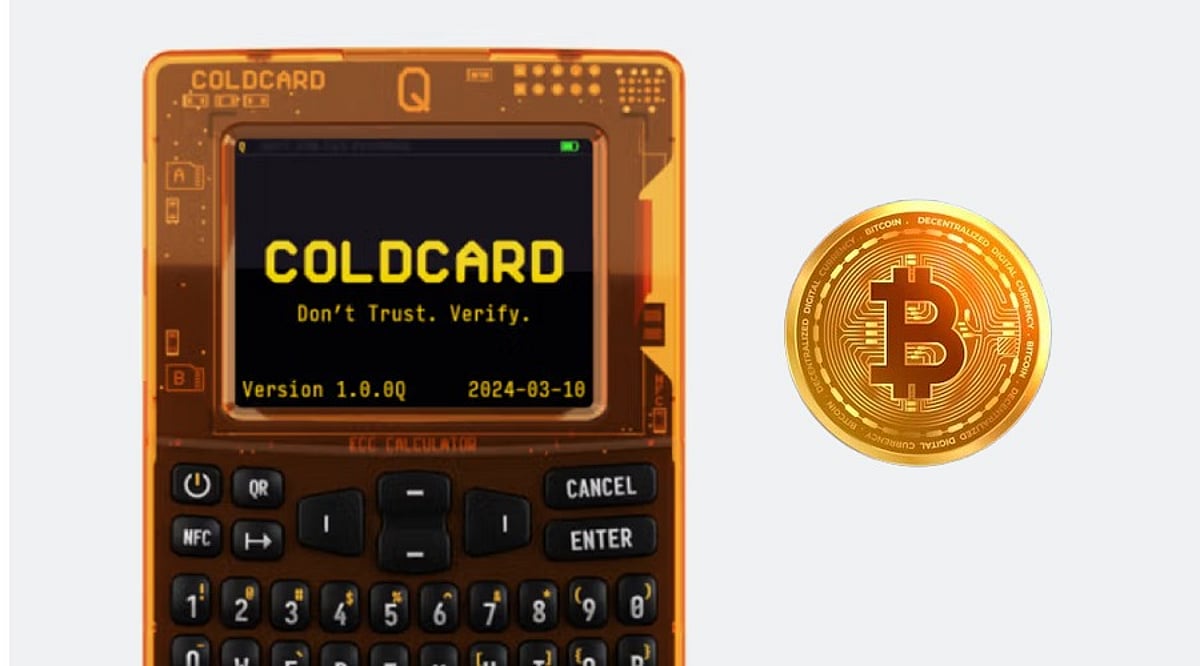
  • Coldcard Firmware Bug Led to $70M Bitcoin Heist, Researchers Say

    Coldcard Firmware Bug Led to $70M Bitcoin Heist, Researchers Say

    Galaxy Research has linked a firmware flaw in Coldcard hardware wallets to the theft of 1,082.65 Bitcoin, worth approximately $70 million. The coordinated withdrawals, which occurred across 1,196 addresses on July 30, took place within just 41 minutes, marking one of the largest reported hardware wallet incidents this year.

    Galaxy Tracks a Coordinated Bitcoin Theft

    Galaxy Research identified a consistent transaction pattern across the stolen funds, pointing to a single attacker behind the operation. However, the firm cautioned that the observed transfers may not include all exposed wallets. Other vulnerable addresses could remain inactive or be moved later. Blockchain records cannot distinguish between theft and a legitimate owner transfer when both use valid private keys, leaving the true extent of the breach uncertain.

    Coinkite Expands Warning Across Coldcard Models

    Coinkite initially warned owners of Coldcard Mk3 devices running firmware version 4.0.1, released in March 2021, that seeds created with the affected software could expose user funds. The company later widened the advisory to include selected firmware versions on Coldcard Mk4, Mk5, and Coldcard Q devices. Emergency updates were issued for every impacted model. Coinkite CEO Rodolfo Novak (NVK) accepted responsibility and apologized to customers, stating that the company’s internal review process failed to catch the defect before release.

    AI-Assisted Analysis Raises New Security Concerns

    Novak suggested that attackers may have discovered the flaw through artificial intelligence-assisted code analysis. Such tools can detect subtle weaknesses faster than traditional manual reviews, creating a growing challenge for software developers. While AI can help defenders inspect code, it also shortens the path from public release to exploitation.

    What Affected Users Should Do

    Coinkite urged affected users to take the following steps:

    • Install the latest firmware version.
    • Create new wallet seeds.
    • Move Bitcoin into new wallets after testing small transfers first.
    • Keep original backups until every transfer succeeds.

    Coldcard wallets store private keys offline, but firmware bugs, supply chain risks, and configuration errors can still create attack paths. Galaxy Research linked the July 30 theft to vulnerable Coldcard wallet seeds across affected firmware versions. Coinkite released emergency updates and told users to create fresh seeds, test new wallets, and transfer funds while keeping original backups until every move succeeds.

  • Bitcoin ETF Inflows Surge as Ether Funds Experience Outflows

    Bitcoin ETF Inflows Surge as Ether Funds Experience Outflows

    US spot crypto exchange-traded funds posted mixed flows on August 3, as Bitcoin products gained $170.09 million while Ether funds recorded $11.42 million in withdrawals. XRP funds also attracted modest demand, while HYPE products posted losses.

    Bitcoin Funds Reverse the Previous Session

    SoSoValue recorded 2,657 Bitcoin entering listed US funds during the session. The holdings carried an estimated value of $170.09 million. The inflow reversed Bitcoin funds’ July 31 performance. Those products lost 4,217 Bitcoin, worth about $265.37 million, during that earlier session.

    Still, two daily readings do not establish a lasting trend. Crypto ETF flows can shift quickly as institutions adjust positions, manage liquidity, or complete fund creations and redemptions.

    Ether Outflows Break from Bitcoin Demand

    Ether products moved in the opposite direction on August 3. SoSoValue recorded 5,805 Ether leaving US funds, with an estimated value of $11.42 million. The result reversed the July 31 reading, when Ethereum funds gained 4,834 Ether worth about $9.03 million. Therefore, Bitcoin demand recovered as Ether demand weakened.

    Could this split show that investors now assess each crypto asset separately instead of treating the market as one trade? The August 3 data showed clear asset-level differences. XRP products gained 1.06 million tokens worth nearly $1.15 million. Meanwhile, HYPE funds lost 17,770 tokens, valued at about $964,320.

    Funds linked to Solana, Chainlink, BNB, Avalanche, Polkadot, Dogecoin, and Litecoin also reported positive daily flows. However, the available data did not include complete dollar totals.

    ETF Mechanics Shape Daily Flow Figures

    BlackRock describes its iShares Bitcoin Trust ETF as a vehicle offering Bitcoin exposure through exchange-traded shares. Investors can gain access without managing wallets or direct custody. The SEC approved spot Bitcoin exchange-traded products in January 2024. Former Chair Gary Gensler said the decision covered listed products and did not represent approval of Bitcoin itself.

    In July 2025, the SEC allowed in-kind creations and redemptions through authorized participants. Commissioner Mark Uyeda said cash-only processing could create transaction costs and price slippage. In-kind processing allows qualifying institutions to exchange underlying assets directly for fund shares. As a result, daily flows can reflect institutional arbitrage, portfolio adjustments, and redemption activity.

    The SEC’s Division of Corporation Finance requires issuers to explain custody, valuation, creation, redemption, and material risks. These disclosures help investors compare products beyond one session’s totals.

    BlackRock also operates separate Ether products, including a staked Ether fund. Fees, liquidity, staking exposure, and portfolio rules can affect demand across similar Ethereum investment products. CoinShares recorded similar asset-level divergence earlier in 2026. Its May 5 report showed Bitcoin inflows alongside Ethereum withdrawals during uneven market conditions.

    Bitcoin funds led US crypto ETF activity on August 3 with $170.09 million in inflows, while Ether products lost $11.42 million. XRP funds posted smaller gains, and HYPE funds recorded withdrawals. The split followed opposite July 31 readings and reflected separate demand across listed crypto assets.