Tag: Bitcoin

  • Trump Media Abandons Crypto.com CRO Treasury and ETF Plans, Pivots to TAE Merger

    Trump Media Abandons Crypto.com CRO Treasury and ETF Plans, Pivots to TAE Merger

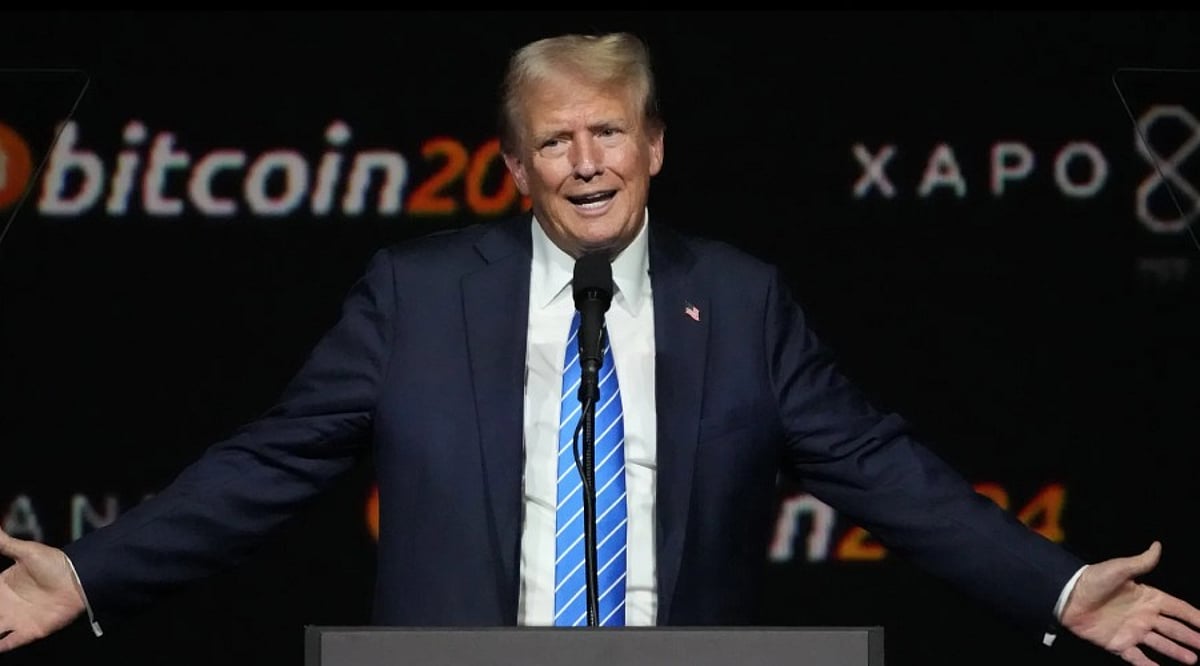
    Trump Media has officially terminated its planned CRO treasury venture with Crypto.com and Yorkville Acquisition, citing changing market conditions and a strategic shift in business priorities. The decision also ends a separate ETF servicing agreement with Crypto.com, and the announcement triggered a drop of up to 5% in the CRO token price.

    End of the CRO Treasury Venture

    The original plan involved creating a publicly traded entity called Trump Media Group CRO Strategy, which would accumulate Cronos’ native token and generate extra returns through staking. Under that structure, Crypto.com was set to provide $1 billion in CRO and access to a $5 billion credit facility, with the broader initiative targeting approximately $6.4 billion in CRO purchases.

    Trump Media had already bought $105 million worth of CRO in September 2025 as part of a wider relationship with Crypto.com, which also included proposed token rewards across Trump Media products. However, those plans are now shelved.

    ETF and Truth Social Crypto Plans Retreat

    The companies also scrapped a separate arrangement involving planned exchange-traded funds from Yorkville America, under which Crypto.com had expected to service certain funds. Additionally, Trump Media has scaled back its plans to integrate Crypto.com-powered prediction markets directly into Truth Social, further narrowing the scope of its earlier crypto strategy.

    This pullback follows a period when Trump-linked entities aggressively expanded their crypto footprint after the 2024 presidential election, including ETF plans, CRO accumulation, and Bitcoin holdings.

    Strategic Pivot Toward TAE Merger

    Interim CEO Kevin McGurn explained that the digital asset treasury market has become saturated, prompting Trump Media to refocus on its core strengths: media, data licensing, and technology. The company is now prioritizing its proposed merger with fusion-energy firm TAE, with hopes of completing the transaction before the end of 2026.

    The shift comes amid ongoing legislative gridlock in Washington over the CLARITY Act, which has stalled due to debates about ethics and potential conflicts involving President Donald Trump and his family’s crypto ventures.

    Despite the retreat from crypto initiatives, Trump Media still holds Bitcoin on its balance sheet. Company filings show 9,542 BTC at the end of the second quarter, with 2,628 BTC recently moved to addresses associated with Crypto.com.

    Looking Ahead

    Trump Media’s decision to end its CRO treasury and ETF partnerships with Crypto.com marks a notable reversal in its crypto strategy. By redirecting attention toward media, data licensing, technology, and the proposed TAE merger, the company is charting a new course—while still maintaining its Bitcoin position.

  • Bitcoin Recovery Outlook: ETF Inflows, CLARITY Act, and Technical Signals Point to Late 2026 Rebound

    Bitcoin Recovery Outlook: ETF Inflows, CLARITY Act, and Technical Signals Point to Late 2026 Rebound

    Bitcoin (BTC) is trading at $64,277.35 as of August 7, 2026, roughly 49% below its October 2025 all-time high of approximately $126,200. After a turbulent first half of the year that included a sharp June decline and a partial July rebound, the market has stabilized in a tight range. The CLARITY Act vote and ETF recovery could be the catalyst for BTC recovery.

    CLARITY Act Vote

    Senate Majority Leader John Thune, speaking through a spokesperson, confirmed the floor vote has been delayed but said the measure is expected to be considered once the Senate returns after the August recess. Thune said Democrats remained opposed to holding a vote before the recess. “The Dems are insistent on no CLARITY vote… I worked with sponsors of the bill. Senator Lummis was great, and we’re getting that queued up first thing when we come back.”

    The legislation already passed the House in 2025 by a 294-134 vote and cleared the Senate Banking Committee 15-9 in May 2026. It seeks to establish clear jurisdictional lines between the SEC and CFTC and provide a market-structure framework for digital assets.

    ETF Inflows Recover

    According to SoSoValue data, Bitcoin spot ETFs saw a total net inflow of $128.69 million yesterday. The Bitcoin Spot ETF with the highest net inflow yesterday was BlackRock’s ETF IBIT, with a daily net inflow of $128.33 million. The Bitcoin Spot ETF with the highest net outflow yesterday was VanEck’s ETF HODL, with a daily net outflow of $32.77 million. The total net asset value of Bitcoin Spot ETFs is $78.77 billion, with an ETF net asset ratio of 6.09%. The historical cumulative net inflow has reached $52.08 billion. This marks the fourth consecutive session of inflows totaling $754.69 million.

    Technical Structure

    Bitcoin has also previously bottomed out or made notable rallies in the September-October window after summer weakness. October could be a probable turning point as prices hover above $60,000-$62,000, and on-chain sentiment is near realized-price bottoms, with valuations on the rise and ETF interest returning.

    Bitcoin trades above $64,250 on Friday with a mild bearish near-term bias as BTC holds below the 50-day Exponential Moving Average (EMA) at $64,584, followed by $66,928, the 100-day EMA and the 200-day EMA at $72,410. The Relative Strength Index (RSI) stood at 51.88, which is relatively close to the neutral zone, while the Moving Average Convergence Divergence (MACD) indicator is near the zero level with a slightly negative value, suggesting lower bullish momentum.

    Immediate resistance is found at the 50-day EMA at $64,584, followed by the 100-day EMA at $66,928. On the downside, immediate support is seen near $64,004. A daily close below this level could increase the possibility of a deeper corrective phase.

    Frequently Asked Questions

    1. Why is Bitcoin trading below its all-time high?

    Bitcoin is trading around 49% below its October 2025 peak, driven by macroeconomic uncertainty, reduced risk appetite, profit-taking, and tighter monetary conditions. Despite the correction, institutional demand has remained relatively resilient through spot ETFs.

    2. How could the CLARITY Act affect Bitcoin’s price?

    If passed, the CLARITY Act could establish clearer regulatory rules for digital assets in the US by defining the roles of the SEC and CFTC. Greater regulatory certainty may encourage institutional participation and improve investor confidence.

    3. Are Bitcoin ETF inflows a bullish signal?

    Yes. Spot Bitcoin ETFs have recorded four consecutive sessions of net inflows totaling nearly $755 million, indicating continued institutional interest. Sustained inflows often support market liquidity and can strengthen long-term price trends.

    4. What technical levels should Bitcoin traders watch?

    Bitcoin faces immediate resistance near the 50-day EMA around $64,584, followed by the 100-day EMA near $66,928. On the downside, $64,004 remains the key support level, with a break below potentially leading to further weakness.

    5. When could Bitcoin begin its next recovery?

    Historically, Bitcoin has often staged meaningful recoveries during the September-October period following weaker summer performance. Continued ETF inflows, improving on-chain metrics, and regulatory developments could act as catalysts if broader market conditions remain supportive.

    Disclaimer: This article is provided for informational purposes and does not constitute investment advice. Cryptocurrencies are volatile and risky. Always conduct your own research before investing.

  • Bitcoin ETF Inflows Surge, CLARITY Act Delayed, Cardano Wallet Hack Triggers SecondFi Closure

    Bitcoin ETF Inflows Surge, CLARITY Act Delayed, Cardano Wallet Hack Triggers SecondFi Closure

    Bitcoin ETF Inflows Surge, CLARITY Act Delayed, Cardano Wallet Hack Triggers SecondFi Closure

    Spot Bitcoin ETFs recorded $128.69 million in fresh inflows on August 6, 2026, with BlackRock’s IBIT leading institutional demand. Meanwhile, the U.S. Senate postponed consideration of the CLARITY Act until September, extending regulatory uncertainty. In a separate development, Cardano wallet provider SecondFi announced its shutdown after a $2.4 million exploit affected hundreds of user wallets. Bitcoin mining giants MARA and CleanSpark also reported double-digit revenue declines.

    Bitcoin ETF Inflows Hit $128.69 Million

    According to SoSoValue, Bitcoin spot ETFs saw a total net inflow of $128.69 million yesterday. BlackRock’s IBIT led with a daily net inflow of $128.33 million, bringing its historical total to $61.09 billion. Morgan Stanley’s MSBT followed with $14.94 million in daily inflows, accumulating $429.07 million historically. On the outflow side, VanEck’s HODL saw $32.77 million leave the fund, with a historical net inflow of $1.10 billion. The total net asset value of Bitcoin spot ETFs now stands at $78.77 billion, representing an ETF net asset ratio of 6.09%, and the cumulative historical net inflow has reached $52.08 billion.

    CLARITY Act Delayed Until September

    The U.S. Senate will wait until September to consider the CLARITY Act after lawmakers failed to reach an agreement before the August recess. Senate Majority Leader John Thune stated that Democrats opposed a pre-recess vote and wanted further negotiations on the crypto market structure bill. The delay gives senators more time to address ethics rules, banking concerns, and other disputed provisions. The bill still requires enough bipartisan support to clear the Senate’s 60-vote threshold. The Senate entered its August break without taking up the Digital Asset Market Clarity Act (H.R. 3633). Republican leaders had sought a time agreement covering items before lawmakers left Washington.

    SecondFi Shuts Down After Cardano Hack

    Cardano wallet provider SecondFi is shutting down after a software vulnerability enabled hackers to steal approximately 16.1 million ADA (valued at about $2.4 million) from hundreds of user wallets. The breach affected 374 wallets after attackers exploited a flaw in SecondFi’s transaction-signing software that exposed sensitive cryptographic information. The company said the vulnerability has since been patched but confirmed it will permanently discontinue normal operations despite securing additional customer assets before they could be compromised.

    MARA and CleanSpark See Double-Digit Revenue Drops

    Bitcoin mining giants MARA Holdings and CleanSpark reported revenue declines amid higher operational challenges and an ongoing diversification toward high-performance computing. In Q2 2026, MARA generated $174.9 million compared to $238.5 million the previous year. The company attributed much of this result to a $343 million fair-value loss on its digital assets, bringing the final net loss for the period to $611.3 million. In the same quarter of the previous year, the firm had posted a net income of $808.2 million. CleanSpark reported revenues of $138.0 million at the close of its third fiscal quarter on June 30, down from $198.6 million in the prior comparable period. The financial statement reflected a fair-value loss on its Bitcoin holdings of $116.3 million, contributing to a total net loss of $239.8 million.

    Stripe-Owned Bridge Joins EU MiCA Register

    Bridge, the stablecoin infrastructure company owned by Stripe, has joined the EU’s MiCA register, increasing the number of authorized electronic money token issuers to 42 after securing regulatory approval in Luxembourg. According to the latest update from the European Securities and Markets Authority (ESMA), Bridge Building, the Luxembourg-based entity behind Bridge, has been added as an authorized electronic money token (EMT) issuer. The addition raises the number of MiCA-authorized EMT issuers in the European Union to 42. ESMA’s update also added three new crypto-asset service providers (CASPs) from Germany, bringing the total number of authorized CASPs across the bloc to 324.

    Frequently Asked Questions

    Why are Bitcoin ETF inflows important?

    Bitcoin ETF inflows indicate growing institutional participation in the crypto market. Consistent inflows generally reflect stronger investor confidence and can provide long-term support for Bitcoin prices.

    What is the CLARITY Act?

    The CLARITY Act is proposed U.S. legislation designed to establish clearer regulatory oversight for digital assets by defining the responsibilities of agencies such as the SEC and CFTC.

    What happened to SecondFi?

    SecondFi announced it would cease operations after hackers exploited a software vulnerability that resulted in the theft of approximately 16.1 million ADA, valued at around $2.4 million, from 374 wallets.

    Why did MARA and CleanSpark report lower revenue?

    Both Bitcoin mining companies were impacted by weaker mining economics and large fair-value losses on their Bitcoin holdings, leading to double-digit revenue declines and substantial quarterly net losses.

    What does Bridge joining the EU MiCA register mean?

    Bridge’s approval under the EU’s MiCA framework allows it to operate as an authorized electronic money token issuer. The move strengthens regulatory compliance for stablecoin infrastructure and expands Europe’s regulated crypto ecosystem.

  • Bitcoin Miners Offload BTC as Whales and ETFs Drive $1.2B Demand

    Bitcoin Miners Offload BTC as Whales and ETFs Drive $1.2B Demand

    Bitcoin is holding above $64,000 even as major mining firms send hundreds of coins to exchange-linked platforms. At the same time, large whale wallets and spot Bitcoin ETFs are showing renewed buying interest, creating a clear split between short-term selling pressure and institutional demand.

    Miners Move Bitcoin to Exchange Platforms

    On Thursday evening, MARA deposited 200 BTC to NYDIG, according to Lookonchain. Riot Platforms transferred another 381 BTC, worth roughly $24.5 million, around the same time. These exchange-related deposits can increase available supply if the coins are sold. MARA continues to hold more than $2.3 billion in Bitcoin despite reporting over $600 million in second-quarter losses.

    The latest transfers follow reports that Bitcoin miners sold a record 32,000 BTC during the first quarter of 2026. That period also saw a sharp drop in network hash rate. Smaller mining operations have been under particular strain during the prolonged bear market. Poolin has filed for Chapter 11 protection in New Jersey and is seeking approval for a $52 million sale of its Texas mining properties.

    Whale Accumulation Contrasts With Smaller Holder Selling

    Santiment data shows wallets holding between 10 and 10,000 BTC have accumulated more than 20,000 BTC since July 29. At current prices, that is approximately $1.2 billion. Meanwhile, smaller holders have continued to reduce their Bitcoin exposure. Santiment says this divergence improves the odds of Bitcoin trading above $70,000 and lowers the risk of a drop below $60,000.

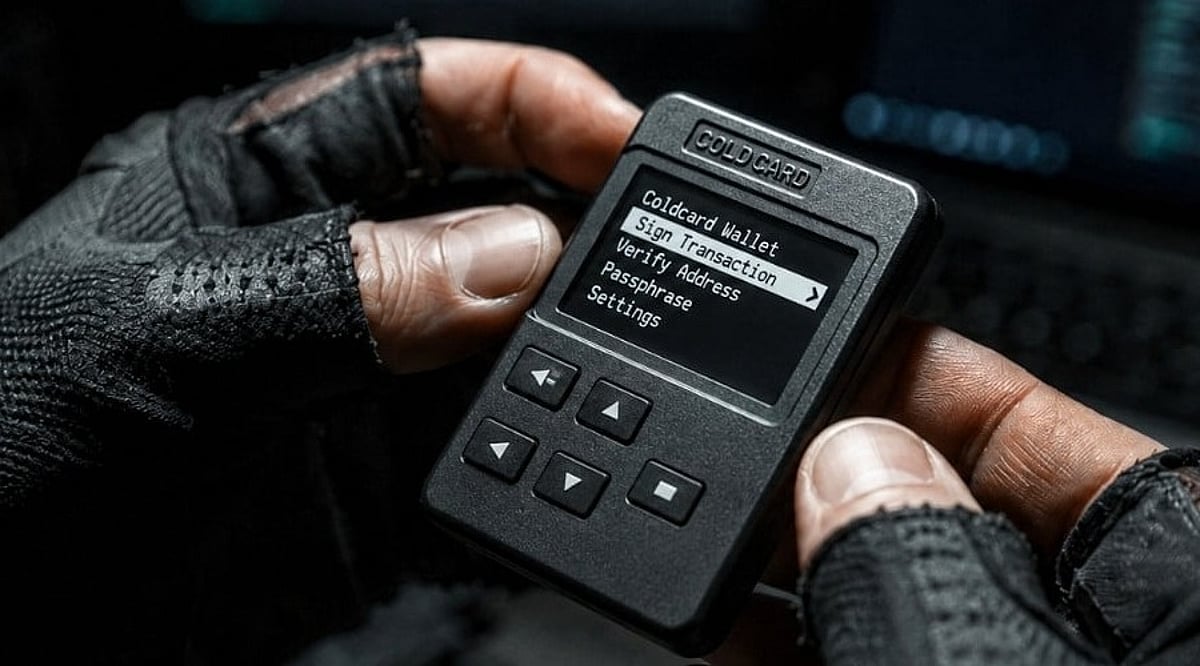
    That contrast raises a key question: can growing whale demand absorb sustained selling from miners while Bitcoin remains below a decisive breakout level? Analysts have linked recent price weakness to uncertainty around the CLARITY Act, limited directional movement, and the Coldcard hardware wallet hack, which involved about $120 million worth of Bitcoin.

    ETF Inflows Return While Bitcoin Tests Resistance

    SoSoValue data shows US spot Bitcoin ETFs recorded $754.69 million in net inflows this week. That pace puts the products on track for their strongest week since April. Demand has returned after a difficult June, when the funds saw their worst month since launch. Nexo analyst Liya Kalchev said ETF-related volumes offer an early sign of renewed institutional demand.

    Spot Bitcoin ETFs also received more than $240 million on Wednesday. Kalchev added that the products have attracted more than half a billion dollars during August. Still, Bitcoin has not achieved a decisive upside breakout. Kalchev described the current bid as tactical rather than conviction-driven, with a clear move above $65,000 remaining important. Technical indicators suggest a larger rally could develop if Bitcoin clears resistance. Regulatory developments also remain in focus, with the CLARITY Act unlikely to pass the Senate this month.

    Outlook: Can Institutional Demand Offset Miner Selling?

    Bitcoin faces competing forces near $65,000. MARA and Riot have increased exchange-related transfers, while whales have accumulated more than 20,000 BTC and ETF inflows have strengthened. The market is now watching whether institutional demand can absorb miner supply as Bitcoin tests resistance and investors await regulatory clarity.

  • Bitcoin Holds Near $64,350 as ETF Inflows Surge Ahead of Key Jobs Report

    Bitcoin Holds Near $64,350 as ETF Inflows Surge Ahead of Key Jobs Report

    Bitcoin traded near $64,354.99 on Friday, holding a tight range through the session as spot ETF inflows snapped a longer stretch of outflows. The leading cryptocurrency consolidated after testing $64,920 earlier in the week, with analysts flagging $65,000 as the critical level to watch. Traders now turn to today’s US jobs report for direction, while the stalled CLARITY Act adds to cautious sentiment.

    Bitcoin Price Today

    Bitcoin stood at $64,354.99, broadly flat over the past 24 hours, according to live CoinMarketCap data. Its market cap hovered near $1.29 trillion, with 24-hour trading volume reaching $21.64 billion. Price action remains tied to ETF flows, the jobs report, and legislative headlines.

    Analyst Insights

    Bitcoin Attempts $65,000 Reclaim Ahead of Jobs Data, Says Mudrex

    Prateek Gupta, Head of Business at Mudrex, noted that Bitcoin is attempting to reclaim the $65,000 level ahead of today’s US jobs report. The market is approaching a critical technical and liquidity zone, with $65,000 emerging as the largest short-liquidation cluster. He added that institutional demand continues to grow, with spot Bitcoin ETFs attracting $626 million in net inflows over three sessions. A weekly close above $65,000 could open the path toward $70,000, while a close below $63,000 may expose Bitcoin to $60,000.

    BTC Stays Range-Bound Between $64,000 and $65,000, Says CoinSwitch

    According to CoinSwitch Markets Desk, BTC remained range-bound between $64,000 and $65,000 after testing the upper end of the range. Repeated rejections near $65,000 indicate continued selling pressure. Near-term support sits at $64,350-$64,400, and a break below this zone could expose $64,200. Reclaiming $64,600 may pave the way toward $64,800-$65,000.

    Institutional Demand Offsets Rate Uncertainty, Says Giottus

    Vikram Subburaj, CEO of Giottus, placed Bitcoin near $64,300, with improving institutional demand offset by uncertainty over US interest rates. Spot ETFs received about $626 million between August 3 and August 5, helping buyers defend the $63,000-$64,000 region. However, these inflows have not been strong enough to clear the larger resistance zone between $66,000 and $66,600. He advised staggering purchases and keeping leverage low until Bitcoin clears $66,600 or loses $63,000 support.

    Bitcoin Consolidates Ahead of Employment Data, Says Delta Exchange

    Riya Sehgal, Research Analyst at Delta Exchange, said Bitcoin is trading around $64,400, with the market consolidating ahead of the US employment report. Resilient labor data and renewed crude strength keep inflation expectations in focus. A softer print could ease yields and support risk assets. Bitcoin is holding the $64,000-$64,200 support zone. A break above $64,750-$65,000 could open $65,250-$65,600, while a move below $64,000 may expose $62,400-$63,100.

    Crypto Prices Today: Top 10 Coins at a Glance

    The broader market holds steady, with majors posting mild gains. Hyperliquid led the top 10 board with a gain near 3.7%, followed by XRP and Dogecoin with daily gains above 1%. Outside the top 10, Zcash extended its rally with a jump above 5.9% on the day. Stablecoins Tether and USDC barely moved, while Ethereum and Solana posted modest daily gains.

    Crypto News Today: Top Headlines Impacting Prices

    Bitcoin ETFs Post Third Straight Inflow Day

    US spot Bitcoin ETFs pulled in $244.4 million on Wednesday, extending a three-day streak to $626 million. BlackRock’s IBIT fund led the run, capturing $479 million of the total. The August run has yet to record a single outflow day, a sharp reversal from July’s choppier flows.

    CLARITY Act Faces Recess Deadline Pressure

    The Digital Asset Market Clarity Act remains stalled on the Senate calendar as the chamber’s summer recess begins around August 7. Ethics language disputes continue to block bipartisan support. A Franklin Templeton executive noted that passage would unlock federal preemption and bring bank liquidity into crypto.

    Coldcard Firmware Flaw Keeps Custody Worries Alive

    A firmware bug tied to Coldcard hardware wallets has been linked to nearly $100 million in stolen Bitcoin this month. The exploit has driven dormant address movement as affected holders rush to secure funds. Whale Alert flagged a 6,196 BTC transfer worth nearly $397 million between unknown wallets this week.

    US Jobs Report Set to Drive Today’s Session

    Traders are bracing for today’s Non-Farm Payrolls report. A soft print could ease Treasury yields, while strong data may revive September rate hike bets. The Fed held rates steady at 3.50-3.75% in July, with three officials favoring a hike.

    Zcash and Cardano Lead Altcoin Momentum

    Zcash extended its rally with a weekly gain above 5.9%, pressing a key triangle breakout pattern. Cardano posted a sharp seven-day gain above 15%, outpacing most large-cap peers. Analysts tied Cardano’s strength to progress on its Ouroboros Leios scaling protocol.

    Tether Expands Tokenization Push in Saudi Arabia

    Tether announced plans to launch its Hadron tokenization platform in Saudi Arabia, starting with institutional real estate assets. The move aligns with the kingdom’s Vision 2030 diversification initiative but has limited near-term impact on Bitcoin’s price.

    Investor and Market Outlook

    Bitcoin holds near $64,350 as traders weigh a third straight ETF inflow day against a stalled CLARITY Act. Today’s jobs report stands as the session’s key catalyst. A close above $65,000 could open a path toward $66,600 resistance. A slip below $63,000 risks exposing deeper support closer to $60,000. Zcash and Cardano remain the most sensitive names to shifts in altcoin risk appetite. Next week’s inflation print stands as the market’s next defining catalyst.

  • Bitcoin Eyes $75K as ETF Inflows, Macro Tailwinds and Short Squeeze Potential Build Momentum for Breakout Above $65K

    Bitcoin Eyes $75K as ETF Inflows, Macro Tailwinds and Short Squeeze Potential Build Momentum for Breakout Above $65K

    Bitcoin is once again testing a critical resistance zone, with traders watching closely to see if the world’s leading cryptocurrency can break above $65,000 and gain momentum toward the $75,000 range in the third quarter of 2026. Sustained institutional demand, improving macroeconomic conditions, and the potential for a massive short squeeze are rallying bulls, though leveraged positioning continues to pose downside risks.

    Heavy Leverage Creates Breakout Potential

    Bitcoin has traded in the $60,000–$65,000 range for over two months, leading to a buildup of leveraged positions on both sides. According to Lookonchain, a newly created wallet deposited $2.44 million in USDC into Hyperliquid with 40x leverage and initiated a short position of 1,600 BTC—worth roughly $102.6 million. The liquidation price for that position is $64,888.97, very near Bitcoin’s current trading level.

    This concentration of leverage in the $64,000–$65,000 zone increases the likelihood of sharp price moves. If Bitcoin fails to break resistance, highly leveraged long positions could be forced to unwind, adding selling pressure. However, a breakout above $65,000 could trigger a short squeeze, forcing the large short seller to cover and potentially accelerating Bitcoin’s upward momentum.

    Market sentiment remains cautious. Santiment data shows Bitcoin’s positive-to-negative social sentiment ratio dropped to 0.54 since July 31, with bearish discussions outnumbering bullish ones nearly two to one. Historically, such extreme pessimism has often preceded market recoveries.

    Macro Conditions Continue to Improve

    The macroeconomic backdrop has turned more favorable toward risk assets. Hopes of easing geopolitical tensions rose after Tehran confirmed that talks with Oman over the Strait of Hormuz were in their final stages. Lower oil prices could help relieve inflationary pressures and reduce expectations of tighter monetary policy.

    Recent U.S. economic data reinforced this outlook. The ADP report showed private-sector job growth of only 44,000 in July, well below market expectations, while the ISM Services PMI came in slightly below forecasts. Following the softer data, the CME FedWatch tool estimated the probability of a September Federal Reserve rate hike falling to around 55%, down from 67% earlier in the week.

    Institutional demand remained strong. U.S. spot Bitcoin ETFs recorded net inflows of $244.42 million on Wednesday, according to SoSoValue, marking the third consecutive day of inflows. If Bitcoin manages to breach the $65,000 resistance, continued ETF purchases and easing rate hike fears could provide further support.

    With leverage still elevated and volatility expected to rise, the general outlook points to Bitcoin moving toward the $75,000 level by the end of the third quarter, backed by a combination of macro tailwinds, consistent institutional inflows, and the possibility of a massive short squeeze.

    FAQs

    1. Why is the $65,000 level important for Bitcoin?
      The $65,000 area is a major resistance zone where both buyers and sellers have built large leveraged positions. A breakout above this level could trigger significant short liquidations and accelerate upward momentum.
    2. How could a short squeeze push Bitcoin toward $75,000?
      A large 40x leveraged short position sits near its liquidation level. If Bitcoin rises above that threshold, forced buying from short sellers could amplify the rally and drive prices higher.
    3. Why are Bitcoin ETF inflows important?
      Spot Bitcoin ETFs recorded $244.42 million in net inflows according to SoSoValue. Continued institutional buying helps support demand and can provide additional momentum during bullish market conditions.
    4. How do lower Fed rate expectations benefit Bitcoin?
      Softer U.S. economic data reduced expectations of a September Fed rate hike. Lower interest rate expectations generally improve liquidity and increase investor appetite for risk assets like Bitcoin.
    5. What are the biggest risks to Bitcoin’s bullish outlook?
      If Bitcoin fails to break above resistance, heavily leveraged long positions could be liquidated, increasing selling pressure. Broader macroeconomic uncertainty or weakening institutional demand could also limit upside momentum.
  • Coldcard Bitcoin Hack Update: 64 BTC Moves Through Wasabi Mixer While 1,159 BTC Stays Dormant

    Coldcard Bitcoin Hack Update: 64 BTC Moves Through Wasabi Mixer While 1,159 BTC Stays Dormant

    Investigators tracking the Coldcard wallet vulnerability have detected fresh movement of stolen Bitcoin through a privacy mixer. While a separate attacker has begun obscuring roughly 64 BTC via Wasabi Wallet, the largest known theft cluster remains untouched.

    1,159 BTC Still Unmoved

    Galaxy Research linked the biggest theft to approximately 1,159 BTC held across seven attacker-controlled addresses. The attacker consolidated the funds within about 41 minutes of the exploit and has not sent them to exchanges, mixers, or other identifiable services since then.

    Bitcoin’s protocol cannot freeze flagged addresses, so the funds remain spendable. However, converting such a large balance could expose the attacker. Exchanges, law enforcement agencies, and blockchain analytics firms are reportedly tracking around 600 addresses connected to the broader exploit.

    Separate Attacker Moves 64 BTC Through CoinJoin

    Analysts identified another attacker attempting to obscure approximately 64 BTC using Wasabi Wallet’s CoinJoin feature. About 10 BTC entered an initial mixing transaction, while roughly 54 BTC returned as change. The remaining Bitcoin later moved into outputs of about 7 BTC each, apparently for further mixing.

    CoinJoin combines multiple inputs and outputs, making direct links harder to establish. Still, timing patterns, output sizes, later consolidations, and exchange deposits can reveal useful clues for investigators.

    Exploit Scale and Affected Seed Phrases

    Galaxy Research estimates confirmed losses near 1,596 BTC. A suspected additional attack wave could raise the total to about 2,055 BTC, while other researchers have placed losses above 1,800 BTC.

    The vulnerability affected seed phrases created with weakened random-number generation. Firmware updates prevent new vulnerable seeds, but they cannot repair seed phrases already exposed. Affected users must create a new wallet seed and move their Bitcoin. Coldcard also destroyed remaining vulnerable inventory and urged users to generate fresh seeds.

    South Korean Users Avoided Major Losses

    South Korea’s Bitcoin community reported virtually no direct losses despite many experienced holders using Coldcard devices. Analyst Koji Higashi linked that outcome to local self-custody practices: community leaders had promoted independent entropy generation instead of relying solely on one hardware wallet manufacturer.

    Local guides described 128 coin flips for 12-word seeds and 256 coin flips for 24-word seeds. Some users converted binary results using hardware calculators rather than phones, adding another layer of protection against compromised random-number generators.

    Key Takeaways

    • The 1,159 BTC connected to the largest Coldcard attacker remains unmoved since consolidation.
    • A separate attacker has routed about 64 BTC through Wasabi Wallet CoinJoin transactions.
    • Confirmed losses stand at roughly 1,596 BTC, with possible totals exceeding 2,000 BTC.
    • Firmware updates cannot secure already exposed seed phrases; affected users must migrate to new wallets.
    • Independent entropy generation helped many Korean users avoid direct losses.
  • Bitcoin Red Team Identifies Nearly 5,000 Security Flaws in AI-Powered Code Review

    Bitcoin Red Team Identifies Nearly 5,000 Security Flaws in AI-Powered Code Review

    The Bitcoin Red Team has flagged 4,962 potential security risks after an AI-assisted sweep of 390 open-source Bitcoin projects, completed in just 30 hours. The 16-member volunteer group, which includes Bitcoin developer Calle and AnchorWatch CEO Rob Hamilton, identified 85 possible critical flaws and 635 high-severity findings. However, researchers have only reproduced 21.4% of the reports, underscoring the gap between automated alerts and confirmed vulnerabilities.

    AI Review Finds Thousands of Possible Flaws

    The globally distributed team relied on AI models to scan repositories, flag suspicious code, and help researchers test potential attack paths. Nonprofit OpenSats funded over $40,000 in AI services for the campaign. Calle noted that the review produced 720 findings rated high or critical—equivalent to about 2.31 serious findings per volunteer per hour. At its peak, the team reported nearly one potential critical exploit per volunteer each hour. Still, the organizers stressed that these results are leads, not confirmed attacks.

    Human Testing Separates Signals from False Alarms

    Automated reviews can generate false positives, duplicate reports, and issues that real systems cannot exploit. Traditional audits often take weeks or months due to the need to learn unfamiliar code and reproduce complex failures. AI tools allowed the volunteers to inspect far more code in a short period, but the low reproduction rate means many findings may be noise. Developers await evidence of genuine and exploitable threats before applying fixes.

    Coldcard Losses Raise Stakes for Bitcoin Projects

    The red-teaming campaign follows the discovery of a serious seed-generation flaw in several Coldcard hardware wallet firmware versions. The defect weakened randomness used to create recovery seeds, and attackers reportedly stole about 1,816 BTC (valued at $116 million at the time) from over 5,200 addresses across four waves of suspicious transactions. The weakness allowed skilled attackers to reconstruct private keys without possessing affected devices. CoinKite released corrected firmware, but an update cannot repair seeds created with vulnerable software. The company advised affected users to install fixes, create new seeds, and move funds to new addresses. Seeds created with 50 private dice rolls avoided this particular flaw.

    Conclusion

    Bitcoin Red Team’s AI-assisted sweep produced 4,962 potential findings across 390 projects, including 720 high or critical reports. With only 21.4% reproduced, the results highlight the importance of human verification. Bitcoin teams must verify findings, test build systems and dependencies, and issue fixes where confirmed risks affect deployed software. The Red Team plans to release its custom security harness as open-source software to help the community.

  • Bitcoin Holds Near $64,600 as S&P 500 Surges $2.1 Trillion on AI Rally

    Bitcoin Holds Near $64,600 as S&P 500 Surges $2.1 Trillion on AI Rally

    The S&P 500 has added $2.1 trillion in market value this month, driven by an AI-led rally, while Bitcoin trades near $64,600 with limited gains. Crypto-specific pressures, rising bond yields, shrinking stablecoin supplies, and uneven ETF demand have restrained Bitcoin’s upside despite stronger sentiment across US equities.

    The S&P 500 has gained 3.12% this month, boosting its market cap by about $2.1 trillion—almost matching the entire global cryptocurrency market. Bitcoin, however, has risen only 2% in the same period, hovering near $64,600. Analysts attribute the divergence to AI-focused stock demand, crypto market headwinds, higher bond yields, and cautious trader positioning.

    AI Stocks Drive Wall Street’s Gains

    The S&P 500 now holds a record market value near $70.5 trillion, with the index around 7,723 points. The Nasdaq and Dow have also advanced as investors pour capital into large technology companies.

    Adam Haeems, head of asset management at Tesseract Group, noted that the equity rally centers on sectors with limited ties to Bitcoin. “Partly because the equity rally is being driven by areas to which bitcoin has little direct exposure, particularly AI and semiconductor stocks,” he said.

    Lower oil prices have provided additional support to listed companies through reduced operating costs. Haeems suggested Bitcoin may benefit later from softer inflation expectations and potential Federal Reserve policy changes, though uncertainty around the September outlook limits that path.

    Paul Howard, senior director at Wincent, linked the gap to concentrated equity demand. “The stock rally is biased towards AI and mega-caps which doesn’t necessarily translate into crypto flows,” he said.

    Crypto Pressures Limit Bitcoin Demand

    Bitcoin faces sector-specific challenges that do not affect equities directly, including the $120 million Coldcard exploit, uncertainty surrounding the CLARITY Act, and Strategy’s recent Bitcoin sales.

    Haeems said these events have weakened sentiment without triggering a wider credit crisis or forced selling cycle. Strategy has sold Bitcoin for three consecutive months, adding concern for traders monitoring corporate demand.

    Rising bond yields also make government debt more attractive than non-yielding crypto assets. Real Treasury returns are at their highest since 2008, encouraging some capital to stay outside digital asset markets.

    Stablecoin supplies reflect the same pressure. Haeems noted that USDT supply dropped from about $190 billion in April to $183 billion, while USDC supply declined from $79.5 billion to $72 billion over the same period.

    Traders Watch October, ETF Flows

    Markus Thielen, founder of 10x Research, said many traders expect Bitcoin’s four-year cycle to produce an October bottom, prompting them to wait rather than build positions during the equity rally.

    However, Thielen said Bitcoin’s ability to hold steady despite the Federal Reserve’s firm stance could support another reading. “Traders are underestimating the upside risk from a less hawkish Fed, and overlooking the possibility that the four-year cycle has already bottomed,” he said.

    ETF activity has been mixed. US spot Bitcoin funds recently recorded $61.53 million in outflows, ending three weeks of modest inflows. They then attracted $626 million this week, their strongest total since early May.

    Giottus CEO Vikram Subburaj said several consecutive inflow days would help confirm stronger institutional demand. He identified Bitcoin support between $63,000 and $63,400, with resistance from $64,500 to $66,000.

    Wintermute noted that some ETF demand may reflect arbitrage rather than direct bullish positioning. Analysts expect possible fourth-quarter catalysts from regulatory progress and renewed stablecoin growth.

  • Bitcoin Steadies Near $64,800 as Ethereum Outshines Broader Crypto Market

    Bitcoin Steadies Near $64,800 as Ethereum Outshines Broader Crypto Market

    Bitcoin traded near $64,800 on Wednesday, supported by a six-day streak of inflows into spot Bitcoin ETFs, while Ethereum outpaced the broader market with a 2.08% gain. XRP also advanced, rising 1.90%, as investors rotated into large-cap altcoins.

    According to live data from CoinMarketCap, Bitcoin is currently trading at $64,806.54, up 0.79% over the past 24 hours. Its market cap stands near $1.3 trillion, with 24-hour trading volume at $22.47 billion. The price action remains tied to ETF demand and ongoing custody concerns stemming from the Coldcard exploit.

    Bitcoin Price Today

    Bitcoin holds near $64,800, staying range-bound between $64,000 and $65,000. Resistance sits at $65,000–$65,500, while support is near $64,000. A break above $65,000 could open a path toward $65,500, while a slip below $64,000 risks exposing support closer to $62,300.

    Analyst Insights

    CoinSwitch Markets Desk noted that BTC remained range-bound near $65,000 despite a risk-on tone across global markets. The S&P 500 extended its rally past 7,793 points, and gold jumped 2.8% to a six-week high near $4,213 an ounce. A sustained Bitcoin recovery may need stronger ETF inflows and softer Treasury yields.

    Prateek Gupta, Head of Business at Mudrex, said Bitcoin stayed inside its broad $64,000–$64,700 band. He noted that the S&P 500 closed above Bitcoin on relative performance for the first time since 2012. Long-term holders sold over 11,500 BTC this week.

    Nischal Shetty, founder of WazirX, said Bitcoin traded near $64,469, largely unmoved despite steady ETF demand. US spot Bitcoin ETFs added $211.5 million, while Ethereum ETFs drew $53.8 million in fresh inflows. CryptoQuant flagged renewed accumulation among large Bitcoin and Ethereum holders.

    Riya Sehgal, Research Analyst at Delta Exchange, said gold climbed to a seven-week high near $4,286 an ounce. Lower Treasury yields and renewed safe-haven demand drove the move. Bitcoin consolidated near $64,500, holding a constructive structure while staying above $64,000.

    Crypto Prices Today: Top 10 Coins at a Glance

    Live data sourced from CoinMarketCap as of today’s session.

    Biggest Gainers: ETH, XRP, BNB

    Ethereum led today’s session with a gain above 2%. XRP followed closely, adding nearly 1.90% through the day. BNB rounded out the top movers, supported by strong weekly momentum near 4.29%.

    Biggest Losers: Solana and Dogecoin Lag

    Solana and Dogecoin posted only marginal daily moves today. TRON stayed nearly flat, gaining just 0.12% through the session. Stablecoins USDT and USDC held their peg with barely any movement.

    Crypto News Today: Top Headlines Impacting Prices

    Coldcard Exploit Losses Widen Past $130 Million

    Galaxy Research now estimates at least 15 separate attackers are exploiting the Coldcard firmware flaw. Confirmed and suspected losses have climbed to roughly 2,055 BTC across more than 7,700 wallet addresses. Coinkite founder Rodolfo Novak apologized publicly and pledged support for affected users. Nearly 90% of the stolen Bitcoin remains untouched, suggesting attackers are holding funds rather than rushing to sell.

    Bitcoin ETFs Post a Clean Inflow Streak in August

    US spot Bitcoin ETFs have recorded zero outflow sessions so far this month, extending a six-day inflow run. BlackRock, Fidelity, and Franklin Templeton all added fresh Bitcoin exposure on August 3. Cumulative net inflows since launch have now crossed $52 billion across the fund complex. The streak follows an eight-week outflow stretch that had tested confidence in the broader ETF adoption story.

    Hashdex to Close Its Smallest Bitcoin ETF

    Hashdex confirmed it will close and liquidate the Hashdex Bitcoin ETF, trading under the DEFI ticker on NYSE Arca. Trading ends on August 17, with shareholders receiving cash payouts after liquidation. The fund held just $14.7 million in assets against BlackRock’s IBIT at over $47 billion. The closure highlights a growing gap between dominant issuers and smaller competitors in the ETF space.

    Bernstein Flags CLARITY Act Delay as a Risk Factor

    Bernstein warned that fading odds for CLARITY Act passage could pressure crypto prices as the Senate enters recess. Analysts said a failed vote may trigger an immediate negative market reaction. The firm still expects crypto markets to find a bottom and build momentum later this quarter. Policy uncertainty remains a key variable for institutional positioning heading into September trading sessions.

    Metaplanet Raises $137 Million for Its Bitcoin Treasury

    Japan’s Metaplanet confirmed a $137 million capital raise through third-party allotment to expand its Bitcoin holdings. The move follows a wider trend of public companies building corporate Bitcoin treasuries this year. Analysts see these raises as a steady demand source that runs independent of ETF flow data. Corporate accumulation in Asia continues to grow despite recent volatility across Bitcoin’s broader price structure.

    Coinbase Signals Doubts Over Senate Crypto Bill

    Coinbase indicated it may withdraw backing for the Senate’s crypto market structure bill over unresolved provisions. The exchange’s hesitation adds fresh uncertainty to an already fragile legislative timeline this month. Industry lobbying groups remain split as the bill faces recess deadlines and competing political priorities. A weaker industry coalition could complicate the bill’s passage chances ahead of the midterm election cycle.

    Investor and Market Outlook

    Bitcoin holds near $64,800 as steady ETF inflows offset lingering worries from the Coldcard exploit. A close above $65,000 could open a path toward stronger resistance near $65,500. A slip below $64,000 risks exposing support closer to $62,300.

    Ethereum and XRP remain the most responsive names to shifts in institutional risk appetite this week. Bitcoin’s next move hinges on ETF flow consistency and Senate action on the CLARITY Act. Coldcard-related fund tracing and corporate treasury announcements stand as key catalysts through the coming sessions.

    FAQs

    What is the Bitcoin price today? Bitcoin trades near $64,806.54, up 0.79% over the past 24 hours, holding steady above $64,700. Support sits close to $64,000, while resistance builds between $65,000 and $65,500 through the coming trading sessions this week.

    Why are Bitcoin ETFs seeing inflows this month? US spot Bitcoin ETFs have posted zero outflow days so far in August, extending a six-day inflow streak. BlackRock, Fidelity, and Franklin Templeton led fresh buying, pushing cumulative inflows past $52 billion since launch.

    What is the biggest crypto news today? The Coldcard exploit crossing $130 million and Bernstein’s CLARITY Act warning are shaping sentiment today. Hashdex’s ETF closure and Coinbase’s hesitation over the Senate bill add further caution across trading desks.

    Which coins are performing best today? Ethereum leads daily gains with a rise above 2%, followed closely by XRP near 1.90%. BNB also posted solid weekly momentum, while stablecoins stayed largely flat through today’s trading session.

    What should investors watch this week? Track the Senate’s recess deadline, CLARITY Act developments, and daily Bitcoin ETF flow data closely. Coldcard-related fund movements and fresh corporate treasury announcements could also shift near-term market positioning.