Tag: blockchain

  • Bitcoin ETFs See $222M Outflow, UK FCA Finalizes Crypto Rulebook, Binance Hit With $200M Lawsuit: Crypto News Roundup

    Bitcoin ETFs See $222M Outflow, UK FCA Finalizes Crypto Rulebook, Binance Hit With $200M Lawsuit: Crypto News Roundup

    The cryptocurrency market witnessed a flurry of notable events today, as Bitcoin spot ETFs recorded massive outflows, the UK Financial Conduct Authority (FCA) published its final crypto rulebook, and Binance faced a $200 million class-action lawsuit in London. Additionally, hackers managed to steal over $75 million from crypto platforms in June.

    Bitcoin Spot ETFs Suffer $222 Million in Net Outflows

    According to data from SoSoValue, Bitcoin spot ETFs experienced a total net outflow of $222.64 million on the last trading day. BlackRock’s IBIT led the withdrawals with a daily net outflow of $212.45 million, bringing its total historical net inflow to $60.25 billion. Fidelity’s FBTC followed with a $10.20 million outflow, and its historical net inflow now stands at $10.13 billion. The total net asset value of Bitcoin spot ETFs is $70.95 billion, with an ETF net asset ratio of 6.02%. Cumulative net inflows across all Bitcoin ETFs have reached $51.15 billion.

    CryptoQuant CEO Predicts Parabolic Bitcoin Rally

    CryptoQuant CEO Ki Young Ju took to X (formerly Twitter) to share his outlook, stating that Bitcoin is poised for another parabolic surge. He noted that while capital efficiency is declining, the current cycle has seen $697 billion in net capital inflows, generating only a 689% return. In contrast, $2.7 billion in 2011 drove a 55,436% increase. Ju believes that the next parabolic bull run will require deeper institutional allocation and that Bitcoin must transition into a core macro asset rather than remaining an ETF product driven primarily by retail investors. He added that this shift is still in its early stages and that Bitcoin could achieve another parabolic surge if it absorbs over $1 trillion in realized market cap.

    UK FCA Releases Final Crypto Rulebook

    The UK’s Financial Conduct Authority has finalized a comprehensive crypto rulebook, published on June 30. The framework introduces mandatory licensing, custody standards, market-abuse protections, disclosure requirements, and prudential rules. Firms wishing to conduct regulated crypto activities in the UK must obtain FCA approval. Applications will open on September 30, 2026, and close on February 28, 2027, with the regime expected to take effect on October 25, 2027. A notable change from the initial proposal is the reduction in capital requirements for non-systemic stablecoin issuers from 2% to 1% of the total value issued. The UK’s stablecoin framework operates on two tracks: the FCA oversees most qualifying stablecoin issuers and cryptoasset custodians, while the Bank of England handles systemic stablecoins.

    June Hacks Drain $75.87 Million From Crypto Platforms

    According to blockchain security firm PeckShield, crypto platforms lost approximately $75.87 million across 40 separate hacking incidents in June. This figure marks a 7.13% decline from May’s total of $81.7 million. The largest single breach was the Humanity Protocol exploit, which accounted for over $30 million in losses. Attackers compromised private keys that had been backed up to a malware-infected developer machine. Security firm Quantstamp reported that the methods and tools used in the attack are commonly associated with North Korean hacking groups. The exploiter has since laundered the stolen funds across multiple networks, including Bitcoin, Solana, Hyperliquid, and BNB Chain.

    Binance Faces $200 Million Class-Action Lawsuit in London

    Approximately 1,700 British investors have filed a class-action lawsuit before the High Court in London against Binance and its co-founder Changpeng Zhao. The plaintiffs are demanding $200 million in damages for losses allegedly incurred due to the trading of unauthorized derivative products. The case was officially filed on June 30. The traders claim that Binance promoted high-risk leveraged products since late 2019 without obtaining the necessary regulatory permissions. According to KP Law, the firm representing the claimants, many of the clients were ordinary citizens who invested their life savings and suffered losses of tens of thousands of pounds.

    Disclaimer: This article is for informational purposes only and does not constitute investment advice. Cryptocurrencies are highly volatile and involve significant risk. Always conduct your own research before investing.

  • BlockDAG AI Launch Drives $500M Valuation Surge, Outpacing Pepe and Chainlink Market Movements

    BlockDAG AI Launch Drives $500M Valuation Surge, Outpacing Pepe and Chainlink Market Movements

    The cryptocurrency market is undergoing a significant realignment as capital shifts from speculative tokens and legacy networks toward next-generation utility projects. While established altcoins face macroeconomic headwinds and meme coins search for support levels, highly anticipated technological upgrades are capturing the attention of savvy investors.

    Investors tracking today’s top crypto gainers are closely monitoring three distinct movements: short-term recovery setups in speculative assets, steady institutional adoption of decentralized data infrastructure, and massive capital inflows into cutting-edge artificial intelligence ecosystems. Amid these shifts, BlockDAG (BDAG) has stolen the spotlight, validating a $500 million jump in valuation following the live deployment of its native AI capabilities.

    Pepe Price Prediction: Can the Meme Coin Spark a Rally?

    The meme coin market is catching its breath, leaving investors wondering what’s next for PEPE. While the token currently faces bearish pressure around the $0.00000235 mark, a closer look at the daily chart reveals an intriguing bullish setup. Meme coins are notoriously volatile, especially during broader market uncertainty, as they search for a solid support level to anchor a recovery.

    However, hope is far from lost. Technical indicators on the 4-hour chart show buyers fighting back. With the Balance of Power (BoP) sitting comfortably in positive territory and the MACD forming green candles, short-term bulls are eyeing a breakout. If the wider market stabilizes, this consolidation could be the springboard for a massive turnaround. For a long-term outlook, check our comprehensive Pepe price prediction spanning 2026 to 2032.

    Chainlink News: Network Adoption Surges as Wallet Growth Accelerates

    The price of LINK may be hovering near recent lows, but behind the scenes, network adoption is hitting overdrive. According to the latest Chainlink news, the network has just crossed a massive milestone, boasting 892,800 non-empty Ethereum wallets. On-chain analytics show a sudden influx of over 8,000 new holders in just five days, putting Chainlink firmly on track to blast past the 900,000-holder mark before the week concludes.

    This dramatic growth phase is fueled by booming institutional interest in real-world asset (RWA) tokenization and cross-border blockchain infrastructure. High-profile initiatives like Project Pangea and DTCC’s collateral projects rely heavily on Chainlink’s foundational oracle data. While price charts often dominate headlines, this aggressive wallet accumulation signals robust network participation, proving that smart money is quietly building a foundation despite temporary market lulls.

    BlockDAG AI Goes Live: $500 Million Valuation Jump & 24 Hours Left for $0.05 Buyback

    The crypto market is witnessing a massive shakeup as BlockDAG cements its position among the top crypto gainers today. The official launch of BlockDAG AI has injected sophisticated artificial intelligence capabilities directly into the network ecosystem, triggering a $500 million leap in project valuation. This technical milestone coincides with an aggressive network upgrade designed to scale throughput to an impressive 7,000 transactions per second (TPS) over the next few days.

    Adding fuel to this momentum is a high-stakes, time-sensitive window for early participants. Only 24 hours remain to secure the exclusive $0.05 buyback offer before it permanently closes. Investors are rushing to lock in BDAG at the current rate of $0.00000044, utilizing the active World Cup Bonus to claim an extra 50% in tokens with instant delivery.

    The excitement surrounding this project extends beyond current AI integration. In just two weeks, the platform plans to roll out its dedicated BlockDAG Futures & Spot Exchange, creating an all-in-one trading hub for its expanding user base. For traders tracking the top crypto gainers today, the combination of advanced AI utility, a major speed upgrade, and immediate exchange liquidity presents a compelling case. As the buyback clock ticks down, the window to maximize token accumulation is rapidly shutting, positioning BlockDAG as a highly watched asset in the current market cycle.

    Closing Insights

    Speculative traders continue to monitor the immediate Pepe price prediction charts, looking for a structural breakout out of accumulation, while long-term strategists look to the steady Chainlink news as a sign of institutional validation. However, BlockDAG offers a unique synthesis of high-speed capability, artificial intelligence integration, and immediate ecosystem liquidity. With its valuation climbing by $500 million and the final 24-hour countdown ticking away for the $0.05 buyback program, BlockDAG is firmly establishing itself among the top crypto gainers today. For market participants looking to maximize their exposure to next-generation layer-1 utility, the window of opportunity is rapidly closing.

    Disclaimer: This article is for informational purposes only and does not constitute investment advice. Cryptocurrency investments are risky. Always do your own research (DYOR) before investing.

  • Ethereum’s 2026 Growth Slowdown: Price, Network Activity and Competition Shake Confidence

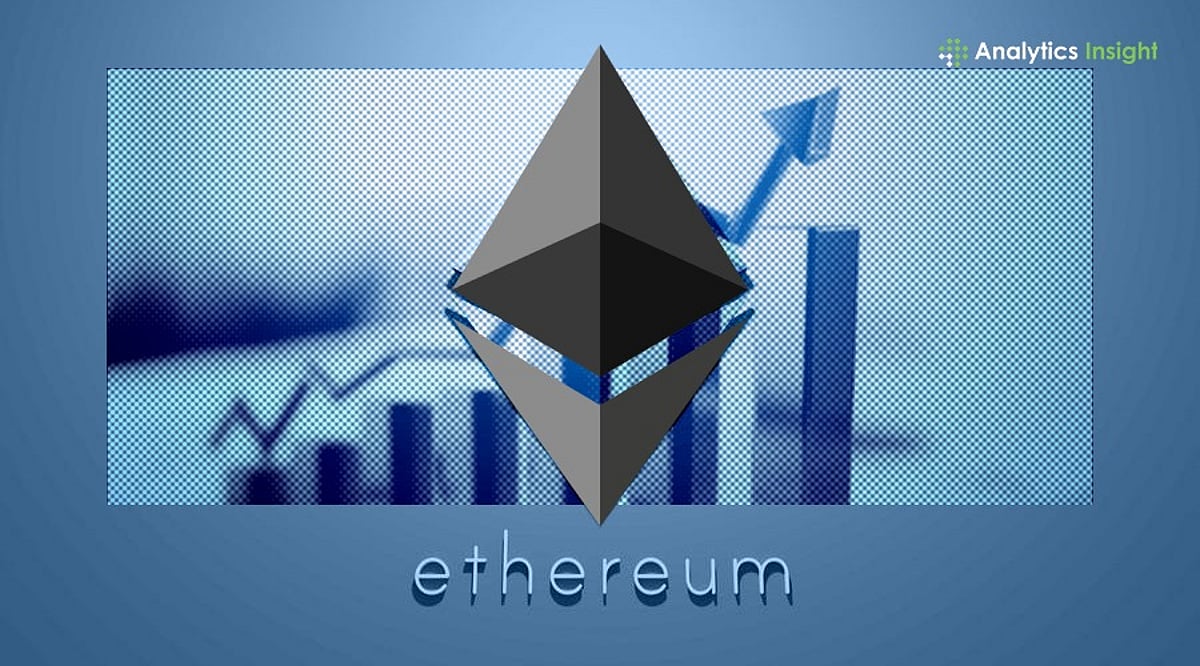
    Ethereum’s 2026 Growth Slowdown: Price, Network Activity and Competition Shake Confidence

    Key Takeaways

    • Ethereum price sits nearly 68% below previous cycle highs, reflecting weakened market confidence.
    • Active wallet addresses have dropped 46% since February 2026, signaling lower network participation.
    • Competition from Solana, Avalanche, and Base intensifies pressure on Ethereum’s dominance.

    Ethereum has long been a cornerstone of the digital asset market. As the second-largest cryptocurrency by market cap, it pioneered decentralized finance (DeFi), NFTs, blockchain gaming, and smart contracts. For years, rapid adoption and innovation fueled the narrative of unstoppable growth. However, recent trends indicate that momentum is slowing.

    In 2026, Ethereum faces a tougher environment. Weak price performance, declining network activity, rising competition, and shifting investor sentiment have raised doubts about whether it can maintain its previous growth trajectory.

    Ethereum Price Remains Under Pressure

    One of the clearest signs of slowing momentum is Ethereum’s market performance. Currently trading near $1,570, ETH has fallen roughly 68% from its cycle highs. This weak performance has disappointed many investors, especially as Bitcoin has fared much better in the same period.

    Ethereum’s total market capitalization now stands around $190 billion, with daily trading volume between $9 billion and $10 billion. Although price swings persist, a sustained upward move has yet to materialize. The lack of a strong recovery has created uncertainty, with many investors waiting for clearer signals before committing capital.

    Network Activity Has Fallen Sharply

    On-chain activity is a critical health metric for any crypto network, and Ethereum’s metrics are flashing red. Since February 2026, the number of active wallet addresses has plummeted nearly 46% — from a peak of about 795,000 to just 420,000.

    This decline is significant because active wallets represent real user engagement. Fewer transactions and lower participation suggest waning demand for the network. Ethereum’s success has always depended on heavy usage; the current slowdown raises concerns about organic growth.

    Competition Has Intensified

    Ethereum once dominated the blockchain sector with little competition, but that has changed. Networks like Solana, Avalanche, and Base now aggressively court developers and users with faster transactions and lower fees. These advantages attract projects seeking better user experience and cost efficiency.

    While Ethereum still leads in Total Value Locked (TVL) — a measure of capital deployed in DeFi — its lead is no longer as secure as it once was.

    Questions Around Ethereum’s Value Model

    The successful transition to Proof-of-Stake (The Merge) reduced energy consumption by over 99%, a major achievement. However, questions remain about Ethereum’s economic model. Unlike Bitcoin, which is increasingly viewed as digital gold, Ethereum’s value proposition is more complex.

    The network supports applications, but investors debate whether higher usage directly translates into ETH price appreciation. Additionally, the rise of Layer 2 solutions moves many transactions off the main blockchain. While this improves efficiency, it also creates uncertainty about how much value flows back to the native ETH token.

    Institutional Investors Show Mixed Signals

    Despite market weakness, some large institutions still show confidence. Crypto treasury company Sharplink recently purchased 10,000 ETH ($16 million), and Bitmine Immersion Technologies bought over 71,000 ETH — one of the largest purchases in 2026.

    Development Work Continues at a Strong Pace

    Ethereum still leads in developer activity. The Ethereum Foundation is working on the Glamsterdam network upgrade, which aims to restructure data processing and block building to improve base-layer performance. Developers also introduced Reth v0.1.0-alpha, a modular node system designed to boost overall efficiency.

    Investor Confidence Has Weakened

    Sentiment around Ethereum has clearly deteriorated. The ETH/BTC ratio has fallen to multi-year lows, meaning Ethereum continues to underperform Bitcoin. Analysts increasingly view Bitcoin as the stronger institutional asset, especially after spot ETF products drove demand.

    Global economic uncertainty and tighter liquidity have also reduced risk appetite across crypto. Altcoins like Ethereum typically suffer more during such periods.

    Why This Matters

    Ethereum’s slowdown represents a major structural shift in Web3. With active mainnet addresses dropping 46% and the ETH/BTC ratio hitting multi-year lows, the second-largest cryptocurrency must defend its market share against faster, cheaper competitors like Solana and Base.

    The Growth Story Has Slowed, But Not Ended

    Ethereum is not losing relevance, but its rapid growth phase has clearly decelerated. The network still leads in innovation, developer activity remains strong, and some institutional investors continue to accumulate.

    Nevertheless, Ethereum faces a difficult period. Dropping user activity, fierce competition, and shaken investor confidence pose serious challenges. The old narrative of unstoppable growth no longer holds the same weight.

    Frequently Asked Questions

    1. What are the main drivers behind Ethereum’s momentum loss in 2026?

    The slowdown stems from a 46% drop in active wallet addresses since February 2026, prolonged price stagnation, and aggressive competition from low-cost blockchains like Solana and Avalanche.

    2. Where does Ethereum’s price and market valuation stand right now?

    Ethereum trades near $1,570, roughly 68% below its historic highs. Market capitalization is about $190 billion, with daily trading volumes between $9–10 billion.

    3. Are institutional investors still buying ETH despite declining user activity?

    Yes. Sharplink acquired 10,000 ETH ($16 million), and Bitmine Immersion Technologies bought over 71,000 ETH — one of 2026’s largest trades.

    4. Why are Layer 2 solutions causing debate over Ethereum’s economic value?

    Layer 2 networks improve speed and cost by moving activity off the main chain, but they complicate the investment narrative by making it unclear whether Layer 2 growth boosts ETH’s price.

    5. How are developers responding to Ethereum’s growth challenges?

    Development remains highly active. The Ethereum Foundation is progressing with the Glamsterdam upgrade and launching Reth v0.1.0-alpha, a modular node system to improve network efficiency.

  • Solana Developer Activity Surges: What It Means for the Blockchain’s Future

    Solana Developer Activity Surges: What It Means for the Blockchain’s Future

    The crypto market has once again turned its attention to Solana as a surge in development activity across its network generates excitement throughout the blockchain industry. Over the past few months, Solana has achieved major technical progress, infrastructure upgrades, and significant ecosystem expansion, leading many analysts to believe the network could be entering a pivotal new growth phase.

    Developer Activity Accelerates

    One of the primary drivers of this renewed interest is a sharp uptick in developer activity. Blockchain analytics platforms report a substantial increase in the number of developers building on Solana compared to previous months, with GitHub activity also climbing—a reliable indicator of deeper development work. Teams are actively building tools for decentralized finance, blockchain payments, staking services, and trading infrastructure. The validator network is also growing, enhancing security and overall blockchain performance.

    Network Performance Remains a Key Advantage

    Solana’s speed and low transaction costs continue to attract developers. The network processes thousands of transactions per second with average fees below a fraction of a cent, giving it a major edge over competing blockchains that often suffer from higher fees and slower processing. This creates an ideal environment for building large-scale applications.

    Jito Launch Sparks Fresh Momentum

    A significant recent milestone came from Jito Labs, a major infrastructure provider in the Solana ecosystem. This week, Jito announced that three key pillars of Solana’s expanding market layer have gone live, focusing on stronger liquidity systems and improved decentralized market operations—essentially building a more robust financial structure within the ecosystem.

    Institutional Interest Continues to Rise

    Growing institutional adoption is another major factor behind the buzz. Reports from the second quarter of 2026 indicate that several large financial institutions have begun blockchain integrations directly tied to Solana. Market research shows Solana’s real-world asset market capitalization has grown nearly 43% quarter-over-quarter, approaching $2 billion.

    SOL Market Performance Reflects Confidence

    Solana’s market price reflects this positive trend. Current data places SOL near $74 per token, with a total market capitalization close to $43 billion. Daily trading volume has exceeded $3.8 billion, signaling strong market activity despite overall volatility in the broader crypto market.

    Partnerships Strengthen Real-World Use Cases

    Partnerships with major financial firms such as Visa, PayPal, and Circle have bolstered Solana’s credibility. These collaborations have shifted market perception: Solana is no longer seen as a network driven purely by retail speculation but as infrastructure built for legitimate financial use.

    What This Means for the Ecosystem

    The surge in development activity suggests Solana is transitioning from a rapid growth phase into a mature, utility-driven ecosystem. With new developers, improved infrastructure, rising institutional investment, and expanding financial applications, Solana is evolving from a ‘hype’ narrative to a focus on real-world blockchain utility. Historically, periods of strong development have often preceded significant increases in network adoption and market value. If this trend continues, Solana could solidify its position as a leading Layer-1 blockchain and play an increasingly central role in the digital asset economy.

    Disclaimer: This article is for informational purposes only and does not constitute investment advice. Cryptocurrency investments carry risk; always conduct your own research before investing.

  • Top-Paying Tech Skills Employers Will Hire for in 2026

    Top-Paying Tech Skills Employers Will Hire for in 2026

    The demand for AI and machine learning professionals continues to grow across industries, making these skills among the most lucrative in 2026. Cybersecurity experts remain at the top of the pay scale as threats evolve and companies prioritize data protection.

    Cloud computing expertise on platforms like AWS, Azure, and Google Cloud is highly valued, with organizations migrating more operations to the cloud. Data engineers are earning competitive salaries as companies expand their AI initiatives and need robust data pipelines.

    Generative AI application development is creating new career opportunities worldwide, from content generation to automated workflows. DevOps and platform engineering roles continue to offer strong earning potential as businesses seek to streamline software delivery and infrastructure management.

    Blockchain and Web3 expertise remain valuable in specialized technology sectors, particularly in finance and supply chain. AI prompt engineering and automation consulting are emerging as fast-growing skill sets, with companies looking to optimize their use of large language models and robotic process automation.

    Continuous learning and certifications can help professionals stay competitive in the evolving tech market. Investing in these high-demand skills now can position you for top salaries and career growth in 2026.

  • Which Real-World Assets Are Best Suited for Tokenization? A $30 Trillion Opportunity

    Which Real-World Assets Are Best Suited for Tokenization? A $30 Trillion Opportunity

    Tokenization is no longer a fringe experiment — it is rapidly becoming one of the defining battlegrounds for the future of global finance. As giants like JP Morgan, BlackRock, and Franklin Templeton roll out tokenized funds and governments test digital securities, the debate has moved beyond whether real-world assets (RWAs) belong on-chain to a far more consequential question: which assets will dominate the next era of capital markets?

    Some forecasts suggest the tokenized asset market could exceed $30 trillion by 2030. But beneath the excitement lies a practical question: Is every asset class equally suited to blockchain infrastructure? The winners will be the assets that combine predictable cash flows, clear legal structures, and operational compatibility with digital ownership — not those that simply target the largest total value of assets.

    Real Estate: Huge Market, Heavy Friction

    Real estate has long been the poster child for tokenization. It is an enormous global asset class, investors understand it, and fractional ownership promises to make traditionally expensive properties accessible to smaller investors. Platforms such as RealT have demonstrated growing demand by enabling investors to buy fractional interests in commercial and residential properties through blockchain-based marketplaces.

    The challenge is that real estate carries significant operational complexity. Every property sits within its own legal jurisdiction, requires ongoing management, and often suffers from limited liquidity. Tokenizing a building does not remove the paperwork surrounding ownership transfers, tenant agreements, taxes, or local regulations. The result is that while tokenization can improve capital formation and investor access, it does not fundamentally change the operational realities of the underlying asset.

    Private Credit: Institutional Momentum

    Private credit has emerged as one of the fastest-growing RWA sectors, largely because the assets already exist in digital financial workflows. Projects like Maple Finance have demonstrated how blockchain can facilitate institutional lending and private credit markets. Loans generate predictable cash flows, documentation is standardized, and institutional investors are familiar with securitized debt structures. Bringing these assets on-chain primarily improves settlement, transparency, and transferability rather than reinventing the asset itself.

    This is why many of today’s largest tokenization projects focus on Treasury products, money market funds, and private credit portfolios. The regulatory framework is comparatively well understood, even if access remains largely restricted to accredited investors.

    Commodities: Simple Exposure, Complex Delivery

    Commodities appear straightforward to tokenize, particularly assets such as gold, oil, or agricultural products. In reality, physical delivery, storage, insurance, and custody bring considerable complexity. Projects like PAX Gold (PAXG) and Tether Gold (XAUT) have become leading examples of tokenized precious metals, giving investors blockchain-based exposure to physical gold held in regulated vaults. Most commodity tokens therefore represent claims on assets held by custodians rather than direct ownership of the underlying commodity itself. While this model works well for certain markets, it often introduces centralized counterparties that blockchain alone cannot eliminate.

    Maritime Assets: A New Contender

    Shipping rarely appears in discussions around RWAs, despite moving more than 80% of global trade by volume. Yet from a tokenization perspective, commercial vessels possess many of the characteristics institutional investors typically seek. Ethra Ship is one of the first to build credible blockchain infrastructure around operating dry bulk vessels. Operating vessels generate recurring revenue through charter agreements, creating cash flows that can be distributed to investors. Fleet performance is measurable, asset values are independently assessed, and vessel ownership has long relied on structured legal entities such as Special Purpose Vehicles (SPVs).

    Freight revenues reflect real economic activity, unlike speculative assets. Demand for transporting iron ore, grain, coal, and other essential commodities continues regardless of market cycles, making shipping a comparatively resilient sector. Gaining exposure to commercial shipping has required institutional relationships, specialist knowledge, and substantial amounts of capital, but that is beginning to change.

    The Next Phase of Tokenization

    The race for trillions of dollars in tokenized assets is unlikely to produce a single dominant asset class. Real estate offers familiarity but remains operationally complex. Private credit is attracting institutional adoption thanks to standardized financial structures. Commodities benefit from global demand but still rely heavily on custodians. Maritime assets occupy an interesting middle ground: they combine tangible infrastructure, recurring cash flows, established ownership structures, and a market that has historically been inaccessible to retail investors.

    The next generation of RWA platforms will likely be judged less by how many assets they tokenize and more by whether they build systems capable of serving both crypto-native users and institutional investors. In that respect, architecture — not just asset selection — will prove to be the industry’s greatest competitive advantage.

  • Top Hyperliquid Ecosystem Tokens Ranked by Market Capitalization in 2026

    Top Hyperliquid Ecosystem Tokens Ranked by Market Capitalization in 2026

    The Hyperliquid ecosystem has grown rapidly, hosting a diverse range of tokens that power everything from governance to decentralized finance and community engagement. Below are the leading ecosystem coins by market capitalization, each with a unique role in the network’s expansion.

    HYPE – The native governance token of Hyperliquid. It supports staking, ecosystem incentives, decentralized governance, liquidity rewards, and encourages strong community participation across platforms.

    PURR – A community-focused meme token gaining traction through social engagement, active trading, ecosystem rewards, and expanding adoption among Hyperliquid enthusiasts worldwide.

    HFUN – A gaming and entertainment token that supports blockchain-based experiences. It rewards users through interactive applications, community competitions, and decentralized engagement opportunities.

    LHYPE – A liquid staking token that enables users to earn staking rewards while maintaining liquidity for DeFi activities and efficient capital deployment.

    FEUSD – A stablecoin designed for seamless ecosystem transactions. It provides price stability, efficient payments, trading support, and powers decentralized financial applications across Hyperliquid.

    KITTEN – A meme-inspired community token emphasizing viral engagement, decentralized ownership, and ecosystem participation. It has gained popularity through creative campaigns and social momentum.

    LOOP – A DeFi-focused token that supports lending, borrowing, liquidity management, and yield optimization for users seeking efficient blockchain-based financial prospects.

    DRIP – A rewards-centric token that encourages long-term participation through staking incentives, community programs, decentralized governance, and ecosystem growth opportunities for holders.

    BOLT – An infrastructure token that supports decentralized applications, fast blockchain transactions, developer tools, ecosystem scalability, and secure network participation across Hyperliquid services.

  • Why Ethereum Stays a Leading Crypto Investment in 2026 Amid Rising Rivals

    Why Ethereum Stays a Leading Crypto Investment in 2026 Amid Rising Rivals

    Ethereum maintains its position as the second-largest cryptocurrency by market cap, even as newer blockchains like Solana, Avalanche, and NEAR Protocol offer faster transactions and lower fees. Despite these challenges, a combination of institutional demand, continuous network upgrades, dominance in decentralized finance (DeFi), and emerging AI use cases keeps Ethereum at the forefront of the crypto market.

    Institutional Confidence Remains Strong

    Major companies continue to accumulate Ethereum despite broader market weakness. BitMine Immersion Technologies purchased 71,179 ETH in a single week, pushing its total holdings above 4.7 million ETH (worth approximately $9.8 billion). Similarly, SharpLink resumed buying after an eight-month pause, signaling long-term institutional conviction.

    Constant Network Upgrades

    Ethereum’s development roadmap remains active. The upcoming Glamsterdam upgrade focuses on speed, efficiency, and validator improvements, while the earlier Pectra upgrade enhanced staking rewards and validator systems. These regular enhancements ensure Ethereum evolves faster than most competitors.

    Unmatched DeFi Dominance

    Ethereum remains the backbone of decentralized finance. Billions of dollars in value are locked across Ethereum-based lending platforms, decentralized exchanges, NFT marketplaces, and stablecoin systems. Other blockchains have built DeFi ecosystems but none have matched Ethereum’s liquidity and developer tooling.

    Security and Staking

    With over 920,000 active validators, Ethereum’s proof-of-stake network is highly decentralized and secure. Staking reduces circulating supply and provides yield for holders, further supporting long-term value.

    Future Innovation: AI and Beyond

    Ethereum is poised to benefit from emerging technologies like decentralized AI. The ERC-8004 standard for autonomous AI agents and networks could create new demand for ETH as the underlying settlement layer.

    Technical Outlook

    As of late June 2026, ETH trades between $1,550 and $1,650. Analysts watch the $1,668 level closely; sustained holding above this point could signal a recovery, while a break below may lead to further downside. Short-term volatility persists, but long-term fundamentals remain intact.

    Conclusion

    Institutional buying, regular upgrades, DeFi leadership, and a massive developer base make Ethereum irreplaceable in the crypto ecosystem. While faster rivals attract retail attention, Ethereum’s deep liquidity, strong security, and innovative pipeline keep it among the top crypto assets to watch in 2026.

  • 7 AI Trends Reshaping Enterprise Strategy in 2026: From Pilots to Full-Scale Operations

    7 AI Trends Reshaping Enterprise Strategy in 2026: From Pilots to Full-Scale Operations

    Artificial Intelligence is entering a phase of enterprise adoption. Over the past few years, organizations have invested heavily in AI pilots, generative AI tools, and automation initiatives to explore how emerging technologies can improve business performance. While many of these projects demonstrated results, relatively few have delivered transformation at scale. As a result, the conversation surrounding AI is rapidly evolving from experimentation toward operationalization.

    According to McKinsey’s latest State of AI report, more than 70% of organizations have adopted AI in at least one business function. Gartner predicts that over 80% of enterprises will have used generative AI APIs or deployed generative AI-enabled applications by 2026. These figures indicate that AI adoption is no longer limited to innovators and early adopters. It is rapidly becoming a priority across industries.

    However, adoption alone does not guarantee business value. Many organizations continue to struggle with deployments, disconnected data environments, and unclear transformation strategies. The challenge facing enterprise leaders in 2026 is no longer whether AI works. The challenge is how to scale AI across the organization while maintaining governance, security, and measurable outcomes.

    The organizations that succeed in this phase of AI transformation will not necessarily be those with access to the most advanced models. Instead, they will be those aligning AI capabilities with business objectives, operational processes, and long-term transformation strategies.

    The Economic Opportunity Behind Enterprise AI

    The scale of AI’s potential is one of the primary reasons enterprises continue increasing investments despite ongoing implementation challenges. According to PwC’s Global AI Study, AI could contribute up to $15.7 trillion to the economy by 2030, making it one of the most transformative technologies of the modern era.

    What makes AI particularly powerful is its ability to generate value across multiple business functions simultaneously. Organizations are increasingly using AI to:

    • Improve operational efficiency and productivity
    • Enhance customer experiences through personalization
    • Accelerate product and service innovation
    • Strengthen decision-making capabilities
    • Identify new revenue opportunities

    Unlike previous waves of enterprise technology, AI is not confined to a single department. It has the potential to influence every aspect of business operations. This is why leading enterprises are shifting their focus from use cases toward enterprise-wide AI strategies.

    Trend #1: Enterprise AI Is Moving Beyond Pilot Projects

    The first phase of enterprise AI adoption was characterized by experimentation. Organizations launched customer service chatbots, automated document processing systems, predictive analytics platforms, and internal productivity assistants to explore AI’s capabilities. These initiatives often generated positive results but remained isolated within individual departments.

    Typical characteristics of AI initiatives between 2023 and 2024 included department-level deployments, limited integration with business operations, experimentation-focused objectives, unclear ROI measurement frameworks, and minimal governance oversight. As organizations move into 2026, priorities are changing significantly. Enterprise AI programs are increasingly characterized by organization-wide adoption strategies, cross-functional integration, outcome-driven implementation plans, governance and accountability frameworks, and executive-level sponsorship.

    This shift mirrors the evolution of cloud computing. Early cloud initiatives focused primarily on infrastructure optimization. Today, cloud serves as the foundation for digital business models. AI is following a similar trajectory. Business leaders are no longer asking whether AI can improve productivity. Instead, they are asking how AI can reshape operations, accelerate innovation, and create sustainable competitive advantages.

    Trend #2: AI Agents Will Become Operational Participants

    One of the most significant developments expected to shape enterprise transformation in 2026 is the emergence of AI agents. While most organizations are already familiar with AI copilots that assist employees with writing, coding, research, and knowledge retrieval, AI agents represent a more advanced stage of intelligent automation. Unlike copilots, AI agents are capable of performing tasks autonomously and coordinating activities across multiple systems.

    A procurement-focused AI agent, for example, may be able to monitor inventory levels in real time, analyze supplier performance data, forecast purchasing requirements, generate procurement recommendations, and initiate approval workflows automatically. Similarly, customer service agents can retrieve information from CRM systems, access knowledge repositories, respond to routine customer inquiries, and escalate complex issues when human intervention becomes necessary.

    According to Deloitte’s State of Generative AI in the Enterprise report, organizations are increasingly prioritizing AI initiatives that generate measurable operational outcomes rather than simply improving individual productivity. This trend reflects a broader shift in enterprise expectations: AI is no longer viewed solely as a productivity tool but as an operational capability capable of transforming how business processes are executed.

    Trend #3: AI Infrastructure Will Matter More Than AI Models

    Much of the public discussion surrounding AI has focused on models. Organizations frequently compare proprietary and open-source models, evaluate benchmark performance, and debate the advantages of different architectures. However, many enterprises are discovering that model selection is only a small part of the challenge. In practice, infrastructure is becoming more important than the model itself.

    Modern enterprise AI environments typically require data pipelines and integration layers, vector databases and knowledge repositories, governance and compliance frameworks, security and access management systems, model monitoring and observability tools, and MLOps and deployment pipelines. Without these foundational capabilities, even the most advanced AI models struggle to deliver sustainable business value.

    Many organizations encounter challenges when attempting to scale successful pilot projects. Data often resides across multiple disconnected systems, legacy applications create integration barriers, and security requirements introduce deployment constraints. These issues cannot be solved simply by choosing a different model. This reality explains why AI transformation is increasingly viewed as an architecture challenge rather than a model challenge. The organizations that invest in scalable AI infrastructure today will be better positioned to deploy new capabilities, integrate future technologies, and maintain long-term operational resilience.

    Trend #4: Decision Intelligence Will Replace Traditional Analytics

    For decades, business intelligence platforms have helped organizations understand historical performance. These systems provide visibility into trends, metrics, and operational outcomes, allowing leaders to evaluate what happened in the past. However, modern enterprises increasingly require systems that go beyond reporting.

    Decision intelligence is emerging as the next evolution of enterprise analytics by combining artificial intelligence, predictive modeling, business rules, and automation to support real-time decision-making. Rather than answering “What happened?”, decision intelligence focuses on “What is likely to happen next?” and “What should we do about it?”

    This capability is already creating value across multiple industries: retail (optimizing inventory allocation and pricing strategies), manufacturing (predicting equipment failures before they occur), financial services (identifying emerging risks and compliance concerns), logistics (dynamically adjusting operations based on demand patterns), and healthcare (improving resource planning and patient scheduling).

    A global logistics provider, for instance, handles thousands of shipments every day. Traditional analytics can only tell you that a delay happened after it occurred. Decision intelligence systems can predict disruptions before they happen, suggest ways to mitigate them, and automatically switch to a backup plan. This change helps organizations make decisions proactively rather than reacting to events that have already occurred.

    Trend #5: AI Governance Will Become a Board-Level Priority

    As AI is used more extensively in business functions, governance is becoming essential for long-term success. Early AI projects were often managed by innovation teams or technical departments. Now that AI is being used on a larger scale, executive leaders and corporate boards need to be involved. The reason is simple: AI is no longer for testing. It affects how customers interact with companies, financial decisions, compliance processes, and daily operations. As AI’s impact grows, so do the risks related to privacy, security, transparency, and accountability.

    According to IBM’s Global AI Adoption Index, trust is a barrier to using AI in businesses. Companies are realizing that successful AI implementation requires more than technical performance; it also needs confidence that AI systems work responsibly and transparently. Forward-looking companies are investing in governance frameworks that include ensuring AI system transparency, accountability, risk management, trust-building, policy establishment, oversight committees, and ethics guidelines.

    What makes governance particularly important in 2026 is the growing complexity of AI ecosystems. As organizations deploy multiple models, integrate external data sources, and introduce autonomous AI agents, maintaining visibility and control becomes increasingly challenging. Rather than viewing governance as a barrier to innovation, leading organizations treat it as a foundation for sustainable AI adoption.

    Trend #6: Industry-Specific AI Solutions Will Outperform Generic Deployments

    As companies become more adept at using AI, they are moving away from one-size-fits-all solutions and toward AI tailored to their specific industry. While the underlying AI technology remains important, the most effective solutions are those designed for a particular sector.

    Financial institutions focus heavily on risk analysis, fraud detection, regulatory compliance automation, and customer intelligence. Manufacturers prioritize predictive maintenance, quality assurance automation, and supply chain optimization. Healthcare organizations invest in clinical decision support systems, patient engagement platforms, and medical data analysis tools. The same pattern is emerging across retail, logistics, insurance, telecommunications, and energy.

    This shift reflects an important reality: AI generates the strongest business outcomes when it is closely aligned with operational objectives and industry-specific workflows. As a result, organizations are increasingly seeking partners capable of combining technical expertise with deep industry understanding.

    Trend #7: The Convergence of AI and Blockchain

    Although AI and blockchain are often discussed as separate technologies, their convergence is creating new opportunities for enterprise innovation. AI excels at generating intelligence from data; blockchain excels at establishing trust, transparency, and immutability.

    Together, these technologies can support a range of high-value enterprise applications, including supply chain transparency and traceability, decentralized digital identity systems, automated compliance reporting, secure data-sharing ecosystems, and smart contract optimization.

    Consider a global supply chain network involving manufacturers, logistics providers, distributors, and retailers. AI can analyze operational data to identify inefficiencies, forecast demand, and optimize inventory management. Blockchain can simultaneously provide an immutable record of transactions and product movements across the network. The combination creates a system that is both intelligent and trustworthy.

    As enterprises become increasingly dependent on automated decision-making, trust will become a critical competitive differentiator. This is one reason why many organizations are beginning to explore how AI and blockchain can work together as complementary technologies rather than independent initiatives.

    Why Many AI Initiatives Still Fail

    Despite significant investment and technological progress, many companies still struggle to make AI work across the entire organization. McKinsey research reveals a large gap between experimenting with AI and achieving true proficiency. One major reason is poor data quality. AI systems are only as good as the data they receive, and companies often underestimate the work required to clean and organize data before AI can deliver valuable insights.

    Another problem is the misconception that technology alone is the answer. Companies that start with AI as the solution rather than understanding the problem they need to solve often fail to demonstrate tangible results. Common barriers include disorganized data, unclear objectives, lack of executive support, organizational resistance, disconnected technology stacks, and insufficient governance.

    Perhaps the most overlooked factor is managing the human side of change. AI affects people as much as technology. Employees must learn new workflows, managers must make decisions differently, and companies must adapt their operating models. Without proper change management, even technically successful AI initiatives may not be adopted by the organization.

    Mini Case Study: From Forecasting to Autonomous Decision-Making

    A compelling example of AI evolution comes from the logistics industry. A few years ago, logistics companies used AI to predict delivery times. These systems helped with planning but were disconnected, requiring humans to interpret results and take action. Today, modern logistics systems can do much more: predict delivery times in real time, find optimal routes, handle problems automatically, track inventory, and allocate resources efficiently.

    Instead of merely warning about potential issues, these systems can suggest solutions and initiate processes autonomously. For instance, if a storm threatens a major shipping route, a traditional system would alert managers after delays begin. An AI-powered system, however, can predict the problem, recommend an alternative route, estimate cost implications, and activate a contingency plan before any disruption occurs.

    This example illustrates a broader trend across industries: the future of AI is not just about generating more information but about enabling better decisions and faster action.

    Conclusion: The Path to Enterprise AI Maturity

    The evolution of enterprise AI from 2024 to 2026 represents a fundamental shift in priorities. Organizations are moving away from isolated experiments and toward integrated, scalable, and governed AI systems. The seven trends outlined above—moving beyond pilots, adopting AI agents, prioritizing infrastructure, embracing decision intelligence, elevating governance, pursuing industry-specific solutions, and converging with blockchain—provide a roadmap for enterprises seeking to capture the full value of AI.

    The organizations that will thrive in this new era are those that treat AI not as a technology project but as a strategic transformation initiative. By aligning AI capabilities with business goals, investing in foundational infrastructure, and fostering a culture of responsible innovation, enterprises can turn AI from a promising experiment into a powerful engine for growth.


  • XRP Price Forecast 2026-2030: Can Ripple Reach $5 Before the Decade Ends?

    XRP Price Forecast 2026-2030: Can Ripple Reach $5 Before the Decade Ends?

    Ripple’s XRP has long been a heavyweight in the cryptocurrency market, distinguished by its real-world utility in global finance. Unlike many digital assets driven purely by speculation, XRP is designed to facilitate fast, low-cost cross-border transactions for banks and financial institutions. As of June 2026, the token is trading in a consolidation range between $1.00 and $1.20, reflecting recent market corrections and periodic monthly escrow releases by Ripple. Despite short-term volatility, market confidence remains strong, with XRP consistently ranking among the top cryptocurrencies by market capitalization.

    The path to $5—a target many analysts consider realistic before 2030—depends on a confluence of factors: sustained bullish momentum in the broader crypto market, continued expansion of Ripple’s payment network (RippleNet), favorable regulatory developments, and deeper institutional adoption. Key catalysts include Ripple’s legal victory over the SEC, which removed significant uncertainty, the launch of the RLUSD stablecoin for institutional settlements, and growing discussions around potential spot XRP exchange-traded funds (ETFs).

    XRP Price Prediction for 2026

    • Conservative estimate: $1.20 to $2.80, assuming slow market recovery and steady adoption.
    • Aggressive estimate: $3.50 to $6.50, if a strong bull cycle and rising institutional demand materialize.
    • Balanced outlook: $2.50 to $3.00 by year-end 2026.

    Outlook for 2027 and 2028

    By 2027, focus is expected to shift from speculation to real-world usage. If banks begin directly using XRP for cross-border transactions, price growth could accelerate. Forecasts suggest a range of $3.00 to $5.90 in 2027, with more bullish projections of $4.50 to $8.40 by 2028. Achieving $5 likely requires positive global crypto regulations, continued partnership growth for Ripple, and another Bitcoin bull cycle that lifts altcoins.

    XRP Price Prediction for 2030

    • Weak scenario: $2 to $3, limited adoption and stronger competition.
    • Balanced scenario: $5 to $8, steady institutional integration.
    • Highly bullish scenario: $15 to $25, if Ripple becomes a major pillar of global payment infrastructure.

    Extremely optimistic forecasts place XRP near $28 by 2030, though such targets remain highly speculative. Ultimately, XRP’s trajectory toward $5 and beyond hinges on a fundamental shift from retail speculation to deep institutional integration. With legal clarity now established, Ripple’s ability to anchor cross-border banking rails positions XRP as a key indicator of how legacy finance adopts digital assets.

    Disclaimer: This article is for informational purposes only and does not constitute investment advice. Always conduct your own research before making financial decisions.