Tag: ChatGPT

  • From Netflix to Threads: A Timeline of Platforms Reaching 1 Million Users

    From Netflix to Threads: A Timeline of Platforms Reaching 1 Million Users

    How fast can a digital platform reach 1 million users? The answer has changed dramatically over the past two decades. From Netflix’s slow, steady climb to Threads’ record-breaking start, the speed of user acquisition has accelerated beyond imagination.

    Netflix: 3.5 Years

    Netflix took approximately 3.5 years to reach its first 1 million users. Early digital platforms like Netflix had to build audiences from scratch, relying on word-of-mouth and limited internet penetration.

    X (Formerly Twitter): 2 Years

    Twitter, now known as X, reached 1 million users in about two years. Social media growth was much slower in its early days, with fewer people online and less awareness of such platforms.

    Facebook: 10 Months

    Facebook hit 1 million users in just 10 months. Its rapid growth demonstrated how social networks could expand faster as internet access increased and network effects kicked in.

    Instagram: 2.5 Months

    Instagram reached 1 million users in around 2.5 months. Its simple, engaging photo-sharing experience helped it gain traction quickly among smartphone users.

    ChatGPT: 5 Days

    ChatGPT achieved 1 million users in only five days. The generative AI tool’s rapid adoption showed how quickly AI tools could attract a global audience, thanks to viral marketing and immediate utility.

    Threads: Under 2 Hours

    Threads crossed 1 million users in under two hours after its launch. Its direct connection to Instagram allowed it to tap into an existing, massive user base instantly.

    Why Is User Growth So Fast Now?

    New platforms can leverage existing social networks, app stores, smartphones, and widespread internet access to reach millions far faster than early platforms could. Pre-existing user bases and viral loops accelerate adoption exponentially.

    1 Million Users Is Not Everything

    Fast user growth does not always guarantee long-term success. User retention, daily activity, and sustained engagement matter much more after crossing the first million. Platforms must continue to deliver value to keep users coming back.


  • Sachin Tendulkar Partners With OpenAI to Make ChatGPT a Daily Habit in India

    Sachin Tendulkar Partners With OpenAI to Make ChatGPT a Daily Habit in India

    Cricket legend Sachin Tendulkar has announced a multi-year partnership with OpenAI, aiming to encourage more Indians to incorporate ChatGPT into their everyday lives. The former Indian captain shared the news on X (formerly Twitter), writing: “We have some interesting things coming up, and I can’t wait to share them with you.”

    Tendulkar, known for his curiosity and love of learning, explained how ChatGPT has fueled that habit. In his announcement, he noted that one question often leads to another, and ChatGPT has encouraged that exploration. He also revealed a relatable use case: he planned his last family trip using the AI assistant.

    “Discovering what else I can do with ChatGPT, sharing what I find useful, and encouraging more people to give it a try with something they care about.” — Sachin Tendulkar

    OpenAI Expands Its India Push

    The partnership arrives as OpenAI increases its focus on India. The company reports that more than 10 crore (100 million) people in India use ChatGPT every week. OpenAI has also outlined plans around AI infrastructure, business adoption, and worker training in the country, signaling a long-term commitment to one of the world’s fastest-growing AI markets.

    A Familiar Face for Everyday AI

    Tendulkar gives OpenAI a powerful way to reach beyond the typical technology audience. By using ChatGPT for something as simple as planning a family vacation, he demonstrates that AI tools are accessible to everyone — not just engineers or tech enthusiasts.

    For OpenAI, the collaboration is about more than driving initial sign-ups. The real goal is building a lasting daily habit among Indian users. A trusted, familiar figure like Tendulkar can help transform AI from a passing curiosity into a routine tool, supporting OpenAI’s broader efforts to solidify its user base in India.

    As AI becomes easier to use, the next challenge is no longer whether people will try it, but how often they will return to it. With Tendulkar on board, OpenAI is betting that everyday use cases like travel planning, learning, and quick information searches will make ChatGPT a natural part of daily life.

  • Convert WhatsApp Conversations into Clear Notes with ChatGPT

    Convert WhatsApp Conversations into Clear Notes with ChatGPT

    Introduction

    WhatsApp chats can quickly become overwhelming, burying important details in a sea of messages. A simple solution exists: export the chat and let ChatGPT turn it into clean, organized notes. This guide walks you through the process, from exporting your WhatsApp conversation to using ChatGPT for summarization, while highlighting key privacy considerations.

    Exporting Your WhatsApp Chat

    The first step is to export the chat from WhatsApp. The process differs slightly between Android and iPhone.

    On Android

    Open the chat, tap the three-dot menu, then select More, and finally Export chat.

    On iPhone

    Open the chat, tap the contact or group name at the top, and choose Export chat.

    WhatsApp will ask whether to include media. For note-taking purposes, it is best to skip media to keep the file text-only and manageable. The exported file retains dates, times, sender names, and all messages.

    Turning the Chat into Notes with ChatGPT

    Once you have the exported chat file, upload it to ChatGPT and provide a clear instruction. A simple prompt like “Summarize this chat into notes, highlighting decisions, tasks, deadlines, and follow-ups” works effectively.

    ChatGPT can also organize the chat into a timeline, extract pending tasks, identify commitments, and separate useful information from casual conversation. For shorter chats, you can copy and paste messages directly into ChatGPT without exporting.

    Before relying on the generated notes, always verify them against the original chat, especially for deadlines and commitments. Note that exports do not include content from voice notes or media files, so some details may be missing.

    Privacy Considerations

    A WhatsApp export may contain personal information about multiple people, not just the person exporting it. Before uploading any chat to an AI tool, consider what is being shared and who it involves. Use this feature responsibly and avoid sharing sensitive conversations.

    Conclusion

    Using ChatGPT to turn WhatsApp chats into notes saves time and cuts through message clutter. However, the process works best when paired with a quick manual review, as AI summaries can miss context or omit non-text content. Used carefully, this technique transforms a messy thread into something genuinely useful.

  • OpenAI’s GPT-Live Voice Model: Full-Duplex Conversations and Natural Interruptions

    OpenAI’s GPT-Live Voice Model: Full-Duplex Conversations and Natural Interruptions

    OpenAI has unveiled GPT-Live, a next-generation voice model that redefines how humans interact with AI through speech. Unlike traditional voice assistants that operate in rigid turn-based exchanges, GPT-Live employs a full-duplex design, allowing it to listen and speak simultaneously. This breakthrough enables users to interrupt, pause, or shift the conversation naturally, making interactions feel more like a human dialogue than a command-line interface.

    The model powers the latest ChatGPT Voice experience and is available in two versions: GPT-Live-1 for paid subscribers and GPT-Live-1 mini for free users. Both are rolling out globally on ChatGPT.com and mobile apps for iOS and Android. A key feature is that voice conversations remain integrated with the text interface, so users can follow responses in writing and switch seamlessly between typing and speaking.

    GPT-Live also supports advanced capabilities such as web search, memory, and image processing within the same conversation. However, video and screen sharing are not yet supported in this mode—those features remain available through the older Advanced Voice option for eligible users.

    Another significant innovation is GPT-Live’s ability to hand off complex tasks to backend models. While the voice model manages the conversation flow, a separate reasoning agent can handle intensive computations or use connected tools. For example, an assistant can continue speaking while a backend checks information or completes an action, with the application retaining control over permissions and confirmations.

    OpenAI has also made GPT-Live accessible via its API, enabling developers to build real-time voice applications using WebRTC, WebSockets, or telephony connections. To ensure authenticity, SynthID watermarking is applied to generated audio, allowing OpenAI to verify the origin of the sound.

    This launch signals a shift from simple speech-to-text-and-back responses toward AI that actively manages conversation dynamics, including timing, interruptions, and multi-system coordination. GPT-Live represents a step closer to truly natural voice assistants.

  • Viture Unveils Vonder AI Glasses: Voice-Powered Wearable with ChatGPT, Gemini, and Claude Support

    Viture Unveils Vonder AI Glasses: Voice-Powered Wearable with ChatGPT, Gemini, and Claude Support

    Viture has introduced the Vonder, a new pair of AI-powered smart glasses that prioritize voice interaction and privacy over cameras and displays. Designed to resemble conventional eyewear, the Vonder weighs under 30 grams and relies on microphones, speakers, and onboard processing to deliver a screen-free AI experience.

    Unlike many smart glasses on the market, the Vonder does not include a camera or display. Instead, it focuses on voice-based features such as note-taking, hands-free calling, and memory recall. Audio recording is activated only when the user prompts it, and a physical Meeting Mode switch with an LED indicator provides additional control. After recording, the original audio is deleted and converted into text and memories stored in the companion app.

    At the core of the Vonder is its Personal Memory Graph, an AI system that organizes captured conversations and voice interactions. Users can choose from multiple AI models through the app, including Google Gemini, Anthropic Claude, and OpenAI ChatGPT. This approach allows the glasses to provide useful context from accumulated memories rather than simply storing raw recordings.

    Customization is a key selling point: buyers can select different frame shapes and finishes, and the glasses support prescription, progressive, and transition lenses. In the US, pre-orders begin on September 28 at a starting price of USD 299, with premium acetate frames starting at USD 399. Shipments are expected from November. International customers can register interest now.

    Viture emphasizes data privacy, stating that user data is protected with financial-grade encryption and that the company does not sell advertising or user data. The Vonder aims to offer a discreet, everyday wearable that blends AI assistance with the look and feel of ordinary glasses.

  • How ChatGPT India’s ‘Astra Uthao, Parth’ Instagram Bio Signals a New Era of AI Localization

    How ChatGPT India’s ‘Astra Uthao, Parth’ Instagram Bio Signals a New Era of AI Localization

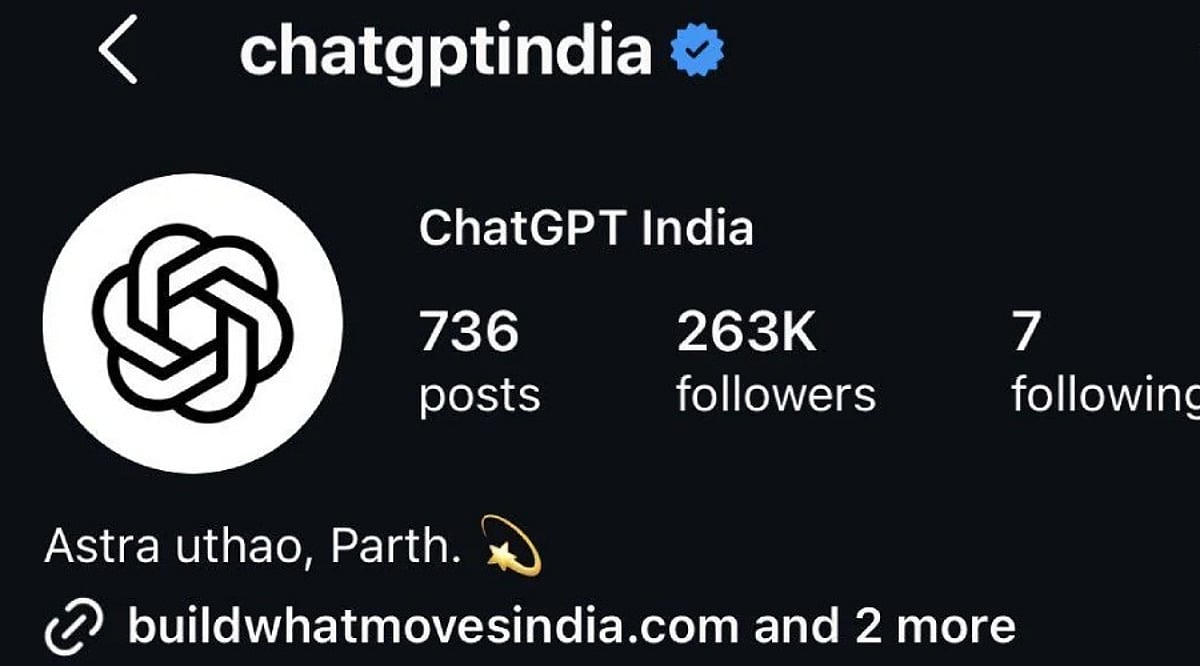
    OpenAI’s ChatGPT India has captured attention with a simple yet culturally resonant Instagram bio: ‘Astra uthao, Parth.’ This four-line bio, also shared on the company’s official X account, references the Mahabharata epic by using ‘Parth’ (a name for Arjuna) and ‘Astra’ (weapon), tweaking the famous line ‘Shastra uthao, Parth.’ The message is a clever nod to Indian mythology, making the AI brand feel more relatable to local internet users.

    The move highlights a shift in how global tech companies approach localization. Rather than merely translating content into Hindi or other Indian languages, OpenAI is tapping into cultural knowledge and humor. The reference is not explained; it relies on the audience’s familiarity with the epic, creating an inside joke that resonates with those who understand it.

    This campaign demonstrates that effective localization goes beyond language translation. It involves understanding pop culture, myths, and online habits. By using a line that sounds like something a friend might say, ChatGPT India positions itself as a brand that ‘gets’ its audience.

    The strategy is part of a broader trend where AI companies are trying to make global products feel local. As AI becomes more integrated into daily life, cultural relevance will be key to adoption. The ‘Astra uthao, Parth’ bio is a small but powerful example of this approach.

    Also read: From ChatGPT to Cameras: OpenAI Acquires Apple-Founded Glass Imaging

    The creativity behind this campaign shows that not all marketing requires huge budgets. A simple, well-placed cultural reference can generate buzz and engagement. It also signals that OpenAI is paying attention to regional nuances, which could be crucial for expanding its user base in India and other diverse markets.

    In conclusion, the ChatGPT India bio is more than a quirky line; it’s a lesson in modern localization. By blending technology with tradition, OpenAI is setting a new standard for how AI brands communicate with local audiences.

  • ChatGPT Fact-Checking: 8 Ways to Verify AI Responses Are Accurate

    ChatGPT Fact-Checking: 8 Ways to Verify AI Responses Are Accurate

    ChatGPT is a powerful assistant, but it doesn’t always get everything right. Whether you are using it for research, work, or everyday questions, it pays to verify the information before relying on it. Here are eight practical strategies to help you determine whether a ChatGPT response is accurate and trustworthy.

    1. Review the Sources

    Ask ChatGPT to point you to the sources behind its answer. Reliable responses typically draw from official documents, peer-reviewed research, established publications, or reputable websites. Checking those sources can reveal unsupported claims, outdated information, or details that need further confirmation before you accept the response.

    2. Verify Key Facts Independently

    Check important names, dates, numbers, statistics, quotations, and events against trusted external references such as government websites, official company pages, academic journals, or major news organizations. Independent verification ensures that the most critical details are correct and not merely plausible-sounding.

    3. Cross-Compare with Multiple Sources

    Don’t rely on a single AI answer. Compare ChatGPT’s response with information from several independent and credible sources. Agreement among reputable sources boosts your confidence, while contradictions signal that the topic may need deeper research or that parts of the answer could be off.

    4. Check the Publication Date

    AI responses can contain information that was once accurate but has changed. Look for the publication or update date, especially for fast-moving areas like technology, prices, laws, sports, politics, and current events. A fact that was true last year may no longer hold today, so date verification is essential for time-sensitive topics.

    5. Ask for Evidence and Reasoning

    Ask ChatGPT to explain how it reached its conclusion and to identify the supporting evidence. A follow-up question can expose weak reasoning, missing context, hidden assumptions, or claims that require additional verification before you trust the original answer.

    6. Test Specific Claims Individually

    Break a long answer into individual claims and verify each important statement separately. This approach helps you spot situations where most of the response is correct but one statistic, date, quotation, technical detail, or conclusion is wrong. Isolating claims makes those errors far easier to catch.

    7. Rely on Expert Sources for Specialized Topics

    For medical, legal, financial, scientific, or technical questions, compare ChatGPT’s answer with guidance from qualified professionals and authoritative organizations. Experts provide specialized context and nuance that a general AI response may overlook or explain incorrectly.

    8. Watch for Overconfidence

    Be cautious when ChatGPT uses confident language without providing enough evidence or context. Treat precise claims with extra skepticism when verification is difficult, and avoid assuming that a confident answer automatically means the information is correct. Confidence is not proof of accuracy—keep questioning until you have solid confirmation.

    By applying these eight checks, you can use ChatGPT more effectively while reducing the risk of spreading misinformation. Remember that AI is a useful starting point, but it’s not the final authority.

  • Sonos 27 Update Integrates ChatGPT and Claude AI for Smarter Home Audio Control

    Sonos 27 Update Integrates ChatGPT and Claude AI for Smarter Home Audio Control

    Sonos has begun rolling out Sonos 27, a major system update that brings artificial intelligence tools and enhanced flexibility to its speaker lineup. Available now on iPhone, Android, and compatible Sonos speakers, the update introduces Model Context Protocol (MCP) support, enabling AI services like ChatGPT and Claude to interact directly with the audio system.

    With Sonos 27, users can control playback, group speakers, adjust volume, move audio between rooms, and activate features like Night Sound and Speech Enhancement—all through natural language commands via ChatGPT or Claude. This eliminates the need to open the Sonos app for routine tasks.

    Beyond AI, the update adds significant new hardware functionality. Portable Sonos speakers can now serve as rear surround speakers when paired with the Arc Ultra soundbar. The Sonos Ace Ultra headphones also gain the ability to seamlessly transfer audio between the headphones and compatible speakers.

    Sonos is also developing Sonos Voice, a forthcoming voice assistant. Looking ahead to 2027, the company plans to introduce Custom Agents, which would let users build personalized AI agents using their preferred model and voice.

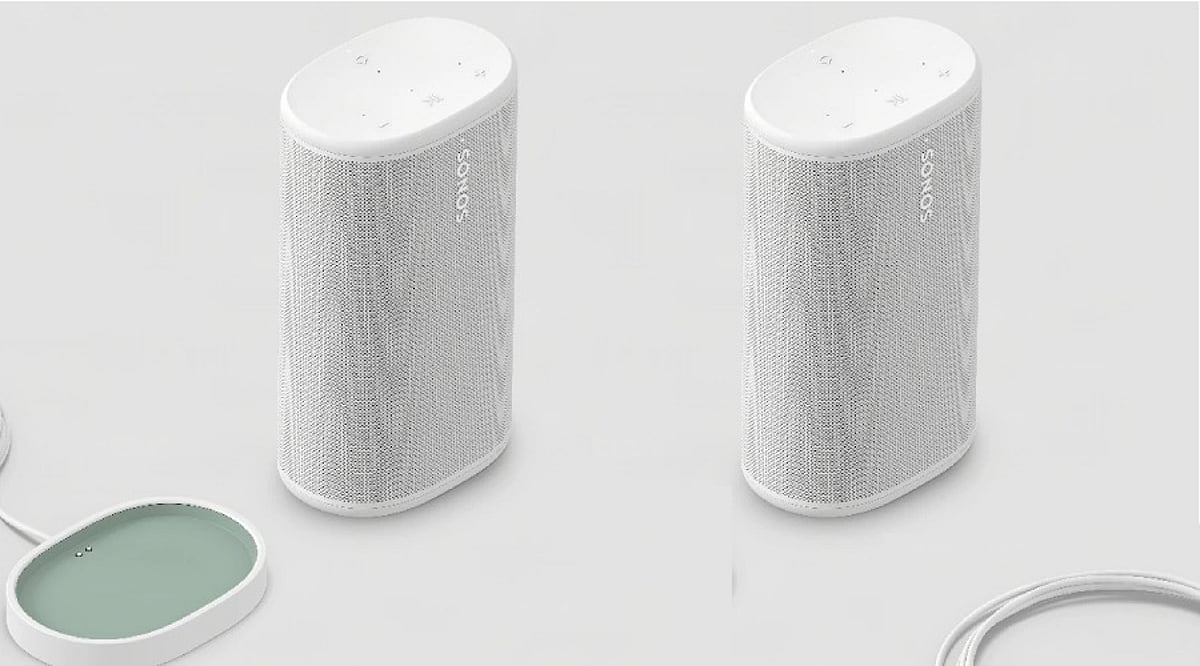
    One of the standout features is the dynamic role adjustment for portable speakers. For instance, two portable Play speakers can act as rear channels for a home theater setup during a movie, then revert to standard portable mode when moved. Sonos’ positioning technology automatically detects their placement and adjusts their function accordingly.

    The overarching theme of Sonos 27 is flexibility. A single speaker can now serve multiple roles throughout the day—supporting a home theater at night and functioning as a regular portable speaker later. Combined with AI-driven voice control, the update streamlines the user experience and adapts to how people actually use their homes.

  • 2026’s Top Smartwatches: Bluetooth Calling and Voice Assistant Showdown

    2026’s Top Smartwatches: Bluetooth Calling and Voice Assistant Showdown

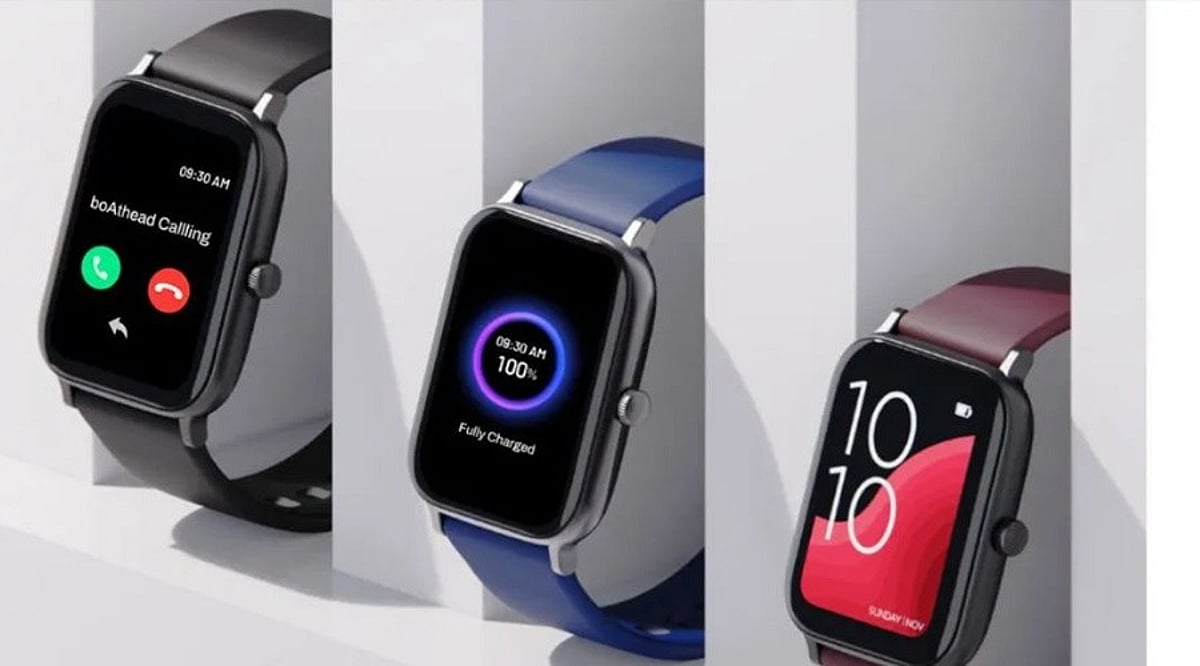
    A smartwatch today needs more than just a bright screen and fitness tracking. Clear wrist calls and fast voice assistance add real value. Premium Apple and Samsung models now compete with long-life Wear OS watches and affordable picks. The key differences lie in voice assistant quality, phone compatibility, battery life, and price.

    Top Smartwatches Compared

    Samsung Galaxy Watch8

    The Samsung Galaxy Watch8 stands out as a strong Android all-rounder. It supports Bluetooth calls through its built-in microphone and speaker. Gemini provides a more advanced voice assistant experience, with Samsung’s software focused on AI help. Battery life is about 30 to 40 hours, so daily charging may still be needed. Best for Samsung phone owners, but works well with other Android devices. Price near Rs. 23,999.

    Apple Watch Series 11

    The Apple Watch Series 11 remains a top choice for iPhone users. It supports Bluetooth calls and Siri voice control. Battery lasts about 24 hours, making daily charging likely. Price near Rs. 40,999 places it in the premium class. A score of 4.8 from about 13,000 reviews confirms its high-end status.

    OnePlus Watch 3

    The OnePlus Watch 3 puts battery life at the center of its appeal, with up to 120 hours of use. It works with Google’s assistant ecosystem and Gemini. The 43 mm model costs around Rs. 20,710, with a 4.8 rating from about 1,200 reviews. Ideal for buyers who want long battery life at a lower price.

    CMF Watch 3 Pro

    The CMF Watch 3 Pro takes a different route with a low price and strong AI focus. It supports Bluetooth calls, ChatGPT access, voice recording, transcription, and voice assistant access. Battery life can reach up to 13 days. India launch price was Rs. 7,999 (early price Rs. 6,999), making it one of the most affordable options with calls, voice tools, and long battery life.

    Samsung Galaxy Watch8 Classic

    The Galaxy Watch8 Classic adds a more traditional watch look to Samsung’s Wear OS range. Bluetooth calls and Gemini voice assistant are included. Battery life is near 30 to 40 hours. Price around Rs. 35,499. It fits buyers who want a formal watch style with voice help and wrist-based calls.

    Moto Watch Ultra

    The Moto Watch Ultra brings one of the newest options, with Wear OS 6, Gemini, Motorola’s Qira assistant, LTE, and a built-in speaker and microphone for calls. Battery life reaches about two days. Its 46 mm stainless-steel case suits those who prefer a large premium design. US price is USD 349.99, with sales starting September 10, 2026.

    Why Bluetooth Calling and Voice Assistants Matter

    Bluetooth calls let you take calls without reaching for your phone. Voice assistants provide quick access to information and controls. Battery life, phone support, and assistant quality shape the overall experience, so the right choice depends on your needs.

    What Sets These Watches Apart

    The Galaxy Watch8 offers a strong Android package, while Apple Watch Series 11 is best for iPhone users. OnePlus Watch 3 leads on battery life. CMF Watch 3 Pro offers the lowest price with strong AI features. Galaxy Watch8 Classic adds a traditional design, and Moto Watch Ultra brings newer software and assistant options. Voice tools now mark the biggest shift—Bluetooth calls are common, but assistant quality varies sharply from basic phone assistants to Gemini or ChatGPT.

    FAQs

    1. Which smartwatch is best for Android users? Samsung Galaxy Watch8 is a strong overall choice, especially for Samsung smartphone owners.
    2. Which smartwatch has the longest battery life? OnePlus Watch 3 offers up to 120 hours, while CMF Watch 3 Pro can reach up to 13 days.
    3. Which smartwatch is best for iPhone users? Apple Watch Series 11 is the natural choice due to close integration with iPhone and Siri.
    4. Which smartwatch is the most affordable? CMF Watch 3 Pro is the most budget-friendly, with an India launch price of Rs. 7,999.
    5. Which watches support voice assistants? Models include Gemini, Siri, ChatGPT, or other voice-assistant features, depending on the watch and phone ecosystem.
  • ChatGPT Ad Pricing in India: Minimum Budget, Auction Model, and Real Costs

    ChatGPT Ad Pricing in India: Minimum Budget, Auction Model, and Real Costs

    OpenAI has launched advertising on ChatGPT in India, its second-largest market, with a minimum daily budget of Rs. 725. Sponsored results began appearing to eligible users on August 27, and the self-serve Ads Manager followed on September 4. Any business, from small local brands to large agencies, can now sign up and run campaigns without a managed account or waiting period.

    Ads appear below relevant answers in a conversation, clearly labeled as sponsored and visually separated from ChatGPT’s actual response. OpenAI states that ads do not influence the AI’s output, and advertisers only receive aggregate performance data—never access to chat history or personal conversations. Paid subscription tiers (Plus, Pro, Business, Enterprise, Education) remain ad-free, so sponsored content only reaches users on the Free and Go plans.

    Pricing operates through an auction system rather than fixed rates. OpenAI uses a relevance-weighted, second-price auction where the winning bid depends on both cost and how well the ad fits the ongoing conversation. Advertisers can choose between CPM, CPC, or conversion-focused campaign goals, with reporting including impressions, clicks, spend, and average cost per click.

    Industry watchers caution that Rs. 725 per day is a technical floor, not a realistic budget for meaningful results. Over 30 days, that minimum totals roughly Rs. 21,750—often insufficient to generate significant clicks or conversions. The actual cost depends on competition, ad relevance, industry category, and customer acquisition value. Since ChatGPT ads are new in India, marketers advise treating early campaigns as tests and judging them by conversion quality rather than comparing directly with established platforms like Meta or Google.